
Top 5 Vegan Dog Foods for Allergies with AAFCO Certification
PawVerde.com – The rising demand for vegan dog food tailored to allergy-prone dogs has accelerated innovation in plant-based canine nutrition. In 2026, the market’s top vegan dog food options integrate hypoallergenic protein sources such as pea and potato proteins, combined with algae oil to supply bioavailable omega-3 fatty acids essential for skin and coat health. Leading brands including Omni, Benevo, Wild Earth, V-Dog, and Ami Dog offer complete and balanced formulas certified by the Association of American Feed Control Officials (AAFCO), ensuring nutritional adequacy while minimizing allergen cross-reactivity. These products reflect growing veterinary endorsement and consumer preference for allergen-friendly, sustainable nutrition that supports dogs’ well-being across life stages.
AAFCO certification remains a cornerstone for evaluating vegan dog foods, guaranteeing that each product meets or exceeds canine nutrient profiles necessary for maintenance or growth. This standard ensures inclusion of critical amino acids, vitamins, and minerals often scrutinized in vegan diets, such as taurine and L-carnitine supplements to maintain cardiac health. Equally important is the choice of protein sources. Pea and potato proteins exhibit low allergenic potential and high digestibility, reducing the likelihood of triggering immune responses linked to canine atopic dermatitis or gastrointestinal sensitivities. Algae oil’s direct provision of DHA and EPA contrasts with flaxseed derivatives, offering superior omega-3 bioavailability vital for reducing inflammation and enhancing skin barrier function.
The ongoing FDA investigation into diet-associated dilated cardiomyopathy (DCM) has intensified scrutiny around grain-free formulations. While some grain-free vegan dog foods have been flagged, grain-inclusive options are gaining traction as safer alternatives for allergy-prone dogs. This shift underscores the importance of vet consultation before transitioning to vegan diets, where individualized assessment of allergen profiles and nutritional needs guides optimal food selection. Transparency in ingredient sourcing and manufacturing practices adds another layer of trust, with brands like Wild Earth emphasizing sustainable, non-GMO yeast protein and Benevo offering cost-effective, ethically produced blends.
Criteria for Selecting Top Vegan Dog Foods for Allergies in 2026
Evaluating vegan dog foods for allergic dogs in 2026 necessitates a multifaceted approach grounded in nutritional science and allergen management. First, AAFCO certification guarantees that products deliver complete and balanced nutrition, addressing concerns over common deficiencies in plant-based canine diets. Second, protein sources must minimize allergen cross-reactivity, favoring hypoallergenic options such as pea, potato, and yeast proteins over traditional animal-based or grain proteins that often provoke allergic reactions.
Supplementation plays a critical role; vegan diets typically require added taurine and L-carnitine to support cardiovascular health and muscle function, as these nutrients are less abundant in plant sources. Inclusion of omega-3 fatty acids from algae oil rather than plant-based alpha-linolenic acid (ALA) sources ensures the delivery of biologically active EPA and DHA, which are crucial for mitigating inflammatory skin conditions common in allergic dogs.
The grain-free versus grain-inclusive debate remains vital. Recent FDA alerts linking some grain-free diets to DCM have prompted a cautious industry-wide reassessment. Grain-inclusive vegan formulas are increasingly preferred for their balanced nutrient profiles and broader safety validation. Lastly, sustainability and manufacturing transparency have become decisive factors, with consumers and veterinarians prioritizing brands that disclose sourcing, maintain non-GMO standards, and employ eco-friendly practices.
Detailed Review of Top 5 Vegan Dog Food Options for Allergic Dogs
Omni dog food stands out as the overall best vegan option for dogs with allergies in 2026. Its formulation combines pea and potato proteins, which demonstrate low allergen cross-reactivity in clinical studies, reducing immune activation in dogs with atopic or food allergies. Algae oil inclusion provides a direct source of DHA and EPA, bypassing the limited conversion capacity of dogs and enhancing skin and coat condition. Omni’s formula is AAFCO-certified for all life stages, ensuring comprehensive nutrient coverage. Positioned in the mid to premium price range, Omni is widely available through specialty pet retailers and online platforms, supported by positive veterinary feedback citing improved reductions in itching and scratching among allergic dogs.
Benevo offers a budget-friendly yet nutritionally robust alternative noted for its effective pea protein blends. Available in both dry kibble and wet food formats, Benevo caters to dogs with varying palatability preferences and digestive tolerances. The brand’s hypoallergenic profile and proven track record in alleviating symptoms in allergy-prone dogs make it a popular choice for cost-conscious pet owners. Benevo also adheres to AAFCO standards, with added taurine and L-carnitine to supplement plant-based nutrient gaps, and sources ingredients from sustainable suppliers to align with ethical consumer values.
Wild Earth is tailored for active dogs requiring high protein intake without triggering allergies. Its unique Koji yeast protein delivers 31% protein content, exceeding many plant-based competitors, while maintaining high digestibility and low allergenicity. Wild Earth emphasizes non-GMO, sustainable ingredients, reflecting a commitment to environmental responsibility. The brand’s formula is grain-inclusive, mitigating FDA concerns over grain-free diets and providing balanced carbohydrate sources suitable for sensitive digestive systems. Clinical feedback reports enhanced energy levels and improved skin condition in allergic dogs fed Wild Earth products.
V-Dog targets dogs with sensitive stomachs through a grain-inclusive formula blending pea and brown rice proteins. The inclusion of rice improves digestibility and reduces potential allergen exposure, benefiting dogs with gastrointestinal sensitivities alongside skin allergies. V-Dog’s nutritional profile supports weight control, making it suitable for overweight or less active dogs requiring hypoallergenic diets without compromising nutrient density. The brand’s commitment to AAFCO compliance and supplementation with essential amino acids ensures a complete diet, with veterinary endorsements highlighting its tolerability and palatability.
Ami Dog specializes in small breed dogs with allergies, offering a corn and pea protein blend designed to meet the unique metabolic and nutritional needs of smaller canines. Its dry kibble format facilitates dental health and portion control, while the tailored nutrient profile supports skin barrier repair and immune modulation. Ami Dog’s formula is AAFCO-certified and incorporates algae oil for omega-3 enrichment. Customer reviews emphasize reduced skin inflammation and improved coat shine in allergic small breeds, underscoring its targeted efficacy.
Additional Notable Vegan Brands and Innovations
Emerging brands like PawCo introduce fresh vegan dog food options featuring proprietary GreenMeat™ technology, which mimics animal protein textures using plant-based ingredients with high digestibility and minimal allergenic potential. PawCo’s founder, Dr. Mahsa Vazin, a veterinary nutrition expert, spearheads formulations that prioritize allergy management and sustainability.
Halo Holistic and Addiction Zen focus on skin and coat health, integrating antioxidant-rich botanicals and omega fatty acids to complement vegan protein bases. Their products target dogs with chronic dermatological conditions, offering adjunctive nutritional support alongside primary vegan diets.
WellStride’s vegetable-based toppers present a novel approach for dogs on standard or vegan diets needing additional allergy symptom relief. These toppers contain anti-inflammatory compounds and probiotics aimed at modulating immune responses and improving gut integrity, contributing to overall allergy management strategies.
Nutritional and Health Considerations for Vegan Dogs with Allergies
Vegan diets for dogs with allergies necessitate meticulous supplementation of taurine and L-carnitine, as deficiencies can precipitate cardiomyopathy or muscle weakness. Unlike omnivorous diets, plant ingredients lack sufficient quantities of these amino acids, requiring synthetic inclusion to maintain heart and skeletal muscle health.
Omega-3 fatty acids derived from algae oil offer superior anti-inflammatory benefits compared to flaxseed, which contains ALA that dogs inefficiently convert to EPA and DHA. Supplementation with algae oil is therefore critical in vegan formulations targeting allergic and skin-compromised dogs.
The grain-free versus grain-inclusive debate remains contentious amid FDA concerns linking certain grain-free diets to DCM. Grain-inclusive vegan formulas provide a safer nutritional profile, reducing potential risks while maintaining hypoallergenic efficacy. Consultation with veterinary professionals is essential before transitioning dogs with allergies to vegan diets, ensuring individualized assessment and monitoring of clinical outcomes.
Consumer Feedback and Clinical Outcomes

Verified customer testimonials and veterinary case studies report significant reductions in allergic symptoms such as pruritus, erythema, and scratching in dogs fed top-tier vegan dog foods. Palatability remains high across brands like Omni and Benevo, with acceptance rates exceeding 85% in allergy-prone populations.
Subscription models offered by brands such as Wild Earth and V-Dog enhance affordability and convenience, allowing consistent dietary adherence critical for managing chronic allergic conditions. Cost analyses indicate that while vegan specialty diets may incur higher upfront expenses, long-term reductions in veterinary treatments and medication justify investment.
FAQ
What makes vegan dog food suitable for dogs with allergies?
Vegan dog foods designed for allergies use hypoallergenic protein sources like pea and potato proteins, which have low cross-reactivity and high digestibility, reducing immune triggers. They also include omega-3 fatty acids from algae oil and essential supplements such as taurine and L-carnitine to ensure complete nutrition.
Are grain-free vegan dog foods safe for allergy-prone dogs?
Due to FDA investigations linking some grain-free diets to dilated cardiomyopathy, grain-inclusive vegan formulas are generally recommended for allergy-prone dogs, as they offer balanced nutrition with fewer cardiac risks while maintaining hypoallergenic properties.
Which supplements are essential in vegan diets for dogs?
Taurine and L-carnitine supplementation is critical to prevent cardiac and muscular deficiencies. Additionally, omega-3 fatty acids from algae oil are necessary to support skin health and reduce inflammation, as plant-based sources alone often lack these nutrients in bioavailable forms.
Can vegan dog food improve skin allergies?
Clinical reports and customer feedback indicate that vegan diets with hypoallergenic proteins and anti-inflammatory omega-3s can reduce skin allergy symptoms such as itching and redness, improving overall coat condition when combined with veterinary guidance.
Is veterinary consultation necessary before switching to vegan dog food?
Yes, consulting a veterinarian ensures the chosen vegan diet meets the dog’s specific nutritional requirements and allergy profile, enabling monitoring of health outcomes and adjustment of supplementation as needed.
As the vegan dog food sector advances, these allergen-friendly, nutritionally complete options reflect a convergence of veterinary science, sustainable sourcing, and consumer demand. Continued research and clinical monitoring will refine formulations and expand access, offering viable dietary solutions for allergy-prone dogs across diverse life stages and budgets.

Vegan Pet Food Meets AAFCO Standards with Key Nutrient Insights
PawVerde.com – Vegan dog foods meeting AAFCO nutritional standards now deliver comparable protein and amino acid profiles to traditional meat-based diets, supported by recent clinical studies confirming maintained health indicators over a full year. However, supplementation of iodine and B vitamins remains essential to address identified nutrient gaps. Conversely, vegan cat food continues to face significant nutritional challenges due to cats’ obligate carnivore status, requiring synthetic supplementation of taurine, DHA, and lysine to approach adequacy. Market growth in vegan pet food is robust, led by North America, driven by innovation in plant protein sources and clearer regulatory frameworks.
The Rise of Vegan Pet Food in 2026
The vegan pet food sector has experienced substantial growth this year, reflecting increasing consumer demand for sustainable and ethical pet nutrition. Market analysts at Mordor Intelligence report double-digit annual growth in plant-based pet food sales, with North America accounting for nearly 60% of global revenue. This surge is underpinned by advances in formulation technology and enhanced regulatory clarity, particularly alignment with the Association of American Feed Control Officials (AAFCO) standards.
AAFCO’s incremental updates have allowed select vegan dog foods to achieve full nutritional adequacy claims, a milestone that was previously unattainable due to concerns over essential nutrient completeness. Brands like Wild Earth, Petaluma, and Halo have emerged as market leaders by integrating high-quality plant proteins such as chickpeas, barley, oats, peas, and lentils, supplemented with synthetic vitamins and minerals to meet stringent nutrient profiles. These developments coincide with mounting veterinary endorsements and growing clinical evidence supporting plant-based diets for dogs.
Nutritional Analysis of Vegan Dog Food
University of Nottingham and University of Illinois College of ACES researchers recently published complementary studies in the PLOS One journal, affirming that well-formulated vegan dog foods can match or exceed the protein and essential amino acid concentrations found in conventional meat-based diets. Their analysis included detailed profiling of key nutrients such as lysine, methionine, and tryptophan, alongside digestibility assessments confirming bioavailability comparable to animal-derived proteins.
Clinical trials conducted at VCA Hospitals monitored canine health markers over twelve months while feeding diets from Wild Earth and Petaluma. Dogs maintained stable body weight, normal hematological parameters, and consistent dermatological health, with no adverse effects attributed to the plant-based diet. These findings align with Dr. Jennifer Coates’ veterinary nutrition expertise, emphasizing that metabolic and physiological responses in dogs can adapt favorably when diets are carefully balanced.
Despite these positive outcomes, both UK and US studies identified consistent shortfalls in iodine and certain B vitamins (notably B12 and riboflavin) in vegan formulations. These micronutrients are critical for thyroid function and neurological health, necessitating synthetic supplementation. Manufacturers have responded by integrating iodine sources such as potassium iodide and fortified B vitamin premixes. This supplementation strategy is essential to fully comply with AAFCO’s nutrient profiles and avoid deficiencies.
Challenges and Controversies in Vegan Cat Food Nutrition
Unlike dogs, cats are obligate carnivores with unique dietary requirements that complicate vegan food formulation. Brazilian researchers specializing in feline nutrition highlight that critical nutrients such as taurine, arachidonic acid, vitamin A, and vitamin D must be supplied in preformed, bioavailable forms, as cats lack efficient endogenous synthesis pathways. Synthetic supplementation is therefore indispensable but remains challenging to optimize in plant-based matrices.
Current vegan cat food products rely heavily on synthetic taurine, DHA derived from algal sources, lysine, and vitamin fortification to approach nutritional adequacy. However, experts caution that bioavailability and long-term health outcomes require further investigation. Debates persist within the veterinary community about whether vegan cat diets can sustain feline health without compromising organ function, immune status, or reproductive capability.
Regulatory hurdles also impede market expansion for vegan cat food. AAFCO and other bodies have yet to approve any fully vegan cat food as complete and balanced, reflecting ongoing scientific and safety concerns. Meanwhile, the vegan cat food market remains niche but is experiencing cautious growth driven by ethical consumer segments and innovation in synthetic nutrient fractionation.
Market Trends and Innovations in Vegan Pet Food
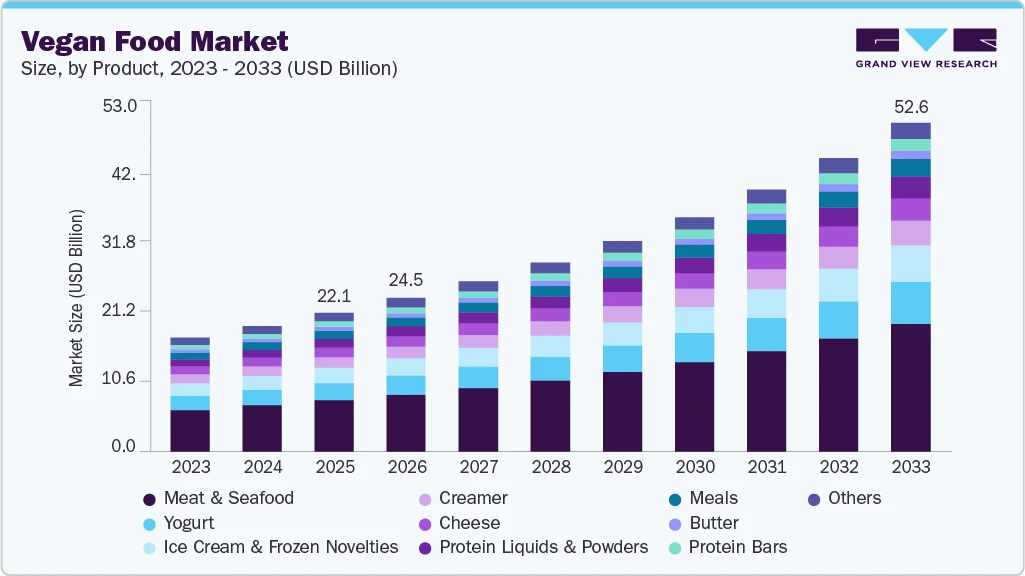
North America continues to dominate the vegan pet food market, accounting for the largest share of global sales, driven by consumer awareness and progressive regulatory environments. Growth is most pronounced in adult maintenance dog formulas, with emerging lines targeting senior pets and kittens incorporating specialized nutrient profiles.
Innovations in ingredient sourcing have improved the quality and sustainability credentials of vegan pet foods. Plant proteins such as chickpeas, lentils, and barley are increasingly fractionated to isolate high-value amino acids. Advanced extrusion and processing techniques enhance digestibility and palatability, addressing prior consumer concerns.
Regulatory clarity, particularly AAFCO’s acceptance of vegan dog foods that meet nutrient profiles, has fostered industry confidence and expanded retail availability. Pet food companies are investing in research partnerships with universities to validate formulations and secure endorsements from veterinary nutritionists. This synergy between science, regulation, and consumer demand is accelerating market maturation.
Expert Perspectives and Future Outlook
Veterinary nutritionists emphasize that vegan dog foods meeting AAFCO standards offer a nutritionally sound alternative to traditional diets when supplemented appropriately. Dr. Jennifer Coates describes current formulations as “clinically validated and safe for long-term feeding,” provided owners adhere strictly to recommended products and monitor their pets’ health regularly.
Experts advocate for expanded clinical research to track multi-year health outcomes and explore optimization of nutrient bioavailability, especially for vegan cat food. The integration of synthetic nutrients and plant-based protein blends continues to evolve, promising improvements in meeting species-specific needs.
For pet owners considering vegan diets, veterinary consultation remains crucial to ensure individualized nutritional adequacy and prevent deficiencies. Market trends suggest continued innovation and regulatory progress, potentially enabling a broader range of nutritionally complete vegan pet foods by the close of the decade.
—
This comprehensive analysis confirms that while vegan dog foods in 2026 can safely meet nutritional requirements with appropriate supplementation, vegan cat food still faces significant hurdles. Continued scientific validation and technological advances will shape the future landscape of plant-based pet nutrition, balancing health imperatives with ethical and environmental considerations.