

Nutritional Benefits of Organic Pet Food 2026 Explained
PawVerde.com – organic pet food in 2026 has become a cornerstone of premium pet nutrition, driven by growing consumer demand for natural, sustainable, and health-promoting diets. These formulas emphasize high-quality protein sources such as chicken, fish, and organ meats, which provide essential amino acids critical for muscle maintenance and overall vitality. Omega-3 fatty acids, prominently included from marine oils and flaxseed, support skin integrity, coat shine, and joint mobility, addressing common pet health concerns. Moreover, the integration of probiotics and botanicals targets gut microbiome balance and immune system enhancement, reflecting advances in functional pet food science. These products exclude fillers, animal by-products, and synthetic additives, thereby improving nutrient bioavailability and reducing allergy triggers. Market research from industry leaders like Packaged Facts and Statista confirms a steady increase in organic pet food sales, propelled by the humanization of pets and the premiumization trend.
Core Nutritional Benefits of Organic Pet Food
Organic pet food prioritizes nutrient density through carefully sourced ingredients, aligning with veterinary nutrition guidelines. Protein quality is paramount; sources such as free-range chicken, wild-caught fish, and nutrient-rich organ meats supply complete amino acid profiles essential for tissue repair, immune function, and energy metabolism. Unlike conventional pet foods, organic variants avoid rendered by-products, which can dilute nutritional value and introduce contaminants. Omega-3 fatty acids, particularly EPA and DHA, are critical in these formulations for their anti-inflammatory properties, which support cardiac health, reduce arthritis symptoms, and promote a glossy coat. According to veterinary research, diets enriched with omega-3 significantly improve skin barrier function, reducing pruritus and dermatitis in sensitive pets.
Probiotics, including strains like Lactobacillus acidophilus and Bifidobacterium animalis, have seen increased inclusion in organic pet food to enhance digestive health. By modulating the gut microbiome, these live cultures facilitate nutrient absorption and bolster mucosal immunity, resulting in fewer gastrointestinal disturbances. Botanicals such as turmeric, ginger, and chamomile contribute antioxidant and anti-inflammatory effects, further supporting systemic health. These functional ingredients align with the expanding field of pet nutraceuticals, where diet serves as a therapeutic tool beyond basic sustenance.
Functional Nutrition: Targeted Benefits and Life Stage-Specific Formulations
Organic pet food in 2026 is increasingly formulated with specific health outcomes in mind, transcending traditional nutritional adequacy. Brands like Royal Canin Fresh Health Nutrition and Natural Balance have pioneered life stage-specific diets that address the physiological needs of puppies, adults, and senior pets. Puppy formulas emphasize DHA for neurodevelopment and enhanced protein digestibility, while senior diets incorporate joint-supporting botanicals and antioxidants to mitigate age-related decline.
Functional nutrition advances also include hypoallergenic formulations designed to minimize allergen exposure by excluding common irritants such as corn, wheat, soy, and artificial preservatives. This approach enhances skin and coat health while reducing chronic inflammation associated with allergies. Joint health is supported by the inclusion of omega-3 fatty acids and natural glucosamine sources, while skin health benefits from vitamin E, zinc, and plant-derived antioxidants.
Brands like Open Farm and NutriFusion exemplify this trend by integrating superfoods and botanicals in organic blends, focusing on synergistic effects that promote digestion, immunity, and vitality. These formulations reflect insights from veterinary nutrition experts who advocate for bioavailable micronutrients and targeted ingredient functionality.
Ingredient Quality and Sustainability in Organic Pet Food
A defining characteristic of organic pet food is the exclusion of synthetic additives, fillers, and animal by-products, which often compromise nutrient quality and digestibility. Instead, these products rely on whole food ingredients sourced from certified organic farms adhering to stringent environmental and animal welfare standards. The emphasis on organic certification ensures that crops are grown without synthetic pesticides or fertilizers, reducing chemical residues in pet diets.
Sustainable protein sources are gaining prominence, with innovative options like cricket protein emerging due to their low environmental footprint and high nutrient density. This shift aligns with ethical consumerism trends and the environmental responsibility embraced by brands such as PawCo’s Magic. Organic farming practices contribute to soil health, biodiversity, and reduced greenhouse gas emissions, addressing broader ecological concerns associated with pet food production.
The Canadian Food Inspection Agency (CFIA) and similar regulatory bodies enforce rigorous standards that ensure ingredient transparency, authenticity, and safety. These frameworks enhance consumer trust by verifying organic claims and preventing misleading marketing. The result is a pet food market that balances premium nutritional quality with sustainability imperatives.
Scientific and Regulatory Foundations Supporting Organic Pet Food
The scientific underpinning of organic pet food centers on optimizing vitamin and micronutrient bioavailability to enhance physiological functions. Veterinary nutrition manuals, including the Merck Veterinary Manual, highlight the importance of formulations that deliver stable, bioactive forms of vitamins such as A, D, E, and B-complex, which support immune function, skin health, and metabolic processes. Organic pet foods leverage natural vitamin sources and avoid synthetic analogs, aiming for superior absorption and efficacy.
Probiotic inclusion is supported by studies demonstrating improved gut barrier function and modulation of inflammatory pathways in pets, reducing incidences of diarrhea and food sensitivities. The microbiome-focused approach is increasingly recognized by veterinary professionals as integral to preventive care.
Regulatory agencies like the CFIA mandate ingredient listing transparency and verify organic certification processes, ensuring that products meet defined standards for natural and organic content. These regulations are crucial for maintaining market integrity and consumer confidence amid rising demand.
Challenges and Considerations in Organic Pet Food Adoption
Despite clear nutritional advantages, organic pet food faces challenges related to higher production costs and limited availability. Premium ingredient sourcing, certification expenses, and sustainable farming practices contribute to price points that may be prohibitive for some consumers. Market analysis from IMARC indicates that while willingness to pay a premium is growing, affordability remains a barrier to widespread adoption.
Supply chain complexities, including seasonal variability of organic ingredients, can affect product consistency and availability. Retail distribution is often concentrated in specialty stores and online platforms, limiting access for some pet owners.
Balancing premium pricing with consumer expectations requires transparent communication of health benefits and sustainability credentials. Brands that effectively convey scientific backing and ethical sourcing tend to foster stronger brand loyalty and justify higher costs.
Future Outlook: Innovations and Market Trends in Organic Pet Food

The organic pet food sector is poised for continued growth, driven by innovation in functional ingredients and manufacturing techniques. Fresh-cooked and minimally processed organic pet food lines are expanding, offering enhanced palatability and nutrient retention. Advances in ingredient technologies enable inclusion of stabilized probiotics, plant-derived antioxidants, and novel superfoods tailored to specific health needs such as allergy management, weight control, and oral health.
Emerging trends indicate increased integration of personalized nutrition approaches, leveraging data on pet genetics, microbiome profiles, and life stages to customize organic diets. This precision nutrition aligns with the humanization trend, where pet owners seek tailored solutions akin to human dietary plans.
Sustainability will remain a central theme, with further exploration of alternative proteins, regenerative agriculture sourcing, and biodegradable packaging to reduce environmental impact. Regulatory bodies are expected to refine organic certification standards to address new ingredient categories and processing methods, ensuring continued consumer trust.
—
Frequently Asked Questions

What are the main health benefits of organic pet food?
Organic pet food offers high-quality proteins and omega-3 fatty acids that support muscle maintenance, skin health, and joint function. The inclusion of probiotics enhances gut microbiome balance and immunity, while exclusion of fillers and synthetic additives reduces allergy risks.
How do probiotics in organic pet food improve pet digestion?
Probiotics introduce beneficial bacteria that restore gut flora balance, aiding nutrient absorption and reducing gastrointestinal issues such as diarrhea and inflammation. They also strengthen the intestinal barrier, supporting overall immune health.
Are organic pet foods more sustainable than conventional options?
Yes, organic pet foods utilize ingredients grown without synthetic chemicals and often incorporate sustainable protein sources like cricket protein. Organic farming practices promote soil health and biodiversity, leading to a lower environmental footprint.
What challenges do consumers face when choosing organic pet food?
Higher costs, limited retail availability, and seasonal ingredient variability can restrict access to organic pet food. Consumers must weigh premium pricing against confirmed health and sustainability benefits.
How do regulatory bodies ensure the quality of organic pet food?
Organizations like the Canadian Food Inspection Agency enforce strict certification standards, ingredient transparency, and safety regulations to verify organic claims and maintain product integrity.
—
Organic pet food in 2026 reflects a convergence of nutritional science, consumer values, and environmental responsibility. Its emphasis on bioavailable proteins, omega-3 fatty acids, probiotics, and botanicals provides tangible health benefits validated by veterinary research. While cost and supply challenges persist, ongoing innovations in formulation and sustainability practices are set to make organic pet food a mainstay in premium pet nutrition portfolios. Pet owners and veterinary professionals alike can anticipate a future where organic diets play an integral role in holistic pet wellbeing.

Vegan Pet Food Meets AAFCO Standards with Key Nutrient Insights
PawVerde.com – Vegan dog foods meeting AAFCO nutritional standards now deliver comparable protein and amino acid profiles to traditional meat-based diets, supported by recent clinical studies confirming maintained health indicators over a full year. However, supplementation of iodine and B vitamins remains essential to address identified nutrient gaps. Conversely, vegan cat food continues to face significant nutritional challenges due to cats’ obligate carnivore status, requiring synthetic supplementation of taurine, DHA, and lysine to approach adequacy. Market growth in vegan pet food is robust, led by North America, driven by innovation in plant protein sources and clearer regulatory frameworks.
The Rise of Vegan Pet Food in 2026
The vegan pet food sector has experienced substantial growth this year, reflecting increasing consumer demand for sustainable and ethical pet nutrition. Market analysts at Mordor Intelligence report double-digit annual growth in plant-based pet food sales, with North America accounting for nearly 60% of global revenue. This surge is underpinned by advances in formulation technology and enhanced regulatory clarity, particularly alignment with the Association of American Feed Control Officials (AAFCO) standards.
AAFCO’s incremental updates have allowed select vegan dog foods to achieve full nutritional adequacy claims, a milestone that was previously unattainable due to concerns over essential nutrient completeness. Brands like Wild Earth, Petaluma, and Halo have emerged as market leaders by integrating high-quality plant proteins such as chickpeas, barley, oats, peas, and lentils, supplemented with synthetic vitamins and minerals to meet stringent nutrient profiles. These developments coincide with mounting veterinary endorsements and growing clinical evidence supporting plant-based diets for dogs.
Nutritional Analysis of Vegan Dog Food
University of Nottingham and University of Illinois College of ACES researchers recently published complementary studies in the PLOS One journal, affirming that well-formulated vegan dog foods can match or exceed the protein and essential amino acid concentrations found in conventional meat-based diets. Their analysis included detailed profiling of key nutrients such as lysine, methionine, and tryptophan, alongside digestibility assessments confirming bioavailability comparable to animal-derived proteins.
Clinical trials conducted at VCA Hospitals monitored canine health markers over twelve months while feeding diets from Wild Earth and Petaluma. Dogs maintained stable body weight, normal hematological parameters, and consistent dermatological health, with no adverse effects attributed to the plant-based diet. These findings align with Dr. Jennifer Coates’ veterinary nutrition expertise, emphasizing that metabolic and physiological responses in dogs can adapt favorably when diets are carefully balanced.
Despite these positive outcomes, both UK and US studies identified consistent shortfalls in iodine and certain B vitamins (notably B12 and riboflavin) in vegan formulations. These micronutrients are critical for thyroid function and neurological health, necessitating synthetic supplementation. Manufacturers have responded by integrating iodine sources such as potassium iodide and fortified B vitamin premixes. This supplementation strategy is essential to fully comply with AAFCO’s nutrient profiles and avoid deficiencies.
Challenges and Controversies in Vegan Cat Food Nutrition
Unlike dogs, cats are obligate carnivores with unique dietary requirements that complicate vegan food formulation. Brazilian researchers specializing in feline nutrition highlight that critical nutrients such as taurine, arachidonic acid, vitamin A, and vitamin D must be supplied in preformed, bioavailable forms, as cats lack efficient endogenous synthesis pathways. Synthetic supplementation is therefore indispensable but remains challenging to optimize in plant-based matrices.
Current vegan cat food products rely heavily on synthetic taurine, DHA derived from algal sources, lysine, and vitamin fortification to approach nutritional adequacy. However, experts caution that bioavailability and long-term health outcomes require further investigation. Debates persist within the veterinary community about whether vegan cat diets can sustain feline health without compromising organ function, immune status, or reproductive capability.
Regulatory hurdles also impede market expansion for vegan cat food. AAFCO and other bodies have yet to approve any fully vegan cat food as complete and balanced, reflecting ongoing scientific and safety concerns. Meanwhile, the vegan cat food market remains niche but is experiencing cautious growth driven by ethical consumer segments and innovation in synthetic nutrient fractionation.
Market Trends and Innovations in Vegan Pet Food
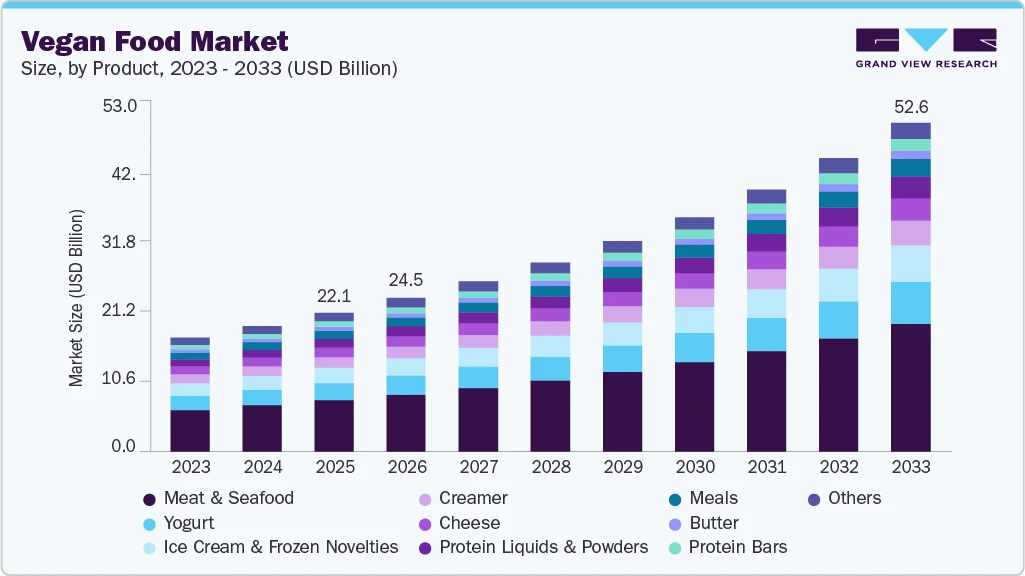
North America continues to dominate the vegan pet food market, accounting for the largest share of global sales, driven by consumer awareness and progressive regulatory environments. Growth is most pronounced in adult maintenance dog formulas, with emerging lines targeting senior pets and kittens incorporating specialized nutrient profiles.
Innovations in ingredient sourcing have improved the quality and sustainability credentials of vegan pet foods. Plant proteins such as chickpeas, lentils, and barley are increasingly fractionated to isolate high-value amino acids. Advanced extrusion and processing techniques enhance digestibility and palatability, addressing prior consumer concerns.
Regulatory clarity, particularly AAFCO’s acceptance of vegan dog foods that meet nutrient profiles, has fostered industry confidence and expanded retail availability. Pet food companies are investing in research partnerships with universities to validate formulations and secure endorsements from veterinary nutritionists. This synergy between science, regulation, and consumer demand is accelerating market maturation.
Expert Perspectives and Future Outlook
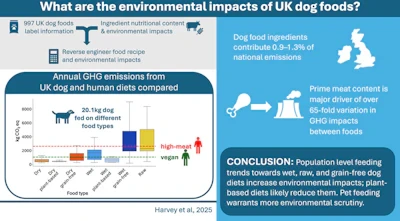
Veterinary nutritionists emphasize that vegan dog foods meeting AAFCO standards offer a nutritionally sound alternative to traditional diets when supplemented appropriately. Dr. Jennifer Coates describes current formulations as “clinically validated and safe for long-term feeding,” provided owners adhere strictly to recommended products and monitor their pets’ health regularly.
Experts advocate for expanded clinical research to track multi-year health outcomes and explore optimization of nutrient bioavailability, especially for vegan cat food. The integration of synthetic nutrients and plant-based protein blends continues to evolve, promising improvements in meeting species-specific needs.
For pet owners considering vegan diets, veterinary consultation remains crucial to ensure individualized nutritional adequacy and prevent deficiencies. Market trends suggest continued innovation and regulatory progress, potentially enabling a broader range of nutritionally complete vegan pet foods by the close of the decade.
—
This comprehensive analysis confirms that while vegan dog foods in 2026 can safely meet nutritional requirements with appropriate supplementation, vegan cat food still faces significant hurdles. Continued scientific validation and technological advances will shape the future landscape of plant-based pet nutrition, balancing health imperatives with ethical and environmental considerations.