

Sustainable Pet Care: How to Avoid Greenwashing in 2026
PawVerde.com – Owners are increasingly adopting eco-friendly practices to reduce their pets’ carbon pawprints. According to Caring Hands Animal Hospital, this includes reducing plastic waste, utilizing insect-based proteins, and using biodegradable grooming products to protect local ecosystems.
The global pet industry produces millions of tons of plastic waste, packaging, and carbon emissions every year.
The Greenwashing Audit: How to Verify Sustainable Pet Claims
To avoid greenwashing, look past marketing buzzwords like ‘high meat content’ or ‘cold-pressed’ and verify if a brand is ‘complete and balanced’ according to AAFCO standards. Check for specific ethical certifications and prioritize brands using locally sourced, organic, or insect-based proteins rather than vague ‘natural’ claims.
The Buzzword Trap
Kismet notes that marketing terms such as “high meat content,” “organic,” or “cold-pressed” do not guarantee balanced nutrition. Relying on these terms can lead to a nutritional failure mode where a pet receives adequate calories but lacks essential micronutrients. A common mistake is assuming a “natural” label equates to environmental stewardship, when true sustainability requires looking for specific, verifiable sourcing data.
The AAFCO Gold Standard
Nutritional safety must remain the priority during any dietary shift. Rather than chasing vague adjectives, owners should verify that a product is “complete and balanced” according to AAFCO standards. This ensures the food meets the specific physiological requirements of the animal, preventing long-term health complications caused by nutrient deficiencies.
Sustainability vs. Medical Necessity: A Decision Matrix
Environmental goals must be weighed against clinical needs. While insect-based proteins offer a lower carbon footprint, they may not be suitable for animals with specific medical histories or allergies.
| Criterion | Conventional Approach | Sustainable Approach |
|---|---|---|
| Protein Source | Heavily processed livestock meats | Locally sourced, organic, or insect-based |
| Packaging | Non-recyclable plastics | Recyclable or compostable materials |
| Litter Type | Clay-based (mining waste) | Natural, flushable (wheat or corn) |
Data from Sam’s Cats and Dogs highlights that sustainable pet food can lower carbon emissions by reducing dependence on intensive livestock farming. However, medical necessity must take precedence in specific cases.
When to Prioritize Eco-Proteins
To lower a pet’s carbon footprint, owners can switch to insect-based proteins or locally sourced organic ingredients. These options reduce the land and water usage required by traditional meat production.
When to Prioritize Prescription Diets
Clinical diets for kidney or gastrointestinal issues are non-negotiable. In these instances, the nutritional stability required for the animal’s survival outweighs the environmental benefits of a sustainable alternative.
The Zero-Waste Pet Wellness Roadmap
Implement a zero-waste roadmap by starting with low-effort changes like switching to bamboo brushes and biodegradable poop bags. Advance to higher-impact actions such as sourcing local insect-based proteins, using natural wheat or corn-based litters, and making homemade treats in reusable containers to eliminate single-use packaging.
Tier 1: Low-Effort Swaps
- Switch to bamboo brushes for grooming instead of plastic alternatives.
- Use biodegradable poop bags instead of standard plastic ones.
- Select natural, flushable litters made from wheat or corn to reduce mining waste.
Tier 2: Advanced Waste Management
For a more significant impact, Sam’s Cats and Dogs suggests sourcing brands like Jiminy’s or Open Farm that prioritize sustainable ingredient chains. Additionally, making homemade treats and storing them in reusable, resealable containers avoids the waste associated with single-use packaging and unsustainable ingredients like palm oil.
Managing the Transition: Nutritional Safety and Digestive Health
Switching food too quickly can lead to digestive issues. Bowlers Dog Food reports that sudden changes can cause symptoms such as loose stools, gas, and refusal to eat.
Shortcut: Use the Gradual Dog Food Transition Schedule:
Days 1-2: 75% old food, 25% new food; Days 3-4: 50% old food, 50% new food; Days 5-6: 25% old food, 75% new food; Days 7-10: 100% new food.
Maintaining a strict feeding schedule is also vital. Conbun notes that free-feeding—leaving food out at all times—can mask changes in appetite and encourages overeating, which leads to obesity. Furthermore, treats should not exceed 10% of a pet’s total daily calories to maintain weight stability.
The Science of Biodegradability in Pet Product Materials
Material choice impacts environmental longevity. While some bio-based PET materials use at least 30% renewable resources, they do not degrade naturally like other bioplastics.
Research indicates that 5% of global CO2 and carbon emissions are comprised by producing new plastics. In contrast, materials like PHA can degrade in industrial conditions within 3 months, and may decompose naturally in marine environments in just 1 to 2 years. Currently, only 9% to 16% of all plastics are recycled, making the choice of degradable materials critical.
Environmental Risks: From Topical Treatments to Invasive Species
Pet care routines can impact local wildlife and ecosystems. Specific precautions are necessary to prevent contamination.
- Aquatic Ecosystem Protection: Topical flea treatments are essentially pesticides. These can leach into the water and cause harm to aquatic wildlife if a pet swims shortly after application.
- Preventing Invasive Species: The release or escape of exotic pets is a major cause of the spread of invasive species in the United States.
The Global Landscape of Veterinary Biotechnology
The biotechnology sector is expanding rapidly to address complex animal health needs. Boehringer Ingelheim, which serves 130 markets and employs 54,300 people, continues to expand its pipeline through strategic acquisitions, such as the acquisition of Evax AG. This growth in biotechnology reflects the deep connection between human and animal health.
FAQ
How long should it take to switch my dog’s food?
A gradual transition should take between 7-10 days to prevent digestive issues like loose stools or gas.
Are ‘natural’ pet foods always better for the environment?
Not necessarily; ‘natural’ is a marketing term. True sustainability involves looking for ethically sourced, organic, or insect-based proteins and recyclable packaging.
Can pet flea treatments affect the environment?
Yes, topical flea treatments are essentially pesticides that can leach into water and harm aquatic wildlife if the pet swims shortly after application.

Best Natural Pet Food Guide: Top Brands & Safe Transition
PawVerde.com – The best natural pet foods prioritize named animal proteins as the first ingredient and meet AAFCO nutritional standards without artificial preservatives. Top-tier options include fresh subscription services like Ollie and The Farmer’s Dog, high-meat raw formulas like Carna4, and nutrient-dense freeze-dried or gently cooked options that emphasize ingredient traceability. Carna4 formulas consist of 95% raw meat and organs.
The Natural Food Transition Protocol: Avoiding GI Upset
To safely transition your dog to natural food, use a 7-day gradual mixing method: Days 1-2 (75% old/25% new), Days 3-4 (50% old/50% new), Days 5-6 (25% old/75% new), and Day 7 (100% new). This prevents diarrhea and digestive distress caused by sudden changes in fiber or protein density.
Why sudden changes cause diarrhea
Switching abruptly from processed kibble to a nutrient-dense natural diet can overwhelm the gastrointestinal tract. This sudden shift in protein and fiber levels frequently results in acute diarrhea or vomiting.
The 7-Day Mixing Schedule
Follow this specific sequence to minimize the risk of GI upset:
- Days 1-2: Mix 75% of the current food with 25% of the new natural food.
- Days 3-4: Increase the ratio to 50% old food and 50% new food.
- Days 5-6: Move to 25% old food and 75% new food.
- Day 7: Transition to 100% the new natural food.
If any digestive distress occurs during this period, practitioners recommend reverting to the previous successful ratio and slowing the transition further.
Label Decoder: Spotting Marketing Hype vs. Nutrient Density
Ideally, the first ingredient should be a named animal protein, such as chicken, beef, lamb, or salmon. Consumers must distinguish between high-quality meat sources and vague descriptors that mask lower-quality fillers.
Named Proteins vs. Anonymous ‘Meals’
Nutritional completeness is the priority. While “chicken meal” is a concentrated protein, it lacks the transparency of specific, named sources like chicken, lamb, salmon, turkey, or beef. High-quality brands use these specific animal proteins to support lean muscle, tissue repair, and lasting energy.
The Superfood Fallacy: Function over Hype
AvoDerm notes that “natural does not automatically mean better in every case,” emphasizing the need to look past trendy additives. Blueberries are a nice bonus, not the reason to choose a food by themselves. If a formula is weak on protein quality or fat balance, a handful of trendy fruits will not compensate for the nutritional deficit. One smart rule: choose function over hype.
Top-Rated Natural Pet Food Brands for 2026
The following brands represent the leading edge of natural pet nutrition, categorized by their specific processing methods and nutritional advantages.
| Brand | Primary Format | Key Nutritional Highlight | Best For |
|---|---|---|---|
| Ollie | Fresh Subscription | Customized meal plans | Convenience & Freshness |
| Carna4 | Raw | 95% meat and organs | High-meat enthusiasts |
| The Honest Kitchen | Dehydrated | High digestibility | Budget-conscious natural feeding |
| a fresh subscription service | Fresh Subscription | 39% protein (Beef Recipe) | Weight & Muscle management |
| Stella & Chewy’s | Freeze-Dried | Raw nutrition in dry form | Transitioning from kibble |
Review these options to find a match for your pet’s needs, such as the 39% protein content found in specific beef recipes or the 95% meat and organ density of Carna4.
Best Fresh Subscriptions (Ollie, PetPlate)
Fresh food subscriptions offer the highest moisture content and minimal processing. The Farmer’s Dog Beef Recipe provides a significant nutritional profile with 39% protein, 29% fat, and 24% carbohydrates on a dry matter basis. These services are designed for owners who want the benefits of human-grade food without the labor of meal prep. PetPlate provides a similar convenience, though it requires strict adherence to storage protocols to maintain freshness.
Best Raw & Freeze-Dried (Carna4, Stella & Chewy’s)
For those seeking the most concentrated animal nutrition, Carna4 stands out with formulas consisting of 95% raw meat and organs. This provides an extremely high nutrient density. Stella & Chewy’s offers an alternative via freeze-drying, a process where ingredients are frozen and then dried using a vacuum to remove moisture while preserving raw nutrition. This method allows for raw-style feeding without the constant need for refrigeration.
Best Dehydrated/Kibble Alternatives (The Honest Kitchen)
The Honest Kitchen specializes in dehydrated formats that rehydrate with water before serving. This method is highly effective for maintaining nutrient integrity while offering better shelf stability than frozen options. Customers have reported an 80% improvement in digestion and a 77% improvement in wellbeing and energy levels when switching to these nutrient-dense alternatives.
Safety & Spoilage: Managing Preservative-Free Diets
Natural foods often lack synthetic preservatives, increasing the risk of spoilage. Proper handling is essential for safety.
Safety Note: To prevent cross-contamination, always wash hands and utensils thoroughly after contact with raw protein.
Storage requirements vary drastically by format. For example, PetPlate frozen meals can be stored for 5 days in the fridge or up to 1 year in the freezer. Managing these diets requires dedicated freezer space and careful handling to avoid the “thaw-refreeze” cycle, which can compromise the texture and safety of the food. Unlike traditional kibble, which can sit in a bowl for hours, natural fresh foods should be consumed shortly after serving to prevent spoilage.
The Real Cost of Natural Feeding
Natural diets involve different financial considerations. While upfront costs may be higher, subscription services like Ollie offer customized plans starting as low as $1.57 per meal.
Subscription services like Ollie offer customized meal plans with starting prices as low as $1.57 per meal. While this may seem higher than bulk kibble, The Honest Kitchen offers subscription savings of 25%, making dehydrated options more accessible. It is a counterintuitive but documented reality that raw food can be a cost-effective choice in the long run due to lower vet bills resulting from improved overall health and better disease prevention.
FAQ
Is ‘natural’ the same as ‘organic’?
No. Organic follows strict USDA standards for sourcing and growing. “Natural” means the food is made without artificial preservatives, colors, or flavors.
Are grain-free diets healthier for dogs?
Not inherently. While useful for specific sensitivities, whole grains like oats or brown rice can be excellent sources of nutrition and energy for most dogs.
How do I know if a natural food is nutritionally complete?
Look for the AAFCO statement on the packaging, which confirms the food meets established nutritional profiles for your pet’s specific life stage.

Vegan Pet Food Meets AAFCO Standards with Key Nutrient Insights
PawVerde.com – Vegan dog foods meeting AAFCO nutritional standards now deliver comparable protein and amino acid profiles to traditional meat-based diets, supported by recent clinical studies confirming maintained health indicators over a full year. However, supplementation of iodine and B vitamins remains essential to address identified nutrient gaps. Conversely, vegan cat food continues to face significant nutritional challenges due to cats’ obligate carnivore status, requiring synthetic supplementation of taurine, DHA, and lysine to approach adequacy. Market growth in vegan pet food is robust, led by North America, driven by innovation in plant protein sources and clearer regulatory frameworks.
The Rise of Vegan Pet Food in 2026
The vegan pet food sector has experienced substantial growth this year, reflecting increasing consumer demand for sustainable and ethical pet nutrition. Market analysts at Mordor Intelligence report double-digit annual growth in plant-based pet food sales, with North America accounting for nearly 60% of global revenue. This surge is underpinned by advances in formulation technology and enhanced regulatory clarity, particularly alignment with the Association of American Feed Control Officials (AAFCO) standards.
AAFCO’s incremental updates have allowed select vegan dog foods to achieve full nutritional adequacy claims, a milestone that was previously unattainable due to concerns over essential nutrient completeness. Brands like Wild Earth, Petaluma, and Halo have emerged as market leaders by integrating high-quality plant proteins such as chickpeas, barley, oats, peas, and lentils, supplemented with synthetic vitamins and minerals to meet stringent nutrient profiles. These developments coincide with mounting veterinary endorsements and growing clinical evidence supporting plant-based diets for dogs.
Nutritional Analysis of Vegan Dog Food
University of Nottingham and University of Illinois College of ACES researchers recently published complementary studies in the PLOS One journal, affirming that well-formulated vegan dog foods can match or exceed the protein and essential amino acid concentrations found in conventional meat-based diets. Their analysis included detailed profiling of key nutrients such as lysine, methionine, and tryptophan, alongside digestibility assessments confirming bioavailability comparable to animal-derived proteins.
Clinical trials conducted at VCA Hospitals monitored canine health markers over twelve months while feeding diets from Wild Earth and Petaluma. Dogs maintained stable body weight, normal hematological parameters, and consistent dermatological health, with no adverse effects attributed to the plant-based diet. These findings align with Dr. Jennifer Coates’ veterinary nutrition expertise, emphasizing that metabolic and physiological responses in dogs can adapt favorably when diets are carefully balanced.
Despite these positive outcomes, both UK and US studies identified consistent shortfalls in iodine and certain B vitamins (notably B12 and riboflavin) in vegan formulations. These micronutrients are critical for thyroid function and neurological health, necessitating synthetic supplementation. Manufacturers have responded by integrating iodine sources such as potassium iodide and fortified B vitamin premixes. This supplementation strategy is essential to fully comply with AAFCO’s nutrient profiles and avoid deficiencies.
Challenges and Controversies in Vegan Cat Food Nutrition
Unlike dogs, cats are obligate carnivores with unique dietary requirements that complicate vegan food formulation. Brazilian researchers specializing in feline nutrition highlight that critical nutrients such as taurine, arachidonic acid, vitamin A, and vitamin D must be supplied in preformed, bioavailable forms, as cats lack efficient endogenous synthesis pathways. Synthetic supplementation is therefore indispensable but remains challenging to optimize in plant-based matrices.
Current vegan cat food products rely heavily on synthetic taurine, DHA derived from algal sources, lysine, and vitamin fortification to approach nutritional adequacy. However, experts caution that bioavailability and long-term health outcomes require further investigation. Debates persist within the veterinary community about whether vegan cat diets can sustain feline health without compromising organ function, immune status, or reproductive capability.
Regulatory hurdles also impede market expansion for vegan cat food. AAFCO and other bodies have yet to approve any fully vegan cat food as complete and balanced, reflecting ongoing scientific and safety concerns. Meanwhile, the vegan cat food market remains niche but is experiencing cautious growth driven by ethical consumer segments and innovation in synthetic nutrient fractionation.
Market Trends and Innovations in Vegan Pet Food
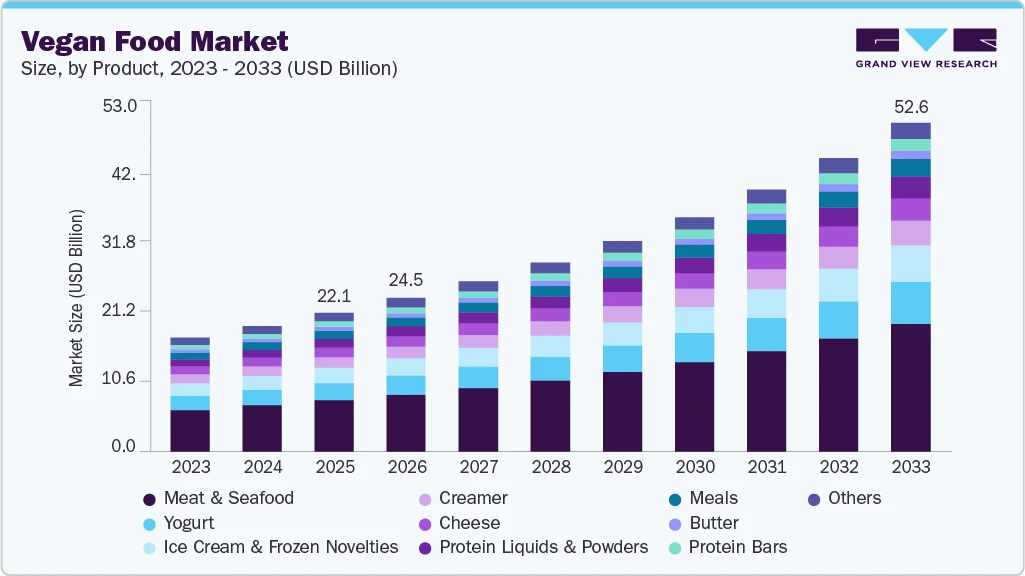
North America continues to dominate the vegan pet food market, accounting for the largest share of global sales, driven by consumer awareness and progressive regulatory environments. Growth is most pronounced in adult maintenance dog formulas, with emerging lines targeting senior pets and kittens incorporating specialized nutrient profiles.
Innovations in ingredient sourcing have improved the quality and sustainability credentials of vegan pet foods. Plant proteins such as chickpeas, lentils, and barley are increasingly fractionated to isolate high-value amino acids. Advanced extrusion and processing techniques enhance digestibility and palatability, addressing prior consumer concerns.
Regulatory clarity, particularly AAFCO’s acceptance of vegan dog foods that meet nutrient profiles, has fostered industry confidence and expanded retail availability. Pet food companies are investing in research partnerships with universities to validate formulations and secure endorsements from veterinary nutritionists. This synergy between science, regulation, and consumer demand is accelerating market maturation.
Expert Perspectives and Future Outlook
Veterinary nutritionists emphasize that vegan dog foods meeting AAFCO standards offer a nutritionally sound alternative to traditional diets when supplemented appropriately. Dr. Jennifer Coates describes current formulations as “clinically validated and safe for long-term feeding,” provided owners adhere strictly to recommended products and monitor their pets’ health regularly.
Experts advocate for expanded clinical research to track multi-year health outcomes and explore optimization of nutrient bioavailability, especially for vegan cat food. The integration of synthetic nutrients and plant-based protein blends continues to evolve, promising improvements in meeting species-specific needs.
For pet owners considering vegan diets, veterinary consultation remains crucial to ensure individualized nutritional adequacy and prevent deficiencies. Market trends suggest continued innovation and regulatory progress, potentially enabling a broader range of nutritionally complete vegan pet foods by the close of the decade.
—
This comprehensive analysis confirms that while vegan dog foods in 2026 can safely meet nutritional requirements with appropriate supplementation, vegan cat food still faces significant hurdles. Continued scientific validation and technological advances will shape the future landscape of plant-based pet nutrition, balancing health imperatives with ethical and environmental considerations.