

PawVerde.com – Vegan dog foods meeting AAFCO nutritional standards now deliver comparable protein and amino acid profiles to traditional meat-based diets, supported by recent clinical studies confirming maintained health indicators over a full year. However, supplementation of iodine and B vitamins remains essential to address identified nutrient gaps. Conversely, vegan cat food continues to face significant nutritional challenges due to cats’ obligate carnivore status, requiring synthetic supplementation of taurine, DHA, and lysine to approach adequacy. Market growth in vegan pet food is robust, led by North America, driven by innovation in plant protein sources and clearer regulatory frameworks.
The Rise of Vegan Pet Food in 2026
The vegan pet food sector has experienced substantial growth this year, reflecting increasing consumer demand for sustainable and ethical pet nutrition. Market analysts at Mordor Intelligence report double-digit annual growth in plant-based pet food sales, with North America accounting for nearly 60% of global revenue. This surge is underpinned by advances in formulation technology and enhanced regulatory clarity, particularly alignment with the Association of American Feed Control Officials (AAFCO) standards.
AAFCO’s incremental updates have allowed select vegan dog foods to achieve full nutritional adequacy claims, a milestone that was previously unattainable due to concerns over essential nutrient completeness. Brands like Wild Earth, Petaluma, and Halo have emerged as market leaders by integrating high-quality plant proteins such as chickpeas, barley, oats, peas, and lentils, supplemented with synthetic vitamins and minerals to meet stringent nutrient profiles. These developments coincide with mounting veterinary endorsements and growing clinical evidence supporting plant-based diets for dogs.
Nutritional Analysis of Vegan Dog Food
University of Nottingham and University of Illinois College of ACES researchers recently published complementary studies in the PLOS One journal, affirming that well-formulated vegan dog foods can match or exceed the protein and essential amino acid concentrations found in conventional meat-based diets. Their analysis included detailed profiling of key nutrients such as lysine, methionine, and tryptophan, alongside digestibility assessments confirming bioavailability comparable to animal-derived proteins.
Clinical trials conducted at VCA Hospitals monitored canine health markers over twelve months while feeding diets from Wild Earth and Petaluma. Dogs maintained stable body weight, normal hematological parameters, and consistent dermatological health, with no adverse effects attributed to the plant-based diet. These findings align with Dr. Jennifer Coates’ veterinary nutrition expertise, emphasizing that metabolic and physiological responses in dogs can adapt favorably when diets are carefully balanced.
Despite these positive outcomes, both UK and US studies identified consistent shortfalls in iodine and certain B vitamins (notably B12 and riboflavin) in vegan formulations. These micronutrients are critical for thyroid function and neurological health, necessitating synthetic supplementation. Manufacturers have responded by integrating iodine sources such as potassium iodide and fortified B vitamin premixes. This supplementation strategy is essential to fully comply with AAFCO’s nutrient profiles and avoid deficiencies.
Challenges and Controversies in Vegan Cat Food Nutrition
Unlike dogs, cats are obligate carnivores with unique dietary requirements that complicate vegan food formulation. Brazilian researchers specializing in feline nutrition highlight that critical nutrients such as taurine, arachidonic acid, vitamin A, and vitamin D must be supplied in preformed, bioavailable forms, as cats lack efficient endogenous synthesis pathways. Synthetic supplementation is therefore indispensable but remains challenging to optimize in plant-based matrices.
Current vegan cat food products rely heavily on synthetic taurine, DHA derived from algal sources, lysine, and vitamin fortification to approach nutritional adequacy. However, experts caution that bioavailability and long-term health outcomes require further investigation. Debates persist within the veterinary community about whether vegan cat diets can sustain feline health without compromising organ function, immune status, or reproductive capability.
Regulatory hurdles also impede market expansion for vegan cat food. AAFCO and other bodies have yet to approve any fully vegan cat food as complete and balanced, reflecting ongoing scientific and safety concerns. Meanwhile, the vegan cat food market remains niche but is experiencing cautious growth driven by ethical consumer segments and innovation in synthetic nutrient fractionation.
Market Trends and Innovations in Vegan Pet Food
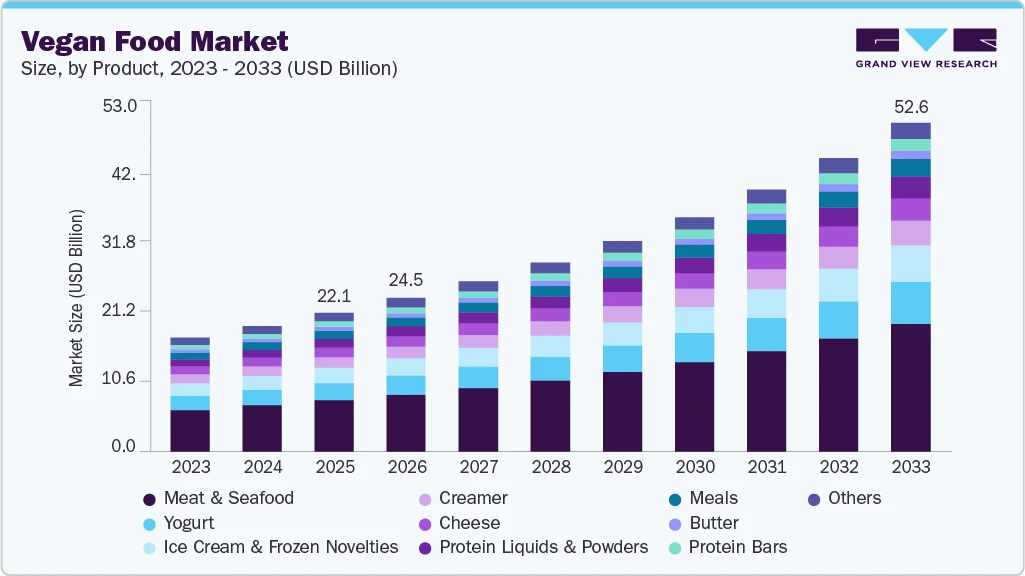
North America continues to dominate the vegan pet food market, accounting for the largest share of global sales, driven by consumer awareness and progressive regulatory environments. Growth is most pronounced in adult maintenance dog formulas, with emerging lines targeting senior pets and kittens incorporating specialized nutrient profiles.
Innovations in ingredient sourcing have improved the quality and sustainability credentials of vegan pet foods. Plant proteins such as chickpeas, lentils, and barley are increasingly fractionated to isolate high-value amino acids. Advanced extrusion and processing techniques enhance digestibility and palatability, addressing prior consumer concerns.
Regulatory clarity, particularly AAFCO’s acceptance of vegan dog foods that meet nutrient profiles, has fostered industry confidence and expanded retail availability. Pet food companies are investing in research partnerships with universities to validate formulations and secure endorsements from veterinary nutritionists. This synergy between science, regulation, and consumer demand is accelerating market maturation.
Expert Perspectives and Future Outlook
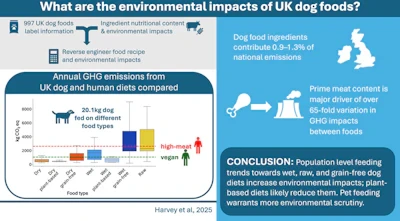
Veterinary nutritionists emphasize that vegan dog foods meeting AAFCO standards offer a nutritionally sound alternative to traditional diets when supplemented appropriately. Dr. Jennifer Coates describes current formulations as “clinically validated and safe for long-term feeding,” provided owners adhere strictly to recommended products and monitor their pets’ health regularly.
Experts advocate for expanded clinical research to track multi-year health outcomes and explore optimization of nutrient bioavailability, especially for vegan cat food. The integration of synthetic nutrients and plant-based protein blends continues to evolve, promising improvements in meeting species-specific needs.
For pet owners considering vegan diets, veterinary consultation remains crucial to ensure individualized nutritional adequacy and prevent deficiencies. Market trends suggest continued innovation and regulatory progress, potentially enabling a broader range of nutritionally complete vegan pet foods by the close of the decade.
—
This comprehensive analysis confirms that while vegan dog foods in 2026 can safely meet nutritional requirements with appropriate supplementation, vegan cat food still faces significant hurdles. Continued scientific validation and technological advances will shape the future landscape of plant-based pet nutrition, balancing health imperatives with ethical and environmental considerations.