

PawVerde.com – Sourcing materials sustainably for pet projects means prioritizing eco-friendly pet food made from organic or insect-based proteins, selecting toys and bedding crafted from natural, biodegradable materials like hemp and organic cotton, choosing brands with transparent sustainable supply chains, and opting for recyclable or compostable packaging to minimize environmental impact. Consumer demand for sustainability in the pet industry has surged, with over half of pet owners seeking products that reduce plastic waste and carbon footprints. Leading organizations such as the Pet Sustainability Coalition and brands like Healthy Pet and Project Sudz exemplify current best practices in sustainable sourcing, product design, and packaging innovation.
Environmental Impact and Consumer Demand in Sustainable Pet Care
Conventional pet products contribute significantly to environmental degradation through plastic waste, high water usage, and carbon emissions. For instance, plastic packaging in pet food and accessories accounts for a large share of non-recyclable waste in landfills. The World Pet Association reports that pet product packaging contributes to an estimated 1.5 million tons of plastic waste annually in the United States alone. This environmental cost has propelled consumers toward eco-conscious alternatives, with surveys indicating that more than 50% of pet owners now prioritize sustainability in their purchasing decisions.
Pet owners increasingly seek products verified by certifications such as B Corp, GOTS (Global Organic Textile Standard), and Ecocert, which validate transparent supply chains and environmental stewardship. The Pet Sustainability Coalition advocates for comprehensive sustainability standards, including ethical ingredient sourcing, water conservation, and waste reduction, shaping industry-wide shifts toward greener pet care.
Ethically Sourced Sustainable Pet Food
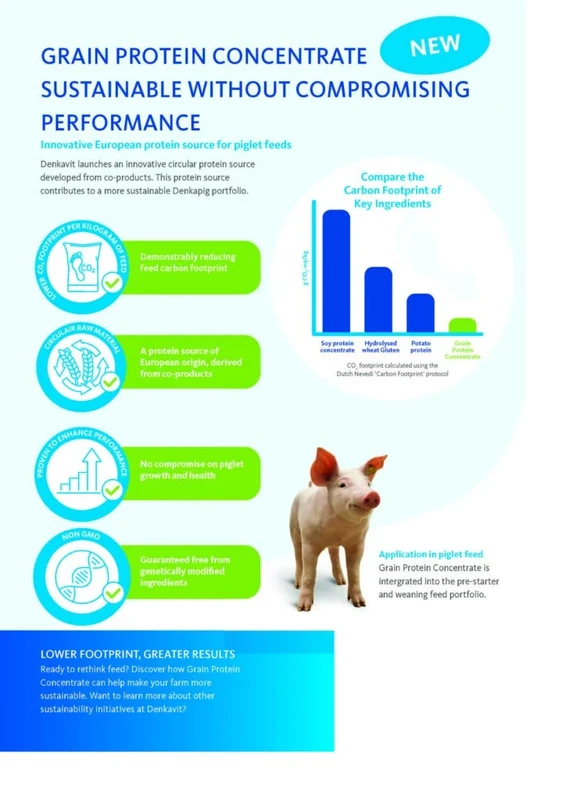
sustainable pet food sourcing hinges on selecting ingredients that reduce ecological footprints while supporting animal welfare. Organic pet food, produced without synthetic pesticides and fertilizers, reduces soil and water contamination. Local sourcing decreases transportation emissions and supports regional economies. Additionally, insect-based proteins such as black soldier fly larvae and mealworms have emerged as viable alternatives to traditional meat, offering high nutritional value with substantially lower greenhouse gas emissions and water use.
Brands like Healthy Pet integrate these sustainable ingredients into their formulations, coupling them with minimalistic, recyclable packaging to reduce waste. Project Sudz innovates further by creating waterless pet care products that significantly cut down packaging volume and pollution. Transitioning pets to greener diets requires gradual adaptation to prevent digestive issues, with many experts recommending incremental introduction of sustainable ingredients alongside conventional options.
Natural and Biodegradable Materials for Pet Toys and Bedding
sustainable pet toys and bedding prioritize materials that biodegrade naturally without releasing toxins. Common eco-friendly fibers include hemp, organic cotton, wool, and bamboo, all renewable and cultivated with minimal pesticide use. Hemp stands out for its durability and low water requirements during cultivation. Recycled fabrics, including repurposed polyester and nylon, contribute to circular material flows, reducing reliance on virgin resources.
Durability is a critical sustainability factor. Long-lasting toys reduce the frequency of replacement, lowering resource consumption and waste. Brands such as Critters Cat Toys and Good Dog Company exemplify this approach by offering products made from organic fibers and natural dyes, tested for longevity and safety.
Avoiding greenwashing requires scrutiny of claims and certifications. Genuine sustainable brands provide transparent sourcing information and third-party certifications. Consumers are also encouraged to explore DIY and repurposing options, such as making pet toys from scrap fabrics or old garments, contributing to zero-waste pet care practices.
Innovations in Sustainable Packaging and Waste Reduction
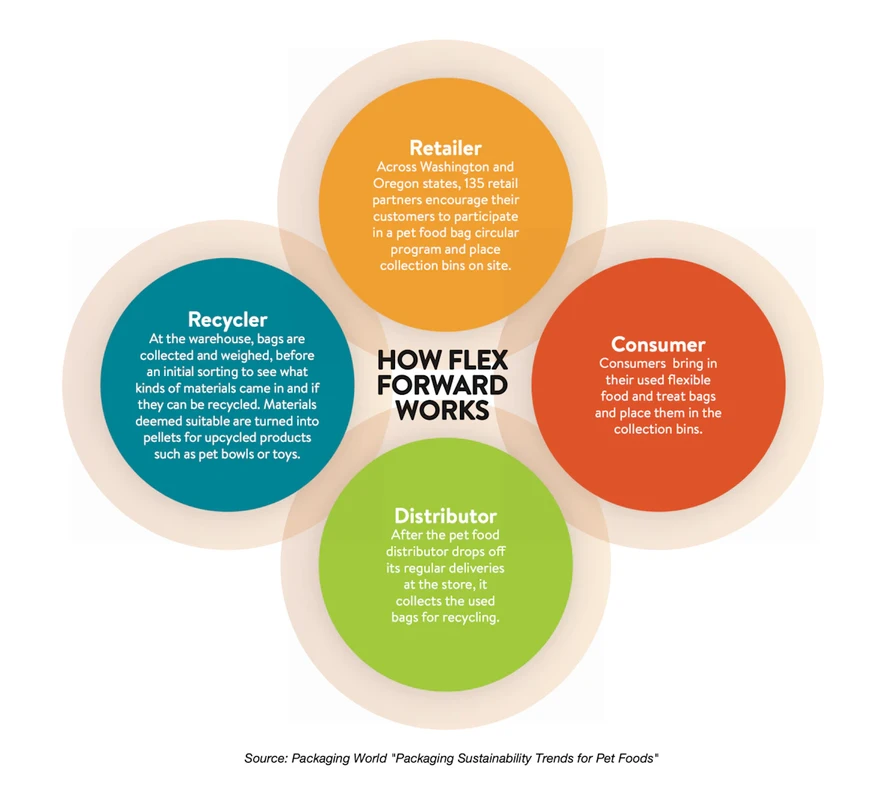
Packaging remains a major environmental challenge in pet care. Compostable alternatives to plastic packaging include cardboard boxes, paper pouches, and cornstarch-based films, all capable of biodegrading under industrial composting conditions. Several brands have adopted compostable packaging to meet consumer demand and regulatory pressures.
Recyclability is equally important. Clear labeling on packaging guides consumers to proper disposal methods, enhancing recycling rates. The AWPOO Dog Bag Holder, for example, utilizes recycled plastics and compostable waste bags to mitigate landfill contributions.
Waterless pet care products and concentrated sprays represent cutting-edge innovations that reduce packaging volume and resource use. By eliminating water as a carrier, these products lower transportation emissions and extend shelf life without preservatives. Project Sudz’s waterless shampoo bars demonstrate the viability of this approach, combining solid formulations with minimal, recyclable packaging.
Sustainable Materials for Pet Accessories and Gear
Pet accessories such as collars, leashes, and feeding bowls benefit from sustainable material choices that enhance product longevity and reduce environmental impact. Recycled fabrics and fibers—sourced from post-consumer waste—are increasingly popular for fabric-based accessories. Bamboo offers a rapidly renewable alternative for items like feeding mats and bedding bases due to its fast growth cycle and minimal chemical requirements.
Stainless steel remains a preferred material for pet bowls and feeders because of its durability, recyclability, and resistance to corrosion. Investing in washable, long-lasting gear reduces disposable consumption and landfill waste. Brands emphasizing durability and sustainability often provide repair or recycling programs, further extending product lifecycle.
Water and Resource Conservation in Pet Care Practices
Water conservation extends beyond product formulation to grooming and waste management. Water-saving grooming methods, such as dry shampoos, waterless sprays, and grooming wipes, reduce water consumption and wastewater production. Project Sudz’s waterless pet care line exemplifies this trend, enabling effective cleaning while conserving water resources.
Innovative reuse of pet fur also contributes to sustainability. Organizations repurpose shed fur into insulation materials or oil spill remediation products, transforming pet waste into valuable resources. These initiatives underscore the potential for circular economy models within the pet care sector.
Transparency and Certification in Supporting Sustainable Pet Brands
Consumers seeking sustainable pet products must navigate a complex marketplace rife with unverified claims. Transparency reports and third-party certifications provide reliable indicators of environmental responsibility. B Corp certification assesses companies on social and environmental performance, accountability, and transparency, while GOTS and Ecocert focus on organic and ecological textile standards.
Brands leading sustainability innovation include Healthy Pet, Project Sudz, Good Dog Company, and Critters Cat Toys. These companies publicly disclose sourcing origins, manufacturing processes, and environmental impact data, fostering consumer trust. The David Suzuki Foundation and Pet Sustainability Coalition support these efforts by providing guidelines and advocating for industry-wide adoption of sustainable practices.
Marketing strategies increasingly emphasize sustainability narratives, encouraging consumers to prioritize eco-conscious purchasing decisions. Consumer advocacy amplifies demand for sustainable products, pressuring manufacturers to adopt greener supply chains and material selections.
Integrating Sustainable Practices into Pet Projects: Practical Steps
Pet owners and project developers can adopt multiple strategies to source materials sustainably. First, prioritize purchasing pet food with organic, local, or insect-based ingredients certified by recognized bodies. Second, select toys and bedding made from natural fibers such as hemp and organic cotton, verifying brand transparency and durability. Third, opt for products packaged in compostable or recyclable materials, disposing of packaging responsibly.
Additionally, embracing DIY approaches by repurposing household textiles into pet toys aligns with zero-waste principles. Incorporating water-saving grooming techniques and supporting brands with waterless care products contributes to resource conservation.
Long-term benefits of sustainable sourcing include reduced environmental impact, potential cost savings through durable product use, and fostering a healthier ecosystem for pets and their owners. As the pet industry continues evolving, integrating sustainability at every stage—from ingredient sourcing to packaging—will become a defining standard of responsible pet care.
| Sustainable Pet Material | Environmental Benefit | Example Brands/Products | Certification/Standard |
|---|---|---|---|
| Organic, Locally Sourced Pet Food | Reduces pesticide use, lowers carbon footprint | Healthy Pet, Local Farms | B Corp, USDA Organic |
| Insect-Based Proteins | Low greenhouse gas emissions, minimal water use | Protix, Ynsect | Novel Food Approvals |
| Hemp and Organic Cotton Toys | Biodegradable, renewable cultivation | Good Dog Company, Critters Cat Toys | GOTS, Ecocert |
| Compostable Packaging | Decomposes in industrial composting, reduces landfill waste | Project Sudz, AWPOO Dog Bag Holder | Certified Compostable (ASTM D6400) |
| Recycled Fabric Accessories | Reduces virgin resource extraction | Patagonia Pet Gear | Recycled Content Certification |
FAQ
What are the most sustainable materials for pet toys?
Sustainable pet toys are typically made from natural, biodegradable fibers such as hemp, organic cotton, wool, and bamboo. These materials are renewable, require fewer pesticides, and decompose naturally without releasing harmful substances. Toys made from recycled fabrics also contribute to sustainability by repurposing waste.
How can I identify truly eco-friendly pet food?
Look for pet food brands that use organic and locally sourced ingredients or incorporate insect-based proteins, which have lower environmental footprints. Certifications like USDA Organic, B Corp, and third-party ingredient audits provide additional assurance. Minimal and recyclable packaging is also a key indicator of eco-conscious production.
Are compostable pet product packaging options reliable?
Yes, compostable packaging made from cardboard, paper pouches, or cornstarch-based materials effectively biodegrades under industrial composting conditions. Certified compostable packaging (e.g., ASTM D6400) ensures the material meets standards for decomposition, reducing landfill waste when properly disposed of.
What water-saving pet care products are available?
Waterless pet shampoos, grooming wipes, and concentrated sprays reduce water use during pet grooming. Brands like Project Sudz offer solid shampoo bars and waterless formulas that clean effectively without requiring rinsing, lowering water consumption and packaging needs.
How do sustainable pet brands ensure transparency?
Sustainable pet brands provide detailed sourcing information, publish sustainability reports, and obtain certifications such as B Corp, GOTS, and Ecocert. These measures verify ethical ingredient sourcing, environmental impact reduction, and social responsibility, helping consumers make informed choices.
—
Continued innovation in sustainable pet materials and supply chains is critical as consumer awareness grows. Pet owners can drive change by prioritizing eco-friendly products, supporting brands with transparent practices, and adopting resource-conserving pet care habits. The integration of sustainable sourcing into pet projects not only mitigates environmental harm but also fosters resilient, ethical pet care ecosystems poised for future advancements.