

Benefits of Insect Protein for Dogs: A Safe Transition Guide
PawVerde.com – Insect protein offers a hypoallergenic, highly digestible, and sustainable alternative to traditional meats like beef or poultry. It is particularly effective for dogs with food allergies, skin issues, or sensitive stomachs, providing essential nutrients like B12, iron, and zinc while requiring significantly less land and water to produce.
Insect-based foods use only 2% of the land and 4% of the water required for beef per kg of protein.
The Safe Transition Roadmap: Moving Your Dog to Insect Protein
To prevent gastrointestinal upset like diarrhea, transition your dog to insect protein over 7 days. Start by mixing 25% insect meal with 75% old food for days 1-2, increasing the insect ratio by 25% every two days until the diet is 100% insect-based by day 7.
The 7-Day Feeding Schedule
Sudden dietary shifts can trigger diarrhea during the first 3 to 4 days of adaptation. Using the Dietary Substitution technique allows the digestive tract to adjust to new nutrient densities.
- Days 1-2: Mix 25% insect meal with 75% of the current protein source.
- Days 3-4: Increase the ratio to 50% insect meal and 50% old food.
- Days 5-6: Move to 75% insect meal and 25% old food.
- Day 7: Transition to 100% insect-based protein.
Signs of a Failed Transition
Watch for changes in stool consistency. If a dog experiences persistent loose stools or vomiting, the transition may be moving too quickly for their specific microbiome.
Warning: If diarrhea persists beyond 48 hours despite slowing the transition, consult a veterinarian to rule out underlying conditions unrelated to the protein switch.
Decoding the Label: Identifying High-Quality Insect Meals
To ensure safety, manufacturers should utilize strict processing standards. High-quality production requires controlled environments to prevent contaminants from entering the final meal.
Substrate Safety: Organic vs. Industrial Waste
Nutritional profiles are influenced by the larval substrate. While some production uses industrial waste, premium brands prioritize organic vegetable or grain-based inputs to ensure a cleaner nutrient profile.
Avoiding Microplastic Contamination
A significant failure mode in lower-quality insect production involves microplastic ingestion. This occurs if larvae are raised in environments where they might nibble around plastic bits. To ensure safety, verify that the manufacturer follows strict processing standards to filter out non-organic particles.
- Check for “Single-source protein” designations.
- Look for transparency regarding the larval substrate.
- Avoid products that list “unspecified insect meal” without origin details.
Clinical Benefits: Managing Allergies and Gut Health
As a novel protein, insect protein avoids histamine reactions. This characteristic makes it a strategic option for managing conditions like atopic dermatitis.
The Allergy Elimination Protocol
For dogs suffering from chronic itching or skin inflammation, insect protein serves as a primary tool in an Elimination Diet. Because it is a novel protein, the immune system is unlikely to recognize it as a threat, preventing the histamine-driven reactions common with beef or chicken. Anne Carlson, CEO of Jiminy’s, notes that using insect protein helps pet parents overcome personal discomfort regarding their dog’s allergies by providing a scientifically backed alternative.
The Chitin Paradox: Prebiotic vs. Anti-nutrient
Insect protein contains chitin, a natural fiber found in the exoskeletons of insects. This substance presents a dual role in canine nutrition. On one hand, chitin acts as a prebiotic that supports a healthy gut microbiota by promoting beneficial bacteria. On the other hand, if concentrations are excessively high, it can act as an anti-nutrient that interferes with mineral absorption. Most high-quality commercial insect meals, such as those from Josera GmbH & Co. KG, balance this ratio to maximize gut benefits without compromising nutrient uptake.
Skin and Coat Recovery
Clinical observations have shown tangible results for dogs with skin sensitivities. In studies evaluating dogs with atopic dermatitis, researchers reported that dermal lesions improved in 12 of the 20 evaluated dogs when switched to insect-based diets. This recovery is often supported by the presence of essential fatty acids and minerals found naturally within the insect protein matrix.
Nutritional Profile: Comparing Insect Protein to Traditional Meats
Insects provide a dense concentration of energy and structural building blocks. On a dry matter basis, insect protein content ranges from 25% to 70%.
| Nutrient/Metric | Insect Protein | Beef/Poultry (Traditional) |
|---|---|---|
| Protein Content (Dry Matter) | 25% to 70% | Varies (typically high) |
| Lipid Content (Dry Matter) | 10% to 50% | Varies by cut |
| Protein Fraction | 40% to >60% | Variable |
| Land Use Efficiency | Extremely High (2% of beef) | Low |
| Hypoallergenic Status | High (Novel Protein) | Low (Common Allergen) |
The data highlights the efficiency of insect-based proteins. While traditional meats are staples, the protein-to-resource ratio of insects is unmatched.
Amino Acid Density
Insects provide a complete amino acid profile necessary for muscle maintenance and cellular repair. The protein fraction in insect materials can reach more than 60% on a dry matter basis, making it an incredibly efficient source of nitrogen for growing or active dogs.
Essential Minerals and Vitamins
Beyond basic protein, insect-based diets are rich in micronutrients that are often harder to source in synthetic alternatives. These include Vitamin B12, iron, and zinc, which are vital for blood health and immune function. Research indicates that the use of domestic cricket or mulberry silkworm pupae can successfully replace poultry meal in a dog’s diet without showing any negative effects on hematology or blood chemistry.
Environmental Impact: The Sustainability Argument
Insect farming offers a high-efficiency alternative to traditional livestock. For example, 1 tonne of insects can be grown on just 20 sq m of space in only 14 days.
- Land Efficiency: Insect-based foods require only 2% of the land used for beef production per kg of protein.
- Water Conservation: Insect farming uses just 4% of the water required for beef per kg of protein.
- Production Speed: 1 tonne of insects can be grown on just 20 sq m of space in only 14 days.
The necessity of this shift has been emphasized, stating:
“But we have also to feed a growing population in need of protein. We have to do something differently – and insects are “
This efficiency makes insect protein a cornerstone of future sustainable pet nutrition.
Market Trends and Future Outlook
The pet food industry is seeing significant growth in alternative proteins. Demand for insect protein is projected to reach 500,000 metric tons by the year 2030.
Current projections suggest a demand for 500,000 metric tons of insect protein by the year 2030. This growth is fueled by the fact that 50% of all insect production is currently directed toward the pet food sector. Simon Doherty, president of the British Veterinary Association (BVA), has noted the potential of this sector, stating:
“There’s a really exciting future for the use of insect protein for companion animals.”
As production scales, the availability of these hypoallergenic and sustainable ingredients is expected to increase, making them a standard option for health-conscious pet owners.
FAQ
Is insect protein safe for dogs with sensitive stomachs?
Insect protein is highly digestible and hypoallergenic. To prevent diarrhea, owners should implement a 7-day transition period to allow for proper adaptation.
Can insect protein replace chicken or beef in my dog’s diet?
Yes, studies show insect protein, such as cricket or mulberry silkworm, can successfully replace poultry meal in the diet of dogs without showing a negative effect on hematology or blood chemistry.
What are the main environmental benefits of insect pet food?
Insect farming requires only 2% of the land and 4% of the water used for beef production per kilogram of protein produced.
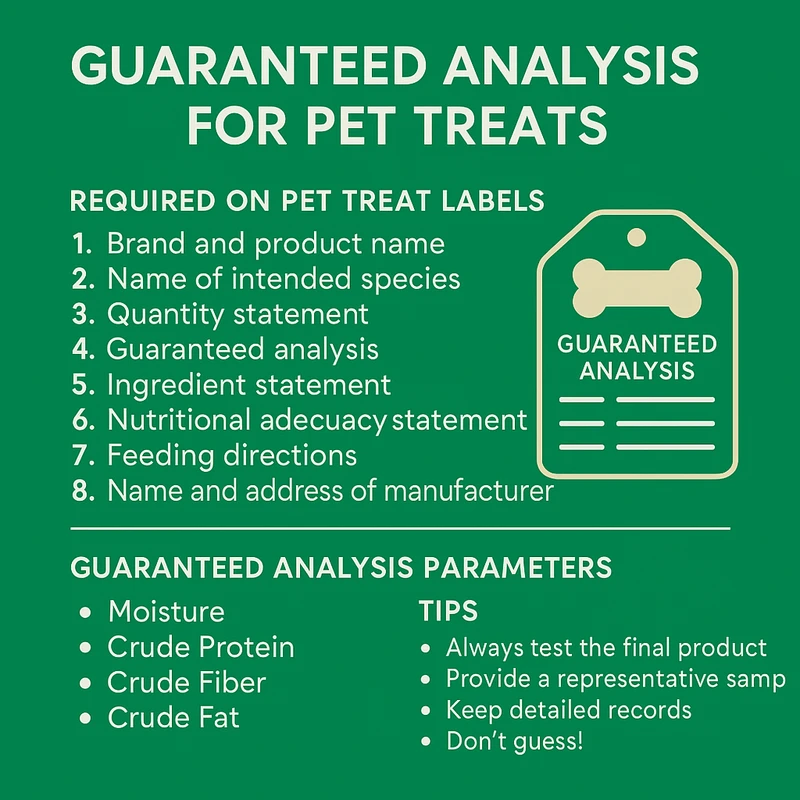
Nutritional Analysis Reveals Eco-Friendly Pet Foods’ Benefits
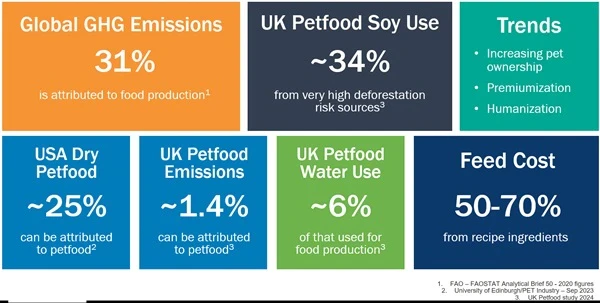
PawVerde.com – Eco-friendly pet foods have emerged as a critical innovation addressing the growing environmental footprint of traditional pet food production while maintaining nutritional adequacy for companion animals. These diets leverage plant-based proteins, alternative sources like insect and cultivated meat, and upcycled ingredients to reduce greenhouse gas emissions, land use, and water consumption significantly compared to conventional animal-based pet foods. Advances in freeze-dried raw formulations and regenerative agriculture sourcing further enhance nutrient retention and sustainability. As pet ownership and consumption rise globally, the pet food industry’s contribution to up to 2.9% of global agricultural emissions underscores the urgency of sustainable alternatives.
Plant-based pet foods provide a foundational shift by using legumes, pulses, and grains as primary protein sources, often supplemented with synthetic or natural amino acids to ensure complete amino acid profiles essential for dogs and cats. Digestibility metrics, validated by veterinary nutritionists and regulatory bodies like FEDIAF, indicate that well-formulated plant-based diets can meet or exceed nutrient bioavailability standards traditionally achieved by meat-based diets. Alternative proteins, notably insect protein derived from species such as black soldier fly larvae, offer high protein content with efficient feed conversion ratios and lower environmental impacts. Cultivated meat technologies, exemplified by companies like BioCraft, present promising avenues for producing animal proteins without the environmental burdens of livestock farming, although commercial scale remains in development.
Upcycled ingredients incorporate byproducts from the human food supply chain, redirecting waste streams into pet food formulations. This practice embodies circular economy principles, reducing resource inputs and landfill contributions while contributing essential nutrients like fiber, vitamins, and proteins. Freeze-dried raw pet foods preserve nutrient density and flavor through dehydration at low temperatures, eliminating the need for preservatives and enhancing palatability. These products often show higher retention of labile micronutrients such as vitamins A and E compared to conventional extrusion-processed foods.
Nutritional Composition of Eco-Friendly Pet Foods
Plant-based proteins in eco-friendly pet foods primarily include pea protein, lentils, chickpeas, and quinoa. These sources contain essential amino acids but typically require supplementation with methionine, taurine, and vitamin B12 to align with the nutritional needs of obligate carnivores like cats. Research led by veterinary nutritionist Dr. Laura Gil Martens emphasizes the importance of amino acid supplementation and digestibility testing to prevent deficiencies. The Vegan Society’s certification program for pet foods entails rigorous nutritional validation to ensure diets meet established nutrient profiles.
Insect protein offers a nutrient-dense alternative, with black soldier fly larvae providing approximately 40-60% crude protein and a favorable amino acid profile. Brazilian researchers have demonstrated that insect proteins exhibit superior digestibility compared to some plant proteins and can be incorporated at varying inclusion rates without adverse effects on pet health. The environmental benefits include a carbon footprint less than 5% of beef production and minimal water use.
Cultivated meat, an emerging area in pet food innovation, involves growing animal cells in bioreactors under controlled conditions. BioCraft and similar startups focus on producing cultivated proteins that replicate the nutritional and sensory attributes of conventional meat without the associated emissions and land requirements. While these products are still in pilot stages, they promise to bridge consumer demand for animal-based nutrition with sustainability.
Upcycled ingredients often originate from brewery spent grains, fruit pomace, and vegetable pulp. Scoular, a major ingredient supplier, has integrated upcycled products into pet food supply chains, enhancing fiber content and antioxidant availability. This approach not only reduces waste but also stabilizes ingredient costs amid volatile commodity markets.
Freeze-dried raw diets maintain nutrient integrity through low-temperature dehydration, preserving enzymes, fatty acids, and vitamins that degrade during high-heat extrusion. Studies show these diets meet or exceed nutrient digestibility benchmarks established by FEDIAF, with added benefits of natural flavor retention leading to higher palatability scores in pets.
Environmental Impact Assessment
Comparative lifecycle analyses reveal that plant-based pet foods reduce greenhouse gas emissions by over 90% relative to beef-based formulations. Land use for plant proteins is substantially lower, requiring approximately 0.1 square meters per kilogram of protein produced versus over 20 square meters for beef. Water consumption follows a similar trend, with plant proteins consuming less than 20% of the water required for traditional meat sources.
Regenerative agriculture practices, increasingly adopted by brands like Open Farm, contribute to soil carbon sequestration and biodiversity enhancement while supplying sustainably grown plant ingredients. Organic farming reduces synthetic fertilizer dependency, further decreasing nitrous oxide emissions. These agricultural inputs can lower the overall environmental footprint of pet foods by improving soil health and reducing erosion.
Packaging innovations, including biodegradable materials and minimalistic designs, complement sustainable ingredient sourcing. Green Paws Malta has pioneered compostable packaging alongside ingredient transparency, aligning with consumer demand for full lifecycle sustainability. Manufacturing efficiencies, such as energy recovery systems and water recycling, also play roles in reducing the carbon footprint of pet food production facilities.
Dry kibble formats generally exhibit lower environmental impacts than wet or canned diets due to reduced water content and energy requirements in transportation and storage. However, freeze-dried raw diets, despite higher processing energy, offset impacts through concentrated nutrient delivery and shelf stability without refrigeration.
Leading Brands and Innovations in Eco-Friendly Pet Food
Herbie Wilde utilizes plant-based proteins and incorporates upcycled ingredients sourced through partnerships with food manufacturers, emphasizing transparency and third-party certification. Their formulations undergo rigorous nutrient digestibility trials overseen by veterinary nutritionists to ensure health standards.
Green Paws Malta integrates insect protein in premium dog foods and collaborates with entomologists to optimize cultivation methods, ensuring consistent nutrient profiles and minimal allergenicity. Their products carry The Vegan Society’s seal and comply with FEDIAF nutritional guidelines.
Petaluma combines regenerative agriculture sourcing with freeze-dried raw formulations, providing nutrient-rich diets with verified carbon footprint reductions. They employ blockchain technology for ingredient traceability, enhancing consumer trust and supply chain accountability.
Open Farm leads in sustainability certifications, including animal welfare and environmental impact assessments. Their use of organic and regenerative ingredients alongside transparent labeling supports consumer education on eco-friendly pet nutrition.
Veterinary nutritionists play critical roles in these brands, ensuring formulations meet species-specific requirements, managing allergen risks, and validating claims with peer-reviewed data. The Vegan Society and FEDIAF provide frameworks for certification, standardization, and regulatory compliance.
Challenges and Considerations
Nutritional completeness remains a central challenge for plant-based and alternative protein pet foods, particularly for obligate carnivores like cats requiring taurine, arachidonic acid, and preformed vitamin A. Bioavailability of synthetic supplements versus natural sources necessitates ongoing research and clinical monitoring.
Consumer acceptance varies, with some pet owners expressing skepticism toward non-meat diets or alternative proteins. Allergen management is critical, as novel proteins like insect or upcycled ingredients may introduce new allergens requiring labeling and testing protocols.
Regulatory frameworks differ internationally, complicating consistent labeling and marketing of eco-friendly pet foods. The European Pet Food Industry Federation (FEDIAF) continues to develop guidelines addressing sustainability claims, nutritional adequacy, and safety standards to protect consumers and animals.
Future Directions in Sustainable Pet Nutrition
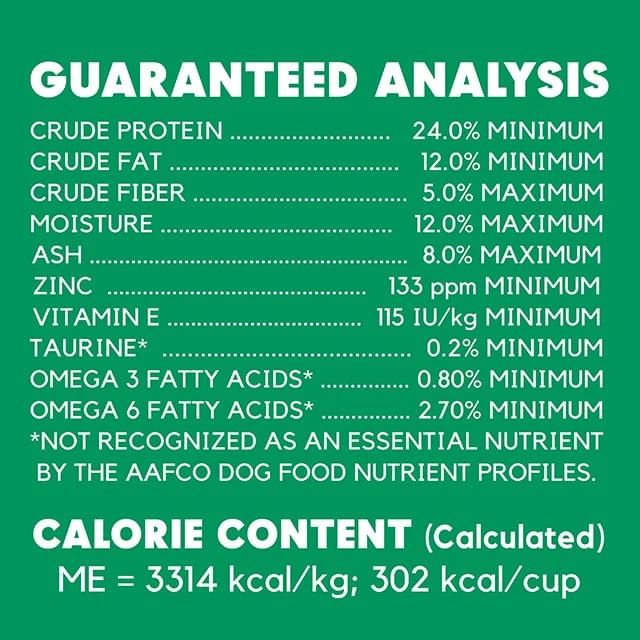
Ingredient technology innovations include precision fermentation to produce single-cell proteins and enhanced amino acid fortification, potentially improving nutrient profiles while reducing environmental impacts further. Enhanced sustainability metrics incorporating full lifecycle assessments and soil carbon accounting will refine environmental impact evaluations.
Circular economy principles are poised for broader adoption, with increased use of food industry byproducts and waste streams integrated into pet food supply chains. This transition requires collaboration among ingredient suppliers, manufacturers, and regulatory bodies to ensure safety and efficacy.
Consumer education initiatives led by veterinary professionals, sustainability advocates, and industry leaders will be essential for guiding eco-conscious pet owners toward evidence-based decisions. Transparency via blockchain and certification programs will bolster trust and adoption.
The dynamic evolution of eco-friendly pet foods reflects a convergence of nutritional science, environmental stewardship, and consumer demand. As innovation accelerates, these sustainable diets are positioned to reshape the pet food landscape, balancing companion animal health with planetary well-being.
FAQ
Are plant-based pet foods nutritionally adequate for cats and dogs?
Well-formulated plant-based pet foods supplemented with essential amino acids, taurine, and vitamins can meet the nutritional requirements of dogs and cats. Veterinary nutritionists emphasize the importance of digestibility testing and bioavailability to ensure complete nutrition, particularly for obligate carnivores like cats.
How does insect protein compare environmentally to traditional animal proteins?
Insect protein offers significantly lower greenhouse gas emissions, land use, and water consumption compared to traditional livestock. Black soldier fly larvae, for example, have a carbon footprint less than 5% of beef and can be produced on organic waste substrates, enhancing sustainability.
What role do upcycled ingredients play in eco-friendly pet foods?
Upcycled ingredients utilize byproducts from human food production, reducing waste and resource inputs. They contribute essential nutrients such as fiber and antioxidants while supporting circular economy principles, decreasing landfill reliance and stabilizing ingredient supply chains.
Are freeze-dried raw pet foods more nutritious than traditional kibble?
Freeze-dried raw diets preserve heat-sensitive nutrients and natural flavors better than extrusion-processed kibble, resulting in higher retention of vitamins and enzymes. However, they require careful formulation to ensure microbiological safety and complete nutrient profiles.
What certifications validate the sustainability claims of eco-friendly pet foods?
Certifications from organizations like The Vegan Society, FEDIAF compliance, animal welfare seals, and third-party environmental impact assessments provide validation for sustainability claims. These certifications require rigorous nutrient and ingredient sourcing verification.
—
The continued advancement of eco-friendly pet foods depends on integrating cutting-edge nutritional science with robust sustainability metrics and transparent consumer communication. Stakeholders across the supply chain must prioritize innovation in ingredient sourcing, production efficiency, and regulatory alignment to meet the dual goals of optimal pet health and environmental stewardship.

How to Source Materials Sustainably for Pet Projects
PawVerde.com – Sourcing materials sustainably for pet projects means prioritizing eco-friendly pet food made from organic or insect-based proteins, selecting toys and bedding crafted from natural, biodegradable materials like hemp and organic cotton, choosing brands with transparent sustainable supply chains, and opting for recyclable or compostable packaging to minimize environmental impact. Consumer demand for sustainability in the pet industry has surged, with over half of pet owners seeking products that reduce plastic waste and carbon footprints. Leading organizations such as the Pet Sustainability Coalition and brands like Healthy Pet and Project Sudz exemplify current best practices in sustainable sourcing, product design, and packaging innovation.
Environmental Impact and Consumer Demand in Sustainable Pet Care
Conventional pet products contribute significantly to environmental degradation through plastic waste, high water usage, and carbon emissions. For instance, plastic packaging in pet food and accessories accounts for a large share of non-recyclable waste in landfills. The World Pet Association reports that pet product packaging contributes to an estimated 1.5 million tons of plastic waste annually in the United States alone. This environmental cost has propelled consumers toward eco-conscious alternatives, with surveys indicating that more than 50% of pet owners now prioritize sustainability in their purchasing decisions.
Pet owners increasingly seek products verified by certifications such as B Corp, GOTS (Global Organic Textile Standard), and Ecocert, which validate transparent supply chains and environmental stewardship. The Pet Sustainability Coalition advocates for comprehensive sustainability standards, including ethical ingredient sourcing, water conservation, and waste reduction, shaping industry-wide shifts toward greener pet care.
Ethically Sourced Sustainable Pet Food
sustainable pet food sourcing hinges on selecting ingredients that reduce ecological footprints while supporting animal welfare. Organic pet food, produced without synthetic pesticides and fertilizers, reduces soil and water contamination. Local sourcing decreases transportation emissions and supports regional economies. Additionally, insect-based proteins such as black soldier fly larvae and mealworms have emerged as viable alternatives to traditional meat, offering high nutritional value with substantially lower greenhouse gas emissions and water use.
Brands like Healthy Pet integrate these sustainable ingredients into their formulations, coupling them with minimalistic, recyclable packaging to reduce waste. Project Sudz innovates further by creating waterless pet care products that significantly cut down packaging volume and pollution. Transitioning pets to greener diets requires gradual adaptation to prevent digestive issues, with many experts recommending incremental introduction of sustainable ingredients alongside conventional options.
Natural and Biodegradable Materials for Pet Toys and Bedding
sustainable pet toys and bedding prioritize materials that biodegrade naturally without releasing toxins. Common eco-friendly fibers include hemp, organic cotton, wool, and bamboo, all renewable and cultivated with minimal pesticide use. Hemp stands out for its durability and low water requirements during cultivation. Recycled fabrics, including repurposed polyester and nylon, contribute to circular material flows, reducing reliance on virgin resources.
Durability is a critical sustainability factor. Long-lasting toys reduce the frequency of replacement, lowering resource consumption and waste. Brands such as Critters Cat Toys and Good Dog Company exemplify this approach by offering products made from organic fibers and natural dyes, tested for longevity and safety.
Avoiding greenwashing requires scrutiny of claims and certifications. Genuine sustainable brands provide transparent sourcing information and third-party certifications. Consumers are also encouraged to explore DIY and repurposing options, such as making pet toys from scrap fabrics or old garments, contributing to zero-waste pet care practices.
Innovations in Sustainable Packaging and Waste Reduction
Packaging remains a major environmental challenge in pet care. Compostable alternatives to plastic packaging include cardboard boxes, paper pouches, and cornstarch-based films, all capable of biodegrading under industrial composting conditions. Several brands have adopted compostable packaging to meet consumer demand and regulatory pressures.
Recyclability is equally important. Clear labeling on packaging guides consumers to proper disposal methods, enhancing recycling rates. The AWPOO Dog Bag Holder, for example, utilizes recycled plastics and compostable waste bags to mitigate landfill contributions.
Waterless pet care products and concentrated sprays represent cutting-edge innovations that reduce packaging volume and resource use. By eliminating water as a carrier, these products lower transportation emissions and extend shelf life without preservatives. Project Sudz’s waterless shampoo bars demonstrate the viability of this approach, combining solid formulations with minimal, recyclable packaging.
Sustainable Materials for Pet Accessories and Gear
Pet accessories such as collars, leashes, and feeding bowls benefit from sustainable material choices that enhance product longevity and reduce environmental impact. Recycled fabrics and fibers—sourced from post-consumer waste—are increasingly popular for fabric-based accessories. Bamboo offers a rapidly renewable alternative for items like feeding mats and bedding bases due to its fast growth cycle and minimal chemical requirements.
Stainless steel remains a preferred material for pet bowls and feeders because of its durability, recyclability, and resistance to corrosion. Investing in washable, long-lasting gear reduces disposable consumption and landfill waste. Brands emphasizing durability and sustainability often provide repair or recycling programs, further extending product lifecycle.
Water and Resource Conservation in Pet Care Practices
Water conservation extends beyond product formulation to grooming and waste management. Water-saving grooming methods, such as dry shampoos, waterless sprays, and grooming wipes, reduce water consumption and wastewater production. Project Sudz’s waterless pet care line exemplifies this trend, enabling effective cleaning while conserving water resources.
Innovative reuse of pet fur also contributes to sustainability. Organizations repurpose shed fur into insulation materials or oil spill remediation products, transforming pet waste into valuable resources. These initiatives underscore the potential for circular economy models within the pet care sector.
Transparency and Certification in Supporting Sustainable Pet Brands
Consumers seeking sustainable pet products must navigate a complex marketplace rife with unverified claims. Transparency reports and third-party certifications provide reliable indicators of environmental responsibility. B Corp certification assesses companies on social and environmental performance, accountability, and transparency, while GOTS and Ecocert focus on organic and ecological textile standards.
Brands leading sustainability innovation include Healthy Pet, Project Sudz, Good Dog Company, and Critters Cat Toys. These companies publicly disclose sourcing origins, manufacturing processes, and environmental impact data, fostering consumer trust. The David Suzuki Foundation and Pet Sustainability Coalition support these efforts by providing guidelines and advocating for industry-wide adoption of sustainable practices.
Marketing strategies increasingly emphasize sustainability narratives, encouraging consumers to prioritize eco-conscious purchasing decisions. Consumer advocacy amplifies demand for sustainable products, pressuring manufacturers to adopt greener supply chains and material selections.
Integrating Sustainable Practices into Pet Projects: Practical Steps
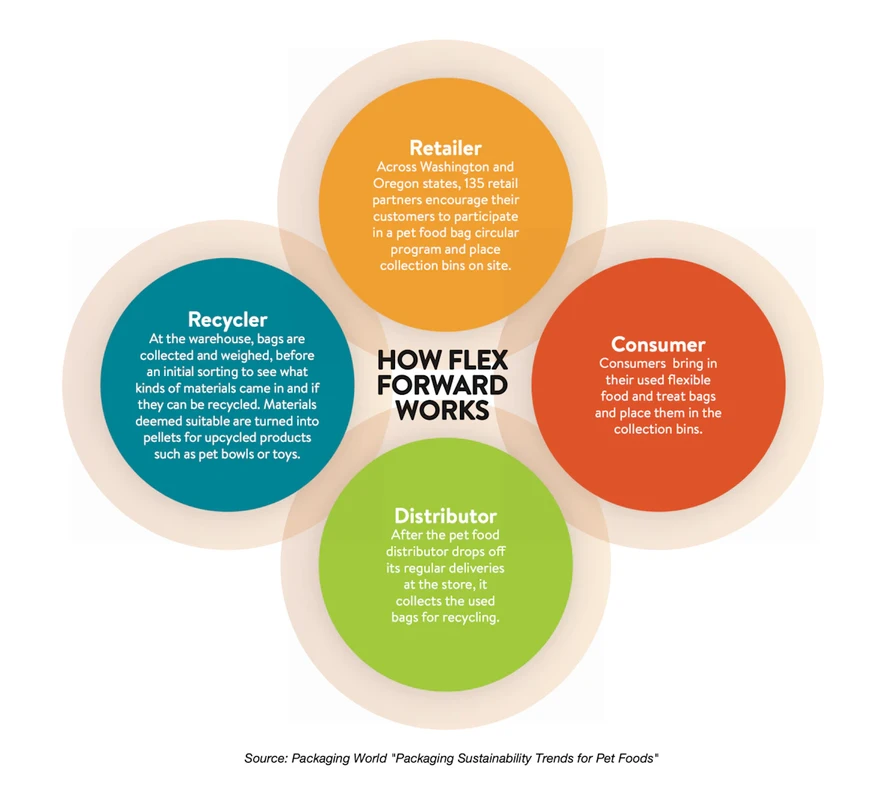
Pet owners and project developers can adopt multiple strategies to source materials sustainably. First, prioritize purchasing pet food with organic, local, or insect-based ingredients certified by recognized bodies. Second, select toys and bedding made from natural fibers such as hemp and organic cotton, verifying brand transparency and durability. Third, opt for products packaged in compostable or recyclable materials, disposing of packaging responsibly.
Additionally, embracing DIY approaches by repurposing household textiles into pet toys aligns with zero-waste principles. Incorporating water-saving grooming techniques and supporting brands with waterless care products contributes to resource conservation.
Long-term benefits of sustainable sourcing include reduced environmental impact, potential cost savings through durable product use, and fostering a healthier ecosystem for pets and their owners. As the pet industry continues evolving, integrating sustainability at every stage—from ingredient sourcing to packaging—will become a defining standard of responsible pet care.
| Sustainable Pet Material | Environmental Benefit | Example Brands/Products | Certification/Standard |
|---|---|---|---|
| Organic, Locally Sourced Pet Food | Reduces pesticide use, lowers carbon footprint | Healthy Pet, Local Farms | B Corp, USDA Organic |
| Insect-Based Proteins | Low greenhouse gas emissions, minimal water use | Protix, Ynsect | Novel Food Approvals |
| Hemp and Organic Cotton Toys | Biodegradable, renewable cultivation | Good Dog Company, Critters Cat Toys | GOTS, Ecocert |
| Compostable Packaging | Decomposes in industrial composting, reduces landfill waste | Project Sudz, AWPOO Dog Bag Holder | Certified Compostable (ASTM D6400) |
| Recycled Fabric Accessories | Reduces virgin resource extraction | Patagonia Pet Gear | Recycled Content Certification |
FAQ
What are the most sustainable materials for pet toys?
Sustainable pet toys are typically made from natural, biodegradable fibers such as hemp, organic cotton, wool, and bamboo. These materials are renewable, require fewer pesticides, and decompose naturally without releasing harmful substances. Toys made from recycled fabrics also contribute to sustainability by repurposing waste.
How can I identify truly eco-friendly pet food?
Look for pet food brands that use organic and locally sourced ingredients or incorporate insect-based proteins, which have lower environmental footprints. Certifications like USDA Organic, B Corp, and third-party ingredient audits provide additional assurance. Minimal and recyclable packaging is also a key indicator of eco-conscious production.
Are compostable pet product packaging options reliable?
Yes, compostable packaging made from cardboard, paper pouches, or cornstarch-based materials effectively biodegrades under industrial composting conditions. Certified compostable packaging (e.g., ASTM D6400) ensures the material meets standards for decomposition, reducing landfill waste when properly disposed of.
What water-saving pet care products are available?
Waterless pet shampoos, grooming wipes, and concentrated sprays reduce water use during pet grooming. Brands like Project Sudz offer solid shampoo bars and waterless formulas that clean effectively without requiring rinsing, lowering water consumption and packaging needs.
How do sustainable pet brands ensure transparency?
Sustainable pet brands provide detailed sourcing information, publish sustainability reports, and obtain certifications such as B Corp, GOTS, and Ecocert. These measures verify ethical ingredient sourcing, environmental impact reduction, and social responsibility, helping consumers make informed choices.
—
Continued innovation in sustainable pet materials and supply chains is critical as consumer awareness grows. Pet owners can drive change by prioritizing eco-friendly products, supporting brands with transparent practices, and adopting resource-conserving pet care habits. The integration of sustainable sourcing into pet projects not only mitigates environmental harm but also fosters resilient, ethical pet care ecosystems poised for future advancements.