
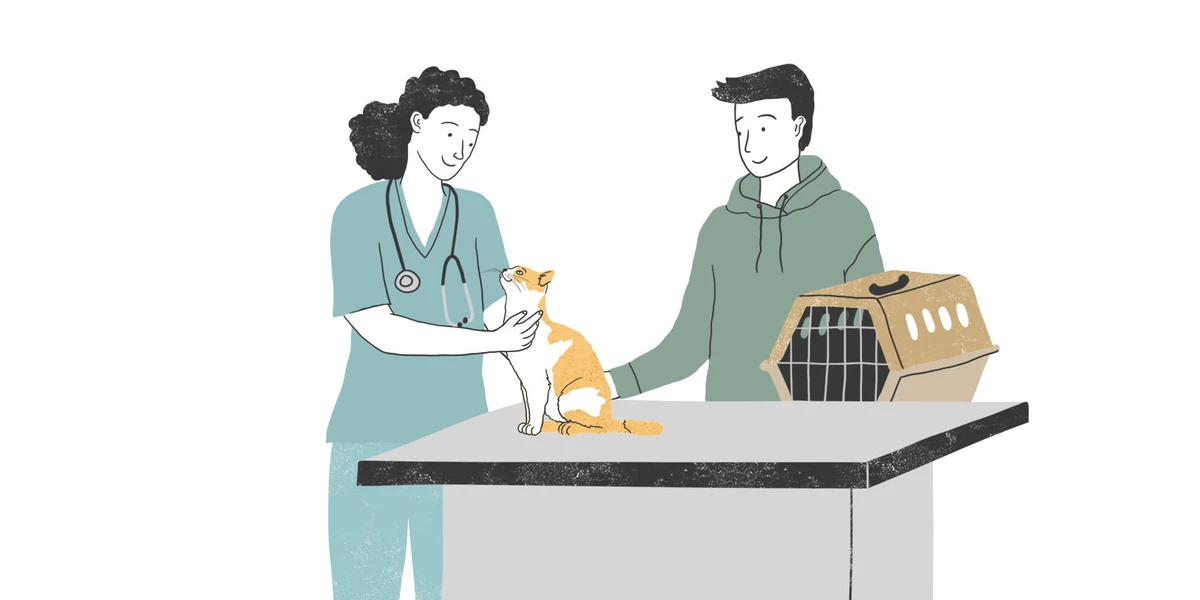
PawVerde.com – veterinary consultation is crucial before administering supplements to pets, ensuring safe, effective, and tailored nutritional support that aligns with each animal’s health needs. Unsupervised supplementation can lead to severe toxicity, nutrient imbalances, or adverse interactions with existing medications, undermining pet health. The pet supplement industry’s expanding market, driven by growing pet-owner interest in wellness, often lacks stringent regulatory oversight, resulting in variable product quality and potential safety risks. Veterinarians provide indispensable expertise by assessing individual pet conditions, recommending evidence-based supplements, and monitoring dosage to prevent complications.
Pet supplements, including vitamins like A, D, E, and B-complex, omega-3 fatty acids, glucosamine, and fish oil, are widely used to support various health conditions in dogs and cats. However, the absence of comprehensive regulation allows inconsistent labeling and unverified claims, raising concerns about safety and efficacy. Notably, some human supplements contain ingredients toxic to pets, such as xylitol, which can cause life-threatening hypoglycemia in dogs. Moreover, excessive intake of fat-soluble vitamins, particularly vitamin D and calcium, can induce toxicity manifesting as kidney failure, hypercalcemia, or cardiac complications. These risks underscore the necessity of veterinary guidance to optimize supplementation protocols and safeguard pet health.
Regulatory and Safety Concerns in the Pet Supplement Industry
The pet supplement market operates with significantly less regulatory oversight compared to human pharmaceuticals, leading to inconsistencies in product safety and quality. Regulatory bodies like the National Animal Supplement Council (NASC) work toward voluntary standards and certification programs to enhance product transparency and quality assurance. Despite such efforts, many supplements remain unverified for potency and purity, potentially containing contaminants or inaccurate ingredient concentrations. This regulatory gap complicates vet assessments and increases risks for pet owners relying on over-the-counter supplements without professional consultation.
Pet supplement manufacturers often market products with broad claims of health benefits, lacking robust clinical evidence or peer-reviewed studies to substantiate efficacy. The American Veterinary Medical Association (AVMA) emphasizes the importance of evidence-based usage and discourages supplementation without veterinary evaluation. Moreover, the chemical complexity of some supplements can lead to unpredictable pharmacokinetic interactions, especially when pets are concurrently receiving prescription medications. These factors necessitate discerning veterinary oversight to navigate safety concerns inherent in the industry.
Potential Risks of Giving Supplements Without Veterinary Guidance
Administering supplements without veterinary advice exposes pets to risks including toxicity, adverse drug interactions, and exacerbation of underlying medical conditions. For example, hypervitaminosis D caused by excessive vitamin D supplementation can result in calcium deposits in soft tissues, renal failure, and gastrointestinal distress. Similarly, excessive calcium supplementation may lead to skeletal abnormalities in growing animals or promote urolithiasis in adults.
Human supplements pose additional hazards; xylitol, a common artificial sweetener in human products, induces rapid insulin release in dogs, causing severe hypoglycemia and potential liver failure. Other human-focused formulations may contain ingredients or excipients harmful to pets due to species-specific metabolic differences. Unmonitored supplementation can also interfere with prescribed veterinary treatments, reducing drug efficacy or increasing toxicity risk. Case studies from Saratoga Veterinary Hospital illustrate instances where pets developed severe symptoms following unsupervised supplement use, necessitating emergency intervention and highlighting the critical role of veterinary consultation.
Role of Veterinarians in Safe Pet Supplementation
Veterinarians perform comprehensive health and nutrition assessments before recommending supplements, integrating clinical findings with dietary analysis to identify nutrient deficiencies or condition-specific needs. This individualized approach optimizes therapeutic outcomes and minimizes risks. For example, glucosamine and chondroitin are often prescribed for canine osteoarthritis, but dosing must be carefully calibrated to avoid gastrointestinal side effects. Omega-3 fatty acids sourced from fish oil are recommended for anti-inflammatory benefits in dermatologic and cardiac conditions, with veterinary guidance ensuring appropriate product selection and dosing.
Veterinarians also monitor pets for adverse effects and adjust supplementation protocols accordingly. This dynamic management is essential to avoid cumulative toxicity or nutrient imbalances, especially in older animals or those with comorbidities such as kidney or liver disease. Legally, veterinarians bear responsibility for recommending safe supplements, complying with regulatory standards while prioritizing animal welfare. Veterinary nutritional counseling supports pet owners in understanding supplement roles, integrating them within balanced diets, and recognizing signs of intolerance or overdose.
When Are Supplements Necessary?
Supplementation is generally indicated when pets exhibit diagnosed deficiencies or specific health conditions requiring nutritional support beyond standard diets. Digestive disorders such as exocrine pancreatic insufficiency may necessitate enzyme supplementation, while skin and coat issues often respond to omega-3 fatty acid therapy. Joint health concerns, particularly in aging dogs, commonly benefit from glucosamine and chondroitin to support cartilage repair.
Vitamins A, D, and E are critical antioxidants and metabolic cofactors but are prescribed selectively based on laboratory evaluations or clinical signs. Targeted supplementation differs markedly from routine, indiscriminate use, which can cause nutrient excess or mask underlying illnesses. Veterinary expertise ensures that supplements address validated needs and contribute to holistic pet health management rather than serving as indiscriminate wellness boosters.
Best Practices for Pet Owners Considering Supplements
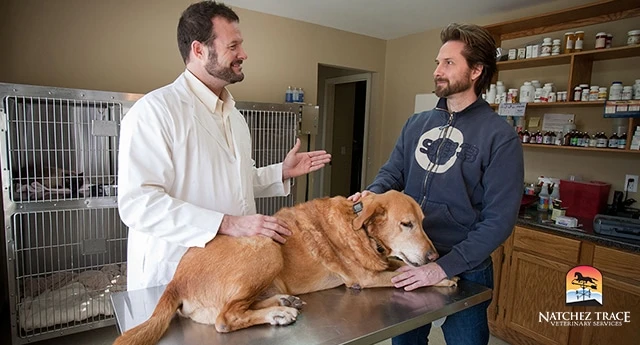
Pet owners should always seek veterinary advice prior to initiating any supplement regimen. Veterinarians provide guidance on safe products, appropriate dosages, and potential interactions with existing medications or health conditions. Self-prescribing human supplements is strongly discouraged due to species-specific toxicity risks and formulation differences.
Routine veterinary visits provide opportunities to discuss dietary changes and assess the necessity of supplementation within a broader nutritional context. Engaging in veterinary nutritional counseling can further enhance understanding of balanced diets and safe supplement integration. Pet owners are encouraged to report any unusual symptoms promptly to veterinarians to facilitate early detection and management of adverse effects related to supplementation.
| Supplement | Common Use in Pets | Potential Risks Without Vet Guidance | Veterinary Role |
|---|---|---|---|
| Glucosamine | Joint support in arthritis | Gastrointestinal upset; inadequate dosing reduces benefits | Assess need; recommend formulation and dosage; monitor response |
| Omega-3 Fatty Acids (Fish Oil) | Anti-inflammatory for skin and heart health | Bleeding risk at high doses; inconsistent product quality | Determine safe dose; select vet-approved products; monitor side effects |
| Vitamin D | Bone metabolism support | Hypercalcemia, renal failure with overdose | Evaluate blood levels; adjust dosage cautiously; monitor calcium |
| Human Supplements Containing Xylitol | Not recommended | Severe hypoglycemia, liver failure in dogs | Educate owners about risks; advise against use |
FAQ
Why should I consult a veterinarian before giving my pet supplements?
Veterinarians assess your pet’s specific health status, prescribe appropriate supplements in safe doses, and monitor for adverse effects or interactions with medications, reducing risks of toxicity or ineffective treatment.
Are human vitamin supplements safe for pets?
No, many human supplements contain ingredients toxic to pets, such as xylitol, artificial sweeteners, or inappropriate vitamin concentrations, which can cause severe health issues or death in animals.
What are common signs of supplement toxicity in pets?
Symptoms vary but may include vomiting, diarrhea, lethargy, seizures, kidney failure, or cardiac abnormalities. Prompt veterinary evaluation is critical if toxicity is suspected.
Can supplements replace a balanced pet diet?
Supplements are meant to complement—not replace—a complete, balanced diet. They address specific deficiencies or health conditions and should only be used under veterinary guidance.
How can I ensure the supplements I buy for my pet are safe?
Purchase vet-approved supplements, preferably those certified by organizations like the NASC, and always discuss new supplements with your veterinarian before use.
Veterinary oversight remains the cornerstone of safe and effective pet supplementation, balancing therapeutic benefits with potential risks. As the pet supplement industry evolves, integration of rigorous regulatory standards and evidence-based veterinary guidance will be paramount in safeguarding pet health. Pet owners are encouraged to prioritize professional consultation to navigate the complex landscape of supplements, ensuring interventions that truly enhance their pets’ quality of life.