
Top Community Pet Waste Recycling Programs and Composting Success
PawVerde.com – Community pet waste recycling programs have gained substantial momentum in 2026, with several urban areas implementing innovative composting and packaging recycling initiatives. Boulder, Colorado, leads with its dog waste composting program active at 20 trailheads, processing thousands of pounds of pet waste annually since its inception in 2014. New York City’s Battery Park City Authority recently upgraded its composting facility to handle up to 200 pounds of animal waste daily, significantly expanding local capacity. Complementing these municipal efforts, DMV Poop Patrol offers professional eco-friendly pet waste removal services across Maryland, Washington, DC, and Virginia, emphasizing maintenance and community engagement. TerraCycle’s Earthborn Holistic® program has introduced free pet food packaging recycling with multiple community drop-off points and prepaid shipping options, increasing accessibility for pet owners nationwide.
Expanding Urban Composting Programs for Pet Waste
Boulder’s dog waste composting initiative exemplifies long-term success in integrating pet waste management into urban green spaces. Operating since 2014, the program now services 20 trailheads, providing strategically placed compost bins that encourage responsible disposal. The city reports thousands of pounds of dog waste diverted annually from landfills, contributing to soil enrichment projects and reducing methane emissions. The program’s effectiveness relies on carefully coordinated station placement, regular maintenance, and community education campaigns that stress the environmental benefits of composting pet waste.
In New York City, the Battery Park City Authority has invested in upgrading its composting infrastructure to address rising demand for animal waste processing. The new composter now manages 200 pounds of pet waste daily, a substantial increase over previous capacity. This facility supports the city’s broader sustainability goals by converting pet waste into nutrient-rich compost used in local landscaping. The upgrade includes state-of-the-art odor control and pathogen reduction technology, ensuring safe and hygienic processing. The initiative reflects growing municipal recognition of pet waste as a valuable resource rather than a nuisance.
Professional Waste Removal Services and Packaging Recycling
The DMV Poop Patrol distinguishes itself by offering eco-friendly pet waste removal services across the Maryland, DC, and Virginia metropolitan area. Its model combines regular waste collection with the provision and maintenance of composting stations in community parks and residential complexes. By focusing on convenience and hygiene, the service has increased participation rates and reduced improper disposal incidents. Maintenance protocols include frequent bin emptying, station sanitization, and replenishment of compostable bags, ensuring consistent user experience.
TerraCycle’s Earthborn Holistic® program addresses the often-overlooked challenge of pet food packaging waste. The program provides free recycling for pet food packaging, including flexible pouches and bags, through a network of community drop-off points and prepaid shipping labels. This initiative targets the significant volume of polyethylene terephthalate (PET) and other plastics used in pet food packaging, which are typically difficult to recycle through municipal programs. By facilitating consumer participation and collaborating with retailers, TerraCycle expands circular economy practices within the pet industry.
Recycling Infrastructure Investments and Market Challenges
Despite advances in composting and packaging recycling, challenges persist in PET recycling markets. National PET bale prices have dropped sharply to approximately 1.74 cents per pound, reflecting oversupply and contamination issues. This decline impacts the economic viability of recycling programs and creates pressure on material recovery facilities (MRFs) to improve sorting technologies.
Mecklenburg County, North Carolina, has responded with a $25.7 million retrofit of its MRF to enhance PET thermoform sorting capabilities. The investment includes optical sorting upgrades and enhanced conveyor systems designed to reduce contamination rates and increase the quality of recycled PET bales. This retrofit aligns with broader industry efforts to stabilize recycling markets and support circularity in plastic packaging.
Extended Producer Responsibility (EPR) laws, now adopted by seven US states as of late 2025, are reshaping packaging waste management. These policies require producers to finance the collection, recycling, and disposal of packaging materials, incentivizing design for recyclability and increased recycling infrastructure funding. The legislation’s impact is expected to accelerate improvements in collection systems and bolster demand for recycled content, particularly for PET packaging in the pet food sector.
Community Engagement and Effective Program Implementation
Effective pet waste recycling programs emphasize accessible infrastructure and public participation. Lafayette Great Bark Dog Park has responded to high community demand by increasing the number of compost bins, resulting in measurable increases in pet waste diversion. Public education campaigns at this park focus on the environmental impacts of pet waste and proper use of composting stations, supported by signage and outreach events.
Best practices in station placement highlight the importance of locating bins at high-traffic areas, such as park entrances, trail intersections, and near water sources, to maximize use and minimize contamination. Regular maintenance, including bin emptying and supply replenishment, is critical to sustaining user compliance and program credibility. The DMV Poop Patrol’s operational model underscores the value of professional service providers in managing these logistical challenges.
Circular Economy Innovations in the Pet Industry
Several pet product brands have embraced circular economy principles by adopting sustainable packaging and closed-loop recycling programs. West Paw, a manufacturer of pet toys, incorporates recycled materials into product lines and offers take-back programs for end-of-life toys, reducing landfill contributions. Similarly, Chewy has introduced initiatives to recycle packaging materials and promote biodegradable alternatives.
These efforts complement municipal and nonprofit recycling programs by addressing the full lifecycle of pet products. Sustainable packaging initiatives focus on reducing reliance on single-use plastics and increasing the use of recyclable or compostable materials. Collaboration between manufacturers, retailers, and recycling organizations is vital to scaling these circular economy models.
Policy Impact and Future Prospects for Pet Waste Recycling
The adoption of Extended Producer Responsibility laws and bottle deposit programs continues to influence plastic waste reduction strategies. These policies enhance funding and accountability mechanisms, enabling municipalities and private entities to expand recycling infrastructure and educational outreach.
Looking ahead, the integration of pet waste composting and packaging recycling is poised to grow through technological innovation and community-driven participation. Advances in urban composting technology, combined with increased public awareness, will facilitate further diversion of pet waste from landfills. Simultaneously, improvements in PET recycling markets and packaging design will support more effective material recovery.
Municipalities and private organizations planning new programs can draw on examples from Boulder, Battery Park City, and the DMV region to develop scalable, user-friendly models. As the pet industry increasingly aligns with circular economy principles, the synergy between waste management and sustainable product design will deepen, fostering environmental benefits and community engagement nationwide.
How to Recycle Pet Food Packaging Properly: Materials & Programs
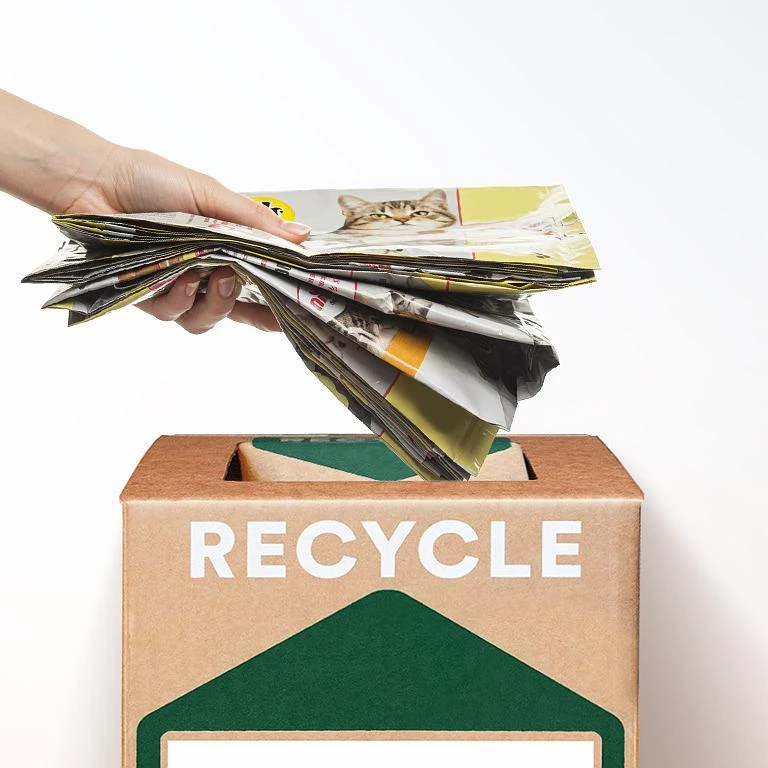
PawVerde.com – Properly recycling pet food packaging requires understanding the materials used, preparing packaging correctly, and utilizing available recycling programs. Many pet food bags are composed of flexible plastics such as #4 LDPE (low-density polyethylene), which can be recycled through specific drop-off points, while multilayer packaging with aluminum foil layers presents challenges due to limited recyclability. Brand-led initiatives like TerraCycle and programs by Steve’s Real Food and Wellness® offer tailored recycling solutions. Following local recycling guidelines and participating in zero waste initiatives further enhances responsible disposal and waste reduction in the pet food sector.
Understanding Pet Food Packaging Materials and Their Recyclability
Pet food packaging primarily consists of flexible plastic films designed to protect product freshness and extend shelf life. The most common material is #4 LDPE plastic, known for its lightweight and flexible properties. This material is widely accepted at flexible plastic drop-off bins located at grocery and retail stores, making it one of the more recyclable pet food packaging materials.
However, many pet food brands incorporate multilayer packaging combining plastic with aluminum foil to create moisture and oxygen barriers. These multilayer bags, while effective for preservation, are generally not recyclable in municipal programs due to the difficulty of separating layers during processing. This type of packaging often lacks a straightforward recycling pathway, leading to disposal in landfill or incineration.
To address these challenges, packaging manufacturers and pet food companies are innovating with monomaterial designs—packaging made from a single type of recyclable plastic. Brands like Steve’s Real Food and Wellness® have introduced monomaterial pouches that simplify recycling and increase recovery rates. Monomaterial packaging aligns with the APR Design Guide principles and leverages testing protocols such as PET-CG-01 and PET-EE-02 to ensure recyclability compliance.
Step-by-Step Guide to Preparing Pet Food Packaging for Recycling
Proper preparation of pet food packaging is crucial to ensure it enters the recycling stream without contamination. Follow these steps to prepare your packaging correctly:
Time estimate: These steps typically take 2-3 minutes per package, but thorough cleaning is essential for recycling success.
Using Store Drop-Off Bins and Brand-Specific Recycling Programs
Many grocery and retail stores participate in flexible plastic recycling programs, accepting #4 LDPE bags and pouches through dedicated drop-off bins. Pet owners should locate these bins at stores such as Pet Supplies Plus or Wag N’ Wash, which often collaborate with recycling organizations.
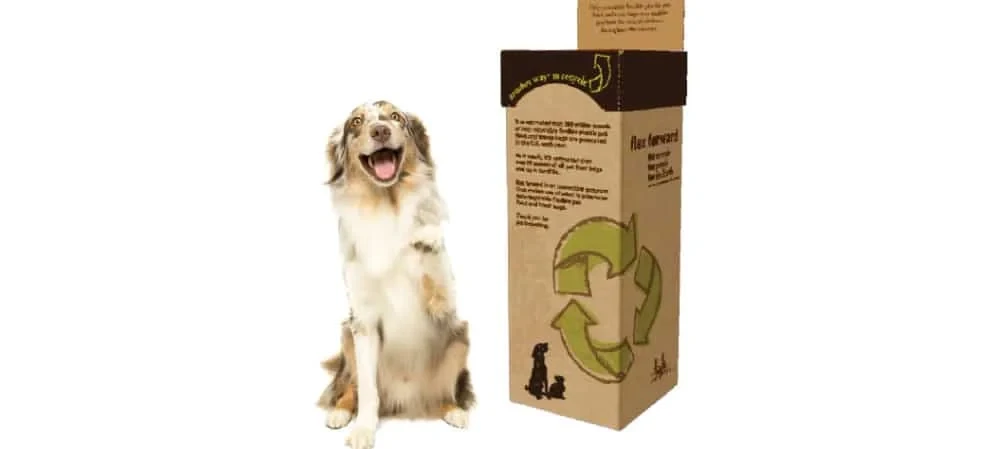
For packaging that cannot be recycled locally, TerraCycle offers free drop-off programs specifically for pet food packaging. TerraCycle’s Zero Waste Box program collects flexible plastics, including multilayer pouches, and processes them into new products, closing the recycling loop. Brands like Steve’s Real Food and Wellness® partner with TerraCycle to provide consumers with branded recycling options, increasing convenience and participation rates.
When using these programs:
These programs significantly reduce landfill waste and promote circular economy principles within the pet food packaging sector.
Local Recycling Infrastructure and Guidelines
Recycling capabilities vary widely depending on regional infrastructure and regulations. In the UK, the On-Pack Recycling Label (OPRL) system helps consumers identify packaging recyclability, with specific symbols clarifying whether LDPE or PET materials are recyclable locally.
Platforms such as Recycle Check enable pet owners to verify which pet food packaging materials are accepted in their municipality. The Pet Sustainability Coalition and CEFLEX project also provide resources and advocacy for improving local recycling infrastructure and standardizing recycling protocols for flexible plastic packaging.
When assessing local recycling options, consider:
Understanding these variables helps pet owners select the best disposal method and avoid contaminating recycling streams.
Innovations and Future Trends in Sustainable Pet Food Packaging
The pet food industry is advancing toward sustainable packaging solutions to reduce environmental impact. Key trends include:
These efforts aim to increase circularity, reduce landfill reliance, and make pet food packaging more environmentally responsible.
Troubleshooting Common Issues in Recycling Pet Food Packaging
Despite best efforts, some pet owners encounter obstacles when recycling pet food packaging. Common issues and solutions include:
Adhering to preparation and disposal best practices minimizes rejection and maximizes recycling effectiveness.
Common Mistakes to Avoid When Recycling Pet Food Packaging
Pet owners should avoid these mistakes to ensure proper recycling:
Awareness of these pitfalls improves recycling outcomes and supports sustainability goals.
Alternative Disposal and Reuse Methods
When recycling is not available, consider these alternatives:
These alternatives contribute to reducing environmental impact beyond recycling alone.
Frequently Asked Questions About Recycling Pet Food Packaging
Can I recycle all pet food bags in my curbside bin?
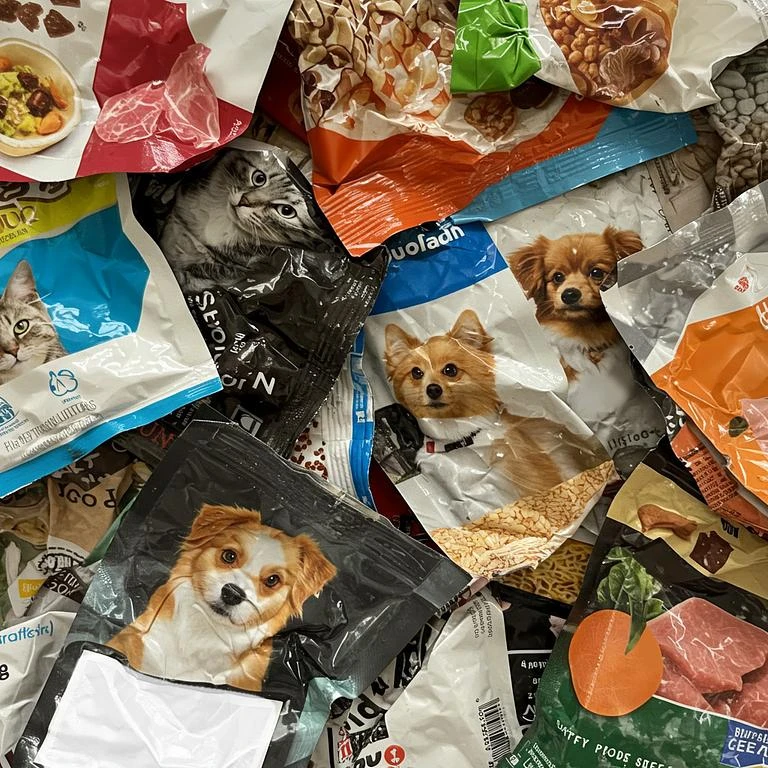
Most curbside programs do not accept flexible plastic bags like #4 LDPE due to sorting limitations. Instead, use designated flexible plastic drop-off bins at stores or brand-specific recycling programs such as TerraCycle.
How do I know if my pet food packaging is recyclable?
Check for recycling symbols like #4 LDPE or PET resin codes on the packaging and refer to local recycling guidelines or platforms such as Recycle Check. Packaging with multilayer films or aluminum layers is often non-recyclable locally.
What should I do if my local area does not accept flexible plastic recycling?
Participate in TerraCycle’s free pet food packaging recycling programs or use brand-specific drop-offs provided by companies like Wellness® or Steve’s Real Food. These programs collect and process packaging that local facilities cannot handle.
Why is it important to clean and dry pet food packaging before recycling?
Residual food and moisture contaminate recycling streams, causing materials to be rejected or downgraded, which impedes recycling efficiency and increases landfill waste.
Are monomaterial pet food bags better for the environment?
Yes, monomaterial packaging is easier to recycle because it consists of a single plastic type, reducing sorting complexity and increasing recycling rates compared to multilayer composites.
—
Pet owners seeking to recycle pet food packaging effectively should prioritize cleaning and drying bags, identify recyclable materials, and leverage store drop-offs and TerraCycle programs. Staying informed about local recycling infrastructures and supporting sustainable packaging innovations will further contribute to reducing plastic waste in the pet food industry. Continued participation and advocacy for improved recycling systems are critical next steps for responsible pet food packaging disposal.