

Eco-Friendly Pet Waste Bags: How to Avoid Greenwashing
PawVerde.com – To lower your carbon footprint effectively, choose pet waste bags with high recycled or biobased content. While compostable bags are preferable to traditional plastics—which take decades to decompose—their environmental benefit depends entirely on proper disposal in a composting facility rather than a landfill.
Using bags with high recycled or biobased content is cited by the Plastics Industry Association as the simplest way for consumers to lower their carbon footprint.
How to Spot Greenwashing: A Certification Checklist
To avoid greenwashing, look for legitimate third-party certifications like TUV Austria or BPI rather than vague ‘biodegradable’ claims. Truly compostable bags should be made from plant-based materials like corn starch (PBAT) and specifically meet standards like EN13432 to ensure they break down in industrial composting environments.
The ‘Biodegradable’ Trap
The term “biodegradable” does not necessarily mean a product decomposes quickly or in an environmentally friendly way. According to research regarding composting reactors, some biodegradable plastics can even be derived from fossil sources. This lack of specificity often constitutes greenwashing.
A major failure mode occurs when consumers assume a “bio-based” label implies the product will vanish in a backyard pile. In reality, many of these materials are designed for high-heat environments. If these bags end up in a standard trash bin, they fail to provide any meaningful environmental relief.
Key Certifications to Trust
Reliable environmental claims are backed by rigorous testing from recognized bodies. When evaluating your next purchase, look for these specific indicators:
- TUV Austria Certification: This verifies specific compostability standards, such as those met by Wooflinen compostable bags, which are made from corn starch (PBAT) with zero plastics.
- BPI (Biodegradable Products Institute): A standard for industrial compostability in North America.
- EN13432: The European standard for packaging recoverable through composting and biodegradation.
Consumers should check the packaging for these exact terms. If a brand only uses the word “eco-friendly” without a specific certification or a breakdown of the percentage of plant-based material, it is a red flag. For instance, PET N PET Dog Poop Bags are transparent about their composition, noting a minimum of 38% plant-based content.
The Landfill Paradox: Why ‘Eco-Friendly’ Bags Fail in the Trash
A significant contradiction exists in waste management: compostable bags in a properly managed landfill may take nearly as long to degrade as polyethylene bags. Because landfills are designed to be anaerobic and contained to prevent gas escape, the biological processes required for decomposition are stifled. This means the environmental advantage of a compostable material is essentially neutralized if it is not diverted to a specialized facility.
Even when bags are compostable, most people still toss them in the trash. Paul Cannella, founder and president of The Original Poop Bags, notes that this behavior is a common occurrence. This creates a cycle where “green” products contribute to the same long-term waste issues as traditional plastics.
Warning: Placing compostable bags in a standard landfill does not guarantee they will break down quickly. In many cases, they will persist in the waste stream for years, similar to conventional plastic.
Material Science: Corn Starch vs. Post-Consumer Recycled Plastic
The chemical makeup of a bag determines its environmental impact. Consumers must distinguish between recycled plastic and plant-based polymers to understand how a product will behave at the end of its life.
The Case for 100% Recycled Content
For users who do not have access to industrial composting, recycled plastic is often the most practical choice. Only Natural Pet Unscented Dog Poop Bags contain 100% recycled postconsumer plastic. This approach supports the existing recycling infrastructure by repurposing plastic that has already been produced, rather than creating new polymers.
The Rise of PBAT and Corn Starch
On the other end of the spectrum are plant-based options. While these are designed to disappear, they are chemically complex. Expert commentator Emily Bryson notes that “a lot of these compostable plastics have a polymer that is fossil based or petrochemical based.” This means that even a bag labeled as compostable might still rely on traditional petroleum derivatives to achieve the necessary flexibility and strength.
| Bag Type | Primary Material | Best Disposal Method | Key Advantage |
|---|---|---|---|
| 100% Recycled Plastic | Post-consumer plastic | Standard trash/recycling stream | Supports existing plastic infrastructure |
| Plant-Based (38%) | Mixed plant/synthetic | Industrial composting | Reduces virgin plastic use |
| Zero-Plastic Corn Starch | PBAT / Corn Starch | Industrial composting | Total decomposition (zero plastic) |
The table above illustrates the trade-offs between material origin and disposal requirements. Choosing the right bag requires matching the material to your local waste capabilities.
Durability Stress Test: Will the Bag Hold Up?
An eco-friendly bag is useless if it breaks during a walk. Material composition significantly impacts how a bag handles the physical stress of collecting waste, especially in varying weather conditions or on rough terrain.
Testing reveals that thickness and polymer type are the primary drivers of reliability. For example, Wooflinen bags feature a thickness of 0.71 mil, which provides a specific level of structural integrity for their 9″ x 13″ dimensions. However, different materials fail in different ways:
- While sturdy, these ripped more easily and developed larger holes when scraped against hard surfaces like sidewalks.
- The Apartment Dweller’s Dilemma
For those living in high-density urban areas, municipal composting is often non-existent. Most municipal composting programs in the US do not accept pet waste because it can contain pathogens as well as the residues from antiparasitic medications. In this scenario, an apartment dweller is often limited to the standard trash bin. For these users, a bag with 100% recycled post-consumer plastic is often the most responsible choice, as it utilizes existing waste streams without the false promise of compostability.
Backyard Composting Realities
Suburban homeowners may consider home composting, but this requires caution. Because home environments lack the consistent, high-temperature heat of industrial reactors, “home compostable” bags may take several years to break down. A more effective local option is to build a poop digester.
Sustainable waste management requires both product choice and civic action. Rose Seemann, co-founder of the Enviro Pet Waste Network, suggests that advocacy is key. Forming a dedicated coalition of dog park friends to attend city council meetings and request composting solutions for pet waste can drive long-term systemic change.
FAQ
Most US municipal programs reject pet waste due to potential pathogens and residues from antiparasitic medications found in the waste. These contaminants can compromise the safety of the final compost used in agriculture or gardening.
Tags: biobased materials, BPI certification, compostable pet products, environmental impact, greenwashing, PBAT, pet waste bags, pet waste disposal, sustainable pet care, TUV Austria
Top Biodegradable Pet Waste Bags Reviewed with Certifications
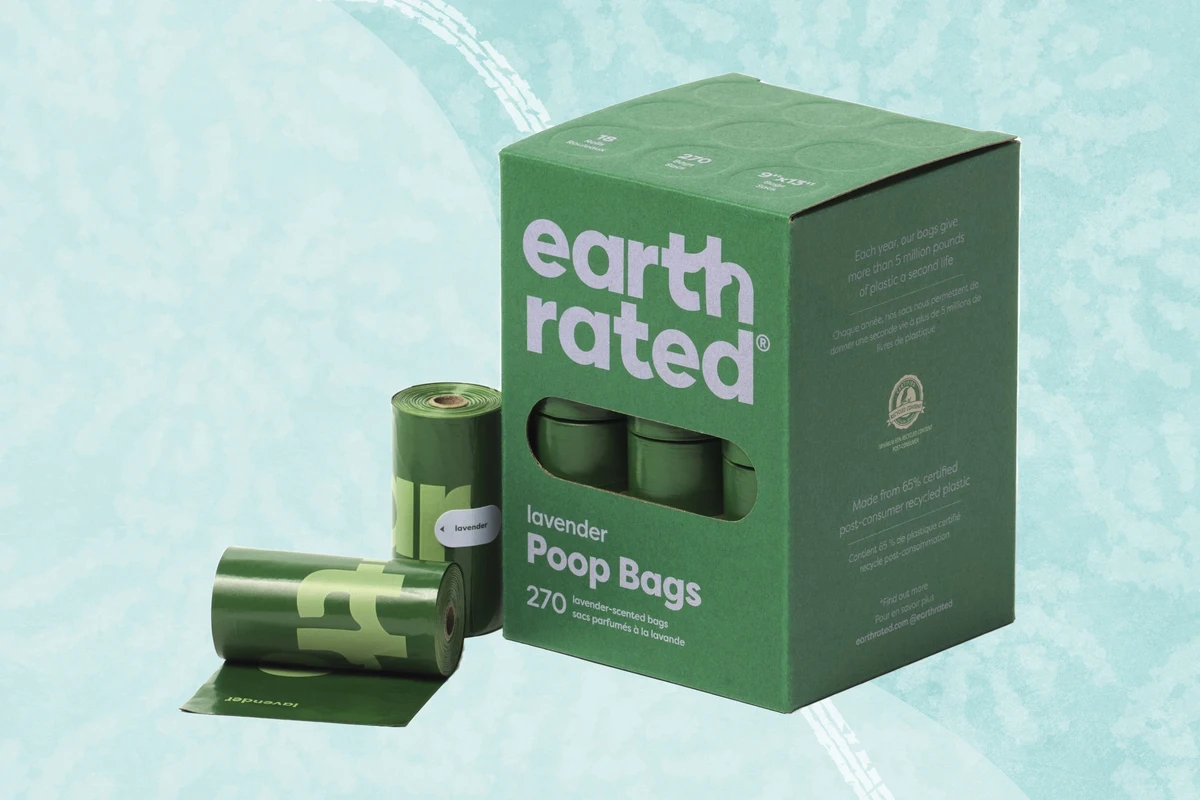
PawVerde.com – biodegradable pet waste bags in 2026 have evolved into sophisticated eco-friendly solutions that address environmental concerns without compromising performance. Leading brands such as Tuff Pets, ZOMISIA, and Earth Rated now offer bags that combine certified compostable materials with enhanced thickness and odor control, meeting the rising demand for sustainable pet waste disposal. These bags demonstrate significant improvements in durability, leak-proof capability, and cost efficiency, especially when purchased in bulk, making them practical choices for environmentally conscious pet owners.
Certification standards play a crucial role in validating the ecological claims of these products, ensuring compliance with stringent environmental policies and consumer trust. This article provides a detailed, data-backed review of top biodegradable pet waste bags in 2026, comparing their certifications, material composition, usability, pricing, and environmental impact.
Certification Standards and Environmental Impact
The environmental credibility of biodegradable pet waste bags depends heavily on certifications that verify their compostability and biodegradability under specific conditions. The Biodegradable Products Institute (BPI) certification, aligned with ASTM D6400 standards, confirms that bags break down in industrial composting facilities within 90 to 180 days without leaving toxic residues. Meanwhile, AS 5810 certification caters to home composting environments, ensuring bags decompose effectively at lower temperatures over a longer period.
Additional certifications like TÜV OK Compost Home and Industrial, DIN CERTCO, and the USDA BioPreferred Program provide further assurance of biobased content and compostability. These certifications help differentiate compostable bags, which completely degrade into non-toxic components, from biodegradable bags that may fragment but not fully mineralize, potentially contributing to microplastic pollution.
Most leading brands such as ZOMISIA and Earth Rated maintain compliance with BPI (ASTM D6400) and TÜV standards, reinforcing their commitment to environmental responsibility. For example, ZOMISIA’s bags have achieved BPI certification, confirming they decompose within 90 days in industrial composting conditions, while Earth Rated bags combine vegetable starch and PBAT (polybutylene adipate terephthalate) to meet both compostability and leak-proof standards.
The distinction between biodegradable and compostable bags is critical for consumers. Compostable bags meet stricter environmental criteria and support circular waste management by converting organic waste into nutrient-rich compost. Biodegradable bags, including some oxo-biodegradable plastics, may degrade physically but often lack certification and can persist as microplastics, undermining their ecological benefits.
Product Performance and Usability Review
Durability and leak resistance are paramount for pet waste bags, and recent testing methods involve water balloon simulations to assess tear resistance and sealing efficacy. Tuff Pets bags, for instance, exhibit superior thickness at approximately 22 microns, which translates into robust puncture resistance and reduced risk of leaks during usage. In contrast, ZOMISIA bags maintain a thickness near 20 microns, balancing sturdiness with cost-effectiveness.
Earth Rated’s bags stand out with a 100% leak-proof guarantee, achieved through a proprietary blend of vegetable starch and PBAT, which enhances flexibility without compromising compostability. These bags performed reliably in tests simulating waste from various dog breeds, including larger Labradors and smaller Corgis, demonstrating versatility across waste volumes.
Odor control is another critical factor for practical use. Tuff Pets incorporates natural odor-masking scents such as lavender and sandalwood, which significantly reduce unpleasant smells during storage and disposal. User feedback highlights the effectiveness of these scents without overwhelming sensitivity, making them suitable for households with scent sensitivities.
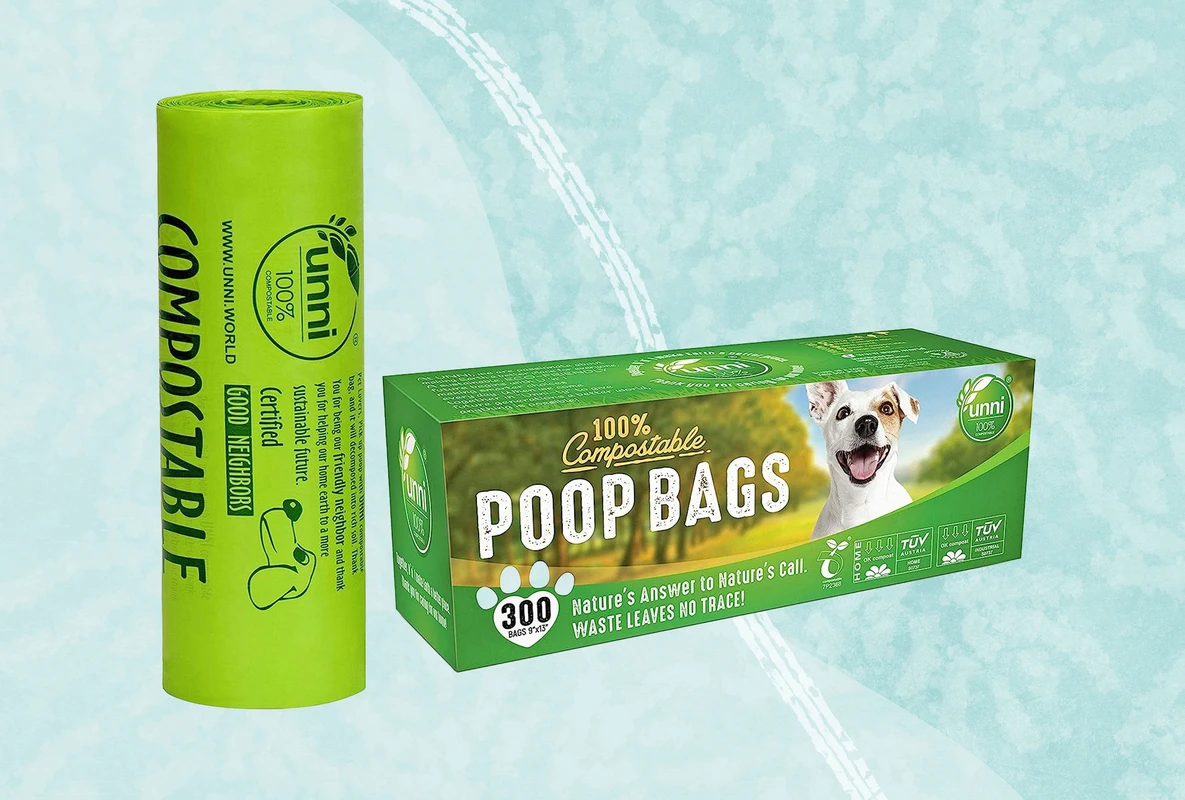
Ease of use involves factors like bag opening, tying off, and dispenser compatibility. UNNI bags, known for their larger size (up to 1.5 liters), feature a smooth, easy-tear perforation and a non-slip texture, facilitating swift waste collection. Most tested brands, including BioBag and Pogi’s, are compatible with standard dispenser rolls and bag holders, although certain thicker bags may require dispensers with wider openings.
Pricing and Bulk Purchase Analysis
Cost efficiency is a decisive factor for many consumers, especially those owning multiple pets or managing commercial pet care facilities. Bulk purchasing offers substantial savings, with ZOMISIA bags priced between $0.05 and $0.06 per bag at the 540-count tier, representing a significant discount compared to retail packs of 60 or 120 bags that often exceed $0.10 per bag.
Storage and shelf life considerations are vital for maintaining bag integrity. Plant-starch-based bags such as those from BioBag have a recommended shelf life of approximately two years when stored in cool, dry conditions to prevent premature degradation. Exposure to heat and humidity accelerates breakdown, potentially causing brittleness or leaks before use.
Earth Rated and Tuff Pets bags, utilizing PBAT blends, generally exhibit longer shelf life and greater resilience under variable storage conditions. However, regardless of brand, users are advised to rotate stock regularly and avoid prolonged storage in direct sunlight or humid environments.
Brand Highlights and Recommendations
Tuff Pets offers a compelling combination of strength and odor control at a slightly lower price point than fully certified compostable bags. Their thicker design reduces tearing risk, though they may not always carry BPI certification, positioning them as a highly functional biodegradable option.
ZOMISIA’s certified compostable bags provide an optimal balance of environmental compliance, thickness, and cost-efficiency. Their 1.5-liter capacity suits larger dogs and multiple waste pickups, making them ideal for households with active breeds like French Bulldogs or Labradors.
Earth Rated distinguishes itself with a 100% leak-proof guarantee, supported by rigorous third-party testing involving diverse dog breeds. Their bags’ vegetable starch and PBAT composition ensure flexibility and compostability, with multiple scent options including apple cinnamon and vanilla.
UNNI’s large-sized bags emphasize ease of use and industrial compostability, decomposing within 90 days under certified conditions. Their smooth texture and reliable sealing make them suitable for commercial pet care and municipal waste programs.
BioBag and Pogi’s focus on eco-conscious consumers with fully compostable materials and smaller packaging options. While their bags may have slightly thinner walls (around 15-18 microns), they cater to pet owners prioritizing certified biodegradability over maximum durability.
Consumer Considerations and Practical Advice
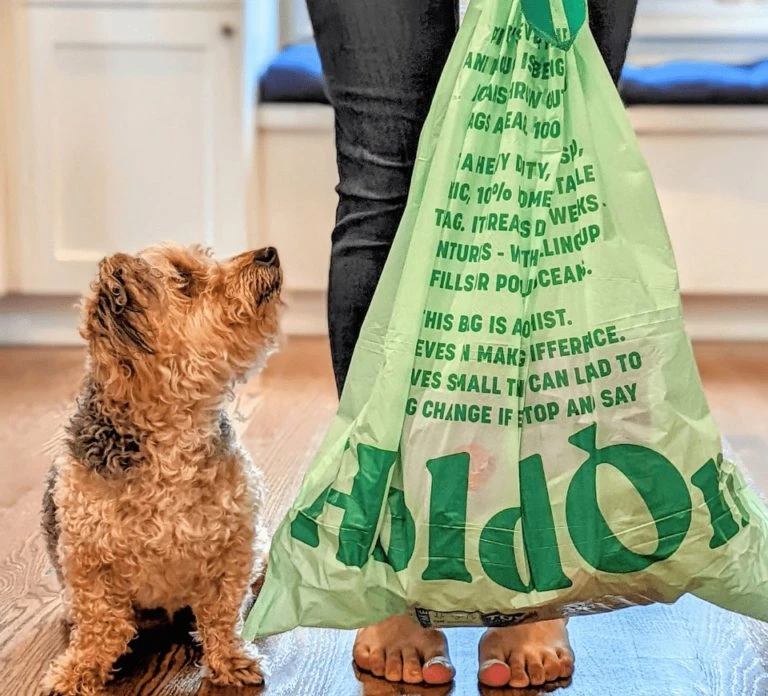
Selecting between biodegradable and compostable bags depends largely on local waste disposal infrastructure. Compostable bags require access to industrial or home composting facilities to fulfill their environmental promise. In regions lacking such options, biodegradable bags may offer limited benefit, as they risk persisting in landfills or contaminating recycling streams.
Scent preferences should factor in potential allergies or sensitivities. Natural essential oil-based scents tend to be less irritating than synthetic fragrances, but consumers should test small quantities before committing to large purchases.
Storage conditions directly affect bag performance. To maximize shelf life, bags should be stored away from heat, moisture, and direct sunlight. Using airtight containers or resealable bags for rolls can prolong usability beyond the average two-year lifespan of plant-starch bags.
Pet size and waste volume also guide product choice. Larger breeds generate more waste requiring bigger capacity bags (1.5 liters or more), while small breeds or frequent short walks may be adequately served by standard 0.75-liter bags. Bulk purchasing is advisable for multi-pet households, offering cost savings and ensuring consistent supply.
FAQ
What certifications ensure biodegradable pet waste bags are truly compostable?
Certifications such as BPI (ASTM D6400), AS 5810 for home composting, TÜV OK Compost Home/Industrial, and DIN CERTCO validate that pet waste bags meet strict biodegradability and compostability standards. These certifications guarantee that bags break down within specified time frames without harmful residues.
How do biodegradable pet waste bags differ from compostable bags?
Compostable bags fully degrade into non-toxic components under industrial or home composting conditions, supported by certification. biodegradable bags may break down physically but often lack certification and can leave microplastics, reducing their environmental benefit.
Are scented biodegradable pet waste bags safe for pets and humans?
Most scented bags use natural essential oils like lavender or apple cinnamon, which are generally safe and mask odors effectively. However, individuals with sensitivities should test small amounts first, as reactions vary.
What is the typical shelf life of plant-starch biodegradable pet waste bags?
Plant-starch bags usually maintain optimal performance for up to two years when stored in cool, dry, and dark conditions. Exposure to heat or humidity reduces shelf life by accelerating material degradation.
Can biodegradable pet waste bags be used with standard dispensers?
Most biodegradable bags are designed to fit standard dispensers and bag holders. However, thicker bags might require wider dispenser openings. Checking manufacturer compatibility is recommended before purchase.
This comprehensive analysis underscores the importance of selecting biodegradable pet waste bags that combine environmental certifications, durability, and cost-effectiveness. Brands like Tuff Pets, ZOMISIA, and Earth Rated lead the market in 2026 by offering products that meet rigorous compostability standards while addressing practical usability needs. Pet owners are encouraged to consider local composting options, storage practices, and pet size to optimize their choice of sustainable waste disposal solutions.