
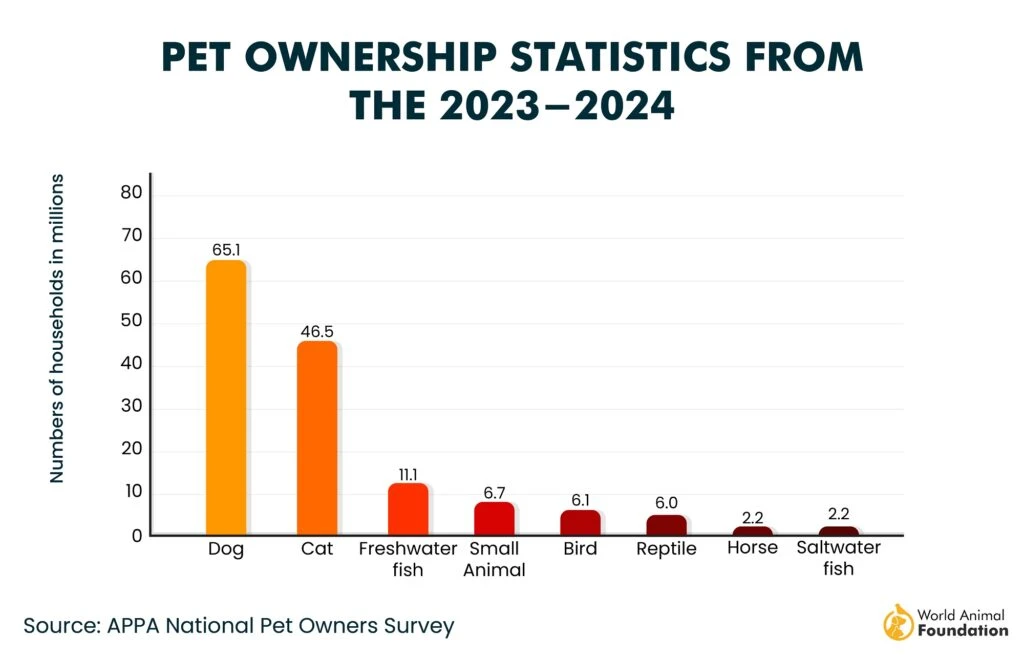
How Pet Ownership Boosts Community Health and Social Bonds
PawVerde.com – Pet ownership exerts a multifaceted influence on local communities by enhancing social interaction, increasing physical activity, and supporting mental health. Evidence from public health organizations such as the American Heart Association and research institutions like Johns Hopkins Bloomberg School of Public Health demonstrates that dog ownership, in particular, correlates strongly with improved cardiovascular outcomes and elevated physical activity levels. Simultaneously, pets contribute to emotional well-being by reducing stress and fostering social bonds, although some studies indicate complex associations with depression, especially among socioeconomically disadvantaged groups. Understanding these dynamics requires examining the interplay between pet ownership, socioeconomic factors, and community engagement to inform public health policies that optimize the “pet effect” for societal benefit.
Physical Health Benefits of Pet Ownership
Dog ownership consistently emerges as a significant driver of increased physical activity within communities. Data from the Behavioral Risk Factor Surveillance System (BRFSS) reveal that dog owners walk an average of 22 minutes more per day than non-owners, contributing to recommended physical activity levels essential for cardiovascular health. The American Heart Association endorses pet ownership as a potential intervention to reduce the risk of coronary heart disease, citing studies where pet owners exhibited lower blood pressure and improved lipid profiles compared to non-owners. This relationship extends beyond individual health, as increased outdoor activity associated with dog walking fosters more active community spaces such as parks and walking trails, thereby enhancing public health infrastructure.
Furthermore, the human-animal bond encourages routine engagement in physical exercise, which has cascading effects on community well-being. Urban residents with access to dog parks report higher rates of daily exercise and social interaction than those in neighborhoods lacking such amenities. Rural pet owners, while generally more dispersed, also benefit from increased outdoor activities linked to pet care, although infrastructural differences influence the extent of community engagement. These disparities underscore the need for tailored urban planning that integrates pet-friendly spaces to maximize health benefits across diverse settings.
Mental Health and Emotional Well-being
Pets contribute substantially to mental health by providing companionship, reducing loneliness, and acting as emotional buffers against stress. Research by the Human Animal Bond Research Institute (HABRI) highlights that pet ownership can decrease cortisol levels and increase oxytocin secretion, physiological markers associated with stress reduction and mood enhancement. Social support derived from pet ownership complements human relationships, offering consistent emotional availability that can alleviate symptoms of anxiety and depression.
Nevertheless, the mental health impact of pet ownership is not universally positive. Epidemiological studies have identified a nuanced relationship between pet ownership and depression, particularly among unemployed individuals or those facing significant socioeconomic challenges. The Minority Pet Owner Health Project, currently underway, aims to elucidate how intersecting factors such as race, income, and community resources influence this dynamic. Early findings suggest that while pets provide emotional support, the financial and caregiving responsibilities inherent in pet ownership can contribute to stress and depressive symptoms in vulnerable populations.
This complexity necessitates a balanced perspective that recognizes pets as both facilitators of emotional well-being and potential sources of strain, depending on individual circumstances. Mental health interventions incorporating pets should therefore consider socioeconomic context and provide resources to support responsible pet care.
Social Cohesion and Community Engagement
Pets function as social catalysts, fostering connections that strengthen neighborhood ties and enhance community cohesion. Observational studies in urban environments document how dog walking and visits to dog parks facilitate casual interactions among residents, cultivating a sense of belonging and mutual support. These interactions extend to organized community activities such as pet adoption events and local pet-owner groups, which serve as platforms for social networking and collective action.
The rise of social media pet groups amplifies this effect by creating virtual communities that translate into real-world engagement. Platforms dedicated to local pet owners enable information exchange, event coordination, and peer support, bridging geographic and demographic divides. These digital networks have proven particularly valuable during periods of social isolation, such as pandemic lockdowns, by maintaining community contact and emotional connection.
Neighborhoods with active pet-related social networks report higher levels of perceived social support and lower indicators of social isolation. This indicates that pets contribute not only to individual well-being but also to the social fabric that underpins community resilience.
Socioeconomic and Demographic Influences on Pet Ownership
Pet ownership patterns vary significantly across socioeconomic strata, urban versus rural settings, and demographic groups, influencing the distribution of pet-related benefits and challenges. Higher-income households are more likely to own pets, particularly dogs, due to greater financial capacity to absorb costs related to pet care, such as veterinary services, food, and training. Conversely, economic constraints limit pet ownership in lower-income urban communities, where housing restrictions and affordability issues prevail.
Minority pet owners represent a growing focus of research to understand how social determinants of health intersect with pet ownership. Studies from the Minority Pet Owner Health Project reveal that pets play a critical role in providing emotional support amid social adversities, yet disparities in access to pet-friendly amenities and veterinary care create barriers to maximizing health benefits. Additionally, cultural attitudes towards pets influence ownership rates and the nature of human-animal bonds within different communities.
Rural residents often experience distinct pet ownership dynamics, with pets serving functional roles in addition to companionship. However, limited access to veterinary care and pet services affects animal welfare and owner health outcomes in these areas. These socioeconomic and demographic factors highlight the complexity of integrating pet ownership into public health strategies equitably.
Responsibilities and Challenges of Pet Ownership
Responsible pet care is essential to sustaining the positive effects of pet ownership on community well-being. This includes adequate nutrition, regular veterinary check-ups, proper training, and compliance with local regulations such as licensing and leash laws. Neglecting these responsibilities can lead to public health concerns, including the spread of zoonotic diseases, animal neglect, and increased nuisance complaints that undermine neighborhood harmony.
Pet ownership also imposes time, financial, and emotional burdens that may exacerbate stress in certain populations. For instance, low-income pet owners often face difficult choices balancing pet care costs against other household needs. Behavioral issues in pets, if unaddressed, can strain owner-pet relationships and social interactions. Community-based programs offering low-cost veterinary services, training workshops, and pet care education have demonstrated effectiveness in mitigating these challenges.
Moreover, environmental considerations such as waste management and wildlife impact require ongoing attention to preserve community health and ecological balance. Integrating pet welfare into urban planning and public health initiatives ensures that the benefits of pet ownership are realized without adverse consequences.
Public Health and Policy Implications of the “Pet Effect”
The “pet effect”—the positive impact of pets on human health—has garnered increasing recognition as a public health asset. Several jurisdictions advocate for incorporating pet ownership data into health surveillance systems, such as the Behavioral Risk Factor Surveillance System, to better understand population health dynamics. Public health organizations recommend promoting human-animal interaction as part of holistic health strategies that address physical, mental, and social determinants of health.
Policy initiatives include designing pet-friendly public spaces, supporting pet-assisted therapy programs, and funding research on the health impacts of pet ownership across diverse populations. There is also a push for inclusive policies that address barriers faced by minority pet owners and economically disadvantaged groups, ensuring equitable access to pet-related health benefits.
The integration of pets into community health frameworks exemplifies a multidisciplinary approach involving public health, veterinary medicine, urban planning, and social services. This collaborative model aims to optimize the “pet effect” while managing risks and responsibilities.
Future Directions for Pet Ownership and Community Well-being

Emerging research underscores the need for nuanced approaches to leveraging pet ownership as a tool for enhancing community health. Longitudinal studies are underway to track the long-term mental and physical health outcomes of pet ownership in varied socioeconomic and demographic contexts. Technological advancements, such as digital health monitoring for pets and virtual pet communities, offer novel avenues to support responsible pet care and social cohesion.
Urban planners and policymakers are increasingly recognizing pet ownership as integral to designing healthy, inclusive communities. Initiatives that expand access to pet-friendly housing, improve veterinary infrastructure, and facilitate community engagement around pets are critical for maximizing public health dividends.
Effective harnessing of the “pet effect” demands sustained investment in research, education, and community-based resources that address disparities and foster positive human-animal interactions. As evidence accumulates, integrating pet ownership into comprehensive public health strategies holds promise for advancing physical, mental, and social well-being at the community level.
Frequently Asked Questions
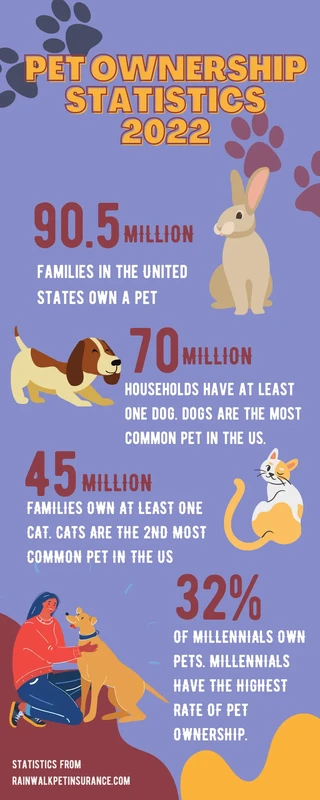
How does pet ownership improve physical health in communities?
Pet ownership, especially dog ownership, promotes increased physical activity through regular walking and play, which enhances cardiovascular health and reduces risk factors such as hypertension and obesity. Public health data confirm higher activity levels among pet owners, contributing to healthier community environments.
What are the mental health benefits and risks associated with owning a pet?
Pets provide companionship that reduces loneliness, lowers stress hormones, and improves mood, supporting emotional well-being. However, some demographic groups, particularly those facing economic hardship, may experience stress related to pet care responsibilities, which can contribute to depression, highlighting a complex relationship.
In what ways do pets foster social cohesion in neighborhoods?
Pets act as social facilitators by encouraging interactions during walks, visits to dog parks, and participation in pet-focused community events. Social media pet groups also create platforms for local engagement, enhancing social support networks and neighborhood connectedness.
How do socioeconomic factors influence pet ownership and its community impact?
Income, housing, and cultural attitudes affect pet ownership rates and the ability to provide adequate care. Minority and low-income pet owners often face barriers that limit the full benefits of pet ownership, necessitating targeted support and inclusive policies to promote equity.
What public policies support the positive effects of pet ownership?
Policies that integrate pet ownership into public health frameworks include developing pet-friendly public spaces, funding research on health impacts, supporting veterinary access programs, and incorporating pet data into health surveillance. These initiatives aim to maximize health benefits while managing responsibilities and risks.

How Pet Adoption Supports Responsible Communities and Saves Lives
PawVerde.com – Pet adoption stands as a pivotal practice that directly supports responsible communities by reducing euthanasia rates, enforcing essential health protocols such as spaying/neutering and vaccinations, and fostering stronger social connections among residents. This multifaceted approach not only saves countless animal lives but also enhances community welfare, promotes ethical pet ownership, and drives economic benefits through sustainable pet care practices.
Adoption initiatives orchestrated by animal shelters and rescue organizations, including the Longmont Humane Society and Best Friends Animal Society, exemplify the integration of animal welfare principles with community development. These programs emphasize comprehensive veterinary care, rehabilitation, and educational outreach, thereby aligning pet ownership with public health and social responsibility goals.
Reducing Euthanasia and Saving Lives Through Adoption
animal shelters across the United States face persistent challenges with overcrowding, leading to high euthanasia rates, particularly among unadopted stray and surrendered animals. Pet adoption plays a critical role in mitigating this issue by freeing shelter capacity and providing rescued pets with permanent homes. According to data from Best Friends Animal Society, communities with robust adoption programs have witnessed euthanasia reductions exceeding 50% in recent years, illustrating the direct impact of adoption on saving animal lives.
Shelters implement strict health protocols requiring all adopted pets to undergo spaying or neutering and receive up-to-date vaccinations before transitioning to new owners. These measures serve as preventive strategies that curb pet overpopulation and reduce the spread of infectious diseases within both animal and human populations. For example, the Longmont Humane Society mandates spay/neuter surgeries and rabies vaccinations as part of its adoption agreement, ensuring that new pet owners contribute to community health standards.
Collaboration between shelters and local rescue groups enhances these efforts by facilitating transfers of animals from high-intake facilities to organizations with greater capacity or specialized rehabilitation programs. This networked approach optimizes resource allocation, reduces shelter burden, and increases the likelihood of successful adoptions.
Promoting Responsible Pet Ownership Through Adoption Processes
The adoption process itself is designed to cultivate responsible ownership by incorporating rigorous application procedures, home environment assessments, and suitability evaluations. Animal welfare organizations prioritize matching pets with owners whose lifestyles and capabilities align with the animal’s needs, thereby reducing risks of future abandonment or neglect.
Health protocols extend beyond spaying/neutering and vaccinations to include microchipping, behavioral evaluations, and veterinary wellness checks. These protocols set a standard of care that adopted pet owners are expected to maintain, supported by educational resources provided by shelters and rescue groups. For instance, foster programs often serve as transitional phases where pets receive behavioral training and medical care, while prospective owners receive guidance on long-term pet management.
Shelters actively engage adopters through post-adoption support services such as veterinary referral networks, training workshops, and community pet welfare programs. These initiatives help sustain responsible ownership, ensuring pets remain healthy and integrated within their communities.
Social and Community Benefits of Pet Adoption
Beyond the direct welfare of animals, pet adoption fosters significant social and community advantages. Companion animals act as catalysts for social interaction, encouraging neighborhood cohesion and mutual support networks. Studies have demonstrated that pet owners experience increased opportunities for socialization, which can reduce feelings of isolation and improve mental health outcomes.
Rescued pets often bring unique stories that inspire community advocacy and volunteerism. Adoption narratives shared by organizations like Best Friends Animal Society highlight how individuals and families become more engaged in local animal welfare efforts, promoting a culture of compassion and civic responsibility.
Moreover, companion animals contribute positively to mental health, providing emotional support and reducing stress levels. This aspect is particularly evident in vulnerable populations such as the elderly or individuals experiencing social anxiety, where pet adoption serves as a therapeutic intervention.
Economic and Ethical Impacts of Supporting Animal Welfare Through Adoption
Redirecting consumer focus from commercial breeders and pet stores to animal shelters shifts economic resources toward ethical and sustainable pet care models. Adoption alleviates demand for puppy mills and unethical breeding operations by offering viable alternatives that prioritize animal health and welfare.
Non-profit animal welfare organizations rely on community support and adoption fees to fund shelter operations, veterinary care, and outreach programs. This economic cycle reinforces local job creation in veterinary services, pet care industries, and shelter staffing, contributing to broader community growth.
Ethically, adoption embodies a responsible choice that aligns with societal values of animal rights and humane treatment. By choosing adoption, pet owners participate in a system that upholds transparency, accountability, and care standards, fostering trust within the community.
The Role of Fostering and Rehabilitation in Enhancing Adoption Outcomes
Fostering programs serve as critical pathways that prepare rescued animals for permanent adoption. Temporary homes offer a controlled environment for behavioral assessment, socialization, and medical rehabilitation, increasing the adoptability of shelter pets.
Rehabilitation efforts address issues such as trauma, aggression, or health complications, which might otherwise limit a pet’s chances of adoption. Animal welfare organizations deploy professional trainers, veterinary specialists, and volunteers to implement individualized care plans that maximize recovery outcomes.
Fostering also engages community members directly, creating networks of advocates and educators who promote responsible pet ownership. This involvement often leads to higher adoption rates, reduced shelter overcrowding, and stronger community ties centered around animal welfare.
FAQ

How does pet adoption reduce euthanasia rates in shelters?
Adoption decreases euthanasia by creating permanent homes for sheltered animals, freeing shelter space for new intakes, and reducing overcrowding. Shelters with active adoption programs report significant declines in euthanasia, supported by spaying/neutering requirements that prevent further overpopulation.
What responsibilities do adopters have regarding pet health and care?
Adopters are required to ensure pets receive vaccinations, spaying/neutering, microchipping, and regular veterinary care. Shelters provide education and support to help owners maintain these responsibilities, promoting long-term animal health and community safety.
In what ways does adopting a pet benefit community social dynamics?
Pets encourage social interaction among neighbors, reduce social isolation, and promote community engagement through advocacy and volunteerism. These social benefits extend to improved mental health and stronger neighborhood bonds.
Why is fostering important in the pet adoption process?
Fostering provides temporary care that allows pets to recover from medical or behavioral issues, prepares them for permanent homes, and reduces shelter overcrowding. It also educates foster families and communities about responsible pet care.
How does pet adoption impact the local economy and ethical standards?
Adoption supports ethical pet care by directing funds to shelters and rescue organizations rather than commercial breeders. This sustains local jobs in veterinary and animal welfare sectors and promotes humane treatment standards.
Pet adoption remains a cornerstone of responsible community development by integrating animal welfare with public health, ethical standards, and social cohesion. As adoption programs continue to evolve, fostering and rehabilitation efforts will play increasingly vital roles in enhancing outcomes for rescued pets and their new families. Communities benefit not only from the preservation of animal lives but also from the strengthened social fabric and economic vitality generated through compassionate pet ownership. Prospective adopters are encouraged to engage with local shelters and rescue groups to contribute meaningfully to this transformative process.