
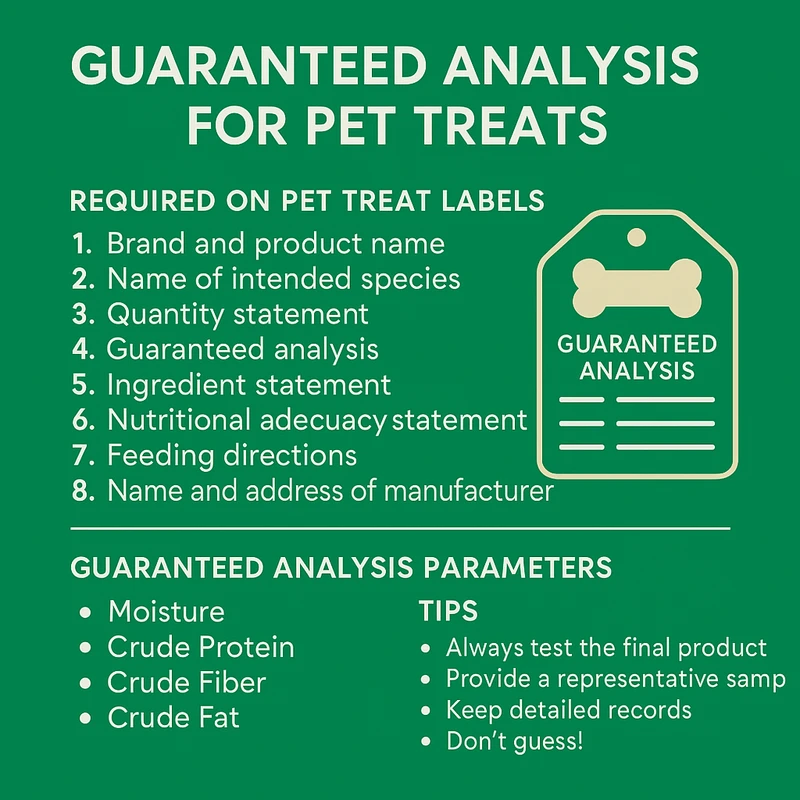
Nutritional Analysis Reveals Eco-Friendly Pet Foods’ Benefits
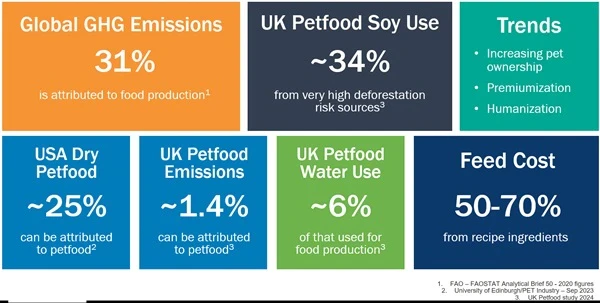
PawVerde.com – Eco-friendly pet foods have emerged as a critical innovation addressing the growing environmental footprint of traditional pet food production while maintaining nutritional adequacy for companion animals. These diets leverage plant-based proteins, alternative sources like insect and cultivated meat, and upcycled ingredients to reduce greenhouse gas emissions, land use, and water consumption significantly compared to conventional animal-based pet foods. Advances in freeze-dried raw formulations and regenerative agriculture sourcing further enhance nutrient retention and sustainability. As pet ownership and consumption rise globally, the pet food industry’s contribution to up to 2.9% of global agricultural emissions underscores the urgency of sustainable alternatives.
Plant-based pet foods provide a foundational shift by using legumes, pulses, and grains as primary protein sources, often supplemented with synthetic or natural amino acids to ensure complete amino acid profiles essential for dogs and cats. Digestibility metrics, validated by veterinary nutritionists and regulatory bodies like FEDIAF, indicate that well-formulated plant-based diets can meet or exceed nutrient bioavailability standards traditionally achieved by meat-based diets. Alternative proteins, notably insect protein derived from species such as black soldier fly larvae, offer high protein content with efficient feed conversion ratios and lower environmental impacts. Cultivated meat technologies, exemplified by companies like BioCraft, present promising avenues for producing animal proteins without the environmental burdens of livestock farming, although commercial scale remains in development.
Upcycled ingredients incorporate byproducts from the human food supply chain, redirecting waste streams into pet food formulations. This practice embodies circular economy principles, reducing resource inputs and landfill contributions while contributing essential nutrients like fiber, vitamins, and proteins. Freeze-dried raw pet foods preserve nutrient density and flavor through dehydration at low temperatures, eliminating the need for preservatives and enhancing palatability. These products often show higher retention of labile micronutrients such as vitamins A and E compared to conventional extrusion-processed foods.
Nutritional Composition of Eco-Friendly Pet Foods
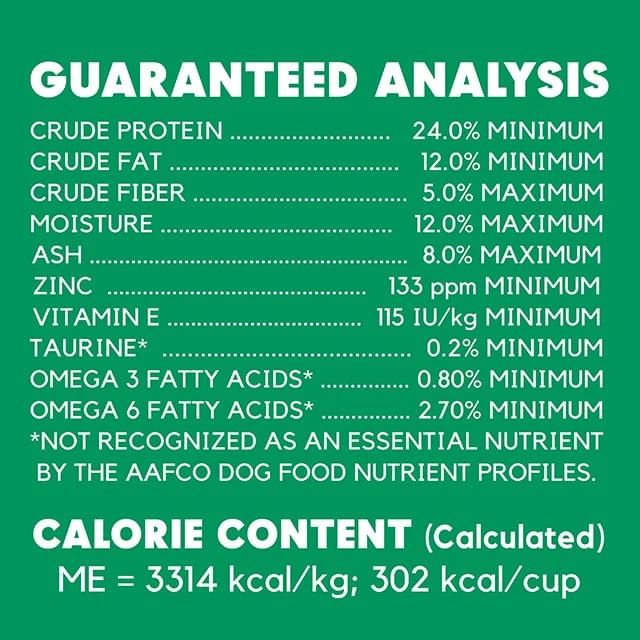
Plant-based proteins in eco-friendly pet foods primarily include pea protein, lentils, chickpeas, and quinoa. These sources contain essential amino acids but typically require supplementation with methionine, taurine, and vitamin B12 to align with the nutritional needs of obligate carnivores like cats. Research led by veterinary nutritionist Dr. Laura Gil Martens emphasizes the importance of amino acid supplementation and digestibility testing to prevent deficiencies. The Vegan Society’s certification program for pet foods entails rigorous nutritional validation to ensure diets meet established nutrient profiles.
Insect protein offers a nutrient-dense alternative, with black soldier fly larvae providing approximately 40-60% crude protein and a favorable amino acid profile. Brazilian researchers have demonstrated that insect proteins exhibit superior digestibility compared to some plant proteins and can be incorporated at varying inclusion rates without adverse effects on pet health. The environmental benefits include a carbon footprint less than 5% of beef production and minimal water use.
Cultivated meat, an emerging area in pet food innovation, involves growing animal cells in bioreactors under controlled conditions. BioCraft and similar startups focus on producing cultivated proteins that replicate the nutritional and sensory attributes of conventional meat without the associated emissions and land requirements. While these products are still in pilot stages, they promise to bridge consumer demand for animal-based nutrition with sustainability.
Upcycled ingredients often originate from brewery spent grains, fruit pomace, and vegetable pulp. Scoular, a major ingredient supplier, has integrated upcycled products into pet food supply chains, enhancing fiber content and antioxidant availability. This approach not only reduces waste but also stabilizes ingredient costs amid volatile commodity markets.
Freeze-dried raw diets maintain nutrient integrity through low-temperature dehydration, preserving enzymes, fatty acids, and vitamins that degrade during high-heat extrusion. Studies show these diets meet or exceed nutrient digestibility benchmarks established by FEDIAF, with added benefits of natural flavor retention leading to higher palatability scores in pets.
Environmental Impact Assessment
Comparative lifecycle analyses reveal that plant-based pet foods reduce greenhouse gas emissions by over 90% relative to beef-based formulations. Land use for plant proteins is substantially lower, requiring approximately 0.1 square meters per kilogram of protein produced versus over 20 square meters for beef. Water consumption follows a similar trend, with plant proteins consuming less than 20% of the water required for traditional meat sources.
Regenerative agriculture practices, increasingly adopted by brands like Open Farm, contribute to soil carbon sequestration and biodiversity enhancement while supplying sustainably grown plant ingredients. Organic farming reduces synthetic fertilizer dependency, further decreasing nitrous oxide emissions. These agricultural inputs can lower the overall environmental footprint of pet foods by improving soil health and reducing erosion.
Packaging innovations, including biodegradable materials and minimalistic designs, complement sustainable ingredient sourcing. Green Paws Malta has pioneered compostable packaging alongside ingredient transparency, aligning with consumer demand for full lifecycle sustainability. Manufacturing efficiencies, such as energy recovery systems and water recycling, also play roles in reducing the carbon footprint of pet food production facilities.
Dry kibble formats generally exhibit lower environmental impacts than wet or canned diets due to reduced water content and energy requirements in transportation and storage. However, freeze-dried raw diets, despite higher processing energy, offset impacts through concentrated nutrient delivery and shelf stability without refrigeration.
Leading Brands and Innovations in Eco-Friendly Pet Food
Herbie Wilde utilizes plant-based proteins and incorporates upcycled ingredients sourced through partnerships with food manufacturers, emphasizing transparency and third-party certification. Their formulations undergo rigorous nutrient digestibility trials overseen by veterinary nutritionists to ensure health standards.
Green Paws Malta integrates insect protein in premium dog foods and collaborates with entomologists to optimize cultivation methods, ensuring consistent nutrient profiles and minimal allergenicity. Their products carry The Vegan Society’s seal and comply with FEDIAF nutritional guidelines.
Petaluma combines regenerative agriculture sourcing with freeze-dried raw formulations, providing nutrient-rich diets with verified carbon footprint reductions. They employ blockchain technology for ingredient traceability, enhancing consumer trust and supply chain accountability.
Open Farm leads in sustainability certifications, including animal welfare and environmental impact assessments. Their use of organic and regenerative ingredients alongside transparent labeling supports consumer education on eco-friendly pet nutrition.
Veterinary nutritionists play critical roles in these brands, ensuring formulations meet species-specific requirements, managing allergen risks, and validating claims with peer-reviewed data. The Vegan Society and FEDIAF provide frameworks for certification, standardization, and regulatory compliance.
Challenges and Considerations
Nutritional completeness remains a central challenge for plant-based and alternative protein pet foods, particularly for obligate carnivores like cats requiring taurine, arachidonic acid, and preformed vitamin A. Bioavailability of synthetic supplements versus natural sources necessitates ongoing research and clinical monitoring.
Consumer acceptance varies, with some pet owners expressing skepticism toward non-meat diets or alternative proteins. Allergen management is critical, as novel proteins like insect or upcycled ingredients may introduce new allergens requiring labeling and testing protocols.
Regulatory frameworks differ internationally, complicating consistent labeling and marketing of eco-friendly pet foods. The European Pet Food Industry Federation (FEDIAF) continues to develop guidelines addressing sustainability claims, nutritional adequacy, and safety standards to protect consumers and animals.
Future Directions in Sustainable Pet Nutrition
Ingredient technology innovations include precision fermentation to produce single-cell proteins and enhanced amino acid fortification, potentially improving nutrient profiles while reducing environmental impacts further. Enhanced sustainability metrics incorporating full lifecycle assessments and soil carbon accounting will refine environmental impact evaluations.
Circular economy principles are poised for broader adoption, with increased use of food industry byproducts and waste streams integrated into pet food supply chains. This transition requires collaboration among ingredient suppliers, manufacturers, and regulatory bodies to ensure safety and efficacy.
Consumer education initiatives led by veterinary professionals, sustainability advocates, and industry leaders will be essential for guiding eco-conscious pet owners toward evidence-based decisions. Transparency via blockchain and certification programs will bolster trust and adoption.
The dynamic evolution of eco-friendly pet foods reflects a convergence of nutritional science, environmental stewardship, and consumer demand. As innovation accelerates, these sustainable diets are positioned to reshape the pet food landscape, balancing companion animal health with planetary well-being.
FAQ
Are plant-based pet foods nutritionally adequate for cats and dogs?
Well-formulated plant-based pet foods supplemented with essential amino acids, taurine, and vitamins can meet the nutritional requirements of dogs and cats. Veterinary nutritionists emphasize the importance of digestibility testing and bioavailability to ensure complete nutrition, particularly for obligate carnivores like cats.
How does insect protein compare environmentally to traditional animal proteins?
Insect protein offers significantly lower greenhouse gas emissions, land use, and water consumption compared to traditional livestock. Black soldier fly larvae, for example, have a carbon footprint less than 5% of beef and can be produced on organic waste substrates, enhancing sustainability.
What role do upcycled ingredients play in eco-friendly pet foods?
Upcycled ingredients utilize byproducts from human food production, reducing waste and resource inputs. They contribute essential nutrients such as fiber and antioxidants while supporting circular economy principles, decreasing landfill reliance and stabilizing ingredient supply chains.
Are freeze-dried raw pet foods more nutritious than traditional kibble?
Freeze-dried raw diets preserve heat-sensitive nutrients and natural flavors better than extrusion-processed kibble, resulting in higher retention of vitamins and enzymes. However, they require careful formulation to ensure microbiological safety and complete nutrient profiles.
What certifications validate the sustainability claims of eco-friendly pet foods?
Certifications from organizations like The Vegan Society, FEDIAF compliance, animal welfare seals, and third-party environmental impact assessments provide validation for sustainability claims. These certifications require rigorous nutrient and ingredient sourcing verification.
—
The continued advancement of eco-friendly pet foods depends on integrating cutting-edge nutritional science with robust sustainability metrics and transparent consumer communication. Stakeholders across the supply chain must prioritize innovation in ingredient sourcing, production efficiency, and regulatory alignment to meet the dual goals of optimal pet health and environmental stewardship.