

Sustainable Pet Food for Travel: Weight & Eco-Friendly Tips
PawVerde.com – Sustainable pet food for travel focuses on minimizing environmental impact through ethically sourced ingredients—like insect proteins or vegetable-based options—and utilizing lightweight, shelf-stable formats like freeze-dried or air-dried foods. This approach reduces carbon footprints, optimizes packing weight, and ensures compliance with international customs regulations.
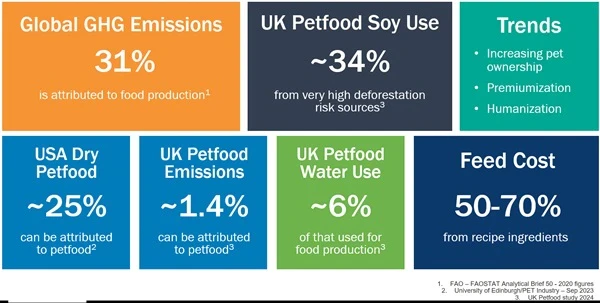
Pet meat consumption releases significant amounts of carbon dioxide annually.
The Sustainable Travel Food Math: Weight vs. Volume Optimization
To optimize travel weight, choose freeze-dried food for maximum weight reduction (2-5% moisture) or air-dried food (10-15% moisture) for a balance of weight and convenience. While freeze-dried is lighter, remember to factor in the additional weight of 2-4 parts warm water required for rehydration per part of food.
Weight management in a backpack requires accounting for hydration needs. If you carry 500g of freeze-dried food, you must also account for the 1000g to 2000g of water required for rehydration.
Calculating Rehydration Ratios
When using freeze-dried formats, the math changes based on the specific product’s moisture content. Most high-quality freeze-dried options sit at a 2-5% moisture level. To prepare a meal, practitioners follow a specific ratio: 1 part food to 2-4 parts warm water. This means your “dry weight” is deceptive; the actual weight of the meal at the moment of consumption is significantly higher.
Kibble vs. Dehydrated: The Backpack Efficiency Test
Choosing between kibble and dehydrated options requires weighing mass against volume. Consider these factors for your next trip:
- Freeze-Dried: Offers the lowest mass but requires a water source and a vessel for rehydration.
- Air-Dried: Provides a middle ground with 10-15% moisture, requiring no extra water but weighing more than freeze-dried.
- Standard Kibble: Highest volume and weight per calorie, often leading to more frequent trips to the supply store.
Customs & Compliance: Navigating International Borders Sustainably
Traveling with pet food across borders requires strict adherence to local veterinary laws to avoid the seizure of supplies. Many travelers mistakenly assume that “natural” or “organic” labels grant them passage, but customs officials prioritize biosecurity over ingredient ethics.
When entering the European Union, travelers face specific limitations. A common rule is that you are generally limited to a maximum of 2 kg of pet food. Furthermore, meat-based products often require specific veterinary sign-off to be permitted. Failure to present the correct documentation can result in the immediate disposal of your food, creating unnecessary waste.
The EU Meat Restriction Rule
The 2 kg limit is a critical threshold for those traveling into the EU. Beyond this weight, or when carrying certain meat types, the risk of inspection and seizure increases. It is often more sustainable to purchase food locally upon arrival rather than risking the environmental and financial cost of confiscated goods.
Using Insect-Based Proteins to Avoid Seizure
Insect-based proteins can lower carbon emissions and may offer a smoother path through certain customs checkpoints. According to Caring Hands Vet, these options lower carbon emissions and reduce dependence on intensive livestock farming.
Air-Dried vs. Freeze-Dried: Choosing the Right Format for Your Climate
Freeze-dried food is exceptionally lightweight and shelf-stable, rehydrating in minutes for easy feeding on hikes or while traveling, according to jackspremium.com. Air-dried food provides a convenient, ready-to-eat alternative with 10-15% moisture content.
Climate dictates the best choice for food stability. In high-altitude or cold environments, the sublimation process used in freeze-drying is highly effective. However, in humid or tropical climates, the packaging integrity becomes the most important factor in preventing spoilage.
| Feature | Freeze-Dried | Air-Dried |
|---|---|---|
| Moisture Content | 2-5% | 10-15% |
| Rehydration Needed | Yes (1:2-4 ratio) | No (Ready to eat) |
| Nutrient Retention | Very High (Sublimation) | High (Low heat) |
| Travel Convenience | Best for weight-critical hiking | Best for road trips/humidity |
| Digestive Stability | Variable | High (Steady digestion) |
The functional differences between these formats impact travel logistics. While freeze-dried food is lighter, air-dried food offers a level of convenience that can be vital during long car journeys or when water access is limited.
The Temperature & Stability Matrix
In extreme heat, air-dried food—which contains 10-15% moisture—may be more susceptible to spoilage if the seal is broken. Conversely, freeze-dried food is exceptionally lightweight and shelf-stable, but its lack of moisture means it must be rehydrated to be palatable. According to jackspremium.com, freeze-dried pet food is lightweight and shelf-stable, rehydrating in minutes for easy feeding at home, on hikes, or when traveling.
Nutrient Retention via Sublimation
The process of Freeze-Drying (Sublimation) involves freezing materials to form ice crystals and then applying low pressure in a vacuum chamber to let the ice sublimate into vapour. This method, as noted by Muenster Pet, preserves most of the original vitamins, minerals, and flavors far better than traditional processing. This makes it an ideal choice for maintaining a pet’s health during long-duration travel where fresh food is unavailable.
Reducing the Carbon Footprint of Your Pet’s Diet
Protein selection significantly impacts ecological footprints. For example, beef produces 13 times more greenhouse gases over its life cycle than vegetable proteins, according to Green America.
The Protein Impact: Beef vs. Lamb vs. Veg
Evaluate your pet’s diet based on these environmental benchmarks:
- Vegetable Proteins: Lowest carbon footprint.
- Insect Proteins: High sustainability.
- Poultry: Produces four to five times as many greenhouse gases as vegetable proteins.
- Beef and Lamb: Lamb has a 50% higher carbon footprint than vegetable proteins.
The Role of Insect-Based Alternatives
Insect-based proteins serve as a high-quality alternative. Caring Hands Vet notes that these options can lower carbon emissions and reduce dependence on intensive livestock farming.
Leave No Trace: Managing Food Waste and Packaging in the Wild
sustainable travel includes responsible waste management. Using a separate compost system for pet waste can reduce its volume by at least 50 percent, according to Green America.
Shortcut: For zero-waste packing, use reusable tubs or cloth packaging for treats and food, and always bring refillable water bottles and collapsible bowls.
Zero-Waste Packing Protocols
Minimize single-use plastics by adopting these methods:
- Transferring food into reusable tubs.
- Using cloth packaging for dry treats.
- Utilizing compostable poop bags for waste management.
Safe Composting for Pet Waste
In remote areas, the best practice is to pack out all waste. If you have access to a dedicated composting system, it can reduce waste volume by at least 50 percent.
The Stress-Diet Transition: Preventing Travel-Induced Digestive Issues
Sudden dietary shifts are a primary cause of gastrointestinal distress during travel. When a pet is already dealing with the stress of new environments, a sudden shift in food type or format can lead to issues.
To prevent diarrhea or gas, implement a structured transition. Use a gradual schedule to introduce new sustainable foods before your departure.
The 7-Day Transition Rule
A successful transition requires patience. Do not switch from kibble to freeze-dried food the morning of your trip. Instead, follow a gradual schedule:
- Days 1-2: a portion of old food mixed with a portion of new sustainable food.
- Days 3-4: an equal mix of old food and new sustainable food.
- Days 5-6: a portion of old food mixed with a larger portion of new sustainable food.
- Day 7: 100% new sustainable food.
Monitoring Stool Consistency on the Road
Monitor bowel movements closely once on the road. Muenster Pet notes that air-dried food can provide a relief for sensitive stomachs because digestion often feels slower and steadier.
FAQ
How much pet food can I bring into the EU?
When traveling into the EU, you are generally limited to a maximum of 2 kg of pet food, and you must ensure it complies with specific veterinary sign-off requirements for meat-based products to avoid seizure at the border.
Is freeze-dried food better for hiking?
Yes, freeze-dried food is exceptionally lightweight and shelf-stable, making it ideal for hiking. However, you must carry extra water to rehydrate it at a ratio of 1 part food to 2-4 parts water.
Can I switch my dog to a vegetarian diet for travel?
While dogs can eat vegetarian diets, it is critical to do so under veterinary supervision to prevent nutritional deficiencies, especially when the pet is already under the stress of travel.
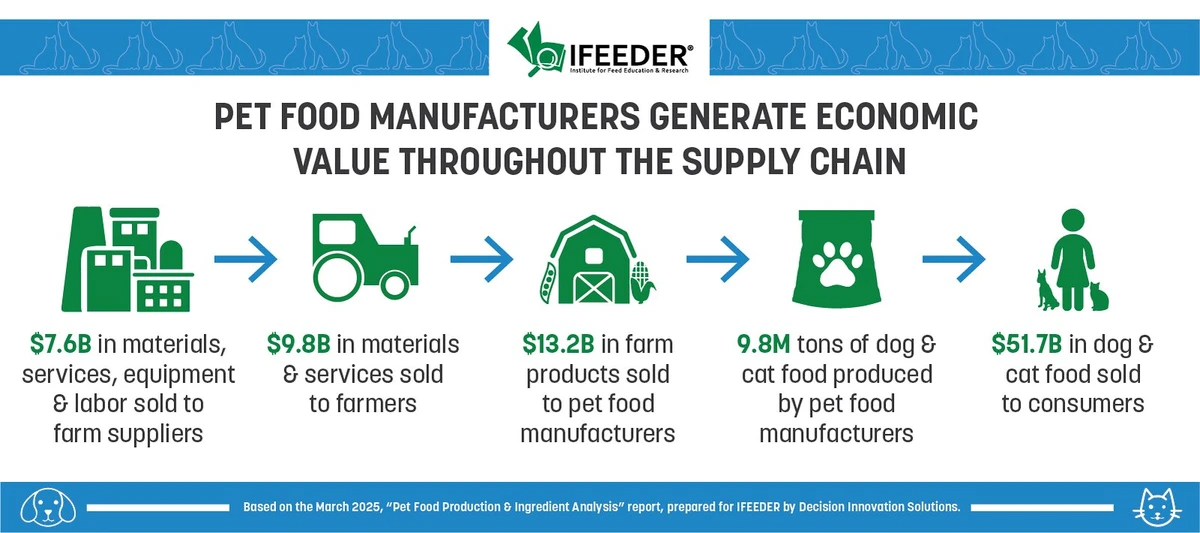
Sustainable Pet Food: Solving the Protein Paradox
PawVerde.com – The global pet food market is projected to reach $160.8 billion by 2032, forcing a massive industry pivot toward sustainable protein sourcing. As animal farming currently utilizes 83% of global agricultural land, manufacturers are racing to integrate insect proteins, cellular agriculture, and plant-based alternatives to mitigate environmental impact.
The Protein Paradox: Balancing Nutritional Density with Carbon Footprints
The ‘Nutritional Density vs. Carbon’ paradox refers to the tension between providing high-bioavailability animal proteins required for pet health and the high land/water costs of traditional livestock. While plant-based diets can reduce land use by 76%, manufacturers must ensure sustainable alternatives like insect protein provide equivalent amino acid profiles to avoid nutritional inadequacy.
The land-use efficiency of plant vs. animal protein
Current agricultural models face extreme pressure from the scale of pet food requirements. Animal farming accounts for 83% of global agricultural land, creating a significant resource bottleneck. Transitioning toward plant-based diets offers a potential 76% reduction in land use, yet the industry must balance this efficiency against the biological needs of carnivores and omnivores.
The risk of nutritional inadequacy in ‘eco’ diets
A primary failure mode in the transition to green pet food is the sacrifice of biological value for environmental metrics. If manufacturers prioritize land savings without maintaining essential amino acid profiles, they risk long-term pet health issues. Nick Sterling, an expert on supply chain sustainability, emphasizes this critical intersection: “If we’re not providing adequate nutrition, then really nothing about our food system would be sustainable.”
- High land-use requirements of traditional livestock.
- Potential nutrient gaps in unoptimized plant-based formulations.
- The necessity of maintaining high bioavailability in alternative proteins.
Emerging Protein Frontiers: From Insects to Cellular Agriculture
Insects appear almost as a proverbial “silver bullet”, providing an environmentally sustainable alternative for greening the supply of animal-source protein, according to PMC6961468. Specifically, Black soldier fly larvae meal has been identified as a highly suitable sustainable protein source. Research into the digestibility of this larvae meal in dog food has shown nutrient digestibility values similar to those found in meat-based diets.
The logistical advantages of insect production are substantial. Unlike traditional livestock, insects can be reared in vertically stacked containers, which drastically reduces the physical land footprint required for production. However, the industry is not yet seeing a total shift toward lab-grown options. Nick Sterling notes that there are significant cost barriers for cellular agriculture, suggesting it could be another decade before the technology is fully commercially viable.
The Packaging Reality Check: Mechanical and Logistical Hurdles
Sustainability efforts often extend beyond the ingredients to the physical delivery of the product. However, a critical technical failure occurs when manufacturers transition to eco-friendly materials without updating their hardware. sustainable packaging materials can be damaged by conventional palletizers during the shipping process.
This damage typically occurs due to friction caused by the sliding or pushing of bags during the stacking process. To mitigate these mechanical failures, companies are looking toward specialized equipment like the Symach Mach-Series Palletizing. This system utilizes a dual-axis gantry-style robotic arm to eliminate damaging friction, ensuring that fragile, sustainable packaging remains intact through the supply chain.
Regulatory Landscapes and Food Safety Compliance
As new protein sources enter the market, regulatory scrutiny intensifies. In the United States, the FDA serves as the primary regulatory authority for animal food businesses. Manufacturers must ensure that any shift in protein—particularly toward insect-based or upcycled ingredients—meets strict safety standards to prevent foodborne illnesses.
In Europe, the EFSA Scientific Committee acts as the regulatory body regarding edible insect rearing on waste streams. This oversight is vital because the use of agricultural by-products for insect feed must be strictly controlled to avoid contamination. Manufacturers face a severe operational risk: an exemption withdrawal can occur if a product is under investigation for a foodborne illness linked to the production facility.
Comparative Environmental Impact of Protein Sources
Understanding the environmental footprint of pet food requires looking at both the protein source and the physical format of the food. Life-cycle analysis indicates that the most significant impact category is climate change, measured in kg CO2 eq. Notably, wet foods tend to have a greater environmental impact than dry foods due to moisture content and processing requirements.
| Protein/Food Type | Primary Environmental Metric | Sustainability Nuance |
|---|---|---|
| Animal Farming | Land Use | Utilizes 83% of global agricultural land. |
| Plant-Based Diets | Land Use | Can achieve a 76% reduction in land use. |
| Wet Pet Food | Climate Change (CO2 eq) | Tends to have a higher impact than dry foods. |
| Insect Protein | Land Footprint | Highly efficient via vertical rearing methods. |
The data suggests that while plant-based shifts offer the largest land-use savings, the choice between wet and dry formats also dictates the total carbon footprint of the product.
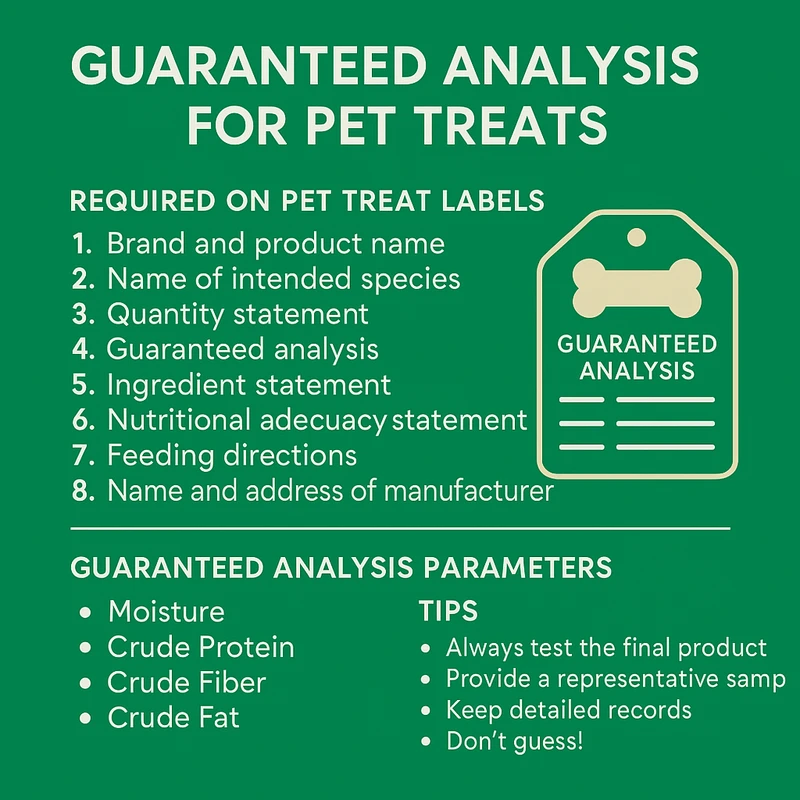
Nutritional Analysis Reveals Eco-Friendly Pet Foods’ Benefits
PawVerde.com – Eco-friendly pet foods have emerged as a critical innovation addressing the growing environmental footprint of traditional pet food production while maintaining nutritional adequacy for companion animals. These diets leverage plant-based proteins, alternative sources like insect and cultivated meat, and upcycled ingredients to reduce greenhouse gas emissions, land use, and water consumption significantly compared to conventional animal-based pet foods. Advances in freeze-dried raw formulations and regenerative agriculture sourcing further enhance nutrient retention and sustainability. As pet ownership and consumption rise globally, the pet food industry’s contribution to up to 2.9% of global agricultural emissions underscores the urgency of sustainable alternatives.
Plant-based pet foods provide a foundational shift by using legumes, pulses, and grains as primary protein sources, often supplemented with synthetic or natural amino acids to ensure complete amino acid profiles essential for dogs and cats. Digestibility metrics, validated by veterinary nutritionists and regulatory bodies like FEDIAF, indicate that well-formulated plant-based diets can meet or exceed nutrient bioavailability standards traditionally achieved by meat-based diets. Alternative proteins, notably insect protein derived from species such as black soldier fly larvae, offer high protein content with efficient feed conversion ratios and lower environmental impacts. Cultivated meat technologies, exemplified by companies like BioCraft, present promising avenues for producing animal proteins without the environmental burdens of livestock farming, although commercial scale remains in development.
Upcycled ingredients incorporate byproducts from the human food supply chain, redirecting waste streams into pet food formulations. This practice embodies circular economy principles, reducing resource inputs and landfill contributions while contributing essential nutrients like fiber, vitamins, and proteins. Freeze-dried raw pet foods preserve nutrient density and flavor through dehydration at low temperatures, eliminating the need for preservatives and enhancing palatability. These products often show higher retention of labile micronutrients such as vitamins A and E compared to conventional extrusion-processed foods.
Nutritional Composition of Eco-Friendly Pet Foods
Plant-based proteins in eco-friendly pet foods primarily include pea protein, lentils, chickpeas, and quinoa. These sources contain essential amino acids but typically require supplementation with methionine, taurine, and vitamin B12 to align with the nutritional needs of obligate carnivores like cats. Research led by veterinary nutritionist Dr. Laura Gil Martens emphasizes the importance of amino acid supplementation and digestibility testing to prevent deficiencies. The Vegan Society’s certification program for pet foods entails rigorous nutritional validation to ensure diets meet established nutrient profiles.
Insect protein offers a nutrient-dense alternative, with black soldier fly larvae providing approximately 40-60% crude protein and a favorable amino acid profile. Brazilian researchers have demonstrated that insect proteins exhibit superior digestibility compared to some plant proteins and can be incorporated at varying inclusion rates without adverse effects on pet health. The environmental benefits include a carbon footprint less than 5% of beef production and minimal water use.
Cultivated meat, an emerging area in pet food innovation, involves growing animal cells in bioreactors under controlled conditions. BioCraft and similar startups focus on producing cultivated proteins that replicate the nutritional and sensory attributes of conventional meat without the associated emissions and land requirements. While these products are still in pilot stages, they promise to bridge consumer demand for animal-based nutrition with sustainability.
Upcycled ingredients often originate from brewery spent grains, fruit pomace, and vegetable pulp. Scoular, a major ingredient supplier, has integrated upcycled products into pet food supply chains, enhancing fiber content and antioxidant availability. This approach not only reduces waste but also stabilizes ingredient costs amid volatile commodity markets.
Freeze-dried raw diets maintain nutrient integrity through low-temperature dehydration, preserving enzymes, fatty acids, and vitamins that degrade during high-heat extrusion. Studies show these diets meet or exceed nutrient digestibility benchmarks established by FEDIAF, with added benefits of natural flavor retention leading to higher palatability scores in pets.
Environmental Impact Assessment
Comparative lifecycle analyses reveal that plant-based pet foods reduce greenhouse gas emissions by over 90% relative to beef-based formulations. Land use for plant proteins is substantially lower, requiring approximately 0.1 square meters per kilogram of protein produced versus over 20 square meters for beef. Water consumption follows a similar trend, with plant proteins consuming less than 20% of the water required for traditional meat sources.
Regenerative agriculture practices, increasingly adopted by brands like Open Farm, contribute to soil carbon sequestration and biodiversity enhancement while supplying sustainably grown plant ingredients. Organic farming reduces synthetic fertilizer dependency, further decreasing nitrous oxide emissions. These agricultural inputs can lower the overall environmental footprint of pet foods by improving soil health and reducing erosion.
Packaging innovations, including biodegradable materials and minimalistic designs, complement sustainable ingredient sourcing. Green Paws Malta has pioneered compostable packaging alongside ingredient transparency, aligning with consumer demand for full lifecycle sustainability. Manufacturing efficiencies, such as energy recovery systems and water recycling, also play roles in reducing the carbon footprint of pet food production facilities.
Dry kibble formats generally exhibit lower environmental impacts than wet or canned diets due to reduced water content and energy requirements in transportation and storage. However, freeze-dried raw diets, despite higher processing energy, offset impacts through concentrated nutrient delivery and shelf stability without refrigeration.
Leading Brands and Innovations in Eco-Friendly Pet Food
Herbie Wilde utilizes plant-based proteins and incorporates upcycled ingredients sourced through partnerships with food manufacturers, emphasizing transparency and third-party certification. Their formulations undergo rigorous nutrient digestibility trials overseen by veterinary nutritionists to ensure health standards.
Green Paws Malta integrates insect protein in premium dog foods and collaborates with entomologists to optimize cultivation methods, ensuring consistent nutrient profiles and minimal allergenicity. Their products carry The Vegan Society’s seal and comply with FEDIAF nutritional guidelines.
Petaluma combines regenerative agriculture sourcing with freeze-dried raw formulations, providing nutrient-rich diets with verified carbon footprint reductions. They employ blockchain technology for ingredient traceability, enhancing consumer trust and supply chain accountability.
Open Farm leads in sustainability certifications, including animal welfare and environmental impact assessments. Their use of organic and regenerative ingredients alongside transparent labeling supports consumer education on eco-friendly pet nutrition.
Veterinary nutritionists play critical roles in these brands, ensuring formulations meet species-specific requirements, managing allergen risks, and validating claims with peer-reviewed data. The Vegan Society and FEDIAF provide frameworks for certification, standardization, and regulatory compliance.
Challenges and Considerations
Nutritional completeness remains a central challenge for plant-based and alternative protein pet foods, particularly for obligate carnivores like cats requiring taurine, arachidonic acid, and preformed vitamin A. Bioavailability of synthetic supplements versus natural sources necessitates ongoing research and clinical monitoring.
Consumer acceptance varies, with some pet owners expressing skepticism toward non-meat diets or alternative proteins. Allergen management is critical, as novel proteins like insect or upcycled ingredients may introduce new allergens requiring labeling and testing protocols.
Regulatory frameworks differ internationally, complicating consistent labeling and marketing of eco-friendly pet foods. The European Pet Food Industry Federation (FEDIAF) continues to develop guidelines addressing sustainability claims, nutritional adequacy, and safety standards to protect consumers and animals.
Future Directions in Sustainable Pet Nutrition
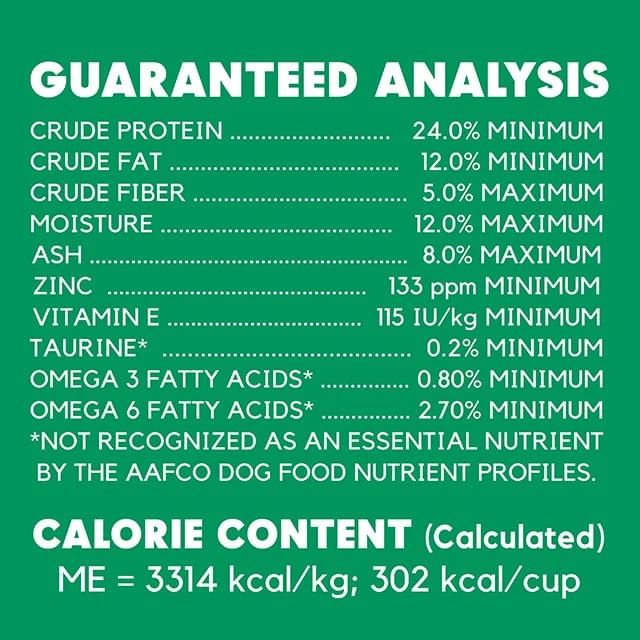
Ingredient technology innovations include precision fermentation to produce single-cell proteins and enhanced amino acid fortification, potentially improving nutrient profiles while reducing environmental impacts further. Enhanced sustainability metrics incorporating full lifecycle assessments and soil carbon accounting will refine environmental impact evaluations.
Circular economy principles are poised for broader adoption, with increased use of food industry byproducts and waste streams integrated into pet food supply chains. This transition requires collaboration among ingredient suppliers, manufacturers, and regulatory bodies to ensure safety and efficacy.
Consumer education initiatives led by veterinary professionals, sustainability advocates, and industry leaders will be essential for guiding eco-conscious pet owners toward evidence-based decisions. Transparency via blockchain and certification programs will bolster trust and adoption.
The dynamic evolution of eco-friendly pet foods reflects a convergence of nutritional science, environmental stewardship, and consumer demand. As innovation accelerates, these sustainable diets are positioned to reshape the pet food landscape, balancing companion animal health with planetary well-being.
FAQ
Are plant-based pet foods nutritionally adequate for cats and dogs?
Well-formulated plant-based pet foods supplemented with essential amino acids, taurine, and vitamins can meet the nutritional requirements of dogs and cats. Veterinary nutritionists emphasize the importance of digestibility testing and bioavailability to ensure complete nutrition, particularly for obligate carnivores like cats.
How does insect protein compare environmentally to traditional animal proteins?
Insect protein offers significantly lower greenhouse gas emissions, land use, and water consumption compared to traditional livestock. Black soldier fly larvae, for example, have a carbon footprint less than 5% of beef and can be produced on organic waste substrates, enhancing sustainability.
What role do upcycled ingredients play in eco-friendly pet foods?
Upcycled ingredients utilize byproducts from human food production, reducing waste and resource inputs. They contribute essential nutrients such as fiber and antioxidants while supporting circular economy principles, decreasing landfill reliance and stabilizing ingredient supply chains.
Are freeze-dried raw pet foods more nutritious than traditional kibble?
Freeze-dried raw diets preserve heat-sensitive nutrients and natural flavors better than extrusion-processed kibble, resulting in higher retention of vitamins and enzymes. However, they require careful formulation to ensure microbiological safety and complete nutrient profiles.
What certifications validate the sustainability claims of eco-friendly pet foods?
Certifications from organizations like The Vegan Society, FEDIAF compliance, animal welfare seals, and third-party environmental impact assessments provide validation for sustainability claims. These certifications require rigorous nutrient and ingredient sourcing verification.
—
The continued advancement of eco-friendly pet foods depends on integrating cutting-edge nutritional science with robust sustainability metrics and transparent consumer communication. Stakeholders across the supply chain must prioritize innovation in ingredient sourcing, production efficiency, and regulatory alignment to meet the dual goals of optimal pet health and environmental stewardship.