
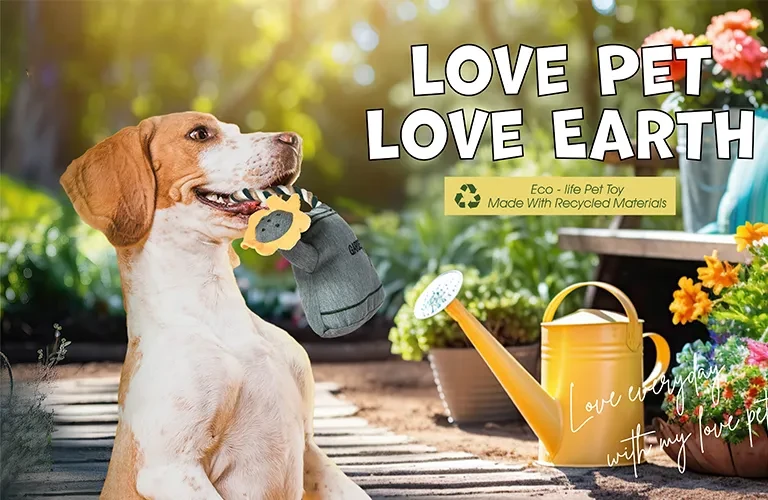
How to Audit Eco-Friendly Pet Supplies & Avoid Greenwashing
PawVerde.com – eco-friendly pet supplies focus on reducing the environmental footprint of pet ownership through sustainable materials like bamboo and natural rubber, ethically sourced nutrition, and waste reduction. While the global market is projected to reach $34.6 billion by 2034, true sustainability requires looking beyond labels to avoid greenwashing and ensure product end-of-life circularity.
Consumer expectations are shifting rapidly. According to Faunalytics, 84% of companion animal guardians now hold companies responsible for addressing climate change.
The Greenwashing Decoder: How to Audit Your Pet Product Labels
To audit a pet product, look for specific certifications rather than vague buzzwords. Avoid products claiming to be ”recyclable’ if they use multi-layer films, and be wary of ‘eco-friendly’ waste bags that lack industrial compostability proof. Always check if the brand provides transparent sourcing data to back up their environmental assertions.
The pet care industry faces significant scrutiny regarding deceptive marketing. Reports from Doglyness highlight widespread greenwashing in the pet care sector, where brands often use misleading imagery to imply sustainability. This skepticism is shared by a large portion of the population; Woola notes that 52% of people globally have encountered false or misleading information regarding a brand’s sustainability actions. In Europe, data indicates that 42% of green claims were found to be exaggerated, false, or deceptive in 2021.
Red Flags: Vague Buzzwords vs. Certifications
When auditing a product, distinguish between marketing fluff and verifiable standards. The following list identifies common pitfalls for pet owners:
The Multi-Layer Film Trap
A critical misconception involves the ease of recycling pet food packaging. Many bags utilize a combination of plastic and foil to maintain freshness. However, these composite materials are rarely accepted by municipal recycling streams. This creates a significant volume of non-recyclable waste, despite the “recyclable” label appearing on the back of the bag.
The Lifecycle Audit: Biodegradable vs. Compostable vs. Recyclable
Understanding the end-of-life stage of pet products is essential to prevent unintended environmental harm. While “biodegradable” sounds inherently positive, the term is often used loosely in the pet industry.
The reality of waste management is that many “biodegradable” products fail to break down effectively in standard landfills. Without specific oxygen and microbial conditions, these items may sit for decades. Furthermore, Clarkston Consulting reports that incorrect labeling has already led to significant legal consequences, noting $1.7 million in filings involving incorrect labeling of pet waste bags as “eco-friendly” in early 2021.
To ensure a product truly follows a circular lifecycle, verify if the packaging is certified for industrial composting. This distinction is vital for reducing the volume of pet-related waste that ends up in landfills, where it can contribute to greenhouse gas emissions.
Material Safety & Toxicity Matrix for Eco-Materials
When choosing eco-materials, balance sustainability with pet safety. Bamboo is a highly sustainable carbon absorber, but ensure it is processed without toxic glues. Natural rubber is excellent for durability without deforestation, while hemp and organic cotton offer low-impact alternatives for bedding and toys that minimize skin irritation.
Sustainability must never compromise the biological safety of the animal. For example, the Best Friends Animal Society warns that eco-friendly cat litters should avoid containing clay or sodium bentonite, as these ingredients can potentially sicken or poison pets. Instead, look for plant-based alternatives that offer safety and performance.
| Material | Sustainability Benefit | Pet Safety Consideration | Best Use Case |
|---|---|---|---|
| Bamboo | High CO2 absorption; prevents deforestation | Check for non-toxic resins/glues | Bedding, toys, and bowls |
| Natural Rubber | No deforestation in production | Ensure no synthetic additives | Durable chew toys |
| Hemp | Low water usage; high durability | Generally hypoallergenic | Bedding and rope toys |
| Recycled Plastic | Reduces landfill volume | Check for microplastic shedding | Heavy-duty crates or bowls |
The selection of materials often involves a trade-off between durability and impact. For instance, Clarkston Consulting notes that natural rubber is highly sustainable because production relies on rubber tree sap rather than deforestation. However, for bedding, organic cotton or hemp remains the gold standard for minimizing skin irritation in sensitive animals.
A Tiered Roadmap for a Budget-Friendly Eco-Transition
Transitioning to a sustainable pet lifestyle does not require an immediate, total overhaul. Caring Hands Vet suggests that sustainability is about progress, not perfection. Consumers can approach the change through a tiered strategy to manage costs effectively.
Faunalytics research indicates that 62% of companion animal guardians bought an environmentally friendly product in the past month. Sustainability becomes a decisive factor for consumers once their price expectations are met.
By following this roadmap, owners can avoid the “all-or-nothing” trap. Even small changes, like choosing products from vetted brands on EarthHero or Green Pet, contribute to a larger shift in the industry.
The Hidden Cost of Microplastics and Shipping
Even when products are made from sustainable materials, the logistics and maintenance of those products can introduce new environmental costs.
One significant concern is the shedding of microplastics from synthetic or recycled polyester pet bedding. When these items are washed, they release tiny plastic fibers into the water system. To mitigate this, owners can use specialized washing bags designed to catch microfibers. Additionally, consider the carbon footprint of the delivery itself. For example, EarthHero offers free carbon-neutral shipping on orders over $75. This is a crucial consideration because a “sustainable” product shipped halfway across the world may have a higher carbon footprint than a conventional product manufactured locally.
The manufacturing of plastic packaging also carries a heavy environmental weight. As noted by Doglyness, the process of creating plastic packaging is devastating to the environment, regardless of how “recyclable” the final product claims to be.
FAQ
Is bamboo safe for dogs and cats?
Bamboo is a highly sustainable resource that acts as a carbon absorber. To ensure safety, verify that products are processed without toxic resins or glues.
How can I tell if pet waste bags are actually eco-friendly?
Avoid bags that only claim to be ‘biodegradable.’ Look for certified compostable labels and check if they meet state regulations to avoid the $1.7 million greenwashing trend in waste bags.
Can I make my own eco-friendly pet toys?
Yes, you can upcycle old t-shirts, towels, or cardboard boxes into enrichment items. Using old socks with water bottles is a simple, zero-waste way to create a puzzle toy.

Eco-Friendly Pet Services: How to Choose Sustainable Care
PawVerde.com – Eco-friendly pet services prioritize sustainability through biodegradable products, reduced carbon footprints via mobile grooming, and ethical sourcing of nutrition. Transitioning to green pet care involves auditing service providers for greenwashing, choosing long-lasting gear, and opting for services that minimize waste and chemical runoff to protect both your pet and the planet.
“Incorporating eco-friendly practices into pet care is not just a trend; it’s a responsibility we owe to our pets, our planet, and future generations,” notes Sameera Satija.
How to spot greenwashing in pet services
To detect greenwashing, check if a provider uses single-use plastic packaging while claiming to be ‘eco-friendly.’ Verify third-party certifications and look for transparency in ingredient sourcing. Avoid brands that rely on vague buzzwords without providing evidence of biodegradable components or ethical supply chains.
The ‘Single-Use Plastic’ Red Flag
Brand credibility is compromised when a company pushes an eco-friendly image while simultaneously stocking items wrapped in single-use plastic. This contradiction serves as a primary failure mode for businesses attempting to capitalize on the green movement without altering their supply chain. For instance, a service might claim to use organic shampoos but deliver them in non-recyclable bottles that contribute to landfill waste.
Decoding Marketing Buzzwords vs. Real Certifications
Consumers often fall victim to vague marketing language that lacks empirical backing. To avoid this, practitioners recommend looking for specific evidence rather than broad claims. A reliable audit of a pet service provider should include the following checks:
- Verify third-party certifications to ensure claims are independently validated.
- Investigate the transparency of ingredient sourcing for all consumable products.
- Check for the presence of 100% biodegradable components in physical goods, such as those produced by Honest Pet Products.
- Cross-reference marketing claims with actual packaging materials to identify discrepancies.
A product labeled “natural” is not always sustainable. It can still be packaged in ways that harm the environment or sourced through unethical labor. True sustainability requires a holistic approach that covers both the product chemistry and the lifecycle of its packaging.
The Cost-Benefit Matrix: Traditional vs. Sustainable Pet Care
Adopting sustainable pet care involves a shift from low upfront costs to long-term utility. While conventional products may seem cheaper initially, they frequently require more frequent replacements due to lower durability.
| Criterion | Conventional Services/Products | Sustainable Alternatives |
|---|---|---|
| Ingredients and Packaging | Heavily processed ingredients; non-recyclable packaging | Ethically sourced ingredients; recyclable materials |
| Gear Longevity | Lower durability; high replacement frequency | Long-lasting, washable gear; minimized replacement frequency |
| Grooming Approach | Standard chemical-based formulas | Natural, biodegradable formulas |
| Resource Usage | Standard water and energy consumption | Water-saving technologies and energy efficiency |
Sustainable choices impact a pet owner’s budget by trading immediate savings for long-term resource efficiency.
Long-term savings through durability
Choosing long-lasting, washable gear minimizes replacement frequency, which directly cuts down on both waste and long-term costs. For example, instead of purchasing multiple low-quality plastic toys, investing in durable, biodegradable options provides better value over the lifespan of the pet. This reduction in consumption prevents the “buy-and-toss” cycle common with conventional pet accessories.
Utility cost reductions in green facilities
For pet business owners, implementing water-saving technologies can lead to significant cost savings. As noted by industry research, reduced water consumption results in lower utility bills over time. These efficiencies allow green facilities to remain competitive while maintaining a smaller environmental footprint.
Green Grooming: Health benefits and carbon footprint reduction
eco-friendly grooming utilizes natural, biodegradable shampoos and water-saving techniques to reduce environmental impact. Mobile grooming services further lower emissions by eliminating the need for owners to drive to salons, while natural formulas prevent skin irritation caused by harsh conventional chemicals.
Why natural formulas matter for sensitive skin
Traditional grooming products can contain harsh chemicals that irritate skin or trigger allergies in sensitive animals. Natural formulas are gentler and safer for the pet’s biological barrier. This shift toward plant-based surfactants helps protect the water table by ensuring that runoff from baths does not introduce toxic synthetic substances into local ecosystems.
The emissions advantage of mobile services like Puppy Luv Pet Services
Mobile grooming provides a dual benefit: convenience for the owner and a reduction in transportation emissions. Because providers like Puppy Luv Pet Services come directly to the pet owner, the need for extra car trips to a centralized salon is eliminated. This localized service model is a key component of reducing the overall carbon footprint associated with pet maintenance.
Specific advantages of green grooming include:
- Use of natural, biodegradable shampoos to prevent chemical runoff.
- Implementation of water-saving techniques during the bathing process.
- Reduced transportation-related CO2 emissions via mobile service models.
- Prevention of skin irritation through the avoidance of harsh synthetic additives.
Sustainable Nutrition: Transitioning without digestive distress
Switching to sustainable pet food—such as options using locally sourced, organic, or insect-based proteins—can lower carbon emissions. However, the method of transition is just as critical as the ingredients themselves to ensure the pet’s health remains intact.
Warning: To avoid digestive system failure, do not switch dog food brands or formulas overnight.
The 10-day transition roadmap
To prevent digestive issues, owners should follow a technique known as the Gradual Dog Food Transition. This process typically spans a 7-10 day period to allow the pet’s gut microbiome to adjust to the new nutrient profile. A standard roadmap includes:
- Days 1-2: Mix 75% of the old food with 25% of the new food.
- Days 3-4: Mix 50% of the old food with 50% of the new food.
- Days 5-6: Mix 25% of the old food with 75% of the new food.
- Days 7-10: Feed 100% of the new food.
Avoiding nutritional imbalances
Owners must not assume that higher meat content or marketing buzzwords automatically equate to better nutrition. It is essential to ensure that any new food meets the nutritional standards set by AAFCO (Association of American Feed Control Officials). Relying solely on “green” labels without checking for AAFCO compliance can lead to long-term nutritional imbalances.
Operational Sustainability for Pet Businesses
Sustainability for pet professionals involves managing internal facility operations alongside product selection. Adopting green habits can improve a business’s reputation while simultaneously reducing overhead costs.
Digitizing records to eliminate paper waste
Modern pet businesses can significantly reduce their reliance on paper by adopting specialized software. Using dog boarding software allows for the digitization of client records, appointment scheduling, and financial transactions. Moving these processes to a digital format eliminates the need for physical filing systems and reduces the waste generated by printing daily schedules or invoices.
Waste management: From composting to recycling
Implementing Sustainable Waste Management is a cornerstone of an eco-conscious facility. Businesses can adopt several strategies to manage their environmental impact:
- Set up clearly labeled bins for different types of recycling.
- Compost biodegradable pet waste where local regulations and facilities allow.
- Donate excess or near-expiry supplies to local shelters rather than discarding them.
By integrating these practices, pet businesses can build a more resilient and reputable brand that appeals to the growing demographic of environmentally conscious pet owners.
FAQ
Is eco-friendly pet care more expensive?
While initial costs might be higher, sustainable gear lasts longer, which reduces replacement frequency. Additionally, water-saving technologies used in green grooming or boarding facilities can lead to lower utility costs over time, offsetting the initial investment.
How can I tell if a pet food brand is truly sustainable?
Look for brands that utilize ethically sourced, organic, or insect-based proteins and offer recyclable packaging. Most importantly, always verify that the product meets AAFCO nutritional standards to ensure it is a complete and balanced diet.
Does mobile grooming actually help the environment?
Yes, mobile grooming services reduce transportation emissions. By coming directly to the pet owner’s location, these services eliminate the need for the owner to make extra car trips to a traditional grooming salon, thereby lowering the total carbon footprint of the service.

Eco-Friendly Pet Products: How to Spot Greenwashing
PawVerde.com – Eco-friendly pet ownership involves transitioning to products made from sustainable materials like bamboo, organic cotton, and recycled plastics, while prioritizing non-toxic, biodegradable grooming and waste solutions. By choosing ethically sourced nutrition and durable gear, pet parents reduce their animals’ exposure to harmful chemicals and minimize their overall environmental footprint. Studies confirm pets face higher health risks from household chemicals and fragrances than humans, according to SeaYu founder Sydney Yu.
The Greenwashing Red Flag Checklist: How to Spot Fake Eco-Claims
To identify greenwashing in pet products, look for brands like Beco Pets that manufacture specific eco-friendly designs rather than relying on vague terms. Verify if “eco-friendly” packaging actually uses recyclable materials or if the brand provides transparency regarding their supply chain and meaningful environmental actions to avoid misleading marketing.
Claiming sustainability without meaningful action or transparency can backfire, leading to consumer skepticism and reputational damage. Industry analysts note that greenwashing can damage brand reputation significantly when companies use vague language to mask standard manufacturing processes. When shopping on retail platforms, avoid brands that rely solely on aesthetic “green” imagery without providing technical data on material sourcing or lifecycle impacts.
Vague Terminology vs. Certified Standards
Many products use the term “natural” to imply safety, but this lacks a legal or scientific threshold. Instead, look for specific markers of sustainability. For example, a product claiming to be “eco-friendly” is less reliable than one that specifies the use of recycled content or adheres to organic standards. If a brand cannot explain its supply chain, it is a red flag.
The Packaging Paradox
A common failure mode occurs when a brand markets a “sustainable” product inside non-recyclable, multi-layer plastic film. A product might be made of organic cotton, but if the packaging is a composite material that cannot be processed by municipal recycling facilities, the net environmental benefit is diminished. Always check if the packaging is explicitly labeled as recyclable or compostable.
- Check for specific material percentages (e.g., “80% recycled polyester”).
- Verify if “biodegradable” claims include a timeframe or specific environment (e.g., “home compostable”).
- Look for transparency in the brand’s “About Us” or “Sustainability” menu paths.
- Avoid “all-natural” labels that lack third-party certification.
A Lifecycle Guide to Sustainable Pet Gear
Managing the end-of-life for pet products requires knowing their material properties: bamboo dishes (like EcoWare) are biodegradable, hemp beds may be compostable, and recycled plastic toys should be diverted to specialized recycling streams. Always check if a product is truly compostable or merely biodegradable to ensure proper disposal.
Understanding the distinction between “biodegradable” and “compostable” is critical for preventing landfill buildup. According to Woofpanion, biodegradable poop bags may take between 3 and 6 months to decompose, but they must be managed correctly to ensure they don’t simply fragment into microplastics in the wild. This is a vital distinction when selecting waste solutions.
| Material/Product Type | Eco-Benefit | End-of-Life Method | Potential Pitfall |
|---|---|---|---|
| Bamboo (e.g., EcoWare) | Rapidly renewable resource | Biodegradable/Compostable | May require specific soil conditions |
| Recycled Plastic | Lower carbon/water usage | Specialized Recycling | Microplastic shedding risk |
| Hemp/Organic Cotton | Low pesticide/water use | Compostable | Durability issues with heavy chewers |
| Natural Rubber | Non-toxic/Biodegradable | Landfill or Compost | Higher initial cost |
The table above outlines how different materials behave once they are no longer useful. Choosing the right material depends on both the pet’s behavior and your local waste management capabilities.
Compostable vs. Biodegradable: The Critical Distinction
A common misconception is that these terms are interchangeable. Biodegradable products will eventually break down, but the process can take much longer than a human lifetime. Compostable products are specifically engineered to break down in a controlled composting environment without leaving harmful residues behind. This distinction is vital when selecting waste solutions like poop bags.
Disposing of Durable Gear
Durable items like beds from Naturepedic or gear from Wild One often have longer lifespans, which is inherently more sustainable. When these items finally reach the end of their life, they should not be tossed into general waste if they contain mixed materials. Check the manufacturer’s website for take-back programs or specific recycling instructions.
Budgeting for Sustainability: The Real Cost of Going Green
While eco-friendly gear can require a higher upfront investment, long-term costs are often lower due to increased durability. Choosing long-lasting gear minimizes replacement frequency and prevents the “buy-break-replace” cycle of cheap plastic goods.
| Product Item | Estimated Price (USD) | Sustainability Factor | Financial Context |
|---|---|---|---|
| Cycle Dog Toys | $8.00 | Handmade/Durable | Starting price point |
| EcoWare Bamboo Dish | $5.99 | Biodegradable | Low-cost entry point |
| Earth Rated Flyer Toy | $11.99 | Recycled materials | Standard replacement cost |
| Gunni’s Chewy Sticks | $12.99 | Natural ingredients | Consumable item |
| Lord Jameson Treats | $13.99 | Ethically sourced | Premium consumable |
| Cycle Dog XL Bed | $160.00 | High durability | Long-term investment |
The data shows a wide range of price points, from $8.00 for handmade toys to $160.00 for heavy-duty beds. While the $160.00 investment seems high, a bed that lasts five years is more cost-effective than buying a $30.00 synthetic bed every six months.
Sustainable Nutrition and Waste Management
Sustainable nutrition focuses on ethically sourced ingredients, recyclable materials, and balanced nutrition that supports animal welfare and the environment. Reducing the environmental impact of pet food involves looking beyond the label to the actual protein source and the packaging used to deliver it.
Low-Carbon Protein Sources
The environmental cost of traditional livestock farming is high. To mitigate this, pet owners can look for brands that utilize alternative proteins. Insect-based proteins can lower carbon emissions and reduce dependence on intensive livestock farming. Brands like The Honest Kitchen and Gunni’s emphasize ingredient integrity, which is a core component of sustainable feeding.
The Truth About Poop Bag Decomposition
Waste management is one of the most visible aspects of pet ownership. Traditional plastic dog waste bags take hundreds of years to decompose. While some biodegradable options exist, they can be misleading. According to Woofpanion, biodegradable poop bags may take between 3 and 6 months to decompose, but they must be managed correctly to ensure they don’t simply fragment into microplastics in the wild.
- Prioritize compostable bags over standard biodegradable ones for cleaner breakdown.
- Look for cat litters made from recycled wood, wheat, corn, or newspaper.
- Avoid litters containing clay or sodium bentonite, which can be harmful to pets.
- Consider the carbon footprint of shipping heavy food bags by choosing local or concentrated options.
FAQ
Are compostable poop bags better than biodegradable ones?
Yes. According to Woofpanion, biodegradable poop bags may take 3 to 6 months to decompose, but compostable alternatives are specifically engineered to break down in controlled environments without leaving harmful residues.
How can I tell if my pet’s food is truly sustainable?
Look for brands like The Honest Kitchen that focus on ingredient integrity, or brands like Gunni’s that utilize natural ingredients and ethical sourcing to support animal welfare.
Is recycled plastic safe for dogs that chew heavily?
While recycled plastic uses less carbon and water, heavy chewers may face microplastic risks; natural rubber or hemp may be safer alternatives for high-intensity play.