
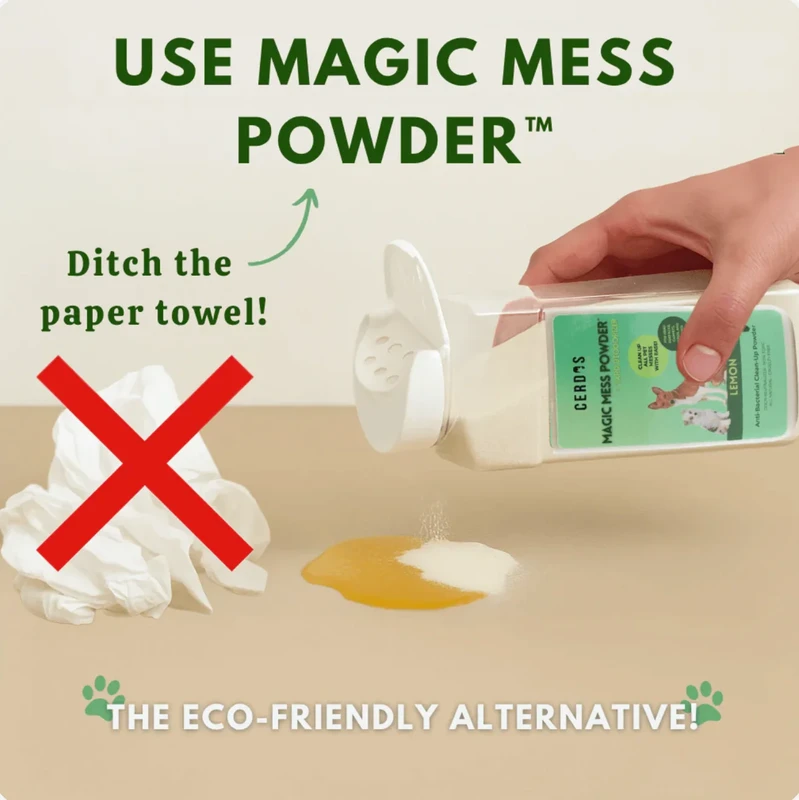
Safe Eco-Friendly Pet Cleaning: Best Alternatives & Tips
PawVerde.com – Switching to eco-friendly pet cleaning alternatives involves replacing harsh chemicals like bleach and phenols with enzymatic cleaners, plant-based surfactants, and steam cleaning. For maximum safety, prioritize products that explicitly list pet-safe certifications and use biodegradable ingredients to prevent respiratory issues and gastrointestinal distress in your animals. The global pet-safe cleaners market is projected to reach $8,310.5 million by 2035, reflecting a massive shift toward sustainable pet care.
The Greenwashing Decoder: Spotting Deceptive ‘Pet-Safe’ Claims
To identify greenwashing, look beyond vague marketing. As Petdirect advises: “If it doesn’t clearly list pet safety, it’s best to opt out.” Always verify that a product’s ingredient transparency matches its safety claims to avoid hidden toxins.
Market leaders like The Honest Company, Inc. have established a standard for transparency, yet many smaller brands use ambiguous marketing to inflate perceived safety. A common failure mode occurs when a consumer assumes a “botanical” label implies non-toxicity, only to find concentrated essential oils that are dangerous for animals. Industry analysts note that 64% of consumers are willing to pay premium prices for eco-friendly products, which incentivizes some manufacturers to use deceptive labeling.
Red flags in labeling
- Vague descriptors such as “earth-friendly” or “nature-inspired” without ingredient breakdowns.
- The absence of a full ingredient list on the physical packaging or digital product pages.
- Claims of being “chemical-free,” which is scientifically impossible as all matter is chemical.
Certifications to look for
Instead of relying on marketing adjectives, look for third-party verified standards. As Petdirect notes: “If it doesn’t clearly list pet safety, it’s best to opt out.” Reliable indicators include vegan certifications or specific biodegradable ratings that confirm the product will not persist in the environment or harm the pets interacting with the residue.
Surface-Specific Safety Matrix: Matching Cleaners to Your Home
Choosing an inappropriate cleaner can lead to material damage. For example, using a DIY vinegar spray on natural stone like marble or granite causes immediate chemical etching and permanent dulling.
| Surface Type | Recommended Eco-Alternative | Avoid This Method | Primary Risk |
|---|---|---|---|
| Natural Stone (Marble/Granite) | Steam Cleaning | DIY Vinegar Spray | Etching and permanent dulling |
| Hardwood Floors | Microfiber + Water | Excessive Vinegar/Acid | Finish stripping and warping |
| Carpets/Upholstery | Enzymatic Cleaners | Bleach-based cleaners | Fiber degradation and toxicity |
| Laminate | Mild Plant-based Surfactants | Heavy saturation | Delamination of layers |
A significant pitfall involves the DIY All-purpose Spray, typically made by mixing one part distilled white vinegar with two parts water. While this is effective for windows and standard tiles, using vinegar on natural stone like marble or granite is a mistake that causes immediate chemical etching. For high-traffic pet areas, steam cleaning remains a superior choice because it utilizes only water and heat to sanitize, requiring no detergents to achieve a hygienic result.
Why Enzymatic Cleaners are Non-Negotiable for Organic Stains
enzymatic cleaners are the only effective solution for pet accidents because they chemically break down organic matter—such as urea, uric acid, and proteins—at the molecular source. Unlike traditional cleaners that merely mask odors, enzymes eliminate the biological cause of the smell, preventing ‘rebound odors.’
Standard household cleaners often rely on fragrance to cover the scent of pet waste. However, only enzyme cleaners can remove bodily stains and odors 100 percent by targeting the biological components of the mess. This process involves enzymes breaking down molecules into smaller, odorless particles that can be easily wiped away. As Rover documentation points out, “Enzymatic pet cleaners are also biodegradable, so they’re better for the planet.”
The Science of Protein Breakdown
When a pet has an accident, the waste penetrates deep into carpet fibers or floor cracks. Enzymatic cleaning follows a specific mechanism:
- Targeting: Enzymes identify specific proteins, fats, or starches.
- Hydrolysis: The enzymes break the chemical bonds of the organic matter.
- Elimination: The broken-down particles lose their odor-causing properties and are removed during wiping.
Commercial vs. Homemade Enzyme Solutions
While some enthusiasts attempt to create homemade enzyme solutions, these often lack the stability and concentration required for deep cleaning. Commercially produced options offer controlled, reliable results. For instance, Rocco & Roxie Supply Co. Stain and Odor Eliminator is priced at $19.94, while Biokleen Bac Out Natural Stain Remover retails at $28.98. These products are formulated to ensure the enzymes remain active long enough to complete the breakdown process.
Toxic Offenders: Chemicals to Purge from Your Cleaning Cabinet
Traditional cleaning products frequently contain substances that pose acute risks to animals. Because pets reside close to the floor and engage in frequent grooming, they are highly susceptible to chemical residues.
WARNING: Certain common household chemicals present acute risks to pet health. Avoid products containing these substances to prevent serious medical emergencies.
- Bleach: This can cause respiratory and gastrointestinal issues in pets if inhaled or ingested.
- Phenols: These compounds are known to be toxic to both cats and dogs.
- Essential Oils: Highly concentrated oils like eucalyptus or tea tree can trigger neurological or digestive symptoms in pets if not properly diluted or if inhaled in enclosed spaces.
Replacing these with safer alternatives, such as mold inhibitors like SafeChoice X-158 or Moldex products, can prevent future growth while offering safer environments for humans and animals alike. Transitioning to non-toxic options is a proactive step in reducing the chemical load in your living space.
The Economics of Eco-Cleaning: Cost-Per-Use Analysis
Long-term savings often outweigh higher upfront costs. For example, while specialized products may seem expensive, utilizing the 20% savings found on Delphis Eco bundles can reduce overall spending.
| Product/Method | Typical Unit Price | Waste Profile | Economic Advantage |
|---|---|---|---|
| Ecos For Pets! Spray | $4.69 | Low (Refillable) | High affordability |
| KisClean Natural Cleaner | $8.40 | Low | Concentrated use |
| Delphis Eco Bundles | Varies | Very Low | 20% savings on bundles |
| Disposable Wipes | Variable | High (Single-use) | Low upfront, high recurring cost |
| Reusable Cloths | One-time cost | Minimal | Highest long-term savings |
When comparing reusable cloths to disposable wipes, the waste reduction is significant. While wipes offer convenience, they contribute to landfill mass and represent a continuous recurring expense. By investing in high-quality microfiber cloths or utilizing the 20% savings found on Delphis Eco bundles, pet owners can significantly lower their annual cleaning expenditures.
Age-Based Cleaning Protocols: Puppies vs. Seniors
Cleaning requirements vary by life stage. A routine safe for an adult may not account for the specific vulnerabilities of younger or older animals.
High-Activity Puppy Environments
Puppies require rapid, enzymatic elimination of waste to prevent habituated “potty spots.” However, owners must be careful with cleaning wipes; these can be a choking hazard or cause an intestinal obstruction if swallowed.
Sensitive Senior Respiratory Care
Senior pets may suffer from respiratory issues like asthma. For these animals, strong-smelling cleaners can trigger breathing difficulties. Steam cleaning is a safer choice because it sanitizes using only water and heat, avoiding scented detergents that could compromise respiratory health.
FAQ
Can I use vinegar to clean my pet’s accidents?
Vinegar works for windows and standard floors, but it cannot replace enzymatic cleaners for urine. Enzymes are necessary to break down the proteins in organic stains.
Are essential oils safe in pet-friendly cleaners?
No. Highly concentrated oils like tea tree or eucalyptus can trigger neurological or digestive symptoms if not properly diluted or if inhaled in high concentrations.
Is steam cleaning a safe alternative?
Yes. Steam cleaning tools require no detergents, using only water and heat to sanitize floors and furniture safely.
How to Audit Eco-Friendly Pet Supplies & Avoid Greenwashing
PawVerde.com – eco-friendly pet supplies focus on reducing the environmental footprint of pet ownership through sustainable materials like bamboo and natural rubber, ethically sourced nutrition, and waste reduction. While the global market is projected to reach $34.6 billion by 2034, true sustainability requires looking beyond labels to avoid greenwashing and ensure product end-of-life circularity.
Consumer expectations are shifting rapidly. According to Faunalytics, 84% of companion animal guardians now hold companies responsible for addressing climate change.
The Greenwashing Decoder: How to Audit Your Pet Product Labels
To audit a pet product, look for specific certifications rather than vague buzzwords. Avoid products claiming to be ”recyclable’ if they use multi-layer films, and be wary of ‘eco-friendly’ waste bags that lack industrial compostability proof. Always check if the brand provides transparent sourcing data to back up their environmental assertions.
The pet care industry faces significant scrutiny regarding deceptive marketing. Reports from Doglyness highlight widespread greenwashing in the pet care sector, where brands often use misleading imagery to imply sustainability. This skepticism is shared by a large portion of the population; Woola notes that 52% of people globally have encountered false or misleading information regarding a brand’s sustainability actions. In Europe, data indicates that 42% of green claims were found to be exaggerated, false, or deceptive in 2021.
Red Flags: Vague Buzzwords vs. Certifications
When auditing a product, distinguish between marketing fluff and verifiable standards. The following list identifies common pitfalls for pet owners:
The Multi-Layer Film Trap
A critical misconception involves the ease of recycling pet food packaging. Many bags utilize a combination of plastic and foil to maintain freshness. However, these composite materials are rarely accepted by municipal recycling streams. This creates a significant volume of non-recyclable waste, despite the “recyclable” label appearing on the back of the bag.
The Lifecycle Audit: Biodegradable vs. Compostable vs. Recyclable
Understanding the end-of-life stage of pet products is essential to prevent unintended environmental harm. While “biodegradable” sounds inherently positive, the term is often used loosely in the pet industry.
The reality of waste management is that many “biodegradable” products fail to break down effectively in standard landfills. Without specific oxygen and microbial conditions, these items may sit for decades. Furthermore, Clarkston Consulting reports that incorrect labeling has already led to significant legal consequences, noting $1.7 million in filings involving incorrect labeling of pet waste bags as “eco-friendly” in early 2021.
To ensure a product truly follows a circular lifecycle, verify if the packaging is certified for industrial composting. This distinction is vital for reducing the volume of pet-related waste that ends up in landfills, where it can contribute to greenhouse gas emissions.
Material Safety & Toxicity Matrix for Eco-Materials
When choosing eco-materials, balance sustainability with pet safety. Bamboo is a highly sustainable carbon absorber, but ensure it is processed without toxic glues. Natural rubber is excellent for durability without deforestation, while hemp and organic cotton offer low-impact alternatives for bedding and toys that minimize skin irritation.
Sustainability must never compromise the biological safety of the animal. For example, the Best Friends Animal Society warns that eco-friendly cat litters should avoid containing clay or sodium bentonite, as these ingredients can potentially sicken or poison pets. Instead, look for plant-based alternatives that offer safety and performance.
| Material | Sustainability Benefit | Pet Safety Consideration | Best Use Case |
|---|---|---|---|
| Bamboo | High CO2 absorption; prevents deforestation | Check for non-toxic resins/glues | Bedding, toys, and bowls |
| Natural Rubber | No deforestation in production | Ensure no synthetic additives | Durable chew toys |
| Hemp | Low water usage; high durability | Generally hypoallergenic | Bedding and rope toys |
| Recycled Plastic | Reduces landfill volume | Check for microplastic shedding | Heavy-duty crates or bowls |
The selection of materials often involves a trade-off between durability and impact. For instance, Clarkston Consulting notes that natural rubber is highly sustainable because production relies on rubber tree sap rather than deforestation. However, for bedding, organic cotton or hemp remains the gold standard for minimizing skin irritation in sensitive animals.
A Tiered Roadmap for a Budget-Friendly Eco-Transition
Transitioning to a sustainable pet lifestyle does not require an immediate, total overhaul. Caring Hands Vet suggests that sustainability is about progress, not perfection. Consumers can approach the change through a tiered strategy to manage costs effectively.
Faunalytics research indicates that 62% of companion animal guardians bought an environmentally friendly product in the past month. Sustainability becomes a decisive factor for consumers once their price expectations are met.
By following this roadmap, owners can avoid the “all-or-nothing” trap. Even small changes, like choosing products from vetted brands on EarthHero or Green Pet, contribute to a larger shift in the industry.
The Hidden Cost of Microplastics and Shipping
Even when products are made from sustainable materials, the logistics and maintenance of those products can introduce new environmental costs.
One significant concern is the shedding of microplastics from synthetic or recycled polyester pet bedding. When these items are washed, they release tiny plastic fibers into the water system. To mitigate this, owners can use specialized washing bags designed to catch microfibers. Additionally, consider the carbon footprint of the delivery itself. For example, EarthHero offers free carbon-neutral shipping on orders over $75. This is a crucial consideration because a “sustainable” product shipped halfway across the world may have a higher carbon footprint than a conventional product manufactured locally.
The manufacturing of plastic packaging also carries a heavy environmental weight. As noted by Doglyness, the process of creating plastic packaging is devastating to the environment, regardless of how “recyclable” the final product claims to be.
FAQ
Is bamboo safe for dogs and cats?
Bamboo is a highly sustainable resource that acts as a carbon absorber. To ensure safety, verify that products are processed without toxic resins or glues.
How can I tell if pet waste bags are actually eco-friendly?
Avoid bags that only claim to be ‘biodegradable.’ Look for certified compostable labels and check if they meet state regulations to avoid the $1.7 million greenwashing trend in waste bags.
Can I make my own eco-friendly pet toys?
Yes, you can upcycle old t-shirts, towels, or cardboard boxes into enrichment items. Using old socks with water bottles is a simple, zero-waste way to create a puzzle toy.
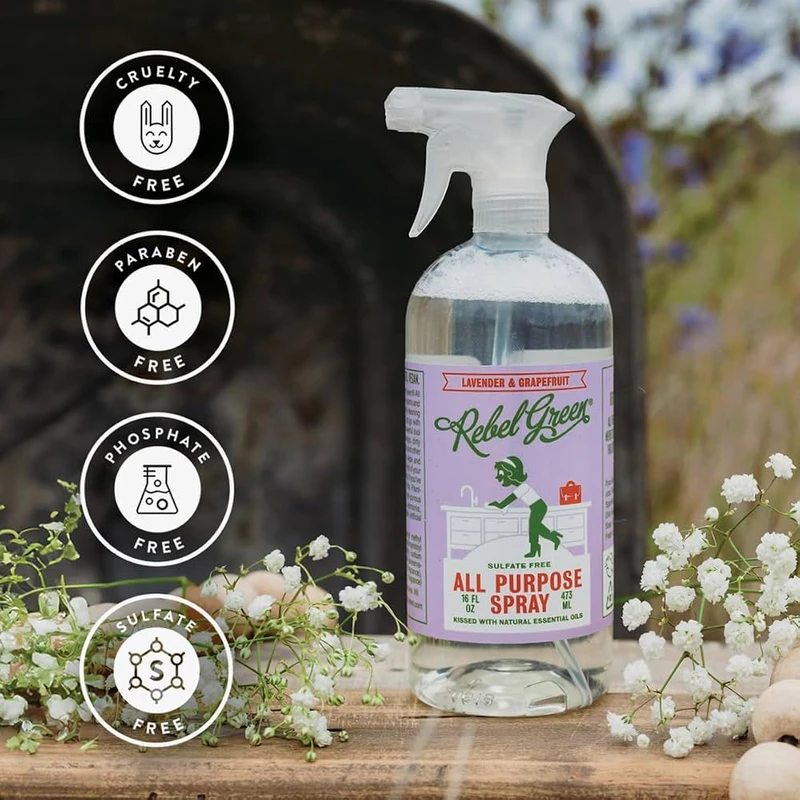
Sustainable Pet Cleaning: How to Avoid Greenwashing
PawVerde.com – Sustainable pet cleaning has shifted from simple ‘natural’ labeling to a complex ecosystem of enzymatic breakdown, refillable concentrates, and ingredient transparency. Modern eco-friendly solutions focus on eliminating organic waste at the source while minimizing chemical exposure for pets, who are uniquely vulnerable due to their proximity to floor-level fumes and residues.
Because pets are much lower to the ground, they may face a higher exposure to chemicals and fumes than humans.
Beyond the Label: A Sustainability Audit for Pet Owners
A true sustainability audit for pet cleaning evaluates three pillars: ingredient safety (non-toxic, EWG-rated), packaging lifecycle (refillable vs. single-use), and efficacy (enzymatic vs. conventional). Look for refillable models like neat. to reduce plastic, and prioritize concentrated formulas to lower carbon footprints during shipping.
A common failure mode in eco-conscious households is the assumption that a “green” label guarantees safety. A label advertising “natural” or “green” does not automatically equal a healthier or safer product, as many brands use these terms without verifiable proof, a practice known as greenwashing.
The Refill Economy: Concentrates vs. Ready-to-Use
Reducing plastic waste requires moving away from single-use spray bottles toward refillable systems. For example, the manufacturer neat. provides plant-based, refillable cleaning products designed to be reused. To implement this, consumers can purchase a refill pack, mix it with water, and reuse the existing cleaning bottle.
Concentrated formulas are often more economical. Because they typically possess a higher concentration than other cleaners, they are generally easier on your wallet according to Rover.com.
Decoding Certifications: What the Logos Actually Mean
To avoid deceptive marketing, pet owners should look for third-party validation rather than brand-created icons. Key indicators of quality include:
- Safety Ratings: The Environmental Working Group (EWG) provides safety ratings that help identify non-toxic ingredient profiles.
- Ingredient Sourcing: Companies like Evonik act as suppliers of sustainable cleaning ingredients, ensuring the raw materials meet environmental standards.
- Efficacy Standards: Ensuring the product actually performs its intended function without relying on harsh synthetic surfactants.
Cleaning Method Primary Mechanism Best Surface/Use Sustainability Factor Enzymatic Cleaners Biological breakdown of proteins/lipids Carpets, upholstery, and hard floors High (biodegradable ingredients) BioKore™ Technology Non-enzymatic instant breakdown Multi-surface/General cleaning High (fast-acting, less waiting) DIY Vinegar/Baking Soda Acid-base reaction Light surface cleaning only Medium (low packaging, low efficacy) Refillable Plant-Based Plant-derived surfactants General household surfaces Highest (minimal plastic waste)
| Cleaning Method | Primary Mechanism | Best Surface/Use | Sustainability Factor |
|---|---|---|---|
| Enzymatic Cleaners | Biological breakdown of proteins/lipids | Carpets, upholstery, and hard floors | High (biodegradable ingredients) |
| BioKore™ Technology | Non-enzymatic instant breakdown | Multi-surface/General cleaning | High (fast-acting, less waiting) |
| DIY Vinegar/Baking Soda | Acid-base reaction | Light surface cleaning only | Medium (low packaging, low efficacy) |
| Refillable Plant-Based | Plant-derived surfactants | General household surfaces | Highest (minimal plastic waste) |
The table above illustrates that while enzymatic cleaners are effective, they require time to work. In contrast, Skout’s Honor utilizes non-enzymatic BioKore™ technology, which is designed to offer instant results. This allows pet owners to see and smell the difference immediately, removing the waiting period required by traditional enzymatic alternatives.
Why Enzymes are ‘Gold’ for Organic Waste
Elizabeth Shields, Operations Manager of Super Cleaning, highlights the value of this technology. She stated: “The absolute best tip when dealing with pet stains on any surface is to get an enzymatic cleaner. This really targets the source of the problem, not just the surface. For us in the cleaning industry, that’s gold!”
The Case for Instant Results: BioKore™ Technology
Skout’s Honor claims their products are designed to perform optimally across various environmental conditions, unlike standard enzymatic solutions. This provides more reliable cleaning regardless of the setting.
Material Compatibility Matrix: Protecting Your Home Surfaces
Using the wrong application method can lead to surface damage or ineffective cleaning. For instance, Simple Solution provides specific guidance for different environments. Users should utilize mist or stream settings for carpets and upholstery, but switch to the foam setting for hard surfaces such as bathrooms or pet crates.
Different manufacturers target specific material needs. Biokleen produces a 128 ounce liquid carpet stain and odor remover, while Nature’s Miracle offers specialized stain and odor removers. For heavily soiled areas, Nature’s Miracle suggests a specific technique: cover the soiled area with a damp cloth for 12 hours before giving it any further attention to ensure deep penetration.
| Surface Type | Recommended Setting/Product | Potential Risk |
|---|---|---|
| Hard Floors/Crates | Specific cleaning products (Foam Setting) | Residue buildup |
| Carpets/Upholstery | Specific cleaning products (Mist/Stream) | Over-saturation |
| Set-in Carpet Stains | Nature’s Miracle (Damp Cloth Method) | Extended drying time |
| General Carpet Odors | Biokleen Liquid Remover | Chemical residue if not rinsed |
Critical Pitfalls: When ‘Natural’ Cleaning Fails
Relying on common household items can sometimes exacerbate pet hygiene issues. A significant failure mode occurs with vinegar and baking soda; while these may clean a surface, they fail to neutralize the ammonia crystals found in dog urine, which can lead to repeat accidents.
Furthermore, there are physical risks to pets when using DIY methods. Utilizing abrasive pastes made from baking soda can physically micro-tear the delicate interdigital webbing of a dog’s paws and rapidly strip away natural oils. This can lead to inflammation that may require 1 to 2 full weeks to restore the heavily damaged lipid barrier.
WARNING: Enzymes are cleaners, not disinfectants. While they effectively break down organic stains, they won’t kill off viruses or bacteria.
Market Analysis: Cost-Per-Use and Leading Eco-Brands
The following data shows the price spectrum for various pet cleaning products.
| Brand/Product | Approximate Price | Primary Use Case |
|---|---|---|
| Ecos for Pets! | $4.69 | Stain and odor spray |
| KisClean | $8.40 | Natural pet cleaning |
| Nature’s Miracle | $12.70 | Urine destruction |
| Rocco & Roxie | $19.94 | Stain and odor elimination |
| Biokleen | $28.98 | Carpet stain/odor removal |
When evaluating these costs, pet owners should consider the concentration of the product. As noted by Rover.com, enzymatic cleaners are often more economical in the long run because their higher concentration allows for more uses per bottle compared to diluted, conventional alternatives.
FAQ
Can I use vinegar and baking soda for pet urine?
No. These products cannot cut down the ammonia crystals found in dog urine, which may lead to repeat accidents.
Are enzymatic cleaners safe for all surfaces?
Application methods vary by surface. Simple Solution, for example, recommends foam settings for hard surfaces like pet crates and mist or stream settings for carpets and upholstery.
Do enzymes kill bacteria?
Not necessarily. While they break down organic stains, enzymes alone are cleaners but not disinfectants and won’t kill off viruses or bacteria.