
Sustainable Pet Cleaning: How to Avoid Greenwashing
PawVerde.com – Sustainable pet cleaning has shifted from simple ‘natural’ labeling to a complex ecosystem of enzymatic breakdown, refillable concentrates, and ingredient transparency. Modern eco-friendly solutions focus on eliminating organic waste at the source while minimizing chemical exposure for pets, who are uniquely vulnerable due to their proximity to floor-level fumes and residues.
Because pets are much lower to the ground, they may face a higher exposure to chemicals and fumes than humans.
Beyond the Label: A Sustainability Audit for Pet Owners
A true sustainability audit for pet cleaning evaluates three pillars: ingredient safety (non-toxic, EWG-rated), packaging lifecycle (refillable vs. single-use), and efficacy (enzymatic vs. conventional). Look for refillable models like neat. to reduce plastic, and prioritize concentrated formulas to lower carbon footprints during shipping.
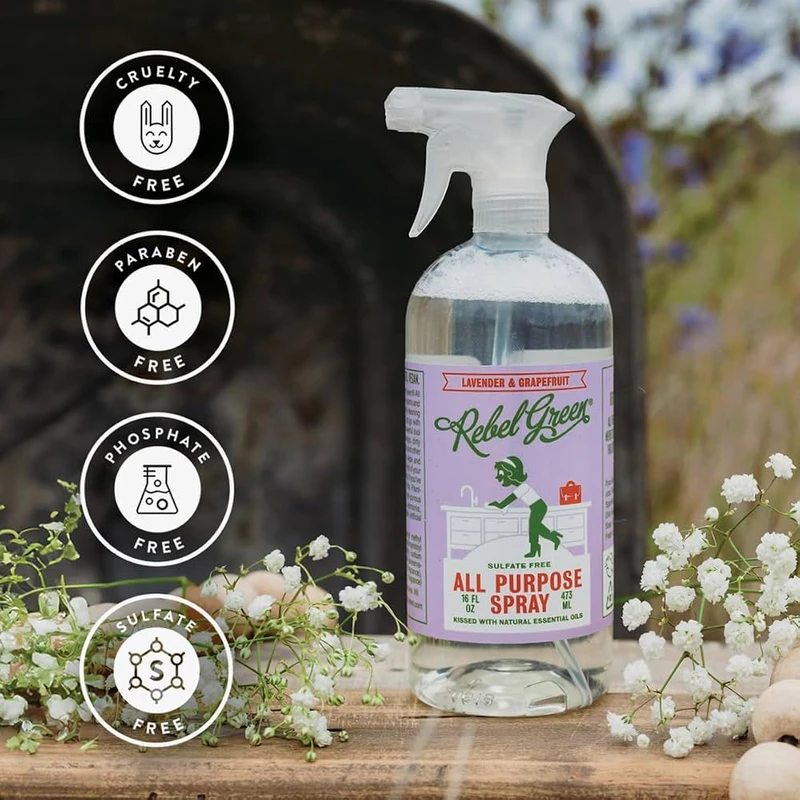
A common failure mode in eco-conscious households is the assumption that a “green” label guarantees safety. A label advertising “natural” or “green” does not automatically equal a healthier or safer product, as many brands use these terms without verifiable proof, a practice known as greenwashing.
The Refill Economy: Concentrates vs. Ready-to-Use
Reducing plastic waste requires moving away from single-use spray bottles toward refillable systems. For example, the manufacturer neat. provides plant-based, refillable cleaning products designed to be reused. To implement this, consumers can purchase a refill pack, mix it with water, and reuse the existing cleaning bottle.
Concentrated formulas are often more economical. Because they typically possess a higher concentration than other cleaners, they are generally easier on your wallet according to Rover.com.
Decoding Certifications: What the Logos Actually Mean
To avoid deceptive marketing, pet owners should look for third-party validation rather than brand-created icons. Key indicators of quality include:
- Safety Ratings: The Environmental Working Group (EWG) provides safety ratings that help identify non-toxic ingredient profiles.
- Ingredient Sourcing: Companies like Evonik act as suppliers of sustainable cleaning ingredients, ensuring the raw materials meet environmental standards.
- Efficacy Standards: Ensuring the product actually performs its intended function without relying on harsh synthetic surfactants.
Cleaning Method Primary Mechanism Best Surface/Use Sustainability Factor Enzymatic Cleaners Biological breakdown of proteins/lipids Carpets, upholstery, and hard floors High (biodegradable ingredients) BioKore™ Technology Non-enzymatic instant breakdown Multi-surface/General cleaning High (fast-acting, less waiting) DIY Vinegar/Baking Soda Acid-base reaction Light surface cleaning only Medium (low packaging, low efficacy) Refillable Plant-Based Plant-derived surfactants General household surfaces Highest (minimal plastic waste)
| Cleaning Method | Primary Mechanism | Best Surface/Use | Sustainability Factor |
|---|---|---|---|
| Enzymatic Cleaners | Biological breakdown of proteins/lipids | Carpets, upholstery, and hard floors | High (biodegradable ingredients) |
| BioKore™ Technology | Non-enzymatic instant breakdown | Multi-surface/General cleaning | High (fast-acting, less waiting) |
| DIY Vinegar/Baking Soda | Acid-base reaction | Light surface cleaning only | Medium (low packaging, low efficacy) |
| Refillable Plant-Based | Plant-derived surfactants | General household surfaces | Highest (minimal plastic waste) |
The table above illustrates that while enzymatic cleaners are effective, they require time to work. In contrast, Skout’s Honor utilizes non-enzymatic BioKore™ technology, which is designed to offer instant results. This allows pet owners to see and smell the difference immediately, removing the waiting period required by traditional enzymatic alternatives.
Why Enzymes are ‘Gold’ for Organic Waste
Elizabeth Shields, Operations Manager of Super Cleaning, highlights the value of this technology. She stated: “The absolute best tip when dealing with pet stains on any surface is to get an enzymatic cleaner. This really targets the source of the problem, not just the surface. For us in the cleaning industry, that’s gold!”
The Case for Instant Results: BioKore™ Technology
Skout’s Honor claims their products are designed to perform optimally across various environmental conditions, unlike standard enzymatic solutions. This provides more reliable cleaning regardless of the setting.
Material Compatibility Matrix: Protecting Your Home Surfaces
Using the wrong application method can lead to surface damage or ineffective cleaning. For instance, Simple Solution provides specific guidance for different environments. Users should utilize mist or stream settings for carpets and upholstery, but switch to the foam setting for hard surfaces such as bathrooms or pet crates.
Different manufacturers target specific material needs. Biokleen produces a 128 ounce liquid carpet stain and odor remover, while Nature’s Miracle offers specialized stain and odor removers. For heavily soiled areas, Nature’s Miracle suggests a specific technique: cover the soiled area with a damp cloth for 12 hours before giving it any further attention to ensure deep penetration.
| Surface Type | Recommended Setting/Product | Potential Risk |
|---|---|---|
| Hard Floors/Crates | Specific cleaning products (Foam Setting) | Residue buildup |
| Carpets/Upholstery | Specific cleaning products (Mist/Stream) | Over-saturation |
| Set-in Carpet Stains | Nature’s Miracle (Damp Cloth Method) | Extended drying time |
| General Carpet Odors | Biokleen Liquid Remover | Chemical residue if not rinsed |
Critical Pitfalls: When ‘Natural’ Cleaning Fails
Relying on common household items can sometimes exacerbate pet hygiene issues. A significant failure mode occurs with vinegar and baking soda; while these may clean a surface, they fail to neutralize the ammonia crystals found in dog urine, which can lead to repeat accidents.
Furthermore, there are physical risks to pets when using DIY methods. Utilizing abrasive pastes made from baking soda can physically micro-tear the delicate interdigital webbing of a dog’s paws and rapidly strip away natural oils. This can lead to inflammation that may require 1 to 2 full weeks to restore the heavily damaged lipid barrier.
WARNING: Enzymes are cleaners, not disinfectants. While they effectively break down organic stains, they won’t kill off viruses or bacteria.
Market Analysis: Cost-Per-Use and Leading Eco-Brands
The following data shows the price spectrum for various pet cleaning products.
| Brand/Product | Approximate Price | Primary Use Case |
|---|---|---|
| Ecos for Pets! | $4.69 | Stain and odor spray |
| KisClean | $8.40 | Natural pet cleaning |
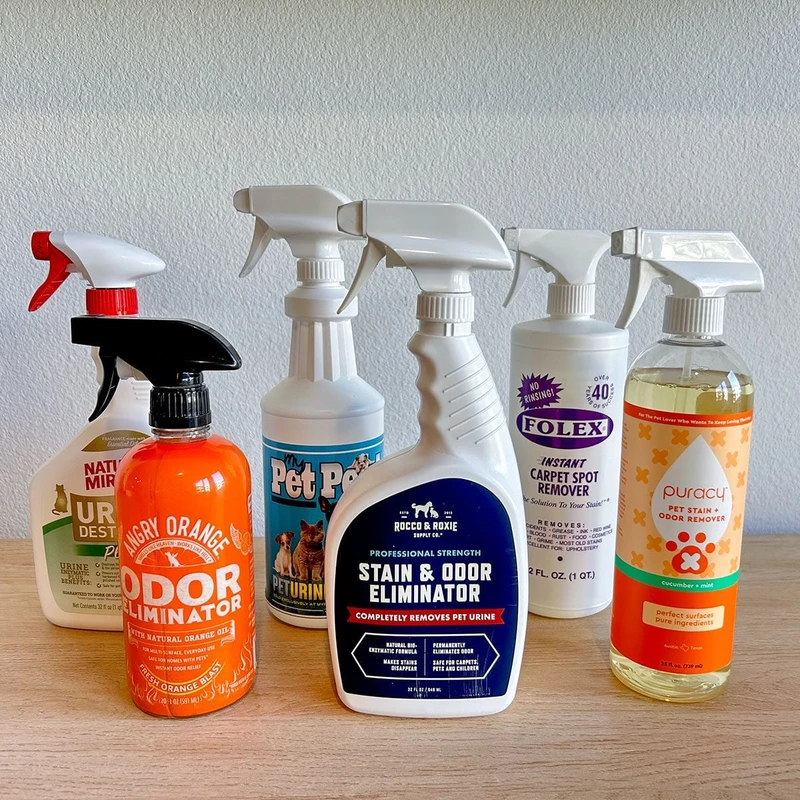
| Nature’s Miracle | $12.70 | Urine destruction |
| Rocco & Roxie | $19.94 | Stain and odor elimination |
| Biokleen | $28.98 | Carpet stain/odor removal |
When evaluating these costs, pet owners should consider the concentration of the product. As noted by Rover.com, enzymatic cleaners are often more economical in the long run because their higher concentration allows for more uses per bottle compared to diluted, conventional alternatives.
FAQ
Can I use vinegar and baking soda for pet urine?
No. These products cannot cut down the ammonia crystals found in dog urine, which may lead to repeat accidents.
Are enzymatic cleaners safe for all surfaces?
Application methods vary by surface. Simple Solution, for example, recommends foam settings for hard surfaces like pet crates and mist or stream settings for carpets and upholstery.
Do enzymes kill bacteria?
Not necessarily. While they break down organic stains, enzymes alone are cleaners but not disinfectants and won’t kill off viruses or bacteria.
Top Eco-Friendly Pet Stain Removers Use Enzymes for Safe Cleaning
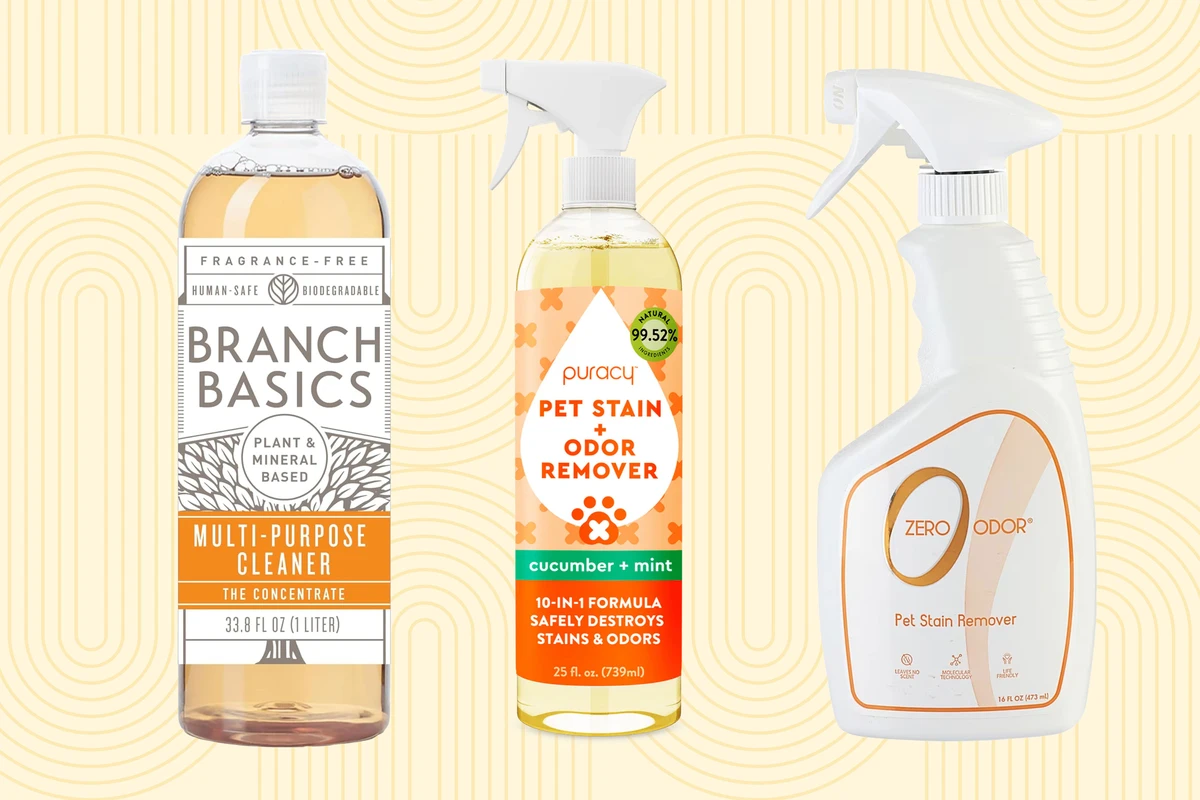
PawVerde.com – Eco-friendly pet stain removers in 2026 have become essential tools for pet owners seeking effective, safe, and environmentally responsible cleaning solutions. As pet ownership continues to rise globally, the demand for products that combine stain and odor elimination with non-toxic, biodegradable formulas has surged. Leading brands such as Biokleen Bac-Out Enzyme Stain & Odor Remover and Puracy Pet Stain and Odor Eliminator exemplify this trend by leveraging natural enzymes and plant-based ingredients to tackle organic stains like urine, feces, and vomit without compromising pet safety or environmental sustainability.
These next-generation stain removers operate primarily through enzymatic action, breaking down complex organic molecules into harmless components. This mechanism not only enhances cleaning efficacy but also prevents the reappearance of odors by neutralizing odor-causing compounds at their source. Coupled with plant-derived surfactants and biodegradable solvents, such products minimize ecological impact while maintaining multi-surface versatility. Emerging sustainable packaging solutions, including refillable bottles and plastic-neutral shipping initiatives by retailers like Grove Collaborative, further underscore the industry’s commitment to reducing plastic waste and carbon footprints.
Eco-Friendly Pet Stain Removal Technologies: Enzymes and Plant-Based Ingredients
Enzyme-based cleaners have revolutionized pet stain removal due to their targeted biochemical processes. Enzymes such as proteases, amylases, and lipases catalyze the breakdown of proteins, starches, and fats commonly found in pet stains. This breakdown facilitates easier removal and odor eradication. Biokleen Bac-Out, for instance, incorporates live enzyme cultures alongside citrus extracts to amplify stain degradation while maintaining a non-toxic profile. Unlike traditional chemical cleaners that rely on harsh solvents or bleaches, enzymatic cleaners maintain fabric integrity and are safe for pets and children.
Plant-based ingredients complement enzymatic action by providing natural surfactants and solvents that lift and dissolve stains without synthetic chemicals. Puracy’s Pet Stain and Odor Eliminator uses a blend of coconut-derived surfactants and natural citrus oils, offering effective multi-surface cleaning. These ingredients also enhance biodegradability, ensuring that residues break down harmlessly in wastewater systems. The absence of parabens, volatile organic compounds (VOCs), ammonia, chlorine, and phthalates in many eco-friendly formulations aligns with growing consumer demand for chemical-free household products.
Environmental considerations extend beyond cleaning efficacy. Biodegradability is a critical factor, as components that persist in ecosystems may disrupt aquatic life and contribute to pollution. Brands such as Earth Friendly Product and Better Life emphasize fully biodegradable formulas verified through third-party testing. These products degrade rapidly under aerobic conditions, minimizing ecological impact.
Leading Eco-Friendly Pet Stain Remover Products in 2026
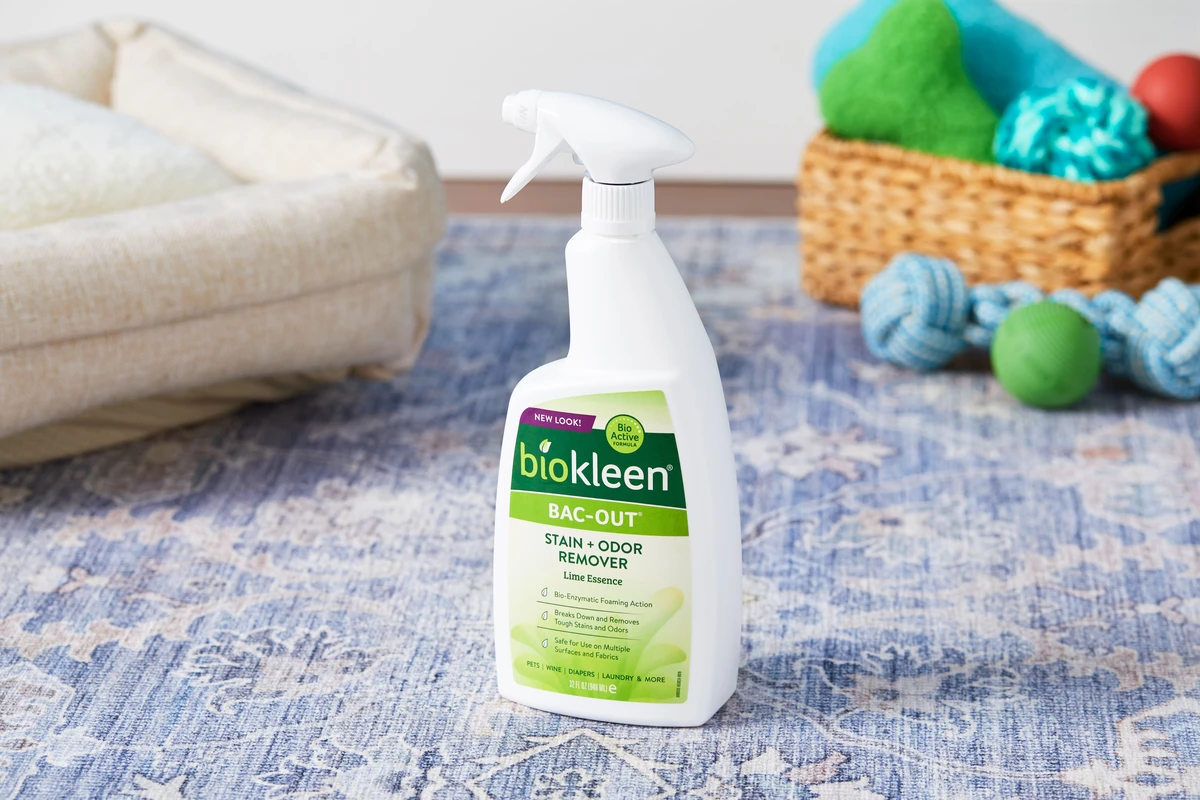
Biokleen Bac-Out Enzyme Stain & Odor Remover remains a top contender due to its potent enzymatic formula combined with citrus oil extracts. Consumer testimonials, including a detailed month-long evaluation by Emily Way, highlight its ability to remove persistent urine and fecal stains on carpets and upholstery without damaging fabrics or leaving chemical residues. Its biodegradable formula and non-toxic certification make it suitable for homes with pets and children.
Puracy Pet Stain and Odor Eliminator offers a plant-based alternative with proven effectiveness on a variety of surfaces, from hardwood floors to fabric upholstery. Its formulation eschews synthetic fragrances and dyes, using natural essential oils to neutralize odors. The product’s versatility extends to stain types beyond pet-related messes, including food and drink spills.
Other notable brands include Begley’s Household Stain & Odor Remover and Citra Spot Natural Stain & Odor Remover, each employing natural enzymes and plant-derived solvents. Earth Friendly Product’s Everyday Stain & Odor Eliminator and Better Life’s Natural Stain & Odor Eliminator emphasize cruelty-free production and sustainable sourcing practices.
Emerging products such as Truly Free Home Enzyme Stain Remover and Molly’s Suds Stain Remover are gaining traction for their commitment to zero-waste packaging and transparent ingredient lists. Rocco & Roxie Supply Co. Stain & Odor Eliminator, endorsed by veterinary experts, combines enzymatic action with odor-neutralizing agents proven effective in clinical settings.
Comparative Features of Leading Eco-Friendly Pet Stain Removers
| Product | Key Ingredients | Surface Compatibility | Packaging | Certifications |
|---|---|---|---|---|
| Biokleen Bac-Out | Live Enzymes, Citrus Extracts | Carpet, Upholstery, Hard Surfaces | Recyclable Bottle | Non-toxic, Biodegradable |
| Puracy Pet Stain & Odor Eliminator | Plant-based Surfactants, Essential Oils | Multi-surface (wood, fabric, tile) | Plastic-neutral Bottle | EWG Verified, Cruelty-Free |
| Begley’s Household Stain & Odor Remover | Natural Enzymes, Plant Solvents | Fabric, Carpet | Refillable Bottle | B Corp Certified |
| Citra Spot Natural Remover | Citrus Oils, Enzymes | Carpet, Upholstery | Biodegradable Packaging | EcoLogo Certified |
| Rocco & Roxie Supply Co. | Enzymes, Odor Neutralizers | Carpet, Hard Floors | Recyclable Bottle | Veterinary Recommended |
Product Formats and Effective Usage Techniques
eco-friendly pet stain removers are available in various formats, each suited for different applications and stain types. Sprays are the most common, offering ease of use on carpets and upholstery. Foams provide better adherence to vertical surfaces and porous materials. Powdered formulations, such as Molly’s Suds, excel in absorbing moisture from fresh stains and can be vacuumed post-treatment. Sticks and wipes offer convenience for on-the-go cleaning but may lack the enzymatic potency of liquid products.
Optimal stain removal requires prompt action. For enzymatic sprays like Biokleen Bac-Out, saturating the affected area and allowing the enzymes to work for at least 10-15 minutes enhances breakdown of organic matter. Agitation with a cloth or brush can improve penetration. For dried or set-in stains, multiple applications may be necessary.
Application on different surfaces demands care: upholstery and carpets benefit from blotting rather than rubbing to avoid fabric damage, while hard surfaces can be wiped clean after treatment. Bedding and pet crates require thorough rinsing and drying to prevent enzyme residue buildup that could attract pets to re-soil.
DIY natural stain removal recipes remain popular among eco-conscious consumers. Vinegar combined with salt and borax creates a mild acidic and abrasive solution effective against light pet stains. Castile soap mixed with water and essential oils offers a gentle cleaner with antibacterial properties but lacks the enzymatic action needed for protein-based stains.
Sustainability and Packaging Innovations in Pet Stain Removers
Sustainability extends beyond ingredients to packaging and supply chain practices. Grove Collaborative, a leader in eco-friendly retail, commits to 100% plastic-neutral and carbon-neutral shipping, offsetting its environmental footprint. Blueland’s innovative multi-surface cleaners come in tablet form, reducing single-use plastic by enabling consumers to refill reusable bottles.
Refillable and concentrated products represent another critical trend, allowing consumers to reuse containers and reduce plastic waste. Begley’s and Better Life offer refill stations and concentrate options, encouraging sustainable consumption patterns.
Certifications play a pivotal role in guiding consumers. B Corp certification assures companies meet rigorous social and environmental standards. EWG Verified confirms ingredient safety and transparency. FSC certification guarantees responsible sourcing of paper-based packaging. Cruelty-Free seals ensure no animal testing during product development.
Safety Considerations for Pets and Households
Non-toxic formulations are imperative for pet stain removers to prevent adverse health effects in animals and humans. Exposure to harmful chemicals such as ammonia, bleach, or phthalates can cause respiratory issues, skin irritation, or behavioral problems in pets. Veterinary experts emphasize selecting products free from synthetic fragrances and dyes that may trigger allergies.
Proper ventilation during cleaning and avoiding ingestion are critical safety measures. Products like Rocco & Roxie Supply Co. are formulated under veterinary guidance to balance efficacy with pet safety. Experts also recommend spot testing new products on small fabric areas to detect any adverse reactions.
Educating pet owners on differentiating between stain removal and odor neutralization is important. While many products combine both functions, some focus solely on odor masking rather than enzymatic elimination. Using enzyme-based removers ensures complete degradation of odor-causing molecules, reducing the likelihood of pets re-marking treated areas.
Future Directions in Eco-Friendly Pet Stain Removal
The trajectory of pet stain removers in 2026 points toward increased integration of biotechnology and circular economy principles. Advances in enzyme engineering promise faster and more targeted stain breakdown, reducing application times and water usage. Biodegradable packaging materials derived from agricultural waste are entering the market, further diminishing environmental impact.
Digital platforms and AI-powered apps are emerging to assist pet owners in stain identification and product selection, tailoring recommendations based on stain type, surface, and pet species. Subscription models offering concentrated refills and plastic-neutral shipping are becoming standard to encourage sustainable consumer habits.
Expanding consumer awareness about the health impacts of traditional chemical cleaners is fueling demand for transparency and ingredient traceability. Brands investing in third-party testing and open-label ingredient disclosures are gaining competitive advantage.
FAQ
What makes enzyme-based pet stain removers more effective than traditional cleaners?
Enzyme-based stain removers utilize biological catalysts to break down proteins, fats, and starches in organic stains, enabling thorough removal and odor neutralization. Unlike chemical cleaners that mask odors or rely on harsh solvents, enzymes degrade stain molecules at the source, preventing recurrence and protecting surfaces.
Are eco-friendly pet stain removers safe for all pets?
Most eco-friendly removers formulated with non-toxic, plant-based ingredients and free from synthetic fragrances are safe for dogs, cats, and other common household pets. However, it is advisable to follow product instructions carefully and prevent pets from licking treated areas until fully dry.
How do refillable packaging and plastic-neutral initiatives impact the environment?
Refillable packaging reduces single-use plastic waste by enabling consumers to reuse containers, decreasing production demand. Plastic-neutral initiatives offset plastic use by funding waste collection and recycling programs, resulting in a net-zero plastic footprint and supporting circular economy goals.
Can eco-friendly stain removers be used on all household surfaces?
While most enzyme and plant-based removers are formulated for multi-surface use, including carpets, upholstery, hardwood, and tile, it is important to check product labels and test on inconspicuous areas first to avoid potential damage, especially on delicate fabrics or untreated wood.
What are the best practices for removing pet stains quickly and effectively?
Immediate blotting of fresh stains, applying enzymatic cleaners liberally, allowing sufficient dwell time for enzymes to act, and gentle agitation improve stain removal. For dried stains, repeated treatments and mechanical action may be needed. Consistent cleaning prevents odor buildup and discourages pets from re-soiling.
—
As the pet care market continues evolving in 2026, eco-friendly stain removers that combine enzymatic science with sustainable practices are setting new industry standards. Pet owners prioritizing health, environmental stewardship, and cleaning efficacy will find leading products like Biokleen Bac-Out and Puracy’s Pet Stain and Odor Eliminator offering reliable solutions. Embracing innovations in packaging and biotechnology will further enhance the sustainability and performance of pet stain removal products in the years ahead.