

Where to Buy Plant-Based Dog Food in 2026: Top Brands & Options
PawVerde.com – Plant-based dog food has surged in popularity in 2026, driven by growing consumer demand for ethically sourced, hypoallergenic, and nutritionally complete pet nutrition. Leading brands such as PawCo, Open Farm, Vivus Pets, v-dog, and Rayne Nutrition now dominate the market, offering a range of products formulated through collaborations with veterinary nutritionists and backed by compliance with rigorous standards like those set by the Association of American Feed Control Officials (AAFCO). These brands provide convenient purchasing options, including subscription delivery, catering to pet owners seeking reliable, sustainable alternatives to traditional meat-based diets.
The availability of plant-based dog food has expanded beyond niche outlets into mainstream retail and online marketplaces, supported by transparent ingredient sourcing and third-party nutritional validations. Innovations such as PawCo’s GreenMeat™, a proprietary blend of yeast and pea protein, and Open Farm’s traceable non-GMO kibble highlight the industry’s commitment to quality and sustainability. Customers increasingly prioritize hypoallergenic formulations rich in probiotics, omega-3 fatty acids, and superfoods like sweet potato and fava beans, with many brands emphasizing cruelty-free practices and eco-friendly packaging.
Top Plant-Based Dog Food Brands in 2026
PawCo leads the market with its patented GreenMeat™ technology, combining yeast protein and pea protein to create a sustainable, nutrient-dense base that meets AAFCO standards for complete canine nutrition. Founded by Dr. Vazin, a veterinary expert specializing in hypoallergenic diets, PawCo offers kibble and soft food options designed for dogs with sensitive stomachs and food allergies. Customer reviews highlight notable improvements in coat condition and digestive health, attributed to the inclusion of prebiotics and probiotics in their formulations.
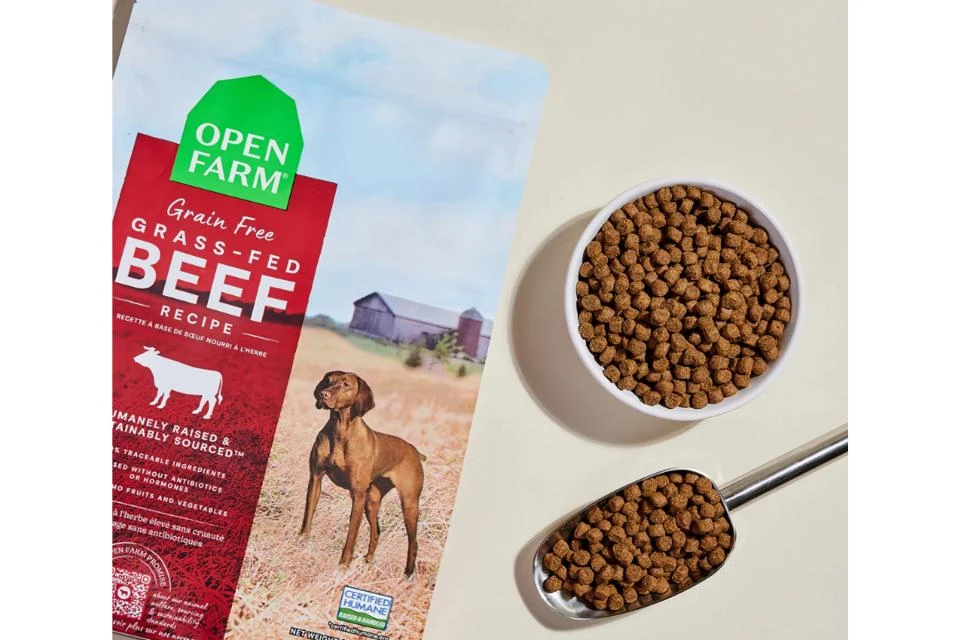
Open Farm distinguishes itself through rigorous supply chain transparency, sourcing all plant-based ingredients from USDA-inspected farms verified to be non-GMO. The brand’s commitment to ethical sourcing is supported by third-party audits and aligns with endorsements from animal welfare organizations such as PETA. Open Farm’s product line includes grain-free kibble and freeze-dried treats enriched with superfoods like kale and quinoa, appealing to environmentally conscious pet owners.
Vivus Pets collaborates closely with veterinary nutritionists to develop formulations that balance plant proteins with essential nutrients such as omega-3 fatty acids derived from algae. Their subscription model offers flexible delivery schedules and customization based on breed size and dietary sensitivities. Vivus Pets integrates superfoods like pumpkin and blueberries, recognized for antioxidant properties, enhancing immune support. Clinical data from their customer base demonstrates reduced incidences of food allergies and improved energy levels in dogs transitioning to their diets.
V-dog, a vegan-owned company, provides a comprehensive product range including kibble, soft food, and treats formulated with nutrient-rich vegan superfoods such as spirulina and flaxseed. Their sustainability initiatives include carbon-neutral manufacturing processes and recyclable packaging. V-dog’s hypoallergenic recipes exclude common allergens like soy and corn, addressing the needs of dogs with dietary restrictions. Their products are widely available through major online retailers and select pet specialty stores.
Rayne Nutrition offers chunky stew-style meals and plant-based treats with an emphasis on palatability and nutrient density. Their subscription service includes autoship discounts and the option to pause or modify orders, enhancing convenience for pet owners. Ingredients such as sweet potato, fava beans, and lentils provide complex carbohydrates and plant protein, while added vitamins and minerals ensure complete nutrition. Rayne’s formulations comply with AAFCO standards and are free from artificial flavors and preservatives.
Dylan’s Pet Food focuses on organic ingredients and sustainable packaging solutions, including compostable pouches that reduce landfill waste. Their fresh food products undergo cold-press processing to preserve nutrient integrity. Dylan’s emphasizes hypoallergenic formulations devoid of common irritants, supported by customer testimonials praising improvements in skin health and allergen management. Their distribution network includes direct-to-consumer sales and partnerships with boutique pet stores.
Wild Earth is recognized for cruelty-free, nutritionally complete dog food formulas free from artificial additives. Their proprietary yeast protein serves as a primary protein source, offering a sustainable alternative to animal-derived ingredients. Wild Earth products undergo third-party nutritional validation and have garnered endorsements from animal welfare advocates. The brand also integrates probiotics and antioxidants to promote digestive and immune health.
Bramble delivers fresh, human-grade plant-based dog food developed in consultation with veterinarians. Their recipes incorporate superfoods such as turmeric and kale and prioritize ingredient freshness and bioavailability. Customer feedback emphasizes enhanced vitality and reduced allergy symptoms in dogs fed Bramble’s food. Bramble’s subscription service includes customizable meal plans and refrigerated delivery to maintain freshness.
Nutritional Standards and Ingredient Transparency
Compliance with AAFCO nutritional standards remains the cornerstone for validating the adequacy of plant-based dog foods. Brands like PawCo, Open Farm, Vivus Pets, and Rayne Nutrition publish detailed nutrient profiles demonstrating balanced levels of essential amino acids, vitamins, and minerals. USDA-inspected sourcing ensures ingredient quality and safety, with frequent laboratory testing for contaminants and nutrient consistency.
Plant-based proteins such as yeast protein, pea protein, and fava beans provide complete amino acid profiles comparable to animal proteins. Inclusion of omega-3 fatty acids, typically sourced from algae, addresses the essential fatty acid requirements critical for skin, coat, and neurological health. Superfoods including sweet potato, quinoa, kale, and blueberries contribute antioxidants, fiber, and micronutrients that support overall wellness.
Hypoallergenic formulations target dogs with food sensitivities by excluding common allergens like dairy, soy, and gluten. These products often incorporate novel protein sources and are fortified with probiotics to enhance gut health. Brands also prioritize digestibility, utilizing enzymatic processing and fermentation techniques to improve nutrient absorption and reduce potential irritants.
Purchasing Options and Convenience
Most leading plant-based dog food brands offer direct-to-consumer sales through their official websites, featuring subscription models that provide scheduled deliveries with autoship discounts. Subscription services typically allow customization based on dog size, age, and dietary needs, improving user experience and adherence to feeding regimens.
Retail availability has expanded to include major online marketplaces and specialty pet stores, increasing accessibility. Cross-channel promotions and referral programs incentivize long-term customer loyalty. Brands like v-dog and Open Farm maintain partnerships with pet retailers to offer in-store trial packs and educational materials, facilitating informed purchasing decisions.
The convenience of shelf-stable kibble and dehydrated options complements fresh and frozen product lines, catering to diverse consumer preferences and storage capabilities. Some companies provide mobile apps for subscription management and customer support, integrating technology to enhance user engagement.
Environmental and Ethical Benefits of Plant-Based Dog Food
Plant-based dog food significantly reduces environmental impact compared to traditional meat-based diets, requiring less water and land resources. Studies indicate that producing one kilogram of plant protein consumes up to 90% less water than equivalent animal protein production. These reductions contribute to lower greenhouse gas emissions and mitigate deforestation related to livestock farming.
Ethical considerations extend to animal welfare, with plant-based diets eliminating reliance on animal agriculture and associated practices. Brands such as Wild Earth and Open Farm emphasize cruelty-free certifications and support for animal rescue organizations like Animal Love Rescue. Collaborations with advocacy groups such as PETA reinforce these commitments.
Sustainability initiatives also include eco-friendly packaging innovations. Dylan’s Pet Food’s compostable pouches and Rayne Nutrition’s recyclable containers exemplify efforts to minimize plastic waste. Such packaging reduces landfill contributions and aligns with consumer expectations for responsible product life cycles.
Consumer Reviews and Expert Endorsements
Verified customer testimonials consistently report positive health outcomes such as improved coat condition, reduced allergy symptoms, and enhanced energy levels in dogs transitioned to plant-based diets. Bramble’s fresh food, in particular, receives praise for palatability and digestive benefits.
Veterinary nutritionists play an integral role in product development, ensuring formulations meet the physiological needs of dogs at various life stages. Vivus Pets and PawCo collaborate with accredited veterinarians to validate ingredient selection and nutrient adequacy, lending scientific credibility.
Endorsements from animal welfare organizations and features in documentaries like Netflix’s “You Are What You Eat” elevate public awareness and trust. Transparent ingredient sourcing and third-party lab analyses reinforce brand authority, helping consumers make informed choices.
FAQ

Is plant-based dog food nutritionally complete for all dog breeds?
Yes, leading plant-based dog food brands in 2026 formulate their products to meet or exceed AAFCO nutritional standards, ensuring complete and balanced diets suitable for all breeds and life stages. These formulations incorporate essential amino acids, vitamins, and minerals, often supplemented with omega-3 fatty acids from algae.
Are plant-based dog foods safe for dogs with allergies?
Many plant-based dog foods are specifically designed to be hypoallergenic by excluding common allergens such as dairy, soy, and gluten. They often include novel protein sources like yeast or pea protein and contain probiotics to support digestive health, making them suitable for dogs with food sensitivities.
Where can I purchase plant-based dog food conveniently?
Consumers can buy plant-based dog food directly from brand websites offering subscription delivery services for convenience and cost savings. Additionally, many products are available through online marketplaces and specialty pet stores, with options for in-store trials and educational support.
What are the environmental benefits of feeding dogs a plant-based diet?
Plant-based dog food production requires significantly less water and land resources than meat-based diets, resulting in reduced greenhouse gas emissions and lower ecological footprint. Ethical sourcing also eliminates reliance on animal agriculture, promoting animal welfare and sustainability.
How do brands ensure the quality and safety of plant-based dog food ingredients?
Top brands source ingredients from USDA-inspected farms and adhere to stringent quality controls, including third-party laboratory testing for contaminants and nutrient validation. Compliance with AAFCO standards further ensures the safety and completeness of their products.
—
Looking forward, the plant-based dog food market is expected to continue its growth trajectory, driven by advancements in ingredient technology and rising consumer awareness of sustainability and pet health. Brands focusing on veterinary collaboration, ingredient transparency, and innovative subscription models will likely set the standard for ethical, convenient, and nutritionally optimized pet nutrition in the coming years.
Top Plant-Based Dog Food Brands 2026 Backed by Vet Science
PawVerde.com – Plant-based dog food has gained substantial traction in 2026, driven by increasing consumer demand for sustainable, ethical, and health-conscious pet nutrition options. Leading this market evolution, brands such as Wild Earth, V-Dog, Halo Holistic, and Bramble have developed nutritionally complete vegan dog food formulas that align with rigorous veterinary and regulatory standards. These plant-based diets emphasize essential nutrients, including omega-3 and omega-6 fatty acids, high-quality protein alternatives, and micronutrients critical for canine health, all while complying with the Association of American Feed Control Officials (AAFCO) requirements.
The growth of plant-based dog food is underpinned by advances in nutritional science and vet-formulated recipes that ensure dietary adequacy. This article provides an in-depth examination of the leading vegan dog food brands in 2026, the nutritional science supporting plant-based canine diets, regulatory compliance, market recognition, and practical guidance for dog owners considering a transition to vegan formulas.
Nutritional Science Behind Plant-Based Diets for Dogs
Canine nutrition requires a balanced intake of macronutrients and micronutrients, with protein, fatty acids, vitamins, and minerals playing pivotal roles in maintaining health. Plant-based dog food formulations in 2026 focus on replicating these nutritional profiles without animal-derived ingredients. The central challenge is sourcing complete proteins and bioavailable omega fatty acids from plants.
Protein sources such as lentils, peas, chickpeas, quinoa, and soy provide essential amino acids, often supplemented with synthetic taurine and L-carnitine to meet canine metabolic needs. Omega-3 and omega-6 fatty acids, crucial for cardiovascular function, skin coat integrity, and immune response, are derived from flaxseed, chia seeds, and algae oils. These plant-based sources are carefully balanced to replicate the fatty acid ratios found in traditional meat-based diets.
AAFCO establishes nutrient profiles that all commercial dog foods must meet to be labeled nutritionally complete and balanced. Compliance with AAFCO standards is critical for plant-based dog foods to ensure dogs receive adequate levels of protein, calcium, phosphorus, vitamins A, D, E, and B-complex, as well as trace minerals. Veterinarians and pet nutritionists increasingly support the feasibility of vegan diets when these standards are strictly adhered to, emphasizing the importance of professional formulation and ongoing health monitoring.
Veterinary experts, including those affiliated with the American Veterinary Medical Association (AVMA), caution that while plant-based diets can support healthy dogs, they require rigorous formulation and periodic nutritional assessments. Studies published in journals such as the Journal of Animal Physiology and Animal Nutrition highlight successful long-term feeding trials of plant-based diets, indicating no adverse effects on health markers when diets are complete and balanced.
Leading Plant-Based Dog Food Brands in 2026
Several pioneering vegan dog food brands have distinguished themselves through scientifically backed formulations and positive consumer feedback.
Wild Earth offers a high-protein kibble fortified with omega fatty acids critical for heart, skin, and gut health. Their proprietary fermentation technology enhances digestibility and nutrient bioavailability, reducing allergenic potential. Wild Earth’s kibble meets AAFCO standards and sources ingredients designed to optimize canine microbiome health.
V-Dog’s Kind Kibble is recognized by Dog Food Advisor and industry experts as the best overall vegan dog food for 2026. It provides a complete amino acid profile from peas, lentils, and quinoa, supplemented with algae-based omega-3. V-Dog products undergo USDA inspection and utilize human-grade ingredients, reflecting a commitment to high-quality sourcing and safety.
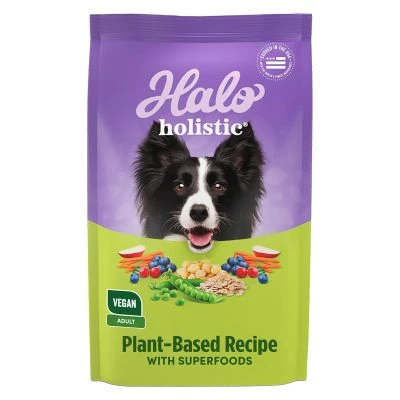
Halo Holistic’s plant-based recipe integrates superfoods such as pumpkin, spinach, and blueberries to support digestive health and antioxidant capacity. Their formula includes prebiotics and probiotics aimed at enhancing nutrient absorption and gut flora balance. Halo Holistic’s plant-based line holds AAFCO certification and is formulated with input from veterinary nutritionists.
Bramble stands out as the world’s first vet-formulated, plant-based fresh dog food. Its fresh recipe delivers balanced nutrition with high digestibility and palatability, winning first place at the Global Pet Expo’s Best In Show award. Bramble emphasizes fresh, minimally processed ingredients rich in omega fatty acids and essential amino acids, targeting dogs with sensitive digestion or specific health needs.
Market Recognition and Industry Awards
Bramble’s accolade at the Global Pet Expo Best In Show represents a significant milestone for plant-based dog food innovation, highlighting the increasing industry validation of vegan formulas. This recognition underscores the brand’s authoritative vet involvement and commitment to quality.
Dog Food Advisor’s expert panels consistently rate these brands highly for nutritional adequacy, ingredient transparency, and owner satisfaction. Their reviews evaluate digestibility, ingredient sourcing, and compliance with AAFCO guidelines, providing a trusted resource for consumers navigating the growing vegan dog food market.
Additional endorsements come from Whole Dog Journal and The Dodo, which highlight the health benefits and ethical considerations of plant-based dog food, further legitimizing these products within the pet nutrition landscape.
Practical Considerations for Dog Owners Transitioning to Plant-Based Diets
Transitioning a dog to a plant-based diet should be gradual, typically over a 7-14 day period, to minimize gastrointestinal upset and allow the microbiome to adjust. veterinary consultation is recommended before and during this process to monitor health parameters such as weight, coat condition, and energy levels.
Commercially formulated vegan dog foods are preferred over homemade diets due to their verified nutritional completeness and consistency. Homemade vegan diets pose risks of nutrient deficiencies unless carefully balanced and supplemented under professional guidance.
Dog owners should evaluate plant-based dog food brands based on AAFCO compliance, ingredient transparency, source quality, and third-party testing for contaminants and nutrient levels. Price points vary, with fresh foods like Bramble generally commanding premium pricing due to ingredient quality and processing methods, while kibble options like V-Dog and Wild Earth offer cost-effective alternatives without compromising nutritional standards.
Future Trends and Innovations in Plant-Based Dog Food
Veterinary involvement in plant-based dog food formulation is increasing, with more brands employing board-certified veterinary nutritionists to ensure dietary adequacy and safety. This collaboration enhances consumer confidence and drives formulation innovation.
Ingredient sourcing is evolving towards greater sustainability, with companies investing in regenerative agriculture, novel protein sources such as insect proteins and fermented microbial proteins, and zero-waste processing technologies.
Market expansion is expected as consumer awareness about environmental impact and animal welfare grows. Personalized nutrition, leveraging AI and data analytics, is emerging to tailor plant-based diets to individual dogs’ health profiles, activity levels, and life stages.
Frequently Asked Questions
Are plant-based dog foods nutritionally complete for all dog breeds?
Yes, many plant-based dog foods in 2026 meet AAFCO standards ensuring nutritional completeness across breeds and life stages. However, individual dogs with specific health conditions may require tailored formulations or supplementation under veterinary supervision.
How do omega-3 and omega-6 fatty acids in vegan dog food compare to those in meat-based diets?
Plant-based sources like flaxseed, chia seeds, and algae provide omega-3 and omega-6 fatty acids, although the conversion efficiency to active forms like EPA and DHA can vary. Algae-derived EPA/DHA supplements are commonly added to vegan dog foods to match the fatty acid profiles found in meat-based diets.
Is homemade vegan dog food safe and recommended?
homemade vegan dog food can be safe if carefully formulated with veterinary nutritionist guidance to ensure all essential nutrients are present. Commercially prepared vegan diets are generally preferred due to tested nutritional completeness and safety assurances.
What are signs that a dog is not tolerating a plant-based diet well?
Indicators include weight loss, poor coat condition, lethargy, gastrointestinal distress, or changes in stool consistency. Prompt veterinary evaluation is advised to adjust the diet or address underlying issues.
How does AAFCO certification affect the quality of plant-based dog food?
AAFCO certification guarantees that a dog food meets minimum nutrient profiles for maintenance or growth, providing assurance of balanced nutrition. Plant-based foods with AAFCO certification have been tested to support canine health when fed exclusively.
—
As the plant-based dog food sector advances, pet owners have access to scientifically validated, vet-approved options that do not compromise on nutritional quality or palatability. The intersection of veterinary expertise, sustainable ingredient sourcing, and consumer demand is shaping a future where plant-based canine nutrition is an established, trusted choice. Continued innovations and rigorous quality standards will further position these brands to meet evolving pet health needs and ethical considerations.