

Seasonal Superfoods for Natural Pet Nutrition Guide
PawVerde.com – To implement seasonal superfood nutrition, transition your pet’s diet by adding nutrient-dense, seasonal whole foods—like spring radishes or autumn sweet potatoes—as toppers or treats. Ensure all additions are ‘complete and balanced’ according to AAFCO standards to avoid nutritional gaps, and never exceed 10% of their daily caloric intake.
According to Hillary Wolfe, DVM, CVFT, “The word ‘natural’ alone doesn’t tell us whether a food is healthy. A natural diet can still be nutritionally incomplete or poorly formulated, while a food that doesn’t market itself as natural may provide excellent nutrition.”
The Seasonal Superfood Calendar: A 12-Month Nutritional Roadmap
Optimize pet health by following a seasonal cycle: Spring focuses on hydrating greens and sulforaphane-rich vegetables (broccoli/radishes); Summer emphasizes cooling berries and hydrating fruits (watermelon); Autumn prioritizes root vegetables and fiber (pumpkin/sweet potato); and Winter centers on warming fats and calorie-dense proteins to maintain metabolic health.
While many owners assume any fresh vegetable is beneficial, nutritional density changes with the harvest. For example, Romaine lettuce offers vitamins A, C, and K, providing a light, crunchy addition, whereas iceberg lettuce provides little nutritional value. Relying on the wrong seasonal produce can lead to caloric waste without the intended micronutrient boost.
Spring: Detox and Hydration
Spring nutrition focuses on revitalization. Volhard dog nutrition provides spring nutrition solutions like the Veggie Pak to capitalize on seasonal availability. This period is ideal for introducing sulforaphane, a natural compound known for its anti-inflammatory and anticancer properties found in cruciferous vegetables. While greens are beneficial, a common failure mode is over-reliance on a single vegetable, which can lead to mineral imbalances.
Summer: Cooling and Antioxidants
Heat stress requires moisture-rich ingredients. Summer is the time for hydrating treats, such as freezing bite-sized pieces of fruit to serve as refreshing snacks. Blueberries are particularly effective during these months, as they are packed with antioxidants that protect your pet’s cells from free radical damage. Ensure watermelon is served without seeds or rind to prevent digestive blockages.
Autumn: Fiber and Digestive Support
As temperatures drop, digestive regularity becomes a priority. Autumn-themed treats often utilize pumpkin, which is rich in soluble fiber and helps regulate bowel movements, making it beneficial for both constipation and diarrhea. According to Webbox, seasonal vegetables provide the necessary fiber to transition pets into a more sedentary winter lifestyle.
Winter: Warming and Metabolic Maintenance
Winter demands higher energy density. Preparing a Winter Veggie Soup by combining chopped winter vegetables with warm broth can help maintain core temperature. During this season, focus on calorie-dense proteins and healthy fats to support metabolic health when activity levels typically decrease.
| Superfood | Primary Benefit | Best Season | Preparation Tip |
|---|---|---|---|
| Pumpkin | Digestive regulation | Autumn | Use plain canned or fresh; avoid pie filling |
| Salmon | Omega-3/Joint health | Year-round | Serve cooked without seasoning or bones |
| Blueberries | Antioxidant protection | Summer | Freeze for a cooling snack |
| Carrots | Dental health | Spring/Autumn | Serve raw for crunch or steamed for seniors |
Rotating these ingredients helps provide diverse nutrients. For instance, using pumpkin for fiber or salmon for omega-3s ensures a varied profile across the seasons.
Mastering Bioavailability: How to Prepare Superfoods for Maximum Absorption
Nutrient absorption depends on bioavailability. This measure determines how much of a specific nutrient actually reaches the bloodstream to be utilized by the body.
The Role of Healthy Fats in Vitamin Absorption
Many essential vitamins are fat-soluble and require lipids for effective absorption. Pairing vegetables with salmon, a rich source of omega-3 fatty acids that reduce inflammation and support joint health, can significantly increase uptake. Additionally, chia seeds can help regulate blood sugar and promote a shiny coat.
Low and Slow: The Benefits of Air-Drying
To protect delicate micronutrients and enzymes, manufacturers often use air-drying. This natural low and slow process preserves the maximum amount of nutrients while eliminating dangerous bacteria.
- Steam lightly: For sensitive stomachs, lightly steaming vegetables preserves more water-soluble vitamins than boiling.
- Pair with lipids: Always serve fat-soluble vegetables with a source of healthy fat like salmon oil.
- Avoid high-heat frying: Excessive temperatures can oxidize healthy fats, turning a superfood into a pro-inflammatory ingredient.
The 10% Rule: Calculating Safe Topper Ratios
To prevent nutritional deficiencies, all supplemental foods must fit within a strict caloric limit. Owners should never displace the primary diet with superfood toppers.
Shortcut: To calculate your limit, find your pet’s daily caloric requirement and multiply by 0.10. This result is the maximum number of calories allowed from superfoods and treats each day.
A counterintuitive reality is that “more” is often “less” when it comes to superfoods. While a blueberry is healthy, feeding a dog an entire bowl of fruit can cause gastrointestinal distress and obesity. For dogs weighing under 20 pounds (about $27), even small deviations can cause significant weight gain. For these smaller dogs, manufacturers often provide Small Bites, which are specifically crafted to ensure proper chewing and digestion without overfeeding.
Step-by-Step: Crafting Seasonal Homemade Treats
To make seasonal treats, prepare Apple and Carrot Biscuits by mixing grated apple, carrot, whole wheat flour, and oats, then baking at 180℃. For Sweet Potato Chews, slice sweet potatoes into 1cm coins and bake at 180℃ for 2.5-3 hours, flipping halfway to ensure a chewy texture.
Autumn Biscuit Method
- Core and grate 1 apple and peel/grate 60g of carrot.
- Mix with 300g of whole wheat flour and 60g of oats.
- Beat 1 egg and mix with 90ml of oil and 50ml of water.
- Combine ingredients, roll the dough, and cut into shapes.
- Bake at 180℃ until firm.
Sweet Potato Chew Method
- Slice a fresh sweet potato into 1cm thick coins.
- Lay the slices in a single layer on parchment paper.
- Place in the oven at 180℃.
- Bake for a duration of 2.5-3 hours.
- Flip the slices halfway through the baking time to ensure even drying and a chewy texture.
A critical failure mode during baking is using a temperature that is too high; if the oven exceeds 180℃ rapidly, the exterior may burn while the interior remains moist, potentially promoting bacterial growth in the center of the treat.
Critical Safety: Avoiding Nutritional Pitfalls and Toxicity
Improper preparation can turn healthy ingredients into hazards. For example, salmon must never be served with added seasonings or bones, which can cause internal injury or toxicity.
Specific species require even higher levels of caution. In cats, spinach can cause urinary tract issues if the animal engages in “binge eating” or consumes excessive amounts. Furthermore, when using pumpkin for digestive support, ensure you are using plain canned pumpkin or fresh pumpkin; using pumpkin pie filling can introduce dangerous sugars and spices like nutmeg into the pet’s system.
FAQ
Can I use any ‘natural’ food for my pet?
No. As Dr. Hillary Wolfe notes, “The word ‘natural’ alone doesn’t tell us whether a food is healthy. A natural diet can still be nutritionally incomplete or poorly formulated, while a food that doesn’t market itself as natural may provide excellent nutrition.” Always ensure the food is ‘complete and balanced’ according to AAFCO standards to prevent deficiencies.
Is spinach safe for cats?
In moderation, yes, but avoid “binge eating” spinach. Excessive amounts can lead to urinary tract issues in felines. Always prioritize portion control when introducing leafy greens to cats.
How do I know if my dog needs small bites?
Small Bites are specifically crafted for dogs weighing under 20 pounds (about $27) to ensure proper chewing and digestion. If your dog is in this weight class, larger treats may pose a choking hazard or be difficult to process.
Conversions use a rate of 1 GBP = $1.35 as of August 15, 2026; rates may change.

Where to Buy Plant-Based Dog Food in 2026: Top Brands & Options
PawVerde.com – Plant-based dog food has surged in popularity in 2026, driven by growing consumer demand for ethically sourced, hypoallergenic, and nutritionally complete pet nutrition. Leading brands such as PawCo, Open Farm, Vivus Pets, v-dog, and Rayne Nutrition now dominate the market, offering a range of products formulated through collaborations with veterinary nutritionists and backed by compliance with rigorous standards like those set by the Association of American Feed Control Officials (AAFCO). These brands provide convenient purchasing options, including subscription delivery, catering to pet owners seeking reliable, sustainable alternatives to traditional meat-based diets.
The availability of plant-based dog food has expanded beyond niche outlets into mainstream retail and online marketplaces, supported by transparent ingredient sourcing and third-party nutritional validations. Innovations such as PawCo’s GreenMeat™, a proprietary blend of yeast and pea protein, and Open Farm’s traceable non-GMO kibble highlight the industry’s commitment to quality and sustainability. Customers increasingly prioritize hypoallergenic formulations rich in probiotics, omega-3 fatty acids, and superfoods like sweet potato and fava beans, with many brands emphasizing cruelty-free practices and eco-friendly packaging.
Top Plant-Based Dog Food Brands in 2026
PawCo leads the market with its patented GreenMeat™ technology, combining yeast protein and pea protein to create a sustainable, nutrient-dense base that meets AAFCO standards for complete canine nutrition. Founded by Dr. Vazin, a veterinary expert specializing in hypoallergenic diets, PawCo offers kibble and soft food options designed for dogs with sensitive stomachs and food allergies. Customer reviews highlight notable improvements in coat condition and digestive health, attributed to the inclusion of prebiotics and probiotics in their formulations.
Open Farm distinguishes itself through rigorous supply chain transparency, sourcing all plant-based ingredients from USDA-inspected farms verified to be non-GMO. The brand’s commitment to ethical sourcing is supported by third-party audits and aligns with endorsements from animal welfare organizations such as PETA. Open Farm’s product line includes grain-free kibble and freeze-dried treats enriched with superfoods like kale and quinoa, appealing to environmentally conscious pet owners.
Vivus Pets collaborates closely with veterinary nutritionists to develop formulations that balance plant proteins with essential nutrients such as omega-3 fatty acids derived from algae. Their subscription model offers flexible delivery schedules and customization based on breed size and dietary sensitivities. Vivus Pets integrates superfoods like pumpkin and blueberries, recognized for antioxidant properties, enhancing immune support. Clinical data from their customer base demonstrates reduced incidences of food allergies and improved energy levels in dogs transitioning to their diets.
V-dog, a vegan-owned company, provides a comprehensive product range including kibble, soft food, and treats formulated with nutrient-rich vegan superfoods such as spirulina and flaxseed. Their sustainability initiatives include carbon-neutral manufacturing processes and recyclable packaging. V-dog’s hypoallergenic recipes exclude common allergens like soy and corn, addressing the needs of dogs with dietary restrictions. Their products are widely available through major online retailers and select pet specialty stores.
Rayne Nutrition offers chunky stew-style meals and plant-based treats with an emphasis on palatability and nutrient density. Their subscription service includes autoship discounts and the option to pause or modify orders, enhancing convenience for pet owners. Ingredients such as sweet potato, fava beans, and lentils provide complex carbohydrates and plant protein, while added vitamins and minerals ensure complete nutrition. Rayne’s formulations comply with AAFCO standards and are free from artificial flavors and preservatives.
Dylan’s Pet Food focuses on organic ingredients and sustainable packaging solutions, including compostable pouches that reduce landfill waste. Their fresh food products undergo cold-press processing to preserve nutrient integrity. Dylan’s emphasizes hypoallergenic formulations devoid of common irritants, supported by customer testimonials praising improvements in skin health and allergen management. Their distribution network includes direct-to-consumer sales and partnerships with boutique pet stores.
Wild Earth is recognized for cruelty-free, nutritionally complete dog food formulas free from artificial additives. Their proprietary yeast protein serves as a primary protein source, offering a sustainable alternative to animal-derived ingredients. Wild Earth products undergo third-party nutritional validation and have garnered endorsements from animal welfare advocates. The brand also integrates probiotics and antioxidants to promote digestive and immune health.
Bramble delivers fresh, human-grade plant-based dog food developed in consultation with veterinarians. Their recipes incorporate superfoods such as turmeric and kale and prioritize ingredient freshness and bioavailability. Customer feedback emphasizes enhanced vitality and reduced allergy symptoms in dogs fed Bramble’s food. Bramble’s subscription service includes customizable meal plans and refrigerated delivery to maintain freshness.
Nutritional Standards and Ingredient Transparency
Compliance with AAFCO nutritional standards remains the cornerstone for validating the adequacy of plant-based dog foods. Brands like PawCo, Open Farm, Vivus Pets, and Rayne Nutrition publish detailed nutrient profiles demonstrating balanced levels of essential amino acids, vitamins, and minerals. USDA-inspected sourcing ensures ingredient quality and safety, with frequent laboratory testing for contaminants and nutrient consistency.
Plant-based proteins such as yeast protein, pea protein, and fava beans provide complete amino acid profiles comparable to animal proteins. Inclusion of omega-3 fatty acids, typically sourced from algae, addresses the essential fatty acid requirements critical for skin, coat, and neurological health. Superfoods including sweet potato, quinoa, kale, and blueberries contribute antioxidants, fiber, and micronutrients that support overall wellness.
Hypoallergenic formulations target dogs with food sensitivities by excluding common allergens like dairy, soy, and gluten. These products often incorporate novel protein sources and are fortified with probiotics to enhance gut health. Brands also prioritize digestibility, utilizing enzymatic processing and fermentation techniques to improve nutrient absorption and reduce potential irritants.
Purchasing Options and Convenience
Most leading plant-based dog food brands offer direct-to-consumer sales through their official websites, featuring subscription models that provide scheduled deliveries with autoship discounts. Subscription services typically allow customization based on dog size, age, and dietary needs, improving user experience and adherence to feeding regimens.
Retail availability has expanded to include major online marketplaces and specialty pet stores, increasing accessibility. Cross-channel promotions and referral programs incentivize long-term customer loyalty. Brands like v-dog and Open Farm maintain partnerships with pet retailers to offer in-store trial packs and educational materials, facilitating informed purchasing decisions.
The convenience of shelf-stable kibble and dehydrated options complements fresh and frozen product lines, catering to diverse consumer preferences and storage capabilities. Some companies provide mobile apps for subscription management and customer support, integrating technology to enhance user engagement.
Environmental and Ethical Benefits of Plant-Based Dog Food
Plant-based dog food significantly reduces environmental impact compared to traditional meat-based diets, requiring less water and land resources. Studies indicate that producing one kilogram of plant protein consumes up to 90% less water than equivalent animal protein production. These reductions contribute to lower greenhouse gas emissions and mitigate deforestation related to livestock farming.
Ethical considerations extend to animal welfare, with plant-based diets eliminating reliance on animal agriculture and associated practices. Brands such as Wild Earth and Open Farm emphasize cruelty-free certifications and support for animal rescue organizations like Animal Love Rescue. Collaborations with advocacy groups such as PETA reinforce these commitments.
Sustainability initiatives also include eco-friendly packaging innovations. Dylan’s Pet Food’s compostable pouches and Rayne Nutrition’s recyclable containers exemplify efforts to minimize plastic waste. Such packaging reduces landfill contributions and aligns with consumer expectations for responsible product life cycles.
Consumer Reviews and Expert Endorsements
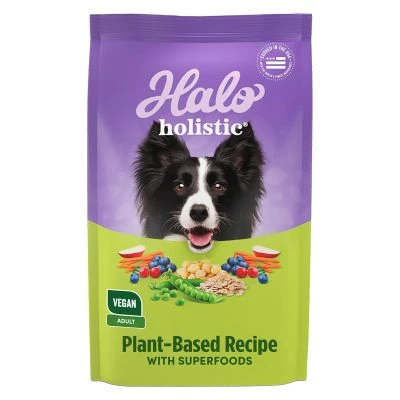
Verified customer testimonials consistently report positive health outcomes such as improved coat condition, reduced allergy symptoms, and enhanced energy levels in dogs transitioned to plant-based diets. Bramble’s fresh food, in particular, receives praise for palatability and digestive benefits.
Veterinary nutritionists play an integral role in product development, ensuring formulations meet the physiological needs of dogs at various life stages. Vivus Pets and PawCo collaborate with accredited veterinarians to validate ingredient selection and nutrient adequacy, lending scientific credibility.
Endorsements from animal welfare organizations and features in documentaries like Netflix’s “You Are What You Eat” elevate public awareness and trust. Transparent ingredient sourcing and third-party lab analyses reinforce brand authority, helping consumers make informed choices.
FAQ

Is plant-based dog food nutritionally complete for all dog breeds?
Yes, leading plant-based dog food brands in 2026 formulate their products to meet or exceed AAFCO nutritional standards, ensuring complete and balanced diets suitable for all breeds and life stages. These formulations incorporate essential amino acids, vitamins, and minerals, often supplemented with omega-3 fatty acids from algae.
Are plant-based dog foods safe for dogs with allergies?
Many plant-based dog foods are specifically designed to be hypoallergenic by excluding common allergens such as dairy, soy, and gluten. They often include novel protein sources like yeast or pea protein and contain probiotics to support digestive health, making them suitable for dogs with food sensitivities.
Where can I purchase plant-based dog food conveniently?
Consumers can buy plant-based dog food directly from brand websites offering subscription delivery services for convenience and cost savings. Additionally, many products are available through online marketplaces and specialty pet stores, with options for in-store trials and educational support.
What are the environmental benefits of feeding dogs a plant-based diet?
Plant-based dog food production requires significantly less water and land resources than meat-based diets, resulting in reduced greenhouse gas emissions and lower ecological footprint. Ethical sourcing also eliminates reliance on animal agriculture, promoting animal welfare and sustainability.
How do brands ensure the quality and safety of plant-based dog food ingredients?
Top brands source ingredients from USDA-inspected farms and adhere to stringent quality controls, including third-party laboratory testing for contaminants and nutrient validation. Compliance with AAFCO standards further ensures the safety and completeness of their products.
—
Looking forward, the plant-based dog food market is expected to continue its growth trajectory, driven by advancements in ingredient technology and rising consumer awareness of sustainability and pet health. Brands focusing on veterinary collaboration, ingredient transparency, and innovative subscription models will likely set the standard for ethical, convenient, and nutritionally optimized pet nutrition in the coming years.
Plant-Based Dog Food: Is It Worth It for Canine Health?
PawVerde.com – Plant-based dog food has gained significant traction among pet owners motivated by ethical concerns, environmental sustainability, and potential health benefits for their dogs. veterinary nutritionists increasingly recognize that when carefully formulated to meet established nutritional standards such as those from the Association of American Feed Control Officials (AAFCO) and the Pet Food Manufacturers Association (PFMA), plant-based diets can provide complete nutrition for adult dogs. Research from institutions like the University of Winchester and surveys by Knight & Satchell underscore that dogs on well-balanced vegan diets maintain normal clinical health markers, with protein digestibility rates exceeding 90% in quality formulations. This growing acceptance reflects a shift in veterinary and consumer perspectives, challenging the long-held assumption that meat-based diets are inherently superior for canine health.
The nutritional adequacy of plant-based dog food relies heavily on expert formulation by veterinary nutritionists to ensure essential amino acids, vitamins, and minerals are present in bioavailable forms. While dogs are omnivores capable of digesting a variety of plant proteins, achieving balanced amino acid profiles—especially for lysine, methionine, and taurine—is critical. AAFCO and PFMA set minimum nutrient requirements that commercial plant-based dog foods must meet to claim completeness. Supplementation of nutrients such as vitamin B12, iodine, and synthetic taurine is often necessary due to their limited availability in plant sources. Protein digestibility, a key factor in ensuring nutrient absorption, can surpass 90% in veterinary-formulated products, matching or exceeding that of some meat-based diets. This contrasts with unregulated home-cooked vegan diets that risk imbalances leading to deficiencies.
Scientific investigations provide robust evidence supporting the safety and efficacy of plant-based diets for dogs. The University of Winchester conducted a controlled feeding trial demonstrating that dogs maintained stable blood chemistry, normal cardiac function, and adequate vitamin concentrations over a six-month period on a plant-based diet formulated to AAFCO standards. Surveys such as the Knight & Satchell 2021 study found that dogs on vegan diets required fewer veterinary interventions and medications compared to those on conventional meat diets. Independent research by Dr. Rebecca Brociek highlights comparable or improved weight management and inflammatory markers in dogs consuming plant-based canine nutrition. These findings collectively indicate that, when properly formulated and supervised, plant-based dog food supports optimal health outcomes comparable to traditional diets.
Dogs transitioned to plant-based diets often exhibit tangible health benefits including improved digestion, enhanced skin and coat condition, increased energy levels, and reduction in food allergies. Anecdotal evidence from pet owners and clinical observations by veterinary professionals note fewer gastrointestinal disturbances and lower incidence of atopic dermatitis symptoms in dogs fed vegan dog food. The higher fiber content and antioxidant-rich ingredients in plant-based formulations contribute to gut health and immune modulation. Additionally, reduced exposure to common animal protein allergens leads to decreased inflammatory responses in susceptible dogs. Weight management is facilitated by lower fat content and controlled caloric density in many plant-based dog foods, mitigating obesity risks prevalent in canine populations.
Environmental and ethical considerations represent a significant impetus behind the rise of plant-based dog food. Meat production for pet diets contributes disproportionately to greenhouse gas emissions, deforestation, and water use. Studies estimate that plant-based pet foods reduce the carbon footprint of dog diets by up to 70% compared to meat-based options. The British Veterinary Association and Pet Food Manufacturers Association acknowledge these sustainability benefits while also emphasizing responsible pet nutrition. Aligning dog diets with owner values of animal welfare and environmental stewardship fosters a holistic approach to pet care that extends beyond individual health to planetary well-being.
Despite these advantages, potential risks and challenges remain when adopting plant-based diets for dogs. Nutritional deficiencies frequently arise in unbalanced homemade or raw vegan diets lacking veterinary oversight, risking taurine deficiency-related cardiac issues, vitamin B12 insufficiency, and iodine inadequacy affecting thyroid function. Veterinary nutritionists caution that switching diets should be conducted gradually with regular clinical monitoring, including blood panels and cardiac assessments. The risk of protein quality shortfalls underscores the importance of commercially formulated products adhering to established standards. Without veterinary guidance, owners may inadvertently compromise their dogs’ health despite good intentions.
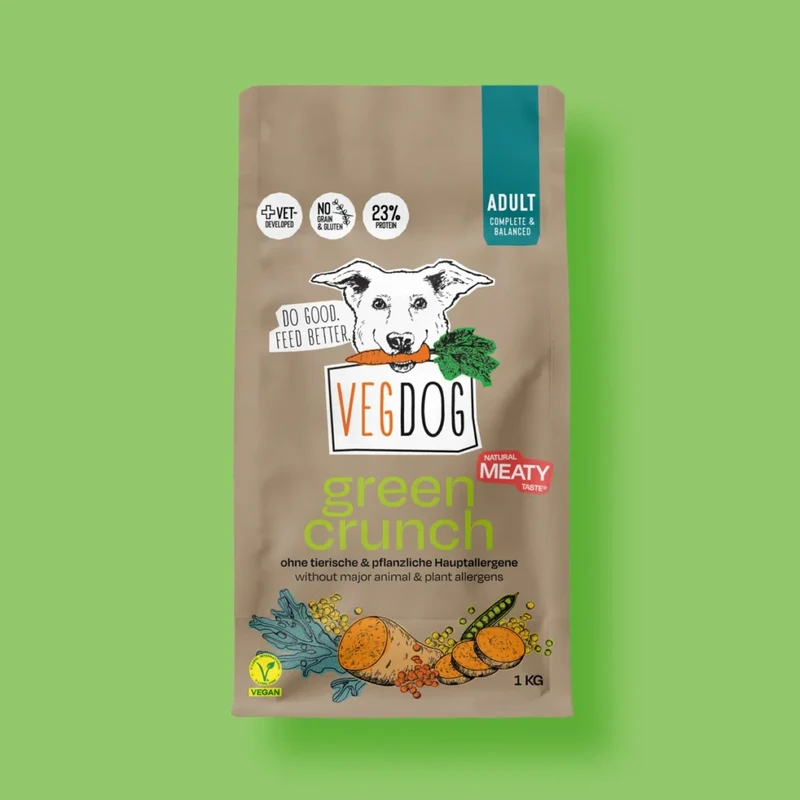
Commercially available plant-based dog food brands, such as Wild Earth and Vegdog, have obtained AAFCO certification, ensuring compliance with nutritional guidelines for adult maintenance. These products undergo rigorous testing for nutrient completeness, digestibility, and palatability. The Pet Food Manufacturers Association recommends consumers seek certified vegan or vegetarian options verified by reputable veterinary bodies to avoid substandard formulations. Quality assurance protocols guarantee that these brands include appropriate supplementation of critical nutrients, maintain consistent ingredient quality, and implement traceability throughout production. This contrasts with unregulated alternatives lacking standardization or scientific validation.
Nutritional Adequacy of Plant-Based Diets for Dogs
The ability of plant-based diets to meet all canine nutritional requirements depends primarily on expert formulation by veterinary nutritionists who balance macronutrients and micronutrients. Dogs require essential amino acids such as lysine, methionine, and arginine, which are less abundant or less bioavailable in plant proteins compared to meat. Plant-based dog foods compensate by combining multiple protein sources like peas, lentils, chickpeas, and quinoa to achieve a complete amino acid profile. AAFCO standards mandate minimum nutrient levels that commercial diets must meet or exceed for maintenance feeding.
protein digestibility is a crucial metric; high-quality plant protein blends in veterinary-formulated diets frequently exceed 90% digestibility, rivaling or surpassing some meat-based foods. Fiber content, typically higher in plant-based products, supports gastrointestinal motility and microbiome health but must be balanced to avoid impairing nutrient absorption. Supplementation with synthetic taurine, vitamin B12, and iodine addresses deficiencies inherent in plant-only ingredients. The PFMA also emphasizes strict quality control and ingredient sourcing to maintain nutritional adequacy, ensuring that dogs receive all necessary nutrients without compromise.
Scientific Research and Clinical Findings
Emerging scientific evidence validates the nutritional sufficiency and health effects of plant-based dog food. A landmark study from the University of Winchester monitored dogs fed a commercial plant-based diet formulated to AAFCO standards over six months. Parameters including blood chemistry, cardiac function via echocardiography, and serum vitamin levels remained within normal limits, indicating maintained health. The Knight & Satchell 2021 survey involving over 2,500 dogs found that those on vegan diets had fewer medical visits and lower medication usage than dogs on meat-based diets, suggesting comparable or superior health outcomes.
Rebecca Brociek’s independent research further supports these findings, reporting improvements in markers of inflammation and body condition scores in dogs transitioned to plant-based diets. These studies collectively demonstrate that properly formulated vegan dog food sustains clinical health markers, heart function, and overall wellbeing, dispelling myths about inherent inadequacy. Nonetheless, these results underscore the necessity of veterinary-formulated diets rather than unregulated homemade alternatives to ensure consistent nutrient delivery.
Health Benefits Observed in Dogs on Plant-Based Diets
Practical experience and survey data indicate several positive health outcomes in dogs consuming plant-based diets. Many owners report improved digestion characterized by more regular bowel movements and reduced flatulence, attributed to higher fiber and prebiotic content. Skin and coat conditions often improve, with reductions in itching and dermatitis linked to elimination of animal protein allergens. Enhanced energy levels and vitality are common, likely reflecting balanced nutrient intake and reduced inflammation.
Food allergies, which affect up to 10% of dogs, are often triggered by animal proteins such as beef, chicken, or dairy. Plant-based dog food minimizes exposure to these allergens, lowering inflammatory responses and improving quality of life. Additionally, the lower fat content in many vegan dog foods supports weight management, reducing risks of obesity-related health issues such as diabetes and joint disorders. These benefits contribute to a holistic approach to canine health beyond mere nutrient provision.
Environmental and Ethical Considerations
Environmental sustainability is a critical factor driving interest in plant-based dog diets. Meat production is a major contributor to climate change, accounting for approximately 14.5% of global greenhouse gas emissions. It also requires extensive land, water, and feed resources. In contrast, plant-based dog foods have a markedly smaller ecological footprint, reducing carbon emissions by up to 70% according to life cycle assessments conducted by independent researchers and endorsed by the British Veterinary Association.
Ethically, plant-based diets align with the values of pet owners concerned about animal welfare and factory farming practices. The Pet Food Manufacturers Association encourages the development of sustainable pet nutrition options to address consumer demand without compromising animal health. This shift reflects a broader trend towards environmental responsibility in pet care, with plant-based dog food representing a practical application of these principles.
Potential Risks and Challenges
Despite promising evidence, risks associated with plant-based diets arise primarily when formulations lack veterinary oversight or when owners attempt unbalanced homemade or raw vegan diets. Deficiencies in taurine, vitamin B12, iodine, and certain fatty acids can lead to cardiomyopathy, anemia, and hypothyroidism if not properly supplemented. The British Veterinary Association advises that diet transitions should be conducted gradually with veterinary supervision, including periodic blood tests and cardiac monitoring.
Protein quality is another concern; inadequate amino acid profiles may impair muscle maintenance and immune function. Veterinary nutritionists stress that only commercially formulated plant-based foods adhering to AAFCO and PFMA standards provide reliable nutrition. Unregulated diets increase risks of nutrient imbalances and associated health complications, emphasizing the importance of expert guidance.
Commercial Plant-Based Dog Food Products and Certifications
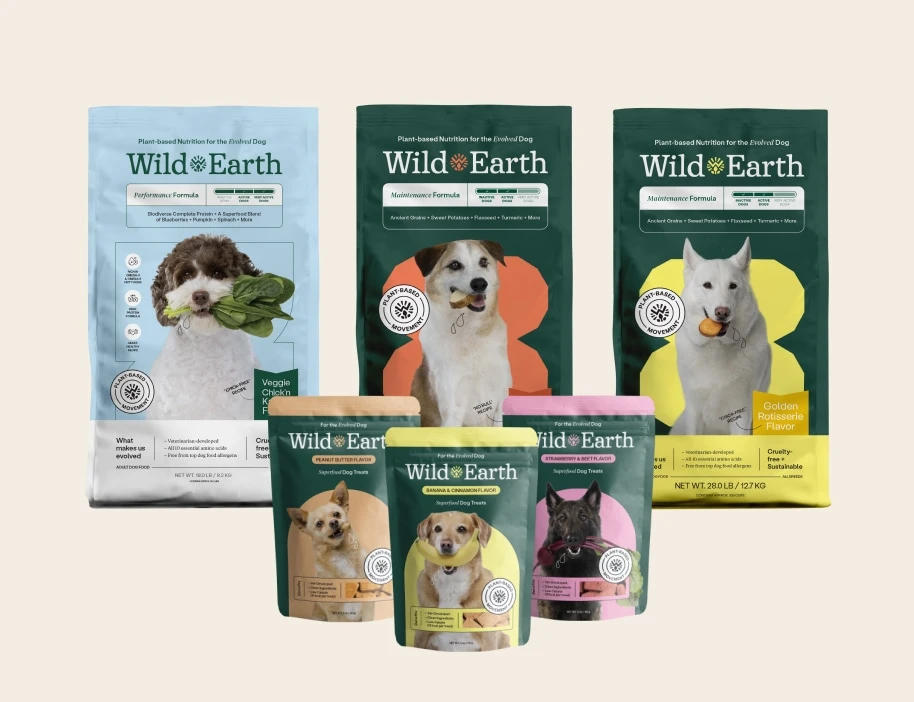
The market offers several AAFCO-approved plant-based dog food brands that meet nutritional completeness standards. Wild Earth, Vegdog, and HungryPaws are prominent examples featuring veterinary-formulated recipes with rigorous quality control. These brands employ ingredient blends designed to optimize protein digestibility and amino acid profiles while incorporating necessary supplementation.
Certifications from AAFCO and endorsement by organizations such as the Pet Food Manufacturers Association provide consumers with assurance of product safety and nutritional adequacy. Quality assurance includes ingredient traceability, batch testing, and compliance with manufacturing best practices. Choosing certified commercial products mitigates the risks associated with unverified homemade diets.
| Brand | AAFCO Certification | Key Ingredients | Supplementation | Notable Features |
|---|---|---|---|---|
| Wild Earth | Yes | Pea protein, yeast, potato starch | Taurine, B12, iodine | High protein digestibility, grain-free |
| Vegdog | Yes | Lentils, chickpeas, quinoa | Taurine, B12, DHA | Antioxidant-rich, balanced amino acids |
| HungryPaws | Yes | Pea protein, brown rice, sweet potato | Taurine, B12, iodine | Low fat, allergen-friendly |
Frequently Asked Questions
Is plant-based dog food nutritionally complete for all life stages?
Plant-based dog food formulated according to AAFCO adult maintenance standards can be nutritionally complete for adult dogs, but formulations for growth, reproduction, or senior life stages require specialized veterinary formulation to meet their distinct nutrient demands.
Can dogs thrive on a vegan diet without supplements?
No, supplementation of critical nutrients such as taurine, vitamin B12, and iodine is essential in vegan diets to prevent deficiencies, as these nutrients are scarce or absent in plant ingredients.
Are there health risks if I prepare homemade plant-based meals for my dog?
Homemade plant-based diets often lack balanced nutrient profiles and pose risks of deficiencies. Veterinary supervision and precise formulation are crucial to avoid health complications.
How does plant-based dog food compare environmentally to meat-based options?
Plant-based dog foods generally have a significantly lower carbon footprint, reducing greenhouse gas emissions by up to 70%, and require fewer natural resources, contributing to environmental sustainability.
Do veterinary associations support feeding dogs plant-based diets?
Organizations such as the British Veterinary Association recognize that plant-based diets can be safe and nutritionally adequate if properly formulated and monitored by veterinary professionals.
—
Increasing scientific evidence and veterinary expertise validate that plant-based dog food, when carefully formulated to meet AAFCO and PFMA standards, can provide complete, balanced nutrition for adult dogs. This dietary approach offers unique health benefits including improved digestion, reduced allergen exposure, and weight management, alongside substantial environmental advantages. Nonetheless, veterinary supervision remains essential to ensure nutrient adequacy and to mitigate risks associated with homemade or unbalanced diets. The trajectory of ongoing research and market innovation suggests that plant-based canine nutrition will continue to evolve, expanding options for health-conscious and environmentally aware pet owners.