

Eco-Friendly Pet Toys: How to Spot Real Sustainable Options
PawVerde.com – Eco-friendly pet toys are products made from renewable, biodegradable, or recycled materials like natural rubber, hemp, and organic cotton. By choosing these over conventional plastics, you reduce your pet’s ‘carbon pawprint’ and minimize landfill waste, as sustainable materials are designed to decompose more efficiently than traditional synthetics. Petopia’s recycled rubber toys boast a bite resistance of 70-75 N/MM, significantly outperforming the market average of 40-50 N/MM.
The Greenwashing Red Flag Guide: How to Spot Fake Eco-Claims
Greenwashing occurs when products labeled “eco-friendly” are actually mixed with plastics or toxic dyes, deceiving consumers into believing they are making a sustainable choice. This failure mode often results in pets interacting with hidden synthetics that do not meet true environmental standards. Identifying these claims requires looking past marketing jargon to find verifiable material compositions.
Vague Terminology vs. Certifications
Avoid products that rely on unverified descriptors. Instead, look for specific material disclosures. For example, a toy claiming to be “natural-ish” or “earth-friendly” without a specific breakdown of its organic or recycled content is a significant red flag. Industry analysts suggest that true sustainability is found in the technical specifications, not the adjectives.
The “Mixed Material” Trap
A common deception involves the use of mixed materials where a small percentage of organic fiber is combined with a high percentage of non-recyclable plastic. This creates a product that is technically impossible to compost or recycle efficiently. When reviewing a product, check for these specific indicators of low-quality “eco” goods:
- Claims of “biodegradability” without specifying the timeframe or required conditions (e.g., industrial vs. home composting).
- The presence of “recycled” labels on items that still contain high levels of non-recyclable chemical binders.
- Products that combine natural rubber with synthetic fillers that cannot be separated during the recycling process.
Durability vs. Sustainability: A Material Performance Matrix
When choosing eco-toys, match the material to your pet’s chewing style: Natural rubber (like KONG or Petopia) is best for aggressive chewers due to high bite resistance; Hemp and organic cotton are ideal for gentle tuggers; and Bamboo provides a natural, tooth-cleaning experience for moderate chewers.
Selecting the wrong material leads to rapid degradation, which increases both cost and waste. For example, thin compostable items may not last as long during heavy use compared to high-performance alternatives. This mismatch causes frequent replacements and defeats the purpose of a sustainable purchase.
| Material | Best For | Eco-Benefit | Durability Rating |
|---|---|---|---|
| Natural Rubber | Aggressive Chewers | Biodegradable | High |
| Hemp / Cotton | Gentle Tuggers | Renewable/Organic | Moderate |
| Bamboo | Moderate Chewers | Rapidly Renewable | Moderate |
| Zogoflex | Various Styles | Infinitely Recyclable | High |
Material choice must be dictated by the pet’s specific oral habits to ensure longevity. Using the wrong material often leads to the “brittle plastic cracking” failure mode, where repeated chewing causes the toy to splinter into small, potentially dangerous particles.
The Gnasher: High-Resistance Rubber
For dogs with high bite force, natural rubber remains the gold standard. Petopia produces recycled rubber toys with a bite resistance of 70-75 N/MM, which provides a significant advantage over the 40-50 N/MM average found in standard market toys. This high resistance ensures the toy does not disintegrate during intense play sessions. KONG is also recognized as an industry leader in natural rubber treat stuffer toys, offering a balance of durability and engagement.
The Tugger: Natural Fibers and Hemp
Hemp and organic cotton are excellent for interactive play like tug-of-war. Hemp is a particularly smart choice because it grows without pesticides and naturally repels insects. Organic cotton rope toys offer an additional benefit: the natural fibers can help floss a dog’s teeth and stimulate the gums while they chew. However, these materials are less suited for solitary chewers who may attempt to ingest the fibers.
The Squeaker: Soft Organic Plush
For pets that prefer soft textures, P.L.A.Y. Pet Lifestyle and You offers plush collections that utilize eco-friendly materials. These are ideal for gentle play, but owners should monitor for fraying. While organic cotton is great for pets with sensitive skin, these toys lack the structural integrity required for aggressive “shredders.”
Safety and Failure Modes: When Eco-Friendly Becomes a Hazard
Biological safety is critical when selecting natural products. Even sustainable materials can present risks if they fail structurally or are processed with unsafe chemicals. Owners must monitor how materials behave under the stress of repeated biting and pulling.
Specific failure modes can turn a sustainable toy into a health risk:
- Failure Modes: If organic cotton or hemp ropes fray excessively, pets may swallow the fibers, leading to digestive issues.
- Failure Modes: Some eco-materials can become brittle over time, leading to the shedding of small, sharp particles during chewing.
- Failure Modes: While stainless steel bowls avoid leaching chemicals, some “natural” toys may still contain trace amounts of unlisted additives used during the manufacturing of rubber or dyes.
Warning: Inspect toys for signs of wear, such as deep cracks in rubber or loose threads in fabric. Discard any toy showing signs of structural compromise to prevent choking or ingestion hazards.
The Disposal Roadmap: Composting vs. Recycling
Proper disposal depends on the material: Organic cotton and bamboo can often be home-composted; Zogoflex and Seaflex toys should be returned via manufacturer programs like West Paw‘s ‘Join the Loop’; and natural rubber is biodegradable but should not be tossed in standard plastic recycling bins.
Completing the sustainability loop requires following specific end-of-life protocols. For instance, West Paw’s “Join the Loop” program allows pet parents to mail back used Zogoflex or Seaflex toys to be recycled into brand-new products. Avoid throwing organic items into plastic recycling streams to prevent contamination.
- Disposal: Use this for 100% organic items like bamboo or untreated cotton, provided they are free of synthetic dyes.
- Disposal: West Paw offers the “Join the Loop” program, where pet parents can mail back used Zogoflex or Seaflex toys to be recycled into brand-new products.
- Disposal: Natural rubber is biodegradable, but it requires specific environmental conditions to break down. It should be disposed of in organic waste streams rather than standard plastic bins.
Total Cost of Ownership: Why Sustainable Toys Save Money
The initial purchase price of high-quality sustainable toys may be higher, but longevity often reduces the total cost of ownership. A single high-performance toy is more economical than a constant cycle of replacing cheap, disposable alternatives that fail within weeks.
Compare specific market options to see the value. A KONG Classic Natural Rubber Treat Stuffer is priced around $7.64, while a From the Field Tug-A-Hemp toy is approximately $5.84. While these may seem comparable to budget options, the durability of natural rubber or hemp often prevents the need for the frequent, repetitive purchases required by low-quality plastic toys. Investing in durability reduces the long-term financial burden on pet owners and prevents the accumulation of waste.
DIY Upcycling: Creating Sustainable Toys at Home
You can create functional, safe toys using items already present in your household. This practice prevents household items from entering the waste stream prematurely.
Try these DIY upcycling techniques:
- DIY: Take old, clean cotton t-shirts and braid them tightly to create a durable rope toy for tugging.
- DIY: Place a treat inside an old, clean sock and tie the end to create a simple scent-work toy.
- DIY: Use empty, non-toxic cardboard boxes to create treat-hiding puzzles for mental stimulation.
- DIY: Use fabric scraps to stuff a larger piece of cloth, creating a soft plush toy for gentle chewers.
FAQ
What is the difference between natural rubber and TPR?
Natural rubber is more eco-friendly and biodegradable, whereas Thermoplastic Rubber (TPR) is synthetic but offers a similar feel for moderate chewers. While TPR is easier to mass-produce, natural rubber provides superior environmental benefits and higher bite resistance for many pets.
Are eco-friendly toys actually more durable?
Not always; while some like Petopia’s recycled rubber have higher bite resistance (70-75 N/MM), thin compostable items may not last as long as heavy-duty synthetics. Durability depends entirely on whether the specific material is matched to the pet’s chewing strength.
How can I recycle my West Paw toys?
Use the ‘Join the Loop’ program by mailing back used Zogoflex or Seaflex toys to West Paw to be recycled into brand new ones. This closed-loop system ensures that the high-quality materials are reused rather than sent to a landfill.
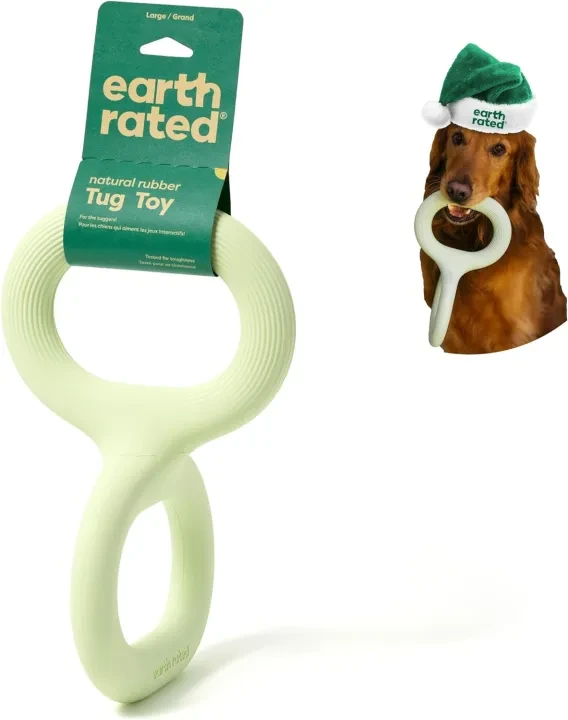
Top Sustainable Pet Toys Using Recycled Rubber & Organic Cotton
PawVerde.com – sustainable pet toys are increasingly gaining traction among environmentally conscious consumers seeking safe, durable, and eco-friendly options for their pets. Leading pet brands such as West Paw and Tug & Go have pioneered the use of recycled rubber, organic cotton, and biodegradable plastics in their product lines, integrating sustainability with pet safety and long-lasting performance. Certifications like Organic and Fair Trade support their environmental claims and provide transparency to consumers concerned about the ecological footprint of pet products. This article explores the landscape of sustainable pet toys, analyzing materials, brands, certifications, and design innovations that define this growing market.
Materials Used in Sustainable Pet Toys
Sustainable pet toys rely primarily on materials that minimize environmental impact while maintaining durability and pet safety. Recycled rubber is a cornerstone material widely used by brands such as West Paw. This material not only diverts waste from landfills but also offers high resilience against chewing, reducing the frequency of replacements and thus overall consumption. Natural rubber, derived from rubber trees, complements recycled rubber by providing a biodegradable alternative with elastic properties ideal for interactive toys.
Organic cotton is favored for soft toys due to its non-toxic nature and lower pesticide use compared to conventional cotton. When combined with hemp rope, another natural fiber known for its strength and resistance to mold, these materials form durable, eco-conscious options that avoid synthetic chemicals harmful to pets. These fibers are also biodegradable, further reducing disposal impact.
Biodegradable plastics, increasingly developed from plant-based sources like cornstarch or sugarcane, offer alternatives to traditional petroleum-based plastics. Brands like Beco Pets and Puurfect Play incorporate these bioplastics to create toys that break down under industrial composting conditions, reducing persistent plastic pollution. Bamboo fibers, appreciated for rapid renewability and natural antibacterial properties, also appear in pet toy textiles, enhancing sustainability.
Innovations in material sourcing include ocean plastic reclamation, where discarded marine plastics are collected and repurposed into pet products. Cycle Dog exemplifies this approach by transforming ocean-bound plastics into tough dog toys, simultaneously addressing marine pollution and pet product waste. Upcycled textiles, often post-consumer fabrics diverted from landfill, further broaden the material spectrum, supporting circular economy principles within pet care.
Leading Brands Committed to Sustainability
West Paw and Tug & Go stand out for their transparent sustainability initiatives and eco-friendly manufacturing processes. West Paw’s Zogoflex® material, made from non-toxic, recyclable, and durable recycled plastics, is designed to withstand aggressive chewing while being safe for pets. The company operates a zero-waste-to-landfill facility and offsets carbon emissions, emphasizing environmental stewardship alongside product quality.
Tug & Go focuses on natural materials like organic cotton and hemp, combining handcrafted quality with Fair Trade certification to support ethical labor practices. Their product lines emphasize biodegradability and minimal chemical use, appealing to pet owners prioritizing health and sustainability.
The Kind Pet, Beco Pets, Puurfect Play, and Honest Pet Products also contribute varied sustainable offerings. Beco Pets integrates bamboo fibers and recycled plastic bottles into their toys, while Puurfect Play employs organic cotton and natural rubber. Honest Pet Products markets biodegradable and compostable toys, raising consumer awareness about ecological impacts.
Brands such as TuTu’s Green World and Outward Hound extend sustainability beyond toys into pet accessories, incorporating recycled fabrics and sustainable manufacturing standards. Wild One and FunnyFuzzy emphasize design innovation with sustainable materials, blending aesthetics and eco-consciousness, while Cycle Dog combines rugged durability with ocean plastic reclamation.
Many of these brands publish detailed sustainability reports outlining carbon footprint reduction, waste diversion, and supply chain transparency, reinforcing their commitment to environmental responsibility and building consumer trust.
Certifications and Standards Validating Sustainability
Certifications play a pivotal role in assuring consumers of the authenticity and safety of sustainable pet toys. Organic certification, typically issued by entities like the Global Organic Textile Standard (GOTS), verifies that materials such as cotton and hemp are grown without synthetic pesticides or fertilizers, ensuring non-toxicity for pets and lower environmental impact.
Fair Trade certification focuses on ethical labor practices, guaranteeing that workers involved in material harvesting and manufacturing receive fair wages and safe working conditions. This certification aligns with consumers’ ethical concerns about social sustainability alongside environmental stewardship.
Biodegradability standards, often validated through ASTM or ISO testing, confirm that pet toys made from biodegradable plastics or natural fibers degrade within specified timeframes under industrial composting or natural conditions. These certifications help differentiate genuine eco-friendly products from greenwashed alternatives.
Recyclability certifications and third-party verifications of recycled content provide additional assurance regarding the circularity of materials used. Brands like West Paw emphasize the recyclability of their Zogoflex® toys and offer take-back programs to close the product lifecycle loop.
Benefits of Sustainable Pet Toys for Pets and the Planet
Sustainable pet toys contribute significantly to reducing environmental burdens in the pet care industry. By utilizing recycled rubber and upcycled plastics, these products divert waste from landfills and oceans, mitigating plastic pollution. Biodegradable fibers and plastics reduce the persistence of waste in ecosystems, promoting healthier habitats.
For pets, non-toxic materials such as organic cotton and natural rubber minimize exposure to harmful chemicals and synthetic dyes often found in conventional toys. This reduces risks of allergic reactions or ingestion of toxic substances, enhancing pet safety.
Durability is a critical benefit; materials like recycled rubber resist wear and tear better than many traditional plastics, extending product life and lowering replacement frequency. This durability also translates into economic savings for pet owners, balancing upfront costs with long-term value.
Additionally, sustainable pet toys often feature hypoallergenic properties, important for pets with sensitivities. The environmental ethos behind these products fosters consumer awareness about responsible pet ownership and encourages broader adoption of green pet care practices.
Innovative Approaches in Sustainable Pet Toy Design
Beyond materials, innovation in design shapes the sustainable pet toy market. Cycle Dog’s integration of reclaimed ocean plastics into tough, chew-resistant toys exemplifies creative material reuse addressing dual environmental challenges: marine debris and pet product waste.
Some brands incorporate modular design principles, enabling toy parts to be replaced or repaired instead of discarding the entire product. This extends usability and aligns with circular economy models.
Aesthetic appeal merges with eco-consciousness as brands like Wild One and FunnyFuzzy use natural dyes and minimal packaging to reduce environmental impact. Upcycled fabrics sourced from post-consumer textiles are creatively integrated into plush toys or interactive play items, enhancing uniqueness while preventing textile waste.
Manufacturers increasingly employ life cycle assessments (LCA) to optimize product design, minimizing carbon footprints through material selection, transport efficiency, and end-of-life considerations. Such data-driven innovation ensures that sustainability claims are substantiated by measurable environmental benefits.
DIY and At-Home Sustainable Pet Toy Alternatives
For pet owners seeking hands-on involvement, DIY sustainable pet toys offer practical, eco-friendly options using household materials. Repurposing old t-shirts or towels into braided tug toys utilizes natural fibers and diverts textiles from landfill. Cardboard boxes or paper tubes can be transformed into stimulating puzzle toys, encouraging mental engagement without plastic waste.
Safety considerations are paramount; materials should be non-toxic, free from sharp edges or small parts that pose choking hazards. Natural fibers and untreated fabrics are preferred, and any adhesive or dye used must be pet-safe.
Homemade toys afford customization to suit individual pet preferences and play styles while fostering sustainable consumption habits. Resources and tutorials from eco-conscious pet organizations provide guidance on best practices and creative designs.
How to Choose the Right Sustainable Pet Toy

Selecting sustainable pet toys requires balancing material safety, durability, certifications, and pet-specific needs. Consumers should prioritize toys made from certified organic or recycled materials, verified by recognized standards to ensure environmental and health claims.
Durability testing and brand transparency regarding manufacturing processes offer insight into product longevity and ethical sourcing. Matching toy types (chew toys, plush, interactive) to a pet’s size, breed, and play behavior prevents premature destruction and waste.
Evaluating environmental policies and sustainability reports of brands provides additional context about corporate responsibility. Consumers may also consider end-of-life options such as recyclability or take-back programs to maximize sustainability impact.
Ultimately, informed choices contribute to reducing the pet industry’s ecological footprint while maintaining pet well-being and owner satisfaction.
FAQ

What materials are safest and most sustainable for pet toys?
Recycled rubber, organic cotton, natural rubber, hemp rope, biodegradable plastics, and bamboo are among the safest and most sustainable materials. These materials avoid toxic chemicals, are durable, and reduce environmental impact through biodegradability or recyclability.
Which brands are recognized for producing eco-friendly pet toys?
West Paw, Tug & Go, The Kind Pet, Beco Pets, Puurfect Play, and Cycle Dog are notable for their commitment to sustainability, employing recycled and natural materials, ethical manufacturing, and transparency through certifications and sustainability reporting.
How do certifications like Organic and Fair Trade benefit pet toy buyers?
These certifications verify that materials are sourced without harmful chemicals and that labor practices meet ethical standards. They assure consumers of product safety for pets and support environmental and social responsibility throughout the supply chain.
Are biodegradable pet toys safe for aggressive chewers?
Biodegradable toys made from natural rubber or certain bioplastics can be durable but may not withstand extreme chewing as well as recycled rubber toys. Pet owners should assess their pet’s chewing behavior and select appropriate toys to ensure safety and longevity.
Can I make my own sustainable pet toys at home?
Yes, using household materials like old cotton t-shirts, towels, and cardboard, owners can craft safe, engaging toys. It is important to avoid toxic substances, sharp edges, and small parts that could pose hazards. DIY toys promote sustainability and customization.
Sustainable pet toys represent a vital shift in the pet care industry toward reducing environmental impacts and enhancing pet health. By understanding materials, brand commitments, and certifications, consumers can make informed decisions that align with eco-conscious values. The future of pet toys will likely see further innovation in closed-loop manufacturing, upcycled materials, and digital tools to educate consumers, consolidating sustainability as a core criterion in pet product selection.