

Eco-Friendly Pet Toys: How to Spot Real Sustainable Options
PawVerde.com – Eco-friendly pet toys are products made from renewable, biodegradable, or recycled materials like natural rubber, hemp, and organic cotton. By choosing these over conventional plastics, you reduce your pet’s ‘carbon pawprint’ and minimize landfill waste, as sustainable materials are designed to decompose more efficiently than traditional synthetics. Petopia’s recycled rubber toys boast a bite resistance of 70-75 N/MM, significantly outperforming the market average of 40-50 N/MM.
The Greenwashing Red Flag Guide: How to Spot Fake Eco-Claims
Greenwashing occurs when products labeled “eco-friendly” are actually mixed with plastics or toxic dyes, deceiving consumers into believing they are making a sustainable choice. This failure mode often results in pets interacting with hidden synthetics that do not meet true environmental standards. Identifying these claims requires looking past marketing jargon to find verifiable material compositions.
Vague Terminology vs. Certifications
Avoid products that rely on unverified descriptors. Instead, look for specific material disclosures. For example, a toy claiming to be “natural-ish” or “earth-friendly” without a specific breakdown of its organic or recycled content is a significant red flag. Industry analysts suggest that true sustainability is found in the technical specifications, not the adjectives.
The “Mixed Material” Trap
A common deception involves the use of mixed materials where a small percentage of organic fiber is combined with a high percentage of non-recyclable plastic. This creates a product that is technically impossible to compost or recycle efficiently. When reviewing a product, check for these specific indicators of low-quality “eco” goods:
- Claims of “biodegradability” without specifying the timeframe or required conditions (e.g., industrial vs. home composting).
- The presence of “recycled” labels on items that still contain high levels of non-recyclable chemical binders.
- Products that combine natural rubber with synthetic fillers that cannot be separated during the recycling process.
Durability vs. Sustainability: A Material Performance Matrix
When choosing eco-toys, match the material to your pet’s chewing style: Natural rubber (like KONG or Petopia) is best for aggressive chewers due to high bite resistance; Hemp and organic cotton are ideal for gentle tuggers; and Bamboo provides a natural, tooth-cleaning experience for moderate chewers.
Selecting the wrong material leads to rapid degradation, which increases both cost and waste. For example, thin compostable items may not last as long during heavy use compared to high-performance alternatives. This mismatch causes frequent replacements and defeats the purpose of a sustainable purchase.
| Material | Best For | Eco-Benefit | Durability Rating |
|---|---|---|---|
| Natural Rubber | Aggressive Chewers | Biodegradable | High |
| Hemp / Cotton | Gentle Tuggers | Renewable/Organic | Moderate |
| Bamboo | Moderate Chewers | Rapidly Renewable | Moderate |
| Zogoflex | Various Styles | Infinitely Recyclable | High |
Material choice must be dictated by the pet’s specific oral habits to ensure longevity. Using the wrong material often leads to the “brittle plastic cracking” failure mode, where repeated chewing causes the toy to splinter into small, potentially dangerous particles.
The Gnasher: High-Resistance Rubber
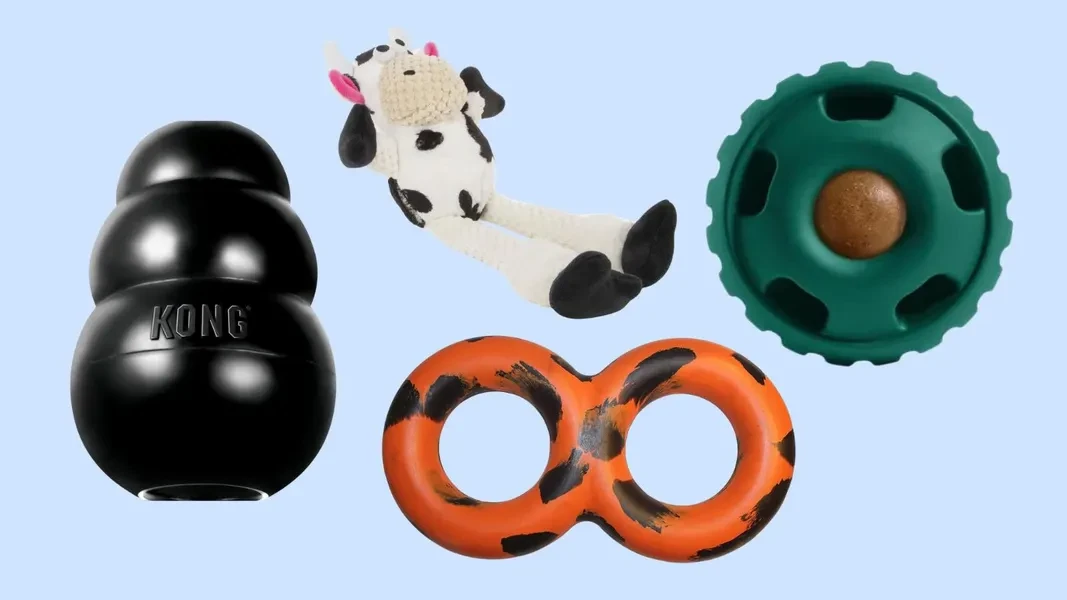
For dogs with high bite force, natural rubber remains the gold standard. Petopia produces recycled rubber toys with a bite resistance of 70-75 N/MM, which provides a significant advantage over the 40-50 N/MM average found in standard market toys. This high resistance ensures the toy does not disintegrate during intense play sessions. KONG is also recognized as an industry leader in natural rubber treat stuffer toys, offering a balance of durability and engagement.
The Tugger: Natural Fibers and Hemp
Hemp and organic cotton are excellent for interactive play like tug-of-war. Hemp is a particularly smart choice because it grows without pesticides and naturally repels insects. Organic cotton rope toys offer an additional benefit: the natural fibers can help floss a dog’s teeth and stimulate the gums while they chew. However, these materials are less suited for solitary chewers who may attempt to ingest the fibers.
The Squeaker: Soft Organic Plush
For pets that prefer soft textures, P.L.A.Y. Pet Lifestyle and You offers plush collections that utilize eco-friendly materials. These are ideal for gentle play, but owners should monitor for fraying. While organic cotton is great for pets with sensitive skin, these toys lack the structural integrity required for aggressive “shredders.”
Safety and Failure Modes: When Eco-Friendly Becomes a Hazard
Biological safety is critical when selecting natural products. Even sustainable materials can present risks if they fail structurally or are processed with unsafe chemicals. Owners must monitor how materials behave under the stress of repeated biting and pulling.
Specific failure modes can turn a sustainable toy into a health risk:
- Failure Modes: If organic cotton or hemp ropes fray excessively, pets may swallow the fibers, leading to digestive issues.
- Failure Modes: Some eco-materials can become brittle over time, leading to the shedding of small, sharp particles during chewing.
- Failure Modes: While stainless steel bowls avoid leaching chemicals, some “natural” toys may still contain trace amounts of unlisted additives used during the manufacturing of rubber or dyes.
Warning: Inspect toys for signs of wear, such as deep cracks in rubber or loose threads in fabric. Discard any toy showing signs of structural compromise to prevent choking or ingestion hazards.
The Disposal Roadmap: Composting vs. Recycling
Proper disposal depends on the material: Organic cotton and bamboo can often be home-composted; Zogoflex and Seaflex toys should be returned via manufacturer programs like West Paw‘s ‘Join the Loop’; and natural rubber is biodegradable but should not be tossed in standard plastic recycling bins.
Completing the sustainability loop requires following specific end-of-life protocols. For instance, West Paw’s “Join the Loop” program allows pet parents to mail back used Zogoflex or Seaflex toys to be recycled into brand-new products. Avoid throwing organic items into plastic recycling streams to prevent contamination.
- Disposal: Use this for 100% organic items like bamboo or untreated cotton, provided they are free of synthetic dyes.
- Disposal: West Paw offers the “Join the Loop” program, where pet parents can mail back used Zogoflex or Seaflex toys to be recycled into brand-new products.
- Disposal: Natural rubber is biodegradable, but it requires specific environmental conditions to break down. It should be disposed of in organic waste streams rather than standard plastic bins.
Total Cost of Ownership: Why Sustainable Toys Save Money
The initial purchase price of high-quality sustainable toys may be higher, but longevity often reduces the total cost of ownership. A single high-performance toy is more economical than a constant cycle of replacing cheap, disposable alternatives that fail within weeks.
Compare specific market options to see the value. A KONG Classic Natural Rubber Treat Stuffer is priced around $7.64, while a From the Field Tug-A-Hemp toy is approximately $5.84. While these may seem comparable to budget options, the durability of natural rubber or hemp often prevents the need for the frequent, repetitive purchases required by low-quality plastic toys. Investing in durability reduces the long-term financial burden on pet owners and prevents the accumulation of waste.
DIY Upcycling: Creating Sustainable Toys at Home
You can create functional, safe toys using items already present in your household. This practice prevents household items from entering the waste stream prematurely.
Try these DIY upcycling techniques:
- DIY: Take old, clean cotton t-shirts and braid them tightly to create a durable rope toy for tugging.
- DIY: Place a treat inside an old, clean sock and tie the end to create a simple scent-work toy.
- DIY: Use empty, non-toxic cardboard boxes to create treat-hiding puzzles for mental stimulation.
- DIY: Use fabric scraps to stuff a larger piece of cloth, creating a soft plush toy for gentle chewers.
FAQ
What is the difference between natural rubber and TPR?
Natural rubber is more eco-friendly and biodegradable, whereas Thermoplastic Rubber (TPR) is synthetic but offers a similar feel for moderate chewers. While TPR is easier to mass-produce, natural rubber provides superior environmental benefits and higher bite resistance for many pets.
Are eco-friendly toys actually more durable?
Not always; while some like Petopia’s recycled rubber have higher bite resistance (70-75 N/MM), thin compostable items may not last as long as heavy-duty synthetics. Durability depends entirely on whether the specific material is matched to the pet’s chewing strength.
How can I recycle my West Paw toys?
Use the ‘Join the Loop’ program by mailing back used Zogoflex or Seaflex toys to West Paw to be recycled into brand new ones. This closed-loop system ensures that the high-quality materials are reused rather than sent to a landfill.
Eco-Friendly Dog Toys in 2026: Safe, Sustainable, Durable Options
PawVerde.com – Eco-friendly dog toys in 2026 embody a strategic fusion of sustainability, safety, and durability, reflecting shifting consumer priorities towards environmentally responsible pet care. Leading brands such as West Paw, Pet Life, and Green Toys have innovated with materials like organic plush fabrics, natural rubber, and recycled plastics, offering durable and non-toxic options that fulfill both ecological commitments and pet safety standards. These products are increasingly accessible through specialized online marketplaces, providing consumers with transparent information on certifications and material origins to support informed purchasing decisions.
Consumers seeking eco-conscious dog toys today can expect a range of products made from BPA-free, phthalate-free materials such as West Paw’s Zogoflex and Green Toys’ 100% recycled milk container plastics. Plush toys incorporating natural fibers like jute and wool are gaining traction as biodegradable alternatives to synthetic options. These eco-friendly dog toys not only reduce plastic waste but also promote dogs’ physical and mental well-being by offering safe, lasting play experiences. Expert evaluations and long-term user feedback further establish the reliability of these sustainable pet products.
Key Materials Driving Sustainability in Dog Toys
The foundation of eco-friendly dog toys rests on materials that minimize environmental impact without compromising safety or durability. Organic plush fabrics, often sourced from natural fibers such as jute and wool, provide biodegradable alternatives to traditional synthetic plush toys. Brands like Pet Life have successfully integrated natural jute fibers into their plush collections, appealing to consumers prioritizing organic content.
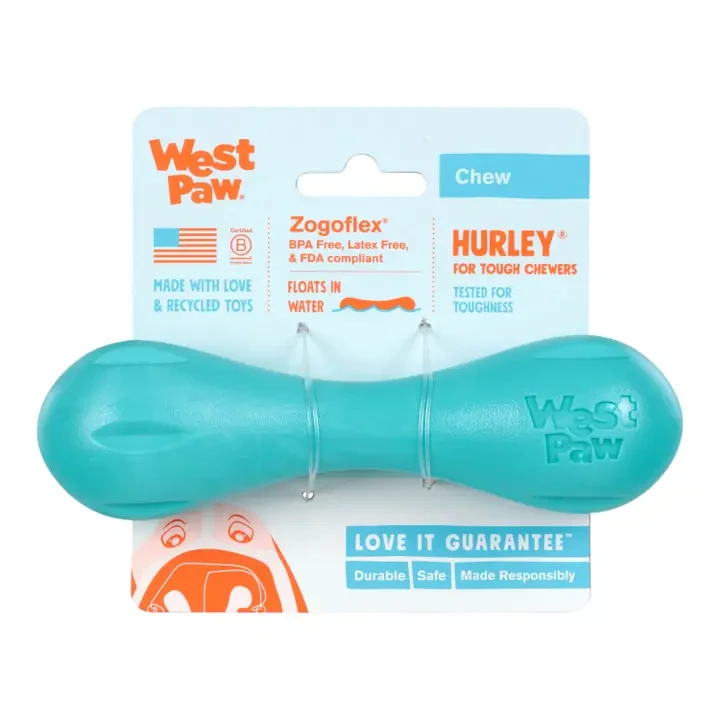
Natural rubber and recycled rubber serve as critical materials in durable chew toys, addressing concerns over synthetic chemical exposure while ensuring resilience against aggressive chewing. West Paw’s Hurley Dog Bone exemplifies this innovation, utilizing Zogoflex, a proprietary, BPA- and phthalate-free non-toxic material renowned for its durability and safety. This material’s recyclability further extends the product’s life cycle, aligning with circular economy principles.
Recycled plastics, particularly those deriving from post-consumer waste such as milk containers, have transformed traditional plastic dog toys. Green Toys’ EcoSaucer frisbee is a prominent example, manufactured entirely from recycled plastic milk jugs. This approach diverts significant plastic waste from landfills and oceans, contributing to pollution reduction. Certification standards for these materials increasingly emphasize chemical safety, requiring BPA-free and phthalate-free assurances to prevent harmful exposure to pets.
Leading Brands and Their Sustainable Toy Collections
West Paw leads the market with its focus on Zogoflex technology that combines durability and non-toxicity, making the Hurley Dog Bone a benchmark for long-lasting chew toys. This product has undergone extensive testing, demonstrating resistance to punctures and tears, which reduces the frequency of replacement and waste generation. West Paw also provides a recycling program for worn-out toys, reinforcing its commitment to sustainability.
Pet Life emphasizes the use of organic and natural fibers in its plush toy lines, integrating jute to produce soft yet eco-conscious options. These toys appeal to pet owners seeking natural alternatives without sacrificing comfort or engagement.
Diverse collections from P.L.A.Y., Multipet, and Green Toys expand the eco-friendly toy landscape with offerings ranging from biodegradable plush to recycled plastic frisbees and rubber chew toys. P.L.A.Y.’s Recycled Collection utilizes recycled fabrics and stuffing, while Multipet delivers natural rubber bones and jute-based playthings. Smaller niche brands such as Pata Pal and Cycle Dog Toys focus on recycled ocean-bound plastics and natural fibers, combining environmental advocacy with innovative product design. BetterBone targets durable, natural chew toys made from sustainably sourced materials, catering to dogs with high chewing demands.
Environmental and Health Benefits of Eco-Friendly Dog Toys
Eco-friendly dog toys contribute significantly to reducing plastic waste and environmental pollution. By utilizing recycled plastics, organic fibers, and natural rubber, these products lessen the demand for virgin synthetic materials, mitigating resource depletion and greenhouse gas emissions associated with plastic production. The incorporation of biodegradable components further ensures reduced landfill persistence, addressing one of the pet industry’s environmental challenges.
Health-wise, non-toxic materials prevent the leaching of harmful chemicals such as BPA, phthalates, and heavy metals. This is crucial given that dogs often chew and ingest small fragments of toys. Brands adhering to strict safety certifications provide peace of mind to pet owners concerned about chemical exposure. Additionally, durable construction reduces the risk of choking hazards from broken toy pieces, enhancing overall pet safety.
Beyond environmental and health advantages, eco-friendly dog toys support dogs’ mental and physical stimulation. Durable chew toys and interactive plush toys promote healthy chewing behavior and alleviate boredom, which can reduce destructive tendencies. These benefits align with expert recommendations from animal behaviorists like Patricia McConnell, who advocates for safe, varied play options that respect both animal welfare and environmental consciousness.
Where and How to Purchase Eco-Friendly Dog Toys Online in 2026
The availability of eco-friendly dog toys online has expanded significantly, with multiple specialized retailers and marketplaces offering curated selections. Leading online platforms include brand-specific websites such as West Paw and Green Toys, alongside eco-conscious pet product retailers that aggregate sustainable options from various makers.
Price ranges for eco-friendly dog toys vary from approximately $10 for smaller organic plush toys to $40 or more for durable rubber chew toys or frisbees made from recycled plastics. Consumers benefit from bundles and eco-friendly toy sets that provide a mix of materials and play styles, often at discounted rates, promoting sustainable purchasing patterns.
When shopping online, consumers should scrutinize product descriptions for material certifications, such as BPA-free, phthalate-free, and recycled content percentages. Customer reviews often provide insights into real-world durability and safety, helping buyers assess suitability for specific dog breeds and chewing behaviors. Transparency regarding manufacturing processes and environmental commitments further guides informed decisions.
Consumer Experiences and Expert Insights on Sustainable Dog Toys
Long-term user feedback consistently highlights the durability of West Paw’s Hurley Dog Bone, with many pet owners reporting sustained use exceeding several months even under heavy chewing conditions. This durability reduces the environmental burden associated with disposable or short-lived toys.
Patricia McConnell, a recognized expert in animal behavior, endorses selecting toys that align with dogs’ natural instincts while prioritizing safety and environmental responsibility. She recommends varied toy types—plush, chew, and interactive—to meet diverse needs, emphasizing that non-toxic, sustainably sourced products support both animal health and ecological stewardship.
Testimonials from pet owners emphasize the satisfaction derived from contributing to environmental conservation through their purchasing choices. Many report improved pet engagement and reduced waste generation, reinforcing the practical advantages of eco-friendly dog toys.
Emerging Trends and Future Directions in Eco-Friendly Pet Toys
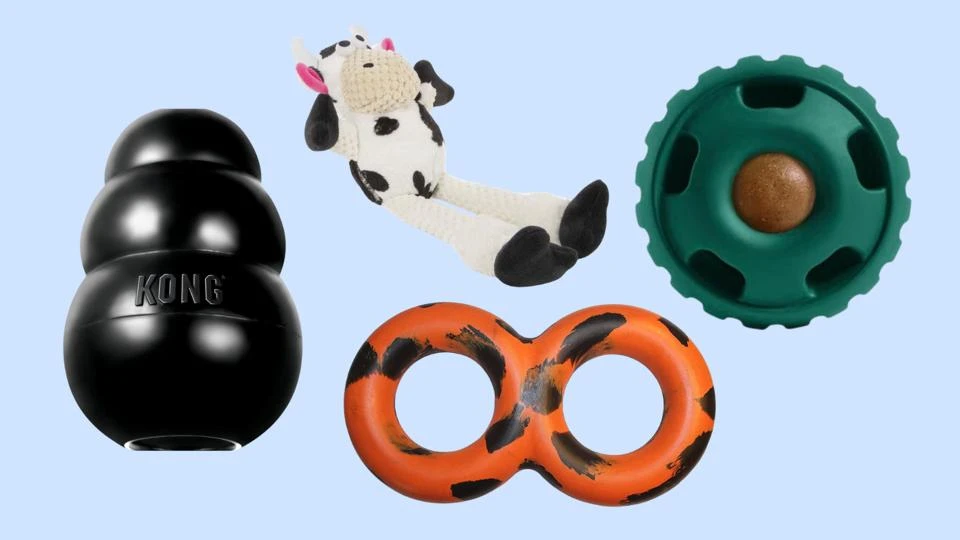
Innovation in biodegradable and recyclable materials continues to accelerate, with research focused on plant-based polymers and enhanced natural fiber composites that offer superior durability and environmental profiles. Brands are increasingly integrating sustainability across broader product lines beyond toys, including collars, bedding, and feeding accessories.
Consumer awareness and environmental advocacy are expected to drive stricter regulatory standards for chemical safety and sustainability claims, promoting transparency and accountability within the pet product industry. Emerging technologies such as blockchain for supply chain transparency may further empower consumers to verify eco-friendly credentials.
The rising demand for eco-conscious pet toys is also fostering collaborations between manufacturers and environmental organizations, facilitating initiatives like ocean plastic recovery programs and circular product life cycles. These efforts signal a future where sustainable pet products become the norm rather than the exception.
| Brand | Material Focus | Notable Products | Sustainability Features | Price Range (USD) |
|---|---|---|---|---|
| West Paw | Zogoflex recycled rubber | Hurley Dog Bone | BPA- and phthalate-free, recyclable, durable | $20 – $40 |
| Pet Life | Natural jute plush | Jute Plush Toys | Organic fibers, biodegradable | $10 – $25 |
| Green Toys | Recycled milk container plastic | EcoSaucer Frisbee | 100% recycled plastic, non-toxic | $15 – $30 |
| P.L.A.Y. | Recycled fabrics and stuffing | Recycled Collection Plush | Recycled materials, eco-friendly packaging | $20 – $35 |
| Multipet | Natural rubber, jute fibers | Natural Rubber Bones | Biodegradable components, durable | $15 – $30 |
| Pata Pal | Recycled ocean-bound plastic | Eco-Friendly Chew Toys | Ocean plastic recovery, non-toxic | $20 – $40 |
Frequently Asked Questions
What materials are safest for eco-friendly dog toys?
Eco-friendly dog toys made from BPA-free, phthalate-free natural rubber, organic plush fabrics like jute and wool, and recycled plastics certified safe for pets are considered safest. These materials avoid toxic chemicals and reduce environmental impact.
Are recycled plastic dog toys durable enough for heavy chewers?
Yes, brands like West Paw use durable recycled rubber materials such as Zogoflex designed to withstand heavy chewing. Recycled plastic toys from reputable brands also undergo testing to ensure resilience and safety.
Where can I buy trusted eco-friendly dog toys online?
Trusted eco-friendly dog toys can be purchased directly from brand websites such as West Paw and Green Toys, as well as through specialized eco-conscious pet retailers and marketplaces that verify sustainability claims and customer reviews.
How do eco-friendly dog toys benefit my pet’s health?
They reduce exposure to harmful chemicals commonly found in synthetic toys, lowering risks of toxicity and allergic reactions. Durable, non-toxic toys also prevent choking hazards and support healthy chewing habits.
What should I look for when choosing sustainable dog toys?
Look for clear material disclosures, certifications indicating non-toxicity (BPA-free, phthalate-free), durability claims, customer feedback on longevity, and brand commitments to recycling or biodegradable product design.
As consumer demand for sustainability in pet care grows, eco-friendly dog toys in 2026 represent a convergence of environmental responsibility, pet safety, and product innovation. The expanding availability of durable, non-toxic options from trusted brands empowers pet owners to make purchasing decisions that benefit both their dogs and the planet. Future developments in biodegradable materials and supply chain transparency promise to enhance these benefits, signaling a robust market evolution centered on sustainable pet wellness.
Pros and Cons of Homemade Pet Toys Explained by Experts
PawVerde.com – Homemade pet toys and store-bought options each present distinct advantages and challenges for pet owners seeking to enrich the lives of their animals in 2026. With growing awareness around pet mental health, safety standards, and environmental sustainability, choosing the right type of pet toy involves balancing cost, durability, safety, and enrichment value tailored to species-specific needs. This analysis explores the comparative benefits and drawbacks of homemade versus commercial pet toys, supported by expert guidance from veterinarians, behavioral specialists, and industry leaders, providing a comprehensive framework for informed decisions.
Pet toys play a critical role in maintaining physical activity and preventing behavioral issues stemming from boredom across species such as dogs, cats, rabbits, guinea pigs, and other small pets. The rising focus on enrichment and sustainability underscores the importance of safe, durable, and eco-conscious materials in toy construction. This article examines how these factors influence pet owners’ choices between DIY and store-bought products, highlighting practical safety considerations and future trends shaping the pet toy market.
Advantages of Homemade Pet Toys
homemade pet toys offer significant cost savings compared to purchasing commercial products. Many pet owners utilize readily available household materials—such as fabric scraps, untreated wood, or recycled paper—to craft toys that cater to their pet’s individual preferences and play styles. This customization extends to size, texture, and complexity, allowing owners to create enrichment tools perfectly suited for species-specific behaviors, from gentle nibbling by rabbits to vigorous chewing in dogs.
Natural, biodegradable materials like organic cotton, hemp twine, or untreated rubber are often favored in DIY creations, reducing environmental impact and exposure to synthetic toxins. Some pet owners incorporate pet fur into toys to stimulate scent recognition and comfort, enhancing mental engagement. Additionally, crafting toys encourages owner-pet bonding through shared activity and observation of play reactions, fostering deeper understanding of pet needs.
Research from exotic veterinarians emphasizes that carefully selected natural materials can reduce risks associated with plastic or chemically treated products. For example, hemp and organic cotton are preferred for their durability and low allergenic potential in small pets. Moreover, homemade toys can be rapidly replaced or modified in response to wear or changing pet behavior, offering adaptability that store-bought toys may lack.
Drawbacks of Homemade Pet Toys
Despite these benefits, homemade toys carry inherent safety risks primarily due to the lack of standardized testing or certification. Improper sizing can lead to choking hazards, especially for smaller pets like guinea pigs or cats. Use of toxic household materials—such as treated fabrics, synthetic dyes, or glues—may introduce harmful chemicals. Owners often underestimate the importance of non-toxic finishes and secure construction, increasing the risk of ingestion of harmful fragments.
Durability is another concern; homemade toys generally lack the robust materials and manufacturing processes applied by pet toy manufacturers who adhere to safety regulations and conduct extensive durability testing. This can result in rapid deterioration, creating sharp edges or small parts that pose injury risks. Behavioral specialists stress the necessity of vigilant supervision when introducing DIY toys, particularly for aggressive chewers or pets prone to destructive behavior.
The absence of eco-certifications such as B Corp, GOTS (Global Organic Textile Standard), or Ecocert on homemade products means owners must independently verify the environmental safety of materials, a step often overlooked. Additionally, some pet owners may lack expertise in identifying suitable materials, inadvertently compromising pet health.
Benefits of Store-Bought Pet Toys
Commercial pet toys typically comply with rigorous safety standards established by regulatory bodies and industry groups, ensuring materials are non-toxic and construction minimizes choking hazards. Manufacturers often utilize certified natural materials or advanced plastics tested for durability and safety, appealing to owners prioritizing longevity and risk mitigation.
The variety of store-bought toys includes interactive options designed to stimulate mental health and prevent boredom, such as puzzle feeders, treat-dispensing toys, and species-specific designs tailored to the play habits of dogs, cats, rabbits, and exotic pets. This range facilitates targeted enrichment, which behavioral specialists recognize as critical for preventing stress-related behaviors.
Recent innovations in sustainable manufacturing have led to increased availability of eco-friendly pet toys made from natural rubber, hemp, or recycled textiles, reducing reliance on plastics and lowering environmental footprints. Some manufacturers hold certifications like B Corp or Ecocert, providing transparency and reassurance to environmentally conscious consumers.
Convenience is a major advantage: store-bought toys require no assembly and are readily replaceable. This suits busy pet owners who may lack the time or skills to create safe DIY toys. Additionally, premium brands often provide guidelines for safe usage and maintenance, further supporting pet safety.
Limitations of Store-Bought Pet Toys
The higher cost of commercial pet toys can be a barrier for budget-conscious owners, particularly when purchasing specialized or interactive products. Overconsumption driven by marketing may lead to excessive toy acquisition, which can overwhelm pets and owners alike, reducing toy rotation effectiveness.
Synthetic materials remain prevalent in some mass-produced toys, raising concerns about chemical exposure and environmental impact. While sustainable options are growing, they may be limited in availability or higher priced. Moreover, standard designs may not perfectly align with an individual pet’s specific preferences or behavioral needs, potentially diminishing engagement.
Some pet behavioral specialists caution that store-bought toys lacking customization may fail to address unique mental stimulation requirements, particularly in exotic or small pets with specialized play behaviors. Furthermore, durability claims can vary, and cheaper toys may degrade quickly, necessitating frequent replacement.
Safety Considerations for Homemade and Store-Bought Toys
Regardless of origin, pet toys must meet critical safety criteria to protect animal health. Avoiding materials with synthetic dyes, sharp edges, or small detachable parts is essential to prevent choking and ingestion hazards. Different species require appropriately sized and constructed toys; for instance, small pets like guinea pigs need toys without loose threads or small components, while dogs require chew-resistant materials.
Regular inspection of toys is crucial to identify wear or damage that could cause injury. Cleaning practices vary depending on material but maintaining hygiene prevents bacterial growth and infection risks. Veterinary experts recommend supervision during initial introduction of any new or DIY toy, closely monitoring for signs of stress or unsafe chewing habits.
Consulting exotic veterinarians or pet behavioral specialists can provide tailored advice on suitable toys, especially for less common pets with unique needs. In cases of ingestion or injury suspected from toys, prompt veterinary evaluation is imperative.
Integrating Homemade and Store-Bought Toys for Optimal Enrichment
A hybrid approach combining homemade and commercial toys can maximize benefits while mitigating drawbacks. Rotating between DIY and store-bought options maintains novelty and mental stimulation, reducing boredom and destructive behavior. Using homemade toys for daily casual play and store-bought toys for long-term enrichment or interactive sessions balances cost and safety.
Selecting eco-friendly materials for both types supports sustainability goals increasingly valued by pet owners in 2026. Tailoring toy choices to pet age, health status, and behavioral tendencies enhances engagement and reduces risk. For example, older pets may prefer softer, easier-to-handle toys, while younger pets benefit from stimulating, durable options.
Incorporating owner observation and feedback into toy selection refines choices over time, fostering a dynamic play environment responsive to evolving pet needs.
Emerging Trends in Pet Toys for 2026 and Beyond
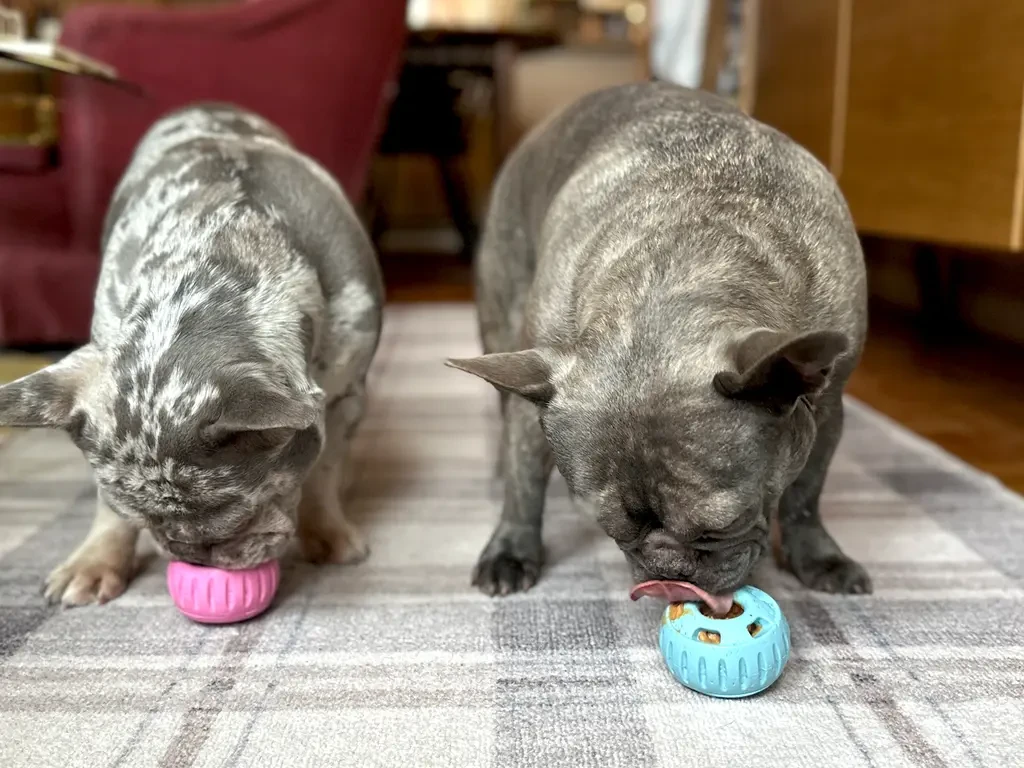
The pet toy industry is witnessing rapid innovation driven by advancements in materials science, animal behavior research, and sustainability imperatives. Mental health enrichment products integrating cognitive challenges and interactive technology are gaining traction, with smart toys capable of adapting to pet responses becoming more accessible.
Growth in sustainable and biodegradable materials, such as natural rubber blends and plant-based textiles, is reshaping production practices, reducing plastic pollution. Pet toy manufacturers increasingly pursue eco-certifications to meet consumer demand for transparency and environmental responsibility.
A burgeoning community of DIY enthusiasts and online marketplaces offers extensive resources for safe homemade pet toy creation, fostering knowledge sharing and innovation. Collaboration between veterinarians, behavioral specialists, and manufacturers is driving development of species-specific, health-focused toys.
These trends suggest that future pet toys will emphasize personalization, safety, and sustainability, aligning with broader pet care priorities.
| Aspect | Homemade Pet Toys | Store-Bought Pet Toys |
|---|---|---|
| Cost | Low; uses household or recycled materials | Higher; depends on brand and features |
| Customization | High; tailored to pet preferences | Limited; standard designs for species |
| Material Safety | Variable; depends on owner knowledge | Generally certified and tested |
| Durability | Lower; prone to wear and damage | Higher; designed for longevity |
| Environmental Impact | Potentially low if natural materials used | Varies; increasing eco-friendly options |
| Mental Enrichment | Moderate; depends on design complexity | High; includes interactive features |
FAQ
Are homemade pet toys safe for all types of pets?
Safety depends on the materials and construction. Homemade toys can be safe if made with non-toxic, durable materials and sized appropriately for the pet species. However, supervision is essential, especially for pets prone to chewing or ingesting parts.
What materials should be avoided when making pet toys at home?
Avoid synthetic dyes, treated fabrics, small detachable parts, toxic glues, and sharp objects. Natural, untreated materials like organic cotton, hemp, and untreated wood are preferred for safety and sustainability.
How do store-bought toys ensure pet safety?
Store-bought toys typically comply with safety standards, use certified non-toxic materials, and undergo durability testing. Manufacturers often provide guidelines on appropriate use and maintenance to minimize risks.
Can combining homemade and store-bought toys benefit pet enrichment?
Yes, combining both types provides variety, balancing cost-effectiveness with safety and durability. Rotating toys helps maintain pet interest and supports mental stimulation.
What are the latest trends in pet toys for improved mental health?
Interactive and smart toys that adapt to pet behavior, use sustainable materials, and focus on cognitive enrichment are growing trends. Online communities also promote safe DIY toy projects emphasizing mental stimulation.
As pet owners navigate the complexities of toy selection in 2026, integrating expert advice, safety precautions, and sustainability considerations will prove critical. Balancing homemade creativity with the reliability of store-bought products enables a comprehensive enrichment strategy that supports pet wellbeing across diverse species and lifestyles. Future developments promise further innovation, fostering healthier, happier pets through thoughtful play.