
How to Identify Genuine Eco-Labels on Pet Food Certifications
PawVerde.com – Genuine eco-labels on pet food signal adherence to verified sustainable and ethical production standards, aiding consumers in making environmentally responsible choices. Certifications such as Regenerative Organic Certified (ROC), Roundtable on Sustainable Palm Oil (RSPO), and Marine Stewardship Council (MSC) establish rigorous criteria including organic farming practices, deforestation-free palm oil sourcing, and sustainable seafood harvesting. Regulatory oversight by bodies like the USDA, FDA, and AAFCO further supports transparency by requiring clear ingredient disclosures and defining terms like “natural.” Understanding these certifications, the regulatory landscape, and label interpretation is essential for consumers seeking authentic eco-labeled pet food products.
Recognizing Key Eco-Labels and Certifications on Pet Food
Regenerative Organic Certified (ROC) stands out as a comprehensive certification intertwining USDA Organic standards with additional requirements for soil health, animal welfare, and social fairness. ROC-certified products must originate from farms practicing regenerative agriculture that enhances biodiversity and promotes carbon sequestration. This certification guarantees not only organic ingredients but also ethical labor practices and humane animal treatment, setting a high bar in sustainable pet food production.
The Roundtable on Sustainable Palm Oil (RSPO) addresses one of the most contentious environmental issues in pet food ingredient sourcing: palm oil. RSPO certification ensures that palm oil used in pet foods does not contribute to deforestation or habitat destruction. This is critical since palm oil derivatives are common in pet treats and kibble, and RSPO’s chain of custody certification confirms traceability from plantation to product, aligning with deforestation-free commitments.
Seafood sustainability certifications including Marine Stewardship Council (MSC) and Ocean Wise Seafood Program play a pivotal role in verifying responsible wild-caught seafood sourcing in pet food. The MSC blue label is internationally recognized for guaranteeing seafood traceability backed by DNA testing, ensuring that fish are harvested sustainably with minimal ecosystem impact. Ocean Wise adds a consumer-focused endorsement that aligns with MSC standards, simplifying sustainable seafood choices for pet owners.
Certified Humane Raised and Handled provides third-party assurance focused on animal welfare throughout the supply chain. This certification evaluates the treatment of animals used in pet food ingredients, assessing living conditions, handling, and slaughter practices against stringent welfare standards. Its presence on pet food packaging indicates ethical sourcing, complementing organic and sustainability certifications.
European organic labels such as BioForum Biogarantie, Ecogarantie, Biokreis, and BioGro New Zealand represent region-specific organic certification frameworks with strict prohibitions on synthetic pesticides, preservatives, and genetically modified organisms (GMOs). These labels reflect compliance with the European Union’s comprehensive organic pet food legislation, which enforces rigorous quality control, ingredient traceability, and production transparency.
Regulatory Frameworks Shaping Pet Food Labeling and Claims
In the United States, the USDA’s National Organic Program (NOP) regulates organic claims on pet food ingredients but does not fully extend to pet food products themselves. This limitation creates a regulatory gap that third-party certifications like ROC fill by imposing broader standards. The Food and Drug Administration (FDA) oversees the use of terms such as “natural” in pet food labeling, defining natural as products free from artificial colors, flavors, or synthetic substances, but this term is not synonymous with organic and often leads to consumer confusion.
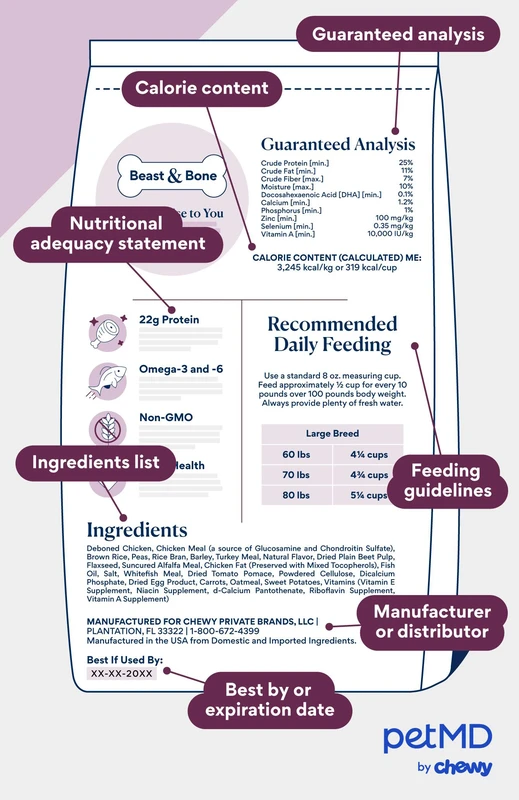
The Association of American Feed Control Officials (AAFCO) enforces ingredient listing requirements on pet food packaging, mandating that ingredients appear in descending order by weight. This allows consumers to assess the prominence of certified organic or sustainable ingredients in the formulation. AAFCO also establishes nutritional adequacy standards, ensuring that eco-friendly products meet pets’ dietary needs without compromising health.
European Union regulations impose uniform criteria on pet food labeling, requiring clear disclosure of organic certifications and ingredient origins. EU legislation mandates strict control over synthetic additives, preservatives, and pesticide residues in organic pet food, enhancing consumer confidence in eco-label claims. These rules also stipulate traceability and verification protocols, minimizing fraudulent labeling practices.
Decoding Pet Food Labels and Ingredient Lists for Authenticity
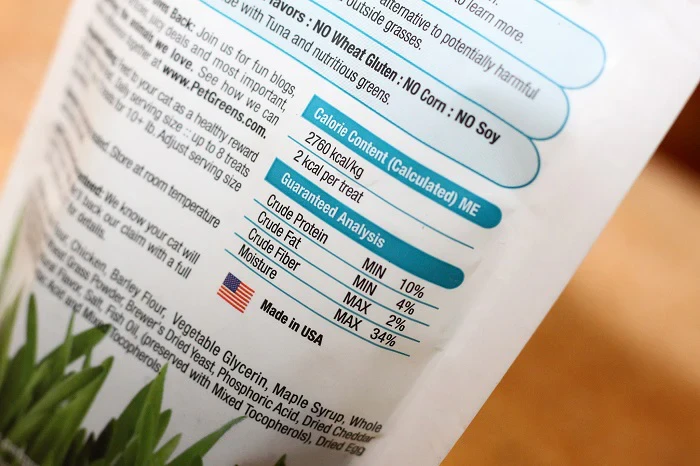
Pet food ingredient lists provide critical insights into product composition and sustainability claims. Ingredients are listed by weight, so a product claiming organic status should feature certified organic components prominently near the top of the list. Consumers must scrutinize labels for ambiguous terms like “natural flavors” or “organic blend,” which may mask low percentages of certified organic ingredients.
The distinction between “natural” and “organic” is frequently blurred on pet food packaging. “Natural” products under FDA definitions exclude artificial additives but do not guarantee organic farming methods or sustainability. Conversely, “organic” demands adherence to certified farming practices and supply chain transparency verified by recognized bodies such as USDA Organic or ROC.
Misleading claims like “made with organic ingredients” without specifying percentages or certification details are common. Consumers should seek explicit certification logos and cross-reference these with certification body websites when possible. Ingredient origin claims, such as “sustainably sourced fish,” require verification through certifications like MSC to ensure credible sustainability.
Consumer Strategies to Identify Genuine Eco-Labels on Pet Food
Verifying certification logos on packaging is the first step toward confirming authenticity. Recognized certifications including ROC, RSPO, MSC, and Certified Humane have distinct logos that consumers can cross-check with official certification databases. Absence of these logos or vague claims should prompt skepticism.
Consumers benefit from cross-referencing ingredient lists to estimate the proportion of organic or certified sustainable ingredients. For instance, a pet food labeled as “organic” should list USDA Organic or ROC-certified ingredients prominently. Products listing palm oil should ideally carry RSPO certification to ensure deforestation-free sourcing.
Expiration dates and batch traceability information are additional markers of transparency. Certified products often include lot numbers and production details that facilitate recalls and quality control verification. Traceability data supports accountability throughout the supply chain, reinforcing consumer trust.
Recognizing reputable certification bodies requires awareness of their standards and credibility. Organizations with rigorous third-party audits and transparent certification criteria, such as ROC and MSC, provide more reliable assurances than self-declared or unverified eco-labels.
Challenges and Common Misconceptions in Pet Food Eco-Labeling
A significant challenge in pet food labeling is the absence of uniform organic regulations specific to pet food products, unlike human food. This regulatory gap allows brands to use organic terminology loosely, resulting in consumer confusion and potential greenwashing.
Misuse of the term “organic” is prevalent, with some products marketing themselves as “organic-inspired” or “organic blend” without meeting certification thresholds. This practice dilutes the value of true organic certification and complicates consumer decision-making.
The conflation of “natural” and “organic” further confuses buyers. While natural pet food excludes synthetic additives, it does not necessarily meet the environmental and farming standards embedded in organic certifications. Educating consumers on these distinctions is vital for informed choices.
Another issue is the variability in international standards for sustainability and organic certifications. For example, European organic labels impose stricter pesticide restrictions than some U.S. certifications, and palm oil standards vary between RSPO and non-certified sources. Consumers purchasing imported pet food must understand these differences to evaluate eco-label legitimacy accurately.
Future Directions and Practical Guidance for Sustainable Pet Food Choices
As consumer demand for transparency and sustainability in pet food grows, industry stakeholders are advancing toward harmonizing eco-label standards and closing regulatory gaps. Enhanced collaboration between certification bodies, regulatory agencies, and pet food manufacturers is critical for establishing uniform criteria that protect consumers and promote genuine sustainability.
Consumers can proactively engage by prioritizing products bearing multiple credible certifications, such as ROC combined with RSPO or MSC. This multi-label approach underscores comprehensive sustainability across ingredients, animal welfare, and ingredient sourcing.
Technology-enabled traceability solutions, including blockchain and DNA testing for seafood verification, are increasingly integrated into certification protocols. These innovations empower consumers to verify product authenticity independently and elevate accountability in the supply chain.
Ultimately, selecting eco-labeled pet food requires a nuanced understanding of certifications, regulatory frameworks, and ingredient transparency. Consumers equipped with this knowledge can confidently support sustainable practices that benefit their pets, the environment, and global food systems.
FAQ
What does the Regenerative Organic Certified (ROC) label guarantee on pet food?
The ROC label certifies that pet food ingredients meet USDA organic standards plus additional criteria for regenerative soil management, animal welfare, and fair labor practices. It ensures the product supports environmental health and ethical sourcing beyond basic organic certification.
How can I verify if palm oil in pet food is sustainably sourced?
Look for the Roundtable on Sustainable Palm Oil (RSPO) certification logo. RSPO certifies palm oil production that avoids deforestation and enforces traceability from plantation to final product, ensuring sustainability claims are credible.
Is “natural” pet food the same as “organic”?
No. “Natural” pet food, as regulated by the FDA, excludes artificial additives but does not require organic farming methods or certification. “Organic” pet food must meet specific standards verified by organizations like USDA Organic or ROC.
Why is the Marine Stewardship Council (MSC) label important for pet food seafood ingredients?
MSC certification guarantees that seafood ingredients come from sustainable wild fisheries with verified traceability, minimizing environmental impact. This label ensures responsible harvesting practices in pet food seafood sourcing.
Are all eco-labels on pet food equally reliable?
No. The reliability of eco-labels depends on the rigor of their certification processes, third-party audits, and transparency. Recognized certifications like ROC, RSPO, MSC, and Certified Humane have established credibility, while unverified or self-declared labels may lack enforcement and transparency.
How to Source Sustainable Grooming Supplies with Ethical Standards
PawVerde.com – Sourcing sustainable grooming supplies involves selecting products from brands committed to ethical ingredient sourcing, transparent supply chains, and eco-conscious materials. Certifications such as FSC (Forest Stewardship Council), GOTS (Global Organic Textile Standard), and USDA Organic serve as reliable indicators of responsible practices. Incorporating blockchain technology further enhances supply chain transparency, enabling consumers and businesses to verify product origins and manufacturing processes. Durable grooming tools made from bamboo and stainless steel reduce plastic waste by extending product lifespan, while biodegradable shampoos and conditioners formulated with natural botanicals minimize environmental impact through concentrated, plastic-free packaging.
Ethical Ingredient Sourcing and Certification Standards
Effective sourcing begins with understanding the ethical frameworks that govern ingredient procurement. Fair trade practices ensure that suppliers receive equitable compensation and operate under humane labor conditions, preventing exploitation in raw material harvesting. Certifications like FSC guarantee that wood and paper products, including grooming tools and packaging, originate from responsibly managed forests. GOTS certification applies primarily to textiles derived from organic fibers, ensuring no harmful chemicals are used during production. USDA Organic certification verifies that agricultural ingredients, such as natural botanicals and organic hemp, meet stringent cultivation standards free from synthetic pesticides or fertilizers.
ingredient transparency is critical for ethical sourcing; detailed labeling informs consumers about the origin and processing of each component. Brands that disclose their supply chain partners and ingredient sources enable buyers to make informed decisions aligned with their sustainability values. For example, grooming products featuring essential oils or plant extracts sourced through fair trade channels demonstrate a commitment to environmental stewardship and social responsibility.
Blockchain Technology Advancing Supply Chain Transparency
Blockchain technology is revolutionizing supply chain transparency by providing immutable records of product journeys from raw material to retail shelf. In the grooming industry, this innovation allows brands to trace the provenance of ingredients, verify certification claims, and monitor fair trade compliance in real time. Consumers gain access to detailed information about sourcing practices, production methods, and environmental impact through QR codes or digital platforms linked to blockchain ledgers.
This level of transparency fosters accountability among suppliers and manufacturers, reducing risks of greenwashing and unethical practices. Leading pet grooming brands such as The Bearded Coast and King Kanine have integrated blockchain systems to authenticate organic hemp sourcing and certify cruelty-free production processes. By doing so, these companies build consumer trust and differentiate themselves in a competitive market increasingly demanding sustainability.
Durable and Eco-Friendly Grooming Tools
Investing in grooming tools made from sustainable materials like bamboo and stainless steel significantly reduces environmental footprint. Bamboo, a rapidly renewable resource, offers strength and biodegradability, making it ideal for brushes, combs, and handles. Stainless steel components add durability and resistance to corrosion, extending product lifespan and minimizing the need for frequent replacements.
Many grooming tools traditionally rely on plastic, contributing to mounting plastic waste. Brands such as Moorland Paws and Collar Club have pioneered biodegradable alternatives that decompose naturally without releasing toxins. These tools also support circular economy principles by facilitating repair, reuse, and recycling. Durable grooming equipment not only benefits the environment but also offers cost efficiency over time due to reduced replacement frequency.
Biodegradable Grooming Products with Natural Botanicals
Biodegradable shampoos and conditioners formulated with natural botanicals represent a significant advancement in sustainable pet care. Organic hemp, chamomile, calendula, and tea tree oils are common ingredients known for their skin-soothing and antimicrobial properties. These formulations avoid synthetic fragrances, sulfates, and parabens, reducing the risk of allergic reactions and environmental contamination.
Concentrated formulas further enhance sustainability by minimizing packaging volume and waste. Smaller, refillable containers or solid shampoo bars packaged in recyclable materials like glass or cardboard reduce single-use plastic reliance. Brands like Nonipup and Waggz offer biodegradable grooming products that balance efficacy with eco-friendliness, catering to environmentally conscious pet owners seeking cruelty-free alternatives.
Profiles of Leading Sustainable Grooming Brands
Several pet grooming brands have emerged as leaders in sustainability through innovative product lines and transparent business practices. The Bearded Coast specializes in organic hemp-based grooming oils and balms, emphasizing FSC-certified packaging and fair trade ingredients. King Kanine focuses on all-natural shampoos and conditioners verified by USDA Organic certification, integrated with blockchain technology to track supply chains.
Moorland Paws offers biodegradable brushes and combs crafted from bamboo and stainless steel, coupled with cruelty-free grooming products free from harmful chemicals. Collar Club provides subscription boxes that combine sustainable grooming essentials with eco-packaging, supporting plastic waste reduction initiatives. Nonipup’s product range highlights natural botanicals and concentrated formulas, while Waggz leads in sustainable logistics by implementing carbon-neutral distribution and recyclable packaging.
| Brand | Key Sustainable Features | Certifications | Product Types |
|---|---|---|---|
| The Bearded Coast | Organic hemp, FSC packaging, fair trade sourcing | FSC, Fair Trade | Oils, balms |
| King Kanine | USDA Organic shampoos, blockchain transparency | USDA Organic | Shampoos, conditioners |
| Moorland Paws | Bamboo/stainless steel tools, cruelty-free | Crucial certifications pending | Brushes, combs, grooming products |
| Collar Club | Eco-packaging, subscription model, plastic waste reduction | Various eco-certifications | Subscription boxes, grooming essentials |
| Nonipup | Natural botanicals, concentrated formulas, biodegradable | GOTS, Cruelty-Free | Shampoos, conditioners |
| Waggz | Carbon-neutral logistics, recyclable packaging | Environmental certifications | Grooming supplies |
Sustainable Packaging and Disposal Practices
eco-friendly grooming brands prioritize packaging that reduces environmental harm through recyclable, biodegradable, or compostable materials. Glass containers, paper-based boxes, and plant-based plastics are common alternatives to conventional plastic. Such packaging supports circularity by facilitating recycling and reducing landfill accumulation.
Proper disposal and repurposing of grooming tools are also essential. Bamboo brushes can be composted at end-of-life, while stainless steel components are recyclable. Brands often provide take-back programs or incentives to encourage consumers to return used products for recycling or refurbishment. These initiatives collectively minimize waste and contribute to sustainable consumption cycles.
Innovations in Supply Chain and Logistics Sustainability
Sustainable grooming brands are adopting carbon-neutral shipping and optimizing logistics to reduce their environmental footprint. Strategies include consolidating shipments, using electric or low-emission vehicles, and selecting distribution centers near consumer bases to shorten delivery distances. These measures lower greenhouse gas emissions and align with global climate goals.
Supply chain innovations also involve supplier audits and continuous improvement programs to ensure adherence to ethical sourcing and environmental standards. Data analytics and AI tools enable real-time monitoring of supply chain risks, enabling proactive responses to disruptions or compliance issues. Although these practices may increase operational costs, many brands view them as investments in long-term sustainability and consumer trust.
Best Practices for Sourcing Sustainable Grooming Supplies
Consumers and businesses seeking sustainable grooming products should evaluate several criteria:
Future developments in the grooming industry are likely to include enhanced digital transparency, expanded use of circular economy principles, and broader adoption of renewable materials. As consumer demand for sustainable pet care grows, brands integrating these practices will set new standards for environmental stewardship and product excellence.
FAQ

What certifications should I look for when sourcing sustainable grooming supplies?
Look for FSC certification for responsibly sourced wood and paper products, GOTS for organic textiles, and USDA Organic for agricultural ingredients. These certifications ensure ethical sourcing and reduced environmental impact.
How does blockchain technology improve supply chain transparency in grooming products?
Blockchain creates an immutable digital ledger of product origins and manufacturing steps, allowing consumers and businesses to verify ingredient provenance, fair trade compliance, and ethical production practices in real time.
Why are bamboo and stainless steel preferred materials for sustainable grooming tools?
Bamboo is rapidly renewable and biodegradable, while stainless steel offers durability and corrosion resistance. Together, they reduce plastic waste by extending product lifespan and enabling recycling or composting.
What are the environmental benefits of biodegradable grooming shampoos?
Biodegradable shampoos formulated with natural botanicals break down naturally without polluting waterways. Concentrated formulas reduce packaging waste and avoid harmful synthetic chemicals, supporting pet wellness and ecosystem health.
How can I ensure the grooming brand I choose practices sustainable logistics?
Research whether the brand uses carbon-neutral shipping, optimizes delivery routes, and partners with eco-conscious distributors. Brands often disclose logistics practices in sustainability reports or on their websites.
—
Sustainable grooming supplies are transforming pet care by integrating ethical sourcing, cutting-edge technology, and eco-friendly materials. By selecting certified products, embracing transparency tools like blockchain, and supporting brands committed to reducing environmental impact, consumers and businesses can contribute meaningfully to a greener grooming industry. Continued innovation in materials, supply chains, and packaging will further advance sustainability goals, ensuring pet wellness aligns with planetary health.