

Eco-Friendly Pet Shop Guide: Spotting Greenwashing Claims
PawVerde.com – An eco-friendly pet shop focuses on reducing the environmental impact of pet ownership through circular economy products, non-toxic materials, and sustainable supply chains. Key indicators include brands using recycled fibers, upcycled food waste for treats, and products certified by organizations like GOTS or PETA to ensure both planetary and pet health.
The environmental footprint of pet care is substantial, with the pet food industry in the United States alone producing an estimated 300 million pounds of plastic annually.
The Greenwashing Detection Guide: How to Spot Fake Eco-Claims
To detect greenwashing, look beyond vague buzzwords and demand data. Verify claims using third-party certifications like GOTS (Global Organic Textile Standard), GoodWeave, or PETA-approved vegan labels. A truly sustainable brand will provide specific details on material composition, such as “50% recycled materials,” rather than just using the term “green” or “natural”.
Red Flags in Marketing
Greenwashing often manifests through the liberal use of sustainability buzzwords in SEO, where brands target trending keywords to appear environmentally conscious without substantive changes to their operations. Printful notes that “green” terminology is just a bunch of vague statements unless you have the data to back them up. A common failure mode occurs when a company highlights a single “natural” ingredient while ignoring a supply chain built on heavy plastic use or high-emission transport.
To verify a brand’s authenticity, evaluate these specific metrics:
- Vague terminology: Terms like “eco-conscious” or “earth-friendly” used without specific metrics.
- Lack of transparency: Brands that do not disclose the exact percentage of recycled content.
- Missing certifications: Claims of being “cruelty-free” without recognizable third-party verification.
The Power of Third-Party Certifications
Reliable pet brands rely on rigorous external audits to validate their claims. For example, some brands utilize certified products to ensure ethical textile production. Similarly, certain brands maintain approved vegan and cruelty-free status, providing a verifiable standard for animal welfare. If a brand claims sustainability but cannot point to a specific certification or a breakdown of material composition, such as a 50% recycled materials composition, the claim should be treated with skepticism.
Material Science Cheat Sheet: Hemp, Bamboo, and Recycled Fibers
Selecting pet accessories requires comparing raw materials like organic cotton and recycled fibers to determine their environmental impact. Lil’ Archies, for example, utilizes these materials to create durable gear.
Why Bamboo Outperforms Traditional Timber
The Green Pet Shop identifies bamboo as a highly sustainable resource that helps combat deforestation. Because bamboo regenerates much more rapidly than traditional timber, it provides a renewable alternative for pet products without the long wait times associated with hardwood forests. This rapid growth cycle makes it a primary candidate for eco-conscious pet gear.
The Durability of Recycled Synthetics
Recycled fibers are no longer just a secondary option; they are becoming a standard for high-performance pet gear. Lil’ Archies, for instance, utilizes recycled fiber and organic cotton to create accessories that meet both aesthetic and environmental standards. The following table compares the lifecycle and impact of common materials found in eco-friendly pet shops.
| Material Type | Degradation Speed | Environmental Residue | Best Use Case |
|---|---|---|---|
| Compostable | 90% in 180 days | Nutrient-rich humus | Waste bags and treats |
| Biodegradable | 3 to 6 months | Potential marine harm | Single-use items |
| Petroleum-based | 200 to 500 years | Microplastics | Long-term heavy duty gear |
Material choice directly affects long-term waste. While petroleum-based plastics persist for 200 to 500 years, compostable products undergo 90% degradation in 180 days and return nutrients to the soil as humus.
The Circular Economy in Action: From Food Waste to Pet Beds
circular economy production involves closed-loop manufacturing where waste becomes a resource. Examples include ModernBeast repurposing wool discards into hats, and The Conscious Pet upcycling surplus food waste for treats, effectively diverting waste from landfills and reducing the need for virgin raw materials.
Upcycling Manufacturing Excess
ModernBeast demonstrates the circular model by ensuring that every part of their production process serves a purpose. Their felt cat toys are dye-cut from wool, and instead of discarding the leftovers, those discards are repurposed into the brand’s signature felt hats. This method significantly reduces landfill contributions; in fact, ModernBeast reports that 7 Up bottles are diverted from landfills for every pound of stuffing used in their products. Furthermore, the brand maintains a social commitment by donating 100% of its profits to animal welfare organizations.
The Impact of Local Sourcing on Carbon Pawprints
Reducing the distance a product travels is a key pillar of sustainability. The Conscious Pet utilizes surplus food from local restaurants to create pet treats, a process that minimizes the carbon emissions typically associated with long-distance food logistics. This localized approach prevents food waste from entering landfills where it would otherwise contribute to methane emissions.
- Resource Recovery: Converting manufacturing offcuts into new product lines.
- Waste Diversion: Using surplus food scraps as a primary ingredient.
- Energy Efficiency: Utilizing renewable energy for dehydration processes.
Compostable vs. Biodegradable: Navigating Waste Management
Distinguishing between compostable and biodegradable materials is vital for ecosystem protection. According to Ocean Watch, compostable products produce humus upon degradation, whereas biodegradable plastics can pose risks during their breakdown.
Warning: Never place compostable bags in a standard recycling bin, as they can contaminate the recycling stream for traditional plastics.
The Microplastic Problem
Biodegradable plastics present a specific risk to aquatic environments. Ocean Watch notes that while these plastics may break down, they can be harmful to marine animals during the degradation process. In contrast, Lil’ Archies highlights that compostable bags decompose faster and do not leave microplastics behind, preventing the long-term accumulation of synthetic particles in the food chain.
The Humus Advantage
The primary benefit of true compostable products is their ability to return nutrients to the earth. According to Ocean Watch, compostable products produce humus upon degradation, which is the most important part of all soils. This high level of microbial activity helps boost the health of the soil, turning waste into a biological asset rather than a pollutant.
Protecting Your Pet: Avoiding Toxic Chemical Loads
Biological safety is a core component of sustainability. Best Friends Animal Society warns that many conventional products contain toxic and potentially harmful chemicals, such as parabens, phthalates, and petroleum, which may cause diseases.
Warning: Many conventional grooming and household products contain parabens, phthalates, and petroleum, which are linked to various health issues.
Pet Magasin suggests that selecting supplies free from BPA and phthalates actively reduces a pet’s chemical load. Furthermore, Hill’s Pet emphasizes the importance of sustainable nutrition, as the ingredients used in pet food directly impact both the animal’s health and the broader environmental footprint of the pet care industry.
Budgeting for Sustainability: Price Per Use vs. Upfront Cost
While initial costs for sustainable gear may differ from mass-produced plastic, long-term value is found in durability. For instance, Blue Toby sustainable pet products, founded by animal behavior scientist Linda Brent, focuses on a 100-mile manufacturing radius to ensure quality control and localized production efficiency.
Some brands have implemented programs to make sustainability more accessible. Awoo Pets offers a rePAWpose program that provides a $5 per product exchange value, encouraging consumers to participate in a circular lifecycle rather than discarding old gear. Additionally, brands like Blue Toby Sustainable Pet Products focus on a 100-mile manufacturing radius. This localized production ensures higher quality control and reduces the environmental costs of shipping, which can be factored into the long-term value of the product.
FAQ
Can I compost dog waste at home?
Home composting systems may struggle with the pathogens found in pet waste. To manage waste safely, utilize certified compostable bags in industrial facilities.
How do I know if a pet brand is actually eco-friendly?
Look for specific data and third-party certifications like GOTS or PETA, rather than vague terms like “natural” or “green.” A credible brand will provide exact percentages of recycled or organic content in their product descriptions.
What is the benefit of upcycled pet treats?
Upcycled treats, like those from The Conscious Pet, use surplus food that would otherwise go to waste. This process reduces landfill contributions and helps lower methane emissions, making it a more sustainable choice for pet nutrition.
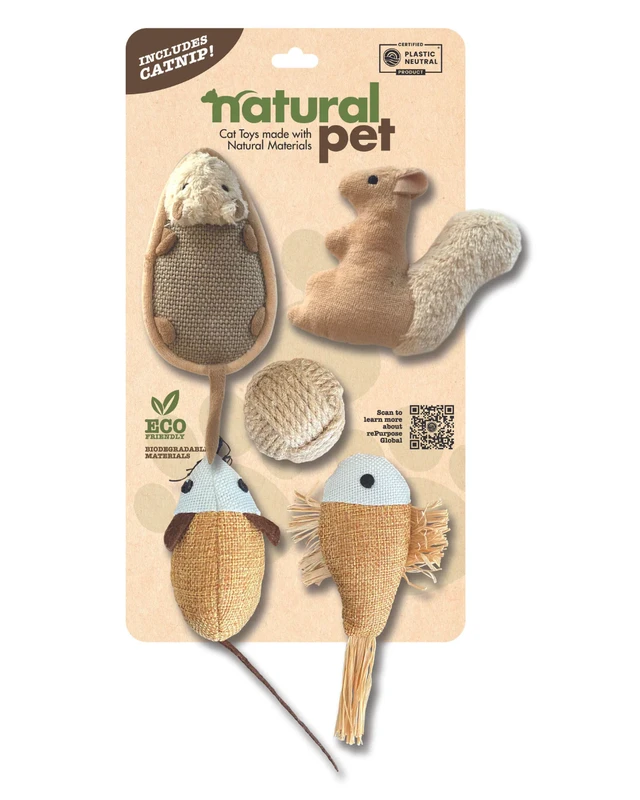
Certified Safety Standards for Eco-Friendly Pet Toys Explained
PawVerde.com – The demand for eco-friendly pet toys has surged as consumers increasingly prioritize the health of their pets alongside environmental responsibility. However, not all products branded as “eco-friendly” offer verified safety or sustainability, making certifications critical for distinguishing truly safe and sustainable pet toys. Trusted third-party certifications such as OEKO-TEX, GOTS, and B Corp validate the use of non-toxic, ethically sourced materials, while compliance with ASTM F963 and CE marking ensures mechanical and chemical safety. Consumers seeking safe eco-friendly pet toys must prioritize certifications backed by rigorous testing to mitigate risks from harmful chemicals like phthalates and BPA, often found in uncertified recycled plastics or synthetic materials.
Certified eco-friendly pet toys combine sustainability with pet safety by adhering to standards that assess material toxicity, mechanical durability, and environmental impact. This article details the essential safety and sustainability certifications, common material safety profiles, manufacturing standards, health risks of uncertified products, and practical guidance for consumers. It further contextualizes market trends and innovations shaping the future of eco-conscious pet toys.
Key Safety Certifications Ensuring Eco-Friendly Pet Toy Safety
Eco-friendly pet toys are commonly certified by organizations specializing in textile safety, chemical hazard assessment, and corporate social responsibility. OEKO-TEX and GOTS certifications focus on textile safety and organic material verification, ensuring fibers like organic cotton and hemp used in pet toys are free from harmful chemicals and pesticides. OEKO-TEX Standard 100, for instance, tests for over 300 harmful substances, including phthalates and heavy metals, which pose risks to pet health. GOTS certification adds a layer of organic and ecological integrity by regulating the entire textile supply chain, from fiber harvesting to environmentally responsible dyeing processes.
Corporate social responsibility is reflected in B Corp certification, which assesses companies on social and environmental performance, accountability, and transparency. B Corp pet toy brands commit to sustainable manufacturing practices and fair labor standards, enhancing consumer trust. Certifications like ISO 14001 and ISO 20400 represent environmental management systems and sustainable procurement, respectively, signaling comprehensive governance in eco-friendly pet toy production.
Toy safety standards are equally vital. ASTM F963, a US standard, specifies requirements for mechanical hazards, toxicity, flammability, and chemical migration limits in toys, protecting pets from choking hazards and exposure to toxic substances. Similarly, CE marking and EN71 testing in Europe assess mechanical safety and chemical compliance, ensuring pet toys meet stringent regulatory criteria.
Material Safety Profiles: Natural Fibers, Recycled Plastics, and Durability
Natural materials such as natural rubber, organic cotton, and hemp fiber have gained prominence in eco-friendly pet toy manufacturing due to their biodegradability and lower toxicity profiles. Natural rubber provides elasticity and resilience without the synthetic additives found in many plastics. Organic cotton and hemp fibers are grown without harmful pesticides and are certified under GOTS or OEKO-TEX, reducing chemical exposure risks.
Recycled plastics offer environmental benefits by reducing landfill waste and lowering carbon emissions by up to 50%, according to recent lifecycle assessments. However, recycled plastics may contain residual phthalates, BPA, or other endocrine disruptors if not properly certified. Independent testing laboratories such as Eurofins and Pacific Certifications verify compliance with chemical safety standards to mitigate these risks.
Durability is a critical safety and sustainability factor. Longer-lasting toys reduce waste and minimize the risk of small parts breaking off and causing choking. Brands like West Paw utilize proprietary materials such as Zogoflex, which combines toughness with recyclability. Durability testing, aligned with ASTM and ISO standards, evaluates toys under simulated wear conditions to ensure longevity and safety.
Regulatory Compliance and Quality Control in Eco-Friendly Pet Toy Manufacturing
Third-party testing and certification are cornerstones of regulatory compliance that influence market access and consumer trust. Quality control processes include chemical analysis for toxic substances, mechanical testing for strength and safety, and manufacturing audits verifying ethical sourcing and environmental management.
Compliance documentation facilitates global market entry and buyer confidence, especially on platforms like Alibaba.com, where buyer matching increasingly prioritizes certified products. Independent bodies such as ISB USA and Pacific Certifications provide verification services that authenticate product claims, reducing greenwashing risks.
Leading eco-conscious brands such as West Paw, Earth Rated, and Bully Max exemplify transparent certification adherence. West Paw’s Zogoflex toys carry ASTM and ISO certifications, Earth Rated focuses on biodegradable waste bags and durable toys certified for chemical safety, while Bully Max integrates OEKO-TEX certified materials into its product line. These brands disclose certification details and testing reports, enhancing consumer assurance.
Health Risks Associated with Uncertified Eco-Friendly Pet Toys
Research including EarthDay.org’s Pets vs. Plastics report highlights prevalent chemical contaminants in uncertified pet toys, including phthalates, BPA, lead, and other toxic additives. These substances pose risks such as endocrine disruption, allergic reactions, and long-term organ damage in pets. Phthalates and BPA, common in some recycled plastics, have been linked to reproductive and developmental toxicity in animals.
Uncertified toys may also fail mechanical safety tests, increasing choking and ingestion hazards. Flammability concerns arise when materials do not adhere to ASTM F963 or EN71 standards, posing fire risks in home environments.
The lack of transparency and independent testing in uncertified products complicates risk assessment for consumers, underscoring the importance of verifying certification claims before purchase.
Consumer Guidance for Selecting Safe Eco-Friendly Pet Toys
Consumers should verify certifications by checking labels for OEKO-TEX, GOTS, B Corp, ASTM F963, CE, and ISO marks. Certification databases or official websites provide authentication tools to confirm legitimacy.
Inspecting product durability involves assessing stitching quality, material thickness, and resistance to tearing or deformation. High durability indicates less frequent replacement, supporting environmental sustainability and reducing safety hazards from broken parts.
Recognizing credible brands requires researching company transparency regarding sourcing, manufacturing, and testing. Avoidance of vague marketing terms such as “natural” or “organic” without certification is crucial, as these claims lack regulatory enforcement and can mislead consumers.
Market Trends and Innovations Shaping the Future of Eco-Friendly Pet Toys
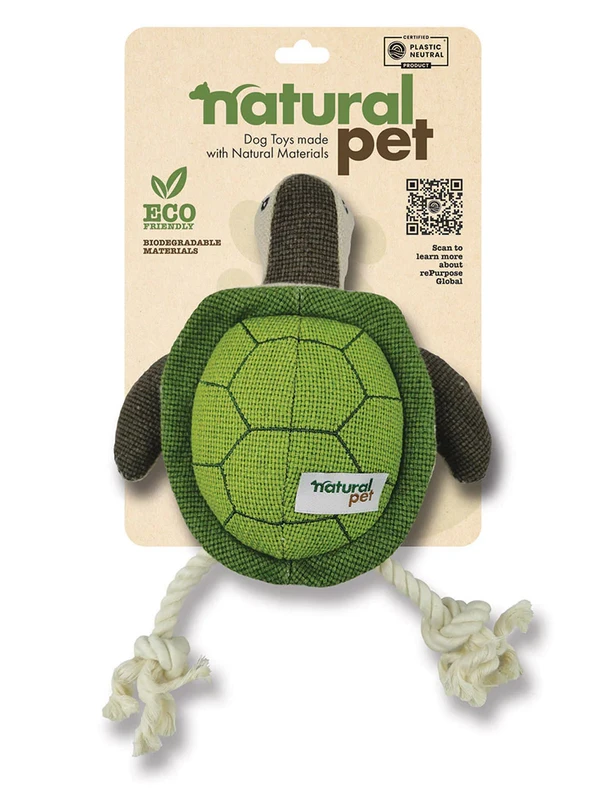
The global market for biodegradable and sustainable pet toys is projected to grow significantly, driven by consumer demand and regulatory pressures. Innovations include the development of plant-based bioplastics, advanced natural rubber composites, and hemp-based fibers engineered for enhanced durability and safety.
Emerging certifications targeting circular economy principles and microplastic reduction are gaining traction, aiming to address environmental impact beyond immediate safety concerns. Increasing adoption of ISO 14001 and ISO 20400 highlights a shift toward comprehensive environmental governance and sustainable procurement in pet product manufacturing.
Brands investing in transparency and third-party validation are positioned to lead market growth, responding to heightened consumer awareness and regulatory scrutiny.
Frequently Asked Questions
What certifications should I look for to ensure a pet toy is safe and eco-friendly?
Look for OEKO-TEX and GOTS for textile safety and organic material verification, B Corp for corporate responsibility, ASTM F963 and CE marking for mechanical and chemical safety, and ISO 14001 or ISO 20400 for environmental management and sustainable procurement.
Are recycled plastic pet toys safe for my pet?
Recycled plastic toys can be safe if certified by independent laboratories such as Eurofins or Pacific Certifications, ensuring they are free from harmful chemicals like phthalates and BPA. Uncertified recycled plastics may pose health risks.
How does durability affect the safety of eco-friendly pet toys?
Durable toys reduce the risk of choking hazards from broken parts and minimize environmental impact by decreasing waste. Certifications often include durability testing to ensure toys withstand typical wear and tear.
Can I trust “natural” or “organic” labels on pet toys without certification?
Labels without third-party certification like OEKO-TEX or GOTS do not guarantee safety or sustainability. Such terms are often marketing claims without regulatory oversight, so verification through certifications is essential.
What health risks do uncertified pet toys pose to pets?
Uncertified toys may contain toxic chemicals such as phthalates, BPA, and heavy metals, which can cause endocrine disruption, allergic reactions, or organ damage. Poor mechanical safety can also lead to choking or ingestion hazards.
—
Increasingly stringent safety and sustainability standards, coupled with growing consumer demand for transparency, are driving the evolution of eco-friendly pet toys. Future developments will likely emphasize circular economy principles, enhanced durability, and comprehensive environmental governance. Consumers equipped with knowledge of credible certifications and material safety profiles can make informed decisions that protect pet health and support sustainable manufacturing practices.
How to Source Sustainable Grooming Supplies with Ethical Standards
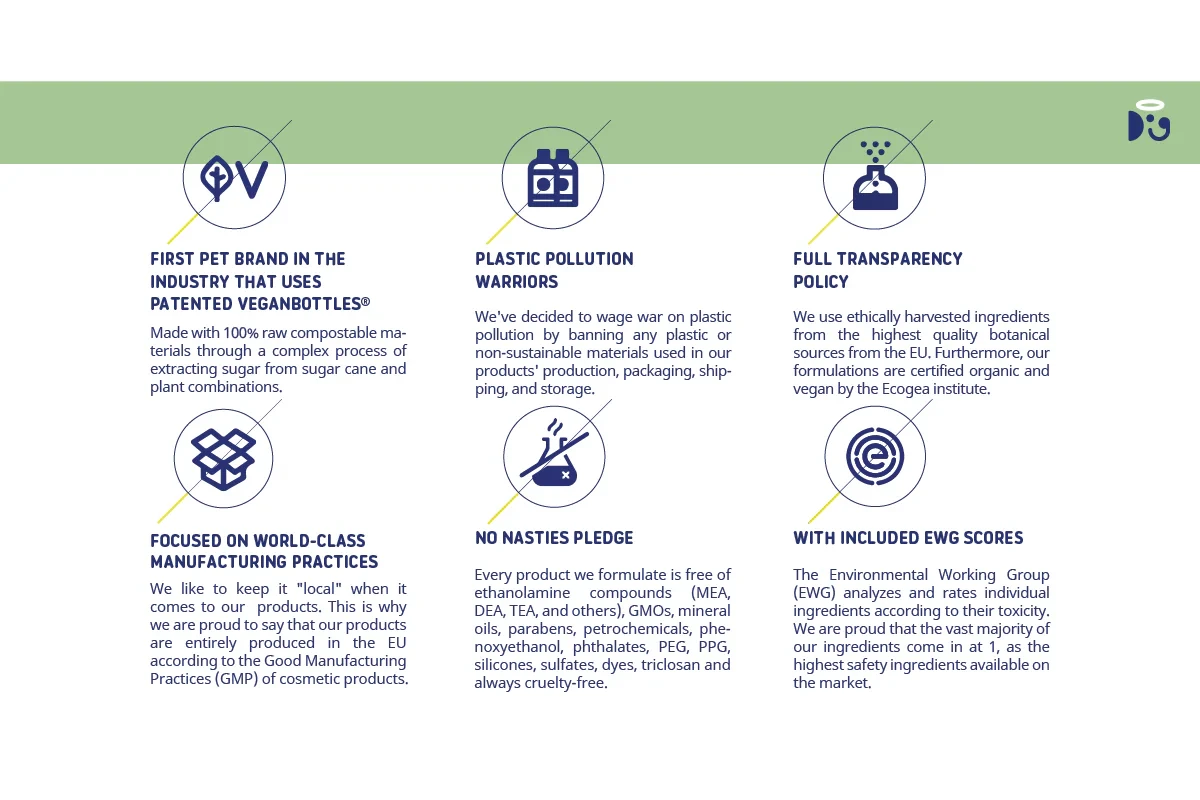
PawVerde.com – Sourcing sustainable grooming supplies involves selecting products from brands committed to ethical ingredient sourcing, transparent supply chains, and eco-conscious materials. Certifications such as FSC (Forest Stewardship Council), GOTS (Global Organic Textile Standard), and USDA Organic serve as reliable indicators of responsible practices. Incorporating blockchain technology further enhances supply chain transparency, enabling consumers and businesses to verify product origins and manufacturing processes. Durable grooming tools made from bamboo and stainless steel reduce plastic waste by extending product lifespan, while biodegradable shampoos and conditioners formulated with natural botanicals minimize environmental impact through concentrated, plastic-free packaging.
Ethical Ingredient Sourcing and Certification Standards
Effective sourcing begins with understanding the ethical frameworks that govern ingredient procurement. Fair trade practices ensure that suppliers receive equitable compensation and operate under humane labor conditions, preventing exploitation in raw material harvesting. Certifications like FSC guarantee that wood and paper products, including grooming tools and packaging, originate from responsibly managed forests. GOTS certification applies primarily to textiles derived from organic fibers, ensuring no harmful chemicals are used during production. USDA Organic certification verifies that agricultural ingredients, such as natural botanicals and organic hemp, meet stringent cultivation standards free from synthetic pesticides or fertilizers.
ingredient transparency is critical for ethical sourcing; detailed labeling informs consumers about the origin and processing of each component. Brands that disclose their supply chain partners and ingredient sources enable buyers to make informed decisions aligned with their sustainability values. For example, grooming products featuring essential oils or plant extracts sourced through fair trade channels demonstrate a commitment to environmental stewardship and social responsibility.
Blockchain Technology Advancing Supply Chain Transparency
Blockchain technology is revolutionizing supply chain transparency by providing immutable records of product journeys from raw material to retail shelf. In the grooming industry, this innovation allows brands to trace the provenance of ingredients, verify certification claims, and monitor fair trade compliance in real time. Consumers gain access to detailed information about sourcing practices, production methods, and environmental impact through QR codes or digital platforms linked to blockchain ledgers.
This level of transparency fosters accountability among suppliers and manufacturers, reducing risks of greenwashing and unethical practices. Leading pet grooming brands such as The Bearded Coast and King Kanine have integrated blockchain systems to authenticate organic hemp sourcing and certify cruelty-free production processes. By doing so, these companies build consumer trust and differentiate themselves in a competitive market increasingly demanding sustainability.
Durable and Eco-Friendly Grooming Tools
Investing in grooming tools made from sustainable materials like bamboo and stainless steel significantly reduces environmental footprint. Bamboo, a rapidly renewable resource, offers strength and biodegradability, making it ideal for brushes, combs, and handles. Stainless steel components add durability and resistance to corrosion, extending product lifespan and minimizing the need for frequent replacements.
Many grooming tools traditionally rely on plastic, contributing to mounting plastic waste. Brands such as Moorland Paws and Collar Club have pioneered biodegradable alternatives that decompose naturally without releasing toxins. These tools also support circular economy principles by facilitating repair, reuse, and recycling. Durable grooming equipment not only benefits the environment but also offers cost efficiency over time due to reduced replacement frequency.
Biodegradable Grooming Products with Natural Botanicals
Biodegradable shampoos and conditioners formulated with natural botanicals represent a significant advancement in sustainable pet care. Organic hemp, chamomile, calendula, and tea tree oils are common ingredients known for their skin-soothing and antimicrobial properties. These formulations avoid synthetic fragrances, sulfates, and parabens, reducing the risk of allergic reactions and environmental contamination.
Concentrated formulas further enhance sustainability by minimizing packaging volume and waste. Smaller, refillable containers or solid shampoo bars packaged in recyclable materials like glass or cardboard reduce single-use plastic reliance. Brands like Nonipup and Waggz offer biodegradable grooming products that balance efficacy with eco-friendliness, catering to environmentally conscious pet owners seeking cruelty-free alternatives.
Profiles of Leading Sustainable Grooming Brands
Several pet grooming brands have emerged as leaders in sustainability through innovative product lines and transparent business practices. The Bearded Coast specializes in organic hemp-based grooming oils and balms, emphasizing FSC-certified packaging and fair trade ingredients. King Kanine focuses on all-natural shampoos and conditioners verified by USDA Organic certification, integrated with blockchain technology to track supply chains.
Moorland Paws offers biodegradable brushes and combs crafted from bamboo and stainless steel, coupled with cruelty-free grooming products free from harmful chemicals. Collar Club provides subscription boxes that combine sustainable grooming essentials with eco-packaging, supporting plastic waste reduction initiatives. Nonipup’s product range highlights natural botanicals and concentrated formulas, while Waggz leads in sustainable logistics by implementing carbon-neutral distribution and recyclable packaging.
| Brand | Key Sustainable Features | Certifications | Product Types |
|---|---|---|---|
| The Bearded Coast | Organic hemp, FSC packaging, fair trade sourcing | FSC, Fair Trade | Oils, balms |
| King Kanine | USDA Organic shampoos, blockchain transparency | USDA Organic | Shampoos, conditioners |
| Moorland Paws | Bamboo/stainless steel tools, cruelty-free | Crucial certifications pending | Brushes, combs, grooming products |
| Collar Club | Eco-packaging, subscription model, plastic waste reduction | Various eco-certifications | Subscription boxes, grooming essentials |
| Nonipup | Natural botanicals, concentrated formulas, biodegradable | GOTS, Cruelty-Free | Shampoos, conditioners |
| Waggz | Carbon-neutral logistics, recyclable packaging | Environmental certifications | Grooming supplies |
Sustainable Packaging and Disposal Practices
eco-friendly grooming brands prioritize packaging that reduces environmental harm through recyclable, biodegradable, or compostable materials. Glass containers, paper-based boxes, and plant-based plastics are common alternatives to conventional plastic. Such packaging supports circularity by facilitating recycling and reducing landfill accumulation.
Proper disposal and repurposing of grooming tools are also essential. Bamboo brushes can be composted at end-of-life, while stainless steel components are recyclable. Brands often provide take-back programs or incentives to encourage consumers to return used products for recycling or refurbishment. These initiatives collectively minimize waste and contribute to sustainable consumption cycles.
Innovations in Supply Chain and Logistics Sustainability
Sustainable grooming brands are adopting carbon-neutral shipping and optimizing logistics to reduce their environmental footprint. Strategies include consolidating shipments, using electric or low-emission vehicles, and selecting distribution centers near consumer bases to shorten delivery distances. These measures lower greenhouse gas emissions and align with global climate goals.
Supply chain innovations also involve supplier audits and continuous improvement programs to ensure adherence to ethical sourcing and environmental standards. Data analytics and AI tools enable real-time monitoring of supply chain risks, enabling proactive responses to disruptions or compliance issues. Although these practices may increase operational costs, many brands view them as investments in long-term sustainability and consumer trust.
Best Practices for Sourcing Sustainable Grooming Supplies
Consumers and businesses seeking sustainable grooming products should evaluate several criteria:
Future developments in the grooming industry are likely to include enhanced digital transparency, expanded use of circular economy principles, and broader adoption of renewable materials. As consumer demand for sustainable pet care grows, brands integrating these practices will set new standards for environmental stewardship and product excellence.
FAQ

What certifications should I look for when sourcing sustainable grooming supplies?
Look for FSC certification for responsibly sourced wood and paper products, GOTS for organic textiles, and USDA Organic for agricultural ingredients. These certifications ensure ethical sourcing and reduced environmental impact.
How does blockchain technology improve supply chain transparency in grooming products?
Blockchain creates an immutable digital ledger of product origins and manufacturing steps, allowing consumers and businesses to verify ingredient provenance, fair trade compliance, and ethical production practices in real time.
Why are bamboo and stainless steel preferred materials for sustainable grooming tools?
Bamboo is rapidly renewable and biodegradable, while stainless steel offers durability and corrosion resistance. Together, they reduce plastic waste by extending product lifespan and enabling recycling or composting.
What are the environmental benefits of biodegradable grooming shampoos?
Biodegradable shampoos formulated with natural botanicals break down naturally without polluting waterways. Concentrated formulas reduce packaging waste and avoid harmful synthetic chemicals, supporting pet wellness and ecosystem health.
How can I ensure the grooming brand I choose practices sustainable logistics?
Research whether the brand uses carbon-neutral shipping, optimizes delivery routes, and partners with eco-conscious distributors. Brands often disclose logistics practices in sustainability reports or on their websites.
—
Sustainable grooming supplies are transforming pet care by integrating ethical sourcing, cutting-edge technology, and eco-friendly materials. By selecting certified products, embracing transparency tools like blockchain, and supporting brands committed to reducing environmental impact, consumers and businesses can contribute meaningfully to a greener grooming industry. Continued innovation in materials, supply chains, and packaging will further advance sustainability goals, ensuring pet wellness aligns with planetary health.