

Top Sustainable Pet Products Companies & Greenwashing Guide
PawVerde.com – The sustainable pet products market is projected to reach $34.6 billion by 2034, driven by a shift toward plant-based proteins, recycled materials, and circular business models. Top brands lead the way by reducing carbon footprints and implementing product recycling programs to minimize environmental impact.
The global eco-friendly pet products market is valued at $14.8 billion in 2025 and is expected to more than double to $34.6 billion by 2034.
The Greenwashing Audit: How to Spot Fake Sustainability Claims
To avoid greenwashing, look beyond vague terms like ‘natural’ or ‘eco-friendly.’ Verify third-party certifications such as GRS (Global Recycled Standard) or FSC (Forest Stewardship Council), check for specific material percentages, and investigate if the brand provides transparent data on their manufacturing locations and supply chain ethics.
Red Flags in Pet Marketing
Marketing-led materials often rely on ambiguity to deceive consumers. A common failure mode occurs when a brand uses a “natural” label on a product that contains high concentrations of synthetic additives or non-biodegradable components. Industry analysts note that true sustainability requires specific data rather than broad adjectives.
Watch for these specific indicators of deceptive claims:
- Vague terminology like “earth-friendly” or “green” without supporting documentation.
- The absence of specific material percentages (e.g., claiming “recycled” without stating if it is 10% or 100%).
- Hidden trade-offs, such as using organic cotton but packaging it in non-recyclable multi-layer plastics.
Counterintuitively, some brands may claim to be “Biobased” to capitalize on a trend that has seen 436% growth, yet they may fail to disclose the actual source of those biological materials. Always check the product’s technical specifications or the “Sustainability” tab in a brand’s website menu path, typically found under About Us > Sustainability > Impact Report.
The Certification Checklist
Authentic brands move past marketing and toward verifiable standards. While many brands claim to be “Plastic Free”—a category seeing 372% growth—consumers should verify these claims through third-party audits. A legitimate brand will often provide a breakdown of their supply chain ethics and manufacturing locations.
The Cost-Per-Use Math: Why Premium Sustainable Products Save Money
Longevity serves as a primary driver of environmental and financial value. According to ecofurball.com, a product that lasts twice as long prevents the need for replacement. This single factor reduces resource extraction, packaging waste, and transport emissions.
| Product Category | Standard Disposable Model | Premium Sustainable Model | Primary Economic Benefit |
|---|---|---|---|
| Pet Toys | High replacement frequency; low unit cost. | High durability; higher initial cost. | Reduced replacement frequency. |
| Pet Food Packaging | Single-use plastics; high waste cost. | Sustainable/Recyclable; higher cost. | Lower environmental mitigation costs. |
| Pet Accessories | Seasonal/Trend-based; high turnover. | Timeless/Durable; high investment. | Lower “cost-per-month” of use. |
Data indicates a 22% increase in sales of products with sustainable packaging over the past three years, suggesting that consumers are increasingly recognizing this value proposition. Investing in quality over quantity mitigates the risk of “disposable culture” in pet ownership.
Top Sustainable Pet Food and Treat Brands
Leading sustainable pet food brands focus on low-impact proteins and ethical sourcing. Bright Planet Pet offers plant-based treats that reduce carbon emissions by 90%, while Jiminy’s utilizes insect protein to minimize land and water usage. Open Farm and Freshpet are also industry leaders in ethical ingredient sourcing.
Plant-Based and Insect Protein Innovators
The transition toward alternative proteins is one of the most impactful shifts in the industry. Insect protein is a highly sustainable protein source because it requires significantly less land and water to produce than an equivalent amount of traditional meat, while emitting almost no greenhouse gases.
- Bright Planet Pet: A leader in plant-based nutrition, achieving a 90% reduction in carbon emissions and a 68% reduction in water use compared to meat-based treats. Since 2021, they have also planted 50,000 trees in partnership with Eden Reforestation Projects.
- Jiminy’s: Specializes in insect protein, leveraging the high efficiency of insect farming to lower the environmental footprint of pet diets.
- Chippin: Focuses on resource conservation, with their production process saving 300 gallons of water per bag of treats compared to generic dog treats.
Ethical Sourcing and Fresh Food Leaders
Beyond protein type, the method of ingredient procurement defines a brand’s true impact. Brands like Open Farm prioritize transparency in their supply chains, ensuring that ingredients are sourced ethically. Freshpet focuses on fresh food delivery, which often involves different packaging considerations to maintain nutritional integrity while aiming for sustainability.
Best Sustainable Toys and Accessories
Sustainable pet accessories prioritize materials that regenerate, recycle, or biodegrade without releasing harmful residues. According to ecofurball.com, this approach encompasses everything from the toys pets chew to the beds they sleep on.
Recycled and Upcycled Toy Brands
Using post-consumer waste to create new products is a cornerstone of the circular economy. This technique reduces the demand for virgin plastics and keeps waste out of landfills.
- Spunky Pup: A standout in the upcycling space, having pulled 2,000,000 bottles from the environment through their Clean Earth line.
- West Paw: Implements circular economy programs, allowing for product recycling and reuse to minimize environmental impact.
- Beco Pets: Focuses on utilizing recycled materials to create durable, eco-friendly playthings.
- Cycle Dog: Specializes in sustainable toy manufacturing to reduce carbon emissions from production.
Sustainable Lifestyle and Home Goods
Sustainability extends to the items that integrate into the human home environment. Brands are now offering luxury and lifestyle goods that do not compromise on aesthetics or ecological responsibility.
- Wild One: A lifestyle brand focusing on sustainable pet supplies that blend functionality with eco-conscious design.
- Noggins & Binkles: Provides luxury sustainable pet accessories for owners seeking high-end, low-impact products.
- Whom: Focuses on sustainable pet home goods, ensuring that pet products integrate seamlessly into a sustainable household.
- Doggie Apparel: Offers sustainable clothing and accessories, reducing the textile waste common in the pet industry.
| Brand Name | Primary Sustainability Method | Key Environmental Impact |
|---|---|---|
| Bright Planet Pet | Plant-based proteins | 90% reduction in carbon emissions |
| Jiminy’s | Insect protein sourcing | Minimal land and water usage |
| Spunky Pup | Upcycling/Repurposing | 2,000,000 bottles removed from environment |
| West Paw | Circular Economy Programs | Reduced manufacturing waste |
| Chippin | Resource-efficient ingredients | 300 gallons of water saved per bag |
Critical Safety Warning: The Recycled Plastic Paradox
While using recycled materials is environmentally beneficial, it introduces specific biological and chemical risks. Research indicates that recycled pet toys can expose pets to harmful chemicals like phthalates, BPA, and microplastics.
Recycled pet toys can expose pets to harmful chemicals like phthalates, BPA, and microplastics. Always inspect toys for structural integrity and ensure the manufacturer uses non-toxic, food-grade dyes. If a toy shows signs of fraying or seams opening, remove it from your pet immediately to prevent ingestion of internal materials.
The primary failure mode for recycled toys involves “Toy Integrity.” When seams open or internal filling becomes accessible, the pet may ingest fragments of the recycled material. Furthermore, the safety of recycled plastics depends heavily on the purity of the source material; low-quality recycling processes may fail to strip out legacy additives from the original plastic products.
FAQ
Is insect protein actually better for the environment?
Yes, insect protein is a highly sustainable protein source because it requires significantly less land and water to produce than an equivalent amount of traditional meat while emitting almost no greenhouse gases.
What should I look for in a sustainable pet toy?
Prioritize durability to prevent waste, look for certified recycled materials, and ensure the brand uses non-toxic, food-grade dyes to avoid chemical exposure during play or chewing.
Are plant-based pet treats as nutritious as meat?
Many modern plant-based treats, like those from Bright Planet Pet, are formulated to provide balanced nutrition while drastically reducing carbon and water footprints compared to conventional meat-based options.
How to Source Sustainable Grooming Supplies with Ethical Standards
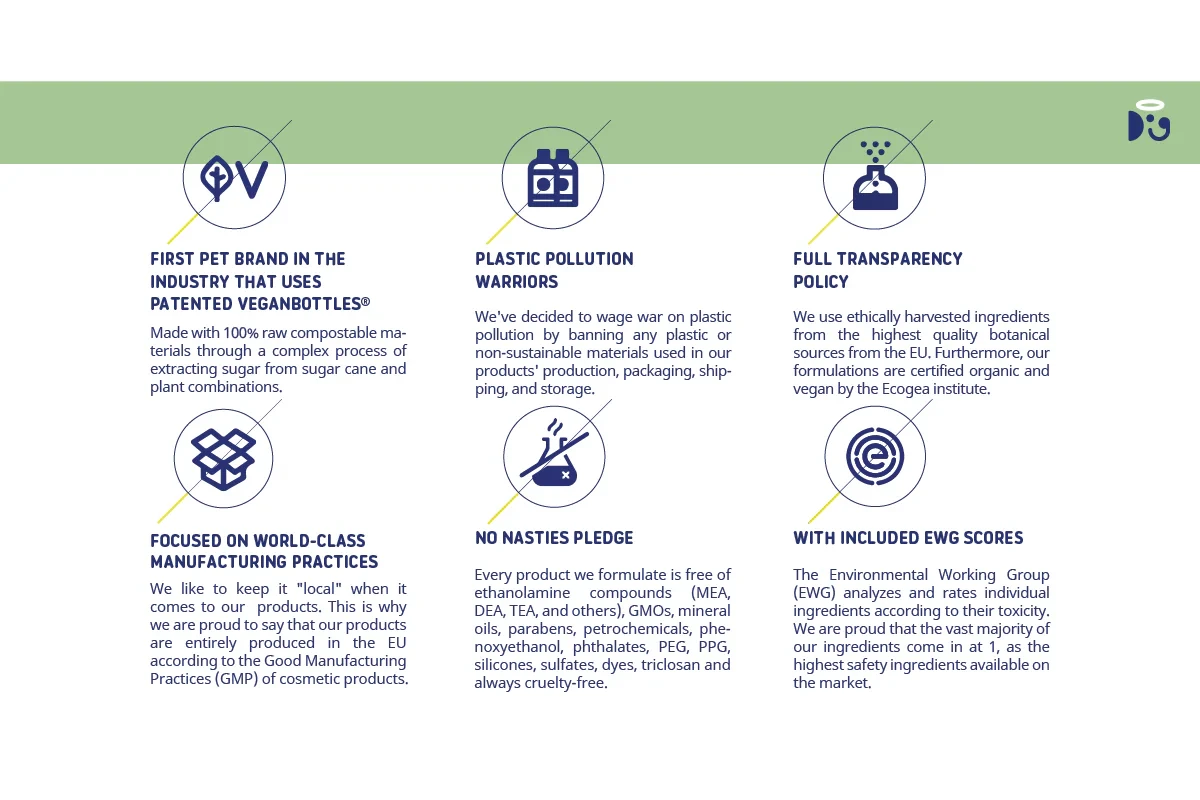
PawVerde.com – Sourcing sustainable grooming supplies involves selecting products from brands committed to ethical ingredient sourcing, transparent supply chains, and eco-conscious materials. Certifications such as FSC (Forest Stewardship Council), GOTS (Global Organic Textile Standard), and USDA Organic serve as reliable indicators of responsible practices. Incorporating blockchain technology further enhances supply chain transparency, enabling consumers and businesses to verify product origins and manufacturing processes. Durable grooming tools made from bamboo and stainless steel reduce plastic waste by extending product lifespan, while biodegradable shampoos and conditioners formulated with natural botanicals minimize environmental impact through concentrated, plastic-free packaging.
Ethical Ingredient Sourcing and Certification Standards
Effective sourcing begins with understanding the ethical frameworks that govern ingredient procurement. Fair trade practices ensure that suppliers receive equitable compensation and operate under humane labor conditions, preventing exploitation in raw material harvesting. Certifications like FSC guarantee that wood and paper products, including grooming tools and packaging, originate from responsibly managed forests. GOTS certification applies primarily to textiles derived from organic fibers, ensuring no harmful chemicals are used during production. USDA Organic certification verifies that agricultural ingredients, such as natural botanicals and organic hemp, meet stringent cultivation standards free from synthetic pesticides or fertilizers.
ingredient transparency is critical for ethical sourcing; detailed labeling informs consumers about the origin and processing of each component. Brands that disclose their supply chain partners and ingredient sources enable buyers to make informed decisions aligned with their sustainability values. For example, grooming products featuring essential oils or plant extracts sourced through fair trade channels demonstrate a commitment to environmental stewardship and social responsibility.
Blockchain Technology Advancing Supply Chain Transparency
Blockchain technology is revolutionizing supply chain transparency by providing immutable records of product journeys from raw material to retail shelf. In the grooming industry, this innovation allows brands to trace the provenance of ingredients, verify certification claims, and monitor fair trade compliance in real time. Consumers gain access to detailed information about sourcing practices, production methods, and environmental impact through QR codes or digital platforms linked to blockchain ledgers.
This level of transparency fosters accountability among suppliers and manufacturers, reducing risks of greenwashing and unethical practices. Leading pet grooming brands such as The Bearded Coast and King Kanine have integrated blockchain systems to authenticate organic hemp sourcing and certify cruelty-free production processes. By doing so, these companies build consumer trust and differentiate themselves in a competitive market increasingly demanding sustainability.
Durable and Eco-Friendly Grooming Tools
Investing in grooming tools made from sustainable materials like bamboo and stainless steel significantly reduces environmental footprint. Bamboo, a rapidly renewable resource, offers strength and biodegradability, making it ideal for brushes, combs, and handles. Stainless steel components add durability and resistance to corrosion, extending product lifespan and minimizing the need for frequent replacements.
Many grooming tools traditionally rely on plastic, contributing to mounting plastic waste. Brands such as Moorland Paws and Collar Club have pioneered biodegradable alternatives that decompose naturally without releasing toxins. These tools also support circular economy principles by facilitating repair, reuse, and recycling. Durable grooming equipment not only benefits the environment but also offers cost efficiency over time due to reduced replacement frequency.
Biodegradable Grooming Products with Natural Botanicals
Biodegradable shampoos and conditioners formulated with natural botanicals represent a significant advancement in sustainable pet care. Organic hemp, chamomile, calendula, and tea tree oils are common ingredients known for their skin-soothing and antimicrobial properties. These formulations avoid synthetic fragrances, sulfates, and parabens, reducing the risk of allergic reactions and environmental contamination.
Concentrated formulas further enhance sustainability by minimizing packaging volume and waste. Smaller, refillable containers or solid shampoo bars packaged in recyclable materials like glass or cardboard reduce single-use plastic reliance. Brands like Nonipup and Waggz offer biodegradable grooming products that balance efficacy with eco-friendliness, catering to environmentally conscious pet owners seeking cruelty-free alternatives.
Profiles of Leading Sustainable Grooming Brands
Several pet grooming brands have emerged as leaders in sustainability through innovative product lines and transparent business practices. The Bearded Coast specializes in organic hemp-based grooming oils and balms, emphasizing FSC-certified packaging and fair trade ingredients. King Kanine focuses on all-natural shampoos and conditioners verified by USDA Organic certification, integrated with blockchain technology to track supply chains.
Moorland Paws offers biodegradable brushes and combs crafted from bamboo and stainless steel, coupled with cruelty-free grooming products free from harmful chemicals. Collar Club provides subscription boxes that combine sustainable grooming essentials with eco-packaging, supporting plastic waste reduction initiatives. Nonipup’s product range highlights natural botanicals and concentrated formulas, while Waggz leads in sustainable logistics by implementing carbon-neutral distribution and recyclable packaging.
| Brand | Key Sustainable Features | Certifications | Product Types |
|---|---|---|---|
| The Bearded Coast | Organic hemp, FSC packaging, fair trade sourcing | FSC, Fair Trade | Oils, balms |
| King Kanine | USDA Organic shampoos, blockchain transparency | USDA Organic | Shampoos, conditioners |
| Moorland Paws | Bamboo/stainless steel tools, cruelty-free | Crucial certifications pending | Brushes, combs, grooming products |
| Collar Club | Eco-packaging, subscription model, plastic waste reduction | Various eco-certifications | Subscription boxes, grooming essentials |
| Nonipup | Natural botanicals, concentrated formulas, biodegradable | GOTS, Cruelty-Free | Shampoos, conditioners |
| Waggz | Carbon-neutral logistics, recyclable packaging | Environmental certifications | Grooming supplies |
Sustainable Packaging and Disposal Practices
eco-friendly grooming brands prioritize packaging that reduces environmental harm through recyclable, biodegradable, or compostable materials. Glass containers, paper-based boxes, and plant-based plastics are common alternatives to conventional plastic. Such packaging supports circularity by facilitating recycling and reducing landfill accumulation.
Proper disposal and repurposing of grooming tools are also essential. Bamboo brushes can be composted at end-of-life, while stainless steel components are recyclable. Brands often provide take-back programs or incentives to encourage consumers to return used products for recycling or refurbishment. These initiatives collectively minimize waste and contribute to sustainable consumption cycles.
Innovations in Supply Chain and Logistics Sustainability
Sustainable grooming brands are adopting carbon-neutral shipping and optimizing logistics to reduce their environmental footprint. Strategies include consolidating shipments, using electric or low-emission vehicles, and selecting distribution centers near consumer bases to shorten delivery distances. These measures lower greenhouse gas emissions and align with global climate goals.
Supply chain innovations also involve supplier audits and continuous improvement programs to ensure adherence to ethical sourcing and environmental standards. Data analytics and AI tools enable real-time monitoring of supply chain risks, enabling proactive responses to disruptions or compliance issues. Although these practices may increase operational costs, many brands view them as investments in long-term sustainability and consumer trust.
Best Practices for Sourcing Sustainable Grooming Supplies
Consumers and businesses seeking sustainable grooming products should evaluate several criteria:
Future developments in the grooming industry are likely to include enhanced digital transparency, expanded use of circular economy principles, and broader adoption of renewable materials. As consumer demand for sustainable pet care grows, brands integrating these practices will set new standards for environmental stewardship and product excellence.
FAQ

What certifications should I look for when sourcing sustainable grooming supplies?
Look for FSC certification for responsibly sourced wood and paper products, GOTS for organic textiles, and USDA Organic for agricultural ingredients. These certifications ensure ethical sourcing and reduced environmental impact.
How does blockchain technology improve supply chain transparency in grooming products?
Blockchain creates an immutable digital ledger of product origins and manufacturing steps, allowing consumers and businesses to verify ingredient provenance, fair trade compliance, and ethical production practices in real time.
Why are bamboo and stainless steel preferred materials for sustainable grooming tools?
Bamboo is rapidly renewable and biodegradable, while stainless steel offers durability and corrosion resistance. Together, they reduce plastic waste by extending product lifespan and enabling recycling or composting.
What are the environmental benefits of biodegradable grooming shampoos?
Biodegradable shampoos formulated with natural botanicals break down naturally without polluting waterways. Concentrated formulas reduce packaging waste and avoid harmful synthetic chemicals, supporting pet wellness and ecosystem health.
How can I ensure the grooming brand I choose practices sustainable logistics?
Research whether the brand uses carbon-neutral shipping, optimizes delivery routes, and partners with eco-conscious distributors. Brands often disclose logistics practices in sustainability reports or on their websites.
—
Sustainable grooming supplies are transforming pet care by integrating ethical sourcing, cutting-edge technology, and eco-friendly materials. By selecting certified products, embracing transparency tools like blockchain, and supporting brands committed to reducing environmental impact, consumers and businesses can contribute meaningfully to a greener grooming industry. Continued innovation in materials, supply chains, and packaging will further advance sustainability goals, ensuring pet wellness aligns with planetary health.