

Biodegradable Pet Food Bowls: Are They Truly Sustainable?
PawVerde.com – Biodegradable pet bowls are designed to break down via microorganisms, but true sustainability depends on whether they are home or industrially compostable. While bamboo is a renewable favorite, many “bamboo” products are actually melamine-plastic composites that fail to degrade safely and may pose ingestion risks.
Biodegradable materials must achieve at least 90% degradation in aerobic conditions within 12 months to meet standard compostability benchmarks.
The Biodegradable Reality Check: Moisture, Warping, and Lifespan
Plant-based materials face a durability trade-off compared to stainless steel. Because they are engineered to break down, high-moisture environments like wet food feeding can accelerate material degradation, potentially leading to structural failure or microplastic leaching.
The moisture-degradation paradox is a significant hurdle for eco-friendly petware. Materials designed to be broken down by microorganisms are inherently susceptible to water absorption. When a bowl is used for wet food or water, the constant presence of liquid can trigger the very breakdown process the material was designed for. This can result in several failure modes:
- Structural Softening: The bowl loses its rigidity, making it difficult for the pet to eat without the sides collapsing.
- Warping: Uneven drying or prolonged moisture exposure causes the base to become uneven, leading to instability on flat surfaces.
- Surface Pitting: Microscopic cracks form on the surface, creating ideal breeding grounds for bacteria.
Jake Thomas notes that “biodegradable simply means that a material can break down over time with the help of microorganisms.” While this is excellent for the environment, it creates a durability gap. For a bowl to be functional, it must maintain its integrity for months or years, not just weeks. Testing for structural integrity requires observing how the material reacts to the specific pH levels of pet saliva and the constant humidity of a feeding station.
The Compostability Audit: Home vs. Industrial Facilities
Disposal responsibility requires distinguishing between degradation and compostability. A material might degrade, but if it does not meet specific timeframe requirements, it may simply fragment into microplastics rather than returning to the earth as nutrient-rich compost.
Standardized testing often relies on a 180-day disintegration window in controlled composting environments. To be considered truly compostable under many frameworks, a material must achieve 90% degradation within a specific timeframe. If a pet bowl is labeled as “industrially compostable,” it cannot be tossed into a backyard compost pile; it requires the high-heat, high-moisture environment of a professional facility to break down. If placed in a home compost, it may fail to disintegrate, effectively becoming permanent waste.
The regulatory landscape is also shifting. As of 2026-02-12, the European Commission has signaled intent to request standardization organizations to create harmonized home compostability standards. This move aims to reduce consumer confusion caused by varying international definitions of what constitutes “eco-friendly” waste.
Hidden Plastic: The Bamboo and Melamine Trap
Misleading green claims often mask the use of synthetic binders in products marketed as natural. Many consumers purchase bamboo bowls under the impression they are buying a 100% natural, biodegradable product, unaware of these hidden composites.
Industry research indicates that bamboo bowls may contain melamine or other binders to provide the necessary strength and water resistance. Most adhesives used for bamboo dishware contain a chemical called melamine. When these bowls are subjected to heat or mechanical stress, they do not degrade; instead, they can leach chemicals or break into non-biodegradable fragments. This makes the “biodegradable” label on these specific products factually incorrect and environmentally harmful.
Safety for Aggressive Chewers: Ingestion and Breakdown Risks
Material choice is a critical safety factor for owners of “power chewers.” When a pet chews on the rim of a bowl, they are interacting with the material’s structural core.
Jake Thomas has highlighted the risks associated with material failure, specifically noting that bamboo bowls are prone to cracking or chipping if chewed or dropped. Unlike stainless steel, which is virtually indestructible, plant-based composites can splinter. If a pet ingests these small, sharp fragments, it poses a risk of gastrointestinal irritation or obstruction. Consequently, the “breakdown” of a biodegradable bowl is not just an end-of-life process; it is a potential mid-life failure mode that can impact pet health.
Lifecycle Carbon Comparison: Biodegradable vs. Stainless Steel
Evaluating petware requires comparing renewable materials against highly durable options. While biodegradable materials offer a lower initial carbon footprint due to rapid regrowth, their shorter lifespan may necessitate more frequent replacements.
| Material | Sustainability Type | Durability | End-of-Life |
|---|---|---|---|
| Stainless Steel | Recyclable / Non-renewable | Extremely High | Recycle |
| Pure Bamboo | Renewable / Biodegradable | Moderate | Compost |
| Bamboo-Melamine | Non-renewable Composite | Moderate | Landfill |
The comparison highlights a fundamental tension in sustainable shopping. Stainless steel is not renewable, but it can be long-lasting, often lasting for decades. For example, high-grade options like the 18/8 grade used in YETI products or the 304 grade used by Gorilla Grip are designed for extreme longevity. This supports a “buy once” philosophy that reduces the total volume of waste produced over a pet’s lifetime.
Conversely, bamboo is a fast-growing and renewable material, making it an excellent choice for reducing the immediate demand for fossil-fuel-based plastics. However, the environmental benefit of bamboo is only realized if the bowl is pure and actually reaches a composting facility at the end of its life.
Hygiene and Maintenance: Keeping Eco-Bowls Clean
Hygiene is the most critical factor in preventing pet illness. Biological contaminants can persist on feeding surfaces longer than most owners realize.
Data shows that viruses can live for 3 days on bowls. This makes a consistent cleaning routine mandatory to prevent the spread of pathogens between pets or within a household. When managing biodegradable or bamboo-based bowls, the maintenance protocol must be more delicate than with metal:
- Hand washing bamboo: Wash by hand with mild soap and avoid harsh detergents or dishwashers, which can cause the material to crack.
- Sanitizing bowls: Rinse and dry after every meal; once a week, use a steam mop attachment or hot soapy water to sanitize and disinfect.
- Temperature control: For certain specialized bowls, such as Magisso models, you can soak or run the bowl under cold water for 45 seconds to utilize cooling technology.
To prevent premature structural failure, avoid placing bamboo bowls in high-heat dishwashers. Using harsh detergents or excessive heat can accelerate material degradation and cause cracking.
FAQ
Is a bamboo bowl actually biodegradable?
Only if it is pure bamboo. Many bamboo bowls are actually composites held together by melamine-based adhesives, which are not biodegradable and can pose health risks if chewed.
How long do viruses live on pet bowls?
Viruses can survive on pet food bowls for up to 3 days, making regular sanitization essential regardless of the material used.
Can I put biodegradable bowls in the dishwasher?
Generally, no. Most biodegradable or bamboo-based bowls should be hand-washed with mild soap to prevent cracking or premature degradation from high heat.
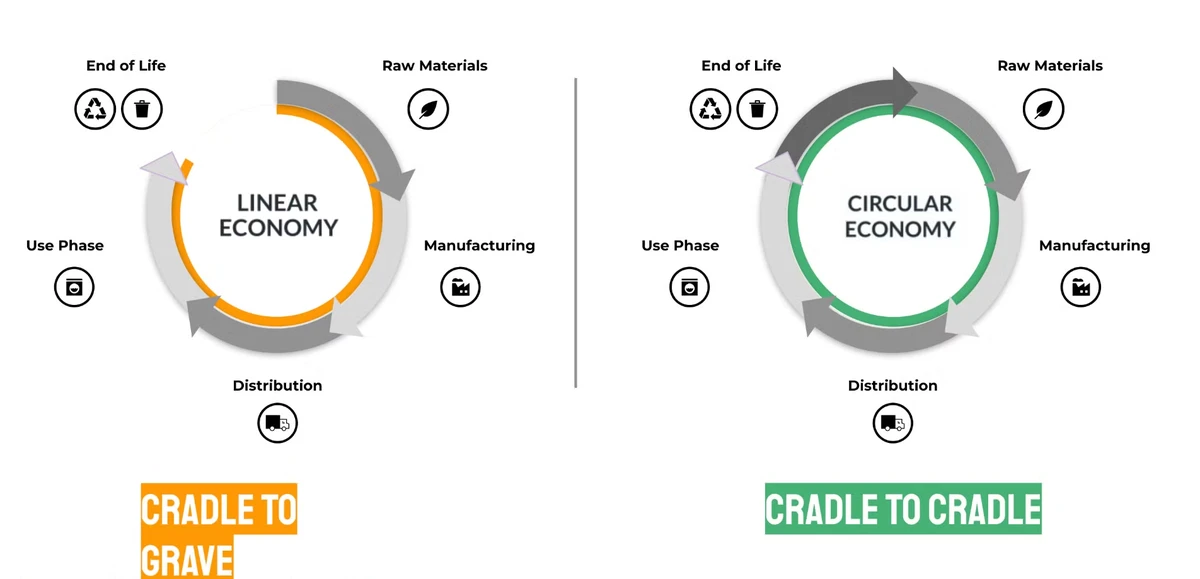
Sustainable Pet Product Lifecycle: Circular Economy Guide
PawVerde.com – A sustainable pet product lifecycle shifts from a ‘take-make-waste’ model to a circular economy where materials like PET are continuously repurposed. This approach minimizes environmental harm by prioritizing product durability, mono-material construction, and closed-loop recycling systems to reduce the 300 million pounds of plastic waste generated annually by the U.S. pet food industry.
The environmental impact is immense. In the U.S., 91% of the 300 million pounds of plastic waste generated annually by the pet food industry ends up in nature, oceans, or disposal areas.
The Sustainability Paradox: Durability vs. Biodegradability
The sustainability paradox in pet products involves balancing a toy’s durability for heavy chewers against its end-of-life biodegradability. While biodegradable materials reduce landfill waste, they may lack the toughness required to prevent microplastic shedding, whereas durable recycled plastics like PET offer longevity but require robust recycling infrastructure to remain truly circular.
Sustainability rewards durability. According to ecofurball.com, if a product breaks easily, it fails the test of what makes a pet product sustainable, regardless of how green it appears. This creates a counterintuitive reality where a “less eco-friendly” material like high-density plastic may actually be more sustainable than a biodegradable alternative if the latter requires replacement every few weeks.
The Carbon Cost of Frequent Replacement
A common failure mode in sustainable pet ownership is the assumption that “natural” always equals “better.” However, the Pet Sustainability Coalition notes that what makes a pet product sustainable is its ability to minimise environmental harm across its entire lifecycle. If a consumer replaces a soft, biodegradable toy every month due to rapid wear, the cumulative carbon footprint of manufacturing, shipping, and disposing of those items often exceeds the footprint of a single, long-lasting recycled plastic toy.
Sustainable products can cost more upfront, but according to ecofurball.com, they often last longer and save money over time. This longevity is a critical component of reducing the total volume of waste entering the ecosystem.
The Microplastic Dilemma in Biodegradable Toys
A hidden risk exists when materials marketed as biodegradable lack the structural integrity to withstand heavy chewing. If these materials fragment, they can lead to the ingestion of microplastics by pets or the leakage of synthetic residues into the soil, complicating the lifecycle benefits they were intended to provide.
Material Safety vs. Circularity: A Decision Matrix
Choosing the right material requires weighing environmental cultivation costs against physical safety. As reported by growthmarketreports.com, the pet toys segment is experiencing rapid growth, driven by consumer concerns over plastic waste and chemical leaching from conventional toys.
| Material | Energy Intensity | Primary Circular Benefit | Main Sustainability Trade-off |
|---|---|---|---|
| PET (Recycled) | Low (70% reduction) | Closed-loop recycling | Requires specific recycling streams |
| Aluminum | High | Infinite recyclability | High initial energy cost |
| Glass | Very High | Non-toxic/Inert | Heavy weight/High breakage risk |
| Hemp | Low | Low water/High durability | Limited material versatility |
| Cotton | Medium | Biodegradable | High water use/Lower durability |
Deciding between fibers requires looking at resource use. While cotton is widely available, hemp often presents a more sustainable profile in terms of resource consumption and long-term toughness.
The PET Advantage in Circular Packaging
PET is a cornerstone of the circular economy because recycling it uses up to 70% less energy than producing virgin PET. Furthermore, recycling PET can save 6 tons of oil resources for every 1 ton processed, making it more environmentally efficient than glass, aluminum, or carton alternatives in many lifecycle assessments.
Husky Injection Molding Systems reports that PET produces lower greenhouse gas emissions, consumes less energy, and generates less waste compared to commonly used alternatives. These efficiency metrics are significant:
- The recycling of PET bottles helps divert 138 million bags of trash from landfills in the United States.
- PET-related water savings account for 4.4 billion litres annually in the U.S.
- These water savings are equivalent to the reduction in emissions from 688,000 gas-powered cars.
Closed-loop ‘bottle-to-bottle’ mechanics
A true circular economy relies on closed-loop “bottle-to-bottle” recycling. This process, as detailed by Aceretech, involves transforming used PET bottles into new, food-grade bottles through a systematic cycle of shredding, washing, and pelletizing. This ensures that the material does not degrade in quality but remains a high-value resource within the supply chain.
Solid State Polymerization (SSP) for food-grade safety
To maintain safety standards, particularly for pet food packaging, manufacturers utilize Solid State Polymerization (SSP). This technical process is essential to ensure that recycled PET (rPET) meets strict standards for food-grade use, stripping away impurities and restoring the polymer’s molecular weight so it is safe for contact with nutrition products.
Closing the Loop: Technical Strategies for Manufacturers
For manufacturers to move beyond simple recycling and toward a truly circular model, specific design choices must be implemented at the production stage. One of the most effective methods is mono-material construction, which uses a single polymer type throughout the entire package. As noted by plastekgroup.com, mono-material designs simplify the recycling process and increase the likelihood that local recycling facilities will accept the packaging.
Effective technical strategies include:
- Implementing Mono-Material Construction to avoid the complexities of separating multi-layer plastics.
- Adopting Closed-loop ‘bottle-to-bottle’ systems to keep high-quality PET in the production cycle.
- Designing for disassembly in durable goods like pet beds or crates.
A significant failure mode in manufacturing occurs when companies use multi-material laminates (such as plastic bonded to foil). While these may provide excellent moisture barriers for pet food, they are notoriously difficult to recycle and often end up in landfills, breaking the circular loop.
Market Dynamics and the Rise of the Eco-Conscious Pet Owner
The economic landscape is shifting rapidly to accommodate these sustainable practices. In 2024, the sustainable pet products market value reached USD 35,045 million. This sector is projected to grow at a CAGR of 7.4% during its forecast period, according to credenceresearch.com.
This growth is fueled by a massive influx of new consumers. Data from dataintelo.com indicates that 3.4 million new pet-owning households were formed across North America and Western Europe in 2024. As these new owners enter the market, there is an increasing demand for products that align with environmental values, driving investment in both compliance and innovation.
Avoiding the Greenwashing Trap
As sustainability becomes a primary marketing driver, the risk of “greenwashing” increases. Consumers must remain vigilant against products that use misleading environmental claims. According to ecofurball.com, sustainability marketing spin is a major pitfall when companies fail to provide verifiable data to back up their “eco-friendly” labels.
Systemic risks include non-compliance with global legislative efforts and a lack of source-level traceability to the waste-picker level.
To accurately judge a product, consumers can look toward Life Cycle Assessments (LCA). As noted by Uekert et al 2022, no LCA is perfect the first time, as reviewing results may require shifting the scope to fully capture all important environmental impacts.
FAQ
How can I ensure my pet’s recycled plastic toys don’t contaminate the recycling stream?
Focus on cleaning food residue and saliva from hard plastics like bowls or heavy-duty toys before disposal to prevent batch contamination. Ensuring materials are free of organic matter helps maintain the integrity of the recycling process.
What is the benefit of mono-material packaging for pet food?
Mono-material construction uses a single polymer type, which simplifies the recycling process and increases the likelihood that local facilities will accept the packaging. This reduces the chance of the material being diverted to a landfill.
Is it better to buy durable plastic or biodegradable pet products?
Durability prevents frequent replacement and waste. For items that cannot be easily recovered, biodegradability is an option, provided the material does not fragment into microplastics.