

PawVerde.com – Properly composting pet waste remains a critical environmental and public health concern in 2026, especially as urban pet ownership and awareness of sustainable waste management increase. Pet waste, particularly dog and cat feces, contains pathogens such as E. coli, Salmonella, and Toxocara that pose risks to humans and animals if not handled correctly. Composting pet waste offers an eco-friendly alternative to landfill disposal or flushing, reducing organic waste while contributing to soil amendment when done safely. However, pet waste composting requires specific methods distinct from typical food or yard waste composting to mitigate pathogen risks and avoid contamination of edible crops.
Aerobic composting, characterized by controlled oxygen supply and balanced carbon-to-nitrogen ratios, is currently recognized as the safest and most effective method for pet waste. This approach, particularly when using sealed compost bins designed for pet waste, achieves pathogen elimination rates exceeding 98% by maintaining temperatures between 55-65°C (131-149°F) for sufficient durations. Cold composting, which relies on extended decomposition times without active aeration or heating, can also render pet waste safer but demands patience and careful site selection to prevent surface-level contamination.
Understanding Pathogen Risks and Safety Concerns in Pet Waste Composting
Pet waste harbors a spectrum of pathogens including Giardia, Cryptosporidium, and hookworms, which survive in moist environments and can infect humans through soil contact or ingestion. Unlike plant-based compost, pet feces do not break down as readily and require specialized treatment to neutralize these risks. The persistence of pathogens in untreated pet waste underscores why traditional composting methods, such as open piles or mixing with food scraps, are inadequate.
The primary safety concern is the potential contamination of edible plants and water supplies. Applying pet waste compost directly onto vegetables or fruits poses a significant health hazard due to pathogen transfer. Therefore, regulatory guidelines and expert recommendations emphasize restricting pet waste compost use to non-edible ornamental gardens, lawns, or soil remediation projects where food safety is not compromised.
Composting systems dedicated exclusively to pet waste help prevent cross-contamination and allow for optimized conditions tailored to pathogen destruction. Awareness of these risks and adherence to safety protocols are essential for responsible pet waste management in residential settings.
Best Composting Methods for Pet Waste: Aerobic and Cold Composting
aerobic composting remains the benchmark method for pet waste, combining oxygen exposure with thermophilic microbial activity to accelerate organic matter breakdown and pathogen elimination. Maintaining an optimal carbon-to-nitrogen ratio, ideally between 25:1 and 30:1, is crucial. Pet feces are nitrogen-rich; thus, incorporating carbon-rich materials like sawdust, shredded leaves, or straw balances the mix and improves aeration.
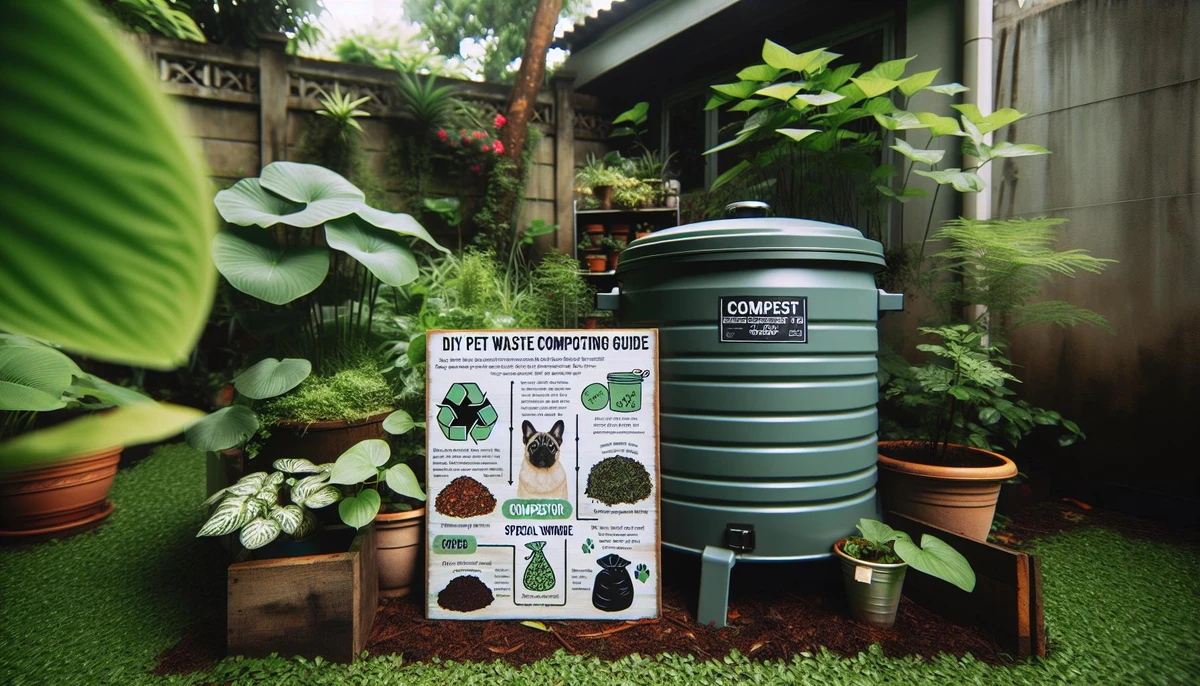
Sealed compost bins designed for pet waste enhance the aerobic process by containing odors and preventing pest access. These bins facilitate consistent temperature control, moisture retention, and aeration through vents or manual turning. Research from university extension programs indicates that maintaining temperatures above 55°C for at least three consecutive days effectively destroys most harmful microbes.
Cold composting pet waste, alternatively, involves depositing waste in a secluded area or deep pit and allowing it to decompose naturally over an extended period, often exceeding one year. This method is less labor-intensive but requires strict site management to minimize pathogen leaching and odors. Cold composting is suitable when aerobic composting infrastructure is not feasible but demands patience and caution in application.
Innovative and DIY Composting Techniques for Pet Waste
Homeowners increasingly adopt DIY pet waste composters tailored for backyard use, combining affordability with environmental responsibility. Popular designs include buried composters that leverage soil microbes and earthworm activity, and specialized worm farms (vermicomposting) that use composting worms to break down pet feces safely. Worm farms require careful monitoring of moisture and temperature to prevent pathogen survival and odor issues.
Compost starters, which introduce beneficial microbes, accelerate decomposition and improve compost quality. Layering pet waste with absorbent carbon materials such as sawdust or shredded cardboard not only balances the carbon-to-nitrogen ratio but also reduces moisture and odor problems. Using compostable dog poop bags made from plant-based polymers further supports sustainability by preventing plastic contamination.
Practical construction of these composters involves ensuring aeration, preventing runoff, and situating bins away from water sources or vegetable gardens. Maintenance protocols recommend frequent turning or mixing and monitoring for temperature peaks to confirm pathogen destruction.
Practical Guidance for Safe and Efficient Pet Waste Composting
Handling pet waste safely begins with collection using compostable bags and disposable gloves to minimize direct contact and contamination risk. Prompt transfer to the compost bin prevents prolonged odor generation and fly attraction. To manage odors, incorporating carbon-rich materials like sawdust or dry leaves creates a biofilter effect and enhances microbial activity.
Compost temperature monitoring is vital for confirming pathogen kill-off, with thermometers available for home use. Moisture levels should be kept between 40-60% to support aerobic microbes without fostering anaerobic conditions that cause odors. Pest control measures include securing compost bins with tight lids and avoiding food scraps, which attract rodents.
Regular inspection and turning of compost accelerate decomposition and maintain aerobic conditions, reducing the time required before the compost is safe for use on non-edible plants.
The Environmental and Soil Health Benefits of Pet Waste Compost
Composted pet waste contributes to nutrient recycling by returning nitrogen, phosphorus, and organic matter to the soil. When applied below the surface in ornamental gardens or lawns, it enhances soil structure, improves moisture retention, and fosters beneficial microbial communities that support plant growth.
Studies show that pet waste compost, when processed correctly, can support healthy soil microbiology without introducing harmful pathogens. This contributes to sustainable urban gardening practices by diverting organic waste from landfills, reducing methane emissions, and minimizing water pollution caused by pet waste runoff.
Waste reduction through dedicated pet waste composting aligns with broader environmental goals, promoting closed-loop systems and ecological responsibility among pet owners.
Regulatory and Safety Considerations for Pet Waste Composting
Local regulations vary regarding pet waste composting, with some municipalities permitting it under strict conditions while others restrict or prohibit the practice due to health concerns. It is vital for composters to consult local environmental agencies or extension services to ensure compliance.
Most guidelines emphasize using pet waste compost exclusively on non-food plants and maintaining secure composting setups to prevent pathogen transmission. Public health authorities caution against home use of pet waste compost in vegetable gardens or areas where children and pets play.
Adhering to these regulations and recommendations protects both public health and the environment, reinforcing the credibility and safety of pet waste composting practices.
FAQ: Common Questions on Composting Pet Waste Safely
What is the safest way to compost dog waste at home?
Aerobic composting with a dedicated, sealed bin that maintains a balanced carbon-to-nitrogen ratio and reaches thermophilic temperatures is the safest method. This approach effectively eliminates most pathogens and controls odors.
Can pet waste compost be used in vegetable gardens?
No. Due to pathogen risks, pet waste compost should not be applied to edible plants. It is suitable only for non-food garden areas or ornamental landscaping.
How long does cold composting pet waste take?
Cold composting typically requires at least one year, sometimes longer, to ensure safe decomposition and pathogen reduction without active aeration or heating.
Are compostable dog poop bags better for composting?
Yes. Compostable bags made from plant-based materials break down more readily in compost systems, reducing plastic pollution and supporting sustainable waste management.
How can I control odors when composting pet waste?
Incorporating carbon-rich materials like sawdust, maintaining proper moisture levels, and using sealed bins with ventilation helps control odors. Regular turning of the compost also reduces anaerobic conditions that cause smells.
—
Looking ahead, advancements in home composting technology and increased awareness of pathogen-safe methods will likely enhance the feasibility of pet waste composting in residential settings. Emerging innovations such as smart compost bins with temperature and moisture sensors, combined with community education on carbon-to-nitrogen balancing and proper bin maintenance, promise to make pet waste composting safer and more accessible. Integrating these practices supports a circular economy in organic waste management and fosters healthier, more sustainable urban environments.