
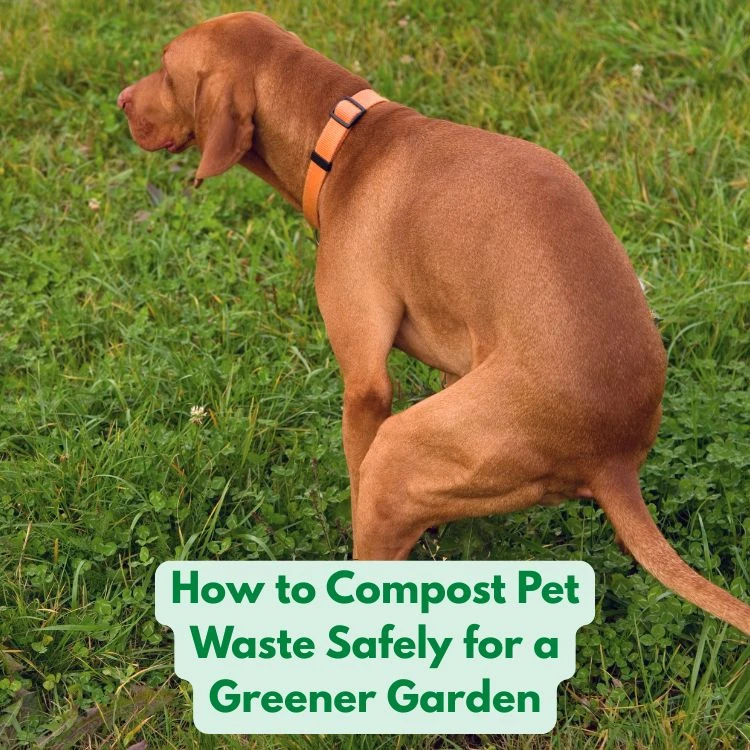
How to Compost Pet Waste Safely: Heat & Trenching Guide
PawVerde.com – To compost pet waste safely, you must use high-heat composting methods that reach at least 140°F to neutralize pathogens, or utilize deep trenching (12-18 inches). Never use dog or cat waste compost on edible food crops, and avoid vermicomposting waste from pets recently treated with de-worming medications.
The US EPA classifies pet waste as a dangerous pollutant, placing it in the same category as toxic chemicals. This classification stems from the ability of pet waste to contaminate water sources; if left on streets, curb strips, or in yards, rainwater can carry it to storm drains and into creeks, lakes, and Puget Sound without treatment, according to Seattle Public Utilities.
Risk-Level Matrix: Choosing Your Disposal Method
Select your method based on the animal type: Herbivore manure (rabbits/guinea pigs) is safe for all garden areas, including veggie patches. Dog and cat waste requires high-heat composting (140°F+) or deep trenching (12-18 inches) and must never be applied to food crops due to pathogen risks.
Herbivore vs. Carnivore: The Safety Divide
A critical distinction exists between the waste of herbivores and carnivores. Herbivore manure, coming from animals that only eat plants like rabbits or guinea pigs, is safe for all garden areas, including your veggie patch. Conversely, waste from omnivores or carnivores presents a different profile. Seattle Public Utilities notes that cat waste is even more toxic than dog waste, necessitating stricter handling protocols to prevent environmental contamination.
Method Comparison: Heat vs. Burial vs. Municipal
Choosing the wrong method can lead to pathogen survival. For instance, backyard composting piles often fail because they do not reach high enough temperatures to fully decompose these materials, as noted by the US EPA. To avoid this, use the following comparison to determine your approach:
| Method | Primary Risk | Ideal For | Safety Level |
|---|---|---|---|
| High-Heat Composting | Pathogen survival if < 140°F | Dog/Cat waste (non-food use) | High (with monitoring) |
| Trenching | Surface runoff/Pests | Small amounts of waste | Moderate |
| Vermicomposting | Worm mortality from meds | Herbivore manure/Food scraps | High (for non-pets) |
| Municipal Disposal | Incompatibility with stream | Standard pet waste bags | High (for sanitation) |
While trenching is a viable option, it requires burying waste at a depth of 12 to 18 inches to prevent attracting pests and to mitigate the risk of surface contamination.
How to Execute High-Heat Dog Waste Composting
To achieve thermal destruction of bacteria, you must follow the Self Contained dog waste composting technique. This method requires maintaining a 2:1 ratio of dog manure to sawdust to ensure the pile reaches the necessary temperatures.
The 2:1 Sawdust Recipe
To begin Self Contained Dog Waste Composting, you must balance the high nitrogen content of the manure with carbon-rich materials. Follow these steps to establish your pile:
- Gather a carbon source, such as sawdust or dry leaves.
- Apply a 2:1 ratio of dog manure to sawdust.
- Ensure the pile is moist but not soaking wet.
- Turn the pile at least once a week to introduce oxygen.
When managed correctly, this process takes between 4 to 8 weeks to produce a crumbly, dirt-like mixture. However, if the pile remains cold, it is a failure mode that indicates the nitrogen-to-carbon balance is off or the pile is too small to retain heat.
Monitoring the ‘Magic Number’ (140°F)
Temperature is the only way to verify that pathogens are being neutralized. UF/IFAS provides a critical warning for home composters: “If you do not reach the ‘magic number’ of 140 degrees F, you may not kill the pathogens present in the dog waste.” To ensure safety, you must use a long-stem compost thermometer to probe the center of the pile. While 140°F is the target for dog waste, some guidelines from the Natural Resources Conservation Service suggest that reaching 131°F for a minimum of 3 days can also be effective for certain pathogens.
DIY Large-Scale Barrel Composter Setup
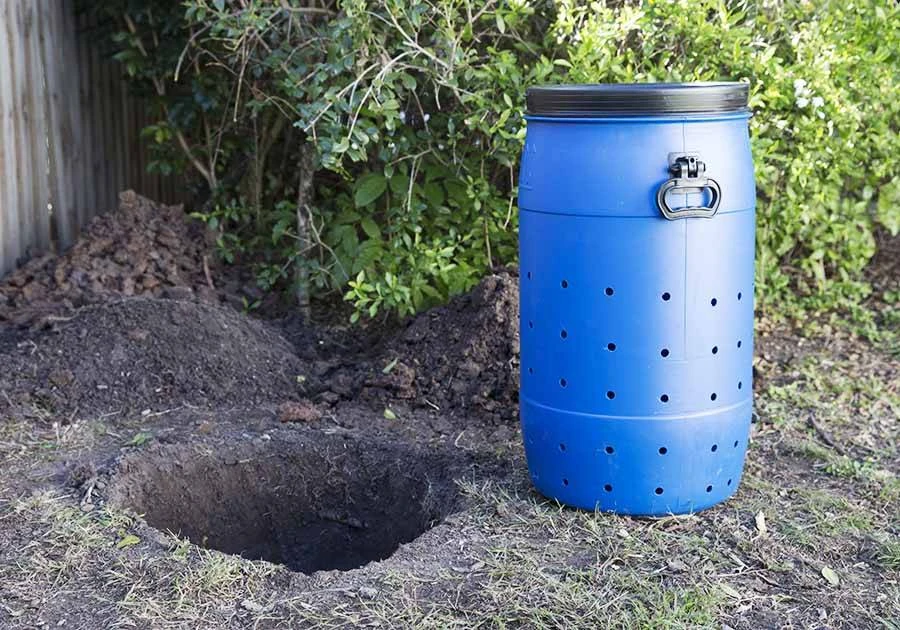
For households with multiple large dogs, a stationary 55-gallon plastic barrel provides a contained environment for processing waste. This vessel helps manage odors more effectively than an open pile.
Follow these technical requirements to build the unit:
- Obtain a 55-gallon plastic barrel to serve as the main vessel.
- Dig a hole deep enough to partially submerge the barrel.
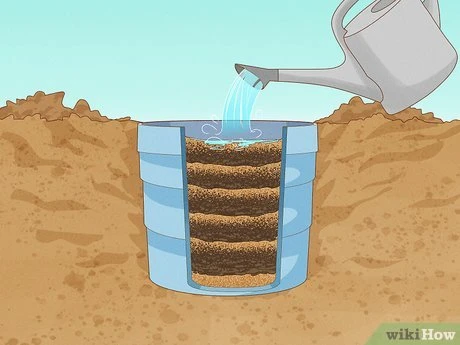
- Install a 4-inch diameter PVC pipe into the barrel to act as an access port for turning and monitoring.
- Use a rubber cap on the PVC pipe to control odors and prevent pest access.
- Backfill the area with soil to stabilize the barrel.
The insulated barrel structure assists in maintaining the heat necessary to reach the 140°F threshold required to potentially kill pathogens in dog waste.
Troubleshooting: Solving the ‘Stink Factor’ and Pests
Biological imbalances often manifest as odors or pests. If the pile fails to reach the required temperature, it may result in anaerobic conditions.
Correcting Nitrogen Imbalance
If the pile is too “wet” or smells strongly, you have likely added too much manure relative to your carbon source. To fix this, incorporate more sawdust or shredded leaves. The goal is to maintain that 2:1 ratio. Without sufficient carbon, the pile will fail to reach the required temperatures, leaving pathogens active in the material.
Preventing Pest Attraction
Pests are attracted to immature compost or the presence of fats and proteins. According to the Natural Resources Conservation Service, adding meat, dairy, or greasy food scraps to a bin is a primary cause of pest attraction. If you are using trench composting, ensure the waste is buried at least 12 to 18 inches deep to prevent scavengers from uncovering the material.
The ‘Bag’ Problem: Compostable vs. Plastic
A common misconception in pet waste management is that using a compostable bag makes the waste itself compostable. This is false. Seattle Public Utilities states that “pet waste is considered a dangerous pollutant and should always go in the trash regardless of what kind of bag is used.”
While biodegradable or PLA (corn starch) bags are better for reducing long-term plastic pollution, they do not neutralize the biological risks inherent in the waste. If you place a compostable bag into a standard backyard bin, the bag may break down, but the pathogens within the waste will remain a risk if the pile does not hit the required temperature thresholds. Always treat pet waste as a specialized waste stream that requires high-heat processing or dedicated municipal disposal.
Essential Safety Protocols for Households
To prevent environmental contamination, Seattle Public Utilities recommends scooping pet waste from the yard at least every 24 hours. Following these hygiene steps helps mitigate the risk of rainwater carrying pollutants into local storm drains.
- Scoop pet waste from the yard at least every 24 hours to prevent buildup and runoff.
- Never use vermicomposting (worm composting) for pet waste if the animal has recently received de-worming medication. Such medications can kill the earthworms and beneficial microbes in your bin.
- Wear gloves and wash hands thoroughly after handling any pet waste or compost materials.
- Keep compost bins away from areas where children play or where food is prepared.
For those using worm composting for other organic materials, remember that while there are 9,000 earthworm species, only about 7 species are actually suitable for vermicomposting. These worms typically require a starting weight of 1 pound (containing approximately 1,000 individual worms) to establish a healthy, active bin.
FAQ
Can I use dog poop compost in my vegetable garden?
No. Due to the risk of pathogens like E. coli and Salmonella, dog waste compost should only be used for ornamental plants, flowers, or orchards, never food crops. The UF/IFAS explicitly advises against applying compost containing dog waste to food crops.
Will de-worming medication kill my compost worms?
Yes. If your pet has recently been treated with de-worming medication, their waste can kill the earthworms and beneficial microbes in your bin or worm farm. This can cause a total failure of a vermicomposting system.
What temperature is required to kill pet pathogens?
You must reach a ‘magic number’ of at least 140°F to ensure pathogens are destroyed. Some guidelines, such as those from the Natural Resources Conservation Service, suggest that reaching 131°F for a minimum of 3 days is also an effective threshold for pathogen reduction.
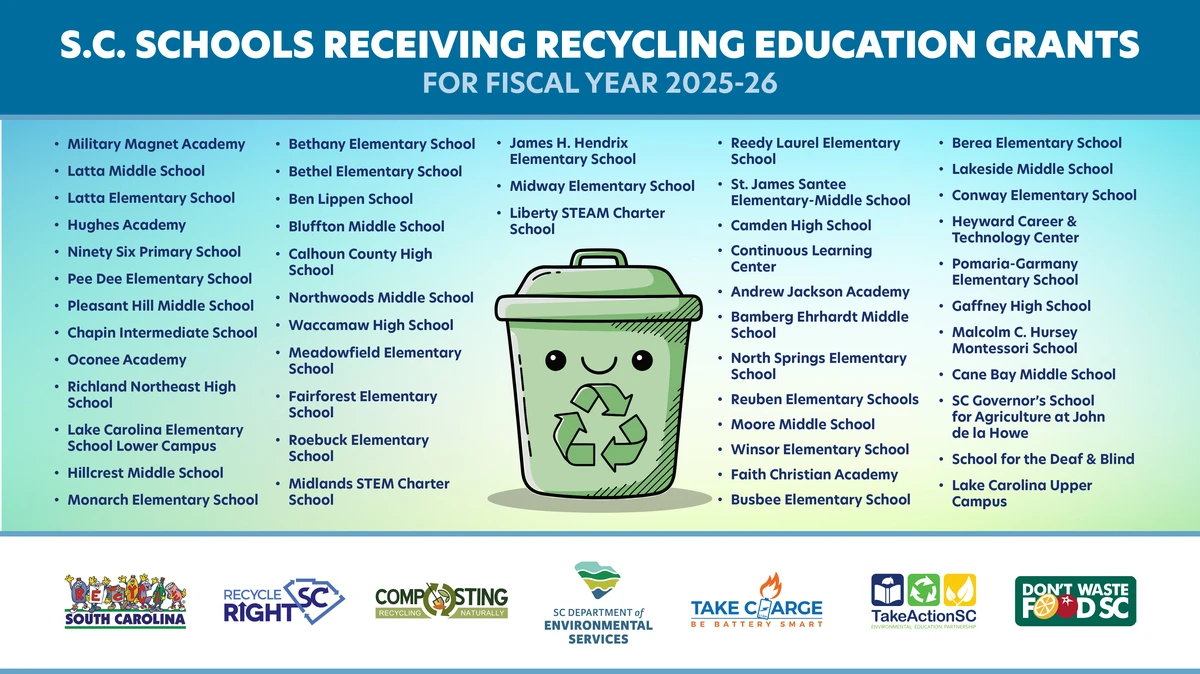
Top Community Pet Waste Recycling Programs and Composting Success
PawVerde.com – Community pet waste recycling programs have gained substantial momentum in 2026, with several urban areas implementing innovative composting and packaging recycling initiatives. Boulder, Colorado, leads with its dog waste composting program active at 20 trailheads, processing thousands of pounds of pet waste annually since its inception in 2014. New York City’s Battery Park City Authority recently upgraded its composting facility to handle up to 200 pounds of animal waste daily, significantly expanding local capacity. Complementing these municipal efforts, DMV Poop Patrol offers professional eco-friendly pet waste removal services across Maryland, Washington, DC, and Virginia, emphasizing maintenance and community engagement. TerraCycle’s Earthborn Holistic® program has introduced free pet food packaging recycling with multiple community drop-off points and prepaid shipping options, increasing accessibility for pet owners nationwide.
Expanding Urban Composting Programs for Pet Waste
Boulder’s dog waste composting initiative exemplifies long-term success in integrating pet waste management into urban green spaces. Operating since 2014, the program now services 20 trailheads, providing strategically placed compost bins that encourage responsible disposal. The city reports thousands of pounds of dog waste diverted annually from landfills, contributing to soil enrichment projects and reducing methane emissions. The program’s effectiveness relies on carefully coordinated station placement, regular maintenance, and community education campaigns that stress the environmental benefits of composting pet waste.
In New York City, the Battery Park City Authority has invested in upgrading its composting infrastructure to address rising demand for animal waste processing. The new composter now manages 200 pounds of pet waste daily, a substantial increase over previous capacity. This facility supports the city’s broader sustainability goals by converting pet waste into nutrient-rich compost used in local landscaping. The upgrade includes state-of-the-art odor control and pathogen reduction technology, ensuring safe and hygienic processing. The initiative reflects growing municipal recognition of pet waste as a valuable resource rather than a nuisance.
Professional Waste Removal Services and Packaging Recycling
The DMV Poop Patrol distinguishes itself by offering eco-friendly pet waste removal services across the Maryland, DC, and Virginia metropolitan area. Its model combines regular waste collection with the provision and maintenance of composting stations in community parks and residential complexes. By focusing on convenience and hygiene, the service has increased participation rates and reduced improper disposal incidents. Maintenance protocols include frequent bin emptying, station sanitization, and replenishment of compostable bags, ensuring consistent user experience.
TerraCycle’s Earthborn Holistic® program addresses the often-overlooked challenge of pet food packaging waste. The program provides free recycling for pet food packaging, including flexible pouches and bags, through a network of community drop-off points and prepaid shipping labels. This initiative targets the significant volume of polyethylene terephthalate (PET) and other plastics used in pet food packaging, which are typically difficult to recycle through municipal programs. By facilitating consumer participation and collaborating with retailers, TerraCycle expands circular economy practices within the pet industry.
Recycling Infrastructure Investments and Market Challenges
Despite advances in composting and packaging recycling, challenges persist in PET recycling markets. National PET bale prices have dropped sharply to approximately 1.74 cents per pound, reflecting oversupply and contamination issues. This decline impacts the economic viability of recycling programs and creates pressure on material recovery facilities (MRFs) to improve sorting technologies.
Mecklenburg County, North Carolina, has responded with a $25.7 million retrofit of its MRF to enhance PET thermoform sorting capabilities. The investment includes optical sorting upgrades and enhanced conveyor systems designed to reduce contamination rates and increase the quality of recycled PET bales. This retrofit aligns with broader industry efforts to stabilize recycling markets and support circularity in plastic packaging.
Extended Producer Responsibility (EPR) laws, now adopted by seven US states as of late 2025, are reshaping packaging waste management. These policies require producers to finance the collection, recycling, and disposal of packaging materials, incentivizing design for recyclability and increased recycling infrastructure funding. The legislation’s impact is expected to accelerate improvements in collection systems and bolster demand for recycled content, particularly for PET packaging in the pet food sector.
Community Engagement and Effective Program Implementation
Effective pet waste recycling programs emphasize accessible infrastructure and public participation. Lafayette Great Bark Dog Park has responded to high community demand by increasing the number of compost bins, resulting in measurable increases in pet waste diversion. Public education campaigns at this park focus on the environmental impacts of pet waste and proper use of composting stations, supported by signage and outreach events.
Best practices in station placement highlight the importance of locating bins at high-traffic areas, such as park entrances, trail intersections, and near water sources, to maximize use and minimize contamination. Regular maintenance, including bin emptying and supply replenishment, is critical to sustaining user compliance and program credibility. The DMV Poop Patrol’s operational model underscores the value of professional service providers in managing these logistical challenges.
Circular Economy Innovations in the Pet Industry
Several pet product brands have embraced circular economy principles by adopting sustainable packaging and closed-loop recycling programs. West Paw, a manufacturer of pet toys, incorporates recycled materials into product lines and offers take-back programs for end-of-life toys, reducing landfill contributions. Similarly, Chewy has introduced initiatives to recycle packaging materials and promote biodegradable alternatives.
These efforts complement municipal and nonprofit recycling programs by addressing the full lifecycle of pet products. Sustainable packaging initiatives focus on reducing reliance on single-use plastics and increasing the use of recyclable or compostable materials. Collaboration between manufacturers, retailers, and recycling organizations is vital to scaling these circular economy models.
Policy Impact and Future Prospects for Pet Waste Recycling
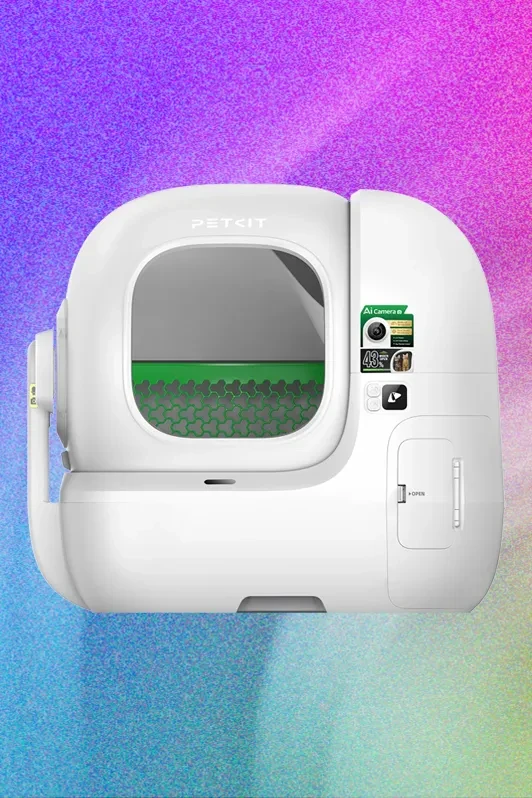
The adoption of Extended Producer Responsibility laws and bottle deposit programs continues to influence plastic waste reduction strategies. These policies enhance funding and accountability mechanisms, enabling municipalities and private entities to expand recycling infrastructure and educational outreach.
Looking ahead, the integration of pet waste composting and packaging recycling is poised to grow through technological innovation and community-driven participation. Advances in urban composting technology, combined with increased public awareness, will facilitate further diversion of pet waste from landfills. Simultaneously, improvements in PET recycling markets and packaging design will support more effective material recovery.
Municipalities and private organizations planning new programs can draw on examples from Boulder, Battery Park City, and the DMV region to develop scalable, user-friendly models. As the pet industry increasingly aligns with circular economy principles, the synergy between waste management and sustainable product design will deepen, fostering environmental benefits and community engagement nationwide.
Safe Pet Waste Composting Methods for Healthier Soil
PawVerde.com – Properly composting pet waste remains a critical environmental and public health concern in 2026, especially as urban pet ownership and awareness of sustainable waste management increase. Pet waste, particularly dog and cat feces, contains pathogens such as E. coli, Salmonella, and Toxocara that pose risks to humans and animals if not handled correctly. Composting pet waste offers an eco-friendly alternative to landfill disposal or flushing, reducing organic waste while contributing to soil amendment when done safely. However, pet waste composting requires specific methods distinct from typical food or yard waste composting to mitigate pathogen risks and avoid contamination of edible crops.
Aerobic composting, characterized by controlled oxygen supply and balanced carbon-to-nitrogen ratios, is currently recognized as the safest and most effective method for pet waste. This approach, particularly when using sealed compost bins designed for pet waste, achieves pathogen elimination rates exceeding 98% by maintaining temperatures between 55-65°C (131-149°F) for sufficient durations. Cold composting, which relies on extended decomposition times without active aeration or heating, can also render pet waste safer but demands patience and careful site selection to prevent surface-level contamination.
Understanding Pathogen Risks and Safety Concerns in Pet Waste Composting
Pet waste harbors a spectrum of pathogens including Giardia, Cryptosporidium, and hookworms, which survive in moist environments and can infect humans through soil contact or ingestion. Unlike plant-based compost, pet feces do not break down as readily and require specialized treatment to neutralize these risks. The persistence of pathogens in untreated pet waste underscores why traditional composting methods, such as open piles or mixing with food scraps, are inadequate.
The primary safety concern is the potential contamination of edible plants and water supplies. Applying pet waste compost directly onto vegetables or fruits poses a significant health hazard due to pathogen transfer. Therefore, regulatory guidelines and expert recommendations emphasize restricting pet waste compost use to non-edible ornamental gardens, lawns, or soil remediation projects where food safety is not compromised.
Composting systems dedicated exclusively to pet waste help prevent cross-contamination and allow for optimized conditions tailored to pathogen destruction. Awareness of these risks and adherence to safety protocols are essential for responsible pet waste management in residential settings.
Best Composting Methods for Pet Waste: Aerobic and Cold Composting
aerobic composting remains the benchmark method for pet waste, combining oxygen exposure with thermophilic microbial activity to accelerate organic matter breakdown and pathogen elimination. Maintaining an optimal carbon-to-nitrogen ratio, ideally between 25:1 and 30:1, is crucial. Pet feces are nitrogen-rich; thus, incorporating carbon-rich materials like sawdust, shredded leaves, or straw balances the mix and improves aeration.
Sealed compost bins designed for pet waste enhance the aerobic process by containing odors and preventing pest access. These bins facilitate consistent temperature control, moisture retention, and aeration through vents or manual turning. Research from university extension programs indicates that maintaining temperatures above 55°C for at least three consecutive days effectively destroys most harmful microbes.
Cold composting pet waste, alternatively, involves depositing waste in a secluded area or deep pit and allowing it to decompose naturally over an extended period, often exceeding one year. This method is less labor-intensive but requires strict site management to minimize pathogen leaching and odors. Cold composting is suitable when aerobic composting infrastructure is not feasible but demands patience and caution in application.
Innovative and DIY Composting Techniques for Pet Waste
Homeowners increasingly adopt DIY pet waste composters tailored for backyard use, combining affordability with environmental responsibility. Popular designs include buried composters that leverage soil microbes and earthworm activity, and specialized worm farms (vermicomposting) that use composting worms to break down pet feces safely. Worm farms require careful monitoring of moisture and temperature to prevent pathogen survival and odor issues.
Compost starters, which introduce beneficial microbes, accelerate decomposition and improve compost quality. Layering pet waste with absorbent carbon materials such as sawdust or shredded cardboard not only balances the carbon-to-nitrogen ratio but also reduces moisture and odor problems. Using compostable dog poop bags made from plant-based polymers further supports sustainability by preventing plastic contamination.
Practical construction of these composters involves ensuring aeration, preventing runoff, and situating bins away from water sources or vegetable gardens. Maintenance protocols recommend frequent turning or mixing and monitoring for temperature peaks to confirm pathogen destruction.
Practical Guidance for Safe and Efficient Pet Waste Composting
Handling pet waste safely begins with collection using compostable bags and disposable gloves to minimize direct contact and contamination risk. Prompt transfer to the compost bin prevents prolonged odor generation and fly attraction. To manage odors, incorporating carbon-rich materials like sawdust or dry leaves creates a biofilter effect and enhances microbial activity.
Compost temperature monitoring is vital for confirming pathogen kill-off, with thermometers available for home use. Moisture levels should be kept between 40-60% to support aerobic microbes without fostering anaerobic conditions that cause odors. Pest control measures include securing compost bins with tight lids and avoiding food scraps, which attract rodents.
Regular inspection and turning of compost accelerate decomposition and maintain aerobic conditions, reducing the time required before the compost is safe for use on non-edible plants.
The Environmental and Soil Health Benefits of Pet Waste Compost
Composted pet waste contributes to nutrient recycling by returning nitrogen, phosphorus, and organic matter to the soil. When applied below the surface in ornamental gardens or lawns, it enhances soil structure, improves moisture retention, and fosters beneficial microbial communities that support plant growth.
Studies show that pet waste compost, when processed correctly, can support healthy soil microbiology without introducing harmful pathogens. This contributes to sustainable urban gardening practices by diverting organic waste from landfills, reducing methane emissions, and minimizing water pollution caused by pet waste runoff.
Waste reduction through dedicated pet waste composting aligns with broader environmental goals, promoting closed-loop systems and ecological responsibility among pet owners.
Regulatory and Safety Considerations for Pet Waste Composting
Local regulations vary regarding pet waste composting, with some municipalities permitting it under strict conditions while others restrict or prohibit the practice due to health concerns. It is vital for composters to consult local environmental agencies or extension services to ensure compliance.
Most guidelines emphasize using pet waste compost exclusively on non-food plants and maintaining secure composting setups to prevent pathogen transmission. Public health authorities caution against home use of pet waste compost in vegetable gardens or areas where children and pets play.
Adhering to these regulations and recommendations protects both public health and the environment, reinforcing the credibility and safety of pet waste composting practices.
FAQ: Common Questions on Composting Pet Waste Safely
What is the safest way to compost dog waste at home?
Aerobic composting with a dedicated, sealed bin that maintains a balanced carbon-to-nitrogen ratio and reaches thermophilic temperatures is the safest method. This approach effectively eliminates most pathogens and controls odors.
Can pet waste compost be used in vegetable gardens?
No. Due to pathogen risks, pet waste compost should not be applied to edible plants. It is suitable only for non-food garden areas or ornamental landscaping.
How long does cold composting pet waste take?
Cold composting typically requires at least one year, sometimes longer, to ensure safe decomposition and pathogen reduction without active aeration or heating.
Are compostable dog poop bags better for composting?
Yes. Compostable bags made from plant-based materials break down more readily in compost systems, reducing plastic pollution and supporting sustainable waste management.
How can I control odors when composting pet waste?
Incorporating carbon-rich materials like sawdust, maintaining proper moisture levels, and using sealed bins with ventilation helps control odors. Regular turning of the compost also reduces anaerobic conditions that cause smells.
—
Looking ahead, advancements in home composting technology and increased awareness of pathogen-safe methods will likely enhance the feasibility of pet waste composting in residential settings. Emerging innovations such as smart compost bins with temperature and moisture sensors, combined with community education on carbon-to-nitrogen balancing and proper bin maintenance, promise to make pet waste composting safer and more accessible. Integrating these practices supports a circular economy in organic waste management and fosters healthier, more sustainable urban environments.
How to Create a Pet Waste Compost Bin Safely and Effectively
PawVerde.com – Creating a dedicated pet waste compost bin allows homeowners to safely recycle dog and cat waste into valuable compost for non-edible plants, reducing environmental pollution and landfill burden. Properly composted pet waste eliminates pathogens, minimizes odors, and produces nutrient-rich soil amendment when managed with appropriate materials, temperature control, and maintenance practices. This tutorial provides detailed, step-by-step instructions to build, operate, and maintain a pet waste compost bin following safety protocols and scientific composting principles.
Selecting an appropriate location and container is critical to preventing runoff contamination and ensuring effective composting. Mixing pet waste with high-carbon materials at correct ratios, monitoring moisture, and maintaining high temperatures achieve pathogen elimination. The process includes compost curing to stabilize material before safe use on ornamental gardens and lawns. This guide also covers troubleshooting common issues and best practices for safe pet waste composting at home.
Step 1: Choosing and Preparing the Compost Bin Location
Effective pet waste composting begins with selecting a site that supports aerobic decomposition while protecting groundwater and edible plants from contamination. Choose a well-drained, level location that is isolated from vegetable gardens, orchards, and water sources such as wells, streams, or ponds. A minimum distance of 10 feet from edible plants and at least 50 feet from water bodies reduces contamination risk.
Avoid placing the bin in high-traffic areas, near children’s play zones, or locations prone to flooding. Good drainage prevents leachate accumulation, which can cause odor and pathogen spread. Prepare the site with a gravel or coarse sand base to enhance drainage under the bin. This foundation also stabilizes the compost container and facilitates airflow from below.
If local regulations exist regarding pet waste disposal or composting, ensure your site selection complies with those rules. For example, some municipalities require pet waste compost bins to be sealed or located within fenced areas.
Step 2: Selecting or Constructing the Compost Bin
Choose a compost bin that provides adequate containment, drainage, aeration, and access for turning and monitoring. Common home-use options include:
Enhance airflow by installing perforated PVC pipes vertically through the bin or drilling multiple holes spaced evenly. Good aerobic conditions accelerate decomposition and reduce odors. A gravel layer (2-3 inches) at the bottom of the bin supports drainage and prevents waterlogging.
Ensure the bin has a tight-fitting lid to keep out scavengers and rainwater, which can dilute the compost and cause anaerobic conditions. Position the bin on a stable base to allow easy access for turning and monitoring temperature.
Step 3: Preparing Compost Materials and Mixing Ratios
Pet waste alone is high in nitrogen and moisture but lacks sufficient carbon, which is essential for balanced composting. Add carbon-rich materials to absorb excess moisture and provide energy for microbial activity.
Use only biodegradable kitty litter made from pine, paper, or other compostable materials. Avoid clay-based or silica litters, as they do not break down and can harm compost quality.
Recommended carbon sources include:
The ideal carbon-to-nitrogen ratio (C:N) in the compost pile should be approximately 20-30:1. Since pet waste is nitrogen-rich, mix it with carbon materials in roughly a 1:2 ratio by volume (1 part pet waste to 2 parts carbon source). This balance supports microbial growth and prevents ammonia odors.
Maintain moisture at the consistency of a wrung-out sponge—damp but not soggy. Excess moisture leads to anaerobic decomposition and odor generation, while too little moisture stalls microbial activity. Test moisture by squeezing a handful of material: a few drops of water may appear, but it should not drip freely.
Step 4: Managing the Composting Process and Maintenance
Proper composting requires maintaining aerobic conditions, temperature control, and regular turning.
Maintaining these conditions can take several weeks. Use a compost thermometer with a probe length of 12 inches or more to measure temperature at the core, not just surface heat.
Step 5: Compost Curing and Safe Usage
After the active composting phase, allow the material to cure for several months to 1-2 years. During curing, microbial activity slows, and the compost stabilizes, with organic matter fully decomposed and pH levels normalizing.
Curing time varies depending on climate, bin size, and maintenance. Finished compost should be dark, crumbly, and earthy-smelling with no recognizable pet waste particles.
Use finished compost exclusively on:
Avoid applying pet waste compost to vegetable gardens or edible plants due to residual pathogen risks. Do not use near water sources to prevent contamination.
Troubleshooting and Best Practices for Pet Waste Composting
Alternative Methods and Enhancements
Practical Example: Building a DIY Pet Waste Compost Bin
| Compost Component | Recommended Material | Role in Compost |
|---|---|---|
| Pet Waste | Dog and cat feces, urine | High nitrogen source, moisture contributor |
| Carbon Source | Sawdust, shredded newspaper, straw, biodegradable kitty litter (pine or paper-based) | Balances nitrogen, absorbs moisture, provides energy for microbes |
| Microbial Starter | Garden compost, septic starter | Introduces beneficial microbes to accelerate decomposition |
| Compost Bin | Plastic barrel with drainage, metal bin, Doggie Dooley | Contains waste, enables aeration and temperature control |
| Drainage Layer | Gravel, coarse sand | Prevents waterlogging, supports aerobic conditions |
Frequently Asked Questions
Can composted pet waste be used on vegetable gardens?
No. Compost derived from pet waste may still contain pathogens even after composting and curing, posing health risks. Use finished compost only on ornamental plants or lawns away from edible crops.
How long does pet waste composting take to complete?
Active composting with regular turning and temperature monitoring typically takes 6-12 weeks. Curing to stabilize compost may require an additional 6 months to 2 years depending on conditions.
Is biodegradable kitty litter necessary for pet waste composting?
Yes. Only use biodegradable kitty litter made from pine, paper, or similar compostable materials. Clay or silica-based litters do not break down and contaminate the compost.
What temperature must pet waste compost reach to kill pathogens?
The compost pile should reach and maintain at least 140°F (60°C) for several days to effectively eliminate harmful pathogens such as E. coli, roundworms, and parasites.
How often should I turn my pet waste compost pile?
Turn the compost weekly to maintain aerobic conditions, distribute moisture, and ensure even temperature throughout the pile for optimal decomposition.
—
Proper pet waste composting reduces environmental contamination and transforms waste into useful soil amendment when conducted with attention to safety, materials, and process management. Homeowners can build simple yet effective bins, maintain temperature and moisture, and cure compost for safe use on ornamental plants. Future innovations may include more efficient microbial starters and composting systems tailored for pet waste, further minimizing the ecological footprint of pet ownership.