
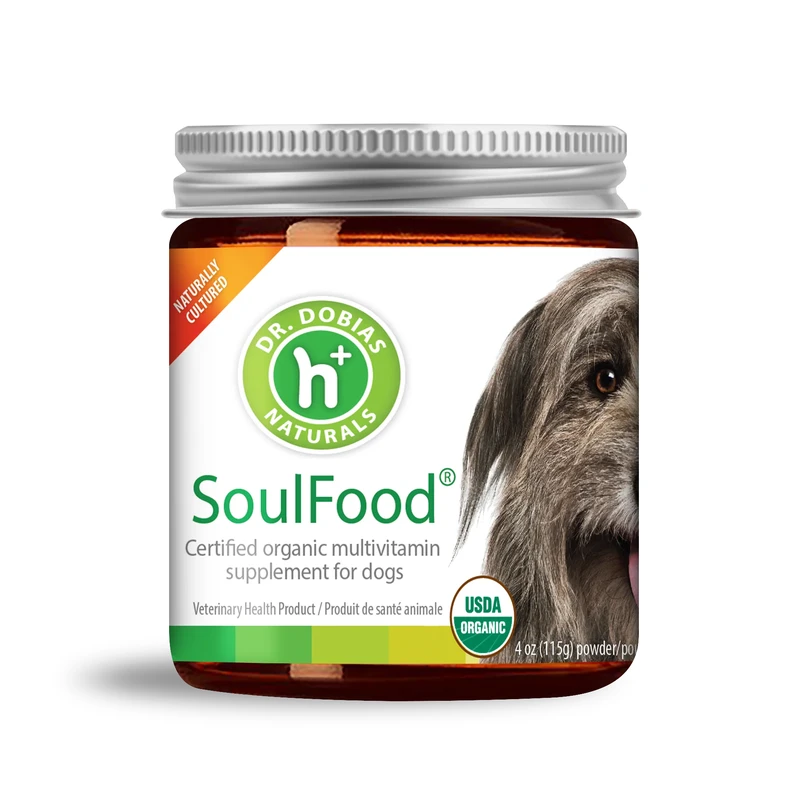
PawVerde.com – eco-friendly pet supplements prioritize sustainable ingredients like insect proteins and microalgae, which offer high digestibility and low environmental impact. To ensure they are easy on a sensitive stomach, look for low-temperature processed formulas, avoid synthetic binders like magnesium stearate, and prioritize high-moisture or whole-food delivery methods.
Cricket protein is claimed to be more easily digestible than meat and is rich in amino acids, vitamin B 12, iron, and fiber. This makes insect-based options a primary target for owners seeking to reduce their carbon footprint without sacrificing nutritional density.
The Sustainability-Digestibility Matrix: Comparing Eco-Friendly Proteins
Selecting sustainable options requires balancing environmental impact with gastrointestinal ease. While insect proteins like crickets offer high digestibility and low carbon footprints, microalgae and macroalgae provide stability for the gut microbiome. For those opting for plant-based proteins like pea or faba bean, pairing them with prebiotics like inulin helps ensure optimal digestion.
The nutritional landscape for pets is shifting away from traditional livestock. Edible insects serve as a novel protein source that can prevent food allergic reactions in dogs because most dogs have not developed sensitivities to them.
Insect Protein vs. Microalgae
Microalgae and macroalgae are emerging as powerhouse sources for pet supplementation. Research suggests these sources offer palatability, digestibility, and gut microbiome stability. Spirulina powder, for example, can contain up to 70% protein. While highly sustainable, these aquatic sources function differently in the gut than insect proteins, which provide essential fiber alongside amino acids.
The Role of Plant-Based Proteins
Plant-based proteins, often provided by companies like BENEO, offer a low-impact alternative to animal fats. However, a common misconception is that plant proteins are inherently easier to digest. In reality, they often require specific pairings to be effective. For instance, pairing pea or faba bean proteins with prebiotics like inulin ensures that the digestive system can process the nutrients without causing gas or bloating.
| Protein Source | Environmental Impact | Digestibility Score | Key Nutrient Benefit |
|---|---|---|---|
| Cricket/Insect | Very Low | High | B12, Iron, Fiber |
| Microalgae | Low | Moderate/High | Microbiome Stability |
| Plant-Based (Pea/Faba) | Very Low | Moderate | Prebiotic Support |
| Traditional Meat | High | High | Complete Amino Acids |
Traditional meat provides high digestibility but carries a significantly higher environmental cost than algae-based alternatives. For pets with allergies, the “novel” nature of insect protein provides a unique advantage that traditional proteins cannot match.
The Hidden Filler Audit: Protecting Nutrient Absorption
Even the most sustainable protein source can be undermined by poor formulation. Owners should examine inactive ingredients used for shape or shelf life.
The Magnesium Stearate Problem
One of the most significant pitfalls in supplement manufacturing is the use of magnesium stearate. While used to prevent machines from sticking during production, this substance can create a water-repelling effect around active ingredients. This coating may compromise the body’s ability to absorb essential nutrients. It is noted that our bodies will always react to foreign, non-biological substances.
Identifying Non-Biological Binders
To protect your pet’s gut health, check the ingredient list for synthetic binders. Avoid products that rely heavily on these common red flags:
- Magnesium stearate
- Silicon dioxide
- Artificial coloring agents
- Synthetic coatings on hard tablets
Hard tablets are notoriously difficult for the digestive tract to break down compared to powders or capsules. If a supplement is intended for a pet with a sensitive stomach, the presence of these non-biological binders can lead to poor nutrient extraction and gastrointestinal discomfort.
Optimizing Bioavailability through Gentle Processing and Moisture
To maximize digestibility, choose supplements prepared via gentle, low-temperature cooking, which preserves nutrients and kills bacteria without destroying enzymes. Additionally, increasing moisture content through wet carriers like pumpkin puree supports GI motility and hydration, preventing the constipation often associated with dry tablets or powders.
Why Temperature Matters
High-heat processing can denature proteins and destroy delicate vitamins. Conversely, gentle, low-temperature cooking kills bacteria found in raw meats while maintaining the structural integrity of the nutrients. For example, Shanghai Peitong Technology Co., Ltd. has developed formulas that utilize yeast probiotics and seaweed powder to enhance nutritional value through more controlled methods.
The Moisture Gap
Dry supplements, such as powders or hard tablets, can contribute to dehydration if not managed correctly. Higher moisture content provides a direct digestive benefit by supporting hydration and ensuring smoother GI motility. Integrating supplements with moisture-rich whole foods can mitigate the risks of constipation.
A 7-Day Transition Protocol for Sensitive Stomachs
Introducing a new eco-friendly supplement should be done gradually. A sudden change in protein or fiber sources can trigger diarrhea or gas. Follow this structured approach to ensure a smooth transition.
Monitoring Stool Consistency
Before starting, use the “Tracking Dietary Patterns” method. This involves recording your pet’s current stool consistency, appetite, and behavior. This baseline is essential for determining if the new supplement is actually helping or causing issues.
The Reintroduction Phase
- Days 1-2: Administer only 25% of the recommended dose mixed thoroughly with their existing food.
- Days 3-4: Increase the dose to 50% if stool consistency remains stable.
- Days 5-6: Move to 75% of the daily requirement.
- Day 7: Transition to the full recommended dosage.
Shortcut: If you notice sudden changes in appetite or significant gas, immediately revert to the previous dose and consult a professional.
Managing Metabolic Health with Eco-Friendly Carbohydrates
Not all carbohydrates are created equal when it comes to blood sugar stability. For pets requiring metabolic support, the type of sugar or starch used in a supplement can dictate how the body responds.
Isomaltulose vs. Sucrose
Research indicates that isomaltulose can be a superior choice for metabolic health. In studies involving dogs, isomaltulose significantly lowered blood glucose and insulin responses when compared to maltodextrin or sucrose. This makes it an ideal ingredient for weight management and glucose stability.
Prebiotics and Blood Sugar
Non-digestible carbohydrates, such as inulin and oligofructose, serve as vital prebiotics. Because these fibers are not fully broken down by the small intestine, they do not trigger a rise in postprandial blood glucose or insulin concentrations. This allows for gut microbiome support without the metabolic spikes associated with traditional starches.
Safety Thresholds and Avoiding Toxicity
While supplements are intended to support health, exceeding certain thresholds can lead to toxicity. Even “natural” minerals must be consumed within specific limits.
The Magnesium Ceiling
Magnesium is essential for many bodily functions, but it follows a strict safety curve. While the maximum recommended daily intake for adults to avoid side effects is roughly 350 mg, exceeding 5,000 mg per day poses a direct risk of toxicity.
Common Questions on Eco-Friendly Pet Nutrition
Are insect proteins actually easier to digest than meat?
Yes, insect protein like cricket is highly digestible and serves as a novel protein source to prevent food allergic reactions. It is also rich in essential nutrients like vitamin B12 and iron.
How can I tell if a supplement is ‘greenwashed’?
Watch for high-processing methods that destroy prebiotics and check for non-organic binders like silicon dioxide or magnesium stearate that may impede nutrient absorption.
Can I feed my dog silkworm pupae protein?
Yes, silkworm pupae can be used, but they should only be introduced once a dog reaches a minimum of four months of age.