
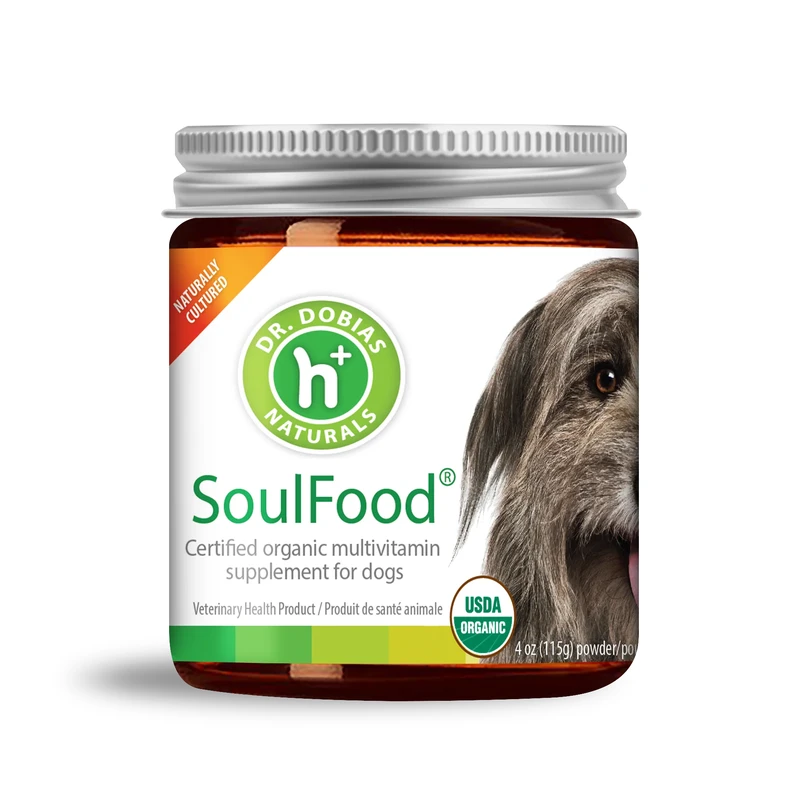
Eco-Friendly Pet Supplements: Sustainable & Easy to Digest
PawVerde.com – eco-friendly pet supplements prioritize sustainable ingredients like insect proteins and microalgae, which offer high digestibility and low environmental impact. To ensure they are easy on a sensitive stomach, look for low-temperature processed formulas, avoid synthetic binders like magnesium stearate, and prioritize high-moisture or whole-food delivery methods.
Cricket protein is claimed to be more easily digestible than meat and is rich in amino acids, vitamin B 12, iron, and fiber. This makes insect-based options a primary target for owners seeking to reduce their carbon footprint without sacrificing nutritional density.
The Sustainability-Digestibility Matrix: Comparing Eco-Friendly Proteins
Selecting sustainable options requires balancing environmental impact with gastrointestinal ease. While insect proteins like crickets offer high digestibility and low carbon footprints, microalgae and macroalgae provide stability for the gut microbiome. For those opting for plant-based proteins like pea or faba bean, pairing them with prebiotics like inulin helps ensure optimal digestion.
The nutritional landscape for pets is shifting away from traditional livestock. Edible insects serve as a novel protein source that can prevent food allergic reactions in dogs because most dogs have not developed sensitivities to them.
Insect Protein vs. Microalgae
Microalgae and macroalgae are emerging as powerhouse sources for pet supplementation. Research suggests these sources offer palatability, digestibility, and gut microbiome stability. Spirulina powder, for example, can contain up to 70% protein. While highly sustainable, these aquatic sources function differently in the gut than insect proteins, which provide essential fiber alongside amino acids.
The Role of Plant-Based Proteins
Plant-based proteins, often provided by companies like BENEO, offer a low-impact alternative to animal fats. However, a common misconception is that plant proteins are inherently easier to digest. In reality, they often require specific pairings to be effective. For instance, pairing pea or faba bean proteins with prebiotics like inulin ensures that the digestive system can process the nutrients without causing gas or bloating.
| Protein Source | Environmental Impact | Digestibility Score | Key Nutrient Benefit |
|---|---|---|---|
| Cricket/Insect | Very Low | High | B12, Iron, Fiber |
| Microalgae | Low | Moderate/High | Microbiome Stability |
| Plant-Based (Pea/Faba) | Very Low | Moderate | Prebiotic Support |
| Traditional Meat | High | High | Complete Amino Acids |
Traditional meat provides high digestibility but carries a significantly higher environmental cost than algae-based alternatives. For pets with allergies, the “novel” nature of insect protein provides a unique advantage that traditional proteins cannot match.
The Hidden Filler Audit: Protecting Nutrient Absorption
Even the most sustainable protein source can be undermined by poor formulation. Owners should examine inactive ingredients used for shape or shelf life.
The Magnesium Stearate Problem
One of the most significant pitfalls in supplement manufacturing is the use of magnesium stearate. While used to prevent machines from sticking during production, this substance can create a water-repelling effect around active ingredients. This coating may compromise the body’s ability to absorb essential nutrients. It is noted that our bodies will always react to foreign, non-biological substances.
Identifying Non-Biological Binders
To protect your pet’s gut health, check the ingredient list for synthetic binders. Avoid products that rely heavily on these common red flags:
- Magnesium stearate
- Silicon dioxide
- Artificial coloring agents
- Synthetic coatings on hard tablets
Hard tablets are notoriously difficult for the digestive tract to break down compared to powders or capsules. If a supplement is intended for a pet with a sensitive stomach, the presence of these non-biological binders can lead to poor nutrient extraction and gastrointestinal discomfort.
Optimizing Bioavailability through Gentle Processing and Moisture
To maximize digestibility, choose supplements prepared via gentle, low-temperature cooking, which preserves nutrients and kills bacteria without destroying enzymes. Additionally, increasing moisture content through wet carriers like pumpkin puree supports GI motility and hydration, preventing the constipation often associated with dry tablets or powders.
Why Temperature Matters
High-heat processing can denature proteins and destroy delicate vitamins. Conversely, gentle, low-temperature cooking kills bacteria found in raw meats while maintaining the structural integrity of the nutrients. For example, Shanghai Peitong Technology Co., Ltd. has developed formulas that utilize yeast probiotics and seaweed powder to enhance nutritional value through more controlled methods.
The Moisture Gap
Dry supplements, such as powders or hard tablets, can contribute to dehydration if not managed correctly. Higher moisture content provides a direct digestive benefit by supporting hydration and ensuring smoother GI motility. Integrating supplements with moisture-rich whole foods can mitigate the risks of constipation.
A 7-Day Transition Protocol for Sensitive Stomachs
Introducing a new eco-friendly supplement should be done gradually. A sudden change in protein or fiber sources can trigger diarrhea or gas. Follow this structured approach to ensure a smooth transition.
Monitoring Stool Consistency
Before starting, use the “Tracking Dietary Patterns” method. This involves recording your pet’s current stool consistency, appetite, and behavior. This baseline is essential for determining if the new supplement is actually helping or causing issues.
The Reintroduction Phase
- Days 1-2: Administer only 25% of the recommended dose mixed thoroughly with their existing food.
- Days 3-4: Increase the dose to 50% if stool consistency remains stable.
- Days 5-6: Move to 75% of the daily requirement.
- Day 7: Transition to the full recommended dosage.
Shortcut: If you notice sudden changes in appetite or significant gas, immediately revert to the previous dose and consult a professional.
Managing Metabolic Health with Eco-Friendly Carbohydrates
Not all carbohydrates are created equal when it comes to blood sugar stability. For pets requiring metabolic support, the type of sugar or starch used in a supplement can dictate how the body responds.
Isomaltulose vs. Sucrose
Research indicates that isomaltulose can be a superior choice for metabolic health. In studies involving dogs, isomaltulose significantly lowered blood glucose and insulin responses when compared to maltodextrin or sucrose. This makes it an ideal ingredient for weight management and glucose stability.
Prebiotics and Blood Sugar
Non-digestible carbohydrates, such as inulin and oligofructose, serve as vital prebiotics. Because these fibers are not fully broken down by the small intestine, they do not trigger a rise in postprandial blood glucose or insulin concentrations. This allows for gut microbiome support without the metabolic spikes associated with traditional starches.
Safety Thresholds and Avoiding Toxicity
While supplements are intended to support health, exceeding certain thresholds can lead to toxicity. Even “natural” minerals must be consumed within specific limits.
The Magnesium Ceiling
Magnesium is essential for many bodily functions, but it follows a strict safety curve. While the maximum recommended daily intake for adults to avoid side effects is roughly 350 mg, exceeding 5,000 mg per day poses a direct risk of toxicity.
Common Questions on Eco-Friendly Pet Nutrition
Are insect proteins actually easier to digest than meat?
Yes, insect protein like cricket is highly digestible and serves as a novel protein source to prevent food allergic reactions. It is also rich in essential nutrients like vitamin B12 and iron.
How can I tell if a supplement is ‘greenwashed’?
Watch for high-processing methods that destroy prebiotics and check for non-organic binders like silicon dioxide or magnesium stearate that may impede nutrient absorption.
Can I feed my dog silkworm pupae protein?
Yes, silkworm pupae can be used, but they should only be introduced once a dog reaches a minimum of four months of age.
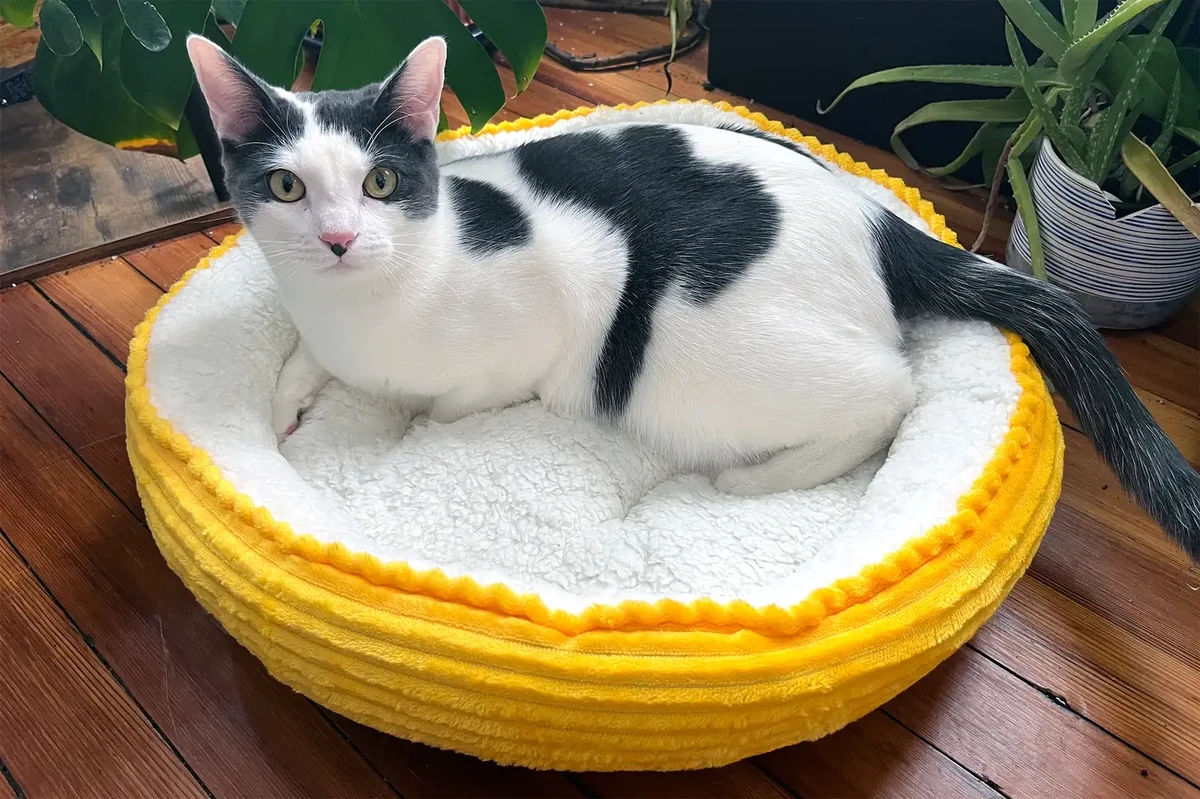
Top Eco-Friendly Pet Products for DIY Projects in 2026
PawVerde.com – Eco-friendly pet products in 2026 have evolved significantly, reflecting growing consumer demand for sustainability and environmental responsibility in pet care. Biodegradable waste bags, recycled material toys, and sustainable grooming supplies now dominate the market, supported by certifications such as GOTS, FSC, and OEKO-TEX that guarantee eco-conscious manufacturing practices. Leading brands like Spunky Pup, Earth Rated, Blue Toby, PAWTY, Be More Bob, and Weruva have integrated circular economy principles, emphasizing product life cycles that minimize waste and environmental impact. This shift aligns with the priorities of eco-conscious pet owners who seek durable, non-toxic, and environmentally safer options for their pets.
Biodegradable pet waste bags have become a cornerstone of sustainable pet ownership, offering an effective solution to reduce plastic pollution. Unlike conventional plastic bags that persist in landfills for centuries, biodegradable bags decompose within months under proper conditions, often certified to meet ASTM D6400 or EN 13432 standards. For instance, Earth Rated’s biodegradable waste bags utilize plant-based materials that break down efficiently while maintaining strength during use. These bags often feature certifications from organizations verifying their compostability and environmental safety, providing transparency and building trust with consumers. Transitioning to such bags reduces landfill waste and mitigates the harmful effects of plastic micro-particles on ecosystems frequented by pets.
sustainable pet toys have witnessed remarkable innovation, combining recycled plastics, organic cotton, natural rubber, and plant-based dyes to create products that are both pet-safe and eco-friendly. Spunky Pup’s Clean Earth Collection exemplifies this trend by using post-consumer recycled plastics in durable dog toys, while PAWTY’s Avocado Plush Toy incorporates organic cotton and natural dyes, appealing to pet owners who prioritize toxin-free materials. Additionally, brands like Be More Bob have introduced toys made from ocean plastics, supporting marine conservation efforts by repurposing collected waste into functional pet products. The durability of these materials ensures longevity, reducing the frequency of replacement and overall environmental footprint. The use of upcycled textiles and natural rubber also enhances biodegradability, contributing further to zero waste pet care.
Eco-friendly grooming supplies have progressed beyond basic natural ingredients to include products certified free from harmful chemicals such as sulfates, parabens, and synthetic fragrances. Brands like Weruva and Blue Toby offer shampoos, conditioners, and grooming sprays formulated with organic cottonseed oil, hemp extracts, and plant-based surfactants. Packaging innovations include recyclable aluminum bottles and refillable containers that reduce plastic consumption. Certifications including OEKO-TEX Standard 100 and GOTS ensure the absence of toxic residues, promoting safer grooming for pets with sensitive skin while mitigating environmental contamination from conventional grooming chemicals. These products align with zero waste principles by emphasizing biodegradable formulations and sustainable sourcing.
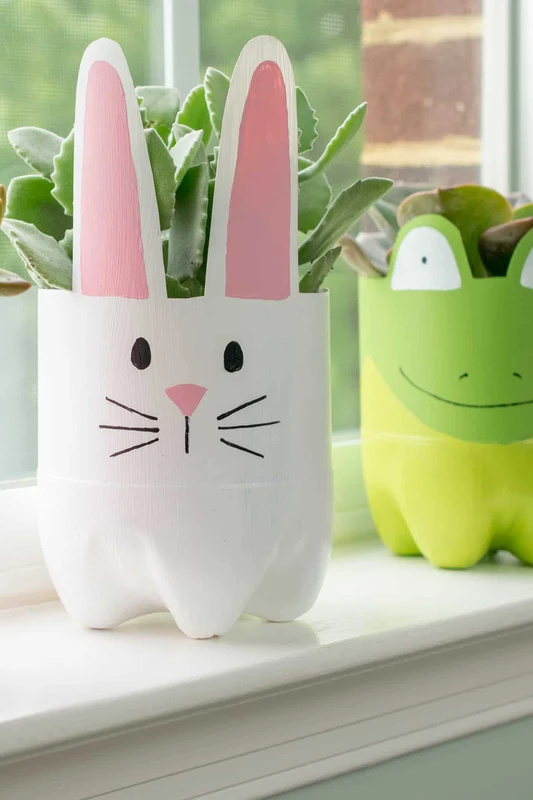
DIY eco-friendly pet projects have surged in popularity, driven by pet owners’ desire to reduce costs and waste while engaging creatively with sustainable practices. Simple projects such as braided t-shirt ropes, cardboard box mazes, and wool pom-poms utilize recycled household materials, diverting waste from landfills and avoiding new resource consumption. For example, upcycling old cotton t-shirts into durable tug toys offers a zero waste alternative with the added benefit of customization. Cardboard maze toys stimulate pet mental health and are fully recyclable after use. Wool scraps fashioned into pom-poms provide natural texture and biodegradability. These DIY approaches support circular economy concepts by extending material lifecycles and promoting responsible pet care.
Sustainable pet accessories and bedding increasingly incorporate organic cotton, hemp, and recycled textiles to provide environmentally responsible comfort and functionality. Blue Toby’s dog beds, for instance, are crafted using recycled polyester fibers combined with organic cotton covers, supporting both waste reduction and renewable agriculture. Hemp’s natural durability and low water usage make it a preferred material for collars and leashes, while recycled textiles reduce reliance on virgin fibers. Circular economy initiatives from these brands include take-back programs where worn products are refurbished or recycled, minimizing landfill contributions. Such approaches demonstrate scalable models for sustainability in pet accessories, combining quality with ecological responsibility.
Certifications play a crucial role in validating eco-friendly claims and guiding consumers toward genuinely sustainable products. The Global Organic Textile Standard (GOTS) ensures organic fiber content along with environmentally and socially responsible manufacturing conditions. The Forest Stewardship Council (FSC) certifies sustainable sourcing of wood-based materials such as cardboard packaging. OEKO-TEX Standard 100 verifies the absence of harmful substances in textiles, including pet bedding and toys. Transparency in sourcing and manufacturing is increasingly demanded by consumers, with brands disclosing supply chain audits and environmental impact assessments. These certifications help differentiate authentic sustainable products from greenwashing, fostering trust and accountability.
The environmental and pet health impacts of eco-friendly pet products are multi-faceted. By adopting biodegradable waste bags, pet owners significantly reduce plastic accumulation in landfills and waterways, curbing microplastic contamination that affects wildlife and aquatic ecosystems. Sustainable toys made from recycled plastics and organic fibers prevent the extraction of virgin fossil fuels and reduce carbon emissions associated with production. Grooming products free from synthetic chemicals protect sensitive pet skin and reduce the introduction of harmful substances into water systems through runoff. Moreover, embracing circular economy principles extends product lifespans and promotes resource efficiency, aligning pet care with broader environmental goals. These benefits underscore the interconnectedness of pet health, owner responsibility, and planetary well-being.
Biodegradable Pet Waste Bags: Reducing Plastic Pollution
biodegradable pet waste bags represent a significant advance in mitigating the environmental damage caused by traditional plastic bags. Conventional plastic waste bags, often made from polyethylene, can take up to 500 years to decompose, fragmenting into microplastics that contaminate soil and water. In contrast, biodegradable bags are engineered to break down rapidly under composting conditions, typically within 6 to 12 months. Brands such as Earth Rated offer certified compostable bags made from plant-based materials like cornstarch and vegetable oils, meeting rigorous standards such as ASTM D6400. These bags retain strength and leak resistance comparable to plastic, addressing common usability concerns while ensuring environmental safety.
Certification bodies play a pivotal role in verifying the biodegradability and compostability of these products. ASTM International and European Norm EN 13432 define testing protocols that measure biodegradation rates, disintegration, and ecotoxicity. Certified products often display logos indicating compliance, providing consumers with confidence in environmental claims. Additionally, some manufacturers incorporate carbon offset programs to counterbalance greenhouse gas emissions from production and distribution. This holistic approach enhances the environmental credibility of biodegradable waste bags and encourages their adoption by eco-conscious pet owners seeking to minimize their ecological footprint.
Sustainable Pet Toys: Materials and Innovations
Sustainable pet toys utilize a variety of eco-friendly materials that balance durability, safety, and environmental impact. Recycled plastics, often sourced from post-consumer bottles, undergo processes that remove contaminants and reconstitute fibers suitable for toy manufacturing. Spunky Pup’s Clean Earth Collection exemplifies this approach by creating chew toys that withstand aggressive use while reducing plastic waste. Organic cotton and natural rubber are favored for their biodegradability and non-toxic properties, making them suitable for pets with sensitive mouths and skin. PAWTY’s Avocado Plush Toy incorporates these materials alongside plant-based dyes to avoid synthetic chemicals.
Innovations extend to the use of ocean plastics collected through environmental programs, which brands like Be More Bob transform into pet toys. This initiative not only diverts marine debris but also raises awareness about ocean pollution. Upcycled textiles, including denim and cotton scraps, are repurposed into tug toys and puzzle feeders, supporting zero waste principles. The durability of these materials is critical, as longer-lasting toys reduce consumption frequency and landfill contributions. Testing for pet safety includes assessments of chew resistance, non-toxicity, and allergenic potential, ensuring products meet both environmental and animal welfare standards.
Eco-Friendly Grooming Supplies: Natural Ingredients and Packaging
Eco-friendly grooming products emphasize formulations free from sulfates, parabens, synthetic fragrances, and other potentially harmful chemicals. These substances can irritate pet skin, disrupt microbiomes, and introduce pollutants into aquatic environments through rinse-off. Brands such as Weruva and Blue Toby have developed shampoos and conditioners using natural surfactants derived from coconut and corn, enriched with organic plant extracts like aloe vera and chamomile for soothing effects. Hemp seed oil contributes moisturizing properties, supporting healthy skin and coat.
Sustainable packaging innovations complement these formulations by reducing plastic waste. Refillable aluminum bottles and biodegradable containers made from sugarcane fiber or bamboo pulp are increasingly utilized. Some brands implement subscription refill services that encourage reuse and minimize single-use packaging. Certification under OEKO-TEX ensures these products meet stringent safety criteria, providing transparency about ingredient sourcing and manufacturing processes. This integration of green chemistry and packaging advances represents a comprehensive strategy to reduce environmental impact in pet grooming.
DIY Eco-Friendly Pet Projects: Practical Sustainability at Home
DIY pet projects offer eco-conscious owners an accessible means to engage in sustainable pet care while reducing waste and costs. Repurposing old t-shirts into braided tug toys creates durable, washable, and zero waste playthings that extend textile lifecycles. Cardboard boxes transformed into interactive mazes stimulate canine cognitive function and can be recycled after use, minimizing landfill contributions. Wool scrap pom-poms provide natural texture and biodegradability, avoiding synthetic alternatives.
Engaging in these projects supports circular economy concepts by diverting materials from disposal and fostering creativity in resource reuse. Furthermore, DIY activities enhance owner-pet bonding and offer customizable options tailored to pet preferences and needs. Practical insights from eco-conscious pet owners highlight the importance of selecting non-toxic materials and ensuring structural safety to prevent choking hazards. These projects demonstrate how sustainability can be integrated into everyday pet care beyond commercial products.
Sustainable Pet Accessories and Bedding: Circular Economy in Action
Sustainable pet accessories and bedding increasingly incorporate renewable and recycled materials to reduce environmental footprints. Blue Toby’s dog beds utilize recycled polyester fibers sourced from plastic bottles combined with organic cotton covers grown without synthetic pesticides or fertilizers. Hemp, known for its durability and minimal water requirements, is used in collars, leashes, and harnesses, offering strong and biodegradable alternatives to synthetic textiles.
Circular economy initiatives in this sector include take-back and refurbishment programs that extend product lifespans and reduce waste. Some brands offer repair services or repurpose worn accessories into new products, closing material loops. These practices demonstrate scalable sustainability models that align with consumer demand for transparency and responsibility. The integration of upcycled materials and renewable fibers ensures that pet comfort does not come at the expense of environmental health.
Certifications: Validating Genuine Eco-Friendly Claims
Certifications are essential tools for distinguishing authentic eco-friendly pet products from those engaging in greenwashing. The Global Organic Textile Standard (GOTS) certifies organic fiber content alongside strict environmental and social criteria throughout textile processing, ensuring products like pet bedding and toys meet high sustainability standards. The Forest Stewardship Council (FSC) verifies that wood-derived packaging materials originate from responsibly managed forests, reducing deforestation impacts.
OEKO-TEX Standard 100 focuses on chemical safety in textiles, certifying products free from harmful substances that could affect pet health. These certifications require rigorous third-party audits and transparency in supply chains, promoting accountability among manufacturers. Brands that openly disclose certification details and environmental impact data foster greater consumer trust. Awareness of these standards empowers pet owners to make informed purchasing decisions that align with their sustainability values.
Environmental and Pet Health Impacts of Sustainable Pet Products
The adoption of eco-friendly pet products leads to measurable reductions in landfill waste, plastic pollution, and chemical contamination. Biodegradable waste bags can reduce plastic bag waste by millions of pounds annually when widely adopted. Toys made from recycled plastics and organic fibers decrease reliance on virgin fossil fuels and diminish greenhouse gas emissions associated with production. Grooming products free from sulfates and parabens improve pet skin health and reduce the release of harmful substances into waterways, protecting aquatic life.
Moreover, sustainable pet products promote safer environments within households by minimizing exposure to synthetic chemicals, which can cause allergies or long-term health issues in pets. Embracing circular economy principles extends product lifespans and encourages recycling, further reducing environmental burdens. These benefits highlight the synergy between pet well-being and ecological stewardship, supporting a future where pet care products contribute positively to planetary health.
FAQ
What materials are best for eco-friendly pet toys?
eco-friendly pet toys commonly use recycled plastics, organic cotton, natural rubber, and plant-based dyes. These materials provide durability, non-toxicity, and biodegradability, making them safe for pets and environmentally sustainable. Brands like Spunky Pup and PAWTY lead in using these materials.
Are biodegradable pet waste bags truly compostable?
Certified biodegradable pet waste bags meeting ASTM D6400 or EN 13432 standards are designed to break down in commercial composting environments within 6 to 12 months. However, they require proper disposal conditions to compost effectively and should not be discarded in regular landfill waste.
How do eco-friendly grooming products benefit pets?
Eco-friendly grooming products avoid harmful chemicals such as sulfates, parabens, and synthetic fragrances, reducing the risk of skin irritation and allergies. Natural ingredients like hemp oil and organic extracts promote healthier skin and coat while minimizing environmental pollution from rinse-off chemicals.
Can I make effective DIY pet toys using recycled materials?
Yes, DIY pet toys made from braided t-shirts, cardboard, and wool scraps offer durable, safe, and zero waste alternatives to commercial products. These projects support sustainability by repurposing household waste and can be customized to pet preferences.
What certifications should I look for to verify sustainable pet products?
Look for certifications such as GOTS for organic textiles, FSC for responsibly sourced packaging materials, and OEKO-TEX for chemical safety in textiles. These certifications indicate compliance with rigorous environmental and social standards.
The expansion of eco-friendly pet products in 2026 reflects an industry-wide commitment to sustainability, animal welfare, and environmental stewardship. Pet owners can now choose from a diverse range of biodegradable waste bags, recycled and organic pet toys, natural grooming supplies, and sustainable accessories that align with circular economy principles. By embracing certified products and engaging in DIY projects, consumers contribute to reducing pollution, conserving resources, and promoting healthier environments for pets and people alike. Looking ahead, continued innovation and transparent manufacturing practices will further solidify the role of sustainable pet care in global ecological resilience.