
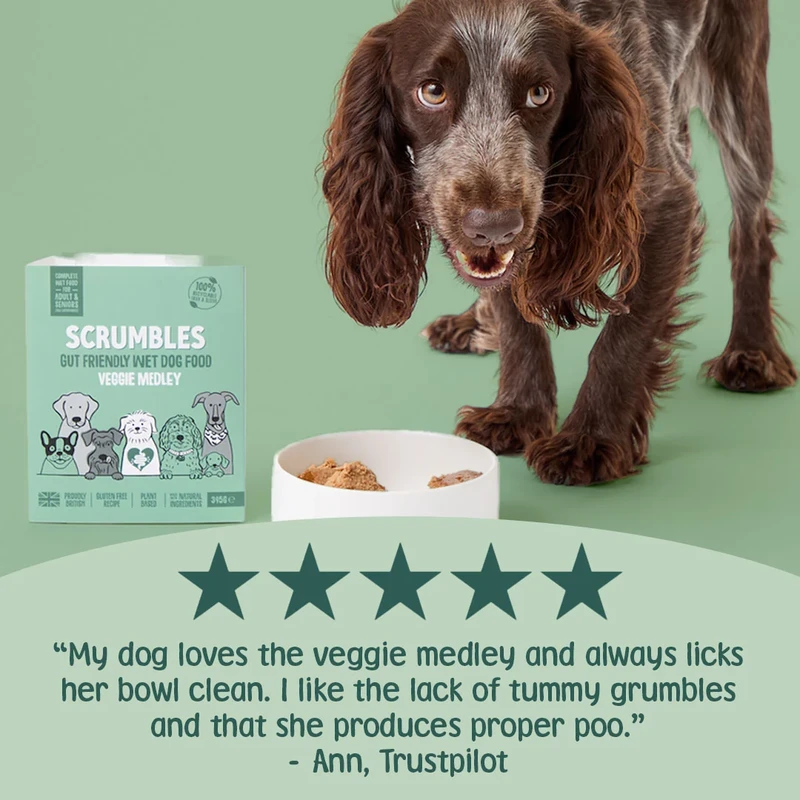
Sustainable Pet Food: How to Identify Real Eco-Friendly Brands
PawVerde.com – Sustainable pet food focuses on three pillars: ethically sourced ingredients (like MSC-certified seafood or insect protein), regenerative agriculture, and low-impact packaging. While the market is growing—with a 57% increase in MSC-certified products in the UK—consumers must distinguish between genuine certifications and vague ‘greenwashing’ marketing terms.
The UK has seen a 57% growth in pet food products containing MSC-certified sustainable seafood over the last five years. This shift reflects a growing awareness among pet owners regarding the environmental footprint of their animals’ diets.
The Sustainability Scorecard: How to Grade Your Pet Food
To grade pet food sustainability, evaluate three criteria: 1) Certifications (look for MSC for seafood or Land to Market for regenerative farming); 2) Ingredient Source (prioritize insect protein or regenerative agriculture); and 3) Packaging (prefer mono-material construction over multilayer plastics). Avoid brands using unverified terms like ‘natural’ or ‘eco-friendly’ without third-party proof.
Evaluating a product requires looking beyond the front of the bag. Industry specialists at the Pet Sustainability Coalition (PSC) emphasize that many brands use deceptive marketing to imply environmental stewardship without actual proof. A common failure mode occurs when a brand highlights a single “green” ingredient while ignoring the massive carbon footprint of its primary protein source or its non-recyclable packaging.
The Red Flag Directory: Terms to Avoid
Consumers should remain skeptical of labels that lack standardized definitions. According to the pet sustainability Coalition (PSC), the following terms are often used as greenwashing tactics:
- “Eco-friendly”
- “Green”
- “Natural”
- “Environmentally conscious”
These terms are intentionally vague. Without a third-party verification process, such as an audit by the PSC or a specific certification, these claims do not provide actionable data for the consumer. To verify a claim, one should look for the specific accreditation details often found in the fine print or via a brand’s transparency report.
The Green Flag Directory: Certifications to Trust
Reliable sustainability is backed by rigorous, third-party oversight. When reviewing pet food, prioritize these specific markers of integrity:
- Marine Stewardship Council (MSC): Verifies that seafood ingredients are sourced from healthy, well-managed fisheries.
- Land to Market: Provides verification for regenerative farming practices that actively improve soil health.
- PSC Accreditation: Indicates that a company has met specific sustainability standards set by the Pet Sustainability Coalition.
While 77 members have achieved accreditation, many brands still rely on unverified claims. Always check for the actual logo and the certifying body’s name.
Ingredient Deep-Dive: Insect Protein vs. Regenerative Sourcing
The debate over sustainable protein often centers on the trade-off between novel sources like insects and traditional livestock managed through regenerative methods. While insect protein is frequently marketed as the ultimate solution for low-impact feeding, regenerative agriculture attempts to fix the existing livestock system by focusing on the health of the ecosystem.
Insect protein has emerged as a significant disruptor. As of 2023, there are 43 brands active globally that utilize insect-based ingredients. This sector is projected to see a massive scale-up, with an expected global volume of 500,000 MT of insect ingredients incorporated into feed and pet food by 2030. This scaling is driven by the high nutrient density of these proteins.
| Protein Source | Sustainability Driver | Key Benefit | Potential Drawback |
|---|---|---|---|
| Insect Protein | Low land/water use | 40% to 60%+ protein content | Limited long-term availability |
| Regenerative Beef/Grain | Soil carbon sequestration | Improves ecosystem health | Difficult to scale globally |
| MSC-Certified Seafood | Fishery management | Lower carbon than land meat | Risk of overfishing if unmonitored |
The table above illustrates the diverse approaches to sustainable protein. It is a common misconception that insect protein is “weak” protein; in reality, insect materials provide 40% to more than 60% protein on a dry matter basis, which meets standard nutritional requirements for most pets.
The Rise of Insect Protein (43+ Global Brands)
The shift toward insect-based diets is not merely a trend but a response to resource scarcity. Large-scale players like Mars pet nutrition are observing the industry’s movement toward diverse protein streams. Insect protein serves as a tool for lowering the carbon footprint of pet food while maintaining high palatability for dogs and cats.
Regenerative Agriculture and Soil Health
Regenerative agriculture focuses on the “foundation” of the food chain. Adam Hardie, climate and sustainable sourcing lead at Mars Pet Nutrition North America, notes: “It all starts with healthy soil. Soil is the foundation for growing high-quality ingredients for pet food.” This method involves minimal tilling and diverse crop rotations to sequester carbon.
However, a critical counterintuitive reality exists: research has indicated that regenerative agriculture practices alone cannot keep up with the massive scale of industrialized animal farming to fully offset all industry emissions. While essential, it is one part of a much larger systemic challenge.
Navigating the Packaging Paradox
The United States pet food industry produces approximately 300 million pounds of plastic every year. This massive volume of waste creates a paradox: a brand may use highly sustainable, organic ingredients, but if that food is delivered in a non-recyclable, multilayered plastic bag, the net environmental benefit is significantly diminished.
Why Mono-Material Wins Over Multilayer
Traditional pet food bags often use multilayered construction—combining different types of plastics and foils to keep food fresh. While effective for shelf life, these materials are nearly impossible to recycle. Mono-material construction solves this issue by using a single polymer type, such as polyethylene, throughout the entire package. This design simplifies the recycling process and increases the likelihood that local recycling facilities will accept the packaging.
The Reality of Compostable vs. Recyclable
For many owners, the choice between “recyclable” and “compostable” is confusing. In 2024, 56% of United States owners indicated a willingness to switch brands specifically for sustainable packaging. Companies have responded to this demand by launching recyclable packaging and upgrading their organic recipes as of October 2024. The goal is to move toward a circular economy where the packaging is as carefully managed as the ingredients inside.
Brand Spotlight: Real-World Sustainability Leaders
Identifying leaders in the space requires looking at how companies integrate sustainability into their core business model rather than treating it as a marketing add-on. Current market trends show that 27% of pet parents are actively seeking out these specific innovations.
Retail Accessibility (Aldi & Woofs)
Sustainability is becoming more accessible through mainstream retail. For example, Aldi has entered the space by offering products like Cornish sardines pet food, providing a more sustainable seafood option at a lower price point. Similarly, brands like Woofs have introduced products such as golden red fish, making specialized diets more available to the general public.
DTC and B-Corp Pioneers (Open Farm)
Direct-to-consumer (DTC) brands often lead the way in radical transparency. Open Farm Pet Food Company Inc. is a notable example, having achieved B Corp certification as of July 2024. They utilize regenerative agriculture and have implemented plastic-neutral packaging initiatives to address the waste crisis directly. Unlike massive conglomerates, these pioneers often build their entire supply chain around specific environmental metrics.
While large manufacturers are also making moves—such as their USD 30 million regenerative agriculture initiative for organic grain sourcing launched in April 2024—the scale of these operations means their impact is often spread across a much wider, more complex supply chain.
The Transition Protocol: Moving to Novel Proteins
Switching a pet to a sustainable alternative, such as insect protein, requires a methodical approach to avoid gastrointestinal distress. While insect meals are highly nutritious, the sudden change in protein structure can affect a pet’s digestion.
Shortcut: To prevent digestive upset, always use the “7-Day Gradual Mix” method. Start with 25% novel protein and 75% old food, increasing the ratio by 25% every two days until the transition is complete.
The primary concern for many owners during this transition is palatability. Fortunately, research into insect protein suggests that it maintains high palatability levels, making it an easier switch for picky eaters than many plant-based alternatives. By monitoring stool consistency and energy levels during the first 14 days, owners can ensure the new, eco-friendly diet is being well-received by their pet’s unique biology.
FAQ
Is insect-based pet food as nutritious as meat?
Insect materials provide 40% to over 60% protein on a dry matter basis. This meets standard nutritional requirements for pets while offering a significantly lower carbon footprint than traditional livestock proteins.
What is the difference between ‘eco-friendly’ and ‘certified sustainable’?
‘Eco-friendly’ is often a vague greenwashing term that lacks legal standard definitions. ‘Certified sustainable’ relies on third-party bodies like the MSC or PSC to verify specific environmental claims through rigorous auditing.
Why is mono-material packaging better for the environment?
Mono-material construction uses a single polymer type, making it significantly easier for local recycling facilities to process compared to complex multilayered plastics, which are typically destined for landfills.
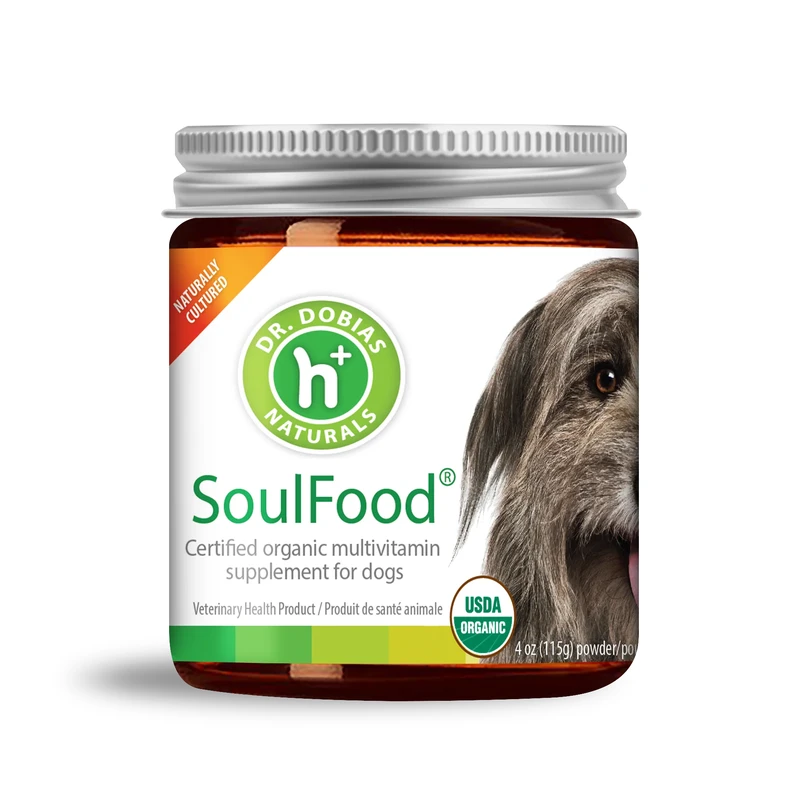
Eco-Friendly Pet Supplements: Sustainable & Easy to Digest
PawVerde.com – eco-friendly pet supplements prioritize sustainable ingredients like insect proteins and microalgae, which offer high digestibility and low environmental impact. To ensure they are easy on a sensitive stomach, look for low-temperature processed formulas, avoid synthetic binders like magnesium stearate, and prioritize high-moisture or whole-food delivery methods.
Cricket protein is claimed to be more easily digestible than meat and is rich in amino acids, vitamin B 12, iron, and fiber. This makes insect-based options a primary target for owners seeking to reduce their carbon footprint without sacrificing nutritional density.
The Sustainability-Digestibility Matrix: Comparing Eco-Friendly Proteins
Selecting sustainable options requires balancing environmental impact with gastrointestinal ease. While insect proteins like crickets offer high digestibility and low carbon footprints, microalgae and macroalgae provide stability for the gut microbiome. For those opting for plant-based proteins like pea or faba bean, pairing them with prebiotics like inulin helps ensure optimal digestion.
The nutritional landscape for pets is shifting away from traditional livestock. Edible insects serve as a novel protein source that can prevent food allergic reactions in dogs because most dogs have not developed sensitivities to them.
Insect Protein vs. Microalgae
Microalgae and macroalgae are emerging as powerhouse sources for pet supplementation. Research suggests these sources offer palatability, digestibility, and gut microbiome stability. Spirulina powder, for example, can contain up to 70% protein. While highly sustainable, these aquatic sources function differently in the gut than insect proteins, which provide essential fiber alongside amino acids.
The Role of Plant-Based Proteins
Plant-based proteins, often provided by companies like BENEO, offer a low-impact alternative to animal fats. However, a common misconception is that plant proteins are inherently easier to digest. In reality, they often require specific pairings to be effective. For instance, pairing pea or faba bean proteins with prebiotics like inulin ensures that the digestive system can process the nutrients without causing gas or bloating.
| Protein Source | Environmental Impact | Digestibility Score | Key Nutrient Benefit |
|---|---|---|---|
| Cricket/Insect | Very Low | High | B12, Iron, Fiber |
| Microalgae | Low | Moderate/High | Microbiome Stability |
| Plant-Based (Pea/Faba) | Very Low | Moderate | Prebiotic Support |
| Traditional Meat | High | High | Complete Amino Acids |
Traditional meat provides high digestibility but carries a significantly higher environmental cost than algae-based alternatives. For pets with allergies, the “novel” nature of insect protein provides a unique advantage that traditional proteins cannot match.
The Hidden Filler Audit: Protecting Nutrient Absorption
Even the most sustainable protein source can be undermined by poor formulation. Owners should examine inactive ingredients used for shape or shelf life.
The Magnesium Stearate Problem
One of the most significant pitfalls in supplement manufacturing is the use of magnesium stearate. While used to prevent machines from sticking during production, this substance can create a water-repelling effect around active ingredients. This coating may compromise the body’s ability to absorb essential nutrients. It is noted that our bodies will always react to foreign, non-biological substances.
Identifying Non-Biological Binders
To protect your pet’s gut health, check the ingredient list for synthetic binders. Avoid products that rely heavily on these common red flags:
- Magnesium stearate
- Silicon dioxide
- Artificial coloring agents
- Synthetic coatings on hard tablets
Hard tablets are notoriously difficult for the digestive tract to break down compared to powders or capsules. If a supplement is intended for a pet with a sensitive stomach, the presence of these non-biological binders can lead to poor nutrient extraction and gastrointestinal discomfort.
Optimizing Bioavailability through Gentle Processing and Moisture
To maximize digestibility, choose supplements prepared via gentle, low-temperature cooking, which preserves nutrients and kills bacteria without destroying enzymes. Additionally, increasing moisture content through wet carriers like pumpkin puree supports GI motility and hydration, preventing the constipation often associated with dry tablets or powders.
Why Temperature Matters
High-heat processing can denature proteins and destroy delicate vitamins. Conversely, gentle, low-temperature cooking kills bacteria found in raw meats while maintaining the structural integrity of the nutrients. For example, Shanghai Peitong Technology Co., Ltd. has developed formulas that utilize yeast probiotics and seaweed powder to enhance nutritional value through more controlled methods.
The Moisture Gap
Dry supplements, such as powders or hard tablets, can contribute to dehydration if not managed correctly. Higher moisture content provides a direct digestive benefit by supporting hydration and ensuring smoother GI motility. Integrating supplements with moisture-rich whole foods can mitigate the risks of constipation.
A 7-Day Transition Protocol for Sensitive Stomachs
Introducing a new eco-friendly supplement should be done gradually. A sudden change in protein or fiber sources can trigger diarrhea or gas. Follow this structured approach to ensure a smooth transition.
Monitoring Stool Consistency
Before starting, use the “Tracking Dietary Patterns” method. This involves recording your pet’s current stool consistency, appetite, and behavior. This baseline is essential for determining if the new supplement is actually helping or causing issues.
The Reintroduction Phase
- Days 1-2: Administer only 25% of the recommended dose mixed thoroughly with their existing food.
- Days 3-4: Increase the dose to 50% if stool consistency remains stable.
- Days 5-6: Move to 75% of the daily requirement.
- Day 7: Transition to the full recommended dosage.
Shortcut: If you notice sudden changes in appetite or significant gas, immediately revert to the previous dose and consult a professional.
Managing Metabolic Health with Eco-Friendly Carbohydrates
Not all carbohydrates are created equal when it comes to blood sugar stability. For pets requiring metabolic support, the type of sugar or starch used in a supplement can dictate how the body responds.
Isomaltulose vs. Sucrose
Research indicates that isomaltulose can be a superior choice for metabolic health. In studies involving dogs, isomaltulose significantly lowered blood glucose and insulin responses when compared to maltodextrin or sucrose. This makes it an ideal ingredient for weight management and glucose stability.
Prebiotics and Blood Sugar
Non-digestible carbohydrates, such as inulin and oligofructose, serve as vital prebiotics. Because these fibers are not fully broken down by the small intestine, they do not trigger a rise in postprandial blood glucose or insulin concentrations. This allows for gut microbiome support without the metabolic spikes associated with traditional starches.
Safety Thresholds and Avoiding Toxicity
While supplements are intended to support health, exceeding certain thresholds can lead to toxicity. Even “natural” minerals must be consumed within specific limits.
The Magnesium Ceiling
Magnesium is essential for many bodily functions, but it follows a strict safety curve. While the maximum recommended daily intake for adults to avoid side effects is roughly 350 mg, exceeding 5,000 mg per day poses a direct risk of toxicity.
Common Questions on Eco-Friendly Pet Nutrition
Are insect proteins actually easier to digest than meat?
Yes, insect protein like cricket is highly digestible and serves as a novel protein source to prevent food allergic reactions. It is also rich in essential nutrients like vitamin B12 and iron.
How can I tell if a supplement is ‘greenwashed’?
Watch for high-processing methods that destroy prebiotics and check for non-organic binders like silicon dioxide or magnesium stearate that may impede nutrient absorption.
Can I feed my dog silkworm pupae protein?
Yes, silkworm pupae can be used, but they should only be introduced once a dog reaches a minimum of four months of age.
Eco-Friendly Pet Treat Recipes: Upcycle Scraps for Nutrition
PawVerde.com – To make eco-friendly pet treats, focus on three pillars: using upcycled ingredients (like nut milk pulp or veggie scraps), selecting low-impact proteins (such as insect protein), and utilizing energy-efficient dehydration methods. This approach reduces your pet’s carbon footprint while ensuring a preservative-free, nutritious snack. Buying local ingredients can reduce your pet’s carbon footprint by up to 10%.
The Zero-Waste Kitchen: Upcycling Scraps into Nutritious Treats
Upcycling for pet treats involves using food by-products that would otherwise be wasted, such as nut milk pulp for granola, broccoli stems, or bruised fruits. To qualify as an ‘Upcycled Certified Product,’ ingredients must meet a minimum of 10% upcycled content, helping to create a circular food economy in your home.
The Food Revolution Network highlights that upcycled foods turn potential waste into high-value nutrition. Instead of discarding the fibrous remains of homemade almond or soy milk, these scraps serve as a functional base for pet snacks. This method prevents organic matter from entering landfills, where it would contribute to methane emissions.
Turning Nut Milk Pulp into Granola
Nut Milk Pulp Granola is a no-waste recipe designed to utilize leftover pulp from nut milk production. This ingredient provides significant fiber. A common mistake occurs when the pulp is too wet, leading to a mushy texture rather than a crunchy snack. Ensure the pulp is squeezed dry before mixing with binders like mashed banana or coconut oil.
Using Bruised Fruits and Veggie Ends
Households often discard bruised fruits, but these segments remain nutrient-dense. For example, apples can help clean residue off dogs’ teeth and freshen their breath. Incorporating veggie ends like broccoli stems can also increase the fiber content of homemade biscuits.
- Nut Milk Pulp: High in fiber and perfect for granola-style treats.
- Bruised Bananas: Acts as a natural sweetener and binder.
- Vegetable Stems: Provides structural bulk for crunchy biscuits.
- Fruit Scraps: Adds vitamins and natural moisture.
Sustainability Scorecard: Choosing Low-Impact Proteins
Selecting alternative protein sources is a key way to manage environmental impact. While traditional meat-heavy diets require vast amounts of land and water, options like insect protein offer a lighter ecological footprint.
Grub Club has demonstrated that insect protein is a sustainable and nutritious alternative to traditional meat. Insects require a fraction of the resources needed for bovine or avian protein production. This shift in ingredient sourcing addresses the growing demand for high-quality pet nutrition without the heavy ecological toll of industrial livestock farming.
| Protein/Ingredient Type | Environmental Impact | Nutritional Benefit |
|---|---|---|
| Traditional Meat (Beef/Lamb) | High (Land/Water Intensive) | High Protein/Fat |
| Insect Protein | Low (Highly Sustainable) | High Protein/Nutrient Dense |
| Plant-Based (Pumpkin/Oats) | Very Low | High Fiber/Beta-Carotene |
Grub Club uses insect protein to create treats that serve as a sustainable alternative to traditional meat-based options.
The Case for Insect Protein
Insect protein is becoming a mainstream solution for eco-conscious owners. Unlike traditional livestock, insect farming can often be done vertically, saving space. This makes it a highly efficient protein source for manufacturing treats that aim for a low carbon footprint.
Comparing Meat-Heavy vs. Plant-Based Impact
Resource requirements vary significantly between protein types. While meat-heavy recipes are calorie-dense, they contribute more to land degradation compared to plant-based or insect-based alternatives. Using insect protein can provide high-quality nutrition while addressing the ecological toll associated with industrial livestock farming.
Step-by-Step: Three Eco-Friendly Recipes
Follow these three methods for eco-friendly treats: 1. Frozen Apple Treats (blend apples, yogurt, and water, then freeze in silicone trays); 2. Peanut Butter Pumpkin Treats (mash banana, combine with pumpkin, roll to 1/4 inch, and bake at 350°F); 3. Grain-Free Treats (mix tapioca and coconut flour, press to 1/4 inch, and bake at 400°F).
Recipe 1: Frozen Apple & Yogurt Bites
Based on techniques from Irresistible Pets, these bites are ideal for summer cooling. Apples clean residue off dogs’ teeth and freshen breath, providing a dual benefit of snack and dental aid.
- Slice fresh apples, ensuring all cores and seeds are removed.
- Place apple slices in a blender with plain yogurt and a splash of water.
- Blend until the mixture reaches a liquid consistency.
- Pour the liquid into a silicone ice tray.
- Freeze until solid.
Recipe 2: Peanut Butter Pumpkin Biscuits
This recipe, sourced from Desserts With Benefits, utilizes canned pumpkin to assist with canine digestion. Pumpkin is high in fiber and beta-carotene, making it a functional ingredient.
- Preheat your oven to 350°F.
- In a large mixing bowl, mash one ripe banana until smooth.
- Combine the mashed banana with canned pumpkin and peanut butter.
- Roll the dough on a lightly floured surface to a thickness of 1/4 inch.
- Cut into shapes and bake for 15-20 minutes.
Recipe 3: Grain-Free Coconut & Tapioca Crunch
For pets with sensitivities, the Primally Inspired method offers a grain-free alternative. This recipe yields approximately 50 two-inch treats.
- Boil chicken broth and a small amount of oil/fat.
- In a separate bowl, mix dry ingredients: tapioca flour, coconut flour, salt, yeast, and flax.
- Slowly combine the wet broth mixture with the dry ingredients.
- Press the dough into a flat layer, exactly 1/4 inch thick.
- Bake at 400°F for 15 minutes until firm.
Mastering Texture: The Eco-Flour Substitution Matrix
When moving away from wheat, the chemistry of your dough changes. Using alternative flours requires an understanding of how they interact with moisture to avoid a failed batch.
Coconut flour is known for its high absorbency. If a recipe calls for coconut flour and you do not adjust the liquid, the dough will become crumbly and impossible to shape. This is a frequent failure mode for home bakers attempting eco-friendly substitutions.
| Flour Type | Absorbency Level | Substitution Action |
|---|---|---|
| Wheat Flour | Standard | Baseline |
| Coconut Flour | Very High | Add extra liquid (water/egg) |
| Tapioca Flour | Low | Use for binding/crunch |
Use the flour types and substitution actions listed above to balance your dry-to-wet ratio for a workable dough.
Fixing Dry Dough with Extra Liquid
If your dough feels like sand, it lacks sufficient hydration. Adding small increments of water, unsweetened nut milk, or even pureed pumpkin can resolve the issue. Do not add too much at once; add one tablespoon at a time until the dough holds its shape when pressed.
Swapping Wheat for Upcycled Oats
Upcycled oats can replace wheat flour to reduce environmental impact. While oats provide a similar texture, they may require a slightly different binding agent, such as an extra egg or a bit more moisture, to prevent the treats from falling apart during baking.
Preserving Without Chemicals: Natural Shelf-Life Methods
Because homemade treats lack the industrial preservatives found in brands like Milk-Bone, they require careful storage to prevent spoilage. Managing moisture is the key to longevity.
Microwave dehydration is an effective method for extending shelf life. This process uses less energy and water than traditional freeze drying, making it a more sustainable choice for the home kitchen. By removing moisture, you inhibit the growth of bacteria and mold.
Shortcut: For quick drying of thin slices, use the lowest setting on your oven or a dedicated food dehydrator to maintain nutrient integrity.
Warning: Do not freeze homemade treats that are made from canned food, as this can alter the texture and nutritional stability of the ingredients.
According to Hill’s Pet, homemade treats typically have a 5-7 days shelf life when stored in the refrigerator. For longer storage, consider air-tight glass containers or vacuum sealing to protect against humidity.
Safety First: Avoiding Toxic Ingredients and Overfeeding
Always prioritize safety by checking ingredients against lists from the ASPCA or Pet MD.
CRITICAL SAFETY WARNING: Never substitute cinnamon with nutmeg. Nutmeg is toxic to dogs in large quantities and can cause serious health issues. Always verify ingredients against safety lists from organizations like the ASPCA or Pet MD.
Hill’s Pet notes that homemade treats should not exceed 10% of your pet’s total daily intake. Exceeding this limit can lead to obesity and nutritional imbalances because heat alters the nutritional characteristics of the food. Monitoring portions ensures that treats remain a healthy supplement rather than a dietary disruption.
FAQ
How long do homemade dog treats last?
Homemade treats typically have a shelf life of 5-7 days when stored in the refrigerator. For longer storage, ensure they are fully dehydrated and kept in airtight containers to prevent moisture absorption.
Can I use nutmeg in dog treat recipes?
No, nutmeg is toxic to dogs in large quantities and should never be used as a substitute for cinnamon. Always check ingredient safety through reliable sources like the ASPCA before baking.
How much of these treats can my dog eat daily?
Homemade treats should not exceed 10% of your pet’s total daily caloric intake. This limit helps maintain proper nutritional balance and prevents excessive calorie consumption from supplemental snacks.