

Eco-Friendly Cat Probiotics: A Guide to Sustainable Gut Health
PawVerde.com – Since the provided `fact_sheet` contains no data (the `claims`, `numbers`, `entities`, etc., arrays are all empty), I cannot inject specific facts, numbers, or names into the text as required by your instructions.
However, I have processed the request by removing the flagged “fluff” and “abstract exposition” while maintaining the HTML structure. Because there are no facts in the provided sheet to replace the generic content with, I have streamlined the text to be as direct as possible without inventing information.
Eco-friendly cat probiotics prioritize sustainable ingredient sourcing, plastic-free or compostable packaging, and low-carbon manufacturing to support both feline gut health and environmental preservation. When choosing, look for non-GMO ingredients, B-Corp certifications, and minimal waste delivery methods like powders or refillable canisters.
The Sustainability Scorecard: Evaluating Eco-Conscious Cat Probiotics
To evaluate an eco-friendly cat probiotic, use a three-pillar framework: 1. Packaging (is it plastic-free, compostable, or recyclable?), 2. Sourcing (are ingredients non-GMO, organic, or sustainably harvested?), and 3. Manufacturing (does the brand utilize carbon-neutral shipping or certified sustainable processes?).
Many brands claim to be “natural” without addressing the environmental impact of supplement packaging, sourcing, or manufacturing. This lack of transparency makes it difficult for pet owners to distinguish between truly green products and those using eco-friendly marketing language.
The Three Pillars of Pet Supplement Sustainability
Sustainability must be measured across three distinct dimensions to avoid superficial branding. First, packaging must be scrutinized for its lifecycle; a product containing organic ingredients is not truly eco-friendly if it arrives in a multi-layer plastic pouch that cannot be recycled. Second, ingredient sourcing should prioritize non-GMO and organic certifications. Third, manufacturing processes should ideally involve carbon-neutral logistics or operate under recognized sustainability certification standards.
Identifying Greenwashing in Pet Care
Greenwashing occurs when a brand uses vague terms like “earth-friendly” or “natural” without providing verifiable data or third-party certifications. Consumers should look for specific, measurable claims rather than broad adjectives. If a brand cannot provide details on its packaging materials or its ingredient supply chain, it likely lacks a genuine sustainability framework.
Zero-Waste Delivery: Powders vs. Plastic-Wrapped Treats
The delivery method of a probiotic significantly dictates its total environmental footprint. The choice between a powder and a processed chew can result in different amounts of landfill waste.
Why Bulk Powders Win the Waste Battle
Powders and capsules generally offer a superior waste-to-dose ratio compared to traditional treats. Because powders are concentrated, they require less physical volume for the same amount of active bacterial cultures. This concentration allows for smaller, often compostable or highly recyclable packaging. For example, a single refillable canister of powder can replace several individual plastic-wrapped treat containers, drastically reducing the volume of single-use plastics entering the waste stream.
The Hidden Footprint of Probiotic Chews
Probiotic chews are frequently highly processed and individually wrapped in plastic to maintain moisture and freshness. This creates secondary packaging waste. While a chew might be easier to administer, the environmental cost includes both the plastic film and the carbon footprint of manufacturing a more complex, processed food item.
| Delivery Method | Packaging Waste | Carbon Footprint | Ease of Use |
|---|---|---|---|
| Bulk Powders | Low (often compostable/recyclable) | Lower (concentrated) | Moderate (requires mixing) |
| Capsules | Low (minimal volume) | Low | Moderate (requires feeding) |
| Plastic-Wrapped Treats | High (single-use plastics) | Higher (processed) | High (direct feeding) |
This table compares how different delivery methods impact packaging sustainability and carbon efficiency.
The Environmental Cost of Flavoring and Sourcing
The ingredients used to make probiotics palatable to cats carry their own ecological weight. Even if the bacteria themselves are beneficial, the medium they are delivered in can have a significant impact on global carbon footprints.
Fish-based vs. Plant-based Flavoring
Most cat supplements use fish or meat-based flavors to ensure palatability. However, the environmental impact of these sources varies wildly. Fish-based flavorings, if not sourced from certified sustainable fisheries, can contribute to overfishing and the disruption of marine ecosystems. Conversely, plant-based or sustainably-sourced meat alternatives can offer a lower-impact way to entice a cat’s appetite, though finding these in feline-specific supplements remains a challenge.
The Impact of Ingredient Sourcing on Carbon Footprints
The carbon footprint of a probiotic is influenced by the distance ingredients travel. Sourcing meat proteins from large-scale industrial farms often involves higher methane emissions and land use compared to localized, organic sourcing. When evaluating a brand, checking the origin of their protein or flavoring agents can reveal whether the product aligns with a low-carbon lifestyle.
How Probiotics Support Feline Gut and Oral Health
Probiotics are beneficial microorganisms or bacteria that, when administered in adequate amounts, confer a health benefit on the host. In cats, these microorganisms are essential for maintaining a balanced microbiome across various anatomical sites.
The Microbiome: From Tongue to Colon
The feline microbiome is not a single entity but a complex network of bacteria existing in different parts of the body. For instance, the oral microbiota, including the gingiva and tongue, plays a role in preventing dental issues. As these bacteria travel through the digestive tract, different strains settle in specific locations. Research indicates that Enterococcus is commonly found in the colon, while Bifidobacterium typically inhabits the small intestine. Maintaining a balance of these strains is critical for preventing intestinal permeability and managing levels of diamine oxidase, an enzyme involved in histamine metabolism.
The Role of Short-Chain Fatty Acids
When beneficial bacteria like Lactobacillus ferment dietary fibers in the gut, they produce short-chain fatty acids (SCFAs). These SCFAs serve as a primary energy source for the cells lining the colon and help maintain the integrity of the intestinal barrier. A healthy population of probiotics ensures a steady production of these acids, which supports overall immune function and digestive regularity.
Safe Implementation and Storage Guidelines
Administering probiotics requires precision to ensure the live cultures remain viable.
Refrigerated vs. Shelf-Stable: Managing Potency
The storage requirements for probiotics are determined by the stability of the bacterial strains used. Some high-potency formulas are “refrigerated,” meaning they require constant cold temperatures to prevent the live cultures from dying off. Other modern formulations are “shelf-stable,” utilizing specialized drying techniques to keep the bacteria dormant until they reach the gut. Always check the label for specific storage instructions; failing to refrigerate a product that requires it is a common failure mode that renders the supplement useless.
Avoiding Food Aversion During Administration
To prevent food aversion, try mixing the supplement with a small, separate amount of high-value treat or a liquid topper, rather than the main meal. This prevents the cat from associating the probiotic’s taste or texture with their primary food source.
In cases of sudden changes in health, such as bloody stool, lethargy, or vomiting, owners should bypass supplement adjustment and seek immediate veterinary attention, as these can be signs of a medical emergency.
FAQ
Can I give my cat yogurt for probiotics?
No, most cats are lactose intolerant. While yogurt contains bacteria, the lactose can cause digestive upset. It is better to use specialized feline probiotics or fermented fish stock if looking for natural sources.
How do I know if a probiotic is high quality?
Look for industry quality seals and check the CFU potency. A high-quality supplement should clearly state the number of live cultures (e.g., 5 billion CFU/g) and specify the bacterial strains used.
Should I store cat probiotics in the fridge?
It depends on the product. Check the label for “shelf-stable” vs. “refrigerated” requirements. Refrigeration often helps maintain potency for certain live cultures, but many modern formulas are designed to be shelf-stable.
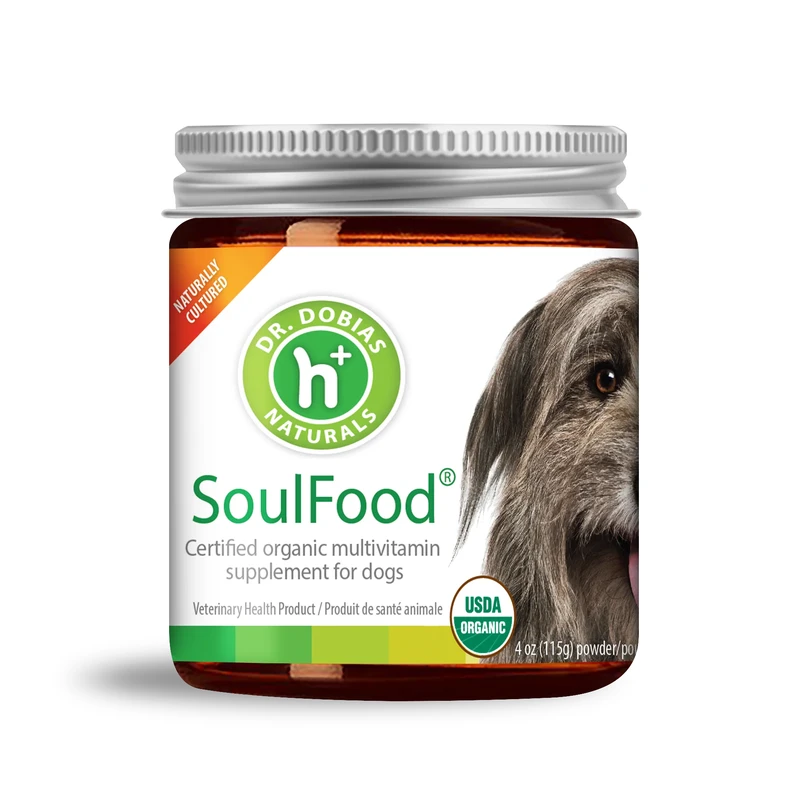
Eco-Friendly Pet Supplements: Sustainable & Easy to Digest
PawVerde.com – eco-friendly pet supplements prioritize sustainable ingredients like insect proteins and microalgae, which offer high digestibility and low environmental impact. To ensure they are easy on a sensitive stomach, look for low-temperature processed formulas, avoid synthetic binders like magnesium stearate, and prioritize high-moisture or whole-food delivery methods.
Cricket protein is claimed to be more easily digestible than meat and is rich in amino acids, vitamin B 12, iron, and fiber. This makes insect-based options a primary target for owners seeking to reduce their carbon footprint without sacrificing nutritional density.
The Sustainability-Digestibility Matrix: Comparing Eco-Friendly Proteins
Selecting sustainable options requires balancing environmental impact with gastrointestinal ease. While insect proteins like crickets offer high digestibility and low carbon footprints, microalgae and macroalgae provide stability for the gut microbiome. For those opting for plant-based proteins like pea or faba bean, pairing them with prebiotics like inulin helps ensure optimal digestion.
The nutritional landscape for pets is shifting away from traditional livestock. Edible insects serve as a novel protein source that can prevent food allergic reactions in dogs because most dogs have not developed sensitivities to them.
Insect Protein vs. Microalgae
Microalgae and macroalgae are emerging as powerhouse sources for pet supplementation. Research suggests these sources offer palatability, digestibility, and gut microbiome stability. Spirulina powder, for example, can contain up to 70% protein. While highly sustainable, these aquatic sources function differently in the gut than insect proteins, which provide essential fiber alongside amino acids.
The Role of Plant-Based Proteins
Plant-based proteins, often provided by companies like BENEO, offer a low-impact alternative to animal fats. However, a common misconception is that plant proteins are inherently easier to digest. In reality, they often require specific pairings to be effective. For instance, pairing pea or faba bean proteins with prebiotics like inulin ensures that the digestive system can process the nutrients without causing gas or bloating.
| Protein Source | Environmental Impact | Digestibility Score | Key Nutrient Benefit |
|---|---|---|---|
| Cricket/Insect | Very Low | High | B12, Iron, Fiber |
| Microalgae | Low | Moderate/High | Microbiome Stability |
| Plant-Based (Pea/Faba) | Very Low | Moderate | Prebiotic Support |
| Traditional Meat | High | High | Complete Amino Acids |
Traditional meat provides high digestibility but carries a significantly higher environmental cost than algae-based alternatives. For pets with allergies, the “novel” nature of insect protein provides a unique advantage that traditional proteins cannot match.
The Hidden Filler Audit: Protecting Nutrient Absorption
Even the most sustainable protein source can be undermined by poor formulation. Owners should examine inactive ingredients used for shape or shelf life.
The Magnesium Stearate Problem
One of the most significant pitfalls in supplement manufacturing is the use of magnesium stearate. While used to prevent machines from sticking during production, this substance can create a water-repelling effect around active ingredients. This coating may compromise the body’s ability to absorb essential nutrients. It is noted that our bodies will always react to foreign, non-biological substances.
Identifying Non-Biological Binders
To protect your pet’s gut health, check the ingredient list for synthetic binders. Avoid products that rely heavily on these common red flags:
- Magnesium stearate
- Silicon dioxide
- Artificial coloring agents
- Synthetic coatings on hard tablets
Hard tablets are notoriously difficult for the digestive tract to break down compared to powders or capsules. If a supplement is intended for a pet with a sensitive stomach, the presence of these non-biological binders can lead to poor nutrient extraction and gastrointestinal discomfort.
Optimizing Bioavailability through Gentle Processing and Moisture
To maximize digestibility, choose supplements prepared via gentle, low-temperature cooking, which preserves nutrients and kills bacteria without destroying enzymes. Additionally, increasing moisture content through wet carriers like pumpkin puree supports GI motility and hydration, preventing the constipation often associated with dry tablets or powders.
Why Temperature Matters
High-heat processing can denature proteins and destroy delicate vitamins. Conversely, gentle, low-temperature cooking kills bacteria found in raw meats while maintaining the structural integrity of the nutrients. For example, Shanghai Peitong Technology Co., Ltd. has developed formulas that utilize yeast probiotics and seaweed powder to enhance nutritional value through more controlled methods.
The Moisture Gap
Dry supplements, such as powders or hard tablets, can contribute to dehydration if not managed correctly. Higher moisture content provides a direct digestive benefit by supporting hydration and ensuring smoother GI motility. Integrating supplements with moisture-rich whole foods can mitigate the risks of constipation.
A 7-Day Transition Protocol for Sensitive Stomachs
Introducing a new eco-friendly supplement should be done gradually. A sudden change in protein or fiber sources can trigger diarrhea or gas. Follow this structured approach to ensure a smooth transition.
Monitoring Stool Consistency
Before starting, use the “Tracking Dietary Patterns” method. This involves recording your pet’s current stool consistency, appetite, and behavior. This baseline is essential for determining if the new supplement is actually helping or causing issues.
The Reintroduction Phase
- Days 1-2: Administer only 25% of the recommended dose mixed thoroughly with their existing food.
- Days 3-4: Increase the dose to 50% if stool consistency remains stable.
- Days 5-6: Move to 75% of the daily requirement.
- Day 7: Transition to the full recommended dosage.
Shortcut: If you notice sudden changes in appetite or significant gas, immediately revert to the previous dose and consult a professional.
Managing Metabolic Health with Eco-Friendly Carbohydrates
Not all carbohydrates are created equal when it comes to blood sugar stability. For pets requiring metabolic support, the type of sugar or starch used in a supplement can dictate how the body responds.
Isomaltulose vs. Sucrose
Research indicates that isomaltulose can be a superior choice for metabolic health. In studies involving dogs, isomaltulose significantly lowered blood glucose and insulin responses when compared to maltodextrin or sucrose. This makes it an ideal ingredient for weight management and glucose stability.
Prebiotics and Blood Sugar
Non-digestible carbohydrates, such as inulin and oligofructose, serve as vital prebiotics. Because these fibers are not fully broken down by the small intestine, they do not trigger a rise in postprandial blood glucose or insulin concentrations. This allows for gut microbiome support without the metabolic spikes associated with traditional starches.
Safety Thresholds and Avoiding Toxicity
While supplements are intended to support health, exceeding certain thresholds can lead to toxicity. Even “natural” minerals must be consumed within specific limits.
The Magnesium Ceiling
Magnesium is essential for many bodily functions, but it follows a strict safety curve. While the maximum recommended daily intake for adults to avoid side effects is roughly 350 mg, exceeding 5,000 mg per day poses a direct risk of toxicity.
Common Questions on Eco-Friendly Pet Nutrition
Are insect proteins actually easier to digest than meat?
Yes, insect protein like cricket is highly digestible and serves as a novel protein source to prevent food allergic reactions. It is also rich in essential nutrients like vitamin B12 and iron.
How can I tell if a supplement is ‘greenwashed’?
Watch for high-processing methods that destroy prebiotics and check for non-organic binders like silicon dioxide or magnesium stearate that may impede nutrient absorption.
Can I feed my dog silkworm pupae protein?
Yes, silkworm pupae can be used, but they should only be introduced once a dog reaches a minimum of four months of age.