
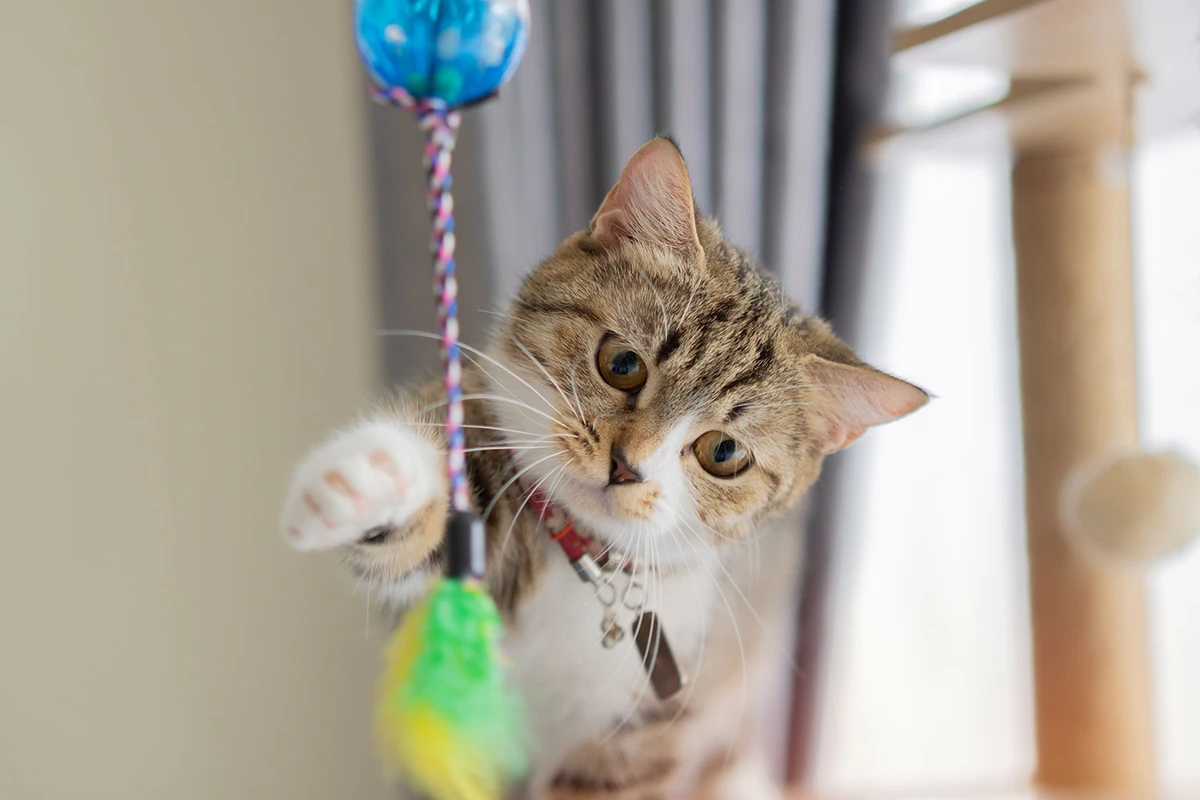
PawVerde.com – Homemade pet toys and store-bought options each present distinct advantages and challenges for pet owners seeking to enrich the lives of their animals in 2026. With growing awareness around pet mental health, safety standards, and environmental sustainability, choosing the right type of pet toy involves balancing cost, durability, safety, and enrichment value tailored to species-specific needs. This analysis explores the comparative benefits and drawbacks of homemade versus commercial pet toys, supported by expert guidance from veterinarians, behavioral specialists, and industry leaders, providing a comprehensive framework for informed decisions.
Pet toys play a critical role in maintaining physical activity and preventing behavioral issues stemming from boredom across species such as dogs, cats, rabbits, guinea pigs, and other small pets. The rising focus on enrichment and sustainability underscores the importance of safe, durable, and eco-conscious materials in toy construction. This article examines how these factors influence pet owners’ choices between DIY and store-bought products, highlighting practical safety considerations and future trends shaping the pet toy market.
Advantages of Homemade Pet Toys
homemade pet toys offer significant cost savings compared to purchasing commercial products. Many pet owners utilize readily available household materials—such as fabric scraps, untreated wood, or recycled paper—to craft toys that cater to their pet’s individual preferences and play styles. This customization extends to size, texture, and complexity, allowing owners to create enrichment tools perfectly suited for species-specific behaviors, from gentle nibbling by rabbits to vigorous chewing in dogs.
Natural, biodegradable materials like organic cotton, hemp twine, or untreated rubber are often favored in DIY creations, reducing environmental impact and exposure to synthetic toxins. Some pet owners incorporate pet fur into toys to stimulate scent recognition and comfort, enhancing mental engagement. Additionally, crafting toys encourages owner-pet bonding through shared activity and observation of play reactions, fostering deeper understanding of pet needs.
Research from exotic veterinarians emphasizes that carefully selected natural materials can reduce risks associated with plastic or chemically treated products. For example, hemp and organic cotton are preferred for their durability and low allergenic potential in small pets. Moreover, homemade toys can be rapidly replaced or modified in response to wear or changing pet behavior, offering adaptability that store-bought toys may lack.
Drawbacks of Homemade Pet Toys
Despite these benefits, homemade toys carry inherent safety risks primarily due to the lack of standardized testing or certification. Improper sizing can lead to choking hazards, especially for smaller pets like guinea pigs or cats. Use of toxic household materials—such as treated fabrics, synthetic dyes, or glues—may introduce harmful chemicals. Owners often underestimate the importance of non-toxic finishes and secure construction, increasing the risk of ingestion of harmful fragments.
Durability is another concern; homemade toys generally lack the robust materials and manufacturing processes applied by pet toy manufacturers who adhere to safety regulations and conduct extensive durability testing. This can result in rapid deterioration, creating sharp edges or small parts that pose injury risks. Behavioral specialists stress the necessity of vigilant supervision when introducing DIY toys, particularly for aggressive chewers or pets prone to destructive behavior.
The absence of eco-certifications such as B Corp, GOTS (Global Organic Textile Standard), or Ecocert on homemade products means owners must independently verify the environmental safety of materials, a step often overlooked. Additionally, some pet owners may lack expertise in identifying suitable materials, inadvertently compromising pet health.
Benefits of Store-Bought Pet Toys
Commercial pet toys typically comply with rigorous safety standards established by regulatory bodies and industry groups, ensuring materials are non-toxic and construction minimizes choking hazards. Manufacturers often utilize certified natural materials or advanced plastics tested for durability and safety, appealing to owners prioritizing longevity and risk mitigation.
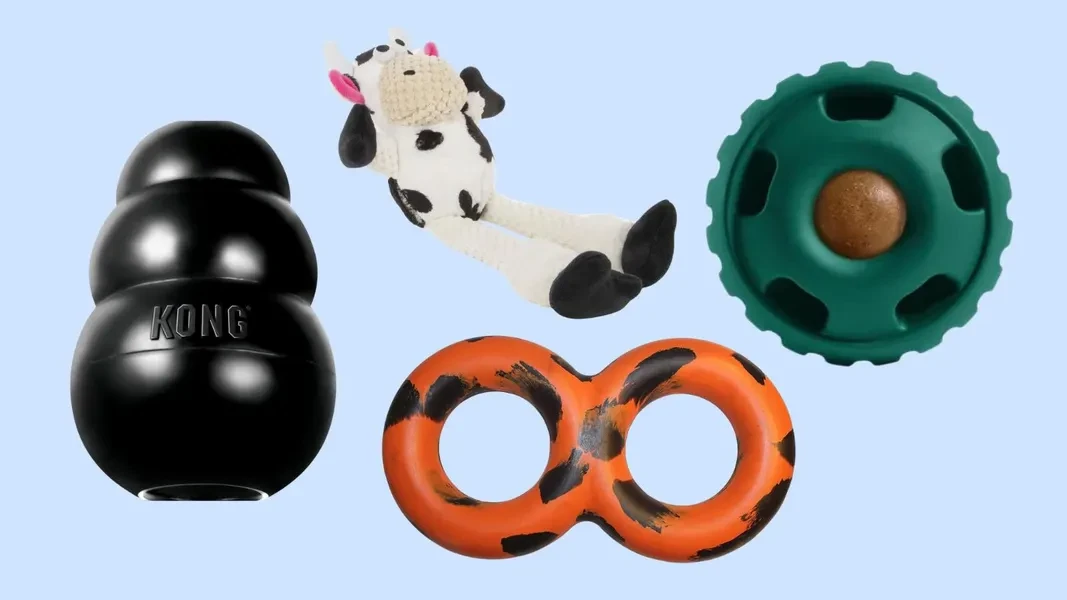
The variety of store-bought toys includes interactive options designed to stimulate mental health and prevent boredom, such as puzzle feeders, treat-dispensing toys, and species-specific designs tailored to the play habits of dogs, cats, rabbits, and exotic pets. This range facilitates targeted enrichment, which behavioral specialists recognize as critical for preventing stress-related behaviors.
Recent innovations in sustainable manufacturing have led to increased availability of eco-friendly pet toys made from natural rubber, hemp, or recycled textiles, reducing reliance on plastics and lowering environmental footprints. Some manufacturers hold certifications like B Corp or Ecocert, providing transparency and reassurance to environmentally conscious consumers.
Convenience is a major advantage: store-bought toys require no assembly and are readily replaceable. This suits busy pet owners who may lack the time or skills to create safe DIY toys. Additionally, premium brands often provide guidelines for safe usage and maintenance, further supporting pet safety.
Limitations of Store-Bought Pet Toys
The higher cost of commercial pet toys can be a barrier for budget-conscious owners, particularly when purchasing specialized or interactive products. Overconsumption driven by marketing may lead to excessive toy acquisition, which can overwhelm pets and owners alike, reducing toy rotation effectiveness.
Synthetic materials remain prevalent in some mass-produced toys, raising concerns about chemical exposure and environmental impact. While sustainable options are growing, they may be limited in availability or higher priced. Moreover, standard designs may not perfectly align with an individual pet’s specific preferences or behavioral needs, potentially diminishing engagement.
Some pet behavioral specialists caution that store-bought toys lacking customization may fail to address unique mental stimulation requirements, particularly in exotic or small pets with specialized play behaviors. Furthermore, durability claims can vary, and cheaper toys may degrade quickly, necessitating frequent replacement.
Safety Considerations for Homemade and Store-Bought Toys
Regardless of origin, pet toys must meet critical safety criteria to protect animal health. Avoiding materials with synthetic dyes, sharp edges, or small detachable parts is essential to prevent choking and ingestion hazards. Different species require appropriately sized and constructed toys; for instance, small pets like guinea pigs need toys without loose threads or small components, while dogs require chew-resistant materials.
Regular inspection of toys is crucial to identify wear or damage that could cause injury. Cleaning practices vary depending on material but maintaining hygiene prevents bacterial growth and infection risks. Veterinary experts recommend supervision during initial introduction of any new or DIY toy, closely monitoring for signs of stress or unsafe chewing habits.
Consulting exotic veterinarians or pet behavioral specialists can provide tailored advice on suitable toys, especially for less common pets with unique needs. In cases of ingestion or injury suspected from toys, prompt veterinary evaluation is imperative.
Integrating Homemade and Store-Bought Toys for Optimal Enrichment
A hybrid approach combining homemade and commercial toys can maximize benefits while mitigating drawbacks. Rotating between DIY and store-bought options maintains novelty and mental stimulation, reducing boredom and destructive behavior. Using homemade toys for daily casual play and store-bought toys for long-term enrichment or interactive sessions balances cost and safety.
Selecting eco-friendly materials for both types supports sustainability goals increasingly valued by pet owners in 2026. Tailoring toy choices to pet age, health status, and behavioral tendencies enhances engagement and reduces risk. For example, older pets may prefer softer, easier-to-handle toys, while younger pets benefit from stimulating, durable options.
Incorporating owner observation and feedback into toy selection refines choices over time, fostering a dynamic play environment responsive to evolving pet needs.
Emerging Trends in Pet Toys for 2026 and Beyond
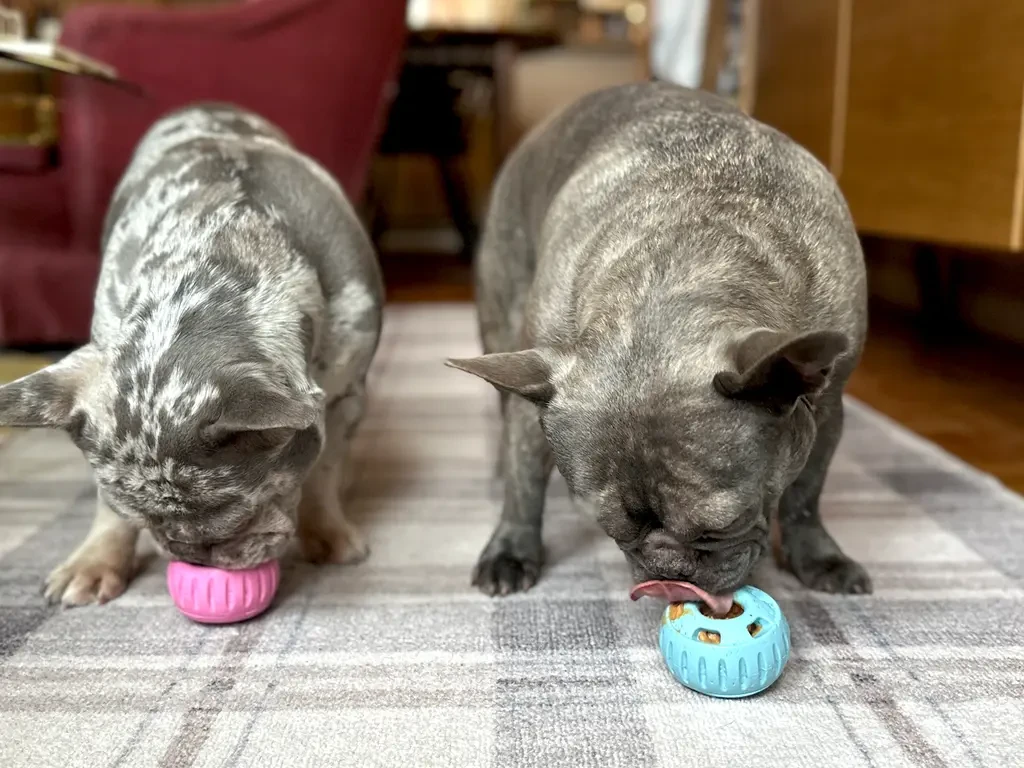
The pet toy industry is witnessing rapid innovation driven by advancements in materials science, animal behavior research, and sustainability imperatives. Mental health enrichment products integrating cognitive challenges and interactive technology are gaining traction, with smart toys capable of adapting to pet responses becoming more accessible.
Growth in sustainable and biodegradable materials, such as natural rubber blends and plant-based textiles, is reshaping production practices, reducing plastic pollution. Pet toy manufacturers increasingly pursue eco-certifications to meet consumer demand for transparency and environmental responsibility.
A burgeoning community of DIY enthusiasts and online marketplaces offers extensive resources for safe homemade pet toy creation, fostering knowledge sharing and innovation. Collaboration between veterinarians, behavioral specialists, and manufacturers is driving development of species-specific, health-focused toys.
These trends suggest that future pet toys will emphasize personalization, safety, and sustainability, aligning with broader pet care priorities.
| Aspect | Homemade Pet Toys | Store-Bought Pet Toys |
|---|---|---|
| Cost | Low; uses household or recycled materials | Higher; depends on brand and features |
| Customization | High; tailored to pet preferences | Limited; standard designs for species |
| Material Safety | Variable; depends on owner knowledge | Generally certified and tested |
| Durability | Lower; prone to wear and damage | Higher; designed for longevity |
| Environmental Impact | Potentially low if natural materials used | Varies; increasing eco-friendly options |
| Mental Enrichment | Moderate; depends on design complexity | High; includes interactive features |
FAQ
Are homemade pet toys safe for all types of pets?
Safety depends on the materials and construction. Homemade toys can be safe if made with non-toxic, durable materials and sized appropriately for the pet species. However, supervision is essential, especially for pets prone to chewing or ingesting parts.
What materials should be avoided when making pet toys at home?
Avoid synthetic dyes, treated fabrics, small detachable parts, toxic glues, and sharp objects. Natural, untreated materials like organic cotton, hemp, and untreated wood are preferred for safety and sustainability.
How do store-bought toys ensure pet safety?
Store-bought toys typically comply with safety standards, use certified non-toxic materials, and undergo durability testing. Manufacturers often provide guidelines on appropriate use and maintenance to minimize risks.
Can combining homemade and store-bought toys benefit pet enrichment?
Yes, combining both types provides variety, balancing cost-effectiveness with safety and durability. Rotating toys helps maintain pet interest and supports mental stimulation.
What are the latest trends in pet toys for improved mental health?
Interactive and smart toys that adapt to pet behavior, use sustainable materials, and focus on cognitive enrichment are growing trends. Online communities also promote safe DIY toy projects emphasizing mental stimulation.
As pet owners navigate the complexities of toy selection in 2026, integrating expert advice, safety precautions, and sustainability considerations will prove critical. Balancing homemade creativity with the reliability of store-bought products enables a comprehensive enrichment strategy that supports pet wellbeing across diverse species and lifestyles. Future developments promise further innovation, fostering healthier, happier pets through thoughtful play.