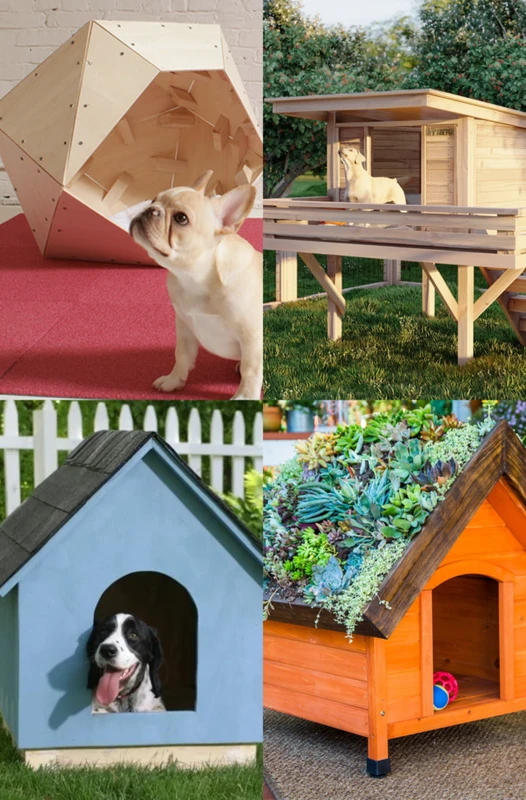
PawVerde.com – Creating a pet-friendly sustainable home requires selecting durable, non-toxic materials that protect pets while minimizing environmental impact. This tutorial guides you through practical steps to integrate eco-conscious flooring, furniture, textiles, and accessories, alongside pet safety measures and DIY solutions. By following these instructions, you will design a comfortable, healthy living space that balances aesthetics with sustainability and pet welfare.
Choosing Safe and Sustainable Flooring for Pet Homes
Traditional carpets often trap pet hair, odors, and stains, making them impractical for pet owners aiming for sustainability and hygiene. Instead, consider hard flooring options that are renewable, non-toxic, and pet-friendly.
Select Bamboo or Cork Flooring: Bamboo flooring is a rapidly renewable resource, known for its hardness and scratch resistance, making it ideal for pets. Cork flooring offers natural cushioning, hypoallergenic properties, and is resistant to mold and mildew. Both materials have lower environmental footprints compared to synthetic options.Evaluate recycled rubber tiles: Products like Tarkett’s recycled rubber tiles provide durability and cushioning for pets. These tiles are slip-resistant and easy to clean, reducing injury risks for active animals.Choose Non-Toxic Adhesives and Finishes: Ensure adhesives and sealants used during installation are free from volatile organic compounds (VOCs) and harmful chemicals. Look for certifications such as GreenGuard or FloorScore, which verify indoor air quality standards.Maintain Flooring Cleanliness: Regularly clean floors using pet-safe, biodegradable products to preserve material integrity and indoor air quality.Selecting Sustainable Upholstery and Furniture
Upholstered furniture in pet homes must withstand claws and stains while aligning with eco-conscious values. Materials and brands matter significantly.
Opt for Recycled Polyester, Hemp, or Microfiber: These fabrics resist wear and stains better than traditional cotton or wool. Recycled polyester, sourced from plastic bottles, reduces landfill waste and offers durability suited for pet claws.Consider Certified Sustainable Collections: Brands like West Elm and Home Reserve offer collections that meet Sustainable Furnishings Council (SFC) standards and use CertiPUR-certified cushioning, ensuring chemical safety and low environmental impact.Use Washable Organic Cotton Throws: Protect furniture with throws made from organic cotton certified by GOTS, which guarantees chemical-free, ethically produced textiles. Washable throws allow easy cleaning of pet hair and dander, improving hygiene.Avoid Toxic Treatments: Steer clear of furniture treated with flame retardants or stain repellents containing harmful chemicals that can affect pet health.Incorporating Eco-Conscious Textiles and Bedding for Pets
Selecting the right textiles balances pet comfort with sustainability and health considerations.
Choose Durable Rugs Made from Jute or Organic Cotton: Jute rugs offer natural texture and resilience, while organic cotton rugs provide softness without synthetic chemicals. Both materials allow breathability and are biodegradable.Use Hypoallergenic Down Alternative Bedding: Bedding filled with recycled polyester or organic cotton fibers reduces allergy risks and avoids animal cruelty, supporting pet health.Verify Certifications: Look for GOTS certification for organic textiles and CertiPUR certification for foam bedding to ensure chemical-free, non-toxic materials.Prioritize Washability: Bedding and textiles should be machine washable using eco-friendly detergents to maintain cleanliness and longevity.Adding Pet-Safe Indoor Plants and Greenery
Indoor plants enhance air quality and aesthetics but must be safe for pets to prevent toxicity.
Select Spider Plants and Boston Ferns: Both are non-toxic to cats and dogs, improve indoor air quality by filtering pollutants, and thrive in low to moderate light.Use Sustainable Plant Pots: Choose containers made from recycled plastics, biodegradable materials, or sustainably harvested bamboo to maintain eco-friendly principles.Avoid Poisonous Plants: Educate yourself about common toxic plants such as lilies, philodendrons, and pothos, which pose serious risks to pets.Incorporate Vertical Gardens: Vertical planting systems using recycled materials optimize space and add greenery without clutter.DIY Sustainable Pet Furniture Using Reclaimed Materials
Creating pet furniture from reclaimed materials reduces waste and allows customization for pet needs.
Gather Reclaimed Wood and Fabrics: Salvaged wood pallets, old furniture parts, and leftover organic cotton or hemp fabrics form the base for pet houses, scratching posts, and feeding stations.Design Pet Houses: Construct simple wooden houses with smooth finishes and non-toxic sealants. Incorporate removable cushions made from recycled polyester for comfort and easy cleaning.Build Scratching Posts: Wrap reclaimed wood posts with natural jute rope, providing cats with eco-friendly scratching surfaces.Create Feeding Stations: Use repurposed wood to build raised feeding tables, reducing spill mess and promoting pet digestion.Incorporate Aesthetic Elements: Sand and paint reclaimed wood using pet-safe, water-based paints to blend furniture seamlessly into home décor.Implementing Pet Safety Measures in Eco-Conscious Spaces
pet safety is paramount in sustainable homes, requiring simple yet effective precautions.
Secure Windows and Balconies: Install sturdy screens or barriers to prevent falls. Use sustainable materials like bamboo or recycled metal for safety guards.Manage Trash Bins: Use trash containers with secure lids made from stainless steel or recycled plastic to prevent pet access.Designate Pet Play and Rest Areas: Create zones using washable rugs and pet beds made from recycled materials to reduce wear and stress on other furniture.Eliminate Toxic Chemicals: Avoid household cleaners, pest control, or air fresheners with harmful substances; opt for natural alternatives like vinegar or essential oil blends safe for pets.Choosing Sustainable Pet Products to Complement Home Décor
Eco-friendly pet accessories contribute to a holistic sustainable home environment.
Select Beds Made from Recycled Fabrics: Companies offer pet beds filled with recycled polyester fiber and covered with organic cotton or hemp fabrics.Use Collars and Leashes from Bamboo or Recycled Materials: Bamboo fiber collars and recycled nylon leashes reduce plastic waste while providing durability.Opt for Stainless Steel Bowls: Stainless steel is non-toxic, long-lasting, and recyclable, making it preferable over plastic.Prioritize Washability and Durability: Choose products that are machine washable and resistant to chewing or scratching to extend lifespan and reduce waste.Starting Small: Easy Sustainable Changes for Pet Owners
Implementing sustainability need not be overwhelming; begin with manageable adjustments.
Replace Traditional Pet Beds with Recycled Rubber Models: Recycled rubber provides durability, easy cleaning, and comfort.Store Pet Food in Glass Jars: Glass reduces plastic use and preserves food freshness.Incorporate Sustainable Textiles Gradually: Introduce organic cotton throws or jute rugs to protect existing furniture.Plan Gradual Renovations: Schedule eco-friendly upgrades like bamboo flooring or certified upholstery over time to balance cost and impact.Troubleshooting Common Issues in Sustainable Pet Homes
Addressing typical challenges ensures long-term success.
Problem: Flooring scratched by pet claws Solution: Use high-quality bamboo or cork with protective sealants; trim pet nails regularly.
Problem: pet allergies to natural fibers Solution: Opt for hypoallergenic synthetic recycled polyester or microfiber textiles.
Problem: Indoor plants damaged by pets Solution: Position plants out of reach or use hanging planters; offer pet-safe grasses as alternatives.
Problem: Odor buildup on sustainable textiles Solution: Wash throws and bedding frequently with eco-friendly detergents; ventilate rooms well.
Common Mistakes to Avoid When Designing Pet-Friendly Sustainable Homes
Awareness of pitfalls enhances project outcomes.
Ignoring Certification Labels: Always verify GOTS, CertiPUR, or SFC certifications to ensure genuine sustainability and safety.Choosing Non-Washable Textiles: Avoid fabrics and bedding that cannot be cleaned easily, as they harbor allergens and odors.Neglecting Pet Behavior: Consider pets’ activity level and habits to select appropriate durable materials.Using Toxic Treatments or Finishes: Prioritize chemical-free, low-VOC products to protect pet health.Alternative Methods for Sustainable Pet Home Design
Explore different approaches to achieve eco-conscious pet-friendly spaces.
Natural Fiber Flooring Alternatives: Cork and linoleum offer resilience and sustainability besides bamboo.biodegradable pet toys: Use hemp or organic cotton toys instead of plastic.Modular Furniture Pieces: Choose furniture designed for easy repair or reupholstering to extend lifecycle.Smart Home Integration: Employ sensors to monitor air quality and pet movement to maintain healthy environments.FAQ
What flooring is best for homes with pets and sustainability goals?
Bamboo and cork flooring are top choices due to their renewability, durability, and resistance to pet damage. Recycled rubber tiles also provide cushioning and easy maintenance.
Which plants are safe to keep around cats and dogs?
Spider plants and Boston ferns are non-toxic to pets and improve indoor air quality, making them ideal for pet-friendly homes.
How can I ensure upholstery is both sustainable and pet-friendly?
Opt for fabrics like recycled polyester, hemp, or microfiber that resist stains and claws. Choose products certified by the Sustainable Furnishings Council and use organic cotton washable throws for added protection.
What certifications should I look for in sustainable pet products?
Look for GOTS certification for textiles, CertiPUR for foam products, and SFC endorsement for furniture, ensuring chemical safety and environmental responsibility.
Can I build my own sustainable pet furniture?
Yes, using reclaimed wood and organic fabrics, you can create pet houses, scratching posts, and feeding stations that are eco-friendly and customized to your pet’s needs.
—
Adopting these strategies enables you to craft a sustainable, pet-friendly home that protects your animals while reducing ecological impact. Incorporate certified materials, secure pet areas, and eco-conscious products progressively to balance comfort, safety, and environmental stewardship.