
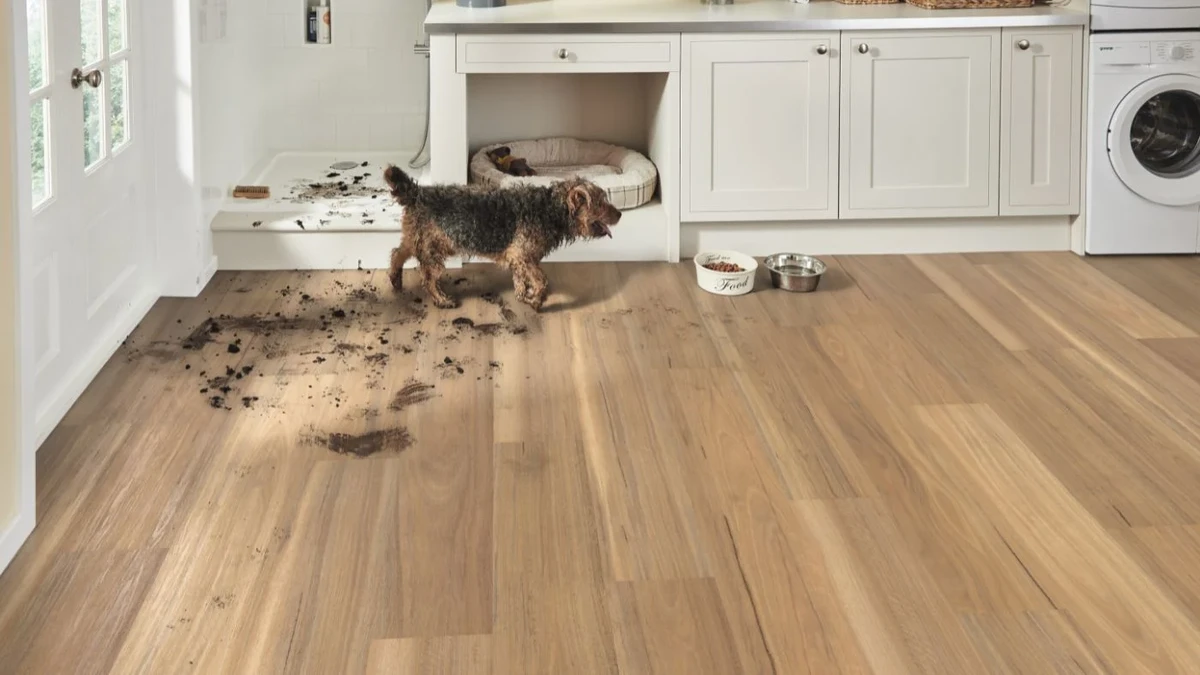
Best Non-Toxic Flooring for Pet Homes Balances Safety & Sustainability
PawVerde.com – Non-toxic flooring options for pet-friendly homes must balance durability, indoor air quality, and pet safety, while also addressing environmental sustainability. Key materials such as bamboo, cork, luxury vinyl plank (LVP), wool carpet, and tile flooring offer a combination of low VOC emissions, scratch and stain resistance, and comfort, aligning with eco-conscious home building standards. Proper installation techniques, including acclimation of bamboo and use of low-VOC adhesives, further enhance the longevity and safety of these floorings in homes with pets.
Bamboo flooring stands out due to its rapid renewability and environmental benefits. It typically matures within 5–7 years, significantly faster than traditional hardwood. Bamboo’s dense fiber structure provides natural stain and odor resistance, which is critical in pet homes where accidents or spills are common. Textured finishes on bamboo reduce slipping risks for pets, while proper acclimation before installation ensures dimensional stability. Using an appropriate underlayment enhances moisture control and sound insulation, improving overall pet comfort and floor durability.
Cork flooring offers a hypoallergenic surface that naturally resists mold and mildew, important factors in maintaining healthy indoor air quality where pets live. Harvested sustainably by removing bark without harming cork oak trees, cork is a renewable resource with a closed-cell structure that prevents allergen buildup. Its soft, cushioned surface reduces joint stress for pets, and cork’s inherent resilience helps absorb impacts from claws. Regular maintenance with gentle cleaning agents preserves its protective finish and mold-resistant properties.
Wool carpet remains a natural flooring choice that combines biodegradability with pet-friendly benefits such as flame retardancy and dust mite resistance. Wool fibers trap fewer allergens compared to synthetic carpets, though it requires more attention to stain removal and cleaning to prevent odor buildup in pet areas. Wool carpets are ideal in spaces where warmth and softness are priorities, but homeowners must weigh the higher maintenance demands and potential for damage from pet claws.
Luxury vinyl plank flooring has gained popularity for pet homes due to its waterproof qualities and high scratch resistance. Many LVP products now feature low- or zero-VOC formulations, contributing to improved indoor air quality. Its versatility in design allows for realistic wood or stone appearances without the vulnerabilities of natural materials. The ease of cleaning and resistance to stains make LVP practical in households with active pets. Hybrid flooring options, such as those combining vinyl cores with laminate surfaces (e.g., Home Depot’s LifeProof and Opti-Wood brands), offer additional durability and chemical sensitivity considerations, requiring evaluation of off-gassing potential.
Laminate and engineered hardwood floors provide a balance of aesthetic appeal and wear resistance, though scratch resistance varies by product quality and finish. Engineered hardwood, constructed with a real wood veneer over plywood layers, offers better moisture resistance than solid hardwood. However, both materials require sealing and finishing with low-VOC products to minimize chemical emissions. For pet owners concerned about allergens and off-gassing, selecting FSC-certified or VOC-free options is advisable.
Tile and porcelain flooring deliver exceptional durability and water resistance, making them well-suited for pet homes prone to moisture and spills. Their hard surfaces resist scratches and stains, but the lack of cushioning can reduce comfort for pets, which can be mitigated by strategically placing pet-safe rugs. Tile’s non-porous nature helps maintain allergen-free environments, and installation with non-toxic grout and sealants is essential to uphold indoor air quality standards.
Indoor air quality is a critical factor when selecting pet-safe flooring materials. Volatile organic compound (VOC) emissions from adhesives, finishes, and paints used in flooring installation can impact both human and pet health. Sustainable flooring materials with verified low or zero VOC profiles, combined with the use of non-toxic adhesives and paints, enhance air quality and reduce chemical exposure. Additionally, the choice of flooring can influence allergen resistance, with natural fibers and closed-cell surfaces limiting dust mite and mold proliferation.
Effective installation practices are fundamental to maximizing the performance and safety of non-toxic flooring materials in pet homes. Subfloor preparation must include moisture barriers to prevent damage and microbial growth, especially under bamboo and engineered hardwood floors. Acclimation periods for wood-based products help adjust materials to indoor humidity and temperature, reducing warping risks. Cleaning protocols that utilize natural agents such as diluted vinegar or lemon juice support stain and odor management without introducing harmful chemicals. Incorporating pet-safe area rugs can protect flooring surfaces while providing traction and comfort for pets.
| Flooring Type | Pet Safety Features | Sustainability | Durability & Maintenance | VOC Emissions |
|---|---|---|---|---|
| Bamboo Flooring | Textured finish for slip resistance; stain & odor resistant | Rapidly renewable; harvested every 5-7 years | Requires acclimation; underlayment recommended; moderate maintenance | Low VOC with proper finishes and adhesives |
| Cork Flooring | Soft, cushioned; mold & allergen resistant | Sustainably harvested bark; highly renewable | Easy cleaning; resistant to moisture and mold | Low VOC natural material |
| Wool Carpet | Dust mite resistant; natural flame retardant | Biodegradable; natural fiber | Higher maintenance; stain and odor control needed | Generally low VOC but depends on backing and treatments |
| Luxury Vinyl Plank (LVP) | Waterproof; scratch resistant; easy cleaning | Varies; some eco-friendly options available | Simple maintenance; durable against pet wear | Low or zero VOC formulations available |
| Laminate & Engineered Hardwood | Scratch resistance varies; sealing important | Engineered hardwood more sustainable than solid | Moderate maintenance; proper finishes needed | VOC content variable; select low-VOC certified products |
| Tile & Porcelain | Scratch and water resistant; non-porous | Long-lasting; low environmental impact if sourced responsibly | Easy cleaning; use pet-safe rugs for comfort | Low VOC if grout and sealants are non-toxic |
Pet owners seeking non-toxic flooring must evaluate the trade-offs between softness, durability, and maintenance complexity. Bamboo and cork provide sustainable, pet-safe alternatives with natural resistance to stains and allergens, while luxury vinyl plank and tile offer superior durability and ease of cleaning. Wool carpet remains an option where comfort is prioritized, albeit with higher upkeep demands. Across all options, installation with low-VOC adhesives and finishes, appropriate subfloor preparation, and maintenance using gentle, natural cleaning agents are essential practices to maintain indoor air quality and prolong flooring lifespan.
FAQ
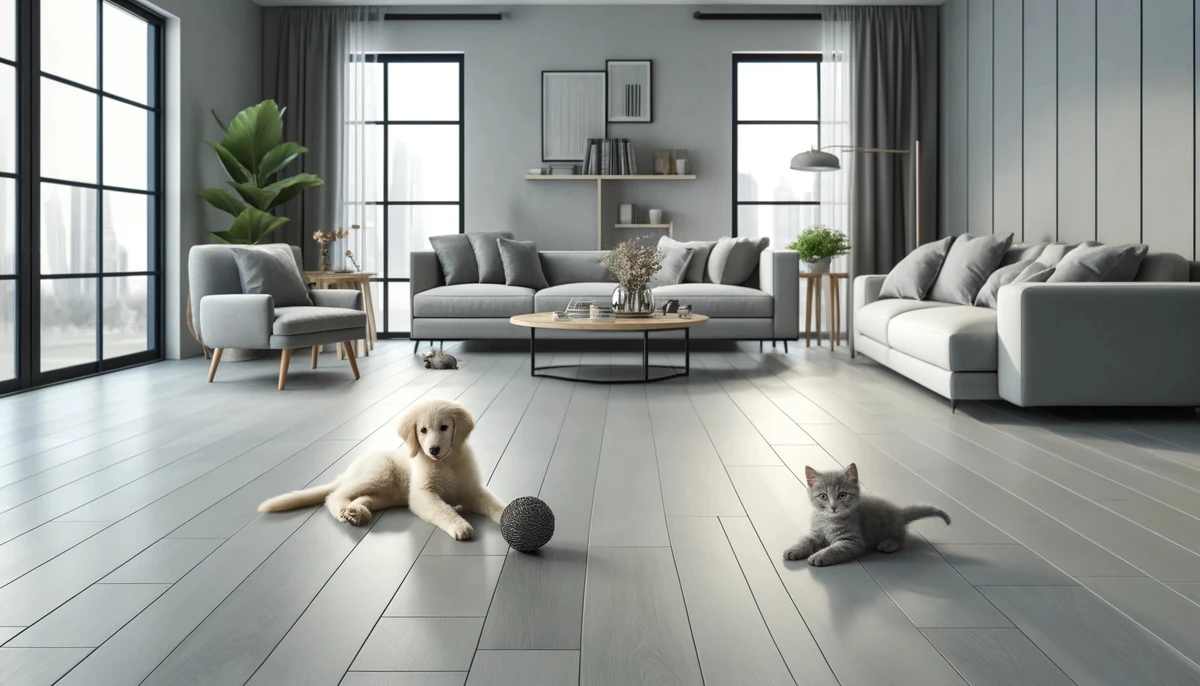
What flooring is best for homes with pets and allergies?
Floors made from cork and bamboo are ideal for pet owners with allergies due to their hypoallergenic, mold-resistant properties and low VOC emissions. Tile flooring is also effective as it is non-porous and easy to clean, limiting allergen accumulation.
How do I ensure my flooring is non-toxic and safe for pets?
Select flooring materials certified for low or zero VOC emissions, use non-toxic adhesives and finishes during installation, and maintain floors with natural cleaning products. Verify certifications such as GREENGUARD or FloorScore for indoor air quality assurance.
Is luxury vinyl plank a good choice for pet owners?
Yes, luxury vinyl plank offers waterproof, scratch-resistant surfaces that are easy to maintain, with many low-VOC options available. Its design versatility and durability make it practical for homes with active pets.
Can bamboo flooring withstand pet scratches and accidents?
bamboo flooring is relatively durable and resistant to stains and odors, but its scratch resistance depends on the finish applied. Textured finishes help prevent slipping, and proper underlayment can improve resilience. Prompt cleaning of accidents is necessary to prevent damage.
What maintenance is required for wool carpets in pet homes?
Wool carpets need regular vacuuming and prompt stain treatment to manage odors and prevent damage. Using natural fiber-safe cleaning agents and professional deep cleaning periodically can maintain their hypoallergenic and flame-retardant properties.
As indoor air quality standards tighten and pet ownership continues to rise, the demand for non-toxic, sustainable flooring options will grow. Future developments may focus on enhanced hybrid materials combining natural fibers with durable, low-emission synthetics, further optimizing pet safety and environmental impact. Homeowners are encouraged to consult green building experts and flooring specialists to tailor selections to their specific pet and environmental needs, ensuring a healthy and resilient living space for both humans and animals.
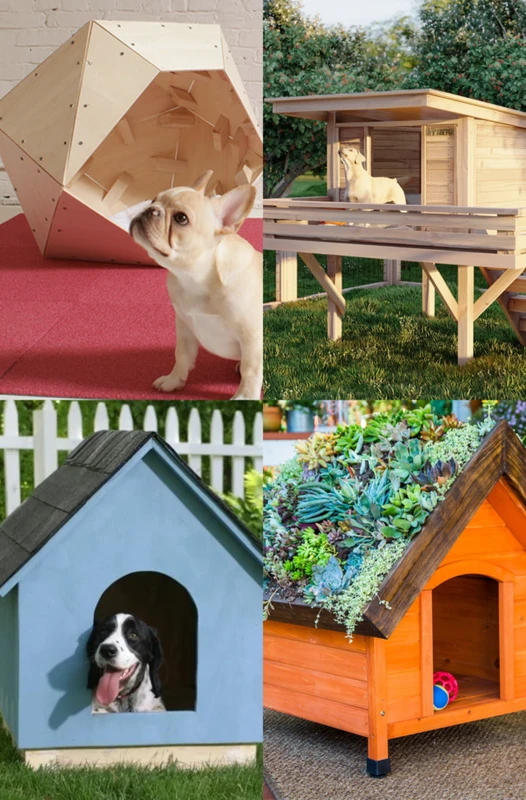
How to Create a Pet-Friendly Sustainable Home with Safe Materials
PawVerde.com – Creating a pet-friendly sustainable home requires selecting durable, non-toxic materials that protect pets while minimizing environmental impact. This tutorial guides you through practical steps to integrate eco-conscious flooring, furniture, textiles, and accessories, alongside pet safety measures and DIY solutions. By following these instructions, you will design a comfortable, healthy living space that balances aesthetics with sustainability and pet welfare.
Choosing Safe and Sustainable Flooring for Pet Homes
Traditional carpets often trap pet hair, odors, and stains, making them impractical for pet owners aiming for sustainability and hygiene. Instead, consider hard flooring options that are renewable, non-toxic, and pet-friendly.
Selecting Sustainable Upholstery and Furniture
Upholstered furniture in pet homes must withstand claws and stains while aligning with eco-conscious values. Materials and brands matter significantly.
Incorporating Eco-Conscious Textiles and Bedding for Pets
Selecting the right textiles balances pet comfort with sustainability and health considerations.
Adding Pet-Safe Indoor Plants and Greenery
Indoor plants enhance air quality and aesthetics but must be safe for pets to prevent toxicity.
DIY Sustainable Pet Furniture Using Reclaimed Materials
Creating pet furniture from reclaimed materials reduces waste and allows customization for pet needs.
Implementing Pet Safety Measures in Eco-Conscious Spaces
pet safety is paramount in sustainable homes, requiring simple yet effective precautions.
Choosing Sustainable Pet Products to Complement Home Décor
Eco-friendly pet accessories contribute to a holistic sustainable home environment.
Starting Small: Easy Sustainable Changes for Pet Owners
Implementing sustainability need not be overwhelming; begin with manageable adjustments.
Troubleshooting Common Issues in Sustainable Pet Homes
Addressing typical challenges ensures long-term success.
Solution: Use high-quality bamboo or cork with protective sealants; trim pet nails regularly.
Solution: Opt for hypoallergenic synthetic recycled polyester or microfiber textiles.
Solution: Position plants out of reach or use hanging planters; offer pet-safe grasses as alternatives.
Solution: Wash throws and bedding frequently with eco-friendly detergents; ventilate rooms well.
Common Mistakes to Avoid When Designing Pet-Friendly Sustainable Homes
Awareness of pitfalls enhances project outcomes.
Alternative Methods for Sustainable Pet Home Design
Explore different approaches to achieve eco-conscious pet-friendly spaces.
FAQ
What flooring is best for homes with pets and sustainability goals?
Bamboo and cork flooring are top choices due to their renewability, durability, and resistance to pet damage. Recycled rubber tiles also provide cushioning and easy maintenance.
Which plants are safe to keep around cats and dogs?
Spider plants and Boston ferns are non-toxic to pets and improve indoor air quality, making them ideal for pet-friendly homes.
How can I ensure upholstery is both sustainable and pet-friendly?
Opt for fabrics like recycled polyester, hemp, or microfiber that resist stains and claws. Choose products certified by the Sustainable Furnishings Council and use organic cotton washable throws for added protection.
What certifications should I look for in sustainable pet products?
Look for GOTS certification for textiles, CertiPUR for foam products, and SFC endorsement for furniture, ensuring chemical safety and environmental responsibility.
Can I build my own sustainable pet furniture?
Yes, using reclaimed wood and organic fabrics, you can create pet houses, scratching posts, and feeding stations that are eco-friendly and customized to your pet’s needs.
—
Adopting these strategies enables you to craft a sustainable, pet-friendly home that protects your animals while reducing ecological impact. Incorporate certified materials, secure pet areas, and eco-conscious products progressively to balance comfort, safety, and environmental stewardship.