
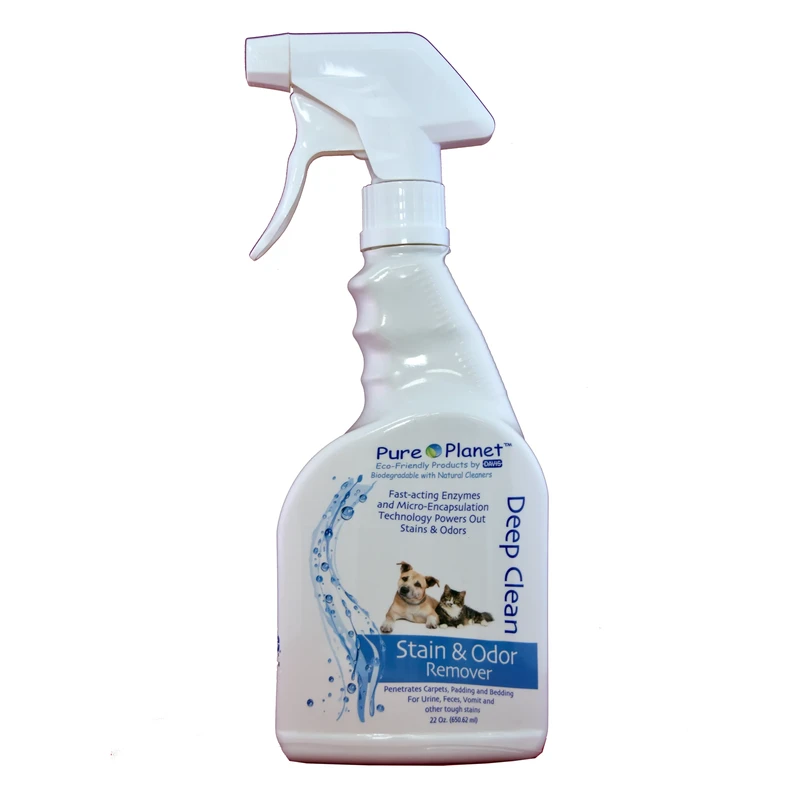
How to Choose Safe Eco-Friendly Pet Cleaning Products
PawVerde.com – Choosing eco-friendly pet cleaning products requires looking beyond ‘natural’ labels to identify true non-toxic solutions. The most effective brands use enzymatic technology to break down biological waste or plant-based surfactants that avoid common irritants like ammonia, bleach, and synthetic fragrances, ensuring safety for your pet’s skin and respiratory system.
With 85 million households owning at least one pet, the demand for sustainable home solutions has reached a critical point, with 92% of homeowners now seeking eco-friendly options.
The Greenwashing Audit: How to Spot Fake ‘Pet-Safe’ Labels
To identify greenwashing, ignore vague terms like ‘natural’ or ‘eco-friendly’ and instead look for third-party certifications like Ecogea or EPA Safer Choice. Always check for a full INCI ingredient list; if a brand uses the term ‘fragrance’ without disclosing specific components, it may hide undisclosed irritants or allergens.
Greenwashing is prevalent in the pet care industry, according to Doglyness. Until more strict regulations are in place, manufacturers may use marketing buzzwords to create an illusion of safety without undergoing rigorous third-party verification.
The ‘Fragrance’ Trap
A common failure mode in pet product labeling occurs when companies use the term “fragrance” to mask a complex mixture of synthetic chemicals. Gryme notes that “If it’s not safe and transparent, it’s not going in our products — period.” This lack of transparency can lead to skin irritation or respiratory distress in sensitive animals. Practitioners recommend looking for specific botanical identifiers rather than generic scent descriptors.
The Plastic Packaging Paradox
Sustainability extends beyond the liquid inside the bottle. Doglyness highlights a significant environmental concern: plastic packaging with any form of residue is not recyclable. Even if a brand claims its formula is organic, a product packaged in non-recyclable plastic with residue fails the true eco-friendly test. This creates a paradox where the “green” liquid contributes to long-term waste accumulation.
The Essential Oil Paradox: Scents that Can Harm Your Pet
While many pet owners associate essential oils with “natural” cleanliness, these botanical extracts can be problematic. ECOS notes that traditional cleaning products often contain synthetic fragrances that can cause skin irritation, respiratory issues, and even impact water quality.
Why ‘Natural’ Scent Isn’t Always Safe
Exposure to essential oils or undisclosed fragrance blends can cause allergic reactions in pets, as documented by Gryme. A scent that smells pleasant to a human can be overwhelming or even toxic to a dog or cat due to their heightened olfactory sensitivity. This is a counterintuitive reality for many; a “natural” lavender or citrus scent is not inherently safer than a synthetic one if the concentration is poorly managed.
Identifying High-Risk Botanical Extracts
Not all plant-based scents are created equal. While Mrs. Meyer’s Clean Day is recognized as an earth-friendly brand that does not test on animals, consumers must still remain vigilant regarding specific botanical ingredients. The goal is to find products that utilize mild surfactants and avoid the heavy use of essential oils that might trigger a reaction during or after the cleaning process.
Enzymatic vs. Plant-Based: Solving the Odor Problem
enzymatic cleaners use live enzyme cultures to biologically break down organic compounds in pet urine and feces, whereas plant-based surfactants typically clean surfaces without eliminating the underlying odor source. For heavy biological accidents, enzymatic solutions are significantly more effective than conventional or simple plant-based cleaners.
The distinction between these two methods is critical for long-term home maintenance. Green Planet Cleaning reports that live enzyme cultures genuinely break down organic compounds rather than masking odors. This biological breakdown is particularly noticeable on pet urine, where conventional cleaners often fail to eliminate the scent entirely, leading to repeat accidents in the same location.
How Enzymes Target Biological Waste
When a pet has an accident, the odor is caused by organic matter trapped in fibers or porous surfaces. Enzymatic cleaners, such as those produced by Rocco & Roxie Supply Co., work by:
- Targeting specific protein structures in urine and feces.
- Using live cultures to digest the source of the smell.
- Preventing the “scent ghost” that attracts pets back to the same spot.
Nature’s Miracle (Spectrum Brands) also focuses heavily on these specialized pet stain and odor removers to address these specific biological challenges.
When to Use Surface-Specific Cleaners
While enzymes are superior for biological waste, they may not be the first choice for all scenarios. For general dusting or non-biological grime, simple plant-based surfactants are often sufficient and less intensive.
Market Leaders and Specialist Brands
The pet-safe cleaning market is diverse, ranging from massive household names to highly specialized grooming brands.
| Brand | Primary Focus | Key Differentiation | Market Position |
|---|---|---|---|
| The Honest Company, Inc. | Home & Pet Cleaning | Natural, fragrance-free options | 18-22% Market Share |
| Seventh Generation, Inc. | Eco-conscious Home Care | Plant-based, pet-friendly formulas | 14-18% Market Share |
| Puracy | Biodegradable Solutions | Naturally derived specialists | 12-16% Market Share |
| ECOS | Non-toxic/Vegan Cleaning | Vegan-certified, non-toxic | 10-14% Market Share |
| Nature’s Miracle | Stain & Odor Removal | Enzymatic specialization | 8-12% Market Share |
The market is segmented by both specialization and scale.
The Big Players: Market Share Breakdown
The Honest Company, Inc. leads the pet-safe cleaners market, providing a wide array of natural and chemical-free products. Following closely are Seventh Generation, Inc. and Puracy, both of which offer robust, plant-based alternatives for general household maintenance. ECOS (Earth Friendly Products) maintains a strong presence with its vegan-certified, non-toxic line, driven by a mission to “Protect the health and wellness of people, pets, and the planet by creating the most authentic, sustainable and affordable eco-conscious cleaning products for all…”
Niche Specialists: Grooming vs. Home Cleaning
For tasks that go beyond floor and upholstery cleaning, specialized brands are required. Earthbath focuses on cleaning the pets themselves and their specific items. In the premium segment, the Italian brand Yuup! specializes in human-grade pet grooming solutions. This distinction is vital: a cleaner safe for a hardwood floor may not be suitable for a pet’s coat.
The Safety Protocol: Drying Times and Application
Applying a green cleaner is only the first step; the way it is applied and the time allowed for it to settle determines the actual safety level for your pet.
Green Planet Cleaning utilizes a 24-hour timeframe for their Greentified™ re-clean guarantee, emphasizing the importance of thoroughness in the cleaning process.
The ‘Drying Time’ Rule for Paw Safety
A common mistake is allowing pets to walk on freshly cleaned surfaces before they are completely dry. To maintain a safe environment, follow these protocols:
- Always allow surfaces to air-dry completely before permitting pet access.
- For high-traffic areas, use a microfiber cloth to remove excess moisture.
- Avoid using “quick-dry” synthetic sprays that may leave behind a tacky, irritating film.
This prevents pets from licking cleaning agents off their paws, which is a primary route of ingestion.
Safe Sanitization with HOCl
When disinfection is necessary, Hypochlorous Acid (HOCl) serves as an excellent alternative to harsh chemicals. Maids of Movher identifies HOCl as a safe, non-corrosive sanitizer that is completely gentle on sensitive skin and paws. Unlike traditional bleach, which can cause respiratory and skin issues, HOCl provides effective sanitization without the toxic footprint. For everyday hygiene, such as cleaning pet dishes, Mrs. Meyer’s Clean Day offers products that are 100% pet-safe.
FAQ
Is ‘natural’ scent always safe for dogs and cats?
Not necessarily. Many natural scents come from essential oils that can cause respiratory irritation or allergic reactions in pets. Always check for full ingredient lists to ensure no toxic botanical extracts are present in the product you choose.
How do enzymatic cleaners differ from regular cleaners?
Regular cleaners often mask odors with fragrances, while enzymatic cleaners use live cultures to break down the organic compounds in urine and feces, eliminating the smell at the source rather than just covering it up.
Can I use dish soap to clean pet bowls safely?
Yes, provided the soap is non-toxic and free from harsh chemicals like ammonia or synthetic fragrances. Brands like Mrs. Meyer’s offer pet-safe options for dish cleaning that are gentle enough for food-contact surfaces.
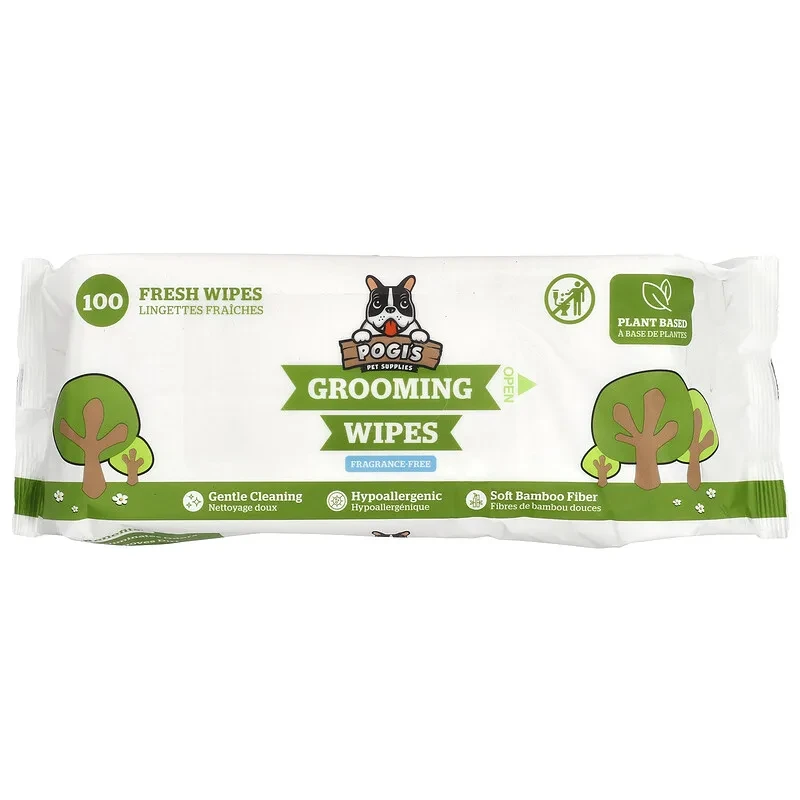
Eco-Friendly Pet Supplies: How to Spot Greenwashing
PawVerde.com – Eco-friendly pet supplies prioritize materials like bamboo, hemp, and natural rubber that minimize environmental impact. To shop effectively, look beyond ‘natural’ labels by verifying third-party certifications like Ecogea and distinguishing between ‘biodegradable’—which simply means an item gets smaller—and ‘compostable,’ which ensures the product breaks down into nutrient-rich organic matter.
The shift toward sustainability is no longer a niche preference. According to Faunalytics, 84% of companion animal guardians now hold companies responsible for addressing climate change. This expectation has transformed how brands approach product development and ingredient transparency.
The Greenwashing Red Flag Checklist: Spotting Fake Sustainability
To avoid greenwashing, ignore vague terms like ‘natural’ or ‘organic’ unless they are backed by third-party certifications like Ecogea. Always check the full INCI ingredient list for hidden synthetics and ensure plastic packaging is free of residue, as any contaminated plastic is effectively non-recyclable.
The ‘Natural’ Label Trap
Marketing teams often use “botanical” or “natural” to imply safety, but these terms lack strict legal definitions in many jurisdictions. Doglyway notes that greenwashing is frequently used to attract customers through these misleading terms. A common failure mode occurs when a brand highlights a single plant extract while the majority of the formula consists of synthetic fillers. To verify authenticity, consumers should search for the full INCI (International Nomenclature of Cosmetic Ingredients) list. If a product claims to be organic but lacks a recognized certification such as Ecogea, the “natural” claim should be treated with skepticism.
The Packaging Paradox
A product’s contents may be sustainable, but the container can negate those benefits. Doglyway reports that if a product is packaged in plastic, it is almost certainly not recyclable, regardless of the claims made on the front of the box. This is a critical distinction for eco-conscious shoppers. Even if the product inside is biodegradable, a non-recyclable plastic bottle destined for a landfill creates a net-negative environmental impact. Always look for brands that utilize glass, aluminum, or certified compostable packaging to ensure the entire lifecycle of the purchase aligns with sustainability goals.
- Check for third-party seals like Ecogea rather than relying on text-only “natural” claims.
- Inspect the INCI list for hidden synthetics or unsustainable palm oil.
- Evaluate the packaging material; if it is plastic, confirm its specific recyclability in your local municipality.
- Avoid brands that do not provide transparent sourcing information for their “botanical” ingredients.
Compostability Reality Guide: Home vs. Industrial Breakdown
Understanding the difference between degradation types is essential to prevent accidental pollution. Piggyback Treats explains that seeing the phrase “biodegradable” on a package really doesn’t tell us much other than it will break down over time. This is an ambiguous word that, unless paired with the word compostable, simply means “this item will get smaller.”
When shopping for waste management, the distinction between home and industrial composting is a frequent point of failure. Many “compostable” bags require the high-heat environments found in industrial facilities to actually break down. If these bags end up in a backyard compost bin or a standard landfill, they may persist for years. For high-quality waste management, look for products that meet specific thickness standards; for instance, gogostik.com identifies a 15-20 micron minimum thickness as a benchmark for quality eco-friendly pet waste bags.
Furthermore, Sir Waggingtons highlights that pet waste can introduce harmful bacteria and parasites into ecosystems, pollute waterways, and contribute to the spread of diseases if not managed correctly. Using the wrong type of bag can lead to improper decomposition, which fails to mitigate these biological risks.
Lifecycle Cost Calculator: Upfront Investment vs. Long-Term Value
Sustainable pet ownership requires evaluating the total lifespan of a product. While initial costs vary, durable materials often provide better value over time.
The Pet Sustainability Coalition notes that environmental responsibility has shifted from a niche marketing trend to a structural necessity. This shift is reflected in the move toward durable, long-lasting goods. For example, the Ecofurball.com framework suggests that while a stainless steel bowl might cost more than a plastic one, it can last a lifetime, whereas plastic bowls often require frequent replacement due to cracking or bacterial buildup in scratches.
| Material/Product | Eco-Benefit | Longevity/Durability | Cost Profile |
|---|---|---|---|
| Stainless Steel | Highly recyclable; no microplastics | Extreme; lasts a lifetime | Higher upfront; lowest long-term |
| Bamboo | Rapidly renewable; low water use | Moderate; better than single-use | Mid-range |
| Hemp | Biodegradable; pest-resistant | High; resistant to heavy pulling | Mid-to-high |
| Natural Rubber | Non-toxic; biodegradable | High; tough for heavy chewers | Mid-range |
| Traditional Plastic | High environmental footprint | Low; prone to degradation/cracking | Lowest upfront; high replacement cost |
Choosing materials like hemp or stainless steel minimizes the frequency of replacement. This approach reduces cumulative spending and environmental waste.
Material Deep Dive: Bamboo, Hemp, and Natural Rubber
The Pet Sustainability Coalition defines eco-friendly materials as anything that makes a pet’s life better without making the planet’s future worse. Different materials provide unique functional advantages.
Rapidly Regenerating Bamboo
Bamboo is a highly sustainable resource that can help combat climate change. According to the green pet industry, it reduces deforestation because it regenerates much more rapidly than traditional hardwood trees.
The Strength of Hemp Gear
Hemp is a strong, natural choice for high-stress accessories. It is naturally pest-resistant and biodegradable, making it an ideal material for leashes, collars, and toys that must handle heavy pulling.
Natural Rubber vs. Microplastics
natural rubber serves as a non-toxic and biodegradable alternative to synthetic plastics. It provides a tough, flexible option for heavy chewers that avoids the microplastic problem associated with traditional plastic toys.
Practical Implementation: DIY Composting and Eco-Grooming
Caring Hands Vet provides several strategies for integrating sustainability into daily pet care routines.
One method for managing organic waste is the creation of a DIY poop digester.
Shortcut: To start a DIY poop digester, gather a 20-30 gallon container, a drill, a shovel, gravel, and carbon-rich materials like leaves or sawdust.
Follow these steps for effective decomposition:
- Prepare a 20-30 gallon container by drilling aeration holes.
- Layer gravel at the bottom for drainage.
- Add pet waste separately from carbon-rich materials (leaves, straw, or sawdust).
- Monitor moisture levels and turn the pile regularly to ensure aerobic decomposition.
In addition to waste management, grooming routines can be optimized for lower impact. Caring Hands Vet recommends switching to biodegradable, cruelty-free, and non-toxic shampoos. To further reduce your footprint, consider using concentrated formulas; Essencera notes that by prioritizing concentrated paste formulas, you are actively reducing water waste and carbon emissions. You can also implement low-impact habits like using reusable metal combs or bamboo brushes and simply turning off the tap between rinses to conserve water.
FAQ
Is ‘biodegradable’ the same as ‘compostable’ for dog poop bags?
No. Piggyback Treats explains that “biodegradable” is an ambiguous term that simply means an item will get smaller over time. In contrast, compostable items break down into organic matter.
How can I tell if a pet shampoo is actually eco-friendly?
Prioritize concentrated paste formulas to reduce water waste and verify ingredients with Ecogea certifications. This helps avoid products that hide harsh synthetics behind “botanical” claims.
Are eco-friendly pet products more expensive in the long run?
While items like stainless steel bowls may have a higher upfront cost, they are designed to last a lifetime, offering better value than plastic alternatives.