
Biodegradable vs Compostable: Key Differences for Pet Owners
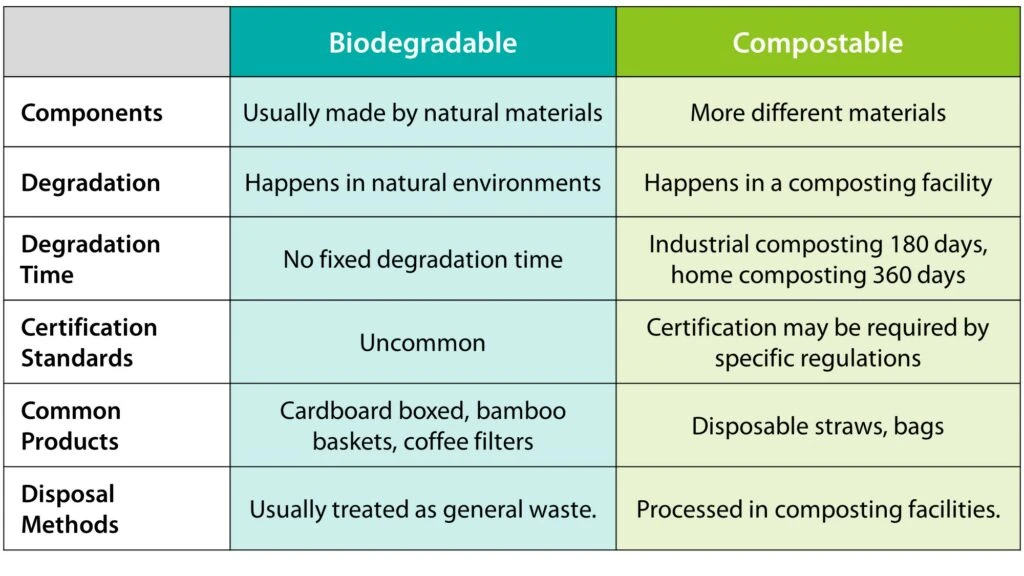
PawVerde.com – While all compostable products are biodegradable, not all biodegradable products are compostable. Compostable bags are highly regulated and break down into nutrient-rich humus within 90-180 days in industrial facilities, whereas biodegradable bags often lack strict regulation and can leave harmful microplastics behind in the environment.
With 500 million plastic poop bags used globally every year, the distinction between “biodegradable” and “compostable” is a critical environmental decision.
The Greenwashing Red Flag: Identifying Vague Marketing Claims
The term “biodegradable” isn’t tightly regulated, so it can be applied to a wide range of products. This lack of oversight allows manufacturers to use environmentally friendly language without meeting specific decomposition benchmarks. According to PoopBags.com, this regulatory gap is a primary reason why consumers struggle to differentiate between truly sustainable options and those that merely change form.
Meaningless vs. Meaningful Terminology
EcoFurball notes that compostable products undergo testing and certification standards, while biodegradable products often rely on vague or unregulated claims. This distinction is vital for ecosystem health.
A common failure mode occurs when a product is labeled as “earth-friendly” but lacks a clear breakdown timeline. To avoid these traps, check for the following indicators:
- Specific certification marks (such as ASTM D6400 or EN 13432).
- A defined decomposition timeframe (e.g., 90-180 days).
- Explicit instructions for disposal (e.g., “Industrial Compost Only”).
How to spot ‘Earth-Friendly’ traps
Consumers often fall into the trap of assuming any bag that mentions “nature” is safe for the soil. However, if a bag is labeled as “biodegradable” without a certification, it might simply be a plastic bag with additives designed to fragment. This process does not result in organic matter but instead creates a persistent environmental presence. Practitioners report that relying on these unregulated claims can lead to unintended pollution in local waste streams.
The Microplastic Leakage: Why ‘Biodegradable’ Can Be Worse for Oceans
biodegradable bags pose a significant risk of ‘leakage’ because they often break down into tiny fragments rather than fully decomposing. In marine or landfill environments, these materials can shed microplastics that persist for decades, whereas certified compostable materials are designed to return to organic matter without leaving synthetic residues.
Oxo-degradable products represent a specific category of concern. These materials are designed to break into tiny fragments—commonly known as microplastics—but they never fully decompose. This fragmentation process is often mistaken for biodegradation, but it actually accelerates the distribution of plastic particles throughout the food chain. ECOLipak research suggests that these materials fail to provide the circularity promised by true composting.
The environmental impact of these fragments is substantial. While a compostable bag aims to become part of the soil, a poorly regulated biodegradable bag may simply become invisible plastic. This creates a deceptive sense of sustainability while the actual material remains in the environment for years. The failure to fully disappear means the “biodegradable” claim functions more as a change in visibility than a true biological reintegration.
Head-to-Head: Environmental Impact Metrics
Compostable bags are the clear winner in resource efficiency, requiring only 0.6L of water and producing 2.0g of CO2e per bag. In comparison, biodegradable bags use 0.8L of water and 4.1g of CO2e, while traditional plastic bags consume 1.2L of water and generate 6.2g of CO2e.
The following table provides a detailed comparison of the environmental footprint associated with each bag type based on production metrics.
| Metric (Per Bag) | Regular Plastic | Biodegradable | Compostable |
|---|---|---|---|
| CO2 equivalent (g) | 6.2g | 4.1g | 2.0g |
| Water consumption (L) | 1.2L | 0.8L | 0.6L |
| Energy consumption (kWh) | 0.05 kWh | 0.04 kWh | 0.03 kWh |
Based on the data, compostable bags require only 0.03 kWh of energy per unit. This makes them more efficient than biodegradable options (0.04 kWh) and regular plastic (0.05 kWh).
The Pathogen Paradox: Can You Actually Compost Pet Waste?
EcoFurball points out that even when pet waste bags claim compostability, the waste inside them often disqualifies the entire item from composting. While compostable products produce humus, upon degradation, which is the richest and most important part of all soils, the presence of biological pathogens in pet waste changes the safety profile of the final compost.
The Backyard Composter’s Risk
Home composting setups often lack the precise thermal control required to neutralize harmful bacteria. As EcoFurball highlights, the waste inside the bag can contaminate the entire batch. If you use a backyard bin, it is safer to use the bag as a liner for a dedicated waste stream rather than mixing it with garden compost intended for food crops.
Industrial vs. Home Composting Realities
Industrial facilities utilize specialized machinery and high-heat aerobic processes to ensure complete breakdown and pathogen destruction. This is where compostable bags are designed to function. In these controlled environments, the bag breaks down within 90 to 180 days, turning into organic matter. Home composting, by contrast, is much more variable and often fails to achieve the necessary biological stability for pet-related waste.
Disposal Decision Tree: Which Bag Fits Your Lifestyle?
Your choice should align with your local waste management infrastructure. The most sustainable option is whichever bag reaches its intended end-of-life destination.
To determine your best option, consider these three primary disposal paths:
- If you have access to a municipal green bin: Certified compostable bags are the superior choice. They are designed to decompose within 90 to 180 days in commercial facilities.
- If you use standard trash collection and a landfill: A recycled plastic bag is likely the more sensible choice. Since neither type of bag will biodegrade effectively in the anaerobic (oxygen-starved) conditions of a landfill, using a bag that minimizes production harm is more practical.
- If you use a home compost bin: Avoid using pet waste in this bin, regardless of the bag type. Instead, use bags that are certified for home use only for yard waste or food scraps.
Note that biodegradable plastics typically require 3 to 6 months to break down, but this timeline is often contingent on environmental conditions that are rarely met in standard trash bags. If you cannot guarantee the bag will reach a composting facility, the environmental benefit of “biodegradable” labels is significantly diminished.
FAQ
Is every biodegradable bag compostable?
No. As stated by Good Start Packaging, while all compostable products are biodegradable, “biodegradable” does not always mean compostable, and these products may leave microplastics behind.
What happens if I put a compostable bag in a landfill?
Compostable bags are designed for aerobic environments like industrial composting facilities. In the anaerobic (oxygen-starved) conditions of a landfill, they fail to decompose as intended.
Can I put dog poop in my backyard compost bin?
Even if the bag is “home compostable,” the pathogens in pet waste often disqualify the entire item from standard composting processes due to health and safety risks.
Eco-Friendly Pet Supplies: How to Spot Greenwashing
PawVerde.com – Eco-friendly pet supplies prioritize materials like bamboo, hemp, and natural rubber that minimize environmental impact. To shop effectively, look beyond ‘natural’ labels by verifying third-party certifications like Ecogea and distinguishing between ‘biodegradable’—which simply means an item gets smaller—and ‘compostable,’ which ensures the product breaks down into nutrient-rich organic matter.
The shift toward sustainability is no longer a niche preference. According to Faunalytics, 84% of companion animal guardians now hold companies responsible for addressing climate change. This expectation has transformed how brands approach product development and ingredient transparency.
The Greenwashing Red Flag Checklist: Spotting Fake Sustainability
To avoid greenwashing, ignore vague terms like ‘natural’ or ‘organic’ unless they are backed by third-party certifications like Ecogea. Always check the full INCI ingredient list for hidden synthetics and ensure plastic packaging is free of residue, as any contaminated plastic is effectively non-recyclable.
The ‘Natural’ Label Trap
Marketing teams often use “botanical” or “natural” to imply safety, but these terms lack strict legal definitions in many jurisdictions. Doglyway notes that greenwashing is frequently used to attract customers through these misleading terms. A common failure mode occurs when a brand highlights a single plant extract while the majority of the formula consists of synthetic fillers. To verify authenticity, consumers should search for the full INCI (International Nomenclature of Cosmetic Ingredients) list. If a product claims to be organic but lacks a recognized certification such as Ecogea, the “natural” claim should be treated with skepticism.
The Packaging Paradox
A product’s contents may be sustainable, but the container can negate those benefits. Doglyway reports that if a product is packaged in plastic, it is almost certainly not recyclable, regardless of the claims made on the front of the box. This is a critical distinction for eco-conscious shoppers. Even if the product inside is biodegradable, a non-recyclable plastic bottle destined for a landfill creates a net-negative environmental impact. Always look for brands that utilize glass, aluminum, or certified compostable packaging to ensure the entire lifecycle of the purchase aligns with sustainability goals.
- Check for third-party seals like Ecogea rather than relying on text-only “natural” claims.
- Inspect the INCI list for hidden synthetics or unsustainable palm oil.
- Evaluate the packaging material; if it is plastic, confirm its specific recyclability in your local municipality.
- Avoid brands that do not provide transparent sourcing information for their “botanical” ingredients.
Compostability Reality Guide: Home vs. Industrial Breakdown
Understanding the difference between degradation types is essential to prevent accidental pollution. Piggyback Treats explains that seeing the phrase “biodegradable” on a package really doesn’t tell us much other than it will break down over time. This is an ambiguous word that, unless paired with the word compostable, simply means “this item will get smaller.”
When shopping for waste management, the distinction between home and industrial composting is a frequent point of failure. Many “compostable” bags require the high-heat environments found in industrial facilities to actually break down. If these bags end up in a backyard compost bin or a standard landfill, they may persist for years. For high-quality waste management, look for products that meet specific thickness standards; for instance, gogostik.com identifies a 15-20 micron minimum thickness as a benchmark for quality eco-friendly pet waste bags.
Furthermore, Sir Waggingtons highlights that pet waste can introduce harmful bacteria and parasites into ecosystems, pollute waterways, and contribute to the spread of diseases if not managed correctly. Using the wrong type of bag can lead to improper decomposition, which fails to mitigate these biological risks.
Lifecycle Cost Calculator: Upfront Investment vs. Long-Term Value
Sustainable pet ownership requires evaluating the total lifespan of a product. While initial costs vary, durable materials often provide better value over time.
The Pet Sustainability Coalition notes that environmental responsibility has shifted from a niche marketing trend to a structural necessity. This shift is reflected in the move toward durable, long-lasting goods. For example, the Ecofurball.com framework suggests that while a stainless steel bowl might cost more than a plastic one, it can last a lifetime, whereas plastic bowls often require frequent replacement due to cracking or bacterial buildup in scratches.
| Material/Product | Eco-Benefit | Longevity/Durability | Cost Profile |
|---|---|---|---|
| Stainless Steel | Highly recyclable; no microplastics | Extreme; lasts a lifetime | Higher upfront; lowest long-term |
| Bamboo | Rapidly renewable; low water use | Moderate; better than single-use | Mid-range |
| Hemp | Biodegradable; pest-resistant | High; resistant to heavy pulling | Mid-to-high |
| Natural Rubber | Non-toxic; biodegradable | High; tough for heavy chewers | Mid-range |
| Traditional Plastic | High environmental footprint | Low; prone to degradation/cracking | Lowest upfront; high replacement cost |
Choosing materials like hemp or stainless steel minimizes the frequency of replacement. This approach reduces cumulative spending and environmental waste.
Material Deep Dive: Bamboo, Hemp, and Natural Rubber
The Pet Sustainability Coalition defines eco-friendly materials as anything that makes a pet’s life better without making the planet’s future worse. Different materials provide unique functional advantages.
Rapidly Regenerating Bamboo
Bamboo is a highly sustainable resource that can help combat climate change. According to the green pet industry, it reduces deforestation because it regenerates much more rapidly than traditional hardwood trees.
The Strength of Hemp Gear
Hemp is a strong, natural choice for high-stress accessories. It is naturally pest-resistant and biodegradable, making it an ideal material for leashes, collars, and toys that must handle heavy pulling.
Natural Rubber vs. Microplastics
natural rubber serves as a non-toxic and biodegradable alternative to synthetic plastics. It provides a tough, flexible option for heavy chewers that avoids the microplastic problem associated with traditional plastic toys.
Practical Implementation: DIY Composting and Eco-Grooming
Caring Hands Vet provides several strategies for integrating sustainability into daily pet care routines.
One method for managing organic waste is the creation of a DIY poop digester.
Shortcut: To start a DIY poop digester, gather a 20-30 gallon container, a drill, a shovel, gravel, and carbon-rich materials like leaves or sawdust.
Follow these steps for effective decomposition:
- Prepare a 20-30 gallon container by drilling aeration holes.
- Layer gravel at the bottom for drainage.
- Add pet waste separately from carbon-rich materials (leaves, straw, or sawdust).
- Monitor moisture levels and turn the pile regularly to ensure aerobic decomposition.
In addition to waste management, grooming routines can be optimized for lower impact. Caring Hands Vet recommends switching to biodegradable, cruelty-free, and non-toxic shampoos. To further reduce your footprint, consider using concentrated formulas; Essencera notes that by prioritizing concentrated paste formulas, you are actively reducing water waste and carbon emissions. You can also implement low-impact habits like using reusable metal combs or bamboo brushes and simply turning off the tap between rinses to conserve water.
FAQ
Is ‘biodegradable’ the same as ‘compostable’ for dog poop bags?
No. Piggyback Treats explains that “biodegradable” is an ambiguous term that simply means an item will get smaller over time. In contrast, compostable items break down into organic matter.
How can I tell if a pet shampoo is actually eco-friendly?
Prioritize concentrated paste formulas to reduce water waste and verify ingredients with Ecogea certifications. This helps avoid products that hide harsh synthetics behind “botanical” claims.
Are eco-friendly pet products more expensive in the long run?
While items like stainless steel bowls may have a higher upfront cost, they are designed to last a lifetime, offering better value than plastic alternatives.
Eco-Friendly Pet Conservation: A Guide to Sustainable Care
PawVerde.com – To transition to eco-friendly pet conservation, owners must implement a multi-layered approach: switching to sustainable nutrition (lower-impact meats), adopting responsible waste management (compostable bags and proper disposal), choosing biodegradable grooming products, and auditing pet gear to avoid greenwashed plastics. This reduces your pet’s carbon footprint and protects local water quality.
North America alone generates 300 million pounds of plastic waste from pet products annually. This massive volume of waste contributes to long-term environmental degradation, necessitating a shift in how pet owners select and discard supplies.
Biodegradable vs. Compostable: The Technical Difference
A critical distinction exists between these two terms. According to the David Suzuki Foundation, compostable products must break down within a defined timeframe and under specific conditions, leaving behind non-toxic material. In contrast, biodegradable products often rely on vague or unregulated claims that do not guarantee a specific rate of decomposition. A failure to distinguish between them often leads to “wish-cycling,” where owners attempt to compost items that actually require industrial processing to break down.
Red Flags in Pet Product Labeling
Evaluate labels by looking for specific indicators of deceptive marketing. Use these metrics to determine if a product’s claims are substantiated:
- Vague Terminology: Avoid products that use words like “natural” or “eco-friendly” without supporting third-party certifications.
- Missing Timeframes: If a product claims to be biodegradable but does not state how long it takes to decompose, treat the claim with skepticism.
- Hidden Ingredients: Check for unsustainable components like palm oil in grooming products, which contributes to deforestation.
- Lack of Certification: Look for specific logos from recognized bodies rather than generic leaf icons.
Safety-First Sustainability: Balancing Eco-Materials with Pet Toxicity
While transitioning to sustainable materials can reduce environmental impact, pet safety is the primary priority. For example, topical flea treatments act as pesticides that can leach into water and harm aquatic wildlife if a dog enters a river shortly after application.