
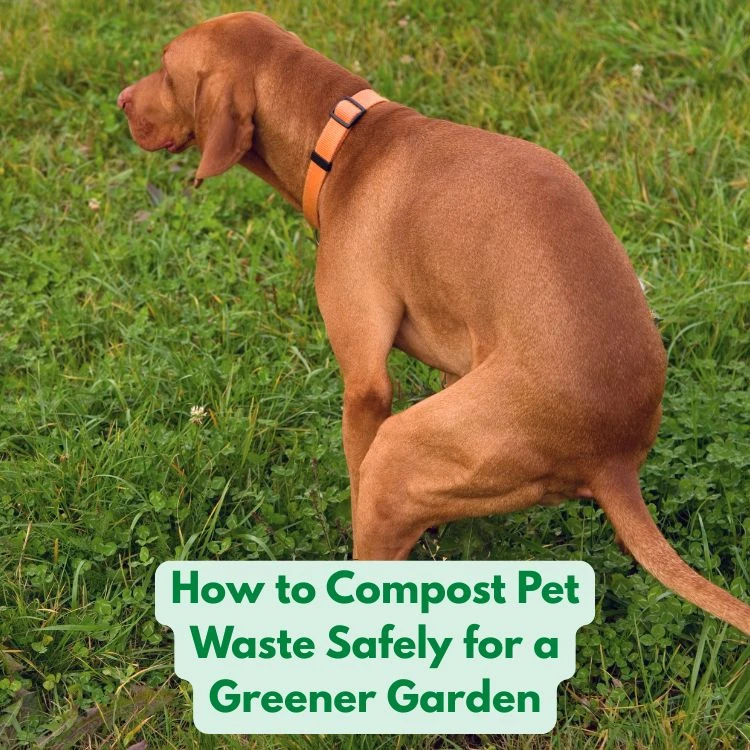
How to Compost Pet Waste Safely: Heat & Trenching Guide
PawVerde.com – To compost pet waste safely, you must use high-heat composting methods that reach at least 140°F to neutralize pathogens, or utilize deep trenching (12-18 inches). Never use dog or cat waste compost on edible food crops, and avoid vermicomposting waste from pets recently treated with de-worming medications.
The US EPA classifies pet waste as a dangerous pollutant, placing it in the same category as toxic chemicals. This classification stems from the ability of pet waste to contaminate water sources; if left on streets, curb strips, or in yards, rainwater can carry it to storm drains and into creeks, lakes, and Puget Sound without treatment, according to Seattle Public Utilities.
Risk-Level Matrix: Choosing Your Disposal Method
Select your method based on the animal type: Herbivore manure (rabbits/guinea pigs) is safe for all garden areas, including veggie patches. Dog and cat waste requires high-heat composting (140°F+) or deep trenching (12-18 inches) and must never be applied to food crops due to pathogen risks.
Herbivore vs. Carnivore: The Safety Divide
A critical distinction exists between the waste of herbivores and carnivores. Herbivore manure, coming from animals that only eat plants like rabbits or guinea pigs, is safe for all garden areas, including your veggie patch. Conversely, waste from omnivores or carnivores presents a different profile. Seattle Public Utilities notes that cat waste is even more toxic than dog waste, necessitating stricter handling protocols to prevent environmental contamination.
Method Comparison: Heat vs. Burial vs. Municipal
Choosing the wrong method can lead to pathogen survival. For instance, backyard composting piles often fail because they do not reach high enough temperatures to fully decompose these materials, as noted by the US EPA. To avoid this, use the following comparison to determine your approach:
| Method | Primary Risk | Ideal For | Safety Level |
|---|---|---|---|
| High-Heat Composting | Pathogen survival if < 140°F | Dog/Cat waste (non-food use) | High (with monitoring) |
| Trenching | Surface runoff/Pests | Small amounts of waste | Moderate |
| Vermicomposting | Worm mortality from meds | Herbivore manure/Food scraps | High (for non-pets) |
| Municipal Disposal | Incompatibility with stream | Standard pet waste bags | High (for sanitation) |
While trenching is a viable option, it requires burying waste at a depth of 12 to 18 inches to prevent attracting pests and to mitigate the risk of surface contamination.
How to Execute High-Heat Dog Waste Composting
To achieve thermal destruction of bacteria, you must follow the Self Contained dog waste composting technique. This method requires maintaining a 2:1 ratio of dog manure to sawdust to ensure the pile reaches the necessary temperatures.
The 2:1 Sawdust Recipe
To begin Self Contained Dog Waste Composting, you must balance the high nitrogen content of the manure with carbon-rich materials. Follow these steps to establish your pile:
- Gather a carbon source, such as sawdust or dry leaves.
- Apply a 2:1 ratio of dog manure to sawdust.
- Ensure the pile is moist but not soaking wet.
- Turn the pile at least once a week to introduce oxygen.
When managed correctly, this process takes between 4 to 8 weeks to produce a crumbly, dirt-like mixture. However, if the pile remains cold, it is a failure mode that indicates the nitrogen-to-carbon balance is off or the pile is too small to retain heat.
Monitoring the ‘Magic Number’ (140°F)
Temperature is the only way to verify that pathogens are being neutralized. UF/IFAS provides a critical warning for home composters: “If you do not reach the ‘magic number’ of 140 degrees F, you may not kill the pathogens present in the dog waste.” To ensure safety, you must use a long-stem compost thermometer to probe the center of the pile. While 140°F is the target for dog waste, some guidelines from the Natural Resources Conservation Service suggest that reaching 131°F for a minimum of 3 days can also be effective for certain pathogens.
DIY Large-Scale Barrel Composter Setup
For households with multiple large dogs, a stationary 55-gallon plastic barrel provides a contained environment for processing waste. This vessel helps manage odors more effectively than an open pile.
Follow these technical requirements to build the unit:
- Obtain a 55-gallon plastic barrel to serve as the main vessel.
- Dig a hole deep enough to partially submerge the barrel.
- Install a 4-inch diameter PVC pipe into the barrel to act as an access port for turning and monitoring.
- Use a rubber cap on the PVC pipe to control odors and prevent pest access.
- Backfill the area with soil to stabilize the barrel.
The insulated barrel structure assists in maintaining the heat necessary to reach the 140°F threshold required to potentially kill pathogens in dog waste.
Troubleshooting: Solving the ‘Stink Factor’ and Pests
Biological imbalances often manifest as odors or pests. If the pile fails to reach the required temperature, it may result in anaerobic conditions.
Correcting Nitrogen Imbalance
If the pile is too “wet” or smells strongly, you have likely added too much manure relative to your carbon source. To fix this, incorporate more sawdust or shredded leaves. The goal is to maintain that 2:1 ratio. Without sufficient carbon, the pile will fail to reach the required temperatures, leaving pathogens active in the material.
Preventing Pest Attraction
Pests are attracted to immature compost or the presence of fats and proteins. According to the Natural Resources Conservation Service, adding meat, dairy, or greasy food scraps to a bin is a primary cause of pest attraction. If you are using trench composting, ensure the waste is buried at least 12 to 18 inches deep to prevent scavengers from uncovering the material.
The ‘Bag’ Problem: Compostable vs. Plastic
A common misconception in pet waste management is that using a compostable bag makes the waste itself compostable. This is false. Seattle Public Utilities states that “pet waste is considered a dangerous pollutant and should always go in the trash regardless of what kind of bag is used.”
While biodegradable or PLA (corn starch) bags are better for reducing long-term plastic pollution, they do not neutralize the biological risks inherent in the waste. If you place a compostable bag into a standard backyard bin, the bag may break down, but the pathogens within the waste will remain a risk if the pile does not hit the required temperature thresholds. Always treat pet waste as a specialized waste stream that requires high-heat processing or dedicated municipal disposal.
Essential Safety Protocols for Households
To prevent environmental contamination, Seattle Public Utilities recommends scooping pet waste from the yard at least every 24 hours. Following these hygiene steps helps mitigate the risk of rainwater carrying pollutants into local storm drains.
- Scoop pet waste from the yard at least every 24 hours to prevent buildup and runoff.
- Never use vermicomposting (worm composting) for pet waste if the animal has recently received de-worming medication. Such medications can kill the earthworms and beneficial microbes in your bin.
- Wear gloves and wash hands thoroughly after handling any pet waste or compost materials.
- Keep compost bins away from areas where children play or where food is prepared.
For those using worm composting for other organic materials, remember that while there are 9,000 earthworm species, only about 7 species are actually suitable for vermicomposting. These worms typically require a starting weight of 1 pound (containing approximately 1,000 individual worms) to establish a healthy, active bin.
FAQ
Can I use dog poop compost in my vegetable garden?
No. Due to the risk of pathogens like E. coli and Salmonella, dog waste compost should only be used for ornamental plants, flowers, or orchards, never food crops. The UF/IFAS explicitly advises against applying compost containing dog waste to food crops.
Will de-worming medication kill my compost worms?
Yes. If your pet has recently been treated with de-worming medication, their waste can kill the earthworms and beneficial microbes in your bin or worm farm. This can cause a total failure of a vermicomposting system.
What temperature is required to kill pet pathogens?
You must reach a ‘magic number’ of at least 140°F to ensure pathogens are destroyed. Some guidelines, such as those from the Natural Resources Conservation Service, suggest that reaching 131°F for a minimum of 3 days is also an effective threshold for pathogen reduction.
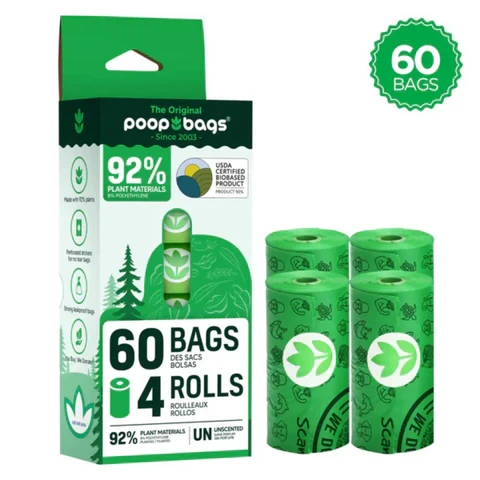
Eco-Friendly Pet Waste Disposal Methods Reducing Plastic Pollution
PawVerde.com – Biodegradable and compostable pet waste disposal methods are gaining traction as environmentally responsible alternatives to traditional plastic bags and clay litters. These sustainable options align with growing concerns over plastic pollution and landfill overflow, offering pet owners practical solutions that minimize ecological footprints. Certified biodegradable bags, home composting systems, and natural cat litters reduce reliance on non-renewable materials while addressing health and sanitation issues associated with pet waste. Additionally, flushable dog poop bags designed for municipal water treatment systems present innovative disposal routes, albeit with regulatory caveats. This article presents a detailed examination of eco-friendly pet waste disposal practices, analyzing materials, certifications, regulatory frameworks, and emerging technologies that define the current landscape.
Environmental Impact of Traditional Pet Waste Disposal
Conventional pet waste disposal predominantly relies on single-use plastic bags and clay-based cat litter, both contributing significantly to environmental degradation. Plastic bags used for dog waste can persist in landfills for centuries, fragmenting into microplastics that contaminate soil and waterways. According to the environmental protection Agency (EPA), millions of tons of plastic waste enter the environment each year, with pet waste bags representing a non-negligible portion of this pollution. Meanwhile, clay litters, primarily composed of non-renewable bentonite clay, require strip mining, which disrupts ecosystems and consumes substantial energy. These litters also do not biodegrade efficiently, exacerbating landfill volume.
Flushing pet waste is occasionally encouraged as an alternative; however, limitations exist. Municipal water treatment plants are generally capable of processing pet waste pathogens, but flushing is discouraged in areas with septic systems due to the risk of contamination and system overload. The EPA highlights that improper disposal can introduce harmful bacteria and parasites into water sources, emphasizing the need for localized compliance and careful method selection.
Biodegradable and Compostable Bags: Standards and Benefits
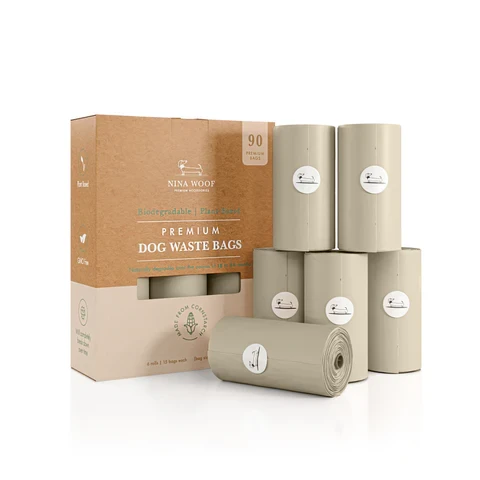
Biodegradable and compostable bags have emerged as primary alternatives to traditional plastic dog waste bags. These products are typically certified under rigorous composting standards such as ASTM D6400 in the United States and EN13432 in Europe. These certifications verify that materials will biodegrade within a specified timeframe under industrial composting conditions, ensuring minimal residual contamination.
biodegradable bags are commonly made from plant-based polymers like polylactic acid (PLA) or starch blends, which break down into water, carbon dioxide, and biomass without leaving harmful microplastics. Compostable bags, a subset of biodegradable bags, must disintegrate completely within 90 to 180 days in composting environments, as per ASTM D6400 and EN13432. These standards require testing for biodegradation, disintegration, heavy metals, and eco-toxicity.
Products like Bombs Away! offer certified compostable dog waste bags that reduce landfill burden and plastic pollution. Such bags retain the convenience and hygiene of plastic bags but degrade safely in composting facilities. Practical use involves collecting pet waste promptly and depositing bags in home compost systems or municipal organic waste streams where accepted.
Home Pet Waste Composting Systems: Setup and Safety
Home composting of pet waste presents a sustainable approach to transforming organic waste into valuable fertilizer, provided safety protocols are observed. pet waste composting requires containment systems that maintain elevated temperatures (above 140°F or 60°C) to effectively eliminate pathogens such as E. coli, Salmonella, and parasites.
Setting up a pet waste compost bin involves selecting a secure, ventilated container separate from food composts to prevent cross-contamination. Many pet owners use in-ground composters or tumblers designed specifically for pet waste. Regular turning and moisture monitoring are essential to sustain aerobic conditions and optimize decomposition.
The composting timeline typically spans 9 to 12 months, reflecting the time needed for pathogen breakdown and organic matter stabilization. Resultant compost should only be applied to non-edible plants such as ornamental gardens or lawns, as residual pathogens may persist despite treatment. Compliance with local regulations is vital since some jurisdictions prohibit home pet waste composting due to health concerns.
Eco-Friendly Cat Litter Alternatives: Materials and Benefits
Natural cat litters derived from biodegradable materials offer an effective substitute for conventional clay litters, combining environmental sustainability with odor control. Common biodegradable litter bases include pine, wheat, corn, paper, walnut shells, and tofu-based formulations.
Pine litter leverages wood fibers’ natural absorbency and antimicrobial properties, reducing odor without chemical additives. Wheat and corn litters use agricultural byproducts that biodegrade rapidly and clump naturally, facilitating easy cleanup. Paper-based litters, made from recycled paper, are dust-free and lightweight, appealing to cats with respiratory sensitivities. Walnut shell litter offers fine granules with excellent odor absorption, while tofu-based litters provide compostability and minimal dust.
These materials decompose faster than clay and require less energy for production. They also mitigate landfill volume and reduce the ecological footprint of cat care. Pairing biodegradable litters with stainless steel or recycled plastic litter boxes enhances hygiene and durability, supporting sustainable pet ownership.
Flushable Dog Poop Bags and Compatibility with Water Treatment
Flushable dog poop bags, primarily made from polyvinyl alcohol (PVA), dissolve in water, enabling pet owners to dispose of waste directly via plumbing systems. The EPA acknowledges that municipal wastewater treatment plants can generally process pet waste pathogens, provided that the bags and waste are compatible with treatment protocols.
PVA bags disintegrate quickly in water, reducing plastic littering. However, flushable bags are unsuitable for households using septic systems due to limited microbial activity and risk of clogs. Additionally, some municipal authorities discourage flushing pet waste owing to potential environmental contamination and infrastructure concerns.
While flushable bags present a convenient and eco-conscious option, pet owners must verify local regulations and infrastructure compatibility before adoption. Environmental benefits include reduced plastic waste and minimized landfill contributions, but care is necessary to avoid unintended sanitation issues.
Alternative Disposal Methods and Reusable Solutions
Beyond certified biodegradable products, pet owners often consider reusing household items to minimize waste. Bread bags, newspaper sleeves, and recycled paper bags can serve as temporary waste containers. However, these alternatives lack compostability certifications and may not be suitable for direct composting or flushing.
Commercial pet waste disposal services, such as Bombs Away!, provide scheduled collection and eco-conscious processing of pet waste using composting or energy recovery methods. These services relieve pet owners from disposal burdens while ensuring compliance with local environmental standards.
Notably, natural decomposition of pet waste in public areas is discouraged due to pathogen transmission risks, potential water contamination, and community health concerns. Responsible disposal practices, whether via composting, certified biodegradable bags, or services, remain fundamental to sustainable pet waste management.
Regulatory Considerations and Best Practices
Pet waste disposal is subject to diverse local and regional regulations that reflect environmental, public health, and sanitation priorities. Municipal codes often mandate the use of sealed bags for pet waste collection and restrict flushing or composting in certain zones.
Unused biodegradable litter packaging should be disposed of according to manufacturer instructions, with recycling options considered when available. Pet owners are encouraged to remain informed about evolving regulations, particularly regarding composting permissions and waste stream classifications.
Community engagement and education about sustainable pet waste disposal contribute to public health and environmental quality. Best practices include prompt waste collection, use of certified eco-friendly products, and adherence to disposal guidelines to minimize pathogen spread and pollution.
Innovations and Future Directions in Eco-Friendly Pet Waste Management
Emerging technologies in pet waste management focus on enhancing composting efficiency, expanding biodegradable product lines, and integrating smart waste disposal systems. Innovations include enzymatic treatments that accelerate decomposition, antimicrobial additives that reduce odors, and sensor-equipped composters that optimize environmental conditions.
Product development trends emphasize biodegradable bags with improved strength and disintegration profiles, flushable bags with broader septic compatibility, and natural litters incorporating novel biomass sources like algae and mushroom fibers.
Wider adoption of these innovations depends on consumer education, regulatory adaptations, and infrastructure expansion, such as municipal organic waste programs accepting pet waste. The potential environmental impact reduction is significant, addressing plastic pollution, pathogen contamination, and landfill overload through scalable, sustainable solutions.
| Disposal Method | Material/Technology | Certification/Standard | Environmental Benefits | Limitations |
|---|---|---|---|---|
| Biodegradable Bags | PLA, Starch Blends | ASTM D6400, EN13432 | Reduces plastic pollution, compostable | Require industrial composting; cost higher than plastic |
| Home Composting | Pet waste in controlled bins | Local health regulations apply | Converts waste to fertilizer; reduces landfill | Long decomposition time; pathogen risk if mishandled |
| Eco-Friendly Cat Litters | Pine, Wheat, Corn, Paper, Walnut Shells, Tofu | Varies by product | Biodegradable; natural odor control; reduces mining | May cost more; some cats resist change |
| Flushable Dog Poop Bags | PVA-based polymers | EPA guidance on flushing | Dissolves in water; reduces landfill plastic | Not septic-safe; limited by local regulations |
| Reusable Household Bags | Bread bags, Newspapers | None | Reduces new plastic use | Not compostable or flushable; hygiene concerns |
| Pet Waste Disposal Services | Collection and composting/processing | Regulatory compliance | Convenient; environmentally managed | Cost; availability varies by location |
FAQ
What standards certify biodegradable and compostable pet waste bags?
Biodegradable and compostable pet waste bags are commonly certified under ASTM D6400 (US) and EN13432 (Europe). These standards ensure bags break down within defined timeframes in industrial composting environments without leaving toxic residues.
Can I compost pet waste safely at home?
Yes, with proper setup and management. Home composting of pet waste requires a dedicated bin that reaches pathogen-killing temperatures and sufficient time (typically 9-12 months) before use. Compost should only be applied to non-edible plants to avoid health risks.
Are flushable dog poop bags safe for all septic systems?
No. Flushable bags made from PVA dissolve in water but are not suitable for septic systems, which lack the treatment capacity of municipal plants. Using them in septic setups can cause clogs and contamination.
What are the best eco-friendly cat litter options?
Natural litters made from pine, wheat, corn, recycled paper, walnut shells, and tofu-based materials offer biodegradable, odor-controlling alternatives to clay litter. Selection depends on cat preference and specific environmental priorities.
How do local regulations affect pet waste disposal choices?
Local laws may restrict flushing, composting, or types of bags used for pet waste. Compliance ensures public health safety and environmental protection. Pet owners should consult municipal guidelines to choose permissible disposal methods.
—
As eco-conscious pet ownership grows, the integration of certified biodegradable bags, home compost systems, and natural litter materials will become increasingly standard. Innovations in flushable bags and waste services complement these methods, forming a comprehensive framework for sustainable pet waste management. Pet owners and communities alike benefit from understanding and adopting these practices, fostering healthier environments and reducing plastic pollution. Future developments should prioritize expanding accessibility, improving composting technologies, and harmonizing regulations to facilitate broader eco-friendly adoption.