
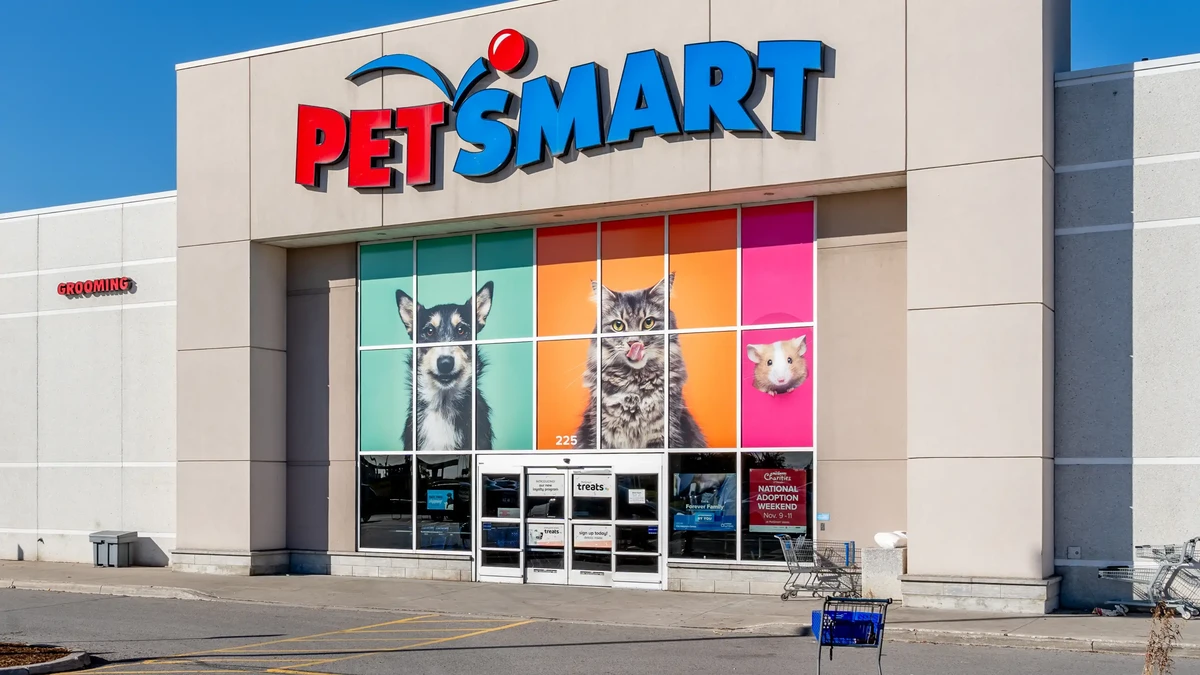
PawVerde.com – An eco-friendly pet shop focuses on providing sustainable, non-toxic, and low-impact supplies that reduce the 300 million pounds of pet product plastic waste generated annually. These retailers prioritize renewable materials like bamboo, recycled fabrics, and organic food to ensure both planetary health and pet safety.
The Greenwashing Red Flag Guide: Spotting Fake Eco-Claims
To spot greenwashing in pet products, look past vague labels like ‘natural’ or ‘green.’ Check for specific certifications (like PETA-approved vegan), verify if materials are truly renewable (like bamboo) rather than just recycled-looking plastics, and ensure the brand addresses end-of-life disposal rather than just using recyclable packaging.
The ‘Natural’ Trap
Marketing-led materials often masquerade as sustainable under vague descriptors. EcoFurball notes that when plastics or blended fibers appear under these ambiguous labels, it represents a significant failure in transparency. Consumers should avoid products that claim to be “green” without providing verifiable data or third-party certifications to back the assertion.
A common failure mode occurs when brands use “natural” to describe products that still contain synthetic binders or harmful additives. For instance, a toy might be marketed as natural but actually contain non-biodegradable glues. Always verify the specific material composition before purchasing.
Packaging vs. Product Longevity
EcoFurball identifies a “packaging distraction” where brands emphasize recyclable cardboard boxes to mask a short product lifespan or the use of toxic materials. True sustainability requires looking at the entire lifecycle, as minimal packaging often represents the most sustainable option.
A Lifecycle Guide: From Purchase to Compost
According to EcoFurball, “Sustainable pet products prioritise materials that regenerate, recycle, or biodegrade without releasing harmful residues.” Understanding this movement from retail shelf to final destination is essential for minimizing environmental impact.
Compostable vs. Recyclable Materials
The distinction between material types is critical to prevent waste stream contamination. While some items are designed for industrial recycling, others are intended for home composting.
- Compostable: Materials like organic hemp or bamboo that can return nutrients to the soil.
- Recyclable: Items like rPET (recycled polyethylene terephthalate) that require industrial processing.
- Upcycled: Materials repurposed from existing waste to extend their utility.
Circular Economy: The rePAWpose Model
The circular economy aims to eliminate waste by keeping materials in use for as long as possible. Awoo Pets facilitates this through their “rePAWpose” program. This initiative allows customers to send in pre-loved items to be repurposed, providing a $5 credit per product to the owner. This model reduces the need for new raw materials and prevents functional items from entering landfills.
High-Impact Swaps: A Budget-Friendly Transition Roadmap
Start your eco-transition with high-impact, low-cost swaps: replace traditional clay litter with plant-based alternatives to avoid sodium bentonite, switch to biodegradable poop bags, and move toward non-toxic, botanical-based grooming products. These changes address immediate waste and toxicity issues before investing in premium sustainable accessories.
Phase 1: Waste & Hygiene
The most immediate impact on a household’s carbon footprint often comes from daily waste management. Best Friends Animal Society suggests that switching to biodegradable or compostable poop bags made from recycled paper or plants is a primary step in reducing plastic in landfills. Additionally, replacing traditional clay cat litters is vital. These clay litters are resource-intensive because they are mined from the earth and are slow to biodegrade. Furthermore, eco-friendly alternatives can be safer for pets by avoiding sodium bentonite, which can potentially sicken or poison animals.
Phase 2: Nutrition & Grooming
Once waste management is addressed, owners can shift focus to chemical exposure. Conventional grooming products may contain harmful chemicals like parabens, phthalates, and petroleum. Best Friends Animal Society recommends using nontoxic and eco-friendly grooming and cleaning products to improve pet health. Fetch The Sun also notes that using natural cleaners may help reduce asthma and allergy symptoms in people with sensitive respiratory systems.
The Science of Sustainable Materials
Selecting materials based on their regenerative capacity and durability ensures that “green” choices are not just ethical, but functional.
Why Bamboo Wins
The Green Pet Shop notes that bamboo is a highly sustainable resource that helps combat climate change by reducing deforestation. It regenerates much more rapidly than traditional trees, making it an ideal feedstock for pet products.
The Durability Advantage
Pet Magasin highlights that eco-friendly supplies are often designed for increased durability compared to conventional options. Many standard products are optimized for lower price points and shorter lifespans, leading to increased waste.
| Criterion | Eco-Friendly Supplies | Conventional Supplies |
|---|---|---|
| Material Source | Renewable (bamboo, hemp), recycled (rPET), or upcycled. | Virgin, petroleum-based plastics and synthetic fabrics. |
| Pet Safety | Non-toxic; free of BPA and phthalates. | May contain questionable dyes or plastics. |
| Durability | Designed for longevity and repeated use. | Often designed for lower price and shorter lifespan. |
The table above illustrates the fundamental differences in how materials are sourced and managed between sustainable and standard pet supplies.
Top Eco-Friendly Retailers and Brands to Watch
As the market evolves, several key players have emerged to cater to the growing demand for planet-conscious pet care. In 2025, global eco-pet revenues from online stores reached $7.18 billion, representing 42.7% of the total market.
Online Giants
For those seeking a wide variety of vetted goods, EarthHero is a prominent retailer specializing in sustainable pet supplies. They offer various incentives, such as a 20% discount using the code PFJ20 and free carbon-neutral shipping on orders over $75. This makes large-scale sustainable shopping more accessible to a broader demographic.
Specialized Sustainable Brands
Niche brands currently lead several specific categories of the eco-pet market:
- Nina Woof: A PETA-approved vegan and cruelty-free brand focusing on dog accessories.
- Awoo Pets: Known for using eco-friendly materials and circular economy programs.
- WildOne: A direct-to-consumer brand specializing in modern, eco-conscious pet accessories.
Local vs. Online: Minimizing Your Carbon Pawprint
The method of delivery impacts the total environmental cost of pet care. While online stores are the fastest-growing distribution channel for eco-friendly pet products, choosing between local and digital options involves different ecological trade-offs.
The Case for Local Shops
Sourcing supplies from local retailers can significantly reduce the “last mile” delivery emissions. In regions like San Diego, specialized local shops provide holistic and natural options. Examples include Howlistic, which focuses on holistic care, Earthwise Pet, a family-owned shop, and Noah’s Natural Pet Market, which specializes in raw food. Shopping locally often supports the community and reduces the carbon footprint associated with long-distance shipping.
Optimizing Online Shipping
To minimize the environmental impact of digital shopping, consumers can adopt several strategies:
- Bulk Ordering: Reducing the frequency of shipments lowers the cumulative transportation energy.
- Consolidated Shipping: Choosing options that group items together rather than shipping them individually.
- Carbon-Neutral Options: Utilizing retailers that offer carbon-neutral shipping services.
DIY Sustainable Pet Care at Home
Repurposing existing household items is often the most eco-friendly way to care for pets, as it directly reduces waste and saves money.
Upcycled Toys
Best Friends Animal Society suggests several creative ways to make toys from household items:
- Rope Toys: Use old fabric strips braided together.
- Treat Puzzles: Repurpose PVC pipes to create interactive feeding games.
- Water Bottle Toys: Use old socks to encase a plastic bottle for a crinkle effect.
Zero-Electricity Cooling
During warm seasons, pet comfort can be maintained without increasing electricity consumption. The Green Pet Shop offers pressure-activated cooling mats. These mats require no refrigeration or electricity; instead, they activate via pressure to provide a cooling effect that can last for up to 3 hours after a 15-minute recharge period. This technology provides a sustainable way to manage pet heat stress.
FAQ
Is bamboo safe for pet feeding products?
Experts confirm bamboo is a sustainable resource, but owners should ensure feeding products are not combined with unsafe materials during manufacturing to avoid toxicity.
How can I tell if a pet toy is non-toxic?
According to EcoFurball, sustainable pet toys are safer if chewed because they contain no toxic dyes or plastics.
Why is clay cat litter considered less eco-friendly?
EcoFurball states that traditional clay cat litters are resource-intensive because they are mined from the earth and are slow to biodegrade.