
Recycled Materials for Pet Toys: A Guide to Eco-Friendly Safety
PawVerde.com – recycled pet toys utilize post-consumer waste—like ocean plastics, bicycle inner tubes, or recycled PET bottles—to create durable enrichment tools. While they significantly reduce carbon pawprints, choosing them requires verifying non-toxic certifications to avoid chemical leaching from phthalates or BPA, especially in heavy chewers.
Market shifts are accelerating as 67% of millennial and Gen Z pet owners in North America and Western Europe actively seek eco-certified or sustainably packaged products.
The Greenwashing Detection Guide: Verifying Recycled Claims
To avoid greenwashing, look for specific third-party certifications like the Global Recycled Standard (GRS) or OEKO-TEX. Avoid brands that claim to be ‘eco-friendly’ without specifying the exact percentage of recycled content or the source of the material (e.g., post-consumer vs. post-industrial waste).
Deceptive labeling occurs when “eco-friendly” products are blended with virgin polymers or toxic dyes. For example, a brand might claim a toy is “made with recycled materials” while providing no specific percentage of actual waste content.
Red Flags in Product Labeling
- Vague Terminology: Using terms like “earth-friendly” or “natural” without providing a breakdown of material composition.
- Lack of Percentage Data: Failing to state whether a product contains 10%, 50%, or 100% recycled content.
- Undefined Sources: Not distinguishing between post-consumer waste (items used by consumers and then recycled) and post-industrial waste (factory scraps).
Certifications to Trust
Reliable manufacturers provide documentation that transcends marketing slogans. When browsing an online shop, users should check the “Product Details” or “Sustainability” tab—often found via Product Page > Specifications > Certifications—to verify third-party validation. Ecoternatives, for example, offers 100% recycled dog plush toys, providing a clear benchmark for total material repurposing. A single 100% recycled plush toy is priced at 11.35 USD, demonstrating that high-recycled content can remain accessible.
Material Durability Matrix: Comparing Recycled Textures
Selecting the correct material requires balancing environmental impact against the specific chewing habits of a pet. A mismatch can lead to rapid degradation or, more dangerously, the ingestion of shredded fragments.
| Material Type | Chew Strength | Environmental Benefit | Cleaning Ease |
|---|---|---|---|
| Hemp | High | Very High (Renewable) | Moderate (Machine Wash) |
| Cotton | Moderate | High (Biodegradable) | Easy (Machine Wash) |
| Natural Rubber | Very High | High (Renewable) | Easy (Hand Wash) |
| TPR (Synthetic) | High | Moderate (Recyclable) | Easy (Wipe Clean) |
Material selection determines both the toy’s lifespan and its ecological footprint. While manufacturers like West Paw utilize Zogoflex® and recycled fiber stuffing to achieve 90-100% recycled content, natural fibers often provide a different structural advantage.
Natural Fibers vs. Synthetics
Hemp dog toys tend to last longer, resist fraying better, and create fewer long-term waste issues than cotton alternatives. While cotton is highly biodegradable, its tendency to fray under heavy tension can lead to faster disposal cycles. For owners prioritizing longevity, hemp offers a structural advantage that reduces the frequency of replacement.
Rubber Alternatives for Heavy Chewers
natural rubber is more eco-friendly than synthetic counterparts. Thermoplastic Rubber (TPR) is a synthetic alternative that offers a similar feel for moderate chewers but lacks the renewable origin of natural latex. For pets with extreme jaw pressure, natural rubber remains the preferred choice for durability.
Microplastic Safety and Chemical Risks
Recycled plastic toys can expose pets to microplastics and chemicals like phthalates or BPA. To minimize risk, prioritize silicone over plastic for durability and less leaching, or choose non-synthetic recycled materials like hemp and wool which are gentler on a pet’s mouth and stomach.
Recent independent research published in the Pets vs. Plastics report by EarthDay.org explores how plastic toys—even recycled ones—can expose pets to harmful chemicals like phthalates and BPA, as well as microplastics. This risk is heightened in toys that undergo significant mechanical wear during play.
To mitigate these risks, consider the biological impact of material choice. As EcoFurball notes:
Recycled doesn’t always mean synthetic. You can find recycled cotton, wool, or hemp toys, which tend to be gentler on your pet’s mouth and stomach.
This highlights a critical distinction: recycling a natural fiber is fundamentally different from recycling a polymer. Silicone serves as a safer alternative to many plastics because it is more durable and less prone to degradation and leaching.
Commercial Leaders in Circular Manufacturing
Industry leaders are currently scaling the use of second- and third-generation recycled polymers to create high-performance pet products.
The Rise of Post-Consumer Plastics
Companies are increasingly moving away from virgin plastics to meet sustainability goals. Petmate, for instance, has incorporated recycled ocean plastics and post-industrial waste into its manufacturing lines. Similarly, Betty & Butch utilizes recycled PET fabric and stuffing, repurposing 4 to 7 plastic bottles for their Sea Turtle Puppy Toy, while their dog beds can utilize up to 52 bottles.
Closed-Loop Manufacturing Examples
Moderna has demonstrated a significant commitment to this transition. Their data shows a steady increase in the use of recycled content: from 5.4% in 2020 to 10% in 2021, reaching 20% in 2022. Currently, Moderna’s annual raw material volume from recycled materials stands at 38%. West Paw also leads the sector by manufacturing Zogoflex® toys and utilizing recycled fiber stuffing, proving that 90-100% recycled content can be achieved without compromising the structural integrity required for performance-grade chew toys.
DIY Sustainability: Upcycling Household Waste
Customizing toys from existing household items provides a cost-effective way to prevent functional materials from entering landfills.
Fabric Upcycling
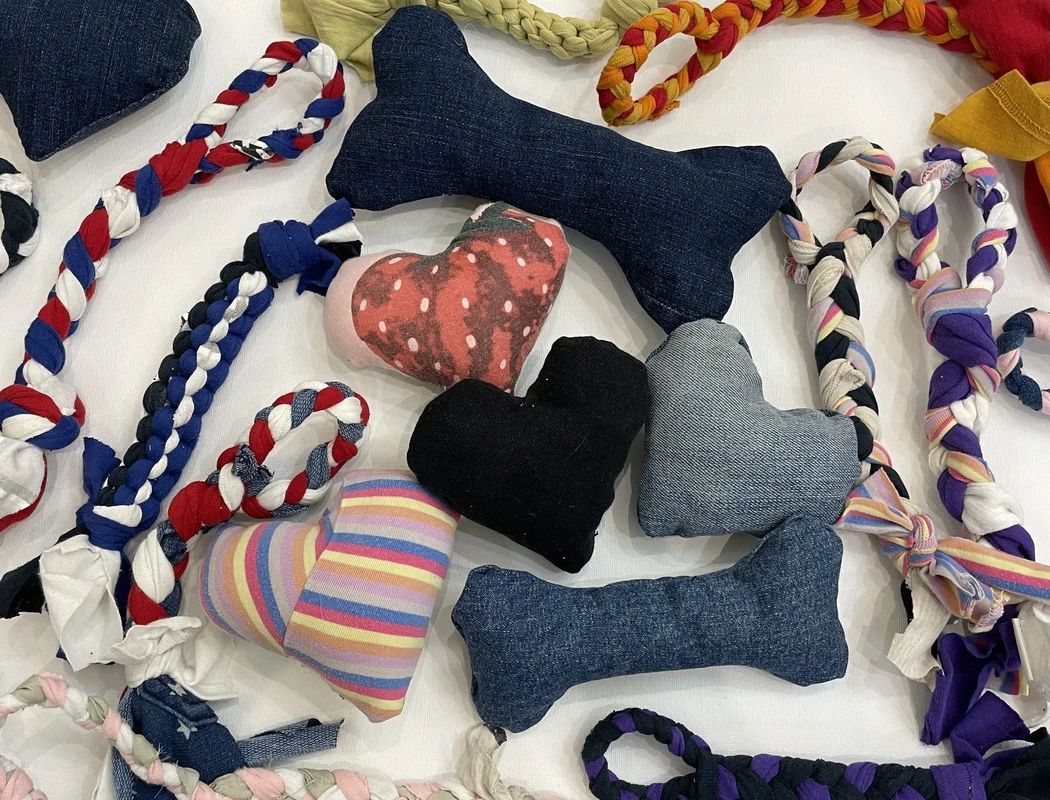
One of the simplest methods is the Braided T-Shirt Rope Toy. To make this, cut old t-shirts into 2-inch strips, tie a knot at one end, braid the strips tightly, and tie another knot at the opposite end to secure the structure.
Edible and Puzzle Alternatives
- Sweet Potato Chew Toy: Wash and peel a sweet potato, slice it into 0.5-inch sections, remove the centers with a cookie cutter, and bake at 250 degrees for 2.5 hours.
- PVC Pipe Treat Puzzle: Drill 8-10 holes in a PVC pipe, ensuring there are at least 5 holes per inch, to allow treats to roll out during play.
Safety is paramount during DIY projects. For instance, using plastic bottles carries the risk of the pet ingesting sharp fragments if the material cracks during use.
The Lifecycle Audit: From Ocean Plastic to Landfill
Sustainability requires evaluating the end-of-life potential for every product purchased.
When a toy from a brand like Petmate—which uses recycled ocean plastics—eventually reaches the end of its functional life, its ability to be repurposed depends on its material purity. If a toy is a “mono-material” (made of only one substance), it is much easier to reintegrate into the circular economy. However, most consumer toys are blends, which complicates the recycling process and often results in the product being sent to a landfill regardless of its origin.
FAQ
Are recycled plastic toys safe for heavy chewers?
Reputable brands can manufacture safe options using tested, non-toxic materials. However, owners must monitor for microplastic shedding and chemical leaching from phthalates or BPA as the toy wears down.
How many plastic bottles are saved by buying recycled toys?
The impact varies by product. For example, the Betty & Butch Sea Turtle Puppy Toy repurposes 4 to 7 plastic bottles, whereas their larger dog beds can utilize up to 52 bottles to create the necessary stuffing and fabric.
Can I recycle a pet toy once it is destroyed?
Recyclability depends on the material. Composite items, such as those combining recycled fabric with plastic stuffing, are often difficult to process, whereas mono-materials are better suited for recycling programs.
Eco Friendly Pet Shop Guide: Spotting Greenwashing in 2026
PawVerde.com – An eco-friendly pet shop focuses on providing sustainable, non-toxic, and low-impact supplies that reduce the 300 million pounds of pet product plastic waste generated annually. These retailers prioritize renewable materials like bamboo, recycled fabrics, and organic food to ensure both planetary health and pet safety.
The Greenwashing Red Flag Guide: Spotting Fake Eco-Claims
To spot greenwashing in pet products, look past vague labels like ‘natural’ or ‘green.’ Check for specific certifications (like PETA-approved vegan), verify if materials are truly renewable (like bamboo) rather than just recycled-looking plastics, and ensure the brand addresses end-of-life disposal rather than just using recyclable packaging.
The ‘Natural’ Trap
Marketing-led materials often masquerade as sustainable under vague descriptors. EcoFurball notes that when plastics or blended fibers appear under these ambiguous labels, it represents a significant failure in transparency. Consumers should avoid products that claim to be “green” without providing verifiable data or third-party certifications to back the assertion.
A common failure mode occurs when brands use “natural” to describe products that still contain synthetic binders or harmful additives. For instance, a toy might be marketed as natural but actually contain non-biodegradable glues. Always verify the specific material composition before purchasing.
Packaging vs. Product Longevity
EcoFurball identifies a “packaging distraction” where brands emphasize recyclable cardboard boxes to mask a short product lifespan or the use of toxic materials. True sustainability requires looking at the entire lifecycle, as minimal packaging often represents the most sustainable option.
A Lifecycle Guide: From Purchase to Compost
According to EcoFurball, “Sustainable pet products prioritise materials that regenerate, recycle, or biodegrade without releasing harmful residues.” Understanding this movement from retail shelf to final destination is essential for minimizing environmental impact.
Compostable vs. Recyclable Materials
The distinction between material types is critical to prevent waste stream contamination. While some items are designed for industrial recycling, others are intended for home composting.
- Compostable: Materials like organic hemp or bamboo that can return nutrients to the soil.
- Recyclable: Items like rPET (recycled polyethylene terephthalate) that require industrial processing.
- Upcycled: Materials repurposed from existing waste to extend their utility.
Circular Economy: The rePAWpose Model
The circular economy aims to eliminate waste by keeping materials in use for as long as possible. Awoo Pets facilitates this through their “rePAWpose” program. This initiative allows customers to send in pre-loved items to be repurposed, providing a $5 credit per product to the owner. This model reduces the need for new raw materials and prevents functional items from entering landfills.
High-Impact Swaps: A Budget-Friendly Transition Roadmap
Start your eco-transition with high-impact, low-cost swaps: replace traditional clay litter with plant-based alternatives to avoid sodium bentonite, switch to biodegradable poop bags, and move toward non-toxic, botanical-based grooming products. These changes address immediate waste and toxicity issues before investing in premium sustainable accessories.
Phase 1: Waste & Hygiene
The most immediate impact on a household’s carbon footprint often comes from daily waste management. Best Friends Animal Society suggests that switching to biodegradable or compostable poop bags made from recycled paper or plants is a primary step in reducing plastic in landfills. Additionally, replacing traditional clay cat litters is vital. These clay litters are resource-intensive because they are mined from the earth and are slow to biodegrade. Furthermore, eco-friendly alternatives can be safer for pets by avoiding sodium bentonite, which can potentially sicken or poison animals.
Phase 2: Nutrition & Grooming
Once waste management is addressed, owners can shift focus to chemical exposure. Conventional grooming products may contain harmful chemicals like parabens, phthalates, and petroleum. Best Friends Animal Society recommends using nontoxic and eco-friendly grooming and cleaning products to improve pet health. Fetch The Sun also notes that using natural cleaners may help reduce asthma and allergy symptoms in people with sensitive respiratory systems.
The Science of Sustainable Materials
Selecting materials based on their regenerative capacity and durability ensures that “green” choices are not just ethical, but functional.
Why Bamboo Wins
The Green Pet Shop notes that bamboo is a highly sustainable resource that helps combat climate change by reducing deforestation. It regenerates much more rapidly than traditional trees, making it an ideal feedstock for pet products.
The Durability Advantage
Pet Magasin highlights that eco-friendly supplies are often designed for increased durability compared to conventional options. Many standard products are optimized for lower price points and shorter lifespans, leading to increased waste.
| Criterion | Eco-Friendly Supplies | Conventional Supplies |
|---|---|---|
| Material Source | Renewable (bamboo, hemp), recycled (rPET), or upcycled. | Virgin, petroleum-based plastics and synthetic fabrics. |
| Pet Safety | Non-toxic; free of BPA and phthalates. | May contain questionable dyes or plastics. |
| Durability | Designed for longevity and repeated use. | Often designed for lower price and shorter lifespan. |
The table above illustrates the fundamental differences in how materials are sourced and managed between sustainable and standard pet supplies.
Top Eco-Friendly Retailers and Brands to Watch
As the market evolves, several key players have emerged to cater to the growing demand for planet-conscious pet care. In 2025, global eco-pet revenues from online stores reached $7.18 billion, representing 42.7% of the total market.
Online Giants
For those seeking a wide variety of vetted goods, EarthHero is a prominent retailer specializing in sustainable pet supplies. They offer various incentives, such as a 20% discount using the code PFJ20 and free carbon-neutral shipping on orders over $75. This makes large-scale sustainable shopping more accessible to a broader demographic.
Specialized Sustainable Brands
Niche brands currently lead several specific categories of the eco-pet market:
- Nina Woof: A PETA-approved vegan and cruelty-free brand focusing on dog accessories.
- Awoo Pets: Known for using eco-friendly materials and circular economy programs.
- WildOne: A direct-to-consumer brand specializing in modern, eco-conscious pet accessories.
Local vs. Online: Minimizing Your Carbon Pawprint
The method of delivery impacts the total environmental cost of pet care. While online stores are the fastest-growing distribution channel for eco-friendly pet products, choosing between local and digital options involves different ecological trade-offs.
The Case for Local Shops
Sourcing supplies from local retailers can significantly reduce the “last mile” delivery emissions. In regions like San Diego, specialized local shops provide holistic and natural options. Examples include Howlistic, which focuses on holistic care, Earthwise Pet, a family-owned shop, and Noah’s Natural Pet Market, which specializes in raw food. Shopping locally often supports the community and reduces the carbon footprint associated with long-distance shipping.
Optimizing Online Shipping
To minimize the environmental impact of digital shopping, consumers can adopt several strategies:
- Bulk Ordering: Reducing the frequency of shipments lowers the cumulative transportation energy.
- Consolidated Shipping: Choosing options that group items together rather than shipping them individually.
- Carbon-Neutral Options: Utilizing retailers that offer carbon-neutral shipping services.
DIY Sustainable Pet Care at Home
Repurposing existing household items is often the most eco-friendly way to care for pets, as it directly reduces waste and saves money.
Upcycled Toys
Best Friends Animal Society suggests several creative ways to make toys from household items:
- Rope Toys: Use old fabric strips braided together.
- Treat Puzzles: Repurpose PVC pipes to create interactive feeding games.
- Water Bottle Toys: Use old socks to encase a plastic bottle for a crinkle effect.
Zero-Electricity Cooling
During warm seasons, pet comfort can be maintained without increasing electricity consumption. The Green Pet Shop offers pressure-activated cooling mats. These mats require no refrigeration or electricity; instead, they activate via pressure to provide a cooling effect that can last for up to 3 hours after a 15-minute recharge period. This technology provides a sustainable way to manage pet heat stress.
FAQ
Is bamboo safe for pet feeding products?
Experts confirm bamboo is a sustainable resource, but owners should ensure feeding products are not combined with unsafe materials during manufacturing to avoid toxicity.
How can I tell if a pet toy is non-toxic?
According to EcoFurball, sustainable pet toys are safer if chewed because they contain no toxic dyes or plastics.
Why is clay cat litter considered less eco-friendly?
EcoFurball states that traditional clay cat litters are resource-intensive because they are mined from the earth and are slow to biodegrade.

Best Sustainable Pet Toys for Aggressive Chewers That Last
PawVerde.com – Sustainable pet toys for aggressive chewers must meet the dual demands of exceptional durability and environmental responsibility. Among numerous options, products like BetterBone stand out by combining natural, non-toxic ingredients with resilience against bite forces exceeding 3,500 PSI. These toys offer pet owners a solution that withstands heavy chewing without sacrificing eco-friendliness. Alongside BetterBone, brands such as Goughnuts, Ruff Dawg, West Paw, Bullymake, and Boba & Vespa provide a range of durable chew toys crafted from materials like natural rubber, organic cotton, hemp, and hypoallergenic synthetics, each tailored to meet the rigorous needs of strong-jawed dogs while minimizing environmental impact.
Aggressive chewers pose a significant challenge for pet owners seeking sustainable toys that do not degrade quickly or present safety risks. The best products balance chew resistance with safety certifications, ensuring they are free from toxins such as BPA, phthalates, and latex. Additionally, these toys often incorporate recyclable or biodegradable materials, aligning with growing consumer demand for eco-friendly pet products. Veterinary advisories from sources like Cityline Vet emphasize the importance of selecting chew toys that support dental health and mental stimulation without introducing harmful substances.
Durability and Safety: Core Characteristics of Sustainable Toys for Aggressive Chewers
Durability remains paramount when selecting chew toys for dogs with strong bite forces. Effective toys must resist punctures, tearing, and degradation from continuous chewing and exposure to environmental factors like moisture and temperature changes. BetterBone, for example, demonstrates resilience to bite pressures over 3,500 PSI, maintaining structural integrity under extreme conditions including harsh weather. Similarly, Goughnuts’ MAXX Pro 50 Ring and Ruff Dawg’s Rough Ball utilize heavy-duty rubber compounds engineered for toughness, often backed by lifetime guarantees that reflect confidence in their longevity.
Safety considerations extend beyond durability to include material composition and hypoallergenic properties. The best sustainable chew toys avoid toxic additives, employing materials certified free of BPA, latex, and phthalates. West Paw’s Zogoflex line exemplifies this approach, utilizing recyclable, non-toxic plastics that meet stringent safety standards. Organic fibers—such as cotton, hemp, and wool—serve as hypoallergenic alternatives, reducing the risk of allergic reactions while providing natural chew resistance. Bullymake’s subscriber-tested nylon and rubber toys offer additional vet-approved options designed to withstand extreme chewing without splintering or shedding harmful particles.
Environmental benefits of sustainable pet toys derive from their material sourcing and end-of-life disposal. Biodegradable components like organic cotton and hemp ropes decompose naturally, lessening landfill impact. Recyclable plastics such as West Paw’s Zogoflex contribute to circular economies by enabling reuse and reducing resource extraction. Brands committed to sustainability often obtain eco-certifications, ensuring compliance with environmental standards and providing transparency for conscientious consumers.
Leading Sustainable Materials in Durable Chew Toys
Natural rubber remains a cornerstone material for chew toys designed to resist aggressive chewing while aligning with sustainability goals. Extracted from rubber trees, this renewable resource offers elasticity, durability, and biodegradability. Goughnuts and Ruff Dawg harness natural and synthetic rubber blends to optimize toughness, often incorporating safety features like chew indicators that signal when replacement is necessary.
Synthetic alternatives like West Paw’s proprietary Zogoflex material deliver durability comparable to rubber but with enhanced recyclability and chemical safety. This material is free from harmful additives such as BPA, latex, and phthalates, addressing common health concerns. West Paw also emphasizes its closed-loop recycling program, encouraging pet owners to return used toys for remanufacturing.
Organic cotton and hemp fibers provide hypoallergenic, biodegradable options for rope and tug toys. Brands like Boba & Vespa utilize organic cotton ropes available in multiple sizes to accommodate different dog breeds and chewing intensities. Hemp, known for its tensile strength and resistance to mold and UV degradation, is increasingly popular in sustainable pet products due to its minimal environmental footprint and natural durability.
Wool, another renewable fiber, is used primarily in tug toys where softness complements durability. Its natural lanolin content offers antimicrobial properties, and wool’s biodegradability aligns with eco-conscious consumer preferences. While not suitable for heavy chewers prone to ingestion risks, wool toys provide safe, natural options for moderate chewers seeking interactive play.
Nylon chew toys present a durability versus sustainability trade-off. While nylon offers exceptional chew resistance and longevity—validated by Bullymake’s subscriber testing—it is a synthetic polymer with limited biodegradability. Some manufacturers address this by sourcing nylon variants with reduced environmental impact or incorporating recycling initiatives. However, pet owners prioritizing fully natural materials may prefer alternatives like BetterBone or organic fiber toys.
Top Brands and Products Tailored for Aggressive Chewers
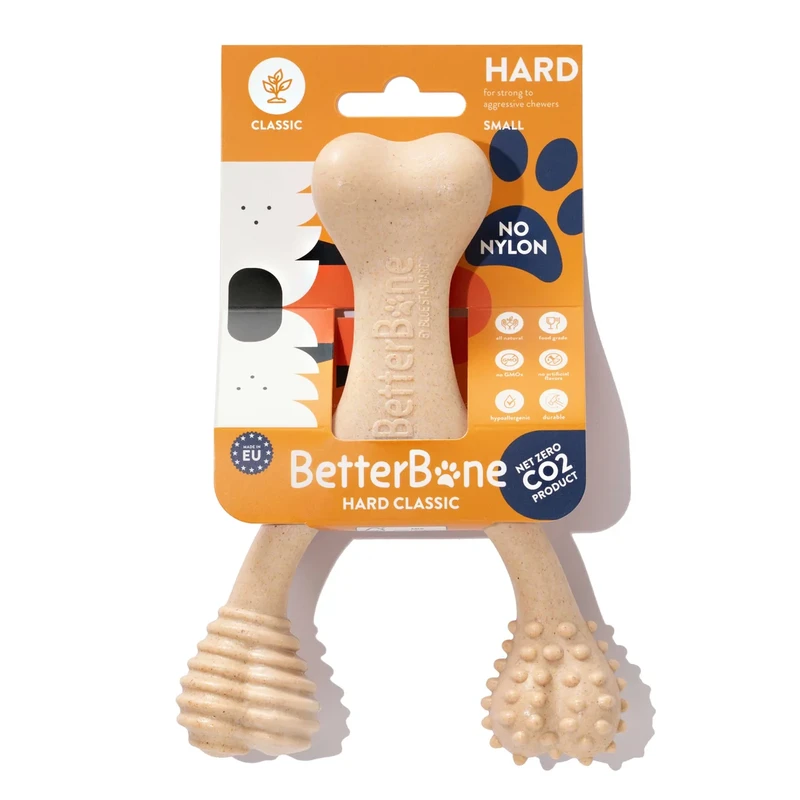
BetterBone’s chew toys stand out for their minimalist ingredient list—typically two natural components—and robust performance under extreme bite forces exceeding 3,500 PSI. Their weather-resistant formulation ensures longevity outdoors, and user testimonials frequently highlight their durability and hypoallergenic properties. BetterBone’s focus on non-toxic, eco-certified ingredients positions them as a leader in sustainable pet toys designed for aggressive chewers.
Goughnuts’ MAXX Pro 50 Ring combines heavy-duty rubber with patented safety features, including a chew indicator that reveals when the toy requires replacement, reducing ingestion risks. The company’s lifetime guarantee underscores product confidence, appealing to owners of dogs with destructive chewing habits. Ruff Dawg’s Rough Ball and Dawg-Cube extend the heavy-duty rubber category, offering vibrant color options and shapes that promote engagement while enduring intense chewing.
West Paw’s Zogoflex line prioritizes recyclability and chemical safety. Vet endorsements from Cityline Vet and others validate the material’s hypoallergenic nature and dental benefits. West Paw’s recycling program encourages sustainability beyond the product’s lifespan, creating a closed-loop system rarely seen in pet toy manufacturing.
Bullymake provides nylon and rubber toys rigorously tested by a community of subscribers with aggressive chewers. This user-driven feedback informs product development, ensuring toys meet high durability standards. Despite nylon’s synthetic nature, Bullymake emphasizes safety and longevity, offering specialized options for extreme chewers.
Boba & Vespa specializes in organic cotton rope toys available in multiple sizes to accommodate various breeds. Their products emphasize natural materials and eco-friendly dyes, catering to owners seeking sustainable alternatives for moderate to heavy chewers. These toys complement the broader ecosystem of sustainable pet products with a focus on natural fibers.
Supporting Canine Health and Wellbeing Through Chew Toys
Chew toys contribute significantly to dental health by mechanically reducing plaque and tartar buildup during chewing. Durable materials that resist quick fragmentation prevent ingestion of hazardous pieces, promoting safer oral hygiene routines. Vet-recommended toys like those from West Paw and Goughnuts support this function by combining chew resistance with texture optimized for cleaning teeth.
Beyond physical health, chew toys facilitate stress relief and mental stimulation. Aggressive chewers often exhibit anxiety or boredom, which durable interactive toys can mitigate. Puzzle-based chew toys and treat-dispensing variants designed for tough chewers engage cognitive functions while satisfying chewing instincts, reducing destructive behaviors.
Interactive options, including tug toys crafted from organic cotton or hemp, encourage social bonding and exercise. These toys balance sustainability with functionality, providing mental and physical enrichment essential for canine wellbeing.
Guidelines for Selecting Sustainable Toys for Aggressive Chewers
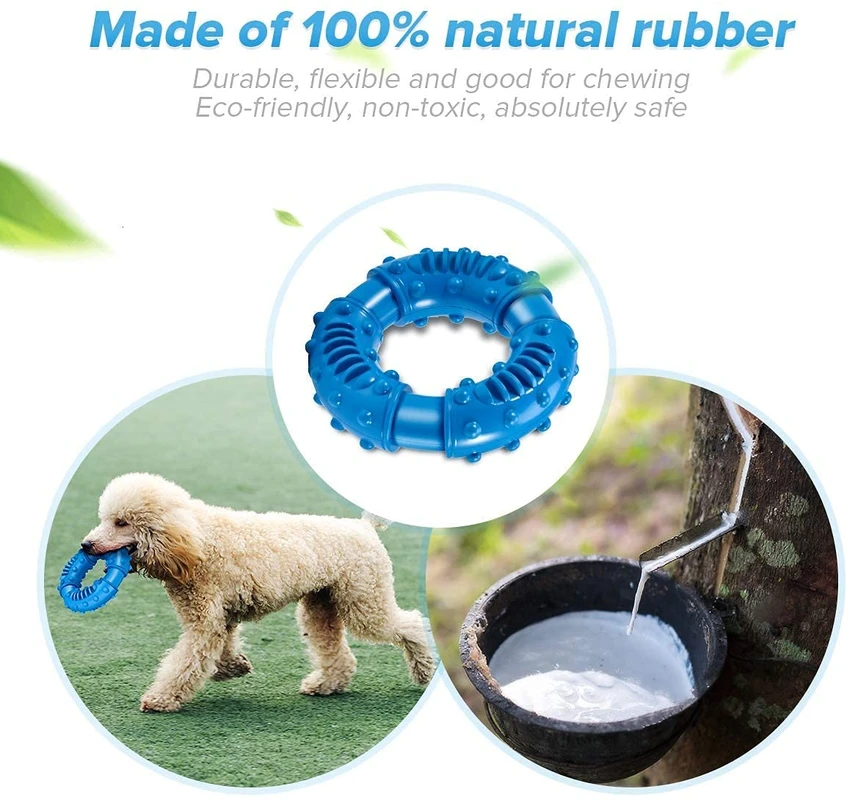
Selecting the appropriate sustainable chew toy requires matching product attributes to a dog’s chewing behavior and intensity. For heavy chewers, toys made from natural rubber or synthetic materials like Zogoflex and nylon offer necessary resilience. Moderate chewers may benefit from organic cotton or hemp ropes and wool-based tug toys.
Size and shape considerations impact safety; toys must be large enough to prevent choking hazards but manageable for the dog’s mouth. Shapes that discourage swallowing or breakage reduce ingestion risks. Monitoring wear is critical; toys exhibiting cracks, tears, or exposed inner materials should be replaced promptly to avoid health complications.
Owners should prioritize toys with certifications verifying non-toxicity and hypoallergenic properties. Brands offering replacement or recycling programs further support sustainability goals by reducing waste. Engaging veterinary advice and user reviews enhances informed decision-making tailored to individual dogs.
Frequently Asked Questions
What materials are best for durable, eco-friendly dog chew toys?
Durable, eco-friendly dog chew toys commonly use natural rubber, organic cotton, hemp, and recyclable synthetic materials like West Paw’s Zogoflex. These materials balance chew resistance with environmental sustainability and safety.
Are nylon chew toys safe and sustainable for aggressive chewers?
Nylon chew toys are highly durable and generally safe when designed for extreme chewing, as demonstrated by Bullymake’s tested products. However, nylon is a synthetic polymer with limited biodegradability, making it less sustainable than natural fiber alternatives.
How do sustainable chew toys support my dog’s dental health?
Sustainable chew toys mechanically reduce plaque and tartar buildup through chewing action. Textured surfaces on durable toys promote cleaning, while non-toxic materials prevent ingestion of harmful substances, supporting overall oral hygiene.
Can aggressive chewers safely use rope toys made from organic cotton or hemp?
Rope toys made from organic cotton or hemp are hypoallergenic and biodegradable, suitable for moderate chewers. Aggressive chewers should be supervised to prevent ingestion of fibers, and worn toys should be replaced promptly to maintain safety.
What should I look for when choosing sustainable toys for my dog?
Key factors include material durability, non-toxicity, hypoallergenic certification, size appropriate for your dog’s breed, and the brand’s environmental commitments such as recycling programs or organic sourcing.
Sustainable pet toys designed for aggressive chewers continue to evolve, integrating advanced materials science with environmental stewardship. Future innovations will likely expand use of biodegradable polymers and closed-loop manufacturing, further reducing ecological footprints while meeting the demanding needs of strong-jawed dogs. Pet owners prioritizing both durability and sustainability can expect increasingly diverse, safe, and effective options to support their pets’ wellbeing without compromising planetary health.
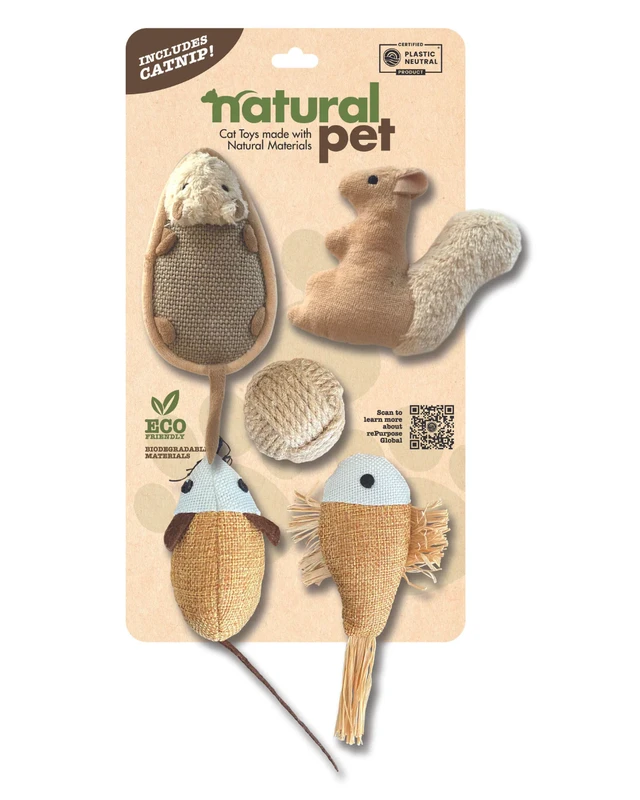
Certified Safety Standards for Eco-Friendly Pet Toys Explained
PawVerde.com – The demand for eco-friendly pet toys has surged as consumers increasingly prioritize the health of their pets alongside environmental responsibility. However, not all products branded as “eco-friendly” offer verified safety or sustainability, making certifications critical for distinguishing truly safe and sustainable pet toys. Trusted third-party certifications such as OEKO-TEX, GOTS, and B Corp validate the use of non-toxic, ethically sourced materials, while compliance with ASTM F963 and CE marking ensures mechanical and chemical safety. Consumers seeking safe eco-friendly pet toys must prioritize certifications backed by rigorous testing to mitigate risks from harmful chemicals like phthalates and BPA, often found in uncertified recycled plastics or synthetic materials.
Certified eco-friendly pet toys combine sustainability with pet safety by adhering to standards that assess material toxicity, mechanical durability, and environmental impact. This article details the essential safety and sustainability certifications, common material safety profiles, manufacturing standards, health risks of uncertified products, and practical guidance for consumers. It further contextualizes market trends and innovations shaping the future of eco-conscious pet toys.
Key Safety Certifications Ensuring Eco-Friendly Pet Toy Safety
Eco-friendly pet toys are commonly certified by organizations specializing in textile safety, chemical hazard assessment, and corporate social responsibility. OEKO-TEX and GOTS certifications focus on textile safety and organic material verification, ensuring fibers like organic cotton and hemp used in pet toys are free from harmful chemicals and pesticides. OEKO-TEX Standard 100, for instance, tests for over 300 harmful substances, including phthalates and heavy metals, which pose risks to pet health. GOTS certification adds a layer of organic and ecological integrity by regulating the entire textile supply chain, from fiber harvesting to environmentally responsible dyeing processes.
Corporate social responsibility is reflected in B Corp certification, which assesses companies on social and environmental performance, accountability, and transparency. B Corp pet toy brands commit to sustainable manufacturing practices and fair labor standards, enhancing consumer trust. Certifications like ISO 14001 and ISO 20400 represent environmental management systems and sustainable procurement, respectively, signaling comprehensive governance in eco-friendly pet toy production.
Toy safety standards are equally vital. ASTM F963, a US standard, specifies requirements for mechanical hazards, toxicity, flammability, and chemical migration limits in toys, protecting pets from choking hazards and exposure to toxic substances. Similarly, CE marking and EN71 testing in Europe assess mechanical safety and chemical compliance, ensuring pet toys meet stringent regulatory criteria.
Material Safety Profiles: Natural Fibers, Recycled Plastics, and Durability
Natural materials such as natural rubber, organic cotton, and hemp fiber have gained prominence in eco-friendly pet toy manufacturing due to their biodegradability and lower toxicity profiles. Natural rubber provides elasticity and resilience without the synthetic additives found in many plastics. Organic cotton and hemp fibers are grown without harmful pesticides and are certified under GOTS or OEKO-TEX, reducing chemical exposure risks.
Recycled plastics offer environmental benefits by reducing landfill waste and lowering carbon emissions by up to 50%, according to recent lifecycle assessments. However, recycled plastics may contain residual phthalates, BPA, or other endocrine disruptors if not properly certified. Independent testing laboratories such as Eurofins and Pacific Certifications verify compliance with chemical safety standards to mitigate these risks.
Durability is a critical safety and sustainability factor. Longer-lasting toys reduce waste and minimize the risk of small parts breaking off and causing choking. Brands like West Paw utilize proprietary materials such as Zogoflex, which combines toughness with recyclability. Durability testing, aligned with ASTM and ISO standards, evaluates toys under simulated wear conditions to ensure longevity and safety.
Regulatory Compliance and Quality Control in Eco-Friendly Pet Toy Manufacturing
Third-party testing and certification are cornerstones of regulatory compliance that influence market access and consumer trust. Quality control processes include chemical analysis for toxic substances, mechanical testing for strength and safety, and manufacturing audits verifying ethical sourcing and environmental management.
Compliance documentation facilitates global market entry and buyer confidence, especially on platforms like Alibaba.com, where buyer matching increasingly prioritizes certified products. Independent bodies such as ISB USA and Pacific Certifications provide verification services that authenticate product claims, reducing greenwashing risks.
Leading eco-conscious brands such as West Paw, Earth Rated, and Bully Max exemplify transparent certification adherence. West Paw’s Zogoflex toys carry ASTM and ISO certifications, Earth Rated focuses on biodegradable waste bags and durable toys certified for chemical safety, while Bully Max integrates OEKO-TEX certified materials into its product line. These brands disclose certification details and testing reports, enhancing consumer assurance.
Health Risks Associated with Uncertified Eco-Friendly Pet Toys
Research including EarthDay.org’s Pets vs. Plastics report highlights prevalent chemical contaminants in uncertified pet toys, including phthalates, BPA, lead, and other toxic additives. These substances pose risks such as endocrine disruption, allergic reactions, and long-term organ damage in pets. Phthalates and BPA, common in some recycled plastics, have been linked to reproductive and developmental toxicity in animals.
Uncertified toys may also fail mechanical safety tests, increasing choking and ingestion hazards. Flammability concerns arise when materials do not adhere to ASTM F963 or EN71 standards, posing fire risks in home environments.
The lack of transparency and independent testing in uncertified products complicates risk assessment for consumers, underscoring the importance of verifying certification claims before purchase.
Consumer Guidance for Selecting Safe Eco-Friendly Pet Toys
Consumers should verify certifications by checking labels for OEKO-TEX, GOTS, B Corp, ASTM F963, CE, and ISO marks. Certification databases or official websites provide authentication tools to confirm legitimacy.
Inspecting product durability involves assessing stitching quality, material thickness, and resistance to tearing or deformation. High durability indicates less frequent replacement, supporting environmental sustainability and reducing safety hazards from broken parts.
Recognizing credible brands requires researching company transparency regarding sourcing, manufacturing, and testing. Avoidance of vague marketing terms such as “natural” or “organic” without certification is crucial, as these claims lack regulatory enforcement and can mislead consumers.
Market Trends and Innovations Shaping the Future of Eco-Friendly Pet Toys
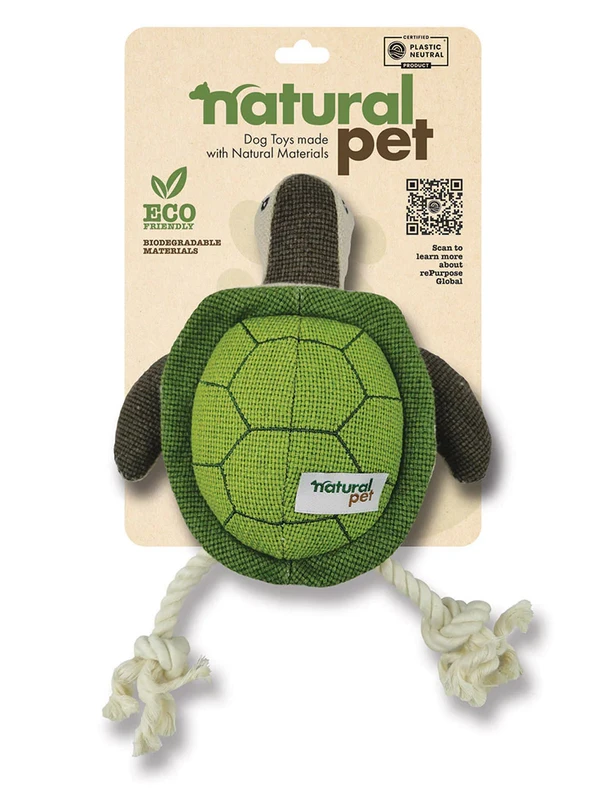
The global market for biodegradable and sustainable pet toys is projected to grow significantly, driven by consumer demand and regulatory pressures. Innovations include the development of plant-based bioplastics, advanced natural rubber composites, and hemp-based fibers engineered for enhanced durability and safety.
Emerging certifications targeting circular economy principles and microplastic reduction are gaining traction, aiming to address environmental impact beyond immediate safety concerns. Increasing adoption of ISO 14001 and ISO 20400 highlights a shift toward comprehensive environmental governance and sustainable procurement in pet product manufacturing.
Brands investing in transparency and third-party validation are positioned to lead market growth, responding to heightened consumer awareness and regulatory scrutiny.
Frequently Asked Questions
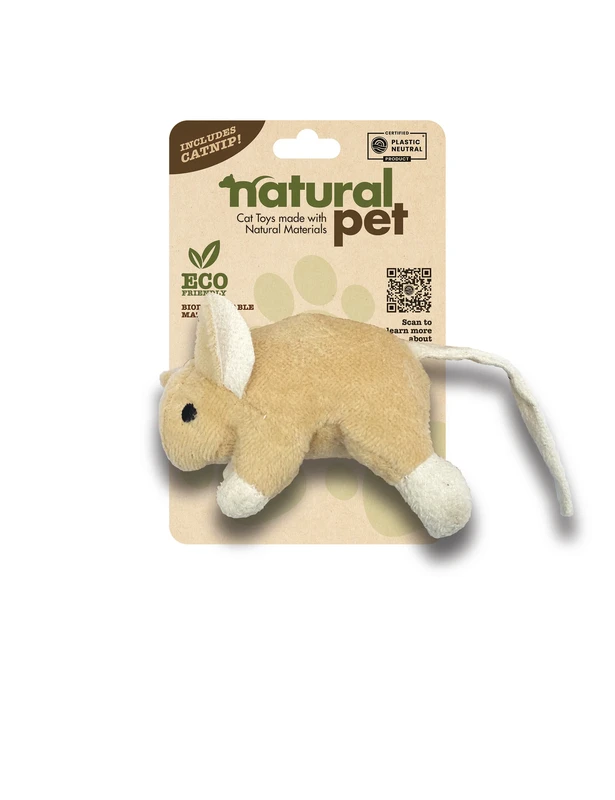
What certifications should I look for to ensure a pet toy is safe and eco-friendly?
Look for OEKO-TEX and GOTS for textile safety and organic material verification, B Corp for corporate responsibility, ASTM F963 and CE marking for mechanical and chemical safety, and ISO 14001 or ISO 20400 for environmental management and sustainable procurement.
Are recycled plastic pet toys safe for my pet?
Recycled plastic toys can be safe if certified by independent laboratories such as Eurofins or Pacific Certifications, ensuring they are free from harmful chemicals like phthalates and BPA. Uncertified recycled plastics may pose health risks.
How does durability affect the safety of eco-friendly pet toys?
Durable toys reduce the risk of choking hazards from broken parts and minimize environmental impact by decreasing waste. Certifications often include durability testing to ensure toys withstand typical wear and tear.
Can I trust “natural” or “organic” labels on pet toys without certification?
Labels without third-party certification like OEKO-TEX or GOTS do not guarantee safety or sustainability. Such terms are often marketing claims without regulatory oversight, so verification through certifications is essential.
What health risks do uncertified pet toys pose to pets?
Uncertified toys may contain toxic chemicals such as phthalates, BPA, and heavy metals, which can cause endocrine disruption, allergic reactions, or organ damage. Poor mechanical safety can also lead to choking or ingestion hazards.
—
Increasingly stringent safety and sustainability standards, coupled with growing consumer demand for transparency, are driving the evolution of eco-friendly pet toys. Future developments will likely emphasize circular economy principles, enhanced durability, and comprehensive environmental governance. Consumers equipped with knowledge of credible certifications and material safety profiles can make informed decisions that protect pet health and support sustainable manufacturing practices.