
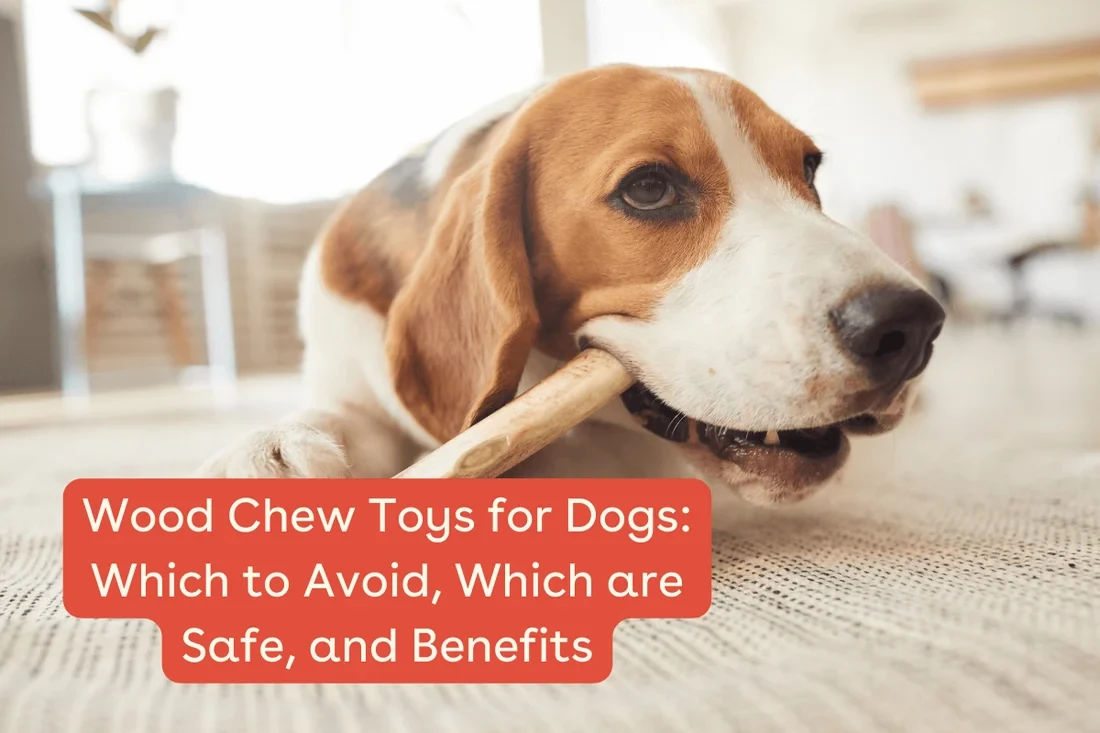
Pros and Cons of Cork Pet Toys: Safety & Sustainability
PawVerde.com – Cork pet toys provide a sustainable, hypoallergenic, and silent alternative to plastic. These toys are ideal for apartment living and scent-driven play, offering a material that is naturally resistant to mold and mildew due to its suberin content.
Cork oak trees can live for up to 250 years. Because the bark is harvested only once every 9 years, it remains a highly renewable resource for manufacturers.
The Material Deep-Dive: Solid Cork vs. Composite Fillers
HZCORK utilizes high-density solid cork to provide structural density for repetitive interaction. This material offers a specific tactile resistance that differs from composite alternatives.
Not all cork products are created equal. A common failure mode occurs when manufacturers use composite materials containing binders or fillers to reduce costs. These low-grade composites tend to degrade rapidly under pressure. If a toy begins to flake, it presents a significant risk. Industry analysts warn that small fragments can easily be swallowed. This poses a threat of intestinal blockage or throat lodging, a risk particularly acute if the toy is too small for the animal’s size.
Safety and Degradation: The Saliva and Moisture Factor
Pet owners must monitor for physical degradation caused by liquid saturation. According to The Spruce, exposure to excessive moisture can cause cork to warp, stain, or buckle.
The risk of intestinal blockage from small crumbs
Safety is a primary concern for aggressive chewers. According to Business Insider, if a toy is too small, your dog is at risk of swallowing it, which could cause a life-threatening intestinal blockage. This risk increases as the material degrades. While cork provides a gentle abrasive action that can help clean teeth through abrasion without damaging sensitive gums, the physical breakdown of the material into small pieces must be monitored closely.
How moisture causes warping and buckling
Cork contains a waxy substance called suberin that naturally repels moisture and microbial growth. This makes the material naturally resistant to mold. However, excessive moisture from heavy saliva or environmental humidity can still cause structural issues. According to The Spruce, exposure to excessive moisture can cause cork to warp, stain, or buckle. Owners should avoid saturating toys and should never attempt to clean them with excessive liquid. Instead, use a dry or slightly damp cloth to maintain the integrity of the material.
The ‘Silent Play’ Advantage for Apartment Living
Cork’s natural damping properties eliminate the noisy clatter typical of hard plastic toys. This ‘Silent Play’ makes it a premier choice for apartment dwellers who need to minimize pet-related noise.
Acoustic insulation properties
Noise reduction is a measurable benefit of cork. Data from cork flooring Supply suggests that cork can provide a 53% reduction in noisy foot traffic sound muffled by the material. This acoustic insulation extends to pet play. Unlike hard plastic or ceramic that creates sharp, high-frequency sounds when dropped, cork absorbs impact. This makes it an ideal solution for residents in multi-unit buildings where floor noise is a frequent point of contention between neighbors.
Scent retention for catnip and silvervine
Cork is naturally porous. This porosity allows it to hold the scent of catnip or silvervine longer than plastic alternatives. For owners looking to increase engagement, this scent retention is vital. For example, the Tumbler Feeder (MWJ-06-A) can be used for cognitive enrichment feeding, where a transparent treat silo works alongside a cork track system to force cats to work for food, utilizing their sense of smell to drive play.
Material Comparison: Cork vs. Rubber vs. Hemp
When selecting the right material, owners must weigh durability against sustainability and noise levels. Different materials serve different roles in a pet’s lifestyle.
| Feature | Cork | Natural Rubber | Hemp |
|---|---|---|---|
| Durability | Moderate (Best for light/medium chewers) | High (Best for heavy chewers) | Moderate (Highly durable fiber) |
| Sustainability | High (Renewable bark) | High (Natural source) | High (Fast-growing) |
| Noise Level | Low (Silent Play) | Moderate (Dull thud) | Low (Soft impact) |
| Scent Retention | Excellent (Porous) | Low | Moderate |
The choice often depends on the specific needs of the animal. While natural rubber is a preferred material for heavy chewers, cork offers a unique combination of silence and scent retention that rubber cannot match.
Durability vs. Sustainability
Ecofurball notes that eco-friendly pet toys reduce landfill waste, limit chemical runoff from manufacturing, and decrease reliance on virgin plastics. Cork fits this profile perfectly because the bark is harvested without killing the tree. However, for owners with extremely aggressive chewers, natural rubber remains a more durable alternative to prevent rapid material degradation.
Price and cost-effectiveness
Longevity impacts long-term value. While natural rubber or high-quality cork may have a higher initial cost, their durability compared to cheap plastic alternatives can make them more economical over time.
Pet Life-Stage Suitability Matrix
Different life stages require different types of stimulation and physical properties. A toy that is perfect for a kitten may be dangerous for a senior dog.
- Puppies and Teething: Cork’s gentle abrasive properties are excellent for teething. It provides relief to sensitive gums without the intense hardness of some rubbers.
- Adult Engagement and Enrichment: For active adults, cognitive enrichment tools like the Puffin Game puzzle toy or weighted tumblers provide necessary mental stimulation.
- Senior Dental Care: As pets age, dental health becomes critical. Cork provides a soft, abrasive action that can help clean teeth through gentle contact.
When selecting toys for senior pets, ensure the weight and size are appropriate. For instance, certain scratching boards can support a weight capacity of 7-8 kg for large adult cats or small dogs, providing a stable platform for activity.
FAQ
Are cork toys safe for aggressive chewers?
While cork offers satisfying resistance, aggressive chewers may cause it to crumble. For heavy chewers, natural rubber is often a more durable alternative.
Yes, cork provides a gentle abrasive action that can help clean teeth through abrasion without damaging sensitive gums.
Recycled Materials for Pet Toys: A Guide to Eco-Friendly Safety
PawVerde.com – recycled pet toys utilize post-consumer waste—like ocean plastics, bicycle inner tubes, or recycled PET bottles—to create durable enrichment tools. While they significantly reduce carbon pawprints, choosing them requires verifying non-toxic certifications to avoid chemical leaching from phthalates or BPA, especially in heavy chewers.
Market shifts are accelerating as 67% of millennial and Gen Z pet owners in North America and Western Europe actively seek eco-certified or sustainably packaged products.
The Greenwashing Detection Guide: Verifying Recycled Claims
To avoid greenwashing, look for specific third-party certifications like the Global Recycled Standard (GRS) or OEKO-TEX. Avoid brands that claim to be ‘eco-friendly’ without specifying the exact percentage of recycled content or the source of the material (e.g., post-consumer vs. post-industrial waste).
Deceptive labeling occurs when “eco-friendly” products are blended with virgin polymers or toxic dyes. For example, a brand might claim a toy is “made with recycled materials” while providing no specific percentage of actual waste content.
Red Flags in Product Labeling
- Vague Terminology: Using terms like “earth-friendly” or “natural” without providing a breakdown of material composition.
- Lack of Percentage Data: Failing to state whether a product contains 10%, 50%, or 100% recycled content.
- Undefined Sources: Not distinguishing between post-consumer waste (items used by consumers and then recycled) and post-industrial waste (factory scraps).
Certifications to Trust
Reliable manufacturers provide documentation that transcends marketing slogans. When browsing an online shop, users should check the “Product Details” or “Sustainability” tab—often found via Product Page > Specifications > Certifications—to verify third-party validation. Ecoternatives, for example, offers 100% recycled dog plush toys, providing a clear benchmark for total material repurposing. A single 100% recycled plush toy is priced at 11.35 USD, demonstrating that high-recycled content can remain accessible.
Material Durability Matrix: Comparing Recycled Textures
Selecting the correct material requires balancing environmental impact against the specific chewing habits of a pet. A mismatch can lead to rapid degradation or, more dangerously, the ingestion of shredded fragments.
| Material Type | Chew Strength | Environmental Benefit | Cleaning Ease |
|---|---|---|---|
| Hemp | High | Very High (Renewable) | Moderate (Machine Wash) |
| Cotton | Moderate | High (Biodegradable) | Easy (Machine Wash) |
| Natural Rubber | Very High | High (Renewable) | Easy (Hand Wash) |
| TPR (Synthetic) | High | Moderate (Recyclable) | Easy (Wipe Clean) |
Material selection determines both the toy’s lifespan and its ecological footprint. While manufacturers like West Paw utilize Zogoflex® and recycled fiber stuffing to achieve 90-100% recycled content, natural fibers often provide a different structural advantage.
Natural Fibers vs. Synthetics
Hemp dog toys tend to last longer, resist fraying better, and create fewer long-term waste issues than cotton alternatives. While cotton is highly biodegradable, its tendency to fray under heavy tension can lead to faster disposal cycles. For owners prioritizing longevity, hemp offers a structural advantage that reduces the frequency of replacement.
Rubber Alternatives for Heavy Chewers
natural rubber is more eco-friendly than synthetic counterparts. Thermoplastic Rubber (TPR) is a synthetic alternative that offers a similar feel for moderate chewers but lacks the renewable origin of natural latex. For pets with extreme jaw pressure, natural rubber remains the preferred choice for durability.
Microplastic Safety and Chemical Risks
Recycled plastic toys can expose pets to microplastics and chemicals like phthalates or BPA. To minimize risk, prioritize silicone over plastic for durability and less leaching, or choose non-synthetic recycled materials like hemp and wool which are gentler on a pet’s mouth and stomach.
Recent independent research published in the Pets vs. Plastics report by EarthDay.org explores how plastic toys—even recycled ones—can expose pets to harmful chemicals like phthalates and BPA, as well as microplastics. This risk is heightened in toys that undergo significant mechanical wear during play.
To mitigate these risks, consider the biological impact of material choice. As EcoFurball notes:
Recycled doesn’t always mean synthetic. You can find recycled cotton, wool, or hemp toys, which tend to be gentler on your pet’s mouth and stomach.
This highlights a critical distinction: recycling a natural fiber is fundamentally different from recycling a polymer. Silicone serves as a safer alternative to many plastics because it is more durable and less prone to degradation and leaching.
Commercial Leaders in Circular Manufacturing
Industry leaders are currently scaling the use of second- and third-generation recycled polymers to create high-performance pet products.
The Rise of Post-Consumer Plastics
Companies are increasingly moving away from virgin plastics to meet sustainability goals. Petmate, for instance, has incorporated recycled ocean plastics and post-industrial waste into its manufacturing lines. Similarly, Betty & Butch utilizes recycled PET fabric and stuffing, repurposing 4 to 7 plastic bottles for their Sea Turtle Puppy Toy, while their dog beds can utilize up to 52 bottles.
Closed-Loop Manufacturing Examples
Moderna has demonstrated a significant commitment to this transition. Their data shows a steady increase in the use of recycled content: from 5.4% in 2020 to 10% in 2021, reaching 20% in 2022. Currently, Moderna’s annual raw material volume from recycled materials stands at 38%. West Paw also leads the sector by manufacturing Zogoflex® toys and utilizing recycled fiber stuffing, proving that 90-100% recycled content can be achieved without compromising the structural integrity required for performance-grade chew toys.
DIY Sustainability: Upcycling Household Waste
Customizing toys from existing household items provides a cost-effective way to prevent functional materials from entering landfills.
Fabric Upcycling
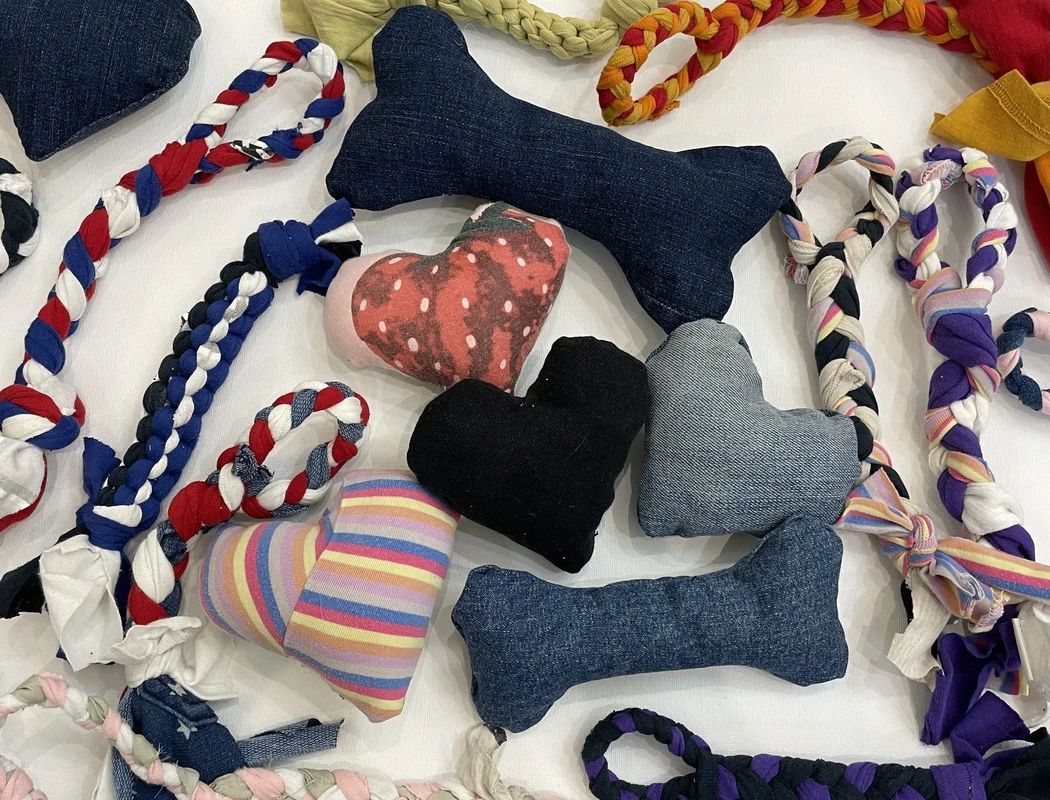
One of the simplest methods is the Braided T-Shirt Rope Toy. To make this, cut old t-shirts into 2-inch strips, tie a knot at one end, braid the strips tightly, and tie another knot at the opposite end to secure the structure.
Edible and Puzzle Alternatives
- Sweet Potato Chew Toy: Wash and peel a sweet potato, slice it into 0.5-inch sections, remove the centers with a cookie cutter, and bake at 250 degrees for 2.5 hours.
- PVC Pipe Treat Puzzle: Drill 8-10 holes in a PVC pipe, ensuring there are at least 5 holes per inch, to allow treats to roll out during play.
Safety is paramount during DIY projects. For instance, using plastic bottles carries the risk of the pet ingesting sharp fragments if the material cracks during use.
The Lifecycle Audit: From Ocean Plastic to Landfill
Sustainability requires evaluating the end-of-life potential for every product purchased.
When a toy from a brand like Petmate—which uses recycled ocean plastics—eventually reaches the end of its functional life, its ability to be repurposed depends on its material purity. If a toy is a “mono-material” (made of only one substance), it is much easier to reintegrate into the circular economy. However, most consumer toys are blends, which complicates the recycling process and often results in the product being sent to a landfill regardless of its origin.
FAQ
Are recycled plastic toys safe for heavy chewers?
Reputable brands can manufacture safe options using tested, non-toxic materials. However, owners must monitor for microplastic shedding and chemical leaching from phthalates or BPA as the toy wears down.
How many plastic bottles are saved by buying recycled toys?
The impact varies by product. For example, the Betty & Butch Sea Turtle Puppy Toy repurposes 4 to 7 plastic bottles, whereas their larger dog beds can utilize up to 52 bottles to create the necessary stuffing and fabric.
Can I recycle a pet toy once it is destroyed?
Recyclability depends on the material. Composite items, such as those combining recycled fabric with plastic stuffing, are often difficult to process, whereas mono-materials are better suited for recycling programs.
Top Eco-Friendly Pet Toy Brands Reviewed for Safety & Sustainability
PawVerde.com – Consumer demand for eco-friendly pet toys has surged significantly in 2026, driven by heightened awareness of environmental sustainability and pet health safety. The market now features an array of products crafted from sustainable materials such as recycled plastics, organic cotton, natural rubber, and hemp fibers. Leading brands emphasize durability, non-toxicity, and comprehensive certifications to assure pet owners that their purchases minimize ecological impact while safeguarding animal wellbeing. This review examines the foremost eco-friendly pet toy brands, their material innovations, and how their products align with evolving standards in sustainability and safety.
Leading Eco-Friendly Pet Toy Brands and Their Sustainable Offerings
West Paw stands at the forefront of sustainable pet toy manufacturing with its proprietary Zogoflex material, an infinitely recyclable plastic that combines resilience with environmental responsibility. Their IntelliLoft® fiber used in pet beds derives from recycled plastic bottles, reducing landfill waste and promoting circular economy principles. West Paw holds B-Corp certification, underscoring its commitment to rigorous social and environmental performance standards. User reviews highlight superior durability, with toys enduring aggressive chewers without breaking down or releasing microplastics.
Nina Woof specializes in organic cotton squeaky toys, designed primarily for small to medium-sized dogs. Their products are manufactured in the USA, ensuring stringent quality control and labor standards. The use of GOTS-certified organic cotton guarantees the absence of harmful pesticides and synthetic fertilizers, contributing to safer play experiences for pets and reduced environmental toxins. Pet owners report high satisfaction with softness and non-toxicity, affirming Nina Woof’s reputation for combining safety with sustainability.
Rocket & Rex offers rope dog toys crafted from natural cotton and fabric blends that support dental hygiene. The intertwined cotton fibers act as floss, reducing plaque buildup during chewing sessions. Their range includes durable cotton ropes and natural fabric toys free from synthetic dyes, appealing to pet owners seeking chemical-free options. The company emphasizes oral health benefits alongside eco-conscious sourcing, a dual advantage in the sustainable pet toy market.
Beco Pets integrates natural rubber and bamboo into their toys and pet bowls, with many products being fully compostable. Natural rubber sourced sustainably provides elasticity and robustness without the environmental burden of synthetic polymers. Bamboo, a fast-growing renewable resource, is incorporated in chew toys and bowls for its biodegradability and antimicrobial properties. Beco Pets also incorporates plant-based dyes, avoiding harmful chemical colorants, and holds certifications for cruelty-free production.
Harry Barker exemplifies luxury sustainability with organic pet beds made from GOTS-certified cotton and hemp fibers. Their hemp materials are pesticide-free and require minimal irrigation, reducing the environmental footprint compared to conventional cotton. These beds combine comfort with rigorous organic standards, appealing to environmentally conscious pet owners who prioritize premium quality. Harry Barker’s products undergo strict certification processes to ensure adherence to organic textile regulations.
Materials and Sustainability Features Driving the Market
The use of recycled plastics, including PET bottles, underpins the circular economy approach embraced by brands like West Paw. Their infinite recycling program enables consumers to return worn-out toys for reprocessing, reducing landfill contributions and resource consumption. This closed-loop system exemplifies innovation in sustainable product lifecycle management.
Organic cotton and hemp fibers present notable advantages in durability and environmental impact. Organic cotton cultivation avoids synthetic pesticides and fertilizers, reducing soil and water contamination. Hemp, valued for its rapid growth and low resource needs, offers a biodegradable alternative to synthetic fibers without compromising strength. Both materials are increasingly favored in plush toys, beds, and rope products.
Natural rubber serves as a non-toxic, plant-based alternative to synthetic elastomers. Sourced from rubber trees cultivated with sustainable forestry practices, this material ensures biodegradability while maintaining chew resistance. It also circumvents the release of harmful microplastics common with petroleum-based rubbers.
Plant-based dyes and biodegradable stuffing materials such as coconut fiber and organic catnip enhance the environmental profile of pet toys. These natural components avoid synthetic chemical residues that can be harmful to pets and ecosystems. Biodegradable stuffing also facilitates composting at the end of the product lifecycle.
Certifications play a critical role in validating sustainability claims. B-Corp certification mandates transparent supply chains and measurable environmental impact reductions. GOTS Organic certification verifies adherence to stringent organic textile processing standards. FDA compliance ensures pet products meet safety criteria, particularly relevant for chew toys and ingestible components.
Durability and Safety Considerations in Eco-Friendly Pet Toys
Durability ratings are essential for assessing the suitability of eco-friendly toys for various pet sizes and chewing intensities. West Paw’s Zogoflex products consistently receive high marks for resistance to tearing and puncturing, making them appropriate for heavy chewers. Conversely, organic cotton toys from Nina Woof, while less durable for aggressive chewers, excel in softness and safety for moderate play.
Non-toxic materials free from BPA, phthalates, and harmful dyes are standard across leading brands. These substances have been linked to health risks in pets, including hormonal disruptions and allergic reactions. Brands like Beco Pets and Rocket & Rex emphasize the exclusion of these chemicals, enhancing pet safety.
Environmental impact reduction extends beyond material choice to production processes and end-of-life considerations. Compostable toys and recyclable materials reduce waste accumulation. Brands offering take-back or recycling programs, such as West Paw, demonstrate leadership in mitigating ecological footprints.
Emerging Trends in 2026 Eco-Friendly Pet Toys
Transparency in material sourcing and manufacturing has become a defining trend. Consumers increasingly demand detailed information on origin, processing methods, and labor conditions. Brands respond by publishing sustainability reports and engaging in third-party audits.
Multi-functional toy designs that provide mental stimulation alongside physical activity are gaining traction. For example, toys incorporating puzzle elements or interactive features crafted from hemp and organic cotton enhance pet engagement while maintaining sustainability.
Customization and adjustability in pet toys address diverse breed sizes and play styles. Adjustable rope lengths or modular toy components extend product usability, reducing the need for frequent replacements.
Industry leaders and emerging manufacturers alike invest in research and development to incorporate innovative materials such as biodegradable polymers derived from plant sources. These developments promise further reductions in environmental impact without sacrificing durability.
Consumer Guidance for Selecting Eco-Friendly Pet Toys
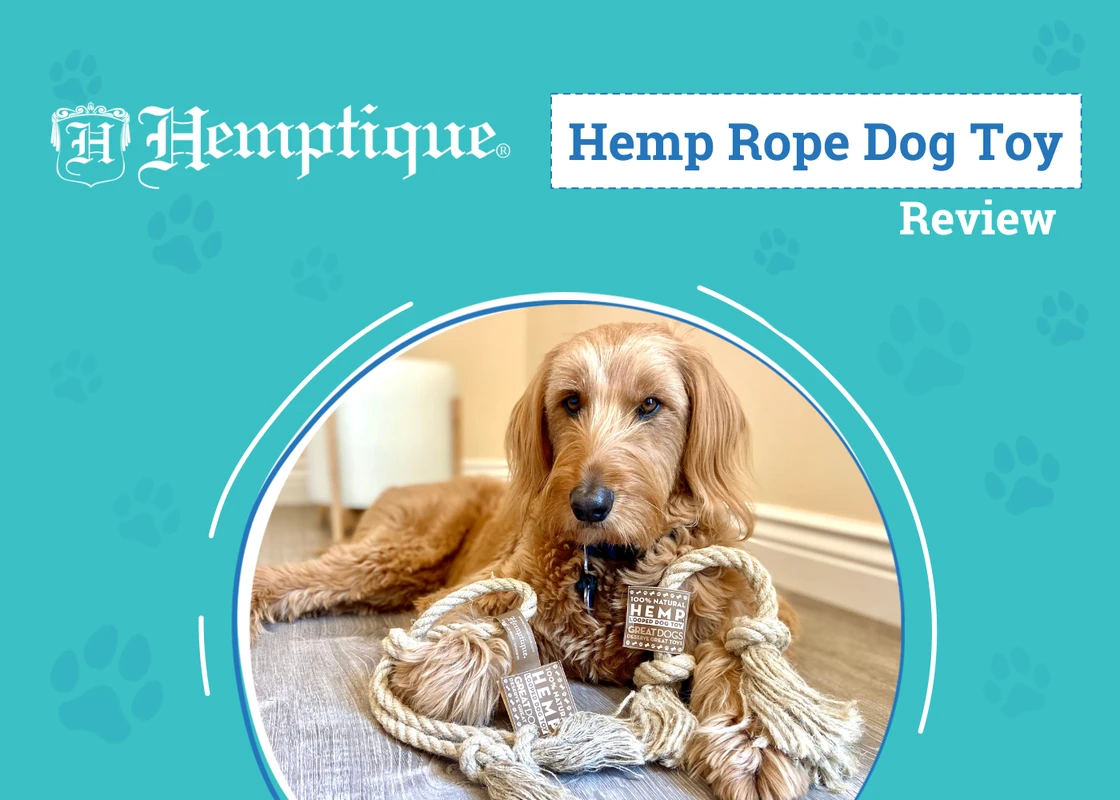
Pet owners should prioritize brands with verified certifications like B-Corp and GOTS Organic to ensure authentic sustainability claims. Transparency in supply chain and material sourcing is a strong indicator of brand reliability.
Durability assessment should consider the pet’s size and chewing habits. Heavy chewers benefit from toys made of Zogoflex or natural rubber, while gentler chewers may prefer organic cotton or hemp-based options.
Evaluating eco-features such as biodegradability and recyclability is crucial. Compostable toys or those accepted in take-back programs offer advantages in responsible disposal.
Price considerations must balance immediate cost against long-term benefits, including reduced replacement frequency and environmental impact. Investing in certified durable toys often results in lower lifetime costs and ecological footprint.
FAQ
What materials are safest and most sustainable for pet toys in 2026?
The safest and most sustainable materials include recycled plastics like Zogoflex, GOTS-certified organic cotton, natural rubber from sustainable sources, and hemp fibers. These materials are non-toxic, durable, and biodegradable or infinitely recyclable, minimizing environmental and health risks.
Are eco-friendly pet toys durable enough for aggressive chewers?
Yes, brands such as West Paw use Zogoflex, a tough, recyclable plastic, that withstands heavy chewing. Natural rubber toys from Beco Pets also provide strong resistance. However, plush toys made from organic cotton or hemp are better suited for light to moderate chewers.
How do certifications like B-Corp and GOTS Organic impact pet toy quality?
B-Corp certification ensures a company meets rigorous social and environmental standards, including transparency and ethical manufacturing. GOTS Organic certification verifies organic textile processing free of harmful chemicals. Both certifications indicate higher quality, safety, and sustainability in pet toys.
Can eco-friendly pet toys help improve pet health?
Yes, toys made from natural fibers like cotton and hemp can reduce exposure to harmful chemicals. Rope toys promoting dental hygiene help maintain oral health. Additionally, mentally stimulating designs support cognitive well-being, contributing to overall pet health.
What are the environmental benefits of choosing biodegradable or recyclable pet toys?
Biodegradable toys break down naturally, reducing landfill waste and pollution. Recyclable toys can be reprocessed into new products, conserving resources and lowering carbon emissions. Both approaches reduce the environmental footprint of pet ownership.
—
The pet toy industry in 2026 demonstrates a robust commitment to sustainability through innovative materials, transparent practices, and durable, safe designs. Brands like West Paw, Nina Woof, and Rocket & Rex lead the market by integrating certifications such as B-Corp and GOTS Organic with cutting-edge recycling and composting initiatives. As consumers increasingly prioritize environmental and pet health considerations, selecting eco-friendly toys becomes both a responsible and practical choice. Looking forward, advancements in biodegradable polymers and customizable designs promise to further enhance the intersection of sustainability and pet wellbeing.
Certified Safety Standards for Eco-Friendly Pet Toys Explained
PawVerde.com – The demand for eco-friendly pet toys has surged as consumers increasingly prioritize the health of their pets alongside environmental responsibility. However, not all products branded as “eco-friendly” offer verified safety or sustainability, making certifications critical for distinguishing truly safe and sustainable pet toys. Trusted third-party certifications such as OEKO-TEX, GOTS, and B Corp validate the use of non-toxic, ethically sourced materials, while compliance with ASTM F963 and CE marking ensures mechanical and chemical safety. Consumers seeking safe eco-friendly pet toys must prioritize certifications backed by rigorous testing to mitigate risks from harmful chemicals like phthalates and BPA, often found in uncertified recycled plastics or synthetic materials.
Certified eco-friendly pet toys combine sustainability with pet safety by adhering to standards that assess material toxicity, mechanical durability, and environmental impact. This article details the essential safety and sustainability certifications, common material safety profiles, manufacturing standards, health risks of uncertified products, and practical guidance for consumers. It further contextualizes market trends and innovations shaping the future of eco-conscious pet toys.
Key Safety Certifications Ensuring Eco-Friendly Pet Toy Safety
Eco-friendly pet toys are commonly certified by organizations specializing in textile safety, chemical hazard assessment, and corporate social responsibility. OEKO-TEX and GOTS certifications focus on textile safety and organic material verification, ensuring fibers like organic cotton and hemp used in pet toys are free from harmful chemicals and pesticides. OEKO-TEX Standard 100, for instance, tests for over 300 harmful substances, including phthalates and heavy metals, which pose risks to pet health. GOTS certification adds a layer of organic and ecological integrity by regulating the entire textile supply chain, from fiber harvesting to environmentally responsible dyeing processes.
Corporate social responsibility is reflected in B Corp certification, which assesses companies on social and environmental performance, accountability, and transparency. B Corp pet toy brands commit to sustainable manufacturing practices and fair labor standards, enhancing consumer trust. Certifications like ISO 14001 and ISO 20400 represent environmental management systems and sustainable procurement, respectively, signaling comprehensive governance in eco-friendly pet toy production.
Toy safety standards are equally vital. ASTM F963, a US standard, specifies requirements for mechanical hazards, toxicity, flammability, and chemical migration limits in toys, protecting pets from choking hazards and exposure to toxic substances. Similarly, CE marking and EN71 testing in Europe assess mechanical safety and chemical compliance, ensuring pet toys meet stringent regulatory criteria.
Material Safety Profiles: Natural Fibers, Recycled Plastics, and Durability
Natural materials such as natural rubber, organic cotton, and hemp fiber have gained prominence in eco-friendly pet toy manufacturing due to their biodegradability and lower toxicity profiles. Natural rubber provides elasticity and resilience without the synthetic additives found in many plastics. Organic cotton and hemp fibers are grown without harmful pesticides and are certified under GOTS or OEKO-TEX, reducing chemical exposure risks.
Recycled plastics offer environmental benefits by reducing landfill waste and lowering carbon emissions by up to 50%, according to recent lifecycle assessments. However, recycled plastics may contain residual phthalates, BPA, or other endocrine disruptors if not properly certified. Independent testing laboratories such as Eurofins and Pacific Certifications verify compliance with chemical safety standards to mitigate these risks.
Durability is a critical safety and sustainability factor. Longer-lasting toys reduce waste and minimize the risk of small parts breaking off and causing choking. Brands like West Paw utilize proprietary materials such as Zogoflex, which combines toughness with recyclability. Durability testing, aligned with ASTM and ISO standards, evaluates toys under simulated wear conditions to ensure longevity and safety.
Regulatory Compliance and Quality Control in Eco-Friendly Pet Toy Manufacturing
Third-party testing and certification are cornerstones of regulatory compliance that influence market access and consumer trust. Quality control processes include chemical analysis for toxic substances, mechanical testing for strength and safety, and manufacturing audits verifying ethical sourcing and environmental management.
Compliance documentation facilitates global market entry and buyer confidence, especially on platforms like Alibaba.com, where buyer matching increasingly prioritizes certified products. Independent bodies such as ISB USA and Pacific Certifications provide verification services that authenticate product claims, reducing greenwashing risks.
Leading eco-conscious brands such as West Paw, Earth Rated, and Bully Max exemplify transparent certification adherence. West Paw’s Zogoflex toys carry ASTM and ISO certifications, Earth Rated focuses on biodegradable waste bags and durable toys certified for chemical safety, while Bully Max integrates OEKO-TEX certified materials into its product line. These brands disclose certification details and testing reports, enhancing consumer assurance.
Health Risks Associated with Uncertified Eco-Friendly Pet Toys
Research including EarthDay.org’s Pets vs. Plastics report highlights prevalent chemical contaminants in uncertified pet toys, including phthalates, BPA, lead, and other toxic additives. These substances pose risks such as endocrine disruption, allergic reactions, and long-term organ damage in pets. Phthalates and BPA, common in some recycled plastics, have been linked to reproductive and developmental toxicity in animals.
Uncertified toys may also fail mechanical safety tests, increasing choking and ingestion hazards. Flammability concerns arise when materials do not adhere to ASTM F963 or EN71 standards, posing fire risks in home environments.
The lack of transparency and independent testing in uncertified products complicates risk assessment for consumers, underscoring the importance of verifying certification claims before purchase.
Consumer Guidance for Selecting Safe Eco-Friendly Pet Toys
Consumers should verify certifications by checking labels for OEKO-TEX, GOTS, B Corp, ASTM F963, CE, and ISO marks. Certification databases or official websites provide authentication tools to confirm legitimacy.
Inspecting product durability involves assessing stitching quality, material thickness, and resistance to tearing or deformation. High durability indicates less frequent replacement, supporting environmental sustainability and reducing safety hazards from broken parts.
Recognizing credible brands requires researching company transparency regarding sourcing, manufacturing, and testing. Avoidance of vague marketing terms such as “natural” or “organic” without certification is crucial, as these claims lack regulatory enforcement and can mislead consumers.
Market Trends and Innovations Shaping the Future of Eco-Friendly Pet Toys
The global market for biodegradable and sustainable pet toys is projected to grow significantly, driven by consumer demand and regulatory pressures. Innovations include the development of plant-based bioplastics, advanced natural rubber composites, and hemp-based fibers engineered for enhanced durability and safety.
Emerging certifications targeting circular economy principles and microplastic reduction are gaining traction, aiming to address environmental impact beyond immediate safety concerns. Increasing adoption of ISO 14001 and ISO 20400 highlights a shift toward comprehensive environmental governance and sustainable procurement in pet product manufacturing.
Brands investing in transparency and third-party validation are positioned to lead market growth, responding to heightened consumer awareness and regulatory scrutiny.
Frequently Asked Questions
What certifications should I look for to ensure a pet toy is safe and eco-friendly?
Look for OEKO-TEX and GOTS for textile safety and organic material verification, B Corp for corporate responsibility, ASTM F963 and CE marking for mechanical and chemical safety, and ISO 14001 or ISO 20400 for environmental management and sustainable procurement.
Are recycled plastic pet toys safe for my pet?
Recycled plastic toys can be safe if certified by independent laboratories such as Eurofins or Pacific Certifications, ensuring they are free from harmful chemicals like phthalates and BPA. Uncertified recycled plastics may pose health risks.
How does durability affect the safety of eco-friendly pet toys?
Durable toys reduce the risk of choking hazards from broken parts and minimize environmental impact by decreasing waste. Certifications often include durability testing to ensure toys withstand typical wear and tear.
Can I trust “natural” or “organic” labels on pet toys without certification?
Labels without third-party certification like OEKO-TEX or GOTS do not guarantee safety or sustainability. Such terms are often marketing claims without regulatory oversight, so verification through certifications is essential.
What health risks do uncertified pet toys pose to pets?
Uncertified toys may contain toxic chemicals such as phthalates, BPA, and heavy metals, which can cause endocrine disruption, allergic reactions, or organ damage. Poor mechanical safety can also lead to choking or ingestion hazards.
—
Increasingly stringent safety and sustainability standards, coupled with growing consumer demand for transparency, are driving the evolution of eco-friendly pet toys. Future developments will likely emphasize circular economy principles, enhanced durability, and comprehensive environmental governance. Consumers equipped with knowledge of credible certifications and material safety profiles can make informed decisions that protect pet health and support sustainable manufacturing practices.