
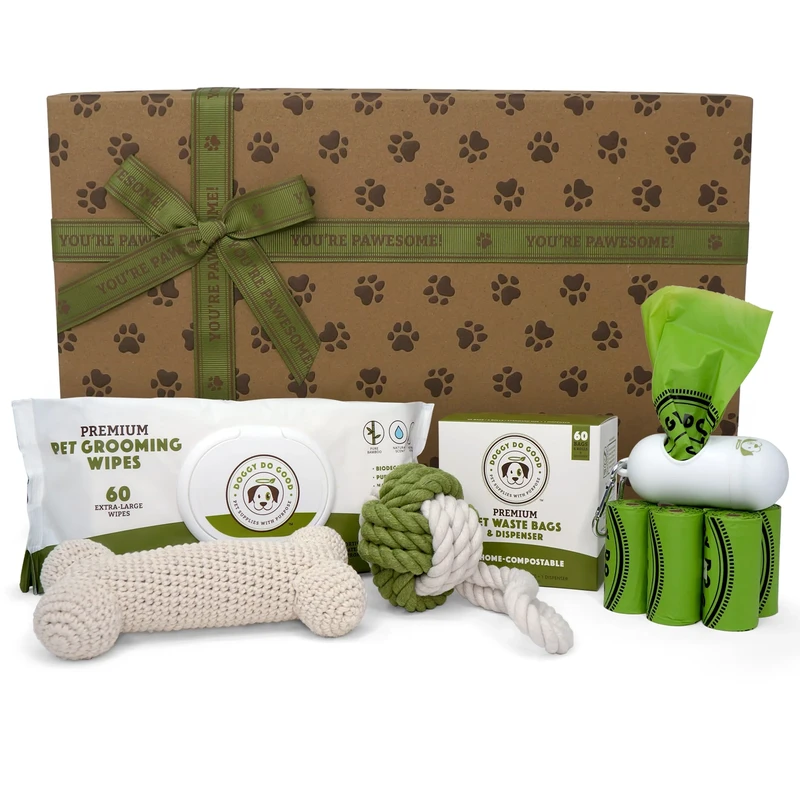
PawVerde.com – An eco-friendly pet shop focuses on providing sustainable, non-toxic, and ethically sourced supplies—ranging from biodegradable waste bags and bamboo accessories to insect-based proteins—to reduce a pet’s environmental footprint while ensuring animal safety through certified, green-labeled products.
The idea that going green isn’t just for people is a sentiment shared by the Best Friends Animal Society.
How to Spot Greenwashing in Pet Products
To detect greenwashing, look for specific certifications rather than vague terms like ‘eco-friendly’ or ‘natural.’ Avoid brands that fail to clarify if ‘compostable’ items require industrial facilities. Genuine sustainability is backed by proof, such as recycled material percentages or third-party environmental audits, rather than just marketing claims.
The ‘Vague Term’ Red Flags
Misleading claims undermine trust in genuine environmental initiatives and deter progress, as noted by Danguole Oželienė of Vilnius University. Many retailers use the term “eco-friendly” as a broad label without providing any underlying data or third-party verification to support the assertion. This lack of transparency makes it difficult for consumers to distinguish between a brand that has invested in sustainable supply chains and one that is simply using marketing buzzwords.
When evaluating a product, check for these specific indicators of potential greenwashing:
- The use of “natural” or “green” without defining specific ingredient standards.
- Claims of being “eco-friendly” that lack a percentage of recycled or organic content.
- Vague environmental promises that do not mention specific manufacturing or sourcing improvements.
The Compostability Trap
A common failure mode in sustainable pet shopping is the assumption that all “compostable” products can be disposed of in a backyard bin. The term “compostable” often lacks clarity regarding industrial requirements. Many items labeled as compostable actually require the high-heat, controlled environments of industrial composting facilities to break down effectively. If a biodegradable waste bag is tossed into a standard landfill, it may fail to decompose as intended, contributing to the very environmental issues it claims to solve.
The Lifecycle Audit: Beyond the Purchase
Sustainability extends far beyond the moment a transaction is completed at a retail checkout. A true lifecycle audit considers the entire existence of a product, from the extraction of raw materials to its eventual disposal or reuse.
Circular Economy Models
Modern sustainable brands are increasingly adopting circular economy models to prevent products from entering landfills. Instead of a linear “take-make-waste” approach, these companies design systems where materials are continuously cycled back into production. Awoo Pets utilizes this strategy through its rePAWpose program, which allows for the circulation of goods. This program provides an exchange value of $5 for pre-loved Awoo items, encouraging owners to pass on functional gear rather than discarding it.
End-of-Life Disposal Strategies
Understanding how a product leaves your home is critical for reducing a pet’s environmental impact. Retailers are now focusing on packaging and material recovery to close the loop. For example, Nina Woof utilizes 100% recyclable packaging for its products. This ensures that once the consumer has used the accessory, the outer casing can be processed through standard recycling streams rather than becoming permanent waste.
| Brand Name | Core Eco-Focus | Key Sustainability Stat |
|---|---|---|
| Nina Woof | Vegan & Recycled Materials | 50% minimum recycled materials |
| Awoo Pets | Circular Economy | $5 exchange via rePAWpose |
| The Green Pet Shop | Sustainable Gear | Founded in 2010 |
| Wild One | Social Impact | Supports animal rescues |
The table above highlights how different brands prioritize various aspects of the sustainability spectrum, from material composition to circularity programs.
Top Eco-Friendly Pet Brands and Retailers
Leading sustainable pet retailers include The Green Pet Shop (founded 2010), Organic Pet Boutique (since 2009), and Nina Woof, which uses at least 50% recycled materials. Other notable brands include Awoo Pets, known for its rePAWpose program, and Wild One, which supports animal rescues.
Choosing a retailer often depends on whether you are seeking specialized organic goods or general sustainable gear. Organic Pet Boutique has been providing curated organic and eco-friendly products since 2009, catering to owners who prioritize ingredient purity. For those looking for specialized gear, The Green Pet Shop, established in 2010, offers a variety of items including the Cool Pet Pad, which carries a 4.85/5.0 review rating and provides cooling effects for up to 3 hours after a 15-minute recharge.
For budget-conscious shoppers, some sustainable options offer competitive pricing. FunnyFuzzy manufactures toys starting at $8 and human-grade dog beds for up to $484. Similarly, Cycle Dog offers toys starting at $8, with a free shipping threshold of $50. Specialized retailers like Sustainable Pet Supply Co also provide incentives, such as a 10% discount on first orders, to make the transition to green products more accessible.
Sustainable Nutrition: The Rise of Alternative Proteins
Dietary choices significantly influence the environmental footprint of pet ownership. Many owners are looking for ways to mitigate the impact of traditional livestock farming.
Insect-based vs. Traditional Protein
Insect-based foods are emerging as nutritious options with minimal environmental impact. Unlike traditional meat production, which involves high methane emissions and massive resource consumption, insect protein can be produced in a highly controlled, efficient manner. This shift represents a significant opportunity to reduce the carbon footprint of pet diets without sacrificing nutritional density.
The Carbon Footprint of Pet Diets
While many owners focus on organic ingredients, the method of protein sourcing is often more impactful for the planet. Moving toward alternative proteins or highly efficient ingredient streams can mitigate the environmental strain caused by mass-scale livestock farming. However, practitioners suggest that any significant change to a pet’s diet should be managed carefully to maintain nutritional balance.
Avoiding Toxic Chemicals in Pet Care
Sustainability is not solely about carbon footprints; it is also about the chemical safety of the products entering your home and touching your pet’s skin.
WARNING: Many conventional grooming products contain toxic and potentially harmful chemicals, such as parabens, phthalates, and petroleum. These substances can have unwanted side effects and may contribute to various health issues in pets.
Beyond grooming, even common household items like cat litter require scrutiny. Eco-friendly cat litters should not contain clay or sodium bentonite. According to the Best Friends Animal Society, these traditional ingredients can be harmful and potentially sicken or poison pets. Instead, look for litter alternatives that avoid these heavy minerals to ensure a safer environment for your cat.
FAQ
Is bamboo safe for pet consumption?
Bamboo is recognized as a highly sustainable resource that helps combat climate change by reducing deforestation. When used in pet gear, such as bowls or accessories, it serves as a durable and eco-friendly alternative to plastic, provided the manufacturer ensures the product is free from toxic additives.
What are the risks of conventional cat litter?
Conventional cat litters often contain clay or sodium bentonite. These ingredients are considered harmful because they can potentially sicken or poison pets. Opting for eco-friendly alternatives avoids these specific mineral risks while reducing the environmental impact of mining.
How can I reduce my pet’s carbon paw print?
You can reduce your pet’s environmental impact by adopting from shelters, which reduces demand for resource-heavy mass breeding. Additionally, using biodegradable waste bags, choosing insect-based proteins, and selecting products made from recycled materials are effective ways to lower your pet’s footprint.