
Sustainable Pet Product Lifecycle: Circular Economy Guide
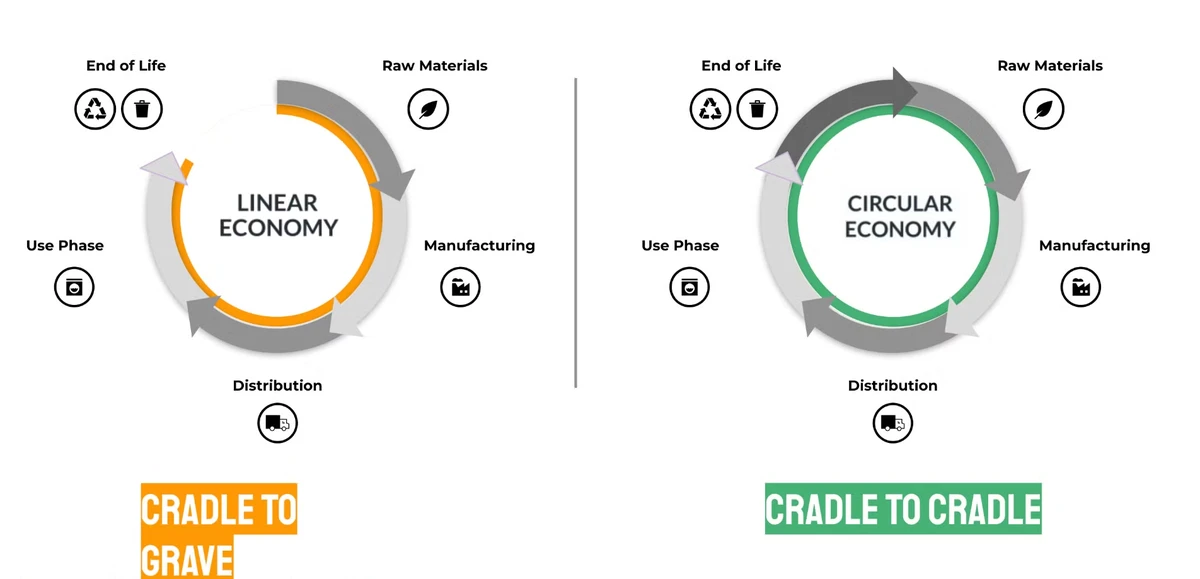
PawVerde.com – A sustainable pet product lifecycle shifts from a ‘take-make-waste’ model to a circular economy where materials like PET are continuously repurposed. This approach minimizes environmental harm by prioritizing product durability, mono-material construction, and closed-loop recycling systems to reduce the 300 million pounds of plastic waste generated annually by the U.S. pet food industry.
The environmental impact is immense. In the U.S., 91% of the 300 million pounds of plastic waste generated annually by the pet food industry ends up in nature, oceans, or disposal areas.
The Sustainability Paradox: Durability vs. Biodegradability
The sustainability paradox in pet products involves balancing a toy’s durability for heavy chewers against its end-of-life biodegradability. While biodegradable materials reduce landfill waste, they may lack the toughness required to prevent microplastic shedding, whereas durable recycled plastics like PET offer longevity but require robust recycling infrastructure to remain truly circular.
Sustainability rewards durability. According to ecofurball.com, if a product breaks easily, it fails the test of what makes a pet product sustainable, regardless of how green it appears. This creates a counterintuitive reality where a “less eco-friendly” material like high-density plastic may actually be more sustainable than a biodegradable alternative if the latter requires replacement every few weeks.
The Carbon Cost of Frequent Replacement
A common failure mode in sustainable pet ownership is the assumption that “natural” always equals “better.” However, the Pet Sustainability Coalition notes that what makes a pet product sustainable is its ability to minimise environmental harm across its entire lifecycle. If a consumer replaces a soft, biodegradable toy every month due to rapid wear, the cumulative carbon footprint of manufacturing, shipping, and disposing of those items often exceeds the footprint of a single, long-lasting recycled plastic toy.
Sustainable products can cost more upfront, but according to ecofurball.com, they often last longer and save money over time. This longevity is a critical component of reducing the total volume of waste entering the ecosystem.
The Microplastic Dilemma in Biodegradable Toys
A hidden risk exists when materials marketed as biodegradable lack the structural integrity to withstand heavy chewing. If these materials fragment, they can lead to the ingestion of microplastics by pets or the leakage of synthetic residues into the soil, complicating the lifecycle benefits they were intended to provide.
Material Safety vs. Circularity: A Decision Matrix
Choosing the right material requires weighing environmental cultivation costs against physical safety. As reported by growthmarketreports.com, the pet toys segment is experiencing rapid growth, driven by consumer concerns over plastic waste and chemical leaching from conventional toys.
| Material | Energy Intensity | Primary Circular Benefit | Main Sustainability Trade-off |
|---|---|---|---|
| PET (Recycled) | Low (70% reduction) | Closed-loop recycling | Requires specific recycling streams |
| Aluminum | High | Infinite recyclability | High initial energy cost |
| Glass | Very High | Non-toxic/Inert | Heavy weight/High breakage risk |
| Hemp | Low | Low water/High durability | Limited material versatility |
| Cotton | Medium | Biodegradable | High water use/Lower durability |
Deciding between fibers requires looking at resource use. While cotton is widely available, hemp often presents a more sustainable profile in terms of resource consumption and long-term toughness.
The PET Advantage in Circular Packaging
PET is a cornerstone of the circular economy because recycling it uses up to 70% less energy than producing virgin PET. Furthermore, recycling PET can save 6 tons of oil resources for every 1 ton processed, making it more environmentally efficient than glass, aluminum, or carton alternatives in many lifecycle assessments.
Husky Injection Molding Systems reports that PET produces lower greenhouse gas emissions, consumes less energy, and generates less waste compared to commonly used alternatives. These efficiency metrics are significant:
- The recycling of PET bottles helps divert 138 million bags of trash from landfills in the United States.
- PET-related water savings account for 4.4 billion litres annually in the U.S.
- These water savings are equivalent to the reduction in emissions from 688,000 gas-powered cars.
Closed-loop ‘bottle-to-bottle’ mechanics
A true circular economy relies on closed-loop “bottle-to-bottle” recycling. This process, as detailed by Aceretech, involves transforming used PET bottles into new, food-grade bottles through a systematic cycle of shredding, washing, and pelletizing. This ensures that the material does not degrade in quality but remains a high-value resource within the supply chain.
Solid State Polymerization (SSP) for food-grade safety
To maintain safety standards, particularly for pet food packaging, manufacturers utilize Solid State Polymerization (SSP). This technical process is essential to ensure that recycled PET (rPET) meets strict standards for food-grade use, stripping away impurities and restoring the polymer’s molecular weight so it is safe for contact with nutrition products.
Closing the Loop: Technical Strategies for Manufacturers
For manufacturers to move beyond simple recycling and toward a truly circular model, specific design choices must be implemented at the production stage. One of the most effective methods is mono-material construction, which uses a single polymer type throughout the entire package. As noted by plastekgroup.com, mono-material designs simplify the recycling process and increase the likelihood that local recycling facilities will accept the packaging.
Effective technical strategies include:
- Implementing Mono-Material Construction to avoid the complexities of separating multi-layer plastics.
- Adopting Closed-loop ‘bottle-to-bottle’ systems to keep high-quality PET in the production cycle.
- Designing for disassembly in durable goods like pet beds or crates.
A significant failure mode in manufacturing occurs when companies use multi-material laminates (such as plastic bonded to foil). While these may provide excellent moisture barriers for pet food, they are notoriously difficult to recycle and often end up in landfills, breaking the circular loop.
Market Dynamics and the Rise of the Eco-Conscious Pet Owner
The economic landscape is shifting rapidly to accommodate these sustainable practices. In 2024, the sustainable pet products market value reached USD 35,045 million. This sector is projected to grow at a CAGR of 7.4% during its forecast period, according to credenceresearch.com.
This growth is fueled by a massive influx of new consumers. Data from dataintelo.com indicates that 3.4 million new pet-owning households were formed across North America and Western Europe in 2024. As these new owners enter the market, there is an increasing demand for products that align with environmental values, driving investment in both compliance and innovation.
Avoiding the Greenwashing Trap
As sustainability becomes a primary marketing driver, the risk of “greenwashing” increases. Consumers must remain vigilant against products that use misleading environmental claims. According to ecofurball.com, sustainability marketing spin is a major pitfall when companies fail to provide verifiable data to back up their “eco-friendly” labels.
Systemic risks include non-compliance with global legislative efforts and a lack of source-level traceability to the waste-picker level.
To accurately judge a product, consumers can look toward Life Cycle Assessments (LCA). As noted by Uekert et al 2022, no LCA is perfect the first time, as reviewing results may require shifting the scope to fully capture all important environmental impacts.
FAQ
How can I ensure my pet’s recycled plastic toys don’t contaminate the recycling stream?
Focus on cleaning food residue and saliva from hard plastics like bowls or heavy-duty toys before disposal to prevent batch contamination. Ensuring materials are free of organic matter helps maintain the integrity of the recycling process.
What is the benefit of mono-material packaging for pet food?
Mono-material construction uses a single polymer type, which simplifies the recycling process and increases the likelihood that local facilities will accept the packaging. This reduces the chance of the material being diverted to a landfill.
Is it better to buy durable plastic or biodegradable pet products?
Durability prevents frequent replacement and waste. For items that cannot be easily recovered, biodegradability is an option, provided the material does not fragment into microplastics.

Sustainable Pet Travel: 4 Pillars for Zero-Waste Trips
PawVerde.com – To build a sustainable pet travel system, you must integrate four pillars: low-impact transportation (trains or EVs), circular gear (recycled plastic crates and reusable bowls), waste management (composting or certified compostable bags), and eco-conscious nutrition. This holistic approach minimizes the 300 million pounds of plastic waste generated annually by pet products.
Pet food and treat packaging accounts for a staggering 99% of landfill waste each year. Transitioning to a sustainable system requires moving away from single-use plastics and high-emission logistics toward circular economy principles.
Evaluate every piece of equipment you intend to bring on your next trip. A common failure mode occurs when owners purchase “eco-friendly” gear that lacks durability, leading to frequent replacements that negate any initial carbon savings. Check for the following:
- Material Origin: Does the crate or carrier utilize recycled content, such as the 90% recycled plastic found in Petmate crates?
- End-of-Life Plan: Can the product be returned to the manufacturer? For example, West Paw allows users to send finished toys back to be sanitized, ground up, and recreated.
- Weight-to-Durability Ratio: Heavier gear increases fuel consumption during transit, but flimsy gear breaks easily.
Audit your waste management and feeding habits. While rePurpose Global has recovered 2,000 tons of plastic—equivalent to 111 million plastic bottles—the industry still struggles with packaging. A counterintuitive reality is that “biodegradable” labels on poop bags can be misleading; if these bags end up in a landfill, they lack the oxygen required to degrade properly. Green America notes that these labels often serve marketing purposes rather than environmental ones. Evaluate your nutrition by checking if your pet’s food relies on high-emission meat sources, as meat consumption accounts for 60% of food system greenhouse gas emissions.
Reduce your environmental footprint by selecting gear tailored to your destination. Instead of generic supplies, use collapsible silicone bowls to replace single-use plastic containers during transit.
The following table compares essential gear categories to help you build a kit that balances sustainability with practical utility.
| Trip Type | Primary Gear Focus | Sustainability Priority | Example Item |
|---|---|---|---|
| Weekend Camper | Durability & Weight | Circular materials | West Paw recycled toys |
| International Flyer | Compliance & Safety | Recycled plastic crates | Petmate 90% recycled crates |
| Urban Explorer | Portability | Zero-waste waste management | Reusable silicone bowls |
Select gear that aligns with the specific environmental demands of your travel setting.
For short trips, prioritize circularity. Instead of purchasing cheap, disposable toys that end up in the trash, invest in B Corp certified products. West Paw provides toys designed for a circular lifecycle. Pack reusable water bottles and collapsible bowls to eliminate the need for plastic water bottles, which can be heavy and wasteful.
Long-distance travel requires sturdier solutions. Use crates manufactured from high percentages of recycled content, such as the 90% recycled plastic used by Petmate. When selecting food for long flights, avoid individual single-use snack pouches. Instead, use airtight, reusable containers to portion out food from larger, more sustainable bulk packaging to minimize the 99% landfill rate reported by the Pet Sustainability Coalition.
Reducing your pet’s carbon footprint requires evaluating transit methods. According to ecofurball.com, trains and buses are far more energy efficient than driving alone.
If driving is unavoidable, consider the vehicle type. Electric vehicles (EVs) or hybrids offer a lower carbon footprint than traditional internal combustion engines. However, you must also consider the logistics of the route. Inefficient, winding routes or frequent idling in traffic can increase emissions more than a direct, planned path. Even the choice of hydration containers matters; a 360 mL PET bottle generates 41% fewer greenhouse gas emissions than a comparable glass bottle, making lightweight PET a more efficient choice for transit-heavy trips.
Shortcut: To find pet-friendly transit, check the “Accessibility” or “Pet Policy” section on most regional rail websites before booking.
To set up a pet waste composting system, drill holes in a small lidded garbage can and bury it with the lid exposed. Add pet waste, a packet of non-toxic enzymatic septic starter, and one liter of water monthly to reduce waste volume by 50%.
Sustainable waste management is critical when away from home. While you cannot use a backyard bin while traveling, you can use these steps at your home base to manage waste between trips:
- Prepare the Container: Use a small, lidded garbage can. Drill several drainage holes in the bottom and sides to allow for aeration.
- Bury the System: Dig a hole in a dedicated area of your yard and bury the can with the lid partially exposed. This facilitates the aerobic breakdown process.
- Maintain Moisture and Biology: Add one liter of water and a packet of non-toxic enzymatic septic starter every month. This helps the process along and manages odors.
- Monitor Volume: Following the instructions provided by Canada’s Office of Urban Agriculture and Green America, this method can reduce the total volume of pet waste by at least 50%.
WARNING: Improperly managed pet waste can lead to nutrient imbalances in local ecosystems. Excess nitrogen and phosphorus from waste can cause algae blooms that cloud rivers, lakes, and streams, as documented by Modern Hippie Habits.
The United States Department of Agriculture provides data supporting the efficacy of controlled composting to mitigate these environmental risks.
Greenwashing remains a significant hurdle for eco-conscious consumers. Earth.org has noted that brands often attempt to capitalize on sustainability trends without addressing the 300 million pounds of plastic waste generated by pet products in North America.
Identify these specific indicators to distinguish real impact from marketing:
- “Biodegradable” vs. “Compostable”: As noted by Green America, “biodegradable” is a broad term that can be misleading. A product that is biodegradable but requires industrial composting facilities will still end up as waste in a standard landfill.
- Material Percentages: Look for specific numbers. A product claiming to be “made with recycled plastic” is less transparent than a product like Petmate crates, which explicitly states they use 90% recycled plastic.
- Certification Marks: Seek out third-party validations, such as B Corp certification, which requires companies to meet high standards of social and environmental performance.
Greenwashing in the pet industry is a growing concern, as brands attempt to capitalize on the trend toward sustainability without addressing the 300 million pounds of plastic waste generated by pet products in North America.
CRITICAL FAILURE: Do not rely on biodegradable poop bags if you are traveling to areas where waste is collected in airtight landfills. Without oxygen, these bags will not degrade aerobically and may instead decompose slowly and odoriferously.
Systems can fail due to material limitations or improper maintenance. For example, Green America warns that biodegradable labels can be misleading if the product ends up in a landfill. Furthermore, if a composting system is not maintained correctly, it can lead to nutrient imbalances that harm the surrounding environment.
To mitigate these risks, always carry a “Plan B” that remains low-impact. This might include a small supply of highly durable, reusable silicone bags or a backup set of high-quality recycled plastic gear. Reliability is essential for both the pet’s safety and the owner’s peace of mind.
Are biodegradable poop bags actually sustainable?
It depends on the disposal method. If biodegradable bags end up in a landfill without oxygen, they won’t degrade properly and can cause odor and slow decomposition. They are most effective when processed in industrial composting facilities that provide the necessary aerobic conditions.
How much can composting pet waste actually reduce?
Using a dedicated, separate composting system can reduce the volume of your pet’s waste by at least 50%. Furthermore, a properly managed system can help kill off most of the pathogens found in the waste, making it a more manageable byproduct.
What is the most eco-friendly way to transport my pet?
In many regions, utilizing public transportation such as trains or buses is the most sustainable choice. These methods are significantly more energy efficient than driving a single vehicle alone, helping to reduce your overall carbon pawprint during travel.
Top Eco-Friendly Pet Products for DIY Projects in 2026
PawVerde.com – Eco-friendly pet products in 2026 have evolved significantly, reflecting growing consumer demand for sustainability and environmental responsibility in pet care. Biodegradable waste bags, recycled material toys, and sustainable grooming supplies now dominate the market, supported by certifications such as GOTS, FSC, and OEKO-TEX that guarantee eco-conscious manufacturing practices. Leading brands like Spunky Pup, Earth Rated, Blue Toby, PAWTY, Be More Bob, and Weruva have integrated circular economy principles, emphasizing product life cycles that minimize waste and environmental impact. This shift aligns with the priorities of eco-conscious pet owners who seek durable, non-toxic, and environmentally safer options for their pets.
Biodegradable pet waste bags have become a cornerstone of sustainable pet ownership, offering an effective solution to reduce plastic pollution. Unlike conventional plastic bags that persist in landfills for centuries, biodegradable bags decompose within months under proper conditions, often certified to meet ASTM D6400 or EN 13432 standards. For instance, Earth Rated’s biodegradable waste bags utilize plant-based materials that break down efficiently while maintaining strength during use. These bags often feature certifications from organizations verifying their compostability and environmental safety, providing transparency and building trust with consumers. Transitioning to such bags reduces landfill waste and mitigates the harmful effects of plastic micro-particles on ecosystems frequented by pets.
sustainable pet toys have witnessed remarkable innovation, combining recycled plastics, organic cotton, natural rubber, and plant-based dyes to create products that are both pet-safe and eco-friendly. Spunky Pup’s Clean Earth Collection exemplifies this trend by using post-consumer recycled plastics in durable dog toys, while PAWTY’s Avocado Plush Toy incorporates organic cotton and natural dyes, appealing to pet owners who prioritize toxin-free materials. Additionally, brands like Be More Bob have introduced toys made from ocean plastics, supporting marine conservation efforts by repurposing collected waste into functional pet products. The durability of these materials ensures longevity, reducing the frequency of replacement and overall environmental footprint. The use of upcycled textiles and natural rubber also enhances biodegradability, contributing further to zero waste pet care.
Eco-friendly grooming supplies have progressed beyond basic natural ingredients to include products certified free from harmful chemicals such as sulfates, parabens, and synthetic fragrances. Brands like Weruva and Blue Toby offer shampoos, conditioners, and grooming sprays formulated with organic cottonseed oil, hemp extracts, and plant-based surfactants. Packaging innovations include recyclable aluminum bottles and refillable containers that reduce plastic consumption. Certifications including OEKO-TEX Standard 100 and GOTS ensure the absence of toxic residues, promoting safer grooming for pets with sensitive skin while mitigating environmental contamination from conventional grooming chemicals. These products align with zero waste principles by emphasizing biodegradable formulations and sustainable sourcing.
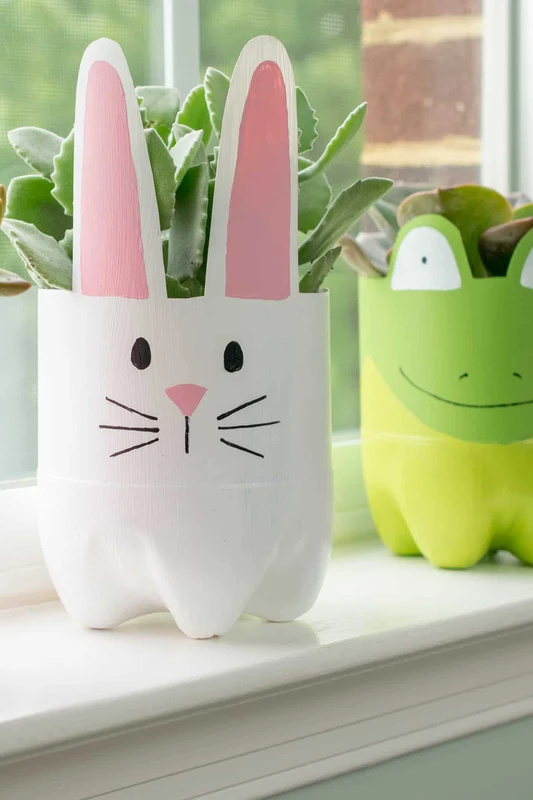
DIY eco-friendly pet projects have surged in popularity, driven by pet owners’ desire to reduce costs and waste while engaging creatively with sustainable practices. Simple projects such as braided t-shirt ropes, cardboard box mazes, and wool pom-poms utilize recycled household materials, diverting waste from landfills and avoiding new resource consumption. For example, upcycling old cotton t-shirts into durable tug toys offers a zero waste alternative with the added benefit of customization. Cardboard maze toys stimulate pet mental health and are fully recyclable after use. Wool scraps fashioned into pom-poms provide natural texture and biodegradability. These DIY approaches support circular economy concepts by extending material lifecycles and promoting responsible pet care.
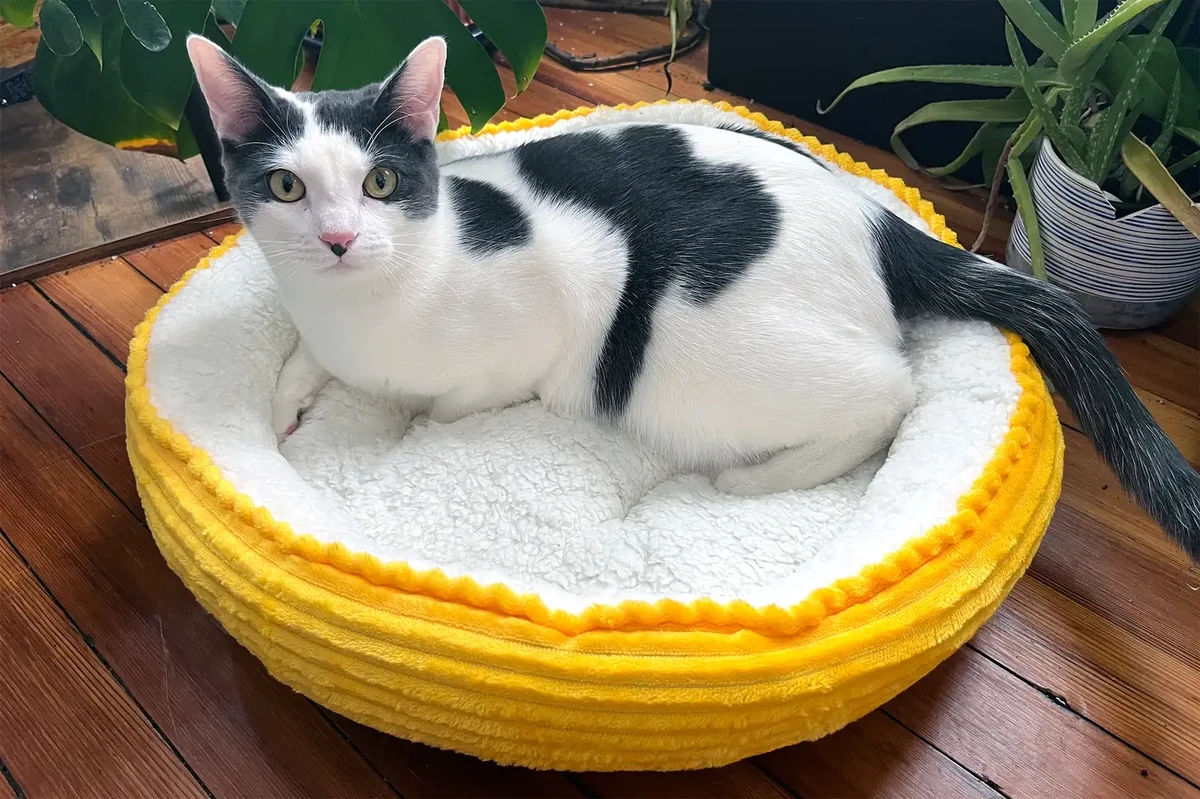
Sustainable pet accessories and bedding increasingly incorporate organic cotton, hemp, and recycled textiles to provide environmentally responsible comfort and functionality. Blue Toby’s dog beds, for instance, are crafted using recycled polyester fibers combined with organic cotton covers, supporting both waste reduction and renewable agriculture. Hemp’s natural durability and low water usage make it a preferred material for collars and leashes, while recycled textiles reduce reliance on virgin fibers. Circular economy initiatives from these brands include take-back programs where worn products are refurbished or recycled, minimizing landfill contributions. Such approaches demonstrate scalable models for sustainability in pet accessories, combining quality with ecological responsibility.
Certifications play a crucial role in validating eco-friendly claims and guiding consumers toward genuinely sustainable products. The Global Organic Textile Standard (GOTS) ensures organic fiber content along with environmentally and socially responsible manufacturing conditions. The Forest Stewardship Council (FSC) certifies sustainable sourcing of wood-based materials such as cardboard packaging. OEKO-TEX Standard 100 verifies the absence of harmful substances in textiles, including pet bedding and toys. Transparency in sourcing and manufacturing is increasingly demanded by consumers, with brands disclosing supply chain audits and environmental impact assessments. These certifications help differentiate authentic sustainable products from greenwashing, fostering trust and accountability.
The environmental and pet health impacts of eco-friendly pet products are multi-faceted. By adopting biodegradable waste bags, pet owners significantly reduce plastic accumulation in landfills and waterways, curbing microplastic contamination that affects wildlife and aquatic ecosystems. Sustainable toys made from recycled plastics and organic fibers prevent the extraction of virgin fossil fuels and reduce carbon emissions associated with production. Grooming products free from synthetic chemicals protect sensitive pet skin and reduce the introduction of harmful substances into water systems through runoff. Moreover, embracing circular economy principles extends product lifespans and promotes resource efficiency, aligning pet care with broader environmental goals. These benefits underscore the interconnectedness of pet health, owner responsibility, and planetary well-being.
Biodegradable Pet Waste Bags: Reducing Plastic Pollution
biodegradable pet waste bags represent a significant advance in mitigating the environmental damage caused by traditional plastic bags. Conventional plastic waste bags, often made from polyethylene, can take up to 500 years to decompose, fragmenting into microplastics that contaminate soil and water. In contrast, biodegradable bags are engineered to break down rapidly under composting conditions, typically within 6 to 12 months. Brands such as Earth Rated offer certified compostable bags made from plant-based materials like cornstarch and vegetable oils, meeting rigorous standards such as ASTM D6400. These bags retain strength and leak resistance comparable to plastic, addressing common usability concerns while ensuring environmental safety.
Certification bodies play a pivotal role in verifying the biodegradability and compostability of these products. ASTM International and European Norm EN 13432 define testing protocols that measure biodegradation rates, disintegration, and ecotoxicity. Certified products often display logos indicating compliance, providing consumers with confidence in environmental claims. Additionally, some manufacturers incorporate carbon offset programs to counterbalance greenhouse gas emissions from production and distribution. This holistic approach enhances the environmental credibility of biodegradable waste bags and encourages their adoption by eco-conscious pet owners seeking to minimize their ecological footprint.
Sustainable Pet Toys: Materials and Innovations
Sustainable pet toys utilize a variety of eco-friendly materials that balance durability, safety, and environmental impact. Recycled plastics, often sourced from post-consumer bottles, undergo processes that remove contaminants and reconstitute fibers suitable for toy manufacturing. Spunky Pup’s Clean Earth Collection exemplifies this approach by creating chew toys that withstand aggressive use while reducing plastic waste. Organic cotton and natural rubber are favored for their biodegradability and non-toxic properties, making them suitable for pets with sensitive mouths and skin. PAWTY’s Avocado Plush Toy incorporates these materials alongside plant-based dyes to avoid synthetic chemicals.
Innovations extend to the use of ocean plastics collected through environmental programs, which brands like Be More Bob transform into pet toys. This initiative not only diverts marine debris but also raises awareness about ocean pollution. Upcycled textiles, including denim and cotton scraps, are repurposed into tug toys and puzzle feeders, supporting zero waste principles. The durability of these materials is critical, as longer-lasting toys reduce consumption frequency and landfill contributions. Testing for pet safety includes assessments of chew resistance, non-toxicity, and allergenic potential, ensuring products meet both environmental and animal welfare standards.
Eco-Friendly Grooming Supplies: Natural Ingredients and Packaging
Eco-friendly grooming products emphasize formulations free from sulfates, parabens, synthetic fragrances, and other potentially harmful chemicals. These substances can irritate pet skin, disrupt microbiomes, and introduce pollutants into aquatic environments through rinse-off. Brands such as Weruva and Blue Toby have developed shampoos and conditioners using natural surfactants derived from coconut and corn, enriched with organic plant extracts like aloe vera and chamomile for soothing effects. Hemp seed oil contributes moisturizing properties, supporting healthy skin and coat.
Sustainable packaging innovations complement these formulations by reducing plastic waste. Refillable aluminum bottles and biodegradable containers made from sugarcane fiber or bamboo pulp are increasingly utilized. Some brands implement subscription refill services that encourage reuse and minimize single-use packaging. Certification under OEKO-TEX ensures these products meet stringent safety criteria, providing transparency about ingredient sourcing and manufacturing processes. This integration of green chemistry and packaging advances represents a comprehensive strategy to reduce environmental impact in pet grooming.
DIY Eco-Friendly Pet Projects: Practical Sustainability at Home
DIY pet projects offer eco-conscious owners an accessible means to engage in sustainable pet care while reducing waste and costs. Repurposing old t-shirts into braided tug toys creates durable, washable, and zero waste playthings that extend textile lifecycles. Cardboard boxes transformed into interactive mazes stimulate canine cognitive function and can be recycled after use, minimizing landfill contributions. Wool scrap pom-poms provide natural texture and biodegradability, avoiding synthetic alternatives.
Engaging in these projects supports circular economy concepts by diverting materials from disposal and fostering creativity in resource reuse. Furthermore, DIY activities enhance owner-pet bonding and offer customizable options tailored to pet preferences and needs. Practical insights from eco-conscious pet owners highlight the importance of selecting non-toxic materials and ensuring structural safety to prevent choking hazards. These projects demonstrate how sustainability can be integrated into everyday pet care beyond commercial products.
Sustainable Pet Accessories and Bedding: Circular Economy in Action
Sustainable pet accessories and bedding increasingly incorporate renewable and recycled materials to reduce environmental footprints. Blue Toby’s dog beds utilize recycled polyester fibers sourced from plastic bottles combined with organic cotton covers grown without synthetic pesticides or fertilizers. Hemp, known for its durability and minimal water requirements, is used in collars, leashes, and harnesses, offering strong and biodegradable alternatives to synthetic textiles.
Circular economy initiatives in this sector include take-back and refurbishment programs that extend product lifespans and reduce waste. Some brands offer repair services or repurpose worn accessories into new products, closing material loops. These practices demonstrate scalable sustainability models that align with consumer demand for transparency and responsibility. The integration of upcycled materials and renewable fibers ensures that pet comfort does not come at the expense of environmental health.
Certifications: Validating Genuine Eco-Friendly Claims
Certifications are essential tools for distinguishing authentic eco-friendly pet products from those engaging in greenwashing. The Global Organic Textile Standard (GOTS) certifies organic fiber content alongside strict environmental and social criteria throughout textile processing, ensuring products like pet bedding and toys meet high sustainability standards. The Forest Stewardship Council (FSC) verifies that wood-derived packaging materials originate from responsibly managed forests, reducing deforestation impacts.
OEKO-TEX Standard 100 focuses on chemical safety in textiles, certifying products free from harmful substances that could affect pet health. These certifications require rigorous third-party audits and transparency in supply chains, promoting accountability among manufacturers. Brands that openly disclose certification details and environmental impact data foster greater consumer trust. Awareness of these standards empowers pet owners to make informed purchasing decisions that align with their sustainability values.
Environmental and Pet Health Impacts of Sustainable Pet Products
The adoption of eco-friendly pet products leads to measurable reductions in landfill waste, plastic pollution, and chemical contamination. Biodegradable waste bags can reduce plastic bag waste by millions of pounds annually when widely adopted. Toys made from recycled plastics and organic fibers decrease reliance on virgin fossil fuels and diminish greenhouse gas emissions associated with production. Grooming products free from sulfates and parabens improve pet skin health and reduce the release of harmful substances into waterways, protecting aquatic life.
Moreover, sustainable pet products promote safer environments within households by minimizing exposure to synthetic chemicals, which can cause allergies or long-term health issues in pets. Embracing circular economy principles extends product lifespans and encourages recycling, further reducing environmental burdens. These benefits highlight the synergy between pet well-being and ecological stewardship, supporting a future where pet care products contribute positively to planetary health.
FAQ

What materials are best for eco-friendly pet toys?
eco-friendly pet toys commonly use recycled plastics, organic cotton, natural rubber, and plant-based dyes. These materials provide durability, non-toxicity, and biodegradability, making them safe for pets and environmentally sustainable. Brands like Spunky Pup and PAWTY lead in using these materials.
Are biodegradable pet waste bags truly compostable?
Certified biodegradable pet waste bags meeting ASTM D6400 or EN 13432 standards are designed to break down in commercial composting environments within 6 to 12 months. However, they require proper disposal conditions to compost effectively and should not be discarded in regular landfill waste.
How do eco-friendly grooming products benefit pets?
Eco-friendly grooming products avoid harmful chemicals such as sulfates, parabens, and synthetic fragrances, reducing the risk of skin irritation and allergies. Natural ingredients like hemp oil and organic extracts promote healthier skin and coat while minimizing environmental pollution from rinse-off chemicals.
Can I make effective DIY pet toys using recycled materials?
Yes, DIY pet toys made from braided t-shirts, cardboard, and wool scraps offer durable, safe, and zero waste alternatives to commercial products. These projects support sustainability by repurposing household waste and can be customized to pet preferences.
What certifications should I look for to verify sustainable pet products?
Look for certifications such as GOTS for organic textiles, FSC for responsibly sourced packaging materials, and OEKO-TEX for chemical safety in textiles. These certifications indicate compliance with rigorous environmental and social standards.
The expansion of eco-friendly pet products in 2026 reflects an industry-wide commitment to sustainability, animal welfare, and environmental stewardship. Pet owners can now choose from a diverse range of biodegradable waste bags, recycled and organic pet toys, natural grooming supplies, and sustainable accessories that align with circular economy principles. By embracing certified products and engaging in DIY projects, consumers contribute to reducing pollution, conserving resources, and promoting healthier environments for pets and people alike. Looking ahead, continued innovation and transparent manufacturing practices will further solidify the role of sustainable pet care in global ecological resilience.