
Sustainable Pet Product Lifecycle: Circular Economy Guide
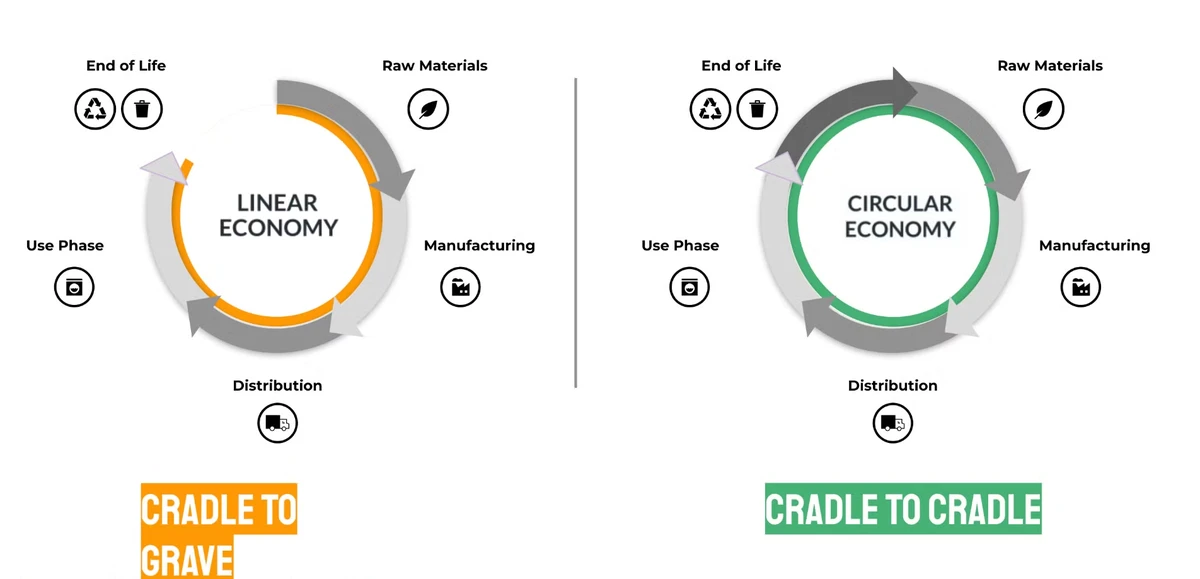
PawVerde.com – A sustainable pet product lifecycle shifts from a ‘take-make-waste’ model to a circular economy where materials like PET are continuously repurposed. This approach minimizes environmental harm by prioritizing product durability, mono-material construction, and closed-loop recycling systems to reduce the 300 million pounds of plastic waste generated annually by the U.S. pet food industry.
The environmental impact is immense. In the U.S., 91% of the 300 million pounds of plastic waste generated annually by the pet food industry ends up in nature, oceans, or disposal areas.
The Sustainability Paradox: Durability vs. Biodegradability
The sustainability paradox in pet products involves balancing a toy’s durability for heavy chewers against its end-of-life biodegradability. While biodegradable materials reduce landfill waste, they may lack the toughness required to prevent microplastic shedding, whereas durable recycled plastics like PET offer longevity but require robust recycling infrastructure to remain truly circular.
Sustainability rewards durability. According to ecofurball.com, if a product breaks easily, it fails the test of what makes a pet product sustainable, regardless of how green it appears. This creates a counterintuitive reality where a “less eco-friendly” material like high-density plastic may actually be more sustainable than a biodegradable alternative if the latter requires replacement every few weeks.
The Carbon Cost of Frequent Replacement
A common failure mode in sustainable pet ownership is the assumption that “natural” always equals “better.” However, the Pet Sustainability Coalition notes that what makes a pet product sustainable is its ability to minimise environmental harm across its entire lifecycle. If a consumer replaces a soft, biodegradable toy every month due to rapid wear, the cumulative carbon footprint of manufacturing, shipping, and disposing of those items often exceeds the footprint of a single, long-lasting recycled plastic toy.
Sustainable products can cost more upfront, but according to ecofurball.com, they often last longer and save money over time. This longevity is a critical component of reducing the total volume of waste entering the ecosystem.
The Microplastic Dilemma in Biodegradable Toys
A hidden risk exists when materials marketed as biodegradable lack the structural integrity to withstand heavy chewing. If these materials fragment, they can lead to the ingestion of microplastics by pets or the leakage of synthetic residues into the soil, complicating the lifecycle benefits they were intended to provide.
Material Safety vs. Circularity: A Decision Matrix
Choosing the right material requires weighing environmental cultivation costs against physical safety. As reported by growthmarketreports.com, the pet toys segment is experiencing rapid growth, driven by consumer concerns over plastic waste and chemical leaching from conventional toys.
| Material | Energy Intensity | Primary Circular Benefit | Main Sustainability Trade-off |
|---|---|---|---|
| PET (Recycled) | Low (70% reduction) | Closed-loop recycling | Requires specific recycling streams |
| Aluminum | High | Infinite recyclability | High initial energy cost |
| Glass | Very High | Non-toxic/Inert | Heavy weight/High breakage risk |
| Hemp | Low | Low water/High durability | Limited material versatility |
| Cotton | Medium | Biodegradable | High water use/Lower durability |
Deciding between fibers requires looking at resource use. While cotton is widely available, hemp often presents a more sustainable profile in terms of resource consumption and long-term toughness.
The PET Advantage in Circular Packaging
PET is a cornerstone of the circular economy because recycling it uses up to 70% less energy than producing virgin PET. Furthermore, recycling PET can save 6 tons of oil resources for every 1 ton processed, making it more environmentally efficient than glass, aluminum, or carton alternatives in many lifecycle assessments.
Husky Injection Molding Systems reports that PET produces lower greenhouse gas emissions, consumes less energy, and generates less waste compared to commonly used alternatives. These efficiency metrics are significant:
- The recycling of PET bottles helps divert 138 million bags of trash from landfills in the United States.
- PET-related water savings account for 4.4 billion litres annually in the U.S.
- These water savings are equivalent to the reduction in emissions from 688,000 gas-powered cars.
Closed-loop ‘bottle-to-bottle’ mechanics
A true circular economy relies on closed-loop “bottle-to-bottle” recycling. This process, as detailed by Aceretech, involves transforming used PET bottles into new, food-grade bottles through a systematic cycle of shredding, washing, and pelletizing. This ensures that the material does not degrade in quality but remains a high-value resource within the supply chain.
Solid State Polymerization (SSP) for food-grade safety
To maintain safety standards, particularly for pet food packaging, manufacturers utilize Solid State Polymerization (SSP). This technical process is essential to ensure that recycled PET (rPET) meets strict standards for food-grade use, stripping away impurities and restoring the polymer’s molecular weight so it is safe for contact with nutrition products.
Closing the Loop: Technical Strategies for Manufacturers
For manufacturers to move beyond simple recycling and toward a truly circular model, specific design choices must be implemented at the production stage. One of the most effective methods is mono-material construction, which uses a single polymer type throughout the entire package. As noted by plastekgroup.com, mono-material designs simplify the recycling process and increase the likelihood that local recycling facilities will accept the packaging.
Effective technical strategies include:
- Implementing Mono-Material Construction to avoid the complexities of separating multi-layer plastics.
- Adopting Closed-loop ‘bottle-to-bottle’ systems to keep high-quality PET in the production cycle.
- Designing for disassembly in durable goods like pet beds or crates.
A significant failure mode in manufacturing occurs when companies use multi-material laminates (such as plastic bonded to foil). While these may provide excellent moisture barriers for pet food, they are notoriously difficult to recycle and often end up in landfills, breaking the circular loop.
Market Dynamics and the Rise of the Eco-Conscious Pet Owner
The economic landscape is shifting rapidly to accommodate these sustainable practices. In 2024, the sustainable pet products market value reached USD 35,045 million. This sector is projected to grow at a CAGR of 7.4% during its forecast period, according to credenceresearch.com.
This growth is fueled by a massive influx of new consumers. Data from dataintelo.com indicates that 3.4 million new pet-owning households were formed across North America and Western Europe in 2024. As these new owners enter the market, there is an increasing demand for products that align with environmental values, driving investment in both compliance and innovation.
Avoiding the Greenwashing Trap
As sustainability becomes a primary marketing driver, the risk of “greenwashing” increases. Consumers must remain vigilant against products that use misleading environmental claims. According to ecofurball.com, sustainability marketing spin is a major pitfall when companies fail to provide verifiable data to back up their “eco-friendly” labels.
Systemic risks include non-compliance with global legislative efforts and a lack of source-level traceability to the waste-picker level.
To accurately judge a product, consumers can look toward Life Cycle Assessments (LCA). As noted by Uekert et al 2022, no LCA is perfect the first time, as reviewing results may require shifting the scope to fully capture all important environmental impacts.
FAQ
How can I ensure my pet’s recycled plastic toys don’t contaminate the recycling stream?
Focus on cleaning food residue and saliva from hard plastics like bowls or heavy-duty toys before disposal to prevent batch contamination. Ensuring materials are free of organic matter helps maintain the integrity of the recycling process.
What is the benefit of mono-material packaging for pet food?
Mono-material construction uses a single polymer type, which simplifies the recycling process and increases the likelihood that local facilities will accept the packaging. This reduces the chance of the material being diverted to a landfill.
Is it better to buy durable plastic or biodegradable pet products?
Durability prevents frequent replacement and waste. For items that cannot be easily recovered, biodegradability is an option, provided the material does not fragment into microplastics.

Eco-Friendly Pet Shop Guide: Spotting Greenwashing Claims
PawVerde.com – An eco-friendly pet shop focuses on reducing the environmental impact of pet ownership through circular economy products, non-toxic materials, and sustainable supply chains. Key indicators include brands using recycled fibers, upcycled food waste for treats, and products certified by organizations like GOTS or PETA to ensure both planetary and pet health.
The environmental footprint of pet care is substantial, with the pet food industry in the United States alone producing an estimated 300 million pounds of plastic annually.
The Greenwashing Detection Guide: How to Spot Fake Eco-Claims
To detect greenwashing, look beyond vague buzzwords and demand data. Verify claims using third-party certifications like GOTS (Global Organic Textile Standard), GoodWeave, or PETA-approved vegan labels. A truly sustainable brand will provide specific details on material composition, such as “50% recycled materials,” rather than just using the term “green” or “natural”.
Red Flags in Marketing
Greenwashing often manifests through the liberal use of sustainability buzzwords in SEO, where brands target trending keywords to appear environmentally conscious without substantive changes to their operations. Printful notes that “green” terminology is just a bunch of vague statements unless you have the data to back them up. A common failure mode occurs when a company highlights a single “natural” ingredient while ignoring a supply chain built on heavy plastic use or high-emission transport.
To verify a brand’s authenticity, evaluate these specific metrics:
- Vague terminology: Terms like “eco-conscious” or “earth-friendly” used without specific metrics.
- Lack of transparency: Brands that do not disclose the exact percentage of recycled content.
- Missing certifications: Claims of being “cruelty-free” without recognizable third-party verification.
The Power of Third-Party Certifications
Reliable pet brands rely on rigorous external audits to validate their claims. For example, some brands utilize certified products to ensure ethical textile production. Similarly, certain brands maintain approved vegan and cruelty-free status, providing a verifiable standard for animal welfare. If a brand claims sustainability but cannot point to a specific certification or a breakdown of material composition, such as a 50% recycled materials composition, the claim should be treated with skepticism.
Material Science Cheat Sheet: Hemp, Bamboo, and Recycled Fibers
Selecting pet accessories requires comparing raw materials like organic cotton and recycled fibers to determine their environmental impact. Lil’ Archies, for example, utilizes these materials to create durable gear.
Why Bamboo Outperforms Traditional Timber
The Green Pet Shop identifies bamboo as a highly sustainable resource that helps combat deforestation. Because bamboo regenerates much more rapidly than traditional timber, it provides a renewable alternative for pet products without the long wait times associated with hardwood forests. This rapid growth cycle makes it a primary candidate for eco-conscious pet gear.
The Durability of Recycled Synthetics
Recycled fibers are no longer just a secondary option; they are becoming a standard for high-performance pet gear. Lil’ Archies, for instance, utilizes recycled fiber and organic cotton to create accessories that meet both aesthetic and environmental standards. The following table compares the lifecycle and impact of common materials found in eco-friendly pet shops.
| Material Type | Degradation Speed | Environmental Residue | Best Use Case |
|---|---|---|---|
| Compostable | 90% in 180 days | Nutrient-rich humus | Waste bags and treats |
| Biodegradable | 3 to 6 months | Potential marine harm | Single-use items |
| Petroleum-based | 200 to 500 years | Microplastics | Long-term heavy duty gear |
Material choice directly affects long-term waste. While petroleum-based plastics persist for 200 to 500 years, compostable products undergo 90% degradation in 180 days and return nutrients to the soil as humus.
The Circular Economy in Action: From Food Waste to Pet Beds
circular economy production involves closed-loop manufacturing where waste becomes a resource. Examples include ModernBeast repurposing wool discards into hats, and The Conscious Pet upcycling surplus food waste for treats, effectively diverting waste from landfills and reducing the need for virgin raw materials.
Upcycling Manufacturing Excess
ModernBeast demonstrates the circular model by ensuring that every part of their production process serves a purpose. Their felt cat toys are dye-cut from wool, and instead of discarding the leftovers, those discards are repurposed into the brand’s signature felt hats. This method significantly reduces landfill contributions; in fact, ModernBeast reports that 7 Up bottles are diverted from landfills for every pound of stuffing used in their products. Furthermore, the brand maintains a social commitment by donating 100% of its profits to animal welfare organizations.
The Impact of Local Sourcing on Carbon Pawprints
Reducing the distance a product travels is a key pillar of sustainability. The Conscious Pet utilizes surplus food from local restaurants to create pet treats, a process that minimizes the carbon emissions typically associated with long-distance food logistics. This localized approach prevents food waste from entering landfills where it would otherwise contribute to methane emissions.
- Resource Recovery: Converting manufacturing offcuts into new product lines.
- Waste Diversion: Using surplus food scraps as a primary ingredient.
- Energy Efficiency: Utilizing renewable energy for dehydration processes.
Compostable vs. Biodegradable: Navigating Waste Management
Distinguishing between compostable and biodegradable materials is vital for ecosystem protection. According to Ocean Watch, compostable products produce humus upon degradation, whereas biodegradable plastics can pose risks during their breakdown.
Warning: Never place compostable bags in a standard recycling bin, as they can contaminate the recycling stream for traditional plastics.
The Microplastic Problem
Biodegradable plastics present a specific risk to aquatic environments. Ocean Watch notes that while these plastics may break down, they can be harmful to marine animals during the degradation process. In contrast, Lil’ Archies highlights that compostable bags decompose faster and do not leave microplastics behind, preventing the long-term accumulation of synthetic particles in the food chain.
The Humus Advantage
The primary benefit of true compostable products is their ability to return nutrients to the earth. According to Ocean Watch, compostable products produce humus upon degradation, which is the most important part of all soils. This high level of microbial activity helps boost the health of the soil, turning waste into a biological asset rather than a pollutant.
Protecting Your Pet: Avoiding Toxic Chemical Loads
Biological safety is a core component of sustainability. Best Friends Animal Society warns that many conventional products contain toxic and potentially harmful chemicals, such as parabens, phthalates, and petroleum, which may cause diseases.
Warning: Many conventional grooming and household products contain parabens, phthalates, and petroleum, which are linked to various health issues.
Pet Magasin suggests that selecting supplies free from BPA and phthalates actively reduces a pet’s chemical load. Furthermore, Hill’s Pet emphasizes the importance of sustainable nutrition, as the ingredients used in pet food directly impact both the animal’s health and the broader environmental footprint of the pet care industry.
Budgeting for Sustainability: Price Per Use vs. Upfront Cost
While initial costs for sustainable gear may differ from mass-produced plastic, long-term value is found in durability. For instance, Blue Toby sustainable pet products, founded by animal behavior scientist Linda Brent, focuses on a 100-mile manufacturing radius to ensure quality control and localized production efficiency.
Some brands have implemented programs to make sustainability more accessible. Awoo Pets offers a rePAWpose program that provides a $5 per product exchange value, encouraging consumers to participate in a circular lifecycle rather than discarding old gear. Additionally, brands like Blue Toby Sustainable Pet Products focus on a 100-mile manufacturing radius. This localized production ensures higher quality control and reduces the environmental costs of shipping, which can be factored into the long-term value of the product.
FAQ
Can I compost dog waste at home?
Home composting systems may struggle with the pathogens found in pet waste. To manage waste safely, utilize certified compostable bags in industrial facilities.
How do I know if a pet brand is actually eco-friendly?
Look for specific data and third-party certifications like GOTS or PETA, rather than vague terms like “natural” or “green.” A credible brand will provide exact percentages of recycled or organic content in their product descriptions.
What is the benefit of upcycled pet treats?
Upcycled treats, like those from The Conscious Pet, use surplus food that would otherwise go to waste. This process reduces landfill contributions and helps lower methane emissions, making it a more sustainable choice for pet nutrition.