
Eco-Friendly Dog Toys in 2026: Safe, Sustainable, Durable Options
PawVerde.com – Eco-friendly dog toys in 2026 embody a strategic fusion of sustainability, safety, and durability, reflecting shifting consumer priorities towards environmentally responsible pet care. Leading brands such as West Paw, Pet Life, and Green Toys have innovated with materials like organic plush fabrics, natural rubber, and recycled plastics, offering durable and non-toxic options that fulfill both ecological commitments and pet safety standards. These products are increasingly accessible through specialized online marketplaces, providing consumers with transparent information on certifications and material origins to support informed purchasing decisions.
Consumers seeking eco-conscious dog toys today can expect a range of products made from BPA-free, phthalate-free materials such as West Paw’s Zogoflex and Green Toys’ 100% recycled milk container plastics. Plush toys incorporating natural fibers like jute and wool are gaining traction as biodegradable alternatives to synthetic options. These eco-friendly dog toys not only reduce plastic waste but also promote dogs’ physical and mental well-being by offering safe, lasting play experiences. Expert evaluations and long-term user feedback further establish the reliability of these sustainable pet products.
Key Materials Driving Sustainability in Dog Toys
The foundation of eco-friendly dog toys rests on materials that minimize environmental impact without compromising safety or durability. Organic plush fabrics, often sourced from natural fibers such as jute and wool, provide biodegradable alternatives to traditional synthetic plush toys. Brands like Pet Life have successfully integrated natural jute fibers into their plush collections, appealing to consumers prioritizing organic content.
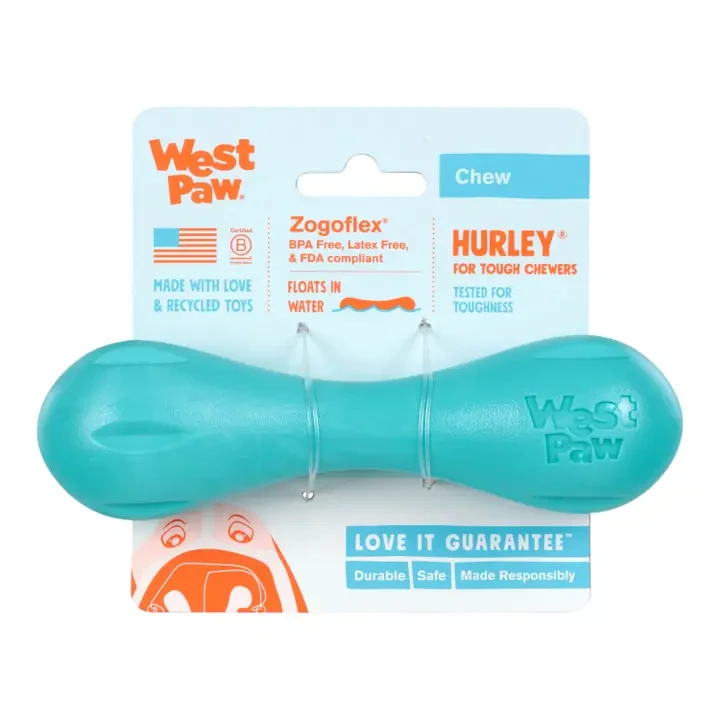
Natural rubber and recycled rubber serve as critical materials in durable chew toys, addressing concerns over synthetic chemical exposure while ensuring resilience against aggressive chewing. West Paw’s Hurley Dog Bone exemplifies this innovation, utilizing Zogoflex, a proprietary, BPA- and phthalate-free non-toxic material renowned for its durability and safety. This material’s recyclability further extends the product’s life cycle, aligning with circular economy principles.
Recycled plastics, particularly those deriving from post-consumer waste such as milk containers, have transformed traditional plastic dog toys. Green Toys’ EcoSaucer frisbee is a prominent example, manufactured entirely from recycled plastic milk jugs. This approach diverts significant plastic waste from landfills and oceans, contributing to pollution reduction. Certification standards for these materials increasingly emphasize chemical safety, requiring BPA-free and phthalate-free assurances to prevent harmful exposure to pets.
Leading Brands and Their Sustainable Toy Collections
West Paw leads the market with its focus on Zogoflex technology that combines durability and non-toxicity, making the Hurley Dog Bone a benchmark for long-lasting chew toys. This product has undergone extensive testing, demonstrating resistance to punctures and tears, which reduces the frequency of replacement and waste generation. West Paw also provides a recycling program for worn-out toys, reinforcing its commitment to sustainability.
Pet Life emphasizes the use of organic and natural fibers in its plush toy lines, integrating jute to produce soft yet eco-conscious options. These toys appeal to pet owners seeking natural alternatives without sacrificing comfort or engagement.
Diverse collections from P.L.A.Y., Multipet, and Green Toys expand the eco-friendly toy landscape with offerings ranging from biodegradable plush to recycled plastic frisbees and rubber chew toys. P.L.A.Y.’s Recycled Collection utilizes recycled fabrics and stuffing, while Multipet delivers natural rubber bones and jute-based playthings. Smaller niche brands such as Pata Pal and Cycle Dog Toys focus on recycled ocean-bound plastics and natural fibers, combining environmental advocacy with innovative product design. BetterBone targets durable, natural chew toys made from sustainably sourced materials, catering to dogs with high chewing demands.
Environmental and Health Benefits of Eco-Friendly Dog Toys
Eco-friendly dog toys contribute significantly to reducing plastic waste and environmental pollution. By utilizing recycled plastics, organic fibers, and natural rubber, these products lessen the demand for virgin synthetic materials, mitigating resource depletion and greenhouse gas emissions associated with plastic production. The incorporation of biodegradable components further ensures reduced landfill persistence, addressing one of the pet industry’s environmental challenges.
Health-wise, non-toxic materials prevent the leaching of harmful chemicals such as BPA, phthalates, and heavy metals. This is crucial given that dogs often chew and ingest small fragments of toys. Brands adhering to strict safety certifications provide peace of mind to pet owners concerned about chemical exposure. Additionally, durable construction reduces the risk of choking hazards from broken toy pieces, enhancing overall pet safety.
Beyond environmental and health advantages, eco-friendly dog toys support dogs’ mental and physical stimulation. Durable chew toys and interactive plush toys promote healthy chewing behavior and alleviate boredom, which can reduce destructive tendencies. These benefits align with expert recommendations from animal behaviorists like Patricia McConnell, who advocates for safe, varied play options that respect both animal welfare and environmental consciousness.
Where and How to Purchase Eco-Friendly Dog Toys Online in 2026
The availability of eco-friendly dog toys online has expanded significantly, with multiple specialized retailers and marketplaces offering curated selections. Leading online platforms include brand-specific websites such as West Paw and Green Toys, alongside eco-conscious pet product retailers that aggregate sustainable options from various makers.
Price ranges for eco-friendly dog toys vary from approximately $10 for smaller organic plush toys to $40 or more for durable rubber chew toys or frisbees made from recycled plastics. Consumers benefit from bundles and eco-friendly toy sets that provide a mix of materials and play styles, often at discounted rates, promoting sustainable purchasing patterns.
When shopping online, consumers should scrutinize product descriptions for material certifications, such as BPA-free, phthalate-free, and recycled content percentages. Customer reviews often provide insights into real-world durability and safety, helping buyers assess suitability for specific dog breeds and chewing behaviors. Transparency regarding manufacturing processes and environmental commitments further guides informed decisions.
Consumer Experiences and Expert Insights on Sustainable Dog Toys
Long-term user feedback consistently highlights the durability of West Paw’s Hurley Dog Bone, with many pet owners reporting sustained use exceeding several months even under heavy chewing conditions. This durability reduces the environmental burden associated with disposable or short-lived toys.
Patricia McConnell, a recognized expert in animal behavior, endorses selecting toys that align with dogs’ natural instincts while prioritizing safety and environmental responsibility. She recommends varied toy types—plush, chew, and interactive—to meet diverse needs, emphasizing that non-toxic, sustainably sourced products support both animal health and ecological stewardship.
Testimonials from pet owners emphasize the satisfaction derived from contributing to environmental conservation through their purchasing choices. Many report improved pet engagement and reduced waste generation, reinforcing the practical advantages of eco-friendly dog toys.
Emerging Trends and Future Directions in Eco-Friendly Pet Toys
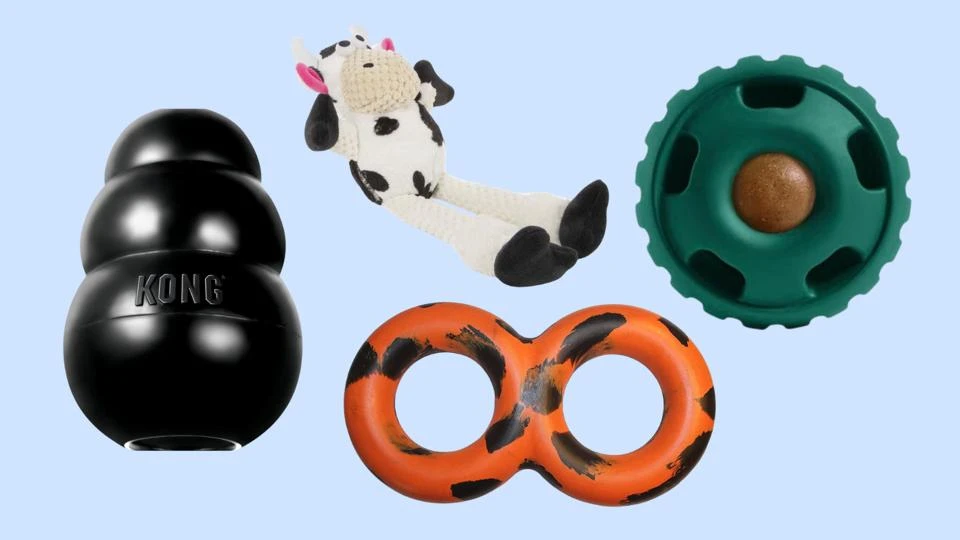
Innovation in biodegradable and recyclable materials continues to accelerate, with research focused on plant-based polymers and enhanced natural fiber composites that offer superior durability and environmental profiles. Brands are increasingly integrating sustainability across broader product lines beyond toys, including collars, bedding, and feeding accessories.
Consumer awareness and environmental advocacy are expected to drive stricter regulatory standards for chemical safety and sustainability claims, promoting transparency and accountability within the pet product industry. Emerging technologies such as blockchain for supply chain transparency may further empower consumers to verify eco-friendly credentials.
The rising demand for eco-conscious pet toys is also fostering collaborations between manufacturers and environmental organizations, facilitating initiatives like ocean plastic recovery programs and circular product life cycles. These efforts signal a future where sustainable pet products become the norm rather than the exception.
| Brand | Material Focus | Notable Products | Sustainability Features | Price Range (USD) |
|---|---|---|---|---|
| West Paw | Zogoflex recycled rubber | Hurley Dog Bone | BPA- and phthalate-free, recyclable, durable | $20 – $40 |
| Pet Life | Natural jute plush | Jute Plush Toys | Organic fibers, biodegradable | $10 – $25 |
| Green Toys | Recycled milk container plastic | EcoSaucer Frisbee | 100% recycled plastic, non-toxic | $15 – $30 |
| P.L.A.Y. | Recycled fabrics and stuffing | Recycled Collection Plush | Recycled materials, eco-friendly packaging | $20 – $35 |
| Multipet | Natural rubber, jute fibers | Natural Rubber Bones | Biodegradable components, durable | $15 – $30 |
| Pata Pal | Recycled ocean-bound plastic | Eco-Friendly Chew Toys | Ocean plastic recovery, non-toxic | $20 – $40 |
Frequently Asked Questions
What materials are safest for eco-friendly dog toys?
Eco-friendly dog toys made from BPA-free, phthalate-free natural rubber, organic plush fabrics like jute and wool, and recycled plastics certified safe for pets are considered safest. These materials avoid toxic chemicals and reduce environmental impact.
Are recycled plastic dog toys durable enough for heavy chewers?
Yes, brands like West Paw use durable recycled rubber materials such as Zogoflex designed to withstand heavy chewing. Recycled plastic toys from reputable brands also undergo testing to ensure resilience and safety.
Where can I buy trusted eco-friendly dog toys online?
Trusted eco-friendly dog toys can be purchased directly from brand websites such as West Paw and Green Toys, as well as through specialized eco-conscious pet retailers and marketplaces that verify sustainability claims and customer reviews.
How do eco-friendly dog toys benefit my pet’s health?
They reduce exposure to harmful chemicals commonly found in synthetic toys, lowering risks of toxicity and allergic reactions. Durable, non-toxic toys also prevent choking hazards and support healthy chewing habits.
What should I look for when choosing sustainable dog toys?
Look for clear material disclosures, certifications indicating non-toxicity (BPA-free, phthalate-free), durability claims, customer feedback on longevity, and brand commitments to recycling or biodegradable product design.
As consumer demand for sustainability in pet care grows, eco-friendly dog toys in 2026 represent a convergence of environmental responsibility, pet safety, and product innovation. The expanding availability of durable, non-toxic options from trusted brands empowers pet owners to make purchasing decisions that benefit both their dogs and the planet. Future developments in biodegradable materials and supply chain transparency promise to enhance these benefits, signaling a robust market evolution centered on sustainable pet wellness.

Are Organic Cotton Pet Toys Worth It for Dogs? Key Benefits Explained
PawVerde.com – Organic cotton pet toys have gained prominence as safer, chemical-free alternatives to conventional dog toys, appealing to pet owners who prioritize health and environmental responsibility. These toys, crafted from cotton grown without synthetic pesticides or fertilizers, minimize chemical exposure risks for dogs, particularly those with allergies or sensitive skin. While organic cotton toys tend to be softer and better suited for gentle chewers, their eco-friendly production methods and certifications such as GOTS (Global Organic Textile Standard) reinforce their sustainability credentials. Despite a higher price point, the combination of health benefits and environmental impact reduction positions organic cotton pet toys as a valuable investment for conscientious dog owners.
Safety and Health Benefits of Organic Cotton Pet Toys
Conventional pet toys often expose dogs to harmful chemicals including pesticide residues, synthetic dyes, and toxic additives that may cause skin irritation, digestive issues, or allergies. Organic cotton pet toys eliminate these risks by utilizing fibers cultivated through sustainable farming practices that avoid hazardous chemical inputs. The absence of synthetic fertilizers and pesticides in organic cotton reduces the likelihood of chemical residues lingering on toys, which can otherwise be ingested or absorbed through a dog’s skin.
For dogs with sensitivities or allergies, organic cotton toys offer non-toxic alternatives that help alleviate symptoms. The natural fibers are breathable and soft, reducing friction and irritation on sensitive skin. Additionally, many organic cotton toys incorporate natural filling materials such as coconut fiber or wool, which further reduce exposure to synthetic materials that could trigger allergic reactions. Brands like Aurora Paws and EcoFurBall emphasize chemical-free manufacturing processes, catering to pets with heightened health concerns.
Environmental Impact and Sustainability of Organic Cotton Pet Toys
Organic cotton farming significantly lowers environmental footprint compared to conventional cotton agriculture, which relies heavily on water, pesticides, and synthetic fertilizers. Organic cultivation uses crop rotation, natural pest management, and non-GMO seeds, sustaining soil health and biodiversity while conserving water resources. This approach contrasts with the intensive resource consumption and pollution associated with standard cotton farming.
When compared to alternative materials like hemp and natural rubber, organic cotton offers certain sustainability advantages but also limitations. Hemp requires less water and grows faster, making it more durable and eco-friendly for heavy chewers, while natural rubber is biodegradable but can involve complex extraction processes. However, organic cotton’s softness and renewable nature make it a preferred material for gentle play and mental stimulation toys.
Certification schemes such as GOTS and OEKO-TEX provide rigorous validation of organic cotton’s sustainable production, ensuring compliance with environmental and social standards. Brands such as West Paw, P.L.A.Y., and The Kind Pet Marketplace leverage these certifications to demonstrate their commitment to eco-conscious pet product manufacturing. These certifications also prohibit the use of toxic dyes and chemical finishes, reinforcing the safety profile of organic cotton toys.
Durability and Suitability for Different Chewing Behaviors
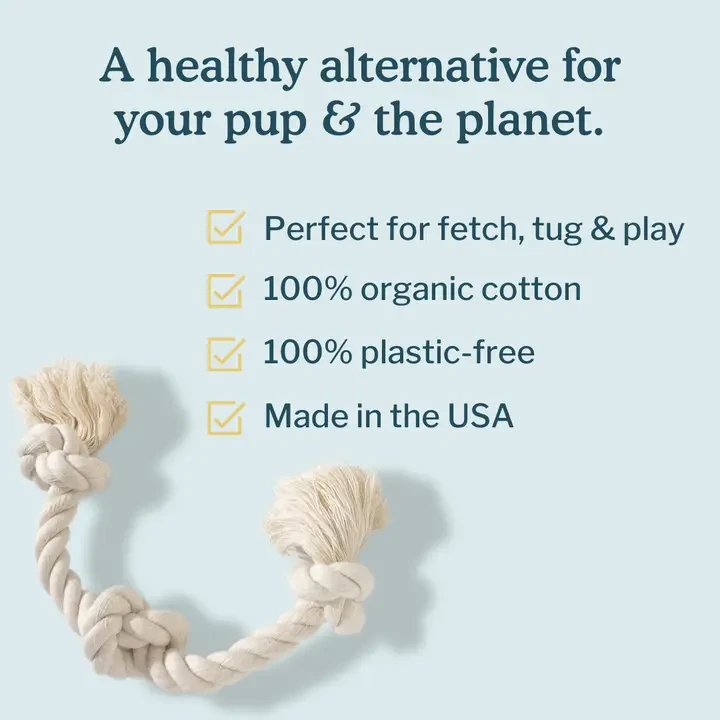
The durability of organic cotton pet toys varies widely depending on toy construction and the individual dog’s chewing habits. Organic cotton fibers are naturally softer and less abrasion-resistant than hemp or synthetic materials, making them optimal for gentle chewers and dogs that favor mental stimulation over aggressive biting. However, power chewers may cause rapid fraying and destruction of organic cotton rope toys, potentially leading to ingestion of loose fibers.
Hemp toys, by comparison, offer superior tensile strength and resistance to wear, suitable for dogs that exhibit destructive chewing behavior. Natural rubber chew toys provide another durable option, combining toughness with biodegradability. Pet owners should assess their dog’s chewing style when selecting toys, balancing safety with longevity.
Experts advise regular inspection of organic cotton toys to monitor wear and tear, emphasizing timely removal of damaged toys to prevent ingestion hazards. Some brands integrate reinforced stitching and natural fiber blends to enhance durability without compromising eco-friendly attributes. For example, Planet Dog and Goughnuts produce hybrid toys that merge organic cotton with tougher materials for extended lifespan.
Practical Considerations and Maintenance of Organic Cotton Dog Toys
Maintaining organic cotton pet toys requires consistent cleaning and care to prolong usability and prevent bacterial buildup. Most organic cotton toys are machine washable or can be hand-cleaned with mild, non-toxic detergents. Avoiding harsh chemicals during cleaning preserves the natural fibers and reduces irritation risks for pets.
Rotation of toys and regular inspection are critical for managing wear and maintaining safety. Organic cotton toys should be replaced promptly upon signs of excessive fraying or damage. Though initial costs for organic cotton toys tend to be higher than conventional options, their durability with proper care and enhanced safety profile offer long-term value.
Cost considerations also include the environmental benefits, as eco-friendly manufacturing reduces waste and resource depletion. Brands like SodaPup and PetAssure provide a range of organic cotton toys with varied price points, making sustainable pet toy ownership accessible to a broader audience.
Market Availability and Brand Examples of Organic Cotton Pet Toys
Several reputable brands have established themselves in the organic cotton pet toy market, offering a diverse array of products including plush toys, ropes, and chewables. Our Green House and EcoFurBall specialize in chemical-free plush toys made from certified organic cotton, while Aurora Paws focuses on eco-friendly ropes and interactive toys.
Innovations in this sector include treat-dispensing and puzzle toys designed to stimulate dogs mentally while adhering to eco-conscious principles. For example, P.L.A.Y. and West Paw incorporate organic cotton in their interactive toy lines, combining sustainability with functional enrichment.
The market also features hybrid toys that merge organic cotton with hemp or natural rubber, addressing durability concerns for more aggressive chewers. Brands such as Goughnuts and Planet Dog excel in this niche, promoting safety with chemically inert materials and durable construction.
| Material | Durability | Environmental Impact | Suitability | Certification Availability |
|---|---|---|---|---|
| Organic Cotton | Moderate (best for gentle chewers) | Low (sustainable farming, water-saving) | Sensitive dogs, soft toys | GOTS, OEKO-TEX |
| Hemp | High (resistant to heavy chewing) | Very Low (fast-growing, low water use) | Power chewers, durable toys | GOTS (less common) |
| Natural Rubber | High (durable, tough) | Moderate (biodegradable but extraction impact) | Chewers, chew toys | Varies by brand |
FAQ
FAQ
Are organic cotton pet toys safer for dogs with allergies?
organic cotton pet toys reduce exposure to pesticides, synthetic dyes, and toxic additives, making them safer for dogs with allergies or sensitive skin. Their natural fibers and chemical-free fillings minimize irritation and allergic reactions.
How do organic cotton toys compare in durability to hemp or rubber toys?
organic cotton toys are softer and less durable than hemp and natural rubber, making them ideal for gentle chewers. Hemp toys offer greater resistance to heavy chewing, while rubber toys provide toughness and longevity.
What certifications ensure the sustainability of organic cotton pet toys?
The Global Organic Textile Standard (GOTS) and OEKO-TEX certifications verify sustainable farming practices, chemical-free processing, and social compliance in organic cotton pet toys.
How should I clean and maintain organic cotton dog toys?
Organic cotton toys should be washed regularly with mild, non-toxic detergents, either by hand or machine. Regular inspection and prompt replacement of damaged toys are essential to maintain safety and hygiene.
Are organic cotton pet toys worth the higher cost?
While organic cotton toys often cost more upfront, their health benefits, reduced environmental impact, and suitability for sensitive dogs justify the investment for responsible pet owners prioritizing safety and sustainability.
Organic cotton pet toys represent a meaningful advancement in pet care, merging health-conscious design with environmental stewardship. As demand for sustainable pet products grows, innovations in material blends and certifications will likely enhance durability and accessibility, offering dog owners more options to align playtime with ethical values. Careful selection based on chewing behavior and maintenance practices will maximize the benefits of these eco-friendly options, shaping the future of responsible pet ownership.
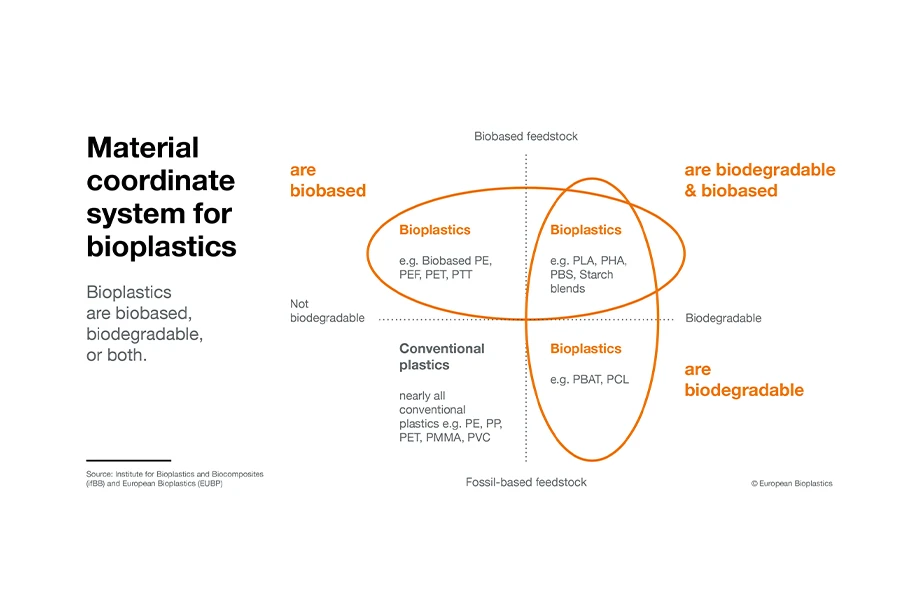
Difference Between Biodegradable and Plastic Pet Toys Explained
PawVerde.com – biodegradable pet toys represent a growing segment in sustainable pet care, designed to mitigate the environmental burden caused by conventional plastic pet toys. Annually, millions of plastic pet toys accumulate in landfills worldwide, persisting for centuries due to their synthetic compositions such as nylon and polyester. This persistence contributes to escalating plastic pollution and microplastic contamination, raising concerns for ecosystems and pet health alike. In contrast, biodegradable pet toys primarily utilize natural fibers and sustainably sourced materials that degrade under appropriate conditions, offering a pathway to reduce landfill waste and associated ecological impacts.
The distinction between biodegradable and plastic pet toys extends beyond mere material composition to encompass environmental persistence, health safety, and lifecycle management. Biodegradable pet toys incorporate fibers like hemp, organic cotton, and jute, along with sustainably harvested rubber and recycled fabrics, formulated to break down naturally through microbial activity. However, biodegradation rates depend heavily on environmental conditions, often requiring industrial composting facilities to complete decomposition effectively. Conversely, plastic pet toys made from synthetic polymers withstand natural degradation for decades or longer, fragmenting into microplastics that infiltrate soil and waterways. The term “biodegradable” is frequently misapplied to certain plastics that only partially degrade or require specific conditions rarely met in typical waste streams, complicating consumer understanding.
Natural materials used in biodegradable pet toys provide not only environmental advantages but also health benefits for pets. Hemp, organic cotton, and wool offer durable fibers that resist wear while remaining non-toxic and free from harmful additives common in synthetic plastics. Sustainably harvested rubber and hardwood components contribute elasticity and robustness without introducing chemical contaminants. Manufacturing processes increasingly emphasize non-toxic dyes and adhesives, aligning with certifications such as Global Organic Textile Standard (GOTS), Ecocert, and B Corp, which verify environmental and social responsibility. Pet owners benefit from reduced exposure to toxins such as phthalates and BPA, which are prevalent in many plastic pet toys and linked to adverse health effects.
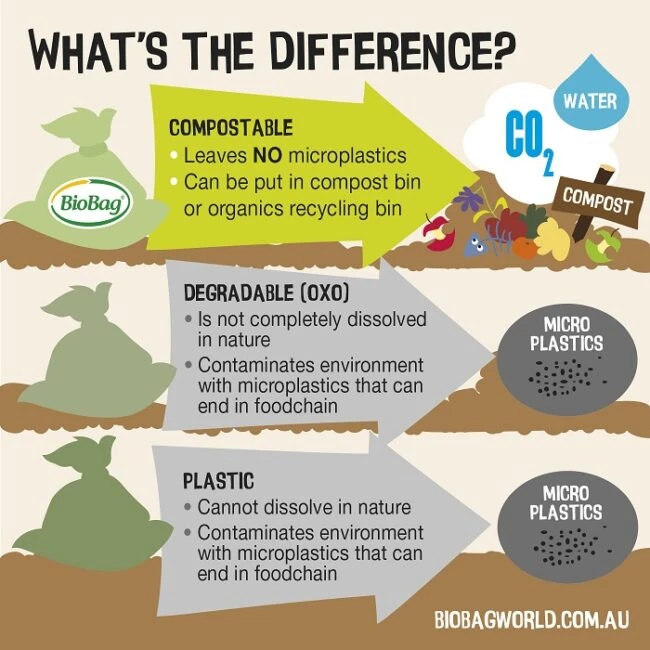
The environmental advantages of biodegradable pet toys include significant reductions in plastic pollution and the prevention of microplastic generation. While biodegradable plastics can fragment into microplastics if disposed of improperly, natural fiber-based toys decompose more completely, returning organic matter to the soil without residual contamination. Compostable dog waste bags exemplify this benefit, decomposing swiftly under industrial composting conditions and avoiding the microplastic residues common with conventional plastic bags. Additionally, biodegradable toys often exhibit enhanced durability relative to cheaper plastic alternatives, extending product lifespan and decreasing replacement frequency, which cumulatively reduces overall environmental impact.
Despite these benefits, biodegradable pet toys face limitations that require consumer awareness. Effective biodegradation generally necessitates specific conditions—such as elevated temperatures, moisture, and microbial presence—found in industrial composting but lacking in typical landfill environments, where many biodegradable items may persist similarly to plastics. Moreover, certain biodegradable plastics labeled as such may only partially decompose or fragment into microplastics, undermining environmental goals. The presence of certifications like B Corp or GOTS serves as a critical guidepost for buyers, ensuring products meet rigorous sustainability and safety standards. Pet owners should evaluate disposal options and local composting infrastructure to maximize environmental benefits.
Plastic pet toys continue to dominate the market due to low production costs and material versatility, but their environmental and health risks are substantial. Synthetic plastics such as nylon and polyester resist degradation, accumulating in landfills and natural habitats for centuries. This persistence contributes to the global plastic pollution crisis, with microplastic particles infiltrating ecosystems and the food chain. Chemical additives in plastic toys can leach toxins, posing risks to pet health through ingestion or prolonged contact. The durability of plastic toys often leads to prolonged presence in waste streams, exacerbating environmental contamination and complicating waste management efforts.
Pet owners seeking sustainable alternatives can adopt several strategies to minimize environmental impact while ensuring pet safety. Prioritizing toys made from natural, certified materials such as hemp, organic cotton, and sustainably harvested rubber supports ecological balance and reduces chemical exposure risks. Additionally, engaging in DIY pet toy creation using household materials or repurposing old toys extends product lifespans and diverts waste from landfills. Proper disposal practices, including the use of compostable dog waste bags and participation in local composting programs, enhance the biodegradation of pet-related products. Awareness of product certifications and manufacturer transparency further empowers consumers to make informed purchasing decisions grounded in environmental responsibility.
Innovation in sustainable pet toy manufacturing continues to evolve, driven by advances in low-waste production methods and ethical sourcing. Industry initiatives increasingly incorporate recycled fabrics and sustainably harvested raw materials to reduce carbon pawprints. Emerging technologies focus on developing truly compostable and non-toxic materials that maintain durability without compromising biodegradability. Market trends reveal growing consumer demand for eco-certified pet products, prompting manufacturers to pursue certifications such as Ecocert and B Corp to validate sustainability claims. This trajectory suggests a future where sustainable pet accessories become mainstream, aligning pet care with broader environmental stewardship.
Defining Biodegradable Versus Plastic Pet Toys
Biodegradable pet toys are crafted from materials that can naturally decompose through microbial activity, returning to the environment as water, carbon dioxide, and biomass. These materials often include natural fibers like hemp, organic cotton, wool, and jute, as well as sustainably harvested rubber and hardwood components. The biodegradation process requires optimal conditions such as moisture, oxygen, and temperature, typically found in industrial composting facilities rather than conventional landfills. This distinction is critical because many products labeled “biodegradable” are composed of plastics that degrade slowly or fragment into microplastics, misleading consumers regarding their environmental impact.
plastic pet toys primarily consist of synthetic polymers such as nylon, polyester, and polypropylene. These materials are engineered for durability, resistance to wear, and cost-efficiency but exhibit extreme environmental persistence. Plastic polymers resist microbial degradation, often remaining intact in landfill environments for hundreds of years. Over time, exposure to sunlight and mechanical abrasion can fragment plastic toys into microplastics, which pose ecological hazards by entering marine and terrestrial food chains. The term “biodegradable” is sometimes applied to certain plastics designed to break down under specific lab conditions but failing to do so in real-world waste systems, complicating the environmental narrative.
Materials Used in Biodegradable Pet Toys
Natural fibers such as hemp and organic cotton are prominent in biodegradable pet toys due to their renewability, strength, and biodegradability. Hemp offers superior durability and resistance to mold and bacteria, making it ideal for chew toys and ropes. Organic cotton is favored for its softness and non-toxicity, suitable for plush toys and fabric components. Wool and jute provide additional biodegradable options with distinct textures and robustness. These fibers are often processed with non-toxic dyes and adhesives to maintain safety standards for pets.
Sustainably harvested rubber, derived from natural latex trees, adds elasticity and resilience while remaining biodegradable under appropriate conditions. Hardwood elements contribute structural integrity for toys requiring rigidity or chew resistance. Recycled fabrics, sourced from repurposed textiles, reduce waste by converting materials such as denim or canvas into pet toy components. These materials align with environmental certifications like GOTS, which requires organic fiber sourcing and sustainable manufacturing, and B Corp, which assesses social and environmental performance.
Environmental and Health Benefits of Biodegradable Pet Toys
Biodegradable pet toys reduce plastic pollution by decomposing into natural elements rather than persisting as waste. This reduces the volume of landfill waste and minimizes microplastic contamination, which has been linked with disruptions in soil microbiomes and aquatic ecosystems. For pets, toys made from natural materials eliminate exposure to phthalates, BPA, and other synthetic additives found in plastic toys, decreasing risks of allergic reactions, endocrine disruption, and ingestion of toxic substances.
Durability is another advantage; although some biodegradable materials may initially appear less resilient than plastics, many natural fibers and sustainably harvested rubbers provide long-lasting performance. This durability reduces the frequency of toy replacements, lowering resource consumption and waste generation. Additionally, biodegradable toys often exhibit superior breathability and reduced microbial growth, contributing to pet hygiene and health.
Limitations and Considerations of Biodegradable Pet Toys
The biodegradability of pet toys depends heavily on disposal conditions. Industrial composting facilities provide the heat, moisture, and microbial activity necessary for full decomposition within months, whereas landfill environments are often anaerobic and dry, slowing or preventing breakdown. Consequently, biodegradable materials discarded in landfills may persist similarly to conventional plastics, undermining environmental benefits.
Moreover, some biodegradable plastics require specific enzymatic actions or temperature thresholds absent in natural environments, leading to partial decomposition or fragmentation into microplastics. This highlights the importance of certifications like Ecocert and B Corp, which validate claims of sustainability and provide transparency regarding material sourcing and degradation profiles. Consumers must also consider the lifecycle carbon footprint and potential trade-offs such as water usage in natural fiber production.
Comparing Plastic Pet Toys: Impact and Risks
Plastic pet toys’ resilience translates into extensive environmental persistence, with decomposition timelines often exceeding centuries. These toys contribute significantly to landfill mass and global plastic pollution. The leaching of chemical additives such as phthalates and BPA presents documented health hazards for pets, including endocrine disruption, behavioral changes, and increased cancer risk. Fragmentation into microplastics exacerbates pollution by infiltrating water bodies and soils, threatening biodiversity.
Manufacturers often produce plastic toys at low cost, ensuring widespread availability but at the expense of environmental sustainability and pet health. The global scale of plastic pet toy production amplifies these risks, underscoring the urgency for sustainable alternatives and consumer awareness.
How Pet Owners Can Choose and Manage Sustainable Toys
Pet owners can prioritize toys made from certified natural materials such as hemp, organic cotton, and sustainably harvested rubber to ensure safety and environmental responsibility. Evaluating certifications like GOTS, Ecocert, and B Corp provides assurance of ethical sourcing and manufacturing. Incorporating DIY pet toys using repurposed household items or fabric scraps extends toy lifespans and reduces waste streams.
Proper disposal is essential; compostable dog waste bags complement biodegradable toys by decomposing rapidly under industrial composting, eliminating microplastic residues prevalent in conventional plastic bags. Participation in local composting programs or specialized pet product recycling initiatives further enhances sustainability efforts. Educating oneself about product materials and disposal practices empowers pet owners to reduce their carbon pawprint effectively.
Future Trends: Innovation in Sustainable Pet Toy Manufacturing
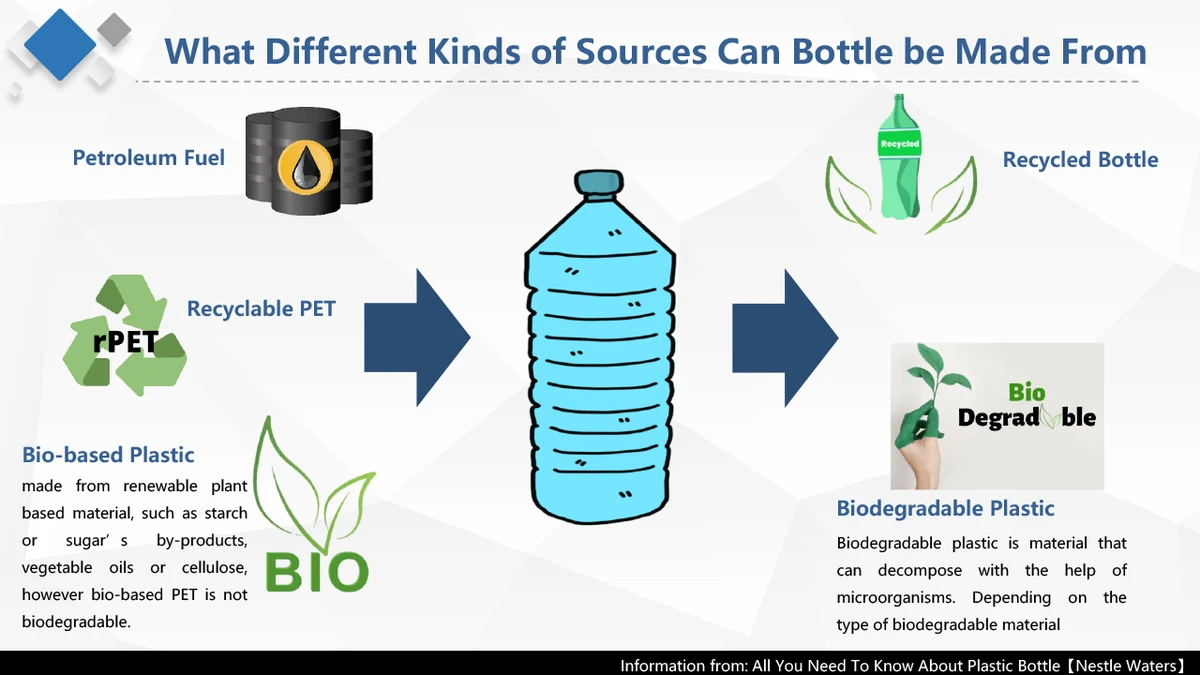
The pet product industry is witnessing increased innovation centered on sustainability. Advances in low-waste manufacturing methods reduce resource consumption and emissions. Emerging materials such as bio-based polymers derived from algae, mycelium, or agricultural byproducts offer promising biodegradable and compostable alternatives with improved durability.
Ethical manufacturing practices are gaining traction, with companies emphasizing fair labor, supply chain transparency, and reduced environmental footprints. Market data indicate rising consumer demand for eco-certified pet products, prompting wider availability of sustainably produced toys. Integration of circular economy principles—such as product take-back schemes and upcycling—may further transform pet toy life cycles in the coming years.
| Aspect | Biodegradable Pet Toys | Plastic Pet Toys |
|---|---|---|
| Material Composition | Natural fibers (hemp, organic cotton), sustainably harvested rubber, recycled fabrics | Synthetic polymers such as nylon, polyester, polypropylene |
| Decomposition Requirements | Industrial composting conditions (heat, moisture, microbes) | Minimal natural degradation; persists for centuries |
| Environmental Impact | Reduced landfill waste, minimal microplastic formation | Contributes to plastic pollution, microplastic contamination |
| Health & Safety | Non-toxic, free from harmful additives | May contain phthalates, BPA; potential chemical exposure |
| Durability | High, with longer-lasting natural fibers and rubber | High; designed for toughness but environmentally persistent |
| Certifications | GOTS, Ecocert, B Corp | Rarely certified for environmental safety |
Frequently Asked Questions
What materials are commonly used in biodegradable pet toys?
Biodegradable pet toys commonly feature natural fibers such as hemp, organic cotton, wool, and jute, alongside sustainably harvested rubber and recycled fabrics. These materials are chosen for their renewability, durability, and ability to decompose under industrial composting conditions.
How do biodegradable pet toys differ from compostable pet products?
While both terms imply environmental breakdown, compostable pet products specifically degrade into non-toxic components within a defined time frame and under industrial composting conditions. Biodegradable items may degrade more slowly or under less defined conditions, sometimes only partially breaking down.
Are biodegradable pet toys safer for pets than plastic toys?
Yes, biodegradable pet toys made from natural fibers and non-toxic materials generally pose fewer health risks compared to plastic toys, which may contain harmful chemicals such as phthalates and BPA that can affect pet health.
Can biodegradable pet toys break down in a regular landfill?
Typically, no. Landfill conditions are often anaerobic and dry, impeding microbial activity required for biodegradation. Most biodegradable pet toys require industrial composting environments to decompose fully.
How can pet owners dispose of biodegradable pet toys responsibly?
Pet owners should dispose of biodegradable pet toys through industrial composting facilities when available. If such facilities are inaccessible, recycling or repurposing options are preferable to landfill disposal. Additionally, pairing biodegradable toys with compostable pet waste bags enhances overall sustainability.
—
As awareness of environmental impacts deepens among pet owners and manufacturers, the shift toward biodegradable and eco-friendly pet toys is poised to accelerate. Continued innovation in materials science and sustainable manufacturing, coupled with consumer education and certification transparency, will be critical to advancing sustainable pet care practices. Pet owners can play an active role by selecting certified products, adopting responsible disposal methods, and supporting industry initiatives focused on reducing the carbon pawprint of pet accessories.
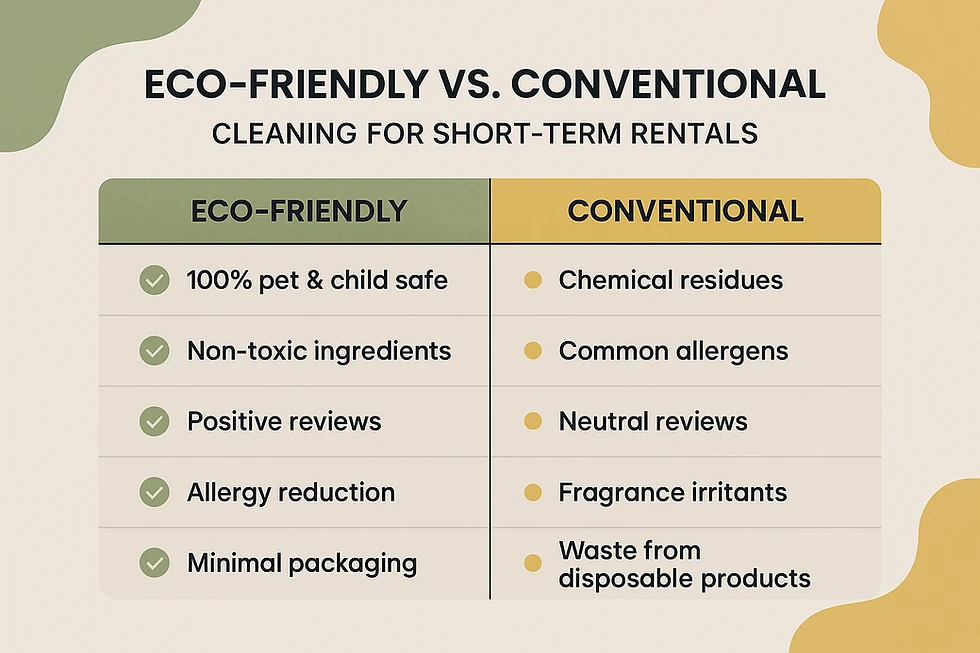
Difference Between Green and Conventional Pet Cleaners Explained
PawVerde.com – green pet cleaners have emerged as a pivotal alternative to conventional pet cleaning products, addressing growing concerns over health, safety, and environmental sustainability. Unlike traditional cleaners that often rely on synthetic chemicals, many green pet cleaners utilize plant-based extracts, enzymes, and essential oils designed to minimize toxic exposure for pets, children, and humans alike. This shift reflects increased consumer awareness regarding ingredient transparency and the potential adverse effects of conventional cleaning agents, which frequently contain volatile organic compounds (VOCs), ammonia, bleach, and synthetic fragrances. Understanding the distinctions between these two categories is critical for pet owners seeking to safeguard their pets’ health while reducing their ecological footprint.
Scientific studies underscore that pets, with their smaller lung capacities and constant proximity to cleaned surfaces, are especially vulnerable to chemical residues left by conventional cleaners. Green pet cleaners, many certified by the EPA Safer Choice program, offer formulations free from harsh chemicals, thereby reducing respiratory irritants and allergen presence indoors. This article explores the ingredient profiles, health impacts, environmental considerations, cleaning efficacy, certification standards, and practical advice for pet owners navigating the expanding market of pet cleaning products.
Ingredient Composition and Transparency
Green pet cleaners distinguish themselves primarily through ingredient selection, favoring natural, non-toxic substances over synthetic chemicals. These products typically feature enzymes, plant-based extracts, and essential oils known for their biodegradability and low environmental persistence. Enzymatic cleaners, for instance, employ biological catalysts to break down organic matter such as pet urine and feces, facilitating stain and odor removal without resorting to harsh solvents. Essential oils like lavender or eucalyptus provide antimicrobial properties and pleasant scents derived from natural sources rather than artificial fragrances.
In contrast, conventional pet cleaners often incorporate chemicals such as ammonia, bleach, and surfactants that degrade slowly in the environment. VOCs, including formaldehyde and benzene derivatives found in many synthetic fragrances, contribute to indoor air pollution and pose respiratory risks. Ammonia-based cleaners can exacerbate asthma and allergic reactions in sensitive individuals and pets. Additionally, many conventional products lack full ingredient transparency, complicating consumer efforts to assess safety and environmental impact.
The push for clear labeling in green pet cleaners addresses these concerns. Leading green brands disclose complete ingredient lists and emphasize the absence of toxic compounds, aligning with regulatory calls for greater transparency. This openness enables pet owners to make informed decisions based on ingredient safety profiles and aligns with growing demand for ethical, eco-conscious products.
Health Impacts on Pets and Humans
The health ramifications of using conventional pet cleaners are well-documented in veterinary and environmental health literature. Pets exposed to harsh chemicals can experience allergic dermatitis, respiratory distress, and gastrointestinal upset due to ingestion of residual toxins during grooming or licking surfaces. Children who share indoor environments with pets are similarly susceptible to chemical exposure effects, including exacerbated asthma symptoms and skin irritation.
Scientific assessments reveal that VOC emissions from conventional cleaners contribute significantly to indoor air pollution, often surpassing outdoor pollution levels. Prolonged exposure to VOCs can trigger headaches, dizziness, and long-term respiratory ailments in both humans and animals. Pets with pre-existing conditions such as asthma or allergies are particularly vulnerable.
Conversely, green pet cleaners reduce these health risks by eliminating toxic volatile compounds and synthetic fragrances. Studies measuring indoor air quality before and after introducing green cleaning regimens report marked reductions in airborne allergens and chemical residues. Pet owners using enzymatic, plant-based cleaners frequently observe fewer allergy flare-ups and improved respiratory health in their animals. The non-toxic nature of these products also alleviates concerns around accidental ingestion, a common occurrence in multi-pet households.
Environmental Considerations
Environmental sustainability is a key driver behind the adoption of green pet cleaners. The biodegradable nature of plant-derived enzymes and surfactants ensures rapid decomposition in wastewater, markedly reducing aquatic toxicity and bioaccumulation risks. Conventional cleaners containing persistent chemicals contribute to water pollution, affecting aquatic life and disrupting endocrine systems in wildlife. For example, phosphates and nonylphenol ethoxylates found in some traditional detergents are known endocrine disruptors.
Green pet cleaners also mitigate air pollution through VOC-free formulations, lessening smog formation and indoor pollutant loads. Use of essential oils and natural antimicrobial agents further supports ecosystem health by avoiding synthetic biocides that harm beneficial microorganisms. Additionally, many green cleaning products prioritize sustainable sourcing of ingredients, such as renewable plant extracts harvested with minimal environmental disruption.
By reducing chemical runoff and airborne pollutants, green pet cleaners aid in lowering the overall ecological footprint of pet maintenance routines. This shift aligns with broader environmental goals including water conservation, biodiversity protection, and climate change mitigation.
Cleaning Effectiveness and Practical Use
Despite concerns that green cleaners may compromise cleaning power, multi-enzyme formulations have demonstrated efficacy comparable to, and sometimes surpassing, conventional products in removing pet stains, odors, and organic residues. Enzymes such as proteases, amylases, and lipases catalyze the breakdown of proteins, carbohydrates, and fats, effectively degrading complex messes common with pets.
Plant-based extracts also offer antimicrobial activity, reducing odor-causing bacteria without relying on harsh disinfectants. Many eco-friendly pet cleaners are formulated for multi-purpose use, suitable for carpets, upholstery, hard floors, and even pet bedding, simplifying household cleaning protocols.
However, situations involving heavy-duty sterilization, such as in veterinary clinics or high-contamination zones, may still necessitate the use of stronger conventional disinfectants. In such cases, pet owners should exercise caution and limit exposure, ensuring thorough ventilation and rinsing to mitigate chemical residues.
Certification and Standards
EPA Safer Choice certification is among the most recognized standards for validating the safety and environmental responsibility of green pet cleaners. This program evaluates products based on stringent criteria including ingredient safety, biodegradability, and performance. Certified products must avoid ingredients with known toxicity, carcinogenicity, or environmental persistence.
Other certifications, such as Green Seal and EcoLogo, also provide assurance of rigorous testing and ingredient transparency. These certifications help consumers identify products that meet high safety and sustainability benchmarks, reducing the risk of greenwashing—a practice where products are misleadingly marketed as eco-friendly without substantiating claims.
To avoid greenwashing, pet owners should look for clear ingredient disclosures, independent third-party certifications, and brands with proven commitments to sustainability and transparency. Scrutinizing product labels and researching company practices can aid in selecting trustworthy green pet cleaners.
Recommendations for Pet Owners
Selecting appropriate pet-safe green cleaners involves prioritizing products with transparent ingredient lists, EPA Safer Choice certification, and proven enzymatic or plant-based formulations. Pet owners should test new cleaners in small areas to monitor pet reactions and ensure efficacy. Maintaining proper ventilation during and after cleaning minimizes any residual airborne compounds.
Combining green cleaners with regular grooming and hygiene practices further reduces allergen buildup and odor. For households with allergy-prone individuals or pets, opting for fragrance-free or naturally scented products can minimize irritation risks.
Professional green cleaning services specializing in pet-friendly products offer an effective alternative for deep cleaning needs while ensuring toxin-free environments. These services often employ advanced enzymatic technologies and environmentally conscious protocols.
FAQ
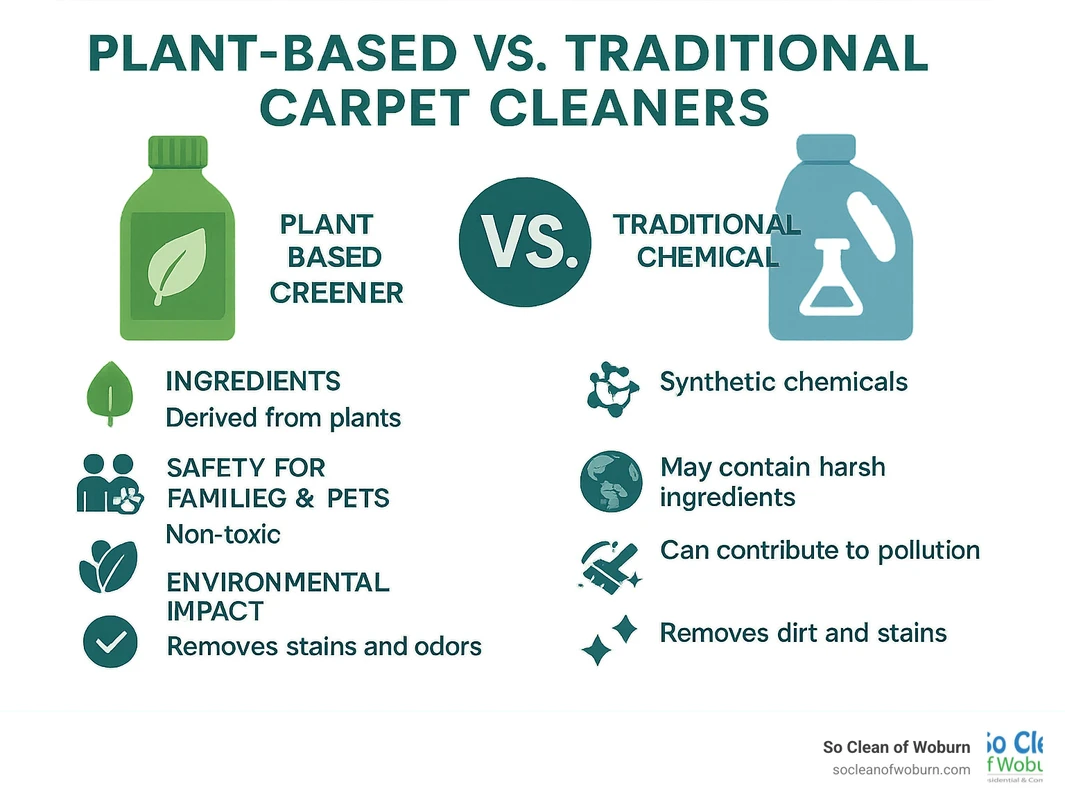
What makes green pet cleaners safer for pets compared to conventional cleaners?
Green pet cleaners use non-toxic, natural ingredients such as enzymes and plant extracts that avoid harmful chemicals like VOCs, ammonia, and synthetic fragrances. These formulations reduce risks of respiratory irritation, allergic reactions, and chemical ingestion in pets.
Are enzymatic cleaners effective for removing pet stains and odors?
Yes, enzymatic cleaners break down organic compounds such as proteins and fats through biological catalysts, effectively eliminating stains and neutralizing odors without harsh chemicals.
How do green pet cleaners impact indoor air quality?
Green pet cleaners reduce emissions of volatile organic compounds and synthetic fragrances, which are major contributors to indoor air pollution, resulting in cleaner, safer air for pets and humans.
What should I look for to avoid greenwashing when buying pet cleaning products?
Look for certifications like EPA Safer Choice, clear ingredient transparency, and brands with proven environmental commitments. Avoid vague marketing claims without verified standards or ingredient disclosures.
Can green pet cleaners be used for all types of pet messes?
Most green pet cleaners are multi-purpose and effective for common pet messes on various surfaces. For sterilization in high-contamination settings, conventional disinfectants may sometimes be necessary but should be used cautiously.
—
The evolving landscape of pet cleaning products reflects a broader societal shift toward health-conscious and environmentally sustainable choices. As research continues to validate the benefits of green pet cleaners, adoption is expected to increase, supported by advancing enzymatic technologies and more stringent regulatory standards. Pet owners are encouraged to integrate these safer alternatives into daily routines, balancing cleaning efficacy with the imperative to protect pet health and the environment. Future innovations may further enhance the performance and accessibility of green pet cleaning solutions, making them the standard rather than the exception in responsible pet care.

Sustainable vs Conventional Pet Furniture: Key Differences Explained
PawVerde.com – Sustainable pet furniture is redefining the pet accessory market by prioritizing eco-friendly materials, ethical manufacturing, and pet health, contrasting sharply with conventional pet furniture made from synthetic, chemically treated components. Unlike traditional pieces that often contain virgin plastics, petroleum-based textiles, and harmful chemical additives such as flame retardants, formaldehyde, and volatile organic compounds (VOCs), sustainable options utilize renewable resources like bamboo, organic cotton, hemp, and recycled plastics. These materials not only reduce environmental impact but also promote better indoor air quality and minimize health risks for pets.
In addition to material differences, sustainable pet furniture emphasizes longevity and circular economy principles, leading to extended product life cycles typically ranging from five to eight years—significantly longer than the average 18 months lifespan of conventional furniture. Brands like Blue Toby exemplify this model by repurposing textile scraps and memory foam offcuts into new products, minimizing waste and reducing resource consumption. This article explores the distinctions between sustainable and conventional pet furniture across materials, manufacturing ethics, durability, health benefits, design trends, and disposal practices, equipping pet owners with the knowledge to make informed, eco-conscious choices.
Materials Comparison: Eco-Friendly vs. Conventional Components
sustainable pet furniture predominantly incorporates renewable and recycled materials, each selected for their reduced environmental footprint and pet safety profile. Bamboo stands out as a fast-growing, biodegradable alternative to conventional wood or plastic frames. Its rapid regeneration cycle—often within three to five years—makes it far more sustainable than hardwoods, which can take decades to mature. Organic cotton and hemp are favored for upholstery and bedding due to their natural resistance to pests and reduced need for pesticides during cultivation, as documented in studies by environmental textile experts.
Recycled plastics, including those derived from ocean plastics, are increasingly utilized in pet beds and accessories, transforming waste into durable products while diverting debris from landfills and marine ecosystems. For instance, American Wood Fibers and Doggy Eco have integrated these materials into their product lines, combining sustainability with robustness. In contrast, conventional pet furniture frequently uses virgin plastics and petroleum-based textiles, which are energy-intensive to produce and contribute significantly to carbon emissions.
These conventional materials are often treated with chemical finishes to enhance durability or aesthetics but can harbor toxic substances. Flame retardants, formaldehyde-based adhesives, and VOC-releasing coatings prevalent in conventional furniture pose risks to indoor air quality and can exacerbate allergies or respiratory issues in pets. A 2023 environmental health report highlighted that VOC levels in homes with synthetic pet furniture were measurably higher compared to those using natural fiber furnishings. This disparity underscores the material-driven environmental and health implications between sustainable and conventional pet furniture.
Manufacturing and Ethical Considerations in Sustainable Pet Furniture
ethical manufacturing practices distinguish sustainable pet furniture by emphasizing transparency, local production, and waste reduction. Blue Toby’s circular manufacturing model exemplifies this approach; their process involves collecting offcuts of textiles and memory foam from other industries, repurposing these materials into new pet beds and accessories. This method not only curtails raw material demand but extends product life cycles through careful design for repairability.
Brands such as Purrniture Cat Furniture and GreenDog incorporate certifications verifying sustainable sourcing and labor conditions. These companies disclose supply chain details, ensuring that workers receive fair wages and work under safe conditions—a stark contrast to some conventional manufacturers where labor abuses and opaque processes are documented concerns.
Conventional pet furniture manufacturing often relies on chemical-intensive treatments to achieve water resistance, stain protection, or fire retardancy, many of which involve hazardous substances like chlorinated flame retardants and formaldehyde resins. These chemicals can off-gas over time, degrading indoor air quality and posing long-term health risks to pets and owners. Furthermore, labor practices in some conventional production hubs lack transparency, raising ethical questions about the human cost of low-priced pet furniture.
The circular economy is gaining traction within the sustainable pet furniture industry. Blue Toby’s model of reclaiming and reprocessing materials not only reduces landfill contributions but also fosters consumer engagement in sustainability by offering repair services and take-back programs. This contrasts with conventional models that typically emphasize disposable, short-lived products.
Durability and Longevity as Sustainability Metrics
Longevity represents a critical metric for sustainability in pet furniture, with durable products reducing the frequency of replacement and the subsequent environmental burden of manufacturing and disposal. Research indicates sustainable pet furniture constructed from bamboo, natural latex, and high-grade recycled plastics can last five to eight years or more under typical use conditions. These materials maintain structural integrity and comfort over time, enabling pet owners to defer purchasing cycles and reduce waste.
Conversely, conventional pet furniture commonly exhibits a lifespan closer to 18 months due to cheaper materials prone to wear, tear, and chemical degradation. For example, petroleum-based foams and low-quality synthetic fabrics degrade faster under pet use, often necessitating premature disposal and replacement.
The extended durability of sustainable pet furniture contributes significantly to waste reduction. Textile waste from pet accessories comprises a growing portion of landfill content, where synthetic fibers can take upwards of 40 to 1,000 years to decompose. By contrast, natural materials such as bamboo and organic cotton biodegrade within months to years if composted appropriately.
From a financial perspective, investing in sustainable pet furniture may entail higher upfront costs but yields long-term savings by reducing replacement frequency. Additionally, many brands provide warranties or repair services, further extending product life and reinforcing sustainability through consumer support.
Health and Comfort Benefits of Sustainable Pet Furniture
Sustainable pet furniture prioritizes pet health by eliminating exposure to harmful chemicals commonly found in conventional products. Flame retardants, formaldehyde, and VOCs found in many traditional pet beds can aggravate respiratory conditions or cause allergic reactions in sensitive animals. Studies led by Linda Brent, PhD, a recognized expert in environmental toxicology, demonstrate that pets exposed to these chemicals face increased risks of chronic illnesses, emphasizing the importance of chemical-free furniture.
eco-friendly pet beds often incorporate orthopedic supports such as natural latex and memory foam made without chemical additives. These materials provide superior pressure relief and spinal alignment, benefiting aging or arthritic pets by reducing joint pain and improving sleep quality. Brands like Sabai utilize natural latex sourced from sustainable rubber plantations, ensuring both environmental responsibility and enhanced comfort.
Hypoallergenic properties of natural textiles like organic cotton and hemp further reduce the likelihood of skin irritation or allergic responses. These fabrics are breathable, moisture-wicking, and resistant to dust mites, contributing to improved indoor air quality and overall pet well-being.
Design and Aesthetics: Modern Sustainable Pet Furniture
Modern sustainable pet furniture overcomes the outdated notion that eco-friendly products lack style or sophistication. Leading brands such as Purrniture Cat Furniture and Weruva have developed sleek, studio-quality designs that integrate seamlessly into contemporary home décor. These products balance functionality with aesthetics, offering clean lines, minimalist profiles, and color options that complement a range of interior styles.
Size and scale considerations reflect current urban living trends, with compact, multi-functional pieces designed for smaller spaces. Sustainable pet furniture often features modular components or dual-purpose designs, such as beds that convert into storage units, optimizing space while maintaining eco-conscious principles.
The stigma around “ugly” pet furniture is further challenged by customization options offered by some sustainable brands, allowing pet owners to select materials and finishes that match personal tastes without compromising environmental values.
Disposal and End-of-Life Management of Pet Furniture
Sustainable pet furniture incorporates end-of-life strategies that minimize environmental impact through donation, repair, or recycling. Many manufacturers encourage customers to return worn items for refurbishment or repurposing, extending the product lifecycle and diverting waste from landfills. Repair kits and modular design facilitate maintenance, allowing minor damages to be fixed instead of discarding entire pieces.
In contrast, conventional pet furniture typically lacks these provisions, with most discarded items ending up in landfills where synthetic textiles persist for centuries. The environmental toll of textile waste is exacerbated by the slow biodegradation of petroleum-based fibers and the leaching of residual chemicals into soil and groundwater.
Some industry initiatives have emerged to address packaging waste associated with pet products. Brands like Doggy Eco have adopted biodegradable or recyclable packaging materials, aligning with broader sustainability goals.
Broader Trends in Sustainable Pet Ownership
Sustainable pet furniture is part of a wider movement toward eco-conscious pet ownership that includes food, grooming, and accessories. Carbon-neutral pet products and green grooming practices reflect growing consumer awareness of the environmental impact of pet care routines. Companies such as Weruva have pioneered sustainably sourced pet food lines, while grooming brands increasingly utilize biodegradable shampoos and energy-efficient tools.
Consumer demand drives industry innovation, with pet owners seeking transparency and accountability in product sourcing and manufacturing. This shift influences market offerings, encouraging more companies to adopt circular economy principles, ethical labor standards, and eco-certifications.
The integration of sustainability into pet ownership extends beyond individual products to encompass lifestyle choices that reduce carbon footprints and support biodiversity, reflecting a holistic approach to environmental stewardship.
FAQ
What materials are typically used in sustainable pet furniture?
Sustainable pet furniture commonly uses bamboo, organic cotton, hemp, natural latex, and recycled plastics. These materials are renewable, biodegradable, or repurposed, reducing environmental impact and avoiding chemical additives found in conventional materials such as virgin plastics and petroleum-based textiles.
How does sustainable pet furniture benefit pet health?
By avoiding harmful chemicals like flame retardants, formaldehyde, and VOCs, sustainable furniture minimizes indoor air pollution and allergic reactions. Additionally, natural orthopedic supports like latex and memory foam improve comfort and joint support, enhancing overall pet well-being.
Why is durability important in sustainable pet furniture?
Durability extends the usable life of pet furniture, reducing the need for frequent replacement. Sustainable products typically last five to eight years compared to 18 months for conventional pieces, thereby decreasing waste, conserving resources, and providing cost savings over time.
Are sustainable pet furniture designs compatible with modern home décor?
Yes, many sustainable pet furniture brands offer sleek, minimalist designs that blend with contemporary interiors. Customization options and modular designs accommodate various space constraints and aesthetic preferences.
What happens to sustainable pet furniture at the end of its life?
Manufacturers often facilitate donation, repair, or recycling of old furniture to prevent landfill waste. Some brands operate take-back programs and design products for easy refurbishment, ensuring materials are reused or responsibly disposed of.
Sustainable pet furniture represents a significant advancement in the pet accessory market by merging environmental responsibility with pet health and design sophistication. The transition from conventional, chemically laden materials to renewable, recycled, and natural components reflects broader shifts toward ethical manufacturing and circular economy principles. As consumer awareness grows, pet owners are empowered to select furniture that not only enhances their pets’ comfort but also contributes meaningfully to sustainability goals. Continued innovation in materials science and manufacturing transparency will likely drive further adoption, setting new standards for durability, safety, and environmental stewardship in the pet industry.
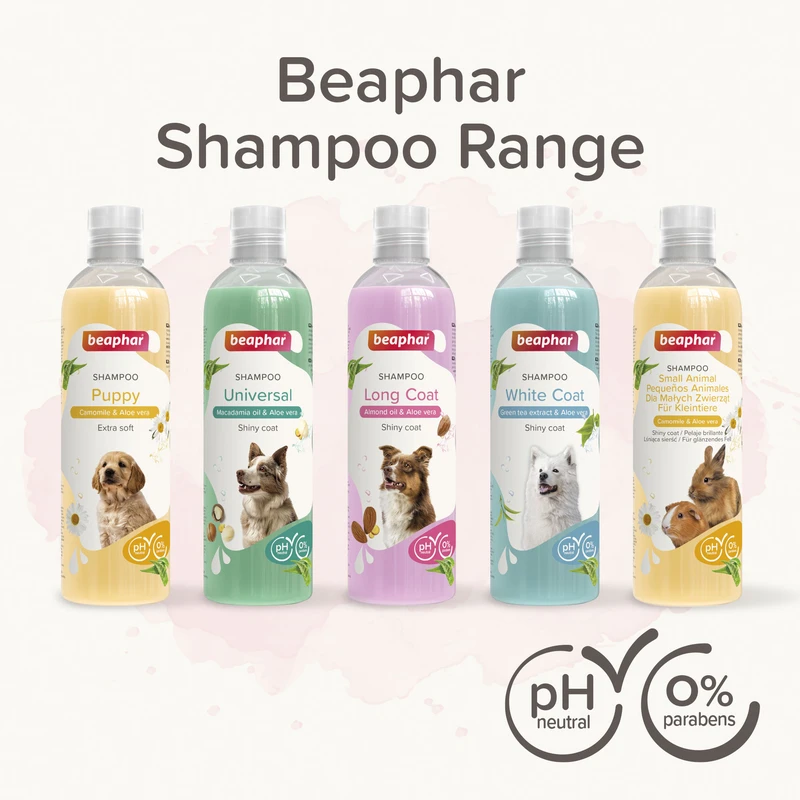
Differences Between Conventional and Natural Pet Shampoos Explained
PawVerde.com – Conventional pet shampoos frequently incorporate synthetic chemicals such as sulfates, formaldehyde-based preservatives, and artificial fragrances that have been linked to skin irritation, allergic reactions, and respiratory issues in pets. In contrast, natural pet shampoos utilize plant-derived ingredients like aloe vera, shea butter, and essential oils, which provide gentle cleansing and moisturizing benefits while minimizing chemical exposure. Brands like Shampoochie® exemplify this shift by offering sulfate-free, fragrance-free formulations aimed at pets with sensitive skin or allergies, emphasizing both health and environmental safety.
The chemical composition of pet shampoos directly influences pet skin health and environmental impact. Conventional shampoos typically rely on detergents such as sodium lauryl sulfate (SLS) and sodium laureth sulfate (SLES), which aggressively strip oils and can disrupt the skin barrier, leading to dryness and increased susceptibility to allergens. These shampoos often contain formaldehyde-releasing preservatives and synthetic fragrances, which are documented irritants that may provoke contact dermatitis and respiratory distress in sensitive animals. Conversely, natural pet shampoos favor plant-based surfactants and avoid harsh chemicals, instead incorporating moisturizing agents like aloe vera and shea butter to maintain skin hydration. Essential oils such as tea tree oil are included for their antimicrobial and insect-repellent properties, though their concentration must be carefully balanced to prevent potential toxicity or irritation.
Pet skin sensitivity varies widely, with many animals exhibiting allergic reactions to common shampoo additives found in conventional products. Studies in veterinary dermatology have noted increased incidences of contact dermatitis and pruritus linked to sulfates and artificial fragrance compounds. Natural shampoos reduce these risks by eliminating synthetic chemicals, offering hypoallergenic alternatives particularly beneficial for allergy-prone or sensitive pets. However, essential oils, while natural, require cautious use; tea tree oil, for instance, can cause adverse reactions if used in excessive concentrations or on compromised skin. Therefore, natural shampoos must balance efficacy with safety, often avoiding artificial insect repellents like permethrin in favor of gentle botanical extracts.
Environmental considerations also differentiate conventional and natural pet shampoos. Chemical residues from sulfates, formaldehyde releasers, and synthetic fragrances contribute to aquatic toxicity and bioaccumulation, posing risks to ecosystems when shampoo runoff enters waterways. Natural shampoos, especially those that are USDA organic certified, minimize environmental impact by utilizing biodegradable ingredients sourced from sustainable agriculture. The use of plant-based surfactants and moisturizers reduces chemical pollution, aligning with eco-conscious pet care trends. Moreover, organic certification entails rigorous standards ensuring that no synthetic pesticides or fertilizers are involved in ingredient cultivation, enhancing overall environmental safety.
Understanding the distinction between natural and organic pet shampoos requires attention to certification and ingredient sourcing. Natural shampoos generally avoid synthetic chemicals but may not undergo formal certification processes. Organic pet shampoos, in contrast, must meet USDA organic standards, verifying that at least 95% of ingredients are organically produced without synthetic additives or genetically modified organisms. This certification guarantees higher ingredient quality control and environmental stewardship. Consumers seeking the highest assurance of product purity and sustainability should prioritize USDA organic labeled products, which are subject to regular audits and testing.
Shampoochie® Natural Dog Soap exemplifies the natural pet shampoo category with a formulation free from sulfates, artificial fragrances, and chemical preservatives. Its ingredients include aloe vera for skin soothing, shea butter for moisturizing, and a precise blend of essential oils providing mild insect-repellent effects without harsh chemical irritants. The brand emphasizes environmentally responsible sourcing and packaging, appealing to pet owners who prioritize both animal health and ecological impact. User testimonials highlight improvements in pets’ skin condition, particularly in allergy-prone subjects, supporting the clinical rationale for natural formulations. Shampoochie® also addresses the need for transparency by listing all ingredients and adhering to strict quality controls.
The ongoing shift towards natural pet shampoos reflects growing awareness of chemical toxicity risks and environmental sustainability among pet owners. As research continues to elucidate the adverse effects of conventional shampoo ingredients on pet health, demand for plant-based, sulfate-free, and organic-certified products is anticipated to rise. Manufacturers are increasingly investing in formulations that leverage botanical extracts and essential oils while maintaining safety profiles verified by veterinary dermatologists. Future developments may include enhanced natural insect repellents and synergistic moisturizing complexes to further support pet skin health without compromising environmental integrity.
Ingredient Composition: Conventional vs Natural Pet Shampoos
Conventional pet shampoos often contain detergents like sodium lauryl sulfate (SLS) and sodium laureth sulfate (SLES) that create rich lather but are known for their skin-stripping properties. These sulfates disrupt the lipid barrier of pet skin, causing dryness and making the skin more vulnerable to allergens and irritants. Additional chemicals such as formaldehyde-releasing preservatives are employed to extend shelf life but have been linked to allergic reactions and respiratory irritation in both pets and humans exposed during grooming. Artificial fragrances mask chemical odors but frequently act as sensitizers, triggering contact dermatitis.
Natural pet shampoos replace these harsh ingredients with plant-derived surfactants that cleanse without excessive stripping. Aloe vera and shea butter are common moisturizers included to replenish skin lipids and support barrier function. Essential oils, particularly tea tree oil, offer antimicrobial and insect-repellent properties, although their use requires precise formulation to avoid irritation or toxicity. Unlike synthetic fragrances, natural pet shampoos avoid artificial scents, relying on the subtle aroma of botanical extracts. This approach reduces the risk of allergic reactions and promotes healthier skin microbiomes.
Health Impacts on Pets: Skin Sensitivity and Allergies
Veterinary dermatology research has identified sulfates and formaldehyde-based preservatives in conventional shampoos as common culprits in contact dermatitis and allergic responses. Pets with pre-existing conditions such as atopic dermatitis or sensitive skin are especially prone to flare-ups triggered by these chemicals. Symptoms include redness, itching, hair loss, and secondary infections. Artificial fragrances further exacerbate these issues by acting as allergens.
Natural shampoos mitigate these risks by excluding synthetic irritants and incorporating soothing agents like aloe vera, which has anti-inflammatory properties, and shea butter, which restores moisture. For pets with allergies or sensitive skin, natural formulas minimize exposure to chemical triggers. Nonetheless, essential oils require cautious application—tea tree oil, while effective against parasites, can cause adverse reactions if overused or applied to broken skin. Pet owners should select natural shampoos with balanced essential oil concentrations and consult veterinarians when introducing new products.
Environmental and Safety Considerations
Chemical runoff from conventional pet shampoos contributes to environmental pollution, affecting aquatic life due to the persistence and toxicity of sulfates and synthetic preservatives. These compounds can bioaccumulate, disrupting ecosystems and water quality. In contrast, natural pet shampoos employ biodegradable ingredients that break down more readily, reducing ecological footprint. Brands focusing on sustainability also choose packaging materials with lower environmental impact.
USDA Organic certification further ensures that natural pet shampoos meet stringent environmental criteria, including sustainable farming practices free from synthetic pesticides and fertilizers. This certification supports soil health and biodiversity, reinforcing the environmental benefits of organic pet care products. Consumers increasingly value these attributes, driving market growth for eco-friendly pet shampoos.
Differentiating Natural and Organic Pet Shampoos
Natural pet shampoos avoid harsh synthetic chemicals but lack standardized certification, leading to variability in ingredient sourcing and quality. Organic pet shampoos certified by USDA must contain a minimum of 95% organic ingredients, excluding synthetic pesticides, fertilizers, and genetically modified materials. This certification guarantees stringent quality control, traceability, and adherence to environmental sustainability.
ingredient transparency distinguishes organic products; labels disclose sourcing and certifications, enabling informed consumer choices. Natural shampoos may rely on plant-based components but do not guarantee organic cultivation or manufacturing standards. For pet owners prioritizing purity and eco-consciousness, organic shampoos offer verified assurances that natural products alone may not provide.
Case Example: Shampoochie® Natural Dog Soap
Shampoochie® Natural Dog Soap exemplifies the natural pet shampoo movement with a formulation free from sulfates, artificial fragrances, and chemical preservatives. Key ingredients include aloe vera for soothing inflamed skin, shea butter for deep moisturizing, and essential oils selected for their antimicrobial and insect-repellent properties. The product avoids formaldehyde releasers and synthetic fragrances, reducing allergic risks.
User reports indicate improvements in skin texture and reduced itching, especially in dogs with sensitive or allergy-prone skin. Shampoochie® emphasizes sustainable sourcing and biodegradable packaging, aligning product benefits with environmental responsibility. This brand highlights the growing consumer demand for chemical-free, eco-friendly pet grooming solutions that prioritize both animal health and ecological stewardship.
FAQ
What are the main chemical risks associated with conventional pet shampoos?
Conventional pet shampoos commonly contain sulfates like sodium lauryl sulfate, formaldehyde-based preservatives, and artificial fragrances. These chemicals can disrupt the skin barrier, cause dryness, trigger allergic reactions such as contact dermatitis, and even provoke respiratory irritation in sensitive pets.
How do natural pet shampoos benefit pets with sensitive skin?
Natural pet shampoos use plant-based ingredients such as aloe vera and shea butter that soothe and moisturize the skin, reducing irritation. They avoid synthetic chemicals and artificial fragrances, lowering the risk of allergic reactions. However, essential oils included must be used carefully due to potential sensitivity.
Are all natural pet shampoos USDA organic certified?
No, natural pet shampoos are not necessarily USDA organic certified. Organic certification requires at least 95% organic ingredients and adherence to strict cultivation and manufacturing standards. Many natural shampoos do not undergo this certification, making organic products a higher standard for purity and environmental sustainability.
Can essential oils in pet shampoos be harmful?
Essential oils like tea tree oil provide antimicrobial and insect-repellent benefits but can cause irritation or toxicity if used at high concentrations or on damaged skin. Formulations must balance efficacy with safety, and pet owners should monitor for adverse reactions.
How do natural pet shampoos impact the environment compared to conventional ones?
Natural pet shampoos typically use biodegradable, plant-based ingredients that reduce water pollution and ecological toxicity. Conventional shampoos often contain persistent synthetic chemicals that can bioaccumulate and harm aquatic ecosystems. Organic certifications further ensure environmentally responsible ingredient sourcing and production.
The evolving landscape of pet grooming products reflects increasing prioritization of pet health and environmental sustainability. As awareness grows regarding the hazards posed by synthetic chemicals in conventional shampoos, natural and organic alternatives are positioned to dominate the market. Pet owners seeking to protect sensitive skin and reduce ecological impact should evaluate ingredient composition carefully and consider USDA organic-certified products when possible. Emerging research and product innovation will likely enhance the safety and efficacy of natural pet shampoos, providing more effective and environmentally sound options for pet care in the coming years.

Sustainable Pet Toys Guide for Eco-Conscious Owners
PawVerde.com – Sustainable pet toys have emerged as a crucial focus for eco-conscious pet owners seeking to balance pet health, environmental responsibility, and product durability. These toys are primarily crafted from natural or recycled materials such as hemp, organic cotton, and recycled rubber, which offer biodegradability and non-toxicity, reducing the ecological footprint commonly associated with synthetic pet products. The increasing demand for sustainable pet accessories reflects a broader awareness of the environmental impact of pet-related waste and the need for safer, longer-lasting toys that minimize landfill contributions and chemical exposure for pets.
The selection of sustainable pet toys hinges on several factors: the use of eco-friendly materials, adherence to recognized certification standards, durability to reduce frequent replacement, and packaging that aligns with environmental values. Hemp, organic cotton, and recycled rubber serve as foundational materials in this sector, each offering unique benefits. Hemp is renowned for its biodegradability and toughness, making it ideal for tug toys that withstand vigorous chewing. Organic cotton, certified under standards like the Global Organic Textile Standard (GOTS), provides soft, chemical-free fibers suitable for rope toys and plush items. Recycled rubber, exemplified by proprietary materials such as West Paw’s Zogoflex®, combines durability with recyclability, enabling closed-loop programs like Join the Loop that reclaim used toys to minimize waste.
What Defines an Eco-Friendly Pet Toy?
An eco-friendly pet toy is characterized by its sustainable origin, safety for pets, durability, and minimal environmental impact throughout its lifecycle. Sustainable materials must be renewable or recycled, free from synthetic fibers that often involve harmful chemical coatings, and preferably biodegradable to ensure reduced landfill persistence. Hemp fibers naturally resist degradation while maintaining strength, making them preferable over synthetic alternatives that introduce microplastics into the environment. Organic cotton, cultivated without pesticides or synthetic fertilizers and certified by USDA Organic or GOTS, assures pet owners of non-toxic exposure. Meanwhile, recycled rubber products like Zogoflex® are BPA-free and phthalate-free, addressing concerns about chemical leaching and pet health risks.
Packaging also plays a vital role in defining eco-friendly status. Brands committed to sustainability prioritize recyclable or compostable packaging materials certified by entities such as the Forest Stewardship Council (FSC), which ensures that paper and cardboard used come from responsibly managed forests. The integration of these criteria ensures that pet toys contribute less to environmental degradation while promoting pet safety and comfort.
Environmental and Health Benefits of Sustainable Pet Toys
Choosing sustainable pet toys offers measurable benefits across environmental and pet health domains. Environmentally, biodegradable materials like hemp and organic cotton decompose without releasing harmful residues, in stark contrast to synthetic fibers that persist for decades. The use of recycled materials such as ocean plastics and reclaimed rubber reduces raw material extraction and plastic pollution, directly mitigating the carbon footprint of pet products. According to recent studies, plastic waste from pet toys contributes significantly to microplastic contamination, making the shift to sustainable alternatives imperative.
From a pet health perspective, natural fibers reduce the risk of allergic reactions and chemical ingestion linked to synthetic coatings and dyes. Non-toxic certification standards, including USDA Organic and GOTS, provide assurance that toys are free from pesticides, heavy metals, and harmful chemicals. Durable toys also enhance safety by limiting small, breakable parts that pose choking hazards. Economically, investing in durable, multi-purpose toys reduces the frequency of replacements, lowering overall waste generation and consumer costs over time.
Certification Standards Ensuring Sustainability and Safety
Certification frameworks are critical in verifying the authenticity of sustainable claims in pet toys. The USDA Organic label guarantees that materials such as cotton have been grown without synthetic pesticides or genetically modified organisms (GMOs), ensuring chemical safety for pets. The Global Organic Textile Standard (GOTS) extends beyond raw materials, certifying that textile processing—including dyeing and manufacturing—adheres to stringent environmental and social criteria. This includes wastewater treatment and worker safety, making GOTS-certified pet toys a reliable indicator of sustainability.
The Forest Stewardship Council (FSC) certification applies to packaging materials, certifying responsible forest management practices and promoting recycling. Brands that incorporate FSC-certified paper or cardboard packaging demonstrate a commitment to reducing deforestation and supporting biodiversity. These certifications collectively provide pet owners with transparent, trustworthy benchmarks to guide eco-friendly purchasing decisions.
Leading Sustainable Materials and Innovations in Pet Toys
Hemp stands out as a natural fiber with impressive strength and biodegradability, making it a preferred material for tug and chew toys. Its cultivation requires minimal water and no pesticides, further reducing environmental impact. Organic cotton rope toys offer softness and biodegradability, providing gentle chewing experiences beneficial for dental health and mental stimulation. Recycled rubber, notably West Paw’s Zogoflex® material, combines durability with recyclability and chemical safety, being free from BPA, latex, and phthalates.
Innovations in sustainable pet toys increasingly incorporate ocean plastic reclamation, where plastics are collected from marine environments and transformed into durable toys, thus addressing both pollution and resource conservation. Programs like West Paw’s Join the Loop facilitate the recycling of worn toys, promoting circular economy principles. Sisal and coconut fiber cat toys exemplify natural scratching alternatives, providing enrichment while being biodegradable and renewable.
Market Leaders and Recommended Sustainable Pet Toys
West Paw’s Toppl toy exemplifies a durable, multi-purpose design made from Zogoflex® material, combining safety and recyclability. The brand’s Join the Loop program enables customers to return used toys for recycling, reducing landfill waste and encouraging responsible consumption. Organic cotton rope dog toys and plush hemp dog bones offer chemical-free alternatives for gentle chewers and puppies, certified under GOTS or USDA organic standards to ensure sustainability and safety.
For cats, sisal and coconut fiber toys provide natural scratching options, promoting healthy claw maintenance without synthetic materials. These products are often packaged in FSC-certified materials, reflecting the comprehensive sustainability approach embraced by eco-friendly pet brands.
Guidance for Eco-Conscious Pet Toy Shopping
Selecting sustainable pet toys requires vigilance in evaluating materials and brand transparency. Pet owners should scrutinize product descriptions to confirm the absence of synthetic fibers and harmful chemical coatings. Prioritizing durability and multi-functionality—such as toys that serve both enrichment and dental health purposes—helps reduce waste by minimizing replacement frequency. Supporting brands with clear sustainability commitments, certification labels, and eco-friendly packaging ensures alignment with environmental and pet health goals.
Consumers are encouraged to avoid toys made with synthetic fibers or unverified materials that may contain phthalates, BPA, or other endocrine disruptors. Choosing certified products backed by USDA Organic, GOTS, or FSC labels enhances confidence in eco-friendly claims.
DIY Eco-Friendly Pet Toys and Enrichment Approaches
Homemade pet toys provide an effective route to sustainability, combining environmental benefits with personalized pet engagement. Upcycling household items such as old t-shirts, towels, and cardboard can create durable tug toys, puzzle feeders, and scratching surfaces without introducing new materials into the waste stream. These DIY solutions reduce reliance on commercial plastic toys and allow pet owners to tailor toys to their pet’s preferences and chewing habits.
Research indicates that pet engagement improves with varied textures and enrichment types, making DIY toys an excellent complement to purchased sustainable products. Moreover, DIY options empower pet owners to adopt zero-waste principles and foster deeper connections with their pets through hands-on involvement.
Integrating Sustainable Pet Toys into a Holistic Eco-Conscious Routine
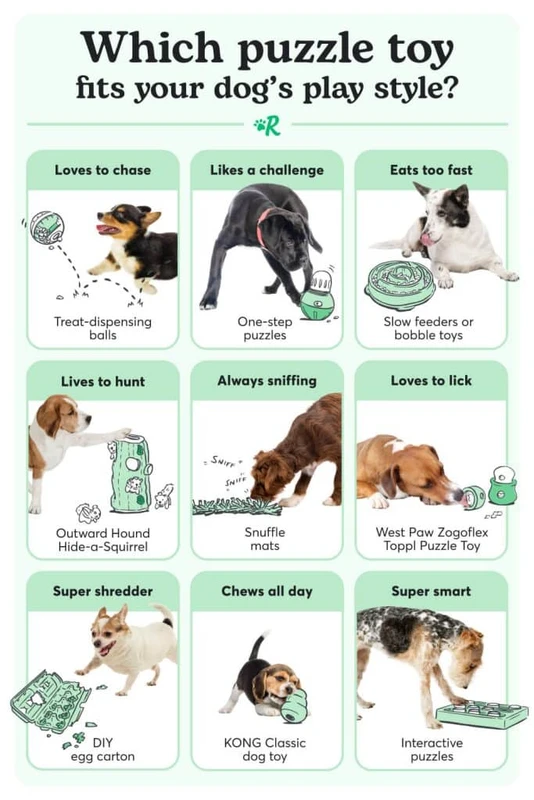
Sustainable pet toys are part of a broader eco-conscious pet care strategy that includes grooming tools, bedding, and accessories made from natural or recycled materials. Choosing biodegradable grooming brushes, organic cotton beds, and recycled packaging for pet supplies contributes to cumulative reductions in environmental impact. Consistent use of certified, durable, and recyclable products enhances the longevity of pet care items and diminishes waste.
Small daily choices, such as opting for eco-friendly toys and accessories, collectively influence the pet industry’s environmental footprint. The growing market for sustainable pet products reflects shifting consumer values and promotes innovation in material science, certification rigor, and recycling infrastructure.
| Material | Key Properties | Common Uses in Pet Toys | Certifications/Programs |
|---|---|---|---|
| Hemp | Biodegradable, durable, pest-resistant, low water use | Tug toys, chew toys | USDA Organic, GOTS |
| Organic Cotton | Soft, chemical-free, biodegradable | Rope toys, plush toys | USDA Organic, GOTS |
| Recycled Rubber (Zogoflex®) | Durable, recyclable, BPA-free, phthalate-free | Chew toys, interactive toys | Join the Loop recycling program |
| Ocean Plastic | Reclaimed, reduces marine pollution, durable | Chew toys, balls | Brand-specific reclamation efforts |
| Sisal and Coconut Fiber | Renewable, biodegradable, natural texture | Cat scratching toys | Often FSC-certified packaging |
FAQ

What materials should I avoid in pet toys to ensure sustainability?
Pet owners should avoid synthetic fibers and plastic-based materials that are non-biodegradable and often contain harmful chemical coatings such as phthalates and BPA. These materials contribute to microplastic pollution and pose risks to pet health.
How do certifications like USDA Organic and GOTS affect pet toy safety?
USDA Organic and GOTS certifications verify that materials are grown and processed without harmful pesticides, synthetic chemicals, or genetically modified organisms. These certifications ensure non-toxic, environmentally responsible products that are safer for pets.
Are recycled rubber toys as safe and durable as natural fiber toys?
Yes, recycled rubber toys made from materials like Zogoflex® are designed to be non-toxic, BPA-free, and phthalate-free while offering high durability. Additionally, they support recycling programs that reduce environmental waste, making them a sustainable choice alongside natural fibers.
Can DIY pet toys be as effective and safe as commercial sustainable toys?
DIY pet toys made from clean, natural household items can be safe and engaging if constructed properly without small parts or toxic materials. They provide environmental benefits by reducing waste and can be tailored to a pet’s preferences, but owners should monitor wear and safety closely.
How does buying sustainable pet toys impact the environment long term?
Purchasing sustainable pet toys reduces plastic waste, lowers carbon footprints associated with production, and minimizes landfill contributions. Durable toys decrease replacement frequency, further reducing resource consumption and environmental pollution over time.
Sustainable pet toys crafted from hemp, organic cotton, recycled rubber, and reclaimed ocean plastics represent a vital shift toward environmentally responsible pet care. By selecting certified, durable, and non-toxic toys, eco-conscious pet owners can safeguard pet health, reduce ecological impact, and foster a more sustainable future for the pet industry. Adopting these choices alongside DIY enrichment and sustainable grooming practices enables a comprehensive approach to eco-friendly pet lifestyles that benefits animals and the planet alike.

What Materials Are Used in Sustainable Pet Toys? Key Insights
PawVerde.com – Sustainable pet toys are increasingly crafted from materials such as recycled rubber, hemp, organic cotton, natural rubber, biodegradable plastics, bamboo, and sustainably harvested wood. These materials are selected for their durability, safety, and environmental advantages, addressing key concerns about plastic pollution, chemical toxins, and resource depletion in traditional pet toys. By integrating recycled and renewable resources, eco-friendly pet toy manufacturers contribute to reducing landfill waste and microplastic contamination while offering pet owners safer, longer-lasting options.
Recycled rubber, derived from repurposed tires and industrial scraps, offers significant environmental benefits by diverting waste from landfills. Its toughness and elasticity create durable toys that withstand aggressive chewing, decreasing the frequency of replacements. Hemp fibers, prized for their biodegradability and natural resistance to pests and mold, provide a non-toxic alternative to synthetic fibers. Organic cotton, grown without harmful pesticides or synthetic fertilizers, ensures softness suitable for pets with sensitive gums and promotes the use of natural dyes to avoid chemical exposure. Natural rubber, harvested from rubber trees through sustainable tapping methods, is renewable and biodegradable, offering elasticity and safety superior to many synthetic alternatives. Biodegradable plastics, including polylactic acid (PLA) and polyhydroxyalkanoates (PHA), break down under industrial composting conditions, reducing long-term pollution. Bamboo and sustainably sourced wood, harvested from managed forests, present renewable options that naturally satisfy pets’ chewing instincts without introducing synthetic toxins.
Materials Used in Sustainable Pet Toys
recycled rubber stands out as a durable and eco-conscious choice for pet toys, commonly sourced from post-consumer tires and manufacturing offcuts. This material reduces the demand for virgin rubber and lowers landfill contributions. Its high abrasion resistance and flexibility make it ideal for chew toys, with some manufacturers enhancing safety by avoiding chemical additives commonly found in conventional rubber toys.
Hemp fibers offer biodegradability alongside exceptional toughness, making them resistant to shredding while remaining safe for pets. Hemp cultivation requires minimal water and no pesticides, further supporting environmental sustainability. Hemp pet toys often feature natural, undyed fibers or use low-impact dyes to minimize chemical exposure risks.
Organic cotton is favored for its softness and hypoallergenic properties, particularly beneficial for pets with sensitive skin or mouths. Cultivated without synthetic chemicals, organic cotton reduces soil and water contamination. Pet toy manufacturers often pair organic cotton with natural dyes to eliminate toxins like azo dyes and heavy metals, which can pose health risks.
Natural rubber, sourced from Hevea brasiliensis trees, provides a renewable alternative to synthetic rubber. Sustainable tapping methods allow continuous extraction without harming trees. Toys made from natural rubber exhibit elasticity and resilience, resisting cracking and degradation over time. This material is free from phthalates and BPA, chemicals frequently found in plastic-based toys.
Biodegradable plastics used in pet toys mainly include PLA and PHA, derived from plant-based feedstocks such as corn starch or sugarcane. These materials decompose in industrial composting facilities within months, contrasting with conventional plastics that persist for centuries. However, their breakdown requires controlled conditions, and some concerns remain regarding their mechanical durability compared to traditional plastics.
Bamboo and sustainably harvested wood serve as natural chewable materials that align with circular economy principles. Bamboo grows rapidly and requires minimal pesticides, making it a highly renewable resource. Wooden pet toys are often crafted from FSC-certified sources, ensuring responsible forest management. Their natural textures satisfy pets’ chewing instincts while avoiding synthetic coatings or paints.
Environmental Impact and Circular Economy Benefits
Traditional plastic pet toys contribute substantially to plastic pollution, with many breaking down into microplastics that contaminate soil and waterways. sustainable pet toys made from recycled rubber, natural fibers, and biodegradable plastics mitigate this issue by reducing virgin plastic consumption and limiting microplastic shedding. For example, recycled plastic pet toys decrease landfill waste by repurposing materials that would otherwise persist for hundreds of years.
The carbon footprint of sustainable pet toys is significantly lower due to the use of renewable resources and recycled content. Lifecycle analyses indicate that hemp and organic cotton require less energy and water than synthetic fibers, while natural rubber production sequesters carbon during tree growth. Bamboo’s rapid growth cycle also contributes to carbon capture, further lowering environmental impact.
Several eco-conscious pet brands adopt circular economy practices, including take-back programs where worn toys are returned for recycling or repurposing. Recyclable or compostable packaging complements product sustainability, reducing waste streams associated with pet care products. These initiatives enhance resource efficiency and help close material loops within the pet toy industry.
Safety and Health Considerations in Sustainable Pet Toys
Avoiding harmful chemicals is paramount in sustainable pet toy manufacturing. Many conventional toys contain azo dyes, phthalates, heavy metals, and toxic coatings that pose risks to pet health through ingestion or prolonged exposure. Certified eco-friendly brands adhere to stringent safety standards, such as ASTM F963 and EN71 toy safety regulations, to ensure non-toxic materials and manufacturing processes.
Durability directly influences safety by limiting the risk of ingestion of small toy fragments. Materials like recycled rubber and natural rubber exhibit high resistance to tearing, reducing choking hazards. Hemp and organic cotton toys, while softer, are often tightly woven or reinforced to maintain integrity. Transparent labeling and third-party testing reports provide consumers with assurance regarding toxin-free composition.
Reputable manufacturers disclose sourcing and testing information, fostering trust among eco-conscious consumers. Brands with B Corp certification demonstrate commitment to environmental and social responsibility, further validating product safety and ethical production.
Innovations and Industry Trends in Sustainable Pet Toys
Upcycling has emerged as a notable trend, with pet toy producers repurposing materials such as denim scraps, decommissioned fire hoses, and discarded bicycle tires. These materials combine durability with environmental benefits, extending product lifecycles and diverting waste from landfills. For instance, fire hose toys offer exceptional toughness and water resistance, appealing to heavy chewers.
DIY sustainable pet toys have gained popularity among eco-conscious pet owners, utilizing household items like old t-shirts, fabric scraps, and cardboard. These homemade toys foster circularity and reduce demand for new raw materials, although safety considerations regarding choking and ingestion must be observed.
Industry certifications such as Global Organic Textile Standard (GOTS), Forest Stewardship Council (FSC), and Cradle to Cradle further authenticate sustainable claims. Ethical manufacturing processes emphasize reduced emissions, water conservation, and fair labor practices, aligning with broader sustainability goals.
Consumer Guidance for Selecting Sustainable Pet Toys
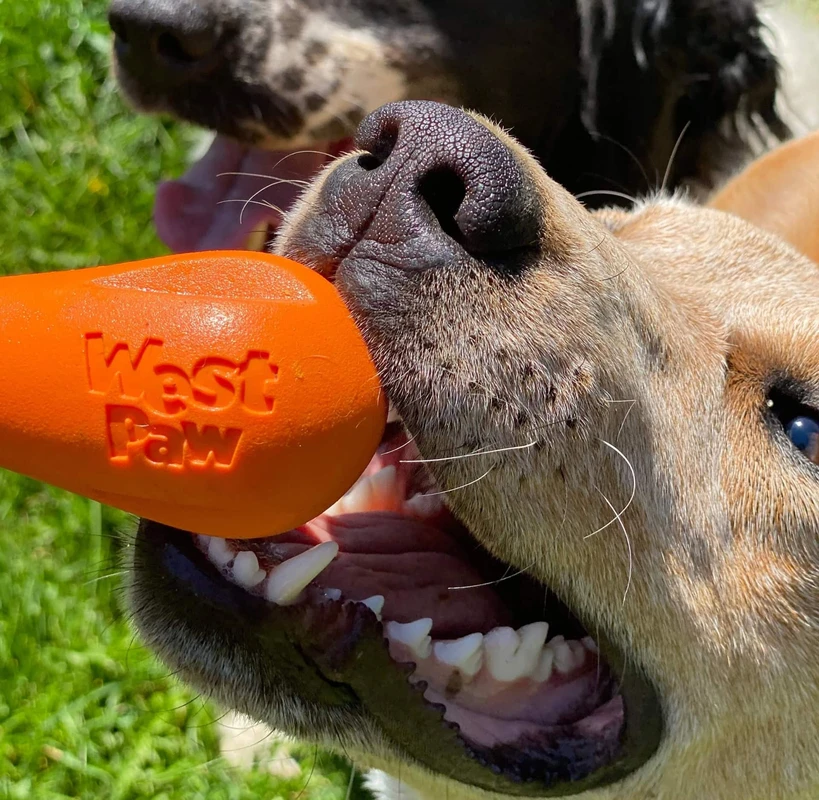
When choosing eco-friendly pet toys, consumers should prioritize materials with clear organic, recycled, or biodegradable certifications. Labels indicating the absence of harmful chemicals and compliance with safety testing standards are vital for pet health assurance. Evaluating brand transparency regarding sourcing, production methods, and third-party testing enhances consumer confidence.
Balancing durability with environmental impact involves selecting toys designed to last, thereby reducing wastefulness. While natural fibers offer biodegradability, their lifespan should match pet activity levels to prevent premature disposal. Recycled rubber and natural rubber combine longevity with eco-friendliness for aggressive chewers.
Consumers are advised to research brand credentials, including B Corp status and adherence to circular economy principles. Opting for products with recyclable or compostable packaging further supports sustainable pet ownership.
| Material | Source | Environmental Benefits | Durability | Safety Considerations |
|---|---|---|---|---|
| Recycled Rubber | Post-consumer tires, industrial scraps | Reduces landfill waste, lowers virgin rubber demand | High abrasion resistance, elastic | Free from chemical additives if certified |
| Hemp Fibers | Industrial hemp plants | Low water/pesticide use, biodegradable | Strong, resistant to mold and pests | Non-toxic, often undyed or naturally dyed |
| Organic Cotton | Certified organic farms | Reduced chemical pollution, biodegradable | Soft, less durable than rubber | Free from synthetic dyes and pesticides |
| Natural Rubber | Rubber tree latex (Hevea brasiliensis) | Renewable, biodegradable, carbon sequestering | Elastic and durable | Phthalate and BPA free |
| Biodegradable Plastics | Plant-based feedstocks (corn, sugarcane) | Compostable in industrial facilities | Lower mechanical durability | Requires controlled breakdown environment |
| Bamboo and Wood | Sustainably harvested forests and plantations | Rapidly renewable, natural carbon sink | Moderate durability, natural chew benefits | No toxic coatings or paints preferred |
FAQ
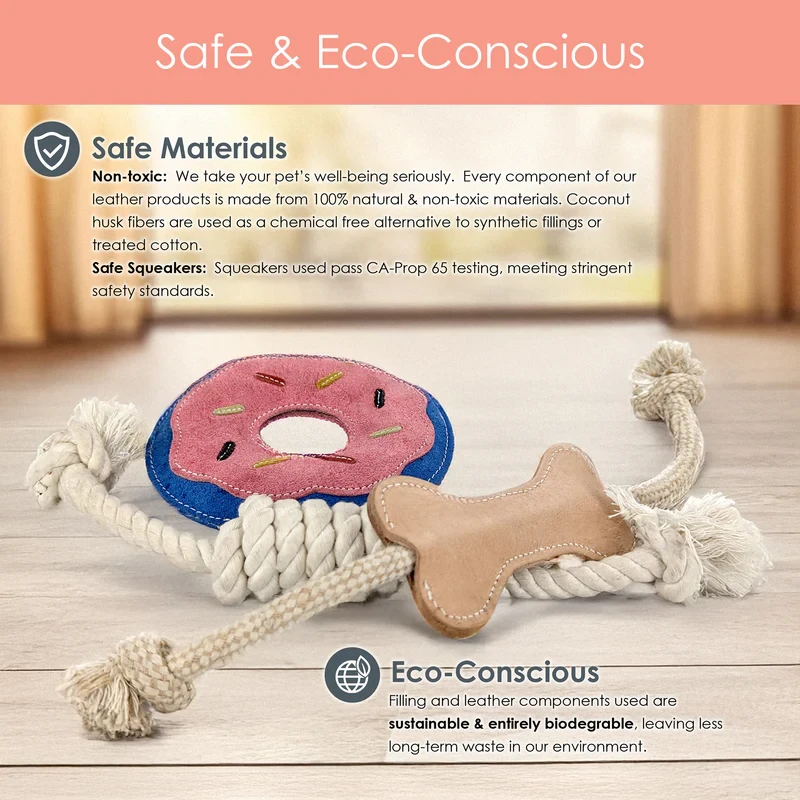
What are the safest materials for sustainable pet toys?
Materials such as organic cotton, hemp fibers, natural rubber, and recycled rubber are considered safe due to their non-toxic properties and compliance with safety standards. Avoid toys with synthetic dyes, phthalates, or toxic coatings to minimize health risks.
How do biodegradable pet toys break down?
biodegradable pet toys made from PLA or PHA plastics decompose under industrial composting conditions, where heat, moisture, and microbial activity break down the material into natural components within months. Home composting or landfill conditions are typically insufficient for full degradation.
Are recycled plastic pet toys durable enough for heavy chewers?
Recycled plastic toys vary in durability depending on the source material and manufacturing quality. While some recycled plastics offer comparable strength to virgin plastics, they may not match the toughness of natural or recycled rubber for aggressive chewers.
How can consumers verify if a pet toy is truly eco-friendly?
Look for certifications like B Corp, GOTS, FSC, and verified third-party testing reports. Transparent brands disclose material sourcing, safety testing, and environmental impact data. Packaging that is recyclable or compostable also indicates eco-conscious practices.
What role does durability play in the sustainability of pet toys?
Durability reduces the frequency of toy replacement, lowering resource consumption and waste generation. Long-lasting toys minimize ingestion hazards from broken pieces and contribute to environmental sustainability by extending product lifespans.
Sustainable pet toys represent a convergence of environmental stewardship and pet health priorities, leveraging innovative materials and manufacturing processes to meet growing eco-conscious consumer demand. As the industry advances, increased adoption of circular economy principles and transparent safety standards will further establish these products as responsible choices for pet owners committed to reducing their ecological footprint.