
Eco Friendly Pet Shop Guide: Spotting Greenwashing in 2026
PawVerde.com – An eco-friendly pet shop focuses on providing sustainable, non-toxic, and low-impact supplies that reduce the 300 million pounds of pet product plastic waste generated annually. These retailers prioritize renewable materials like bamboo, recycled fabrics, and organic food to ensure both planetary health and pet safety.
The Greenwashing Red Flag Guide: Spotting Fake Eco-Claims
To spot greenwashing in pet products, look past vague labels like ‘natural’ or ‘green.’ Check for specific certifications (like PETA-approved vegan), verify if materials are truly renewable (like bamboo) rather than just recycled-looking plastics, and ensure the brand addresses end-of-life disposal rather than just using recyclable packaging.
The ‘Natural’ Trap
Marketing-led materials often masquerade as sustainable under vague descriptors. EcoFurball notes that when plastics or blended fibers appear under these ambiguous labels, it represents a significant failure in transparency. Consumers should avoid products that claim to be “green” without providing verifiable data or third-party certifications to back the assertion.
A common failure mode occurs when brands use “natural” to describe products that still contain synthetic binders or harmful additives. For instance, a toy might be marketed as natural but actually contain non-biodegradable glues. Always verify the specific material composition before purchasing.
Packaging vs. Product Longevity
EcoFurball identifies a “packaging distraction” where brands emphasize recyclable cardboard boxes to mask a short product lifespan or the use of toxic materials. True sustainability requires looking at the entire lifecycle, as minimal packaging often represents the most sustainable option.
A Lifecycle Guide: From Purchase to Compost
According to EcoFurball, “Sustainable pet products prioritise materials that regenerate, recycle, or biodegrade without releasing harmful residues.” Understanding this movement from retail shelf to final destination is essential for minimizing environmental impact.
Compostable vs. Recyclable Materials
The distinction between material types is critical to prevent waste stream contamination. While some items are designed for industrial recycling, others are intended for home composting.
- Compostable: Materials like organic hemp or bamboo that can return nutrients to the soil.
- Recyclable: Items like rPET (recycled polyethylene terephthalate) that require industrial processing.
- Upcycled: Materials repurposed from existing waste to extend their utility.
Circular Economy: The rePAWpose Model
The circular economy aims to eliminate waste by keeping materials in use for as long as possible. Awoo Pets facilitates this through their “rePAWpose” program. This initiative allows customers to send in pre-loved items to be repurposed, providing a $5 credit per product to the owner. This model reduces the need for new raw materials and prevents functional items from entering landfills.
High-Impact Swaps: A Budget-Friendly Transition Roadmap
Start your eco-transition with high-impact, low-cost swaps: replace traditional clay litter with plant-based alternatives to avoid sodium bentonite, switch to biodegradable poop bags, and move toward non-toxic, botanical-based grooming products. These changes address immediate waste and toxicity issues before investing in premium sustainable accessories.
Phase 1: Waste & Hygiene
The most immediate impact on a household’s carbon footprint often comes from daily waste management. Best Friends Animal Society suggests that switching to biodegradable or compostable poop bags made from recycled paper or plants is a primary step in reducing plastic in landfills. Additionally, replacing traditional clay cat litters is vital. These clay litters are resource-intensive because they are mined from the earth and are slow to biodegrade. Furthermore, eco-friendly alternatives can be safer for pets by avoiding sodium bentonite, which can potentially sicken or poison animals.
Phase 2: Nutrition & Grooming
Once waste management is addressed, owners can shift focus to chemical exposure. Conventional grooming products may contain harmful chemicals like parabens, phthalates, and petroleum. Best Friends Animal Society recommends using nontoxic and eco-friendly grooming and cleaning products to improve pet health. Fetch The Sun also notes that using natural cleaners may help reduce asthma and allergy symptoms in people with sensitive respiratory systems.
The Science of Sustainable Materials
Selecting materials based on their regenerative capacity and durability ensures that “green” choices are not just ethical, but functional.
Why Bamboo Wins
The Green Pet Shop notes that bamboo is a highly sustainable resource that helps combat climate change by reducing deforestation. It regenerates much more rapidly than traditional trees, making it an ideal feedstock for pet products.
The Durability Advantage
Pet Magasin highlights that eco-friendly supplies are often designed for increased durability compared to conventional options. Many standard products are optimized for lower price points and shorter lifespans, leading to increased waste.
| Criterion | Eco-Friendly Supplies | Conventional Supplies |
|---|---|---|
| Material Source | Renewable (bamboo, hemp), recycled (rPET), or upcycled. | Virgin, petroleum-based plastics and synthetic fabrics. |
| Pet Safety | Non-toxic; free of BPA and phthalates. | May contain questionable dyes or plastics. |
| Durability | Designed for longevity and repeated use. | Often designed for lower price and shorter lifespan. |
The table above illustrates the fundamental differences in how materials are sourced and managed between sustainable and standard pet supplies.
Top Eco-Friendly Retailers and Brands to Watch
As the market evolves, several key players have emerged to cater to the growing demand for planet-conscious pet care. In 2025, global eco-pet revenues from online stores reached $7.18 billion, representing 42.7% of the total market.
Online Giants
For those seeking a wide variety of vetted goods, EarthHero is a prominent retailer specializing in sustainable pet supplies. They offer various incentives, such as a 20% discount using the code PFJ20 and free carbon-neutral shipping on orders over $75. This makes large-scale sustainable shopping more accessible to a broader demographic.
Specialized Sustainable Brands
Niche brands currently lead several specific categories of the eco-pet market:
- Nina Woof: A PETA-approved vegan and cruelty-free brand focusing on dog accessories.
- Awoo Pets: Known for using eco-friendly materials and circular economy programs.
- WildOne: A direct-to-consumer brand specializing in modern, eco-conscious pet accessories.
Local vs. Online: Minimizing Your Carbon Pawprint
The method of delivery impacts the total environmental cost of pet care. While online stores are the fastest-growing distribution channel for eco-friendly pet products, choosing between local and digital options involves different ecological trade-offs.
The Case for Local Shops
Sourcing supplies from local retailers can significantly reduce the “last mile” delivery emissions. In regions like San Diego, specialized local shops provide holistic and natural options. Examples include Howlistic, which focuses on holistic care, Earthwise Pet, a family-owned shop, and Noah’s Natural Pet Market, which specializes in raw food. Shopping locally often supports the community and reduces the carbon footprint associated with long-distance shipping.
Optimizing Online Shipping
To minimize the environmental impact of digital shopping, consumers can adopt several strategies:
- Bulk Ordering: Reducing the frequency of shipments lowers the cumulative transportation energy.
- Consolidated Shipping: Choosing options that group items together rather than shipping them individually.
- Carbon-Neutral Options: Utilizing retailers that offer carbon-neutral shipping services.
DIY Sustainable Pet Care at Home
Repurposing existing household items is often the most eco-friendly way to care for pets, as it directly reduces waste and saves money.
Upcycled Toys
Best Friends Animal Society suggests several creative ways to make toys from household items:
- Rope Toys: Use old fabric strips braided together.
- Treat Puzzles: Repurpose PVC pipes to create interactive feeding games.
- Water Bottle Toys: Use old socks to encase a plastic bottle for a crinkle effect.
Zero-Electricity Cooling
During warm seasons, pet comfort can be maintained without increasing electricity consumption. The Green Pet Shop offers pressure-activated cooling mats. These mats require no refrigeration or electricity; instead, they activate via pressure to provide a cooling effect that can last for up to 3 hours after a 15-minute recharge period. This technology provides a sustainable way to manage pet heat stress.
FAQ
Is bamboo safe for pet feeding products?
Experts confirm bamboo is a sustainable resource, but owners should ensure feeding products are not combined with unsafe materials during manufacturing to avoid toxicity.
How can I tell if a pet toy is non-toxic?
According to EcoFurball, sustainable pet toys are safer if chewed because they contain no toxic dyes or plastics.
Why is clay cat litter considered less eco-friendly?
EcoFurball states that traditional clay cat litters are resource-intensive because they are mined from the earth and are slow to biodegrade.

Best Compostable Dog Poop Bags: Home vs. Industrial Guide
PawVerde.com – The best compostable dog poop bags are those certified for ‘Home Compostability’ (such as TÜV Austria OK compost HOME), as most industrial-grade compostable bags require 55-60°C temperatures to break down—heat levels rarely achieved in backyard bins. For urban owners, high-quality PCR (post-consumer recycled) bags often offer a more reliable environmental middle ground.
A single Earth Rated bag can help divert up to 5 million pounds of landfill-bound plastic every year through its use of post-consumer recycled materials.
A common misconception among pet owners is that any bag labeled “compostable” can be tossed into a garden compost heap. This is a significant error. Bags meeting the ASTM D6400 standard are engineered to undergo complete biodegradation within 180 days, but they strictly require the sustained high-heat conditions of a professional facility. Without these specific thermal triggers, the material may persist for years without breaking down.
Residential compost piles rarely maintain the consistent 55-60°C temperatures necessary for industrial-grade bioplastics. If you use ASTM D6400 bags in a backyard bin, you face a specific failure mode: the bag remains intact, essentially acting as a plastic liner that prevents organic matter from decomposing. For true residential success, look for the TÜV Austria OK compost HOME certification, which ensures the bag will fully biodegrade within 12 months in lower-temperature environments.
Compare these leading brands to find a balance between material composition and environmental impact. Options range from 100% home compostable certifications to high-content PCR plastics.
| Brand | Primary Material | Certification Type | Est. Cost per Bag |
|---|---|---|---|
| Give A Shit | Plant-based | 100% Home Compostable | Premium |
| Earth Rated | 65% PCR Plastic | Recycled Content | Mid-range |
| Pet N Pet | Plant-based Blend | 38% Minimum Plant Content | Mid-range |
| Cool Poo Bags | Compostable Blend | Compostable | 12 cents a bag |
This selection includes brands like Give A Shit, which offers 100% home compostability, and Earth Rated, which utilizes 65% post-consumer recycled plastic.
Give A Shit stands out for users who want to ensure their waste returns to the earth via backyard bins. These bags carry a 100% certification for home compostability, meaning they do not rely on the high-heat infrastructure of municipal plants. They are the premier choice for the zero-waste enthusiast.
For owners who need reliability in large quantities, Earth Rated offers a highly effective alternative to traditional plastics. Rather than relying solely on bioplastics, they utilize 65% certified post-consumer recycled (PCR) plastic. This approach uses up to 88% less energy and cuts emissions by up to 70% compared to virgin plastic. A standard 270 pack provides significant value for daily walkers.
Budget-conscious owners can find a reliable middle ground with Cool Poo Bags. At approximately 12 cents a bag, they provide an accessible entry point for those transitioning away from standard plastic. They offer a balance of eco-friendly materials without the high premium often found in the boutique compostable market.
PET N PET provides a specialized option for those seeking a plant-heavy composition. These bags feature a minimum of 38% plant-based content, offering a hybrid approach to waste management. They serve as a functional bridge for owners who want to reduce fossil-fuel reliance while maintaining bag integrity.
Micron thickness determines how a bag handles physical stress. For example, Earth Rated PCR bags typically measure 15 microns, while their compostable line reaches 18 microns.
| Thickness (Microns) | Typical Performance | Best Use Case |
|---|---|---|
| 12 microns | High risk of tearing | Dry, smooth surfaces only |
| 15 microns | Standard PCR thickness | General urban sidewalks |
| 18 microns | High durability | Earth Rated compostable line |
| 20 microns | Heavy-duty | Rough or jagged terrain |
The thickness of a bag directly impacts its performance on various surfaces. While some plant-based bags average only 12 microns, thicker options like the 18-micron Earth Rated compostable line offer increased resilience.
When walking on concrete or asphalt, the friction of the bag against the ground can cause micro-tears. A poop bag that won’t leak, break, or disintegrate is a primary defense against this minor but thoroughly gross catastrophe, according to experts. If a bag is too thin, a simple scrape against a curb can result in a catastrophic failure.
Some plant-based bags average only 12 microns in thickness. While this is environmentally efficient, it makes them highly prone to tearing when encountering gravel or jagged pavement. For owners who frequent parks with unpaved trails, opting for a bag in the 18 to 20 micron range is a necessary precaution to avoid mid-walk messes.
Moisture is the enemy of many compostable materials. In their testing, Wirecutter utilized miso paste tests to evaluate how bags handle liquid and heavy loads. These tests reveal that certain plant-based materials can lose structural integrity when exposed to high moisture levels, a common occurrence with fresh pet waste.
Warning: Paper-based bags may break down in as little as 2-4 weeks in home compost. Use them only in dry environments to prevent disintegration before disposal.
Even if you purchase the highest-quality compostable bags, you may encounter a roadblock at the curb. Many owners assume “compostable” means “ready for the green bin,” but this is often incorrect.
- Check Municipal Guidelines: Most US municipal programs exclude pet waste because it can contain pathogens as well as the residues from antiparasitic medications.
- Avoid Contamination: Even if your bag is compostable, adding pet waste to a municipal stream can contaminate the final compost product intended for agriculture.
- Use Dedicated Bins: If your city rejects pet waste, the most responsible route is a dedicated pet waste composting system or a landfill-bound disposal that utilizes PCR-heavy bags to minimize the carbon footprint.
Mel Plaut, Wirecutter’s senior staff writer of pets coverage, notes that most municipal composting programs in the US don’t accept pet waste because it can contain pathogens and residues from antiparasitic medications. This means your eco-friendly choice must still align with local waste management infrastructure to be truly effective.
Generally, no. ‘Biodegradable’ is often an unregulated term that can lead to microplastic shedding. ‘Compostable’ implies a specific standard of complete decomposition within a set timeframe.
Eco-Friendly Pet Care: Sustainable Tips & Product Guide
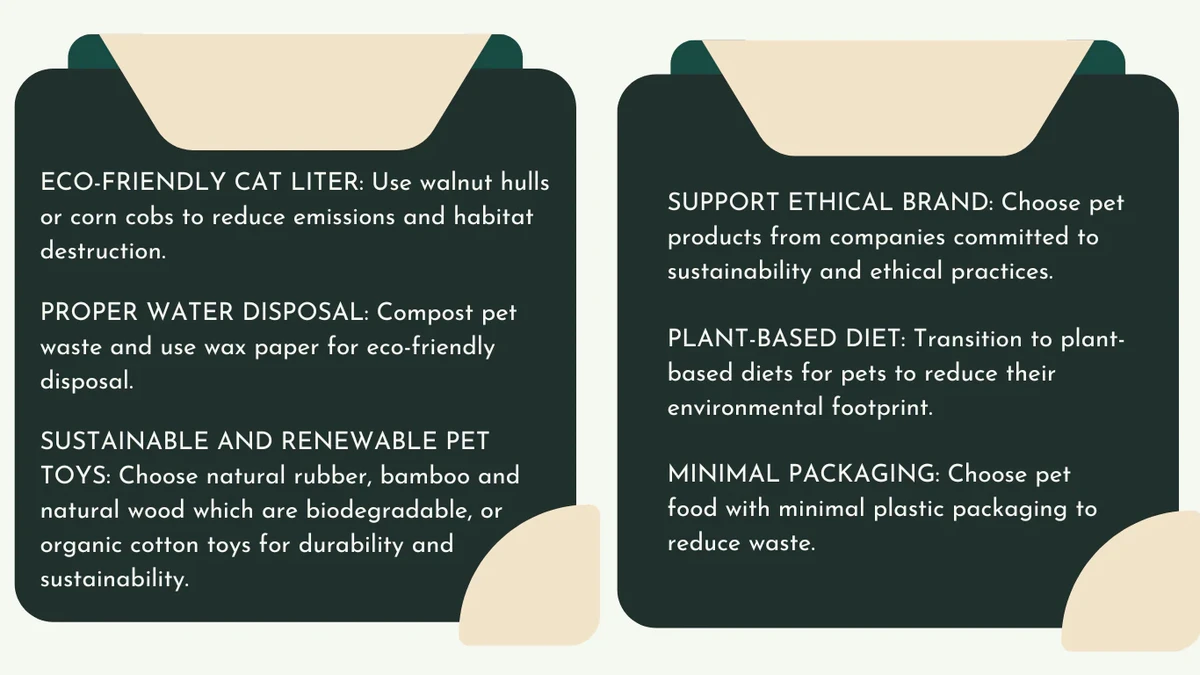
PawVerde.com – Eco-friendly pet care focuses on reducing the environmental footprint of pet ownership through mindful consumption, waste management, and sustainable nutrition. Rather than seeking perfection, it involves making progress via high-quality, durable products, choosing certified compostable waste solutions, and selecting low-carbon protein sources like insect-based diets.
“A sustainable lifestyle is not about perfection—it’s about progress,” according to Caring Hands Vet.
The Greenwashing Audit: How to Spot Fake Eco-Claims
To audit pet brands for greenwashing, look past vague terms like ‘natural’ or ‘biodegradable’ and seek specific certifications. Verify if ‘compostable’ products meet regulated standards rather than unregulated claims, and check for transparent ingredient sourcing or third-party eco-certifications to ensure the brand isn’t just using ‘window dressing.’
Ecofurball notes that sustainability starts with behaviour, not branding. Many owners fall into the trap of purchasing “green” products that offer no measurable environmental benefit because the marketing language lacks scientific rigor. Paul Greenberg, an environmental writer and author of The Climate Diet, suggests that much of the current industry movement toward sustainability may simply be window dressing if the underlying issue of mass breeding for dogs and cats remains unaddressed.
Vague terminology vs. Certified standards
Ecofurball highlights that brands often use biodegradable and compostable language to meet consumer demand rather than delivering actual environmental outcomes. While compostable products undergo strict testing and certification standards, biodegradable products often rely on vague or unregulated claims that do not guarantee a specific decomposition timeline.
The ‘Natural’ marketing trap
Marketing departments frequently utilize the term “natural” to imply environmental friendliness, yet this term is rarely tied to specific ecological performance metrics. To avoid these traps, pet owners should look for the following indicators of genuine sustainability:
- Third-party eco-certifications rather than self-made brand badges.
- Specific material compositions (e.g., “100% post-consumer recycled”).
- Transparent ingredient sourcing documentation.
- Clear instructions on end-of-life disposal for bioplastics.
The Hidden Carbon Footprint of Pet Food
Caring Hands Vet suggests that selecting brands that utilize locally sourced, organic, or insect-based proteins can lower carbon emissions and reduce dependence on intensive livestock farming.
Caring Hands Vet suggests that insect-based proteins can significantly lower carbon emissions. By selecting brands that utilize locally sourced, organic, or insect-based proteins, owners can reduce the ecological strain caused by intensive livestock farming. Furthermore, Adopt a Pet notes that buying pet food in bulk can reduce both packaging waste and the carbon costs associated with frequent shipping and delivery.
| Protein/Sourcing Type | Environmental Impact | Primary Benefit |
|---|---|---|
| Traditional Livestock | High | High protein density |
| Insect-Based | Low | Reduced carbon emissions |
| Locally Sourced | Medium/Low | Lower shipping footprint |
| Bulk/Organic | Low | Reduced packaging waste |
Shifting toward insect-based or local options provides a direct path to lower emissions compared to traditional livestock proteins.
Insect protein vs. Traditional livestock
Insect-based proteins offer a high-efficiency alternative to cattle or poultry, as these sources require significantly fewer resources to produce.
The economic link: Quality food vs. Vet bills
Reports suggest that lower-quality cat food can lead to higher veterinary expenses, with issues such as digestive problems, dull coats, or low energy levels often resulting from poor-quality diets.
Waste Management: Compostable vs. Biodegradable
Compostable bags are the superior choice for pet waste; they break down into nutrient-rich compost within 100-200 years. In contrast, biodegradable bags can take over 500 years to decompose in a landfill and may contribute to microplastic pollution.
Effective waste management is critical, especially considering that Petco reports 25% of the world’s plastic waste is littered or not disposed of properly. When selecting waste solutions, the thickness of the material also matters for durability; Gogostik notes that modern eco-friendly pet waste bags should have a minimum thickness of 15-20 microns to prevent leakage and environmental contamination.
| Feature | Biodegradable Bags | Compostable Bags |
|---|---|---|
| Decomposition Time | 500+ years in landfill | 100-200 years in landfill |
| Environmental Risk | Microplastic pollution | Nutrient-rich breakdown |
| Regulation | Often unregulated/vague | Strict testing standards |
Choosing compostable options ensures a faster, safer decomposition process compared to biodegradable alternatives.
Sustainable Daily Habits and Low-Waste Maintenance
Ecofurball emphasizes that eco-friendly pet care habits prioritize targeted cleaning instead of routine over-washing. For example, owners can spot-clean beds or air out blankets outdoors to reduce water and energy waste.
Instead of washing all pet bedding every week, owners can spot-clean specific areas or air out blankets outdoors to refresh them. This approach extends the life of the fabric and reduces the chemical load from detergents.
The Micro-Habit Matrix: Low to High Effort
Owners can implement various levels of sustainable care:
- Low Effort: Brushing pets regularly to prevent excessive bathing (Low-Waste Grooming); using cold water cycles for laundry.
- Medium Effort: Spot-cleaning beds; using eco-certified detergents; making DIY enrichment toys from cardboard boxes or old socks, as recommended by Honest Pet Products.
- High Effort: Transitioning to a fully insect-based or organic diet; switching to bulk-purchased, zero-waste treats.
Grooming and Laundry hacks
Maintaining hygiene does not require a heavy environmental toll. Following the Low-Waste Grooming technique—which includes brushing regularly to minimize bathing and cleaning brushes instead of replacing them—can significantly reduce water usage. For laundry, Ecofurball recommends using cold water cycles and eco-certified detergents to minimize the ecological impact of cleaning pet fabrics.
Product Lifecycle: Choosing and Disposing of Gear
Ecofurball states that using durable bowls, toys, and grooming tools reduces waste far more than frequently replacing them with new “eco” versions.
When new purchases are necessary, look for brands that prioritize circularity. For example, P.L.A.Y. utilizes 100 percent post-consumer, certified-safe recycled plastic bottles as filler for their dog beds. Other brands, such as Butterfly & Bee, focus on plant-based product lines to avoid synthetic materials entirely.
Understanding the lifecycle of a product—from its manufacturing to its eventual disposal—is essential for true sustainability. A high-quality nylon leash or a rubber toy may have a higher initial footprint, but its durability makes it more sustainable than a series of cheap, disposable “eco” alternatives.
FAQ
Is it better to buy ‘eco’ products or use what I already have?
Ecofurball suggests that using durable existing items like bowls and toys is more effective at reducing waste than frequently replacing them with new “eco” versions.
How can I reduce my pet’s carbon footprint through food?
To lower carbon emissions, look for brands that use locally sourced, organic, or insect-based proteins. Purchasing in bulk can also reduce packaging and shipping costs.
What is the difference between compostable and biodegradable?
Compostable products undergo strict testing and break down into nutrients in 100-200 years, whereas biodegradable products often rely on unregulated claims and can take 500+ years to decompose.
How to Choose Eco-Friendly Pet Products Without Greenwashing
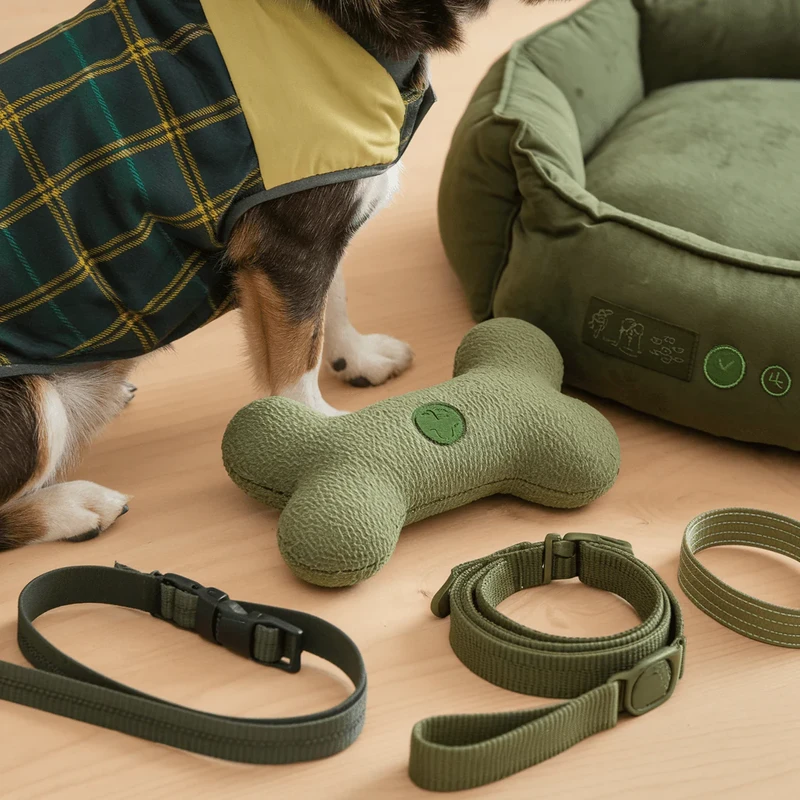
PawVerde.com – Eco-friendly pet ownership involves transitioning to sustainable materials like bamboo, stainless steel, and organic proteins while avoiding “greenwashing.” By selecting durable, non-toxic products and implementing a phased transition—starting with waste management and moving to nutrition—owners can significantly reduce their pet’s environmental footprint and long-term costs.
Projections suggest that over a fifth of product descriptions in the pet market may contain potentially misleading green claims.
How to Spot Greenwashing: A Red Flag Checklist for Pet Owners
To detect greenwashing, scrutinize vague terminology like “natural” or “sustainable” without specific certifications. Verify ingredient percentages, check for third-party eco-logos, and look beyond visible packaging to investigate actual manufacturing processes and supply chain transparency to ensure environmental claims are genuine.
Businesses use environmental claims as a strategy to appeal to eco-conscious consumers, but not all are genuine, as noted by Danguole Oželienė of Vilnius University. This practice often involves selective disclosure to create misleading impressions. Specifically, those practicing greenwashing concentrate marketing efforts on visible elements like packaging whilst avoiding discussion of ingredient sourcing, manufacturing processes, or supply chain practices.
Vague Terminology vs. Certifications
A primary failure mode for consumers is accepting broad marketing buzzwords as proof of environmental stewardship. Lamancusa observes that “sustainability” can be a catch-all term, which makes it ripe for greenwashing and has led to consumer skepticism. Instead of relying on adjectives, owners should look for specific, verifiable data. For example, a product claiming to be “eco-friendly” is meaningless unless it provides evidence of its lifecycle or certification. If a brand uses a term like “natural” without defining the percentage of organic content, it is a significant red flag.
The Packaging Trap
Greenwashing often involves concentrating marketing efforts on visible elements like packaging to create misleading impressions while avoiding discussion of ingredient sourcing or supply chain practices. To avoid this, use the following checklist when evaluating a new purchase:
- Verify Certifications: Look for recognized third-party eco-logos rather than self-made “green” icons.
- Analyze Ingredients: Scrutinize the actual ingredient percentages and their origins.
- Check the Supply Chain: Investigate whether the manufacturer discusses their production methods.
- Look Beyond the Box: Ensure the product inside is as sustainable as the cardboard it arrives in.
The Lifecycle Guide: Ensuring Your “Eco” Products Don’t End Up in Landfills
A product’s impact is defined by its end-of-life stage. If a product is manufactured using sustainable methods but is not designed for a specific disposal method, it may create unexpected waste. For instance, Smart Bark reports that compostable poop bags are failing to decompose when they are placed in a landfill instead of a proper composter.
A common misconception is that all “compostable” items are inherently better for the planet. However, Smart Bark reports that compostable poop bags are failing to decompose when they are placed in a landfill instead of a proper composter. If these bags do not reach a high-heat industrial composting environment, they may not break down as intended, contributing to long-term waste issues.
The Compostable Bag Reality Check
When deciding between waste management options, consider the disposal infrastructure available to you. Smart Bark notes that if you are able to compost bags at home, as intended, then they are definitely the preferred option. However, if you lack access to home or industrial composting, the carbon footprint of producing these renewable materials might actually be higher than that of recycled plastic alternatives. Recycled plastic has a lower carbon footprint and is easier to dispose of, though it will not decompose.
End-of-Life for Bamboo and Metal
For durable goods like bamboo brushes or stainless steel bowls, the lifecycle is much longer. These items are designed to resist the cracked plastic issues that occur when using low-durability materials. Because they last for years, they prevent the “buy-and-toss” cycle that fuels landfill growth.
Material Deep Dive: Choosing Safe and Sustainable Essentials
For long-lasting and safe pet essentials, prioritize stainless steel for bowls to prevent chemical leaching, bamboo for feeding items due to its rapid regeneration and lack of harmful chemicals, and non-clay litters to avoid sodium bentonite risks.
Selecting the right material requires balancing environmental impact with biological safety. For instance, many conventional pet grooming products contain toxic and potentially harmful chemicals, such as parabens, phthalates, and petroleum, which can cause unwanted side effects or diseases, according to Best Friends Animal Society. Moving toward safer materials is a dual benefit for both the planet and the pet.
| Material/Product | Eco-Benefit | Primary Safety/Usage Advantage | Disposal Note |
|---|---|---|---|
| Bamboo | Rapidly regenerates; reduces deforestation | Does not contain harmful chemicals | Biodegradable/Compostable |
| Stainless Steel | Highly durable; lasts for years | Does not leach chemicals | Fully Recyclable |
| Compostable Bags | Made from renewable resources | Reduces plastic waste | Requires composting facility |
| Recycled Plastic | Lower carbon footprint than compostable | Easy to dispose of in current systems | Recyclable (if infrastructure exists) |
When evaluating products, consider that recycled plastic offers a lower carbon footprint and easier disposal in current systems, whereas compostable options require specific infrastructure to be effective.
Feeding: Bamboo vs. Stainless Steel
When choosing feeding vessels, both bamboo and stainless steel are excellent, but for different reasons. Green Pet states: “Bamboo products don’t contain any harmful chemicals, which is especially important for products that pets use to eat or drink from.” This makes bamboo a safe, natural choice. Conversely, Ecofurball notes that stainless steel is a superior eco-friendly material because it doesn’t leach chemicals and lasts for years, making it a highly durable option for heavy users.
Hygiene: The Safety of Non-Clay Litters
Hygiene products are often overlooked in the sustainability conversation. Best Friends Animal Society points out that eco-friendly cat litters do not contain clay or sodium bentonite. These conventional ingredients can be harmful and potentially sicken or poison pets. Transitioning to non-clay alternatives provides a safer environment for your pet while reducing the mining impact associated with traditional clay litters.
The Economic Argument: Upfront Costs vs. Long-Term Durability
While sustainable products can cost more upfront, Ecofurball explains that they often last longer and save money over time. For example, specialized durable goods like the Cool Pet Pad, priced at $24.99, or the Crazy Warm Pet Bed, priced at $39.99, represent investments in longevity that can offset the frequent replacement of cheaper, low-durability items.
Consider the difference between disposable and durable items. A low-cost pet bed might cost significantly less initially, but if it degrades within months, the replacement cycle becomes expensive. For example, while a standard item might be priced lower, specialized durable goods—such as those seen in collections where items like the Cool Pet Pad are priced at $24.99 or the Crazy Warm Pet Bed is priced at $39.99—represent investments in longevity. By avoiding the constant replacement of cracked or worn-out plastic items, owners realize long-term savings.
A Step-by-Step Transition Roadmap for Eco-Conscious Owners
Caring Hands Vet suggests a phased approach to ensure the transition to a greener lifestyle is manageable. Rather than changing everything at once, owners can move through distinct stages of adoption.
Follow this roadmap to gradually reduce your pet’s environmental footprint:
- Phase 1: Waste Management: Start with the easiest switch. Replace plastic poop bags with recycled plastic or, if you have a composter, compostable versions.
- Phase 2: Durable Essentials: Replace worn-out plastic bowls or toys with stainless steel or bamboo alternatives.
- Phase 3: Sustainable Nutrition Transition: As recommended by Caring Hands Vet, start small by experimenting with eco-conscious brands. Look for food that utilizes locally sourced, organic, or insect-based proteins to lower carbon emissions.
- Phase 4: Lifestyle & Adoption: Consider long-term shifts, such as adopting from a shelter, which Caring Hands Vet notes reduces the demand for resource-heavy mass breeding facilities.
Budget-Friendly Sustainability: DIY and Upcycling
Best Friends Animal Society provides several methods for DIY recycled pet toys that are both economical and eco-friendly. You can utilize household items to create enrichment without purchasing new plastic goods.
- Fabric Rope Toys: Use old fabric strips to braid a sturdy tug toy.
- Treat Puzzles: Repurpose a clean PVC pipe to create a food-dispensing puzzle.
- Water Bottle Toys: Place an old sock over a plastic bottle to create a crinkle toy.
- Cardboard Exploration: Use empty boxes to create hiding spots or enrichment environments.
FAQ
Are compostable poop bags better than recycled plastic ones?
It depends on your disposal method. Recycled plastic has a lower carbon footprint and is easier to dispose of in current systems, while compostable bags are made from renewable resources but require a home or industrial composter to avoid becoming landfill waste.
Why is bamboo considered a sustainable choice for pet bowls?
Bamboo is a highly sustainable resource because it regenerates rapidly compared to trees, which helps reduce deforestation. Additionally, as noted by Green Pet, bamboo products do not contain harmful chemicals, making them safe for pets to eat or drink from.
How can I reduce my pet’s carbon footprint through nutrition?
You can transition to sustainable pet food that utilizes locally sourced, organic, or insect-based proteins. This approach helps lower the overall carbon emissions associated with traditional meat-heavy pet diets.
Sustainable Pet Supplement Manufacturing: Eco-Trends 2026
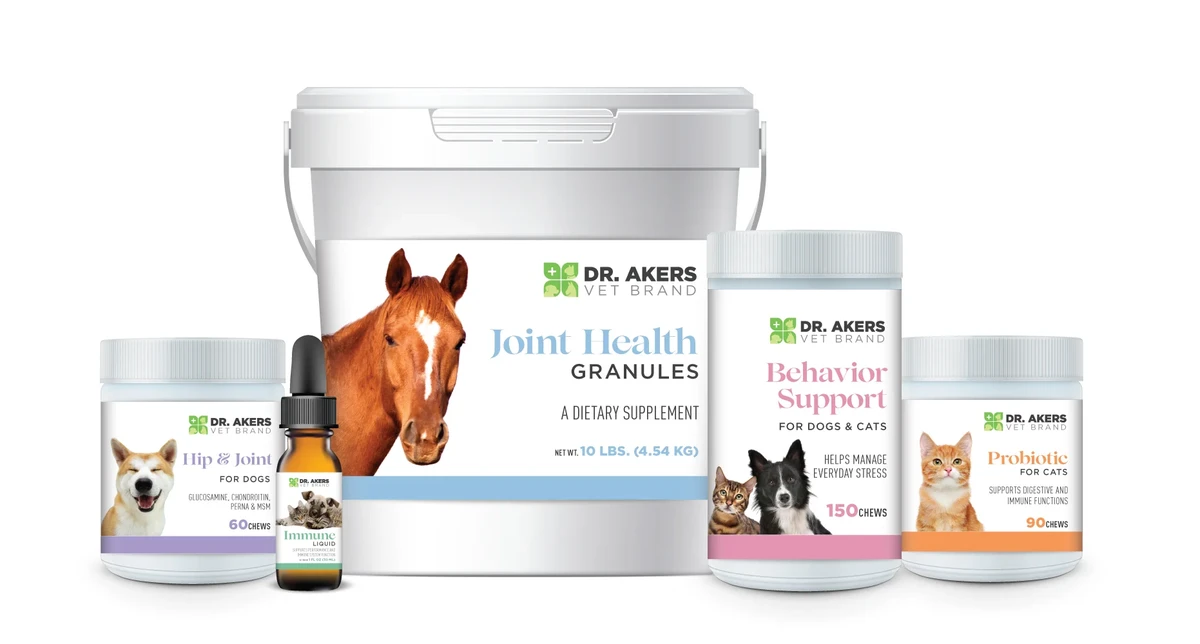
PawVerde.com – The pet supplement market is undergoing a rapid green transformation, driven by a 9.4% CAGR and increasing consumer demand for eco-friendly labels. Manufacturers are now pivoting from simple FDA compliance toward complex sustainability audits, balancing carbon-neutral ingredient extraction with the technical challenges of biodegradable packaging and shelf-life stability. Pet owners are increasingly voting with their wallets, with 60% identifying ‘recyclable’ as a primary trustworthy label claim in recent surveys.
The Sustainability Paradox: Balancing Eco-Friendly Sourcing with Product Stability
The sustainability paradox in pet supplements involves the technical conflict between using biodegradable packaging and maintaining the nutrient density of sensitive ingredients. While eco-friendly materials reduce waste, they often lack the moisture and oxygen barriers required to prevent the oxidation of critical oils, such as Omega-3s, which can compromise product efficacy and safety.
The Oxidation Risk in Biodegradable Pouches
A pouch does its hardest work after it’s been opened. A pouch does its hardest work after it’s been opened, as a compromised seal allows air to enter, causing food to dry out and leading to product waste. This failure mode is particularly dangerous for lipid-heavy supplements. If a biodegradable material fails to provide a sufficient barrier, oxygen ingress triggers rapid oxidation.
Oxidation alters the chemical structure of the supplement. This degradation impacts the biological value of the product. If the seal is compromised, the contents become ineffective. This creates a waste cycle where eco-friendly packaging actually leads to more discarded product.
Nutrient Density vs. Shelf-Life
The quality of raw materials directly impacts the safety and effectiveness of pet supplements, as noted by Pharmatech Asia Group pet nutrition. Maintaining this quality requires a strict balance between the environmental footprint of the container and the chemical stability of the ingredients. High-performance barriers are often non-recyclable, creating a tension between shelf-life and sustainability.
Beyond Compliance: A Sustainability Audit Checklist for Founders
Founders must look beyond standard regulatory requirements to build a truly sustainable brand. While the FDA oversees pet supplements as animal feed, enforcing safety and labeling rules under the FD&C Act, true sustainability requires a broader scope of inquiry.
A comprehensive audit should include the following pillars:
- Ingredient Sourcing: Prioritize upcycled side-streams from the human food industry and verify carbon footprints of raw materials.
- Manufacturing Standards: Implementing GMP can reduce product contamination risks and ensure consistent efficacy.
- Quality Assurance: The NASC Quality Seal requires manufacturers to maintain a quality control manual and conduct random product testing to detect heavy metals and contaminants.
- Packaging End-of-Life: Evaluate the lifecycle of mono-material pouches versus compostable alternatives.
To maintain integrity, manufacturers must adhere to strict documentation. For example, the NASC Quality Seal Program requires companies to maintain a quality control manual to meet organizational standards.
Green Extraction: Moving Away from Chemical Solvents
The environmental footprint of a supplement is heavily influenced by the extraction process. While traditional methods often rely on hexane, a petroleum-based solvent, newer approaches aim to reduce chemical waste.
Mechanical expeller pressing serves as a highly sustainable alternative to chemical solvent extraction, using higher pressures and temperatures than cold pressing while still avoiding chemical solvents. This allows for high yields without the ecological burden of solvent recovery systems.
| Extraction Method | Environmental Impact | Primary Mechanism |
|---|---|---|
| Hexane Extraction | High (Chemical Waste) | Chemical Solvent Dissolution |
| Expeller Pressing | Low (Mechanical) | High Pressure & Temperature |
| Green Solvent | Low (Eco-friendly) | Aqueous-assisted or Terpene-based |
Selection depends on the target ingredient, as mechanical pressing is a viable method for seed oil extraction, providing a way to manage yields without the ecological burden of traditional solvent systems.
Navigating the Regulatory Landscape: FDA and NASC Standards
Regulatory compliance is the baseline, not the ceiling, for pet supplement manufacturing. The FDA oversees pet supplements as animal feed, enforcing safety and labeling rules under the FD&C Act. This ensures that products are safe for consumption, but it does not inherently mandate environmental sustainability.
NASC certification is a voluntary quality seal that shows a brand meets strict manufacturing and labeling standards, according to Matsun Nutrition. This seal provides a layer of trust for consumers looking for verified quality. However, a common misconception exists regarding the depth of this certification: NASC does not require companies to perform efficacy studies or verify scientific research data for product efficacy.
While the NASC seal confirms that a manufacturer follows Good Manufacturing Practices (GMP), it is not a guarantee of clinical proof. According to research cited in the National Science Foundation (NSF) article, the NASC does not require companies to verify that scientific research data are available to prove product efficacy.
Sustainable Pet Care: How to Avoid Greenwashing Tactics
PawVerde.com – With 94 million U.S. families owning pets, a new wave of sustainable pet care is emerging to tackle the environmental impact of pet food and waste. From insect-based proteins to certified compostable waste management, owners are increasingly adopting eco-friendly routines to reduce their pets’ carbon footprints.
How to spot greenwashing in pet product marketing
To avoid greenwashing, pet owners should look beyond vague terms like ‘natural’ or ‘eco-friendly.’ Instead, verify products using specific certifications like ASTM D6400 for compostability, check for BPA-free labels on plastic items, and prioritize brands that provide transparent ingredient sourcing and sustainable packaging details.
A common failure mode in the pet industry occurs when manufacturers market cheap bags using vague environmental terminology without providing technical proof. It is noted that the distinction between “biodegradable” and “compostable” is a critical factor for planetary health. While many products claim to be eco-friendly, they may lack the necessary certifications to ensure they actually break down in controlled environments.
- Technical Certifications: Look for the ASTM D6400 standard to confirm true compostability.
- Chemical Safety: Prioritize BPA-free labels to prevent harmful chemical leaching into ecosystems.
- Material Integrity: Seek out durable, natural materials such as hemp for collars and leashes, which requires zero pesticides to grow.
- Packaging Transparency: Verify if the brand provides specific details regarding their sustainable packaging lifecycle.
Interestingly, while 80 percent of young adults in the U.S. express a willingness to pay more for environmentally conscious products, many still fall victim to misleading labels. Reports suggest that choosing hemp or stainless steel over plastic can significantly reduce long-term waste.
The hidden environmental cost of pet food and nutrition
Pet food manufacturing is a major environmental driver, accounting for approximately 60% of a pet’s annual greenhouse gas emissions. Reducing this impact involves choosing brands that utilize locally sourced, organic, or insect-based proteins to decrease reliance on intensive livestock farming.
The Royal Canin Academy notes that pet food manufacturing is responsible for nearly 60 percent of a pet’s annual emissions. This high percentage highlights how dietary choices directly influence a pet’s total carbon footprint.
To mitigate this, experts suggest looking for specific nutritional alternatives. Transitioning to insect-based proteins or locally sourced organic ingredients can lower carbon emissions by reducing the necessity of intensive livestock farming. Science-led nutrition also emphasizes the importance of aligning with sustainability goals.
It is suggested that owners can implement a sustainable routine by making gradual changes, such as one ingredient shift at a time. This approach allows owners to assess both nutritional quality and ecological impact while moving away from high-emission industrial farming models.
Managing pet waste to prevent methane emissions
When pet waste decomposes in landfills, it produces methane, a harmful greenhouse gas that contributes to climate change. Specialized disposal methods are essential to prevent this specific environmental pressure.
Effective waste management requires moving away from standard plastic bags. PET N PET offers alternatives, such as their plant-based poop bags which feature 92 percent biobased content. For those looking for comprehensive kits, the Pet N Pet Walk Kit is priced at $55.99, while their Lavender-Scented Colorful Poop Bags (720 count) are available for $8.99. For larger needs, the Plant-based Poop Bags (1080 count) retail for $39.99.
Warning: Improper waste management can lead to environmental health issues. Bombs Away underscores the importance of using specialized systems rather than letting waste impact local water quality through runoff, noting that your furry friend depends on you and so does the planet.
Lil’ Archie’s advises that owners should “Always opt for certified compostable over biodegradable bags.” This distinction ensures that the waste can be processed through aerobic digestion or enzyme-based treatments rather than simply breaking down into microplastics in a landfill. Bombs Away emphasizes that “Your furry friend depends on you—and so does the planet,” highlighting the responsibility of using specialized composting systems.
Sustainable grooming and household product alternatives
It is suggested that using reusable towels for grooming is a vital step to prevent microplastic release into the environment. Transitioning to durable, natural materials helps mitigate waste and reduce landfill volume.
In the grooming sector, practitioners recommend using reusable metal or bamboo tools and biodegradable, non-toxic shampoos. To conserve water, owners can install a pet shower sprayer with a shut-off nozzle or bathe pets in a lawn area that requires watering. It is highlighted that using reusable towels for grooming is a vital step to prevent microplastic release into the environment.
| Product Category | Conventional Option | Sustainable Alternative | Key Benefit |
|---|---|---|---|
| Waste Management | Plastic bags | Certified compostable bags | Reduces landfill methane |
| Feeding | Plastic bowls | Bamboo or stainless steel | Non-toxic and recyclable |
| Accessories | Synthetic nylon | Hemp or wool | Low water/pesticide use |
| Grooming | Single-use wipes | Reusable/Biobased wipes | Reduces plastic waste |
The table above details common transitions, such as replacing plastic with bamboo—a material that can be harvested within 4 years—to create a more circular product lifecycle.
Eco-Friendly Pet Shop Guide: How to Spot Greenwashing
PawVerde.com – An eco-friendly pet shop focuses on providing sustainable, non-toxic, and ethically sourced supplies—ranging from biodegradable waste bags and bamboo accessories to insect-based proteins—to reduce a pet’s environmental footprint while ensuring animal safety through certified, green-labeled products.
The idea that going green isn’t just for people is a sentiment shared by the Best Friends Animal Society.
How to Spot Greenwashing in Pet Products
To detect greenwashing, look for specific certifications rather than vague terms like ‘eco-friendly’ or ‘natural.’ Avoid brands that fail to clarify if ‘compostable’ items require industrial facilities. Genuine sustainability is backed by proof, such as recycled material percentages or third-party environmental audits, rather than just marketing claims.
The ‘Vague Term’ Red Flags
Misleading claims undermine trust in genuine environmental initiatives and deter progress, as noted by Danguole Oželienė of Vilnius University. Many retailers use the term “eco-friendly” as a broad label without providing any underlying data or third-party verification to support the assertion. This lack of transparency makes it difficult for consumers to distinguish between a brand that has invested in sustainable supply chains and one that is simply using marketing buzzwords.
When evaluating a product, check for these specific indicators of potential greenwashing:
- The use of “natural” or “green” without defining specific ingredient standards.
- Claims of being “eco-friendly” that lack a percentage of recycled or organic content.
- Vague environmental promises that do not mention specific manufacturing or sourcing improvements.
The Compostability Trap
A common failure mode in sustainable pet shopping is the assumption that all “compostable” products can be disposed of in a backyard bin. The term “compostable” often lacks clarity regarding industrial requirements. Many items labeled as compostable actually require the high-heat, controlled environments of industrial composting facilities to break down effectively. If a biodegradable waste bag is tossed into a standard landfill, it may fail to decompose as intended, contributing to the very environmental issues it claims to solve.
The Lifecycle Audit: Beyond the Purchase
Sustainability extends far beyond the moment a transaction is completed at a retail checkout. A true lifecycle audit considers the entire existence of a product, from the extraction of raw materials to its eventual disposal or reuse.
Circular Economy Models
Modern sustainable brands are increasingly adopting circular economy models to prevent products from entering landfills. Instead of a linear “take-make-waste” approach, these companies design systems where materials are continuously cycled back into production. Awoo Pets utilizes this strategy through its rePAWpose program, which allows for the circulation of goods. This program provides an exchange value of $5 for pre-loved Awoo items, encouraging owners to pass on functional gear rather than discarding it.
End-of-Life Disposal Strategies
Understanding how a product leaves your home is critical for reducing a pet’s environmental impact. Retailers are now focusing on packaging and material recovery to close the loop. For example, Nina Woof utilizes 100% recyclable packaging for its products. This ensures that once the consumer has used the accessory, the outer casing can be processed through standard recycling streams rather than becoming permanent waste.
| Brand Name | Core Eco-Focus | Key Sustainability Stat |
|---|---|---|
| Nina Woof | Vegan & Recycled Materials | 50% minimum recycled materials |
| Awoo Pets | Circular Economy | $5 exchange via rePAWpose |
| The Green Pet Shop | Sustainable Gear | Founded in 2010 |
| Wild One | Social Impact | Supports animal rescues |
The table above highlights how different brands prioritize various aspects of the sustainability spectrum, from material composition to circularity programs.
Top Eco-Friendly Pet Brands and Retailers
Leading sustainable pet retailers include The Green Pet Shop (founded 2010), Organic Pet Boutique (since 2009), and Nina Woof, which uses at least 50% recycled materials. Other notable brands include Awoo Pets, known for its rePAWpose program, and Wild One, which supports animal rescues.
Choosing a retailer often depends on whether you are seeking specialized organic goods or general sustainable gear. Organic Pet Boutique has been providing curated organic and eco-friendly products since 2009, catering to owners who prioritize ingredient purity. For those looking for specialized gear, The Green Pet Shop, established in 2010, offers a variety of items including the Cool Pet Pad, which carries a 4.85/5.0 review rating and provides cooling effects for up to 3 hours after a 15-minute recharge.
For budget-conscious shoppers, some sustainable options offer competitive pricing. FunnyFuzzy manufactures toys starting at $8 and human-grade dog beds for up to $484. Similarly, Cycle Dog offers toys starting at $8, with a free shipping threshold of $50. Specialized retailers like Sustainable Pet Supply Co also provide incentives, such as a 10% discount on first orders, to make the transition to green products more accessible.
Sustainable Nutrition: The Rise of Alternative Proteins
Dietary choices significantly influence the environmental footprint of pet ownership. Many owners are looking for ways to mitigate the impact of traditional livestock farming.
Insect-based vs. Traditional Protein
Insect-based foods are emerging as nutritious options with minimal environmental impact. Unlike traditional meat production, which involves high methane emissions and massive resource consumption, insect protein can be produced in a highly controlled, efficient manner. This shift represents a significant opportunity to reduce the carbon footprint of pet diets without sacrificing nutritional density.
The Carbon Footprint of Pet Diets
While many owners focus on organic ingredients, the method of protein sourcing is often more impactful for the planet. Moving toward alternative proteins or highly efficient ingredient streams can mitigate the environmental strain caused by mass-scale livestock farming. However, practitioners suggest that any significant change to a pet’s diet should be managed carefully to maintain nutritional balance.
Avoiding Toxic Chemicals in Pet Care
Sustainability is not solely about carbon footprints; it is also about the chemical safety of the products entering your home and touching your pet’s skin.
WARNING: Many conventional grooming products contain toxic and potentially harmful chemicals, such as parabens, phthalates, and petroleum. These substances can have unwanted side effects and may contribute to various health issues in pets.
Beyond grooming, even common household items like cat litter require scrutiny. Eco-friendly cat litters should not contain clay or sodium bentonite. According to the Best Friends Animal Society, these traditional ingredients can be harmful and potentially sicken or poison pets. Instead, look for litter alternatives that avoid these heavy minerals to ensure a safer environment for your cat.
FAQ
Is bamboo safe for pet consumption?
Bamboo is recognized as a highly sustainable resource that helps combat climate change by reducing deforestation. When used in pet gear, such as bowls or accessories, it serves as a durable and eco-friendly alternative to plastic, provided the manufacturer ensures the product is free from toxic additives.
What are the risks of conventional cat litter?
Conventional cat litters often contain clay or sodium bentonite. These ingredients are considered harmful because they can potentially sicken or poison pets. Opting for eco-friendly alternatives avoids these specific mineral risks while reducing the environmental impact of mining.
How can I reduce my pet’s carbon paw print?
You can reduce your pet’s environmental impact by adopting from shelters, which reduces demand for resource-heavy mass breeding. Additionally, using biodegradable waste bags, choosing insect-based proteins, and selecting products made from recycled materials are effective ways to lower your pet’s footprint.
Eco-Friendly Pet Cleaning: Mechanical vs. Enzymatic Tools
PawVerde.com – In 2024, the ASPCA reported that 6.5% of pet poison calls were directly linked to exposure to household cleaning products. As pet owners shift toward eco-friendly alternatives, understanding the distinction between mechanical tools and non-toxic chemical solutions is critical to preventing accidental ingestion, inhalation, or skin contact.
The Mechanical vs. Chemical Decision Matrix for Pet Messes
To manage pet messes effectively, use mechanical tools (like rubber brushes or wool dryer balls) for hair and dander removal, and enzymatic natural solutions (like Puracy or Bean & Lily) for organic stains and odors. Mechanical tools physically lift debris, while enzymatic cleaners chemically break down proteins in urine.
When to use physical tools
Mechanical intervention is the primary defense against physical debris. For instance, using 100% wool dryer balls in the laundry can knock pet hair loose through a constant bouncing action. This method is highly efficient, capable of reducing drying time by up to 25% while remaining reusable for over 1,000 loads. A common failure mode in laundry management is relying solely on liquid detergents; without the physical agitation of dryer balls, hair often remains trapped in fabric fibers.
When to use enzymatic solutions
Organic messes require a different biological approach. According to EcoPro Carpet & Upholstery Cleaning, Inc., it is necessary to use enzymatic cleaners to target and hydrolyze specific stain molecules like proteins or fats. This is particularly vital for urine, as these cleaners contain enzymes that neutralize odors at the molecular level rather than masking them. Using a standard soap instead of an enzyme-based solution can actually result in a failure to remove the source of the scent, leading to repeat accidents.
| Cleaning Method | Best For | Eco-Friendly Tool/Solution Example | Key Advantage |
|---|---|---|---|
| Mechanical | Hair, dander, and lint | Smart Sheep Wool Dryer Balls | Reduces drying time and physical debris |
| Enzymatic | Urine and organic stains | Puracy Carpet and Upholstery Shampoo | Breaks down proteins at a molecular level |
| Natural Surfactant | General floor cleaning | Bean & Lily Pet-Safe Floor Cleaner | Non-toxic residue for paw safety |
| Physical Agitation | Surface hair removal | O-Cedar Fur & Dust Mop | High-speed hair collection |
Effective maintenance requires matching the tool to the mess type. As shown in the table, Smart Sheep Wool Dryer Balls handle physical debris, while Puracy Carpet and Upholstery Shampoo ($15.99) targets biological proteins.
High-Shedding Protocol: Integrating Tools for Maximum Allergen Removal
Mt. Airy notes that “the most effective pet hair management combines regular grooming of your pets with consistent home cleaning using appropriate tools.” This multi-stage approach helps manage high-shedding breeds more effectively.
To maximize the removal of allergens and fur, practitioners follow a specific hierarchy of tools:
- High-Suction Vacuuming: Utilizing pet-focused vacuum cleaners, such as those manufactured by Dyson, to extract embedded hair from carpets.
- Surface Sweeping: Employing specialized tools like the O-Cedar Fur & Dust Mop, which offers a 3x multiplier for pet hair removal capability compared to standard mops.
- Laundry Integration: Adding wool dryer balls to every load of pet bedding to ensure loose hair is separated from the fabric.
Vacuuming alone may not suffice for heavy shedders. To prevent hair from remaining trapped in textiles, one should use the O-Cedar Fur & Dust Mop or 100% wool dryer balls to provide necessary mechanical agitation.
The Residue Factor: Protecting Paw Health and Respiratory Systems
Traditional cleaning products often leave behind chemical traces that pose significant biological risks. Green Llama reports that pets are particularly vulnerable because they spend so much time on the floor and are highly sensitive to strong synthetic fragrances. Because pets have faster respiratory rates and thinner skin than humans, they are more susceptible to chemical residues left behind by traditional cleaners.
The presence of Volatile Organic Compounds (VOCs) in many household cleaners is a primary concern for indoor air quality. According to hyveclean.com, these compounds can lead to headaches, dizziness, and respiratory issues in sensitive individuals, including pets. When cleaning floors, it is essential to ensure that products like Bean & Lily Pet-Safe Floor Cleaner ($6.99) or Dr. Bronner’s Sal Suds ($14.99) are used to avoid the buildup of toxic films that pets may ingest through grooming.
Surface-Specific Safety: Avoiding Accidental Damage
Using the wrong cleaning agent can result in permanent structural or aesthetic damage to the home. For example, Green Llama warns that using vinegar on natural stone or electronic screens can cause significant damage. Furthermore, Marathon Carpet Cleaning highlights a critical behavioral risk: using ammonia-based cleaners can encourage cats to mark areas with urine again, as ammonia is a component of cat urine.
| Surface Type | Risk Factor | Avoid This Product | Recommended Approach |
|---|---|---|---|
| Natural Stone | Acid erosion | Vinegar-based solutions | pH-neutral cleaners |
| Upholstery/Carpet | Stain setting | Incorrect chemical agents | Enzymatic cleaners (e.g., Puracy) |
| Cat Litter Areas | Behavioral marking | Ammonia-based cleaners | Enzymatic protein breakdown |
| Electronics | Corrosion/Streaking | Vinegar or harsh sprays | Dry microfiber or specialized wipes |
Avoid common mistakes that lead to permanent damage. Marathon Carpet Cleaning warns that using incorrect cleaning products can actually set the stain rather than remove it.

How to Choose Plastic-Free Pet Grooming Tools Effectively
PawVerde.com – To choose plastic-free pet grooming tools, prioritize materials like stainless steel for longevity and bamboo for biodegradability. Inspect tools for ‘hidden plastics’ such as synthetic bristles or plastic internal mechanisms, and opt for solid shampoo bars to eliminate liquid plastic packaging entirely.
Plastic packaging pollution is projected to more than double between 2025 and 2040, making sustainable pet care a critical necessity.
How to Spot ‘Greenwashing’ and Hidden Plastics
To avoid greenwashing, look beyond the handle. A tool may have a bamboo handle but still utilize plastic bristles, synthetic rubber grips, or internal plastic mechanisms. Always verify that the bristles are natural (like boar hair) or stainless steel, and ensure the tool is not a ‘hybrid’ that is impossible to recycle or compost.
Greenwashing often involves products labeled “eco-friendly” that actually incorporate plastics or toxic dyes. This deceptive practice targets consumers attempting to reduce their environmental footprint. A common failure mode is the “partially natural” tool, where a bamboo handle is glued to a plastic base or features a synthetic rubber grip that cannot be separated for recycling.
The Bristle Test: Natural vs. Synthetic
The most frequent source of hidden plastic is the bristle set. While a handle might appear sustainable, the contact point with your pet is often nylon or polyester. To verify a tool’s integrity, perform a tactile test: natural bristles or stainless steel pins feel significantly different from the uniform, slippery texture of synthetic plastic. If the product description does not explicitly name the bristle material, assume it contains plastic.
The Hybrid Tool Trap
A hybrid tool is a product that combines materials in a way that prevents proper end-of-life processing. For example, a brush combining a wooden handle with a plastic internal spring mechanism cannot be easily composted or recycled. Practitioners report that these “mixed-material” items are a primary driver of landfill waste in the pet industry. Always check if the components are mechanically fastened rather than chemically bonded with adhesives.
- Check for “recycled plastic” claims; these may still contain toxic dyes that prevent high-grade recycling.
- Inspect internal mechanisms for metal springs instead of plastic tensioners.
- Avoid synthetic rubber grips on “natural” handles.
Selecting the Right Sustainable Materials
Choosing materials with high durability and low environmental impact is essential for long-term pet care. Selecting between renewable resources and infinitely recyclable metals depends on specific household needs.
| Material | Sustainability Profile | Durability | End-of-Life |
|---|---|---|---|
| Plastic | High environmental impact; non-renewable | Low; breaks easily | Landfill/Microplastics |
| Bamboo | Renewable; rapidly growing resource | Moderate to High | Biodegradable/Compostable |
| Stainless Steel | Infinite recyclability; high longevity | Extremely High | Recyclable |
The table above compares common materials used in pet grooming. For example, the Bamboo Groom Small Slicker Brush is priced at $15.99, offering a biodegradable alternative to traditional plastic options.
Stainless Steel: The Infinite Recyclable Option
Stainless steel is the gold standard for sustainable grooming tools. According to tryfurgo.com, “Stainless steel components are generally more durable than plastic designs.” This material is highly resistant to rust and corrosion, which is essential for tools used in wet environments. Because it can be melted down and repurposed indefinitely without losing quality, it represents a circular economy model.
Bamboo: The Biodegradable Choice
Bamboo serves as an excellent renewable resource for brush handles and combs because it grows rapidly without the need for pesticides. The Pet Beastro notes that “Bamboo is 100% natural, biodegradable, and strong for a high quality durable long-lasting grooming tool.” This makes it an ideal choice for owners who want tools that can eventually return to the earth.
Step-by-Step: Transitioning Your Grooming Kit
Adopting eco-friendly habits can be managed through a gradual replacement strategy. This approach helps ensure that new tools meet the specific needs of your pet while managing costs.
- Identify your most frequently used tool, such as a daily brush or shampoo.
- Replace just one product at a time, such as a natural shampoo or an eco-friendly tool, to assess compatibility with your pet’s coat.
- Audit your current kit for “disposable” plastic items like single-use wipes.
- Swap single-use wipes for reusable microfiber or organic cotton cloths.
- Phase out plastic-heavy items as they reach the end of their functional life.
Prioritizing a single high-impact item, such as a shampoo bar, prevents the waste of discarding functional plastic tools prematurely. This method allows you to observe how different natural materials, like bamboo or metal, perform during actual grooming sessions.
The High-Impact Swap: Liquid Shampoo to Solid Bars
STUCK SOAP identifies replacing liquid shampoo in plastic bottles with solid shampoo bars as the easiest and highest-impact change for reducing waste. This transition significantly lowers your household’s plastic footprint.
Concentrated formulas eliminate the need for bulky plastic containers. STUCK SOAP reports that “One bar replaces multiple plastic bottles and lasts for months.”
Shortcut: To maximize the life of a solid shampoo bar, store it in a well-drained soap dish to prevent it from softening in standing water.
Maintenance and End-of-Life Disposal
Organic tools like bamboo require specific care to remain functional. Proper maintenance ensures these sustainable items do not degrade prematurely.
Preventing Mold in Wood and Bamboo
Because bamboo and wooden tools are organic, they are susceptible to moisture retention. To prevent mold or cracking, always dry your bamboo brushes thoroughly after use. Avoid leaving them in damp environments, such as the bottom of a bathtub, which can lead to structural degradation and bacterial growth.
Warning: If you notice dark spots or a musty smell on a bamboo handle, discontinue use immediately to prevent exposing your pet to mold spores.
The Lifecycle of a Tool: Compost vs. Recycle
Understanding how to dispose of tools is critical for true sustainability. A pure bamboo brush can be composted, but you must first ensure all metal pins or synthetic components have been removed. If a tool is a hybrid of wood and metal, it must be disassembled. Metal components should be taken to a dedicated recycling center, while the organic handle can then be composted.
Interestingly, grooming waste itself can be repurposed. Instead of tossing shed fur in the trash, add it to your compost bin. Dog hair is rich in nitrogen and breaks down naturally, contributing valuable nutrients to your garden soil.
Cost-Per-Use: Investing vs. Replacing
While items like the Bamboo Groom Large Combo Brush may have a different upfront cost than plastic, they provide long-term value. Investing in quality materials reduces the frequency of replacement purchases.
| Investment Type | Initial Cost | Lifespan | Total Cost of Ownership |
|---|---|---|---|
| Cheap Plastic Tools | Low | Short (breaks easily) | High (requires frequent replacement) |
| Bamboo/Steel Tools | Moderate/High | Long (years) | Low (single purchase) |
The data shows that cheap plastic grooming tools break easily and become ineffective quickly, contributing directly to landfill waste. For example, a Bamboo Groom Small Slicker Brush is priced at $15.99, whereas a high-quality stainless steel tool may cost more initially but will last through multiple years of use. When you factor in the cost of replacing a $5 plastic brush every six months, the premium for a durable $15.99 or $20.99 bamboo tool is recovered within the first two years.
FAQ
Can I compost my pet’s shed hair?
Yes, dog hair is rich in nitrogen and can be added to compost bins to provide nutrients to garden soil. This turns a common grooming byproduct into a valuable resource for your garden.
Are bamboo brushes better than plastic ones?
Bamboo is a renewable and biodegradable resource. Unlike plastic brushes that contribute to landfill waste, Bamboo Groom products are designed to be 100% natural and strong.
How do I avoid plastic in pet shampoos?
Switch from liquid shampoos in plastic bottles to solid shampoo bars. According to STUCK SOAP, this is the easiest way to eliminate plastic packaging and reduce waste.

Eco-Friendly Pet Shop Guide: Spotting Greenwashing Claims
PawVerde.com – An eco-friendly pet shop focuses on reducing the environmental impact of pet ownership through circular economy products, non-toxic materials, and sustainable supply chains. Key indicators include brands using recycled fibers, upcycled food waste for treats, and products certified by organizations like GOTS or PETA to ensure both planetary and pet health.
The environmental footprint of pet care is substantial, with the pet food industry in the United States alone producing an estimated 300 million pounds of plastic annually.
The Greenwashing Detection Guide: How to Spot Fake Eco-Claims
To detect greenwashing, look beyond vague buzzwords and demand data. Verify claims using third-party certifications like GOTS (Global Organic Textile Standard), GoodWeave, or PETA-approved vegan labels. A truly sustainable brand will provide specific details on material composition, such as “50% recycled materials,” rather than just using the term “green” or “natural”.
Red Flags in Marketing
Greenwashing often manifests through the liberal use of sustainability buzzwords in SEO, where brands target trending keywords to appear environmentally conscious without substantive changes to their operations. Printful notes that “green” terminology is just a bunch of vague statements unless you have the data to back them up. A common failure mode occurs when a company highlights a single “natural” ingredient while ignoring a supply chain built on heavy plastic use or high-emission transport.
To verify a brand’s authenticity, evaluate these specific metrics:
- Vague terminology: Terms like “eco-conscious” or “earth-friendly” used without specific metrics.
- Lack of transparency: Brands that do not disclose the exact percentage of recycled content.
- Missing certifications: Claims of being “cruelty-free” without recognizable third-party verification.
The Power of Third-Party Certifications
Reliable pet brands rely on rigorous external audits to validate their claims. For example, some brands utilize certified products to ensure ethical textile production. Similarly, certain brands maintain approved vegan and cruelty-free status, providing a verifiable standard for animal welfare. If a brand claims sustainability but cannot point to a specific certification or a breakdown of material composition, such as a 50% recycled materials composition, the claim should be treated with skepticism.
Material Science Cheat Sheet: Hemp, Bamboo, and Recycled Fibers
Selecting pet accessories requires comparing raw materials like organic cotton and recycled fibers to determine their environmental impact. Lil’ Archies, for example, utilizes these materials to create durable gear.
Why Bamboo Outperforms Traditional Timber
The Green Pet Shop identifies bamboo as a highly sustainable resource that helps combat deforestation. Because bamboo regenerates much more rapidly than traditional timber, it provides a renewable alternative for pet products without the long wait times associated with hardwood forests. This rapid growth cycle makes it a primary candidate for eco-conscious pet gear.
The Durability of Recycled Synthetics
Recycled fibers are no longer just a secondary option; they are becoming a standard for high-performance pet gear. Lil’ Archies, for instance, utilizes recycled fiber and organic cotton to create accessories that meet both aesthetic and environmental standards. The following table compares the lifecycle and impact of common materials found in eco-friendly pet shops.
| Material Type | Degradation Speed | Environmental Residue | Best Use Case |
|---|---|---|---|
| Compostable | 90% in 180 days | Nutrient-rich humus | Waste bags and treats |
| Biodegradable | 3 to 6 months | Potential marine harm | Single-use items |
| Petroleum-based | 200 to 500 years | Microplastics | Long-term heavy duty gear |
Material choice directly affects long-term waste. While petroleum-based plastics persist for 200 to 500 years, compostable products undergo 90% degradation in 180 days and return nutrients to the soil as humus.
The Circular Economy in Action: From Food Waste to Pet Beds
circular economy production involves closed-loop manufacturing where waste becomes a resource. Examples include ModernBeast repurposing wool discards into hats, and The Conscious Pet upcycling surplus food waste for treats, effectively diverting waste from landfills and reducing the need for virgin raw materials.
Upcycling Manufacturing Excess
ModernBeast demonstrates the circular model by ensuring that every part of their production process serves a purpose. Their felt cat toys are dye-cut from wool, and instead of discarding the leftovers, those discards are repurposed into the brand’s signature felt hats. This method significantly reduces landfill contributions; in fact, ModernBeast reports that 7 Up bottles are diverted from landfills for every pound of stuffing used in their products. Furthermore, the brand maintains a social commitment by donating 100% of its profits to animal welfare organizations.
The Impact of Local Sourcing on Carbon Pawprints
Reducing the distance a product travels is a key pillar of sustainability. The Conscious Pet utilizes surplus food from local restaurants to create pet treats, a process that minimizes the carbon emissions typically associated with long-distance food logistics. This localized approach prevents food waste from entering landfills where it would otherwise contribute to methane emissions.
- Resource Recovery: Converting manufacturing offcuts into new product lines.
- Waste Diversion: Using surplus food scraps as a primary ingredient.
- Energy Efficiency: Utilizing renewable energy for dehydration processes.
Compostable vs. Biodegradable: Navigating Waste Management
Distinguishing between compostable and biodegradable materials is vital for ecosystem protection. According to Ocean Watch, compostable products produce humus upon degradation, whereas biodegradable plastics can pose risks during their breakdown.
Warning: Never place compostable bags in a standard recycling bin, as they can contaminate the recycling stream for traditional plastics.
The Microplastic Problem
Biodegradable plastics present a specific risk to aquatic environments. Ocean Watch notes that while these plastics may break down, they can be harmful to marine animals during the degradation process. In contrast, Lil’ Archies highlights that compostable bags decompose faster and do not leave microplastics behind, preventing the long-term accumulation of synthetic particles in the food chain.
The Humus Advantage
The primary benefit of true compostable products is their ability to return nutrients to the earth. According to Ocean Watch, compostable products produce humus upon degradation, which is the most important part of all soils. This high level of microbial activity helps boost the health of the soil, turning waste into a biological asset rather than a pollutant.
Protecting Your Pet: Avoiding Toxic Chemical Loads
Biological safety is a core component of sustainability. Best Friends Animal Society warns that many conventional products contain toxic and potentially harmful chemicals, such as parabens, phthalates, and petroleum, which may cause diseases.
Warning: Many conventional grooming and household products contain parabens, phthalates, and petroleum, which are linked to various health issues.
Pet Magasin suggests that selecting supplies free from BPA and phthalates actively reduces a pet’s chemical load. Furthermore, Hill’s Pet emphasizes the importance of sustainable nutrition, as the ingredients used in pet food directly impact both the animal’s health and the broader environmental footprint of the pet care industry.
Budgeting for Sustainability: Price Per Use vs. Upfront Cost
While initial costs for sustainable gear may differ from mass-produced plastic, long-term value is found in durability. For instance, Blue Toby sustainable pet products, founded by animal behavior scientist Linda Brent, focuses on a 100-mile manufacturing radius to ensure quality control and localized production efficiency.
Some brands have implemented programs to make sustainability more accessible. Awoo Pets offers a rePAWpose program that provides a $5 per product exchange value, encouraging consumers to participate in a circular lifecycle rather than discarding old gear. Additionally, brands like Blue Toby Sustainable Pet Products focus on a 100-mile manufacturing radius. This localized production ensures higher quality control and reduces the environmental costs of shipping, which can be factored into the long-term value of the product.
FAQ
Can I compost dog waste at home?
Home composting systems may struggle with the pathogens found in pet waste. To manage waste safely, utilize certified compostable bags in industrial facilities.
How do I know if a pet brand is actually eco-friendly?
Look for specific data and third-party certifications like GOTS or PETA, rather than vague terms like “natural” or “green.” A credible brand will provide exact percentages of recycled or organic content in their product descriptions.
What is the benefit of upcycled pet treats?
Upcycled treats, like those from The Conscious Pet, use surplus food that would otherwise go to waste. This process reduces landfill contributions and helps lower methane emissions, making it a more sustainable choice for pet nutrition.