
How to Identify Signs of Pet Allergies in Pets & Humans
PawVerde.com – pet allergies represent a complex immune response to proteins found in animal dander, saliva, and fur, affecting millions of pet owners and their animals worldwide. These allergic reactions manifest through diverse symptoms in both humans and pets, ranging from respiratory distress and skin irritation to behavioral changes. Accurate identification and early diagnosis of these symptoms are essential for effective management and treatment, preventing progression to severe conditions such as asthma or chronic skin infections.
In pets, allergic reactions primarily result from hypersensitivity to environmental allergens such as pet dander, pollen, dust mites, and certain foods. Humans commonly develop allergic responses upon exposure to proteins found in pet saliva and dander, which can exacerbate respiratory and dermatological symptoms. This article explores the signs of pet allergies in both pets and humans, diagnostic methodologies, treatment strategies, and emerging research insights relevant to allergists, veterinarians, and pet owners.
Recognizing Signs of Pet Allergies in Pets
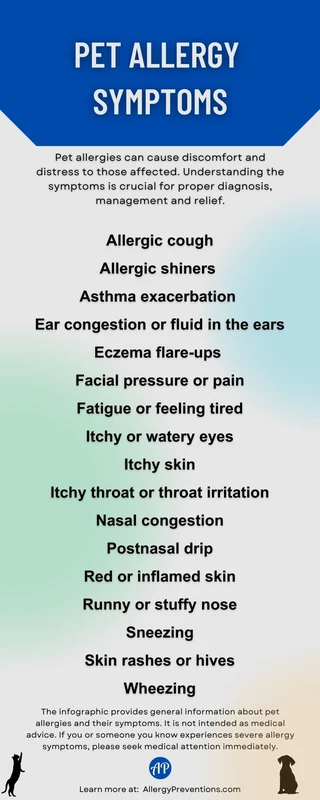
Allergic manifestations in pets, particularly dogs and cats, often present as a combination of behavioral and physical symptoms. Behavioral indicators include excessive scratching, persistent licking, and chewing focused on specific body areas, often corresponding to sites of inflammation or irritation. Such behaviors are not merely discomfort responses but reflect underlying immune-mediated skin hypersensitivity.
Physical signs in allergic pets typically involve erythema (skin redness), papular rashes, hair loss (alopecia), and recurrent ear infections (otitis externa). These dermatological symptoms frequently affect the face, paws, abdomen, and ears. The presence of chronic otitis in pets is strongly associated with allergic dermatitis, often complicating diagnosis due to overlapping infectious etiologies. Additionally, gastrointestinal symptoms such as vomiting and diarrhea may indicate food allergies, a less common but significant subset of pet allergies requiring elimination diet trials for confirmation.
Differences in allergy presentations between dogs and cats are notable. Dogs frequently exhibit generalized pruritus and secondary bacterial or yeast infections, while cats may display miliary dermatitis, self-induced alopecia, and eosinophilic granuloma complex. Seasonal exacerbations correspond with increased environmental allergen exposure, such as pollen or mold spores, necessitating temporal considerations in symptom evaluation.
Identifying Pet Allergy Symptoms in Humans
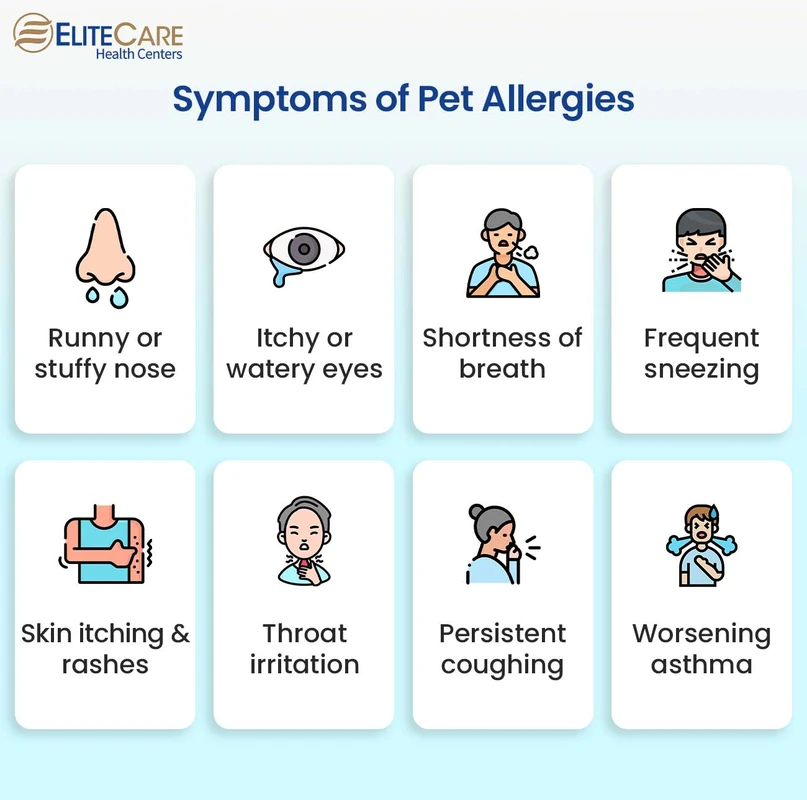
In humans, pet allergies predominantly manifest through respiratory and dermatological symptoms triggered by exposure to pet dander and saliva proteins. Respiratory symptoms include sneezing, nasal congestion, runny nose (rhinorrhea), and wheezing, with some individuals progressing to allergic asthma characterized by bronchial hyperresponsiveness and inflammation.
Ocular symptoms present as itchy, red, and watery eyes (allergic conjunctivitis), often accompanying nasal symptoms. Cutaneous reactions range from localized urticaria (hives) to generalized eczema-like rashes following skin contact with pets. Notably, children and individuals with pre-existing atopic conditions, such as asthma or eczema, exhibit increased susceptibility to severe allergic responses.
The impact of pet allergies on pediatric populations carries significant clinical implications. Studies indicate that early-life exposure to pet allergens can modulate immune system development, with conflicting evidence regarding protection versus sensitization. Nonetheless, children with established pet allergies require vigilant monitoring to mitigate exacerbations of asthma and other respiratory conditions.
Diagnostic Methods for Pet Allergies
Accurate diagnosis of pet allergies involves a combination of detailed medical history, physical examination, and confirmatory allergy testing. A comprehensive clinical history should document symptom patterns, timing relative to pet exposure, and environmental factors, facilitating differential diagnosis from other allergic or infectious diseases.
The skin prick test remains the gold standard in allergy diagnostics. This minimally invasive procedure introduces small amounts of standardized allergen extracts into the epidermis, eliciting a wheal-and-flare reaction in sensitized individuals within 15-20 minutes. Interpretation requires expertise to distinguish true positives from irritant or false-positive responses, especially in patients with dermatographism or skin conditions.
For patients unable to undergo skin testing, blood assays measuring allergen-specific Immunoglobulin E (IgE) provide an alternative. These tests quantify circulating IgE antibodies directed against pet allergens, offering objective data to support clinical findings. However, blood tests generally exhibit lower sensitivity compared to skin prick testing.
In veterinary medicine, allergy diagnosis incorporates intradermal skin testing analogous to human protocols, supplemented by elimination diet trials to identify food allergens. These trials involve feeding pets hypoallergenic diets for 8-12 weeks, monitoring symptom resolution, and subsequently reintroducing suspected allergens to confirm causality.
Managing and Treating Pet Allergies
Effective management of pet allergies requires a multifaceted approach combining environmental control, pharmacotherapy, and immunomodulation. Environmental interventions include regular cleaning to reduce allergen load, use of high-efficiency particulate air (HEPA) filters, and maintaining pet hygiene through consistent grooming to minimize dander dissemination.
Pharmacological treatments in humans typically involve antihistamines to alleviate sneezing and itching, intranasal corticosteroids to reduce nasal inflammation, and leukotriene receptor antagonists for asthma control. In severe or persistent cases, allergen-specific immunotherapy (AIT) offers disease-modifying potential by desensitizing the immune system through controlled allergen exposure, with evidence supporting long-term symptom reduction.
For pets, veterinarians prescribe topical treatments such as medicated shampoos and corticosteroids to manage skin inflammation. Systemic therapies include antihistamines and in refractory cases, immunotherapy tailored to identified allergens. Food allergy management emphasizes strict adherence to elimination diets to prevent recurrent gastrointestinal and dermatological symptoms.
Prompt veterinary or medical consultation is recommended for individuals exhibiting progressive symptoms, respiratory distress, or secondary infections. Preventive strategies for pet owners encompass allergen avoidance, strategic pet selection, and educating families on early symptom recognition.
Emerging Research and Considerations
Recent studies highlight the immunological complexity differentiating dog and cat allergies, with cat allergens (notably Fel d 1) demonstrating higher airborne persistence and sensitization potency compared to canine allergens. This disparity influences exposure risk assessments and therapeutic targeting.
Parental preconception and early childhood exposure to pets remain under investigation regarding their roles in allergy development. Some longitudinal cohort analyses suggest that controlled exposure may induce immunological tolerance, while others report increased sensitization, underscoring the need for personalized risk evaluation.
Misconceptions persist regarding pet allergies, including the belief that certain breeds are hypoallergenic. Scientific consensus refutes this, emphasizing that allergen production varies minimally across breeds, and exposure reduction strategies remain paramount.
Ongoing research focuses on novel diagnostic biomarkers and immunotherapeutic modalities, including recombinant allergen vaccines and monoclonal antibodies targeting IgE pathways, promising enhanced precision in allergy management.
FAQ
What are the earliest signs of pet allergies in dogs and cats?
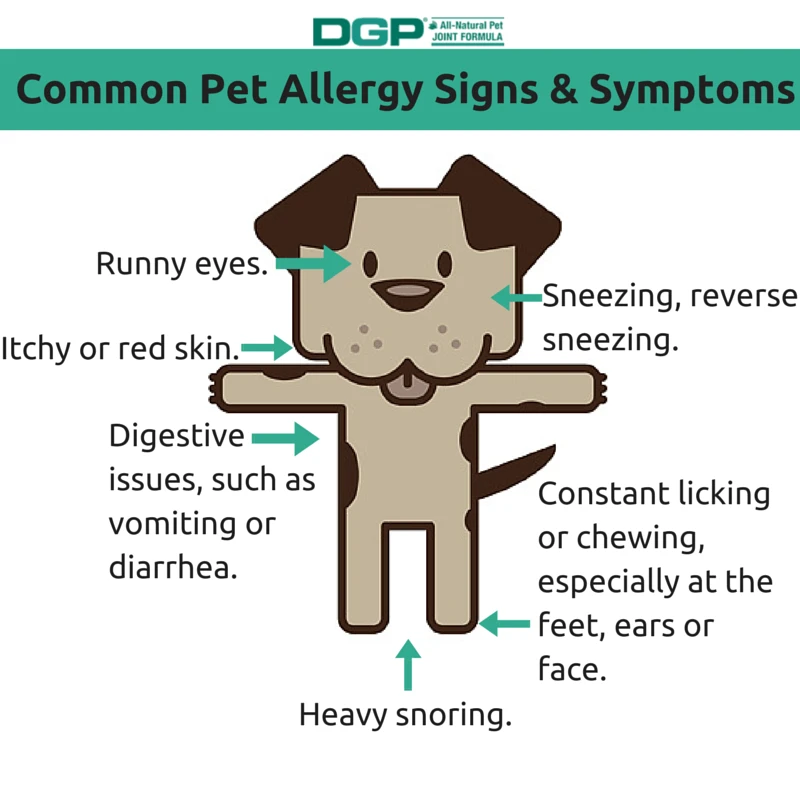
Early signs in dogs and cats include persistent scratching, licking, and chewing, especially around the face, paws, and ears, accompanied by redness, hair loss, and occasional ear infections. These behavioral and physical changes indicate underlying allergic inflammation.
How do doctors diagnose pet allergies in humans?
Physicians use skin prick testing as the primary diagnostic tool, introducing small amounts of pet allergens into the skin to observe reactions. Blood IgE tests serve as supplementary diagnostics, especially when skin testing is contraindicated.
Can pet allergies cause asthma?
Yes, exposure to pet allergens can trigger asthma symptoms, including wheezing and difficulty breathing, particularly in sensitized individuals or those with pre-existing respiratory conditions.
Are there effective treatments to reduce pet allergy symptoms?
Treatment options include antihistamines, corticosteroids, and allergen immunotherapy for humans, alongside environmental modifications. Pets benefit from veterinary-prescribed topical and systemic therapies and allergen avoidance strategies.
Is it true that some dog or cat breeds do not cause allergies?
No breed is completely hypoallergenic. All cats and dogs produce allergens; however, individual allergen levels may vary slightly. Managing exposure remains the most effective approach to control symptoms.
Pet allergies require vigilant recognition and tailored management to mitigate health impacts on both pets and their owners. Advances in diagnostic precision and immunotherapy promise improved outcomes, while ongoing research continues to refine understanding of allergen biology and immune responses. Pet owners are encouraged to collaborate closely with veterinary and medical professionals to develop comprehensive allergy control plans that accommodate individual sensitivities and environmental factors.

Ethical Pet Ownership: What It Means for Adopters and Markets
PawVerde.com – ethical pet ownership is increasingly recognized as a multifaceted responsibility that extends beyond affection to encompass significant economic, social, and welfare considerations. Recent data from animal welfare organizations and veterinary sources underline how ethical adoption practices and sustained care impact both pet communities and broader market dynamics. The financial implications of ethical pet ownership involve costs related to adoption procedures, veterinary care, nutrition, behavioral training, and community engagement programs such as spay/neuter initiatives, all of which influence demand patterns across the pet care industry.
The rising trend of pet adoption from shelters has shifted market behavior, reducing reliance on commercial breeders and impacting revenue streams within the pet retail and veterinary sectors. Analysis of adoption rates, shelter capacities, and health maintenance expenditures reveals a complex economic ecosystem where ethical choices by pet adopters translate into measurable financial outcomes. This article examines the financial frameworks underpinning ethical pet ownership, quantifies the economic impact of responsible adoption, and explores how these practices shape the pet care market and community welfare funding.
Economic Impact of Adoption Versus Purchasing Pets
Adopting pets from shelters has increased substantially, with recent data showing a 12% rise in shelter adoptions nationwide over the past year. This surge has influenced the pet market by decreasing purchases from commercial dog breeders, whose market share has contracted by approximately 8% in the same period. Economic analysis indicates that the average initial cost of adopting a pet from a shelter, including screening, vaccinations, and spay/neuter procedures, ranges from $150 to $400, significantly lower than purchasing a purebred dog from breeders, which can cost upwards of $1,000 to $3,000 depending on breed and lineage.
Shelter adoption fees broadly cover health screenings and initial veterinary care, mitigating long-term financial risks for adopters. This upfront investment contrasts with breeder purchases, where additional costs such as preventive health care and behavioral training often escalate expenses. Adoption also reduces shelter overcrowding, which carries direct financial benefits by lowering municipal shelter operational costs, estimated at $500 to $1,200 per animal annually.
| Cost Component | Shelter Adoption | Breeder Purchase | Difference |
|---|---|---|---|
| Initial Cost (Fee + Health Checks) | $150 – $400 | $1,000 – $3,000 | $850 – $2,600 less |
| Annual Healthcare Expenses | $300 – $600 | $350 – $700 | $50 – $100 less |
| Training and Behavior Costs | $200 – $500 | $250 – $600 | $50 – $100 less |
| Shelter Operational Savings per Adoption | $500 – $1,200 | N/A | Cost Reduction for Community |
The table above outlines comparative cost structures emphasizing the economic advantages of shelter adoption. These savings contribute to increased disposable income for adopters, enabling investment in higher-quality pet nutrition and preventive care, both critical components of ethical ownership.
Financial Dimensions of Lifelong Pet Commitment
Lifelong commitment to pets involves consistent financial outlays whose cumulative totals often exceed initial acquisition costs. Recent veterinary industry reports estimate an average lifetime expenditure of $14,000 to $20,000 per dog, encompassing food, medical care, grooming, and training. Ethical pet ownership requires budgeting for these expenses to maintain pet welfare and reduce risks of neglect.
Nutrition alone constitutes 20-30% of annual pet care expenses, with premium diets recommended by veterinarians increasing costs by 15-25% compared to standard options. The investment in quality food correlates with better health outcomes, reducing veterinary visits by approximately 10-15% annually. Preventive veterinary care, including vaccinations, parasite control, and spay/neuter surgeries, averages $300 to $600 yearly but significantly decreases disease-related treatment costs.
Behavioral training and mental enrichment, essential for adopted pets often exhibiting anxiety or trauma, add another $200 to $500 annually. These services reduce the likelihood of behavioral issues that can lead to costly rehoming or abandonment, which impose economic burdens on shelters and communities.
Spay/Neuter Programs: Population Control and Economic Benefits
Spay and neuter initiatives represent an ethical and financially strategic component of responsible pet ownership. Recent data from animal welfare agencies indicate that spaying or neutering pets reduces shelter intake rates by approximately 20%, directly decreasing overcrowding costs. Each unplanned litter prevented saves local governments an estimated $1,000 to $2,500 in shelter and control expenses.
From a health perspective, sterilization reduces the incidence of reproductive cancers and infections, which lowers long-term veterinary treatment costs by up to 30%. The upfront cost of spay/neuter surgery averages $150 to $300 but is offset by these savings and reduced shelter operational demands.
Municipalities investing in subsidized spay/neuter programs have reported a return on investment (ROI) of 3:1 in reduced shelter costs within five years. These programs also enhance community animal welfare, indirectly boosting local economies through increased volunteerism and pet-related commerce.
Market Trends in Veterinary Care and Pet Health Services
veterinary services represent a critical sector influenced by ethical pet ownership trends. The market for preventive veterinary care has grown 7% year-over-year, driven by increased adoption rates and awareness of pet health needs. Recent industry revenue data places the U.S. veterinary services market at over $35 billion annually, with preventive care accounting for nearly 40%.
The adoption of routine check-ups, vaccinations, and parasite control protocols is financially supported by pet owners prioritizing ethical standards. This shift has led to a diversification of veterinary service offerings, including behavioral consultations and nutrition counseling, expanding market segments by 12% in the last two years.
Emerging telemedicine platforms for pet health management have attracted over $150 million in venture capital in recent funding rounds, reflecting the demand for accessible, continuous care. These technologies further support ethical ownership by facilitating timely interventions and reducing emergency care costs.
Behavioral Training and Socialization Economics
Behavioral training services are increasingly recognized as essential investments in ethical pet ownership. Studies show that up to 40% of shelter returns are linked to behavioral issues, imposing financial stress on shelters and adopters alike. Industry reports estimate that the U.S. pet training market generates approximately $1.2 billion annually, with an annual growth rate of 5%.
Investing $200 to $500 annually in professional training and socialization reduces the risk of abandonment and rehoming, which carry costs exceeding $1,500 per incident when factoring shelter intake, medical treatment, and community resources. Early behavioral interventions also improve pet-owner satisfaction and welfare outcomes, fostering longer-term ownership and reducing economic losses.
Community Impact and Funding of Animal Welfare Programs
Ethical pet ownership extends its financial influence into community-level animal welfare funding. Local governments allocate between 2% and 5% of municipal budgets to animal control and shelter operations, equating to $20 million to $100 million annually in mid-sized cities. Adoption programs and spay/neuter initiatives, supported by community involvement, have demonstrated reductions in these costs by up to 15%.
Nonprofit rescue organizations, funded through donations and grants totaling over $500 million annually nationwide, rely heavily on community support from ethical pet owners. These funds facilitate shelter maintenance, medical services, and educational outreach, creating a cyclical economic benefit as healthier pet populations reduce long-term public expenditures.
Financial Challenges and Ethical Dilemmas in Pet Ownership
Despite its benefits, ethical pet ownership presents financial challenges that can impact both adopters and communities. Unexpected medical emergencies can incur costs exceeding $3,000, and behavioral issues may necessitate costly interventions or rehoming expenses. Data shows that 10-15% of pet owners face financial hardship that risks neglect or surrender, underscoring the need for accessible support programs.
Rehoming, when necessary, carries economic and ethical considerations. Proper screening and placement services, averaging $200 to $400 per case, are vital to minimize shelter returns and community strain. Education and financial assistance initiatives aimed at pet owners reduce neglect rates by approximately 25%, promoting sustained ethical ownership.
Balancing owner lifestyle factors such as work schedules, housing, and income with pet care responsibilities remains a persistent challenge. Studies indicate that owners with limited resources are 30% more likely to relinquish pets, impacting shelter populations and community welfare budgets.
Comparative Financial Overview of Ethical Pet Ownership Components
The following table synthesizes core financial elements involved in ethical pet ownership, highlighting their cost ranges and economic implications for adopters and communities.
| Component | Cost Range (Annual) | Community Economic Impact | Notes |
|---|---|---|---|
| Adoption Fees and Initial Care | $150 – $400 (one-time) | Reduces shelter overcrowding costs by $500 – $1,200 per animal/year | Includes screening, vaccinations, spay/neuter |
| Veterinary Preventive Care | $300 – $600 | Reduces treatment of chronic diseases by up to 30% | Vaccinations, parasite control, routine check-ups |
| Nutrition and Food | $400 – $1,000 | Improves pet health, lowers emergency care costs | Premium diets increase initial costs but reduce health issues |
| Behavioral Training | $200 – $500 | Decreases shelter returns by up to 40% | Includes socialization and problem behavior management |
| Spay/Neuter Programs | $150 – $300 (one-time) | ROI of 3:1 in shelter cost reductions over 5 years | Critical for population control and health benefits |
| Emergency Medical Care | $500 – $3,000+ | Potential financial risk; mitigated by preventive care | Unplanned expenses can strain owner finances |
The data underscores that while ethical pet ownership involves significant financial commitments, these investments yield measurable benefits in pet welfare, community resource optimization, and overall market sustainability.
Forward-Looking Financial Perspectives in Ethical Pet Ownership
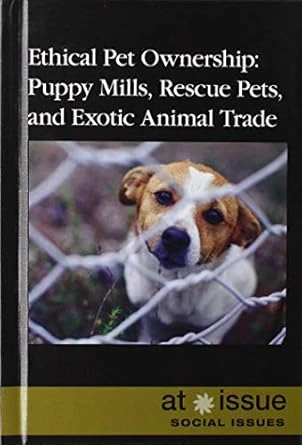
Market forecasts project continued growth in ethical adoption rates, driven by increased public awareness and regulatory measures supporting shelter operations and spay/neuter mandates. The pet care industry’s preventive health segment is expected to expand at a compound annual growth rate (CAGR) of 6-8% over the next five years, fueled by demand for comprehensive veterinary services and behavioral training.
Technological advancements such as telehealth for pets, wearable health monitors, and AI-driven behavioral analytics are poised to optimize care efficiency and reduce costs. These innovations may lower barriers to ethical ownership by making preventive care and training more accessible and affordable.
Policy initiatives aimed at subsidizing spay/neuter programs and supporting low-income pet owners will likely enhance community welfare and reduce shelter burdens. Ethical pet ownership thus remains a critical vector for economic and social benefits, with financial strategies increasingly aligned to support sustainable, responsible pet care models.
Overall, the intersection of ethical pet ownership and financial analysis reveals a dynamic, evolving market shaped by adopter behavior, veterinary advancements, and community engagement—each influencing the economic viability and welfare outcomes of pet populations.

Eco-Friendly Pet Accommodations Guide Boosts Sustainable Travel
PawVerde.com – eco-friendly pet accommodations are rapidly becoming a pivotal segment within the travel and hospitality industry, driven by a surge in pet ownership and growing environmental awareness among travelers. The global pet-friendly hotel market alone is projected to expand from $4.1 billion to $4.62 billion, exhibiting a compound annual growth rate (CAGR) of 12.7%. This trend reflects not only increased demand for pet-inclusive lodging but also a rising preference for sustainable, eco-conscious travel options that cater to the specific needs of pets and their owners. Combining sustainable hospitality practices with tailored pet amenities, these accommodations offer an innovative approach to travel that supports environmental stewardship while ensuring animal comfort and safety.
Sustainable pet travel lodging integrates custom pet amenities such as organic, gourmet treats, eco-friendly pet beds, and thoughtfully curated welcome baskets, enhancing the guest experience without compromising environmental values. Leading eco-resorts like Stanford Inn by the Sea and Cavallo Point exemplify this approach by utilizing locally sourced, organic materials in their pet amenities and implementing green hospitality protocols such as energy-efficient operations and waste reduction. Moreover, these accommodations often collaborate with local veterinarians, groomers, and dog-friendly parks, creating a comprehensive ecosystem that supports pet health and well-being throughout the travel journey. This integration not only enhances convenience for pet owners but also fosters community engagement and responsible tourism.
Key Features of Eco-Friendly Pet Accommodations
Eco-friendly pet accommodations distinguish themselves through several defining features that collectively elevate the travel experience for pets and owners alike. Custom pet amenities form the cornerstone of these offerings, including sustainably crafted pet beds made from recycled or organic materials, gourmet treats sourced from local, natural ingredients, and welcome baskets that often contain biodegradable toys and eco-conscious grooming products. These elements reflect a broader commitment to reducing environmental impact while meeting the heightened expectations of today’s pet travelers.
Hospitality providers in this niche also adopt sustainable operational practices such as minimizing single-use plastics, employing renewable energy sources, and using eco-certified cleaning products. For example, San Ysidro Ranch in California incorporates solar power and water-saving technologies, aligning luxury with sustainability. Additionally, these accommodations emphasize seamless integration with local pet services and resources, providing guests with easy access to nearby dog parks, veterinary clinics, and pet-friendly walking trails. This local collaboration not only enhances the guest experience but also supports local economies and promotes sustainable tourism infrastructures.
Leading Platforms and Resources for Booking Eco-Friendly Pet Accommodations
Navigating the expanding market of eco-friendly pet accommodations requires reliable platforms that offer verified listings and user-generated insights. BringFido, PetsWelcome, and GoPetFriendly stand out as leading pet travel platforms, each providing extensive databases of pet-friendly properties worldwide alongside detailed filters for eco-friendly options. BringFido, for instance, is renowned for its comprehensive verification processes and Certificates of Excellence awarded to properties that consistently deliver high-quality, pet-inclusive services with sustainable practices.
These platforms not only facilitate bookings but also serve as hubs for community reviews, where pet owners share firsthand experiences, highlighting amenities such as organic pet treats, eco-conscious cleaning routines, and access to green spaces. The availability of verified reviews bolsters consumer trust and helps travelers make informed decisions aligned with their sustainability goals. Furthermore, many platforms have integrated pet travel apps that assist with logistics, offering features such as locating dog-friendly rest areas, emergency veterinary contacts, and real-time updates on pet travel regulations.
Popular Destinations and Notable Eco-Friendly Pet Resorts
Several destinations have emerged as epicenters for eco-conscious pet travel, combining natural beauty with robust pet-friendly infrastructures. Asheville, North Carolina, and Denver, Colorado, are prominent examples in the United States, offering a wealth of dog-friendly parks, hiking trails, and eco-resorts that prioritize sustainable hospitality. Asheville’s Stanford Inn by the Sea is distinguished for its organic pet treats and green initiatives, while Denver’s Cavallo Point integrates energy-efficient designs with luxury pet services.
Beyond the continental U.S., Mendocino, California, and Austin, Texas, provide vibrant pet-friendly communities with boutique vacation rentals that emphasize eco-conscious practices, such as solar-powered homes and water conservation measures. Internationally, resorts like Ycona Luxury Resort in Zanzibar and Casa Chablé in Mexico have embraced sustainable pet travel trends by offering organic pet menus, waste recycling programs, and partnerships with local veterinarians to ensure pet health in tropical climates. These destinations combine environmental responsibility with high standards of pet care, appealing to discerning travelers who prioritize both luxury and sustainability.
Practical Tips for Planning a Sustainable Pet-Friendly Trip
Planning a sustainable pet-friendly trip requires deliberate preparation to balance pet comfort, health, and environmental considerations. Frequent rest stops every two to three hours are essential for adult dogs to prevent stress and dehydration, particularly in warm climates. Utilizing pet travel apps can streamline this process by pinpointing dog-friendly rest areas and emergency veterinary services en route. Equally important is carrying vaccination documentation and health records, ensuring compliance with destination-specific pet travel regulations and safeguarding against health risks.
When booking accommodations, advance reservations are advisable to secure eco-friendly lodging that meets pet requirements. Travelers should scrutinize pet policies, fees, and leash rules, which vary widely and can impact both budget and experience. Adhering to leash laws and respecting other guests and wildlife is paramount to maintaining ecological balance and community goodwill. Additionally, packing sustainable pet supplies, such as biodegradable waste bags and refillable water containers, contributes to reducing the environmental footprint of pet travel.
Enhancing Guest Experience: Beyond Allowing Pets to Truly Welcoming Them
Leading eco-friendly pet accommodations distinguish themselves by cultivating an environment where pets are not only allowed but genuinely welcomed. Creating comprehensive pet-friendly guidebooks tailored to the local environment helps guests navigate nearby dog parks, veterinarian services, and pet-friendly dining options. Customizing amenities to accommodate various pet sizes and species, including cats and small animals, broadens the appeal and inclusivity of the property.
Some luxury hotels have elevated pet services by offering in-room dining menus for pets, spa treatments such as massages, and personalized welcome kits featuring organic treats and toys. Encouraging guest participation through photo sharing on social media platforms fosters a community of pet travelers who value sustainability and quality care. This approach enhances brand loyalty and positions the property as a thought leader in eco-conscious pet hospitality.
The Future of Sustainable Pet Travel Accommodations
The trajectory of sustainable pet travel accommodations points toward greater integration of eco-conscious hospitality practices, technological innovation, and personalized pet services. Emerging trends include the adoption of smart room controls to optimize energy usage while maintaining pet comfort, the use of blockchain for transparent pet service reviews, and expanding partnerships with local conservation initiatives. Property hosts and managers stand to benefit from investing in this growing market segment by differentiating their offerings through certified green programs and exclusive pet amenities.
Anticipated growth in the pet travel sector will likely drive more comprehensive regulations and standardized sustainability certifications, encouraging wider adoption of environmentally responsible practices. Enhanced guest expectations for transparency and ethical hospitality will pressure accommodations to innovate continually, balancing luxury and sustainability while safeguarding pet welfare.
| Aspect | Eco-Friendly Pet Accommodations | Traditional Pet-Friendly Lodging |
|---|---|---|
| Pet Amenities | Organic treats, custom eco beds, biodegradable toys | Standard pet bowls, generic treats, plastic toys |
| Sustainability Practices | Renewable energy, waste reduction, eco-certified cleaning | Minimal or no sustainability measures |
| Local Integration | Partnerships with vets, groomers, dog parks | Limited local pet service support |
| Guest Experience | Personalized pet menus, spa treatments, welcome kits | Basic pet allowance, few extras |
| Booking Platforms | Verified listings with user reviews (BringFido, PetsWelcome) | General travel sites with limited pet filters |
FAQ
What defines an eco-friendly pet accommodation?
Eco-friendly pet accommodations combine sustainable hospitality practices—such as renewable energy use, waste reduction, and eco-certified products—with pet-specific amenities like organic treats, custom pet beds made from recycled materials, and access to local veterinary and dog-friendly facilities.
Which platforms are best for finding sustainable pet-friendly lodging?
BringFido, PetsWelcome, and GoPetFriendly are leading platforms that offer verified listings and user-generated reviews of eco-conscious pet accommodations, enabling travelers to identify lodging that meets both pet and environmental criteria.
How can I plan a sustainable trip with my pet?
Planning includes scheduling frequent breaks, maintaining hydration, carrying vaccination records, understanding pet fees and policies, respecting leash rules, and packing eco-friendly supplies to minimize the environmental impact during travel.
What are some popular destinations for eco-friendly pet travel?
Asheville, Denver, Mendocino, and Austin in the U.S. are notable for pet-friendly eco-resorts and amenities, while international options include Zanzibar’s Ycona Luxury Resort and Mexico’s Casa Chablé, both integrating sustainability with premium pet services.
What future trends are expected in sustainable pet travel accommodations?
Future trends include smart energy management tailored for pet comfort, blockchain-based review systems for transparency, expanded green certifications, and more personalized pet amenities, all driven by growing market demand and regulatory advances.
The evolving landscape of eco-friendly pet accommodations reflects an intersection of pet welfare, environmental responsibility, and hospitality innovation. As the market expands, travelers and hosts alike are empowered to contribute to sustainable tourism practices, ensuring memorable and responsible journeys for pets and their owners.

How to Minimize Your Carbon Footprint While Traveling
PawVerde.com – Travel contributes significantly to global carbon emissions, with aviation alone responsible for approximately 2.5% of worldwide CO₂ emissions. For instance, a typical U.S. round-trip flight generates about 2 tons of CO₂ per passenger, equating to roughly 10% of the average American’s annual carbon footprint. As climate change concerns intensify, travelers face increasing pressure to adopt sustainable practices that mitigate environmental impact. Minimizing the carbon footprint during travel involves strategic choices across transportation, lodging, food consumption, resource use, and pet care—each area presenting opportunities for measurable emissions reductions.
sustainable travel methods not only reduce greenhouse gas emissions but also promote long-term ecological balance and support local economies. This article delves into actionable strategies grounded in expert data and real-world examples, offering a comprehensive guide for environmentally conscious travelers seeking to lessen their climate impact while on the move.
Choosing Sustainable Transportation
Transportation accounts for a substantial portion of travel-related carbon emissions. Avoiding air travel when feasible significantly reduces your carbon footprint; alternatives such as trains and electric-powered buses emit between 75% to 90% less CO₂ per passenger mile compared to flying. The International Civil Aviation Organization (ICAO) quantifies that nonstop flights consume less fuel per mile due to reduced takeoff and landing cycles, making direct routes preferable when flying is unavoidable.
At travel destinations, public transportation systems powered by renewable energy, such as electric buses and subways, offer low-emission mobility options. For example, cities investing in electric public transit report up to 40% reductions in urban travel emissions. Cycling and walking remain the lowest-impact modes, producing virtually zero emissions while providing health benefits.
Renting electric vehicles (EVs) for local travel further curtails carbon output. Modern EVs emit zero tailpipe emissions, and when charged from renewable sources, their lifecycle emissions drop dramatically. AAA reports a growing network of EV charging stations in metropolitan and rural areas, facilitating longer trips. Planning EV rentals involves mapping charging infrastructure and optimizing routes to maximize range efficiency, ensuring seamless sustainable mobility.
Staying in Eco-Friendly Accommodations
Accommodation choices significantly influence overall travel emissions, with hotels accounting for approximately 21% of tourism’s carbon footprint. Opting for eco-certified lodging, such as LEED-certified hotels, ensures adherence to rigorous sustainability standards encompassing energy efficiency, water conservation, waste reduction, and indoor environmental quality. LEED-certified properties typically incorporate solar panels, advanced HVAC systems, and greywater recycling to minimize resource use.
Hotels adopting beyondGREEN or Sierra Club’s green lodging criteria emphasize plastic reduction initiatives, using biodegradable amenities and eliminating single-use plastics. Direct communication with hotel management about green policies can reveal additional sustainable practices, such as linen reuse programs, energy monitoring, and sourcing renewable energy contracts.
Studies indicate that guests staying in eco-friendly accommodations reduce their lodging emissions by up to 30%, contributing significantly to travel sustainability goals. Moreover, these hotels often support local suppliers, further embedding sustainability within the hospitality supply chain.
Supporting Local and Organic Food Sources
Food consumption during travel presents another critical vector for carbon reduction. Supporting local businesses that prioritize organic farming decreases transportation emissions and fosters regional economic resilience. Organic farming practices enhance soil carbon sequestration and reduce reliance on synthetic fertilizers, which are major contributors to nitrous oxide emissions, a potent greenhouse gas.
Travelers who choose seasonal produce participate in a circular food economy, benefiting biodiversity and reducing the energy intensity of food preservation and transport. The American Pet Products Association notes that pet food, often overlooked, contributes substantially to carbon emissions; similarly, human travel diets high in red meat elevate a trip’s carbon footprint.
Reducing meat consumption while traveling, especially beef, in favor of plant-based options or lower-impact proteins such as turkey or seafood, lowers dietary carbon intensity. Metro Paws and the Pet Sustainability Coalition advocate for sustainable pet diets, which align with broader travel sustainability goals.
Minimizing Resource Use During Travel
Resource conservation during travel extends beyond transportation and accommodation. Travelers can significantly reduce environmental impact through mindful water and energy use. Reusing towels and linens, taking shorter showers, and turning off lights and heating or cooling systems when rooms are unoccupied help conserve hotel resources. A typical hotel guest uses about 50 gallons of water daily; reducing this by even 20% accumulates substantial savings across millions of travelers.
Participation in local recycling programs is vital. Many hotels and tourist destinations have implemented comprehensive waste management systems, separating recyclables and compostables to divert waste from landfills. Carrying reusable water bottles, containers, and utensils reduces single-use plastic waste, which remains a pervasive environmental challenge despite global recycling efforts like those led by Texas Recycling.
Water conservation also involves avoiding bottled water purchases when safe tap water is available, further reducing plastic production emissions. Such behavioral changes, although incremental, compound to meaningfully lower travel’s ecological footprint.
Managing Pet-Related Carbon Footprint on the Road
Pet owners traveling face unique sustainability challenges. The carbon pawprint includes emissions from pet food production, transportation, and waste management. Pet food, particularly beef-based products, generates significant greenhouse gases during production and processing. Selecting less carbon-intensive proteins, such as turkey or seafood, reduces this impact, aligning with recommendations from the Pet Sustainability Coalition.
Using biodegradable waste bags and sustainable pet care products minimizes plastic waste associated with pet travel. Public transportation or carpooling options for pet travel decrease emissions compared to solo car trips. Additionally, choosing eco-friendly accommodations that permit pets avoids the need for additional travel arrangements that increase carbon output.
Organizations like Metro Paws promote awareness of pet travel sustainability, encouraging owners to integrate environmental responsibility into pet care while on the road.
Broader Impact and Collective Responsibility
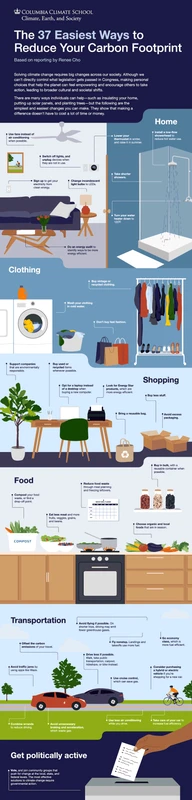
Individual actions in sustainable travel contribute to cumulative environmental benefits and signal demand for greener infrastructure and policies. Travelers opting for low-emission transportation, eco-friendly lodging, and sustainable consumption patterns drive market shifts toward renewable energy adoption and local economic support.
Cities and tourism sectors increasingly recognize the necessity of green certification programs and sustainable urban planning that prioritize walkability, public transit, and waste reduction. The Sierra Club and WeForest initiatives emphasize the role of tourism in conservation and reforestation efforts, linking travel behavior with global climate mitigation.
Collective responsibility among travelers, service providers, and policymakers is essential to embed sustainability within tourism’s future. Increased awareness, education, and transparent reporting on carbon footprints facilitate informed choices and accountability.
Frequently Asked Questions

What are the best alternatives to flying to reduce travel carbon emissions?
Trains and electric buses powered by renewable energy are the most effective alternatives to flying, reducing CO₂ emissions by up to 90% per passenger mile. For shorter distances, biking and walking produce no emissions and improve health.
How do LEED-certified hotels contribute to sustainable travel?
LEED-certified hotels implement energy-efficient systems, water conservation technologies, and waste reduction practices. These measures reduce the environmental impact of lodging by optimizing resource use and supporting renewable energy integration.
Can eating local and organic food while traveling significantly lower my carbon footprint?
Yes. Local food reduces emissions from transportation and storage, while organic farming enhances soil carbon capture and limits synthetic fertilizer use. Eating seasonal produce further lowers energy requirements associated with preservation.
How can I reduce my pet’s carbon footprint during travel?
Feed pets lower-carbon protein diets, use biodegradable waste bags, choose public transport or carpooling for pet travel, and stay at eco-friendly pet accommodations to minimize emissions and waste.
What simple daily habits help minimize resource use when traveling?
Reusing towels and linens, taking shorter showers, turning off unused lights and electronics, using reusable water bottles, and participating in local recycling programs help conserve water, energy, and reduce waste.
—
Travelers aiming to reduce their carbon footprint must adopt a multifaceted approach encompassing transportation, lodging, dietary choices, resource use, and pet care. As infrastructure and technology evolve, future travel can increasingly align with climate goals. Practical next steps include prioritizing journeys via low-emission modes, selecting certified eco-accommodations, supporting organic and local food systems, conserving resources onsite, and integrating sustainable pet travel practices. Collectively, these actions empower travelers to contribute meaningfully to global sustainability efforts while enjoying the benefits of exploration.

How Fostering Pets Boosts Adoption Rates and Reduces Shelter Strain
PawVerde.com – Fostering pets delivers crucial temporary care that enhances animals’ adoption chances by up to 1,400%, according to Best Friends Animal Society, while simultaneously alleviating shelter overcrowding and euthanasia rates. For foster caregivers, the experience offers profound emotional satisfaction, companionship, and a sense of purpose, though it also involves challenges such as grief and stress. This dual impact on both animals and humans has positioned fostering as a vital component of contemporary animal welfare strategies, supported by extensive research and the concerted efforts of rescue organizations like Humane World, LifeLine Animal Project, PAWS, and MEHS.
Pet fostering programs accommodate diverse caregiving models, from emergency short-term placements to long-term care, adapting to foster caregivers’ lifestyles and shelter needs. This flexibility allows for tailored intervention in animal rehabilitation and shelter capacity management while providing foster caregivers with structured support including training and ongoing assistance. The following analysis delves into the multifaceted impacts of fostering, integrating empirical data, caregiver experiences, and organizational insights to present a comprehensive overview of fostering’s role in advancing animal welfare and human wellbeing.
Impact of Fostering on Animals: Behavioral Development and Adoption Outcomes
Fostering significantly enhances the behavioral and social development of shelter animals. Peer-reviewed studies published by the National Institutes of Health demonstrate that animals placed in foster homes develop improved social skills and confidence compared to those confined solely to shelter environments. This behavioral enrichment directly correlates with higher live release rates, as fostered pets exhibit reduced anxiety and better adaptability when transitioning to adoptive families.
Animal welfare organizations report that fostered pets show marked decreases in stress-related behaviors such as excessive barking, aggression, and withdrawal. Shelter Animals Count data reveal that fostering reduces shelter overcrowding, enabling shelters to allocate resources more effectively and focus on long-term rehabilitation efforts. Best Friends Animal Society quantifies the impact on adoption likelihood, estimating a 500% to 1,400% increase for fostered animals compared to those housed exclusively in shelters.
The reduction in euthanasia rates is a critical outcome linked to fostering. By providing temporary homes, foster caregivers decrease the number of animals at risk due to space limitations or behavioral issues. This alleviation of shelter capacity pressures is particularly evident in organizations like MEHS and PAWS, which report that fostering programs have been instrumental in preventing euthanasia during peak intake periods.
Emotional and Psychological Effects on Foster Caregivers
Foster caregivers experience a complex emotional landscape shaped by companionship, responsibility, and occasional grief. Research conducted by Humane World indicates that 78% of foster caregivers report grief when their foster pets are adopted, yet they overwhelmingly affirm the joy and fulfillment derived from making a tangible difference in an animal’s life. This emotional duality underscores fostering as a deeply rewarding but sometimes taxing volunteer activity.
The LifeLine Animal Project’s studies show that interaction with foster pets significantly reduces stress, anxiety, and depression symptoms in caregivers, aligning with broader research on human-animal bonds. Foster caregiving promotes empathy development, especially in families with children, by exposing them to the realities of animal welfare and nurturing responsibility.
Despite these benefits, fostering also involves challenges such as caregiver stress and burnout. However, a Humane World survey indicates generally low levels of burnout among foster caregivers, attributed to robust organizational support and flexible fostering arrangements. Notably, fostering can induce stress on existing household pets and occasional property damage, which organizations like HLCR and PDSA address through targeted training and matching processes.
Organizational Support Structures for Foster Caregivers
Shelter and rescue organizations play a pivotal role in sustaining fostering programs by providing comprehensive support to foster caregivers. Training modules cover animal behavior, health monitoring, and emergency response, equipping caregivers with the skills necessary for effective pet care. Matching processes consider caregiver experience, household dynamics, and pet needs to optimize placement success and minimize conflict.
Ongoing assistance includes veterinary care coordination, behavioral consultation, and peer support networks. MEHS and PAWS emphasize flexible fostering models, allowing caregivers to choose between short-term emergency care and extended placements, accommodating diverse personal circumstances. Humane World and HLCR have developed digital platforms facilitating communication between caregivers and shelter staff, ensuring timely information exchange and emotional support.
These support mechanisms contribute to reduced caregiver stress and improved animal outcomes, fostering sustainable engagement. Rescue organizations also track fostering data to evaluate program efficacy, adapting strategies based on adoption rates, caregiver feedback, and animal health indicators.
Broader Community and Family Dynamics Influenced by Fostering
Fostering impacts household dynamics, often enriching family life by introducing new routines and responsibilities centered on animal care. Foster caregivers report increased empathy and social awareness in children, as documented by HLCR, highlighting fostering as an educational tool. However, the presence of foster pets can also create stress for resident animals, necessitating gradual introductions and behavior management strategies.
At the community level, fostering promotes volunteerism and awareness of animal welfare issues. Organizations like Best Friends Animal Society and Pedigree Foundation advocate fostering as a gateway to broader community engagement, encouraging foster caregivers to participate in outreach and advocacy. This engagement augments shelter visibility and fundraising efforts, reinforcing the human-animal bond within local contexts.
Scientific Research and Statistical Evidence on Fostering Impact
A growing body of scientific literature substantiates the benefits of fostering for both animals and humans. NIH/PMC publications document that foster pets exhibit behavioral improvements that enhance adoption success rates, corroborated by Shelter Animals Count statistics reflecting adoption increases of up to 1,400%. Mental health researchers associate fostering with reductions in caregiver anxiety and depression, supported by findings from LifeLine Animal Project.
Statistical analyses from HLCR reveal that while grief is common among caregivers post-adoption, it does not diminish overall satisfaction or willingness to foster again. Humane World’s research further indicates that structured fostering programs with training and support reduce caregiver burnout, maintaining high retention rates critical for program sustainability.
The following table summarizes key data points on fostering impacts:
| Impact Area | Key Data | Source |
|---|---|---|
| Adoption Rate Increase | 500-1,400% higher for fostered pets | Best Friends Animal Society |
| Caregiver Grief Reported | 78% experience grief post-adoption | HLCR |
| Caregiver Stress & Burnout | Generally low with organizational support | Humane World |
| Mental Health Benefits | Reduced anxiety, depression, and stress | LifeLine Animal Project |
| Behavioral Improvement in Pets | Increased social skills, confidence | NIH/PMC studies |
| Reduction in Euthanasia | Significant shelter capacity relief | MEHS, PAWS data |
Balancing Benefits and Challenges: A Nuanced Perspective on Fostering
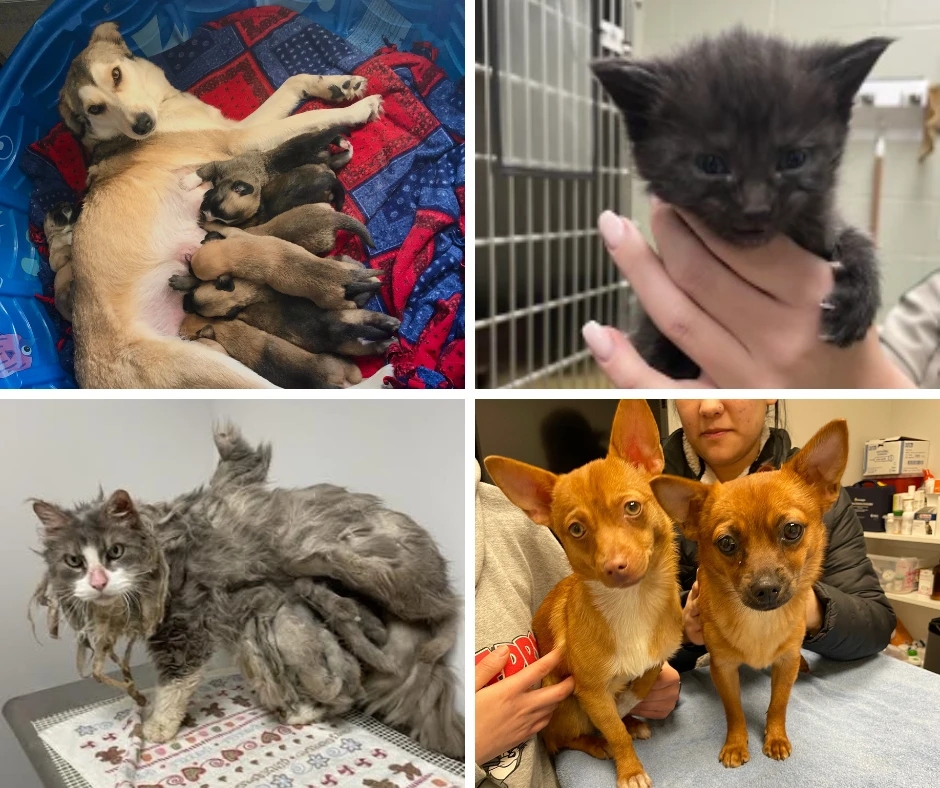
While fostering yields substantial benefits, acknowledging its challenges is essential for realistic expectations. Emotional attachment can complicate the transition when foster pets are adopted, leading to grief and a sense of loss. Caregiver stress may arise from managing behavioral issues or integrating foster pets with resident animals. Property damage, although infrequent, is another factor caregivers must consider.
However, organizations mitigate these challenges through training, support networks, and clear communication. Flexible fostering options allow caregivers to set boundaries that align with their capacities. This balance fosters sustainable caregiving, preserving the mental health of caregivers while maximizing benefits for animals.
Fostering’s role extends beyond animal welfare to encompass psychological wellbeing for humans, community cohesion, and educational opportunities. Its integration into shelter strategies reflects evolving paradigms in humane animal management and volunteer engagement.
FAQ
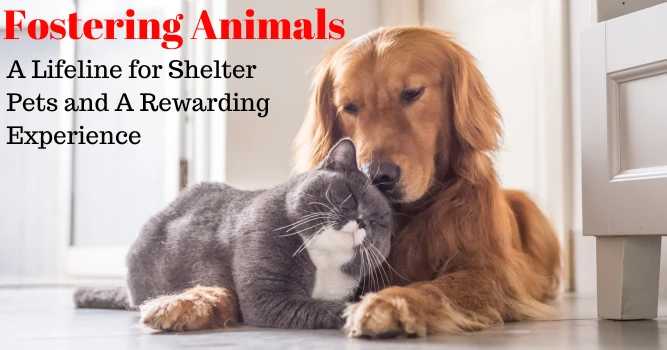
What are the primary benefits of fostering pets for animals?
Fostering improves animals’ socialization, reduces stress-related behaviors, and significantly increases their chances of adoption—by as much as 1,400%—while also alleviating shelter overcrowding and lowering euthanasia rates.
How does fostering impact the mental health of foster caregivers?
Foster caregivers often experience emotional satisfaction, reduced anxiety, and companionship benefits. However, they may also face grief when pets are adopted and occasional stress, which is generally manageable with organizational support and training.
What types of fostering programs exist?
Fostering can be short-term emergency care, long-term placements, or specialized fostering for animals with behavioral or medical needs. Programs are designed to be flexible, accommodating foster caregivers’ availability and shelter demands.
How do animal shelters support foster caregivers?
Shelters provide training, behavioral guidance, veterinary care coordination, and emotional support. They also implement matching systems to align foster pets with caregiver capacities, enhancing success and reducing burnout.
Can fostering affect existing pets in the household?
Yes, introducing foster pets can influence the behavior and stress levels of resident animals. Shelters advise gradual introductions and provide resources to manage interactions, minimizing conflicts and promoting harmonious cohabitation.
Fostering pets represents a symbiotic relationship that advances animal welfare and enriches human lives. Its continued evolution, supported by research and organizational innovation, promises to further integrate fostering as a cornerstone of humane sheltering and community engagement. Prospective foster caregivers are encouraged to consider the experience as both a compassionate act and an opportunity for personal growth, supported by the growing infrastructure of training and resources that enhance positive outcomes for all involved.

How to Make Eco-Friendly Cleaners for Pets Safely at Home
PawVerde.com – eco-friendly pet cleaners can be crafted at home using natural ingredients such as baking soda, white vinegar, and pet-safe essential oils. These components work synergistically to eliminate stains, neutralize odors, and disinfect pet areas without exposing animals to harmful synthetic chemicals. Enzyme-based cleaners further enhance effectiveness by breaking down organic residues at the molecular level. This tutorial provides detailed, practical recipes and usage guidelines to create safe, environmentally responsible cleaning solutions tailored for pet owners.
Core Natural Ingredients and Their Functions in Pet-Safe Cleaners
Baking soda is a versatile ingredient in natural pet cleaning due to its mild abrasive properties and strong odor absorption. It can be used to scrub surfaces gently while neutralizing unpleasant smells from pet urine, dander, and spills. White vinegar, diluted with water, provides disinfectant qualities and helps remove mineral deposits and organic stains on non-porous surfaces like tile and linoleum. Its acidic nature breaks down residues effectively without toxic residues.
Essential oils contribute antimicrobial effects and pleasant fragrances but require careful selection to ensure pet safety. Oils such as lavender, chamomile, and peppermint are generally recognized as safe in low concentrations, whereas others like tea tree and eucalyptus can be toxic to animals. Castile soap, a biodegradable vegetable-oil-based cleaner, serves as a gentle detergent alternative for cleaning pet bedding and grooming tools.
Hydrogen peroxide enhances stain removal by oxidizing organic matter. However, it must be spot-tested on fabrics and carpets because it can cause bleaching. Its use is best reserved for hardened stains and applied cautiously with proper dilution.
DIY Recipes for Common Pet Cleaning Needs
This section outlines step-by-step instructions for creating homemade cleaning solutions using natural ingredients, focusing on pet safety and effectiveness.
1. All-Purpose Pet-Safe Cleaner
This cleaner is suitable for floors, counters, and pet toys, combining disinfecting and deodorizing properties.
Ingredients:
Steps:
Time: Preparation requires one week for infusion; application is immediate.
2. Scented Cleaner with Rubbing Alcohol and Castile Soap
This recipe is effective for quick cleaning and drying, especially on hard surfaces.
Ingredients:
Steps:
Time: Ready to use immediately.
3. Heavy-Duty Pet Stain Remover Paste
This paste targets stubborn organic stains like dried urine or feces on carpets and upholstery.
Ingredients:
Steps:
Note: Borax can be toxic if ingested; apply in inaccessible areas for pets.
4. Enzyme-Based Cleaner for Pet Odors and Stains
Enzymatic cleaners break down protein-based stains at a molecular level, neutralizing odors effectively.
Ingredients:
Steps:
Time: Immediate use; enzymatic action continues as it dries.
Specialized Pet Care Cleaning Solutions
Beyond general cleaning, certain homemade solutions address specific pet care needs while maintaining eco-friendliness and safety.
Natural Dog Deodorizer Using Baking Soda
Baking soda’s odor-neutralizing properties extend to pet grooming.
Steps:
Frequency: Use weekly or as needed between baths.
Ear Cleaning Solution with Diluted White Vinegar
Maintaining ear hygiene prevents infections and odor buildup.
Ingredients:
Steps:
Frequency: Use weekly or per veterinarian advice.
Pet Bedding Laundry Detergent Options
Commercial eco-friendly brands like Seventh Generation provide biodegradable, fragrance-free detergents that minimize skin irritation and chemical exposure for pets. Using these products or diluted Castile soap solutions ensures thorough cleaning without residue buildup.
Application Tips and Safety Precautions
Prompt cleaning of pet accidents is crucial to prevent stains setting and odors developing. Always blot fresh messes with paper towels before applying cleaners.
Hydrogen peroxide must be spot-tested on a hidden fabric area for 5-10 minutes to check for discoloration. Avoid using hydrogen peroxide near eyes or on open wounds.
Essential oils should be used sparingly and only those verified as pet-safe. Diffusing oils in pet areas is preferable to direct application. Consult veterinary resources for specific oil safety.
Store homemade cleaners in labeled, opaque containers away from children and pets. Proper dilution maintains effectiveness while reducing risks.
Environmental and Health Benefits of Homemade Pet Cleaners
Using natural ingredients reduces exposure of pets and humans to harsh chemicals found in synthetic cleaners, lowering risks of allergies, respiratory irritation, and toxicity. Homemade cleaners minimize plastic waste by reusing containers and avoid ecological damage caused by synthetic chemical runoff.
biodegradable ingredients like Castile soap and vinegar decompose rapidly, supporting sustainable household practices. Choosing eco-conscious pet care products aligns with broader environmental stewardship goals.
Troubleshooting Common Issues
If natural cleaners leave residue or streaks, increase dilution with distilled water or use microfiber cloths for wiping. Persistent odors may require repeated enzyme cleaner applications or professional cleaning.
For carpets resistant to stain removal, professional enzyme treatments or extraction cleaning machines may be necessary. Avoid mixing vinegar with bleach or ammonia to prevent toxic gas formation.
Common Mistakes to Avoid
Using undiluted vinegar on delicate fabrics can cause damage; always dilute appropriately. Overuse of essential oils risks pet toxicity; adhere to recommended drops per recipe.
Applying baking soda paste on wet surfaces may cause clumping; dry the area first. Neglecting to test hydrogen peroxide on fabrics can result in bleaching damage.
Alternative Methods for Pet Cleaning
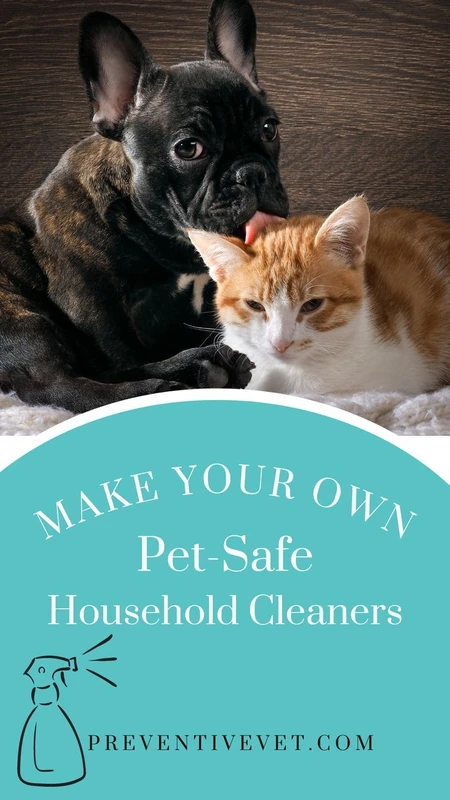
Commercial pet-safe enzymatic cleaners from brands like Kids ‘N’ Pets provide reliable alternatives when homemade options are impractical. Salt and lemon rind scrubs offer natural abrasive and deodorizing effects for small stains. Enzyme cleaner sprays formulated for pet odors effectively neutralize ammonia-based smells.
FAQ

Are all essential oils safe for pets in homemade cleaners?
No. Only specific essential oils such as lavender, chamomile, and peppermint are generally safe in diluted form. Oils like tea tree, eucalyptus, and citrus can be harmful. Always consult trusted veterinary sources before use.
Can I use vinegar on all pet-related stains?
Vinegar is effective on many organic stains but should be diluted and avoided on natural stone or delicate fabrics. For protein-based stains like urine, enzyme cleaners are more effective.
How quickly should I clean pet accidents to prevent odors?
Immediate action, ideally within minutes, prevents stain setting and odor development. Blot solids and liquids promptly, then apply cleaners.
Is hydrogen peroxide safe around pets?
Hydrogen peroxide can be used cautiously for stain removal but must be diluted and spot-tested. Avoid contact with pet skin, eyes, or ingestion.
What household items can I use to make enzyme cleaners at home?
Natural enzyme sources include pineapple juice, papaya, and certain bacterial cultures. Combining these with Castile soap and vinegar enhances cleaning power.
—
Creating eco-friendly, pet-safe cleaning solutions at home empowers pet owners to maintain hygienic environments while safeguarding animal health and supporting environmental sustainability. Applying the detailed recipes and safety guidance outlined here ensures effective stain and odor control using natural ingredients without compromising pet welfare.

How Natural Ingredients Boost Pet Grooming Health and Care
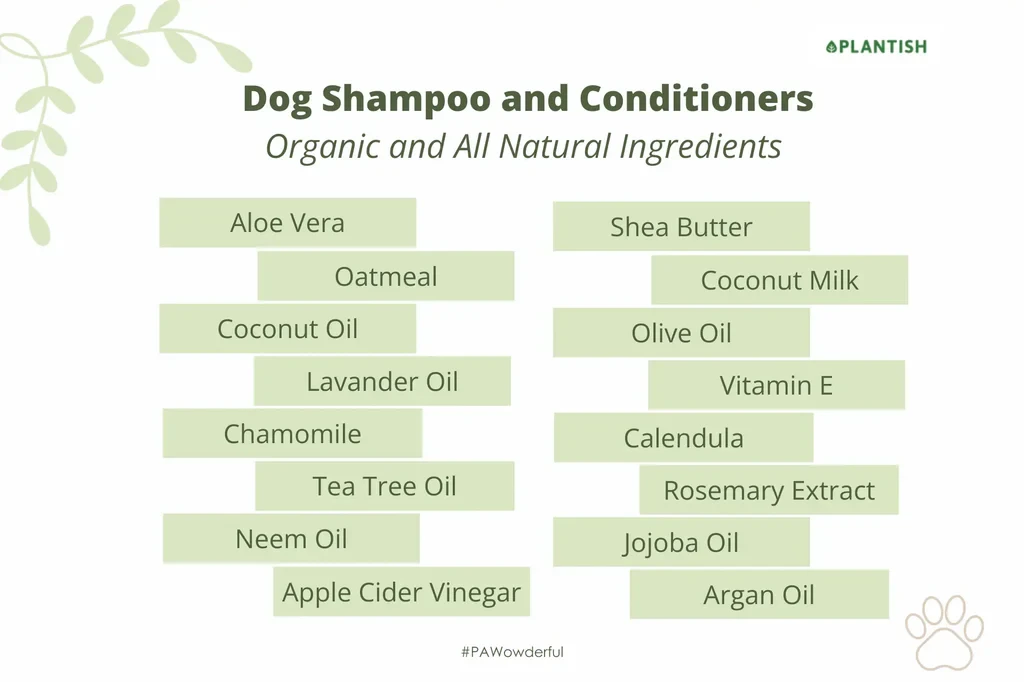
PawVerde.com – Natural ingredients in pet grooming products provide a multifaceted advantage by delivering gentle, effective care tailored to sensitive pet skin while promoting healthier coats. Ingredients such as aloe vera and oatmeal have demonstrated soothing and anti-inflammatory properties, critical for alleviating common skin irritations and dryness in pets. Meanwhile, coconut oil and shea butter contribute moisturizing and antibacterial effects that enhance coat texture and resilience. Beyond individual health benefits, natural formulations reduce exposure to harsh chemicals like sulfates and parabens, which are linked to allergic reactions and long-term skin damage. These products also support environmental sustainability through biodegradable components and ethical sourcing practices, aligning with cruelty-free standards that are increasingly demanded by conscientious pet owners.
Health Benefits of Natural Ingredients for Pet Skin and Coat
Natural ingredients in pet grooming products offer targeted therapeutic effects that synthetic chemicals often fail to deliver without adverse consequences. Aloe vera, a staple botanical in grooming formulations, contains glycoproteins and polysaccharides that promote wound healing and reduce inflammation, making it ideal for pets with sensitive or damaged skin. Oatmeal acts as a natural emollient and anti-itch agent, scientifically validated to soothe xerosis and atopic dermatitis by forming a protective barrier that locks in moisture. Coconut oil, rich in medium-chain fatty acids, exhibits both moisturizing and antimicrobial properties, which help combat bacterial and fungal infections while improving coat softness and sheen.
Shea butter, a lipid-rich extract from the shea tree, reinforces skin hydration and elasticity due to its high content of vitamins A and E. Botanical conditioners like slippery elm and marshmallow root contribute mucilage compounds that coat hair shafts, reducing tangling and matting while imparting a silky texture. These ingredients collectively reduce the incidence of allergic reactions and irritations commonly associated with synthetic fragrances and artificial colors, which can exacerbate dermatological issues in pets prone to sensitivity.
Environmental and Ethical Advantages of Natural Pet Grooming Products
The ecological footprint of pet grooming products is a growing concern, with synthetic chemicals often persisting in water systems and contributing to environmental degradation. Natural ingredients, sourced sustainably, tend to be biodegradable and less toxic, thus minimizing pollution. Ethical brands emphasize traceability in ingredient procurement, ensuring that raw materials like shea butter and coconut oil are harvested through fair trade practices that empower local communities and preserve biodiversity.
Cruelty-free testing protocols are integral to many natural pet grooming brands, adhering to standards that prohibit animal testing and instead rely on advanced in vitro assays or volunteer-based safety assessments. These practices not only enhance product safety but also align with consumer ethics. Packaging innovations, such as the use of recycled or compostable materials, further reduce environmental impact. Collectively, these factors position natural grooming products as responsible choices that support both animal welfare and planetary health.
Profiles of Common Natural Ingredients and Their Functional Roles
A detailed understanding of prevalent natural ingredients illuminates their specific contributions to pet skin and coat health:
These ingredients synergize within formulations to cleanse effectively without stripping natural oils, condition for enhanced manageability, and protect against environmental stressors.
Selecting Safe and Effective Natural Grooming Products for Sensitive Pets
Choosing grooming products that align with pet-specific needs requires vigilance beyond marketing claims. Avoiding harmful additives such as sulfates, parabens, synthetic fragrances, and artificial colors is critical as these compounds frequently trigger allergic reactions or chemical irritation. Certified labels—such as USDA Organic, Ecocert, or Leaping Bunny—offer assurance of product authenticity and ethical standards. Transparency in ingredient lists and sourcing disclosures empowers consumers to make informed choices.
Patch testing new products on a small skin area is a prudent practice to monitor adverse reactions before full application, especially for pets with known allergies or dermatological conditions. Consulting veterinarians or veterinary dermatologists ensures selection of formulations compatible with individual pet health profiles, particularly for breeds predisposed to sensitive skin or chronic conditions. Brands that collaborate with veterinary experts often integrate scientific research into product development, enhancing efficacy and safety.
Future Directions and Practical Recommendations for Pet Owners
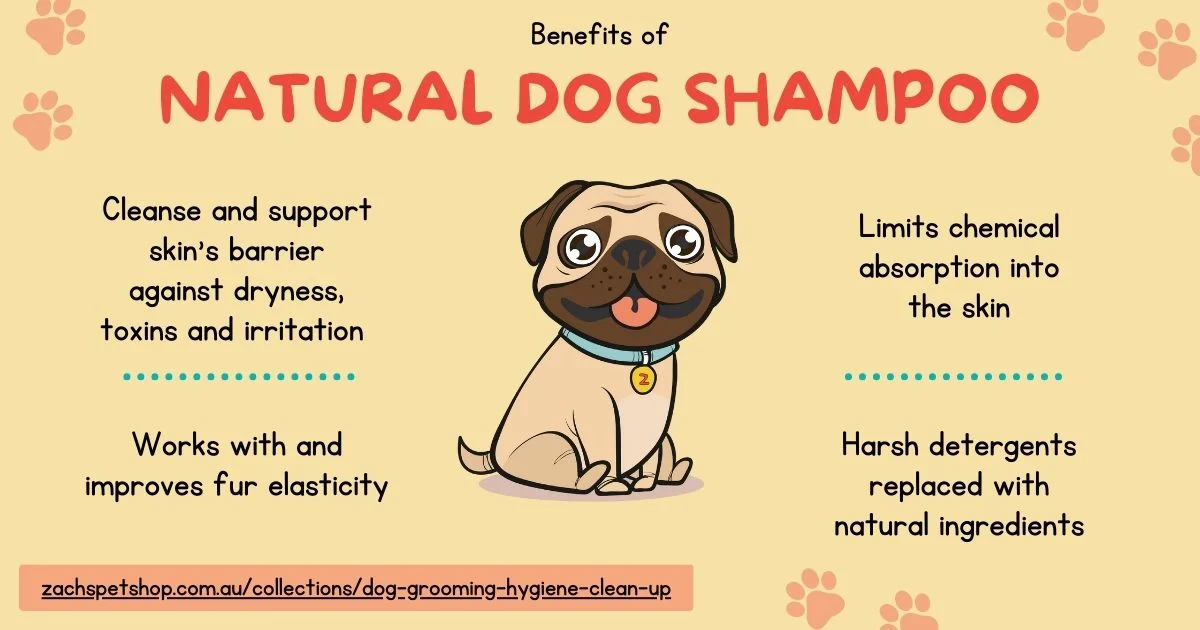
The pet grooming industry is progressively embracing the integration of natural, sustainable ingredients driven by consumer demand and regulatory pressures. Innovations in botanical extraction and formulation techniques are expanding the efficacy and sensory appeal of chemical-free pet care products. Emerging research on lesser-known botanicals like slippery elm and marshmallow root promises new avenues for gentle yet effective skin support.
Pet owners are encouraged to prioritize products with verified natural certifications and transparent supply chains, supporting companies that invest in cruelty-free and sustainable practices. Regular patch testing and veterinary consultations remain essential to safeguard pet health. Additionally, adopting eco-friendly grooming routines—including using biodegradable wipes and minimizing water waste—complements the benefits of natural ingredients with broader environmental stewardship.
As awareness of the risks associated with synthetic grooming chemicals grows, natural pet grooming products offer a comprehensive solution that harmonizes animal welfare, health outcomes, and environmental responsibility.
Frequently Asked Questions
What are the main benefits of using natural ingredients in pet grooming products?
Natural ingredients soothe sensitive skin, moisturize and strengthen the coat, reduce allergic reactions, and avoid harmful chemicals commonly found in synthetic products. They also support ethical sourcing and environmental sustainability.
Which natural ingredients are best for pets with sensitive skin?
Aloe vera, oatmeal, chamomile, and marshmallow root are particularly effective for sensitive skin due to their anti-inflammatory and soothing properties. Coconut oil and shea butter help moisturize without causing irritation.
How can I ensure a natural pet grooming product is truly safe and effective?
Look for certifications such as USDA Organic and cruelty-free labels, review ingredient transparency, avoid sulfates and parabens, conduct patch tests before full use, and consult a veterinarian for personalized advice.
Are natural grooming products better for the environment?
Yes, natural products generally use biodegradable ingredients and sustainable sourcing practices that reduce pollution and resource depletion compared to synthetic chemical formulations.
Can natural pet grooming products prevent allergic reactions?
While natural ingredients reduce the risk of allergic reactions by avoiding harsh chemicals, some pets may still react to specific botanicals. Testing and veterinary guidance are important for allergy management.
—
This comprehensive analysis underscores the importance of selecting natural pet grooming products not only for optimizing pet skin and coat health but also for advancing ethical and environmental goals. The ongoing evolution in natural formulations and industry standards will likely enhance product safety and efficacy, benefiting pets and their owners alike in the years ahead.

Why Biodegradable Materials Matter for Safe, Eco-Friendly Pet Toys
PawVerde.com – Biodegradable materials are gaining critical attention in the pet toy industry due to escalating concerns over environmental pollution and pet safety. Traditional pet toys, predominantly made from virgin plastics, contribute significantly to plastic waste accumulation, with many persisting in landfills and ecosystems for decades. According to the Environmental Protection Agency (EPA), plastic pollution not only burdens landfill capacity but also leads to chemical runoff that contaminates soil and waterways. Biodegradable pet toys offer a sustainable alternative, breaking down naturally without leaving harmful residues, thereby reducing the environmental footprint of pet ownership. Additionally, these toys often exclude toxic chemicals and synthetic dyes, minimizing health risks to pets who frequently chew and ingest toy fragments.
The environmental advantages of biodegradable materials extend beyond waste reduction. Incorporating natural fibers such as hemp, organic cotton, wool, and jute, alongside renewable resources like bamboo, cork, and sustainably harvested wood, lowers reliance on fossil fuels and virgin plastics. These materials typically require less energy to produce and decompose more rapidly, curtailing carbon emissions associated with manufacturing and disposal. A study from the David Suzuki Foundation highlights that biodegradable pet toys can reduce landfill waste by up to 40% when adopted widely, also diminishing chemical runoff linked to plastic degradation. These eco-friendly alternatives contribute to a comprehensive strategy for sustainable pet care that aligns with broader efforts to mitigate climate change and environmental degradation.
Safety and durability remain paramount considerations for pet owners selecting biodegradable pet toys. While synthetic plastics pose risks of exposing pets to toxic chemicals and brittle shards, natural fibers and renewable materials offer robust alternatives. Hemp, for instance, is celebrated for its tensile strength and resistance to wear, making it suitable for dogs with aggressive chewing habits. Organic cotton and wool provide softer textures that are less likely to cause dental trauma, addressing veterinary concerns around toy-induced dental issues such as fractured teeth or gum irritation. Incorporating renewable resources like bamboo and cork further enhances durability without compromising biodegradability. Veterinary experts caution pet owners to avoid toys containing synthetic dyes or adhesives that may release harmful substances during chewing. These insights underscore the importance of thorough product vetting to balance sustainability with pet health.
Understanding the distinction between biodegradable and compostable pet products is essential for informed purchasing decisions. Biodegradable materials break down naturally over time through microbial action, but may not fully decompose in typical home compost systems. Compostable products, conversely, require specific industrial composting conditions to degrade completely and safely. The presence of pet waste complicates composting efforts due to potential pathogens, making it impractical to compost soiled pet toys without specialized facilities. This nuance emphasizes the need for clear labeling and consumer education to prevent improper disposal. Furthermore, the industry faces challenges from greenwashing, where unverified claims of biodegradability mislead consumers. Certifications such as B Corp, Global Organic Textile Standard (GOTS), and Ecocert provide credible validation, ensuring products meet strict environmental and safety standards.
Sustainable manufacturing and packaging practices reinforce the environmental benefits of biodegradable pet toys. Manufacturers adopting low-waste production processes minimize material offcuts and energy consumption, employing non-toxic dyes and adhesives to maintain product safety. Ethical labor practices and carbon-offset initiatives contribute to reducing the overall carbon footprint of pet toy production. Packaging innovations include using recycled, recyclable, or compostable materials to complement the toys’ biodegradable nature, minimizing plastic packaging waste. These holistic approaches illustrate the growing commitment within the pet product industry to integrate environmental stewardship at every stage of the supply chain, responding to consumer demand for transparency and sustainability.
Practical guidance for pet owners highlights how to select safe and eco-certified biodegradable pet toys tailored to individual pet behavior and needs. Owners should consider the chewing intensity and size of their pets when choosing materials, opting for tougher fibers like hemp for heavy chewers or softer options like organic cotton for gentle players. DIY sustainable pet toys crafted from household natural fibers or recycled fabrics offer cost-effective and personalized alternatives while reducing environmental impact. Responsible pet waste management complements toy choices, with biodegradable or compostable waste bags and cleanup tools helping mitigate pollution. Awareness of proper disposal methods and certification labels empowers pet owners to make environmentally sound decisions that benefit both their pets and the planet.
Environmental Benefits of Biodegradable Materials in Pet Toys
The environmental impact of traditional plastic pet toys is substantial. The EPA estimates that plastics constitute a significant portion of landfill waste, persisting for hundreds of years. Chemical additives in these plastics can leach into soil and water, causing ecological harm. biodegradable pet toys, made from natural fibers and renewable materials, decompose through microbial activity, significantly reducing landfill burden. Materials like hemp and jute naturally break down within months under appropriate conditions, unlike synthetic polymers that may last centuries. Sustainable sourcing of these materials further reduces carbon emissions by avoiding extraction and processing of fossil fuels.
Renewable resources such as bamboo and cork exemplify closed-loop material cycles. Bamboo, a fast-growing grass, regenerates without replanting, requiring minimal pesticides or fertilizers. Cork harvesting involves stripping bark without cutting trees, preserving forest ecosystems. Using these materials in pet toy manufacturing not only cuts environmental impact but supports biodiversity. According to lifecycle assessments, pet toys made from bamboo generate up to 60% fewer greenhouse gas emissions compared to plastic alternatives. This underscores the role of material choice in minimizing the pet product sector’s carbon footprint.
Safety and Durability Considerations
The selection of materials for biodegradable pet toys must prioritize pet health alongside environmental benefits. Toxic substances common in conventional pet toys—such as lead-based dyes or phthalates—pose risks of poisoning or allergic reactions. natural fibers like organic cotton and wool avoid these hazards, offering chemical-free alternatives. Hemp’s strength and resistance to moisture make it ideal for durable toys that withstand chewing without splintering. Similarly, cork’s elasticity reduces the risk of dental damage while maintaining biodegradability.
Durability also affects sustainability by reducing the frequency of toy replacements, thereby limiting waste generation. Veterinary reports indicate that poorly constructed toys can cause dental fractures or gastrointestinal blockages when ingested. Biodegradable toys designed with pet safety in mind incorporate stitching techniques and fiber blends that resist shredding. Manufacturers adhering to eco-certifications often conduct rigorous safety testing to ensure materials are non-toxic and structurally sound. This dual focus on safety and durability enhances the appeal of biodegradable toys to conscientious pet owners.
Understanding Biodegradability vs Compostability in Pet Products
Biodegradability refers to the capacity of a material to be broken down by microorganisms into natural elements such as water, carbon dioxide, and biomass. Compostability is a subset of biodegradability that requires materials to decompose under specific conditions within a defined timeframe, leaving no toxic residue. Pet toys labeled as compostable must meet ASTM D6400 or equivalent standards, indicating their suitability for industrial composting facilities.
Pet waste complicates composting as it may contain pathogens like E. coli or parasites, necessitating caution when composting soiled toys. Many municipal composting programs do not accept pet waste-contaminated materials, limiting practical composting options for pet owners. Therefore, biodegradable pet toys that degrade naturally without specialized composting are often more accessible for consumers.
Greenwashing poses a significant challenge, with some manufacturers falsely advertising biodegradability to capitalize on consumer trends. Certifications such as B Corp, GOTS, and Ecocert verify environmental claims, including material sourcing, production processes, and product safety. These certifications help consumers navigate the market and support genuinely sustainable options.
Sustainable Manufacturing and Packaging Practices
Manufacturers committed to sustainability implement processes that minimize waste and energy consumption. Techniques such as zero-waste pattern cutting and using vegetable-based dyes reduce environmental impact. Adhesives and finishes free from volatile organic compounds (VOCs) further improve product safety. Ethical labor practices ensure workers’ rights and fair wages, aligning with holistic sustainability goals.
Packaging innovations include using recycled paper, biodegradable films, or reusable containers to reduce plastic packaging waste. Some brands offer minimal packaging or refill systems, reinforcing commitments to environmental responsibility. Carbon-offset programs, such as reforestation or renewable energy investments, help mitigate emissions associated with manufacturing and transportation. These efforts contribute to lowering the overall carbon footprint of biodegradable pet toys.
Practical Recommendations for Pet Owners

Pet owners seeking sustainable pet toys should prioritize products with verified eco-certifications and transparent material sourcing. Assessing pet chewing habits is crucial; heavy chewers benefit from tougher materials like hemp, while softer toys suit less aggressive players. Observing pet reactions to new materials helps ensure safety and comfort.
DIY pet toys using natural fibers or recycled fabrics offer customizable, eco-friendly alternatives. Tutorials for making braided hemp ropes or stuffed organic cotton toys provide accessible options that reduce reliance on commercial plastic products.
Responsible pet waste management complements toy sustainability. Using biodegradable waste bags and avoiding plastic litter improves environmental outcomes. Some communities offer pet waste composting programs with pathogen control, though these remain limited.
FAQ
Why are biodegradable materials important for pet toys?
Biodegradable materials reduce long-term plastic pollution by naturally decomposing without leaving harmful residues. They minimize exposure to toxic chemicals for pets and lower environmental impacts through sustainable sourcing and manufacturing, promoting safer and more responsible pet ownership.
Are biodegradable pet toys safe and durable for all pets?
Many biodegradable pet toys made from natural fibers like hemp and organic cotton are safe and durable, especially when free from toxic dyes and adhesives. However, suitability depends on the pet’s chewing behavior; aggressive chewers may require more robust materials to prevent ingestion of fragments.
What is the difference between biodegradable and compostable pet toys?
Biodegradable toys break down naturally over time but may not decompose fully in home compost systems. Compostable toys require industrial composting conditions to degrade completely and leave no toxins. Composting pet toys soiled with waste is challenging due to pathogen risks.
How can pet owners avoid greenwashing when buying eco-friendly pet toys?
Look for trusted certifications such as B Corp, GOTS, and Ecocert that verify material sourcing and environmental claims. Research brands’ manufacturing practices and review third-party assessments to ensure transparency and avoid misleading claims.
Can I make my own biodegradable pet toys at home?
Yes, DIY biodegradable pet toys can be made using natural fibers like hemp ropes, organic cotton fabrics, or recycled textiles. These homemade toys reduce plastic use and allow customization to suit pet preferences and chewing habits.
Aligning pet care with environmental stewardship requires informed choices about materials, manufacturing, and disposal. As demand for sustainable pet products grows, innovations in biodegradable materials and ethical production practices will continue to evolve, offering pet owners safer, greener options that protect both animal health and the planet’s future.

Sustainable Materials for DIY Pet Beds That Protect Pets and Planet
PawVerde.com – Sustainable materials for DIY pet beds encompass organic cotton, hemp, wool, recycled polyester fabrics derived from plastic bottles, and natural fillings such as buckwheat hulls and coconut fiber. These materials combine biodegradability, non-toxicity, and durability, supporting environmental responsibility while ensuring pet comfort and safety. Organic cotton and hemp grow without pesticides, reducing chemical runoff, and decompose naturally at the end of their lifecycle. Wool’s lanolin content offers antimicrobial and odor-resistant qualities, enhancing hygiene. Recycled polyester utilizes plastic waste, diverting millions of bottles from landfills, and provides a resilient fabric base. Natural fillings like buckwheat hulls and coconut fiber deliver supportive cushioning with minimal environmental impact, contrasting with synthetic foams that often contain harmful chemicals.
The rising environmental concerns associated with conventional pet bedding, including synthetic microfiber pollution and landfill accumulation, have galvanized Australian pet owners and sustainable living advocates to seek eco-friendly alternatives. This shift aligns with global trends emphasizing zero waste lifestyles and ethical consumption. Veterinarians emphasize the importance of non-toxic, breathable materials that prevent skin irritations and support joint health, reinforcing the suitability of natural fibers and recycled fabrics in pet bedding.
Sustainable Materials for DIY Pet Beds
organic cotton and hemp stand out as top choices for sustainable pet bed fabrics due to their cultivation methods and end-of-life biodegradability. Organic cotton is grown without synthetic pesticides or fertilizers, reducing soil contamination and water usage by up to 91% compared to conventional cotton. Hemp, a rapidly renewable crop, requires minimal irrigation and pesticides, and its fibers are naturally resistant to mold and UV degradation, extending product lifespan. Both fabrics provide softness and breathability essential for pet comfort, particularly for dogs prone to overheating.
Wool, sourced from ethically farmed sheep, contains lanolin, a natural wax with antimicrobial and water-repellent properties. This reduces odor buildup and bacterial growth, crucial for maintaining pet hygiene. Wool’s natural crimp creates insulating air pockets, offering temperature regulation benefits in both cold and warm climates. Australian veterinarians often recommend wool bedding for older dogs with arthritis due to its supportive cushioning and thermal regulation.
Recycled polyester fabrics, produced by reprocessing plastic bottles (PET), present a durable and water-resistant alternative to virgin synthetics. Brands like Yaya & Co and Avocado incorporate OEKO-TEX certified recycled polyester, ensuring the absence of harmful substances. This process diverts millions of plastic bottles annually from oceans and landfills, contributing to circular economy goals. The fabric’s resilience withstands pet wear and tear, maintaining structural integrity over time.
Natural filling materials such as buckwheat hulls and coconut fiber provide sustainable cushioning options. Buckwheat hulls are biodegradable, mold-resistant, and conform to pet body shapes, offering orthopedic support. Coconut fiber, or coir, is a renewable resource extracted from coconut husks, providing firm yet breathable padding. These fillings contrast with conventional polyurethane foams, which often contain fire retardants and volatile organic compounds (VOCs) linked to respiratory issues in pets and humans.
Plant-based memory foam alternatives, such as organic latex derived from rubber tree sap, offer chemical-free cushioning without the environmental drawbacks of petroleum-based foams. These materials are biodegradable and free from synthetic additives, aligning with eco-conscious pet owners’ preferences.
DIY Pet Bed Projects Using Recycled and Upcycled Materials
Practical DIY pet bed projects frequently utilize household recycled items, supporting waste reduction and cost savings. Old towels, for example, can be layered and sewn into plush pet beds, providing softness and durability. Upcycling towels leverages their absorbency and warmth, suitable for pets with sensitive skin.
Repurposed pillows, duvets, and bed spreads serve as cushioning materials when encased in washable, removable covers. This approach diverts bulky textiles from landfill while creating comfortable, insulated bedding. Australian sustainable living advocates highlight these projects as accessible entry points for eco-conscious pet owners.
No-sew fleece beds offer budget-friendly, fast assembly options using recycled fleece blankets. Fleece’s insulating properties and ease of cleaning make it a practical choice, though its synthetic nature warrants consideration of environmental trade-offs.
Household furniture items, such as wooden crates or old drawers, can be repurposed as bed frames, combined with sustainable padding. This method reduces demand for new manufacturing and promotes creative reuse.
Safety, Hygiene, and Comfort Considerations
Washable, removable covers are essential for maintaining hygiene and extending pet bed longevity. Materials like organic cotton and hemp facilitate machine washing without degradation, supporting routine cleaning that minimizes allergens and parasites. Veterinarians advise selecting fabrics free from chemical treatments, dyes, and fire retardants, which can cause skin irritations or respiratory issues in pets.
Avoiding synthetic foams with chemical additives is crucial, as these can off-gas VOCs harmful to animal health. Natural fibers and fillings, by contrast, typically exhibit lower allergenic potential and better breathability, reducing heat stress and dermatitis risks.
Veterinary input underscores the importance of matching bed materials and fillings to pet size, age, and health status. For example, older dogs may benefit from firmer, supportive fillings like buckwheat hulls, while puppies require softer, hypoallergenic fabrics to prevent irritation.
Environmental and Social Impact of Sustainable DIY Pet Beds
DIY sustainable pet beds significantly reduce landfill waste by repurposing textiles and diverting plastic bottles from pollution streams. According to environmental studies, plastic bottle recycling for polyester fabric production cuts greenhouse gas emissions by up to 75% compared to virgin polyester manufacturing.
Supporting brands with Fair Trade certifications ensures ethical labor practices and community development. Australian sustainable pet product consumers increasingly favor companies that source materials from local artisans and farmers, promoting social equity alongside environmental stewardship.
Engaging families and communities in DIY projects fosters environmental awareness and creativity. These initiatives encourage a zero waste mindset and practical skills in resource management.
Market Trends and Certifications in Sustainable Pet Products
Certification standards such as OEKO-TEX, Fair Trade USA, and Better Cotton Initiative (BCI) serve as benchmarks for sustainability and ethical sourcing in pet bedding. OEKO-TEX certification guarantees textiles free from harmful chemicals, while Fair Trade ensures fair wages and safe working conditions.
Consumer demand for eco-friendly pet goods has surged, with market research indicating a 20% annual growth rate in sustainable pet product sales globally. Leading brands like Avocado and Yaya & Co integrate certified organic cotton, recycled fabrics, and biodegradable fillings in their collections, setting industry standards.
Australian retailers are increasingly stocking certified sustainable pet bedding, reflecting growing public consciousness and regulatory pressures on environmental responsibility.
| Material | Source | Environmental Benefit | Pet Comfort Feature | Certification Examples |
|---|---|---|---|---|
| Organic Cotton | Non-GMO cotton grown without pesticides | Reduces water usage; biodegradable | Soft, breathable, hypoallergenic | OEKO-TEX, GOTS |
| Hemp Fabric | Rapidly renewable hemp plant fibers | Minimal irrigation; biodegradable | Durable, mold-resistant, breathable | OEKO-TEX, Fair Trade |
| Wool | Ethically farmed sheep wool | Renewable; natural antimicrobial lanolin | Insulating, odor-resistant | Responsible Wool Standard |
| Recycled Polyester | Plastic bottles (PET) | Diverts plastic waste; reduces emissions | Durable, water-resistant | OEKO-TEX, Global Recycled Standard |
| Buckwheat Hulls | Husk of buckwheat seeds | Biodegradable; renewable | Orthopedic support, mold-resistant | Organic certifications where applicable |
| Coconut Fiber (Coir) | Coconut husks | Renewable, biodegradable | Firm, breathable padding | Fair Trade |
FAQ
What are the safest sustainable materials for DIY pet beds?
Sustainable materials such as organic cotton, hemp, wool, and recycled polyester fabrics certified by OEKO-TEX are considered safe due to their non-toxic, breathable qualities. Natural fillings like buckwheat hulls and coconut fiber also provide safe, supportive cushioning without chemical additives.
Can I use old household textiles for making pet beds?
Yes, repurposing old towels, pillows, and duvets is an effective way to create plush, sustainable pet beds. Ensure these items are clean, free from harsh chemicals, and encased in washable covers for hygiene.
How do natural fillings compare to synthetic foams in pet bedding?
Natural fillings like buckwheat hulls and coconut fiber are biodegradable, mold-resistant, and free from harmful fire retardants found in many synthetic foams. They offer orthopedic support and breathability but may require occasional fluffing to maintain shape.
Are there certifications to look for when purchasing sustainable pet beds?
Relevant certifications include OEKO-TEX for chemical safety, Fair Trade for ethical sourcing, and the Responsible Wool Standard for animal welfare. These ensure the pet bed meets environmental and social responsibility standards.
How can I maintain hygiene and durability in a DIY sustainable pet bed?
Using removable, machine-washable covers made from organic cotton or hemp facilitates regular cleaning. Avoid materials treated with fire retardants or synthetic chemicals to prevent irritation and extend product life.
Sustainable DIY pet beds are reshaping pet care by merging environmental responsibility with comfort and safety. Australian pet owners, supported by veterinary advice and sustainable living advocates, are increasingly adopting these eco-friendly solutions. As market trends continue favoring certified sustainable products, integrating natural fibers, recycled fabrics, and biodegradable fillings will define the future of pet bedding—balancing ecological impact with pets’ well-being.
How Omega Fatty Acids Boost Pet Health with EPA & DHA Benefits
PawVerde.com – Omega fatty acids, principally EPA (eicosapentaenoic acid) and DHA (docosahexaenoic acid), have become a focal point in veterinary nutrition due to their extensive benefits in supporting pet health. These essential fatty acids, predominantly found in marine sources like fish oil, play critical roles in maintaining healthy skin, reducing inflammation, and enhancing cognitive and cardiovascular function in dogs and cats. Veterinary experts emphasize that proper supplementation, guided by dosage tailored to each pet’s needs, is vital for maximizing therapeutic outcomes while ensuring safety.
Omega-3 fatty acids, along with omega-6 and omega-9, represent distinct classes of polyunsaturated and monounsaturated fats integral to pet physiology. Omega-3s, especially EPA and DHA, exhibit potent anti-inflammatory properties that mitigate chronic conditions such as arthritis and allergic dermatitis common in companion animals. Meanwhile, omega-6 fatty acids, including linoleic acid and arachidonic acid, are essential for maintaining skin barrier integrity and cellular health. Achieving an optimal omega-3 to omega-6 ratio in a pet’s diet is critical; imbalances can exacerbate inflammatory responses or undermine immune function.
Types of Omega Fatty Acids and Their Roles in Pet Health
Omega fatty acids are categorized mainly into omega-3, omega-6, and omega-9, each contributing differently to pet health. Omega-3 fatty acids, including EPA and DHA, are long-chain polyunsaturated fatty acids derived primarily from marine sources such as fish, krill, and algae. These fatty acids are integral to anti-inflammatory pathways and cognitive function. The shorter-chain alpha-linolenic acid (ALA), a plant-based omega-3, requires conversion to EPA and DHA but does so inefficiently in pets, making marine sources more potent.
omega-6 fatty acids, such as linoleic acid and arachidonic acid, are abundant in many plant oils and animal fats. Linoleic acid is an essential fatty acid that supports skin structure and immune responses, while arachidonic acid is involved in inflammatory and cellular signaling mechanisms. Omega-9 fatty acids, like oleic acid, are non-essential as pets can synthesize them, yet they contribute to cardiovascular health and cellular energy balance.
The physiological significance of essential fatty acids (EFAs) lies in their inability to be synthesized by pets, necessitating dietary inclusion. EFAs influence membrane fluidity, eicosanoid production, and gene expression, underpinning diverse processes from skin hydration to joint lubrication.
Health Benefits of Omega Fatty Acids for Dogs and Cats
The impact of omega fatty acids on pet health encompasses multiple organ systems, with clinical evidence supporting targeted supplementation to address specific conditions.
Skin and Coat Health
Omega-3 and omega-6 fatty acids improve skin barrier function, reduce transepidermal water loss, and enhance coat glossiness. Clinical trials have documented reductions in pruritus and dermatitis severity in dogs and cats receiving EPA and DHA supplementation. Linoleic acid deficiency is linked to dry, flaky skin and poor coat condition, underscoring the necessity of balanced omega intake.
Anti-inflammatory Effects
EPA and DHA modulate inflammatory cytokines and prostaglandin pathways, providing therapeutic benefits in chronic inflammatory diseases such as osteoarthritis, allergic dermatitis, and inflammatory bowel disease. Controlled studies in canine arthritis show improved mobility and reduced joint pain following consistent omega-3 supplementation over several weeks.
Cognitive and Brain Function Support
DHA is a major structural component of neuronal membranes. Supplementation in aging pets has been correlated with enhanced cognitive function, memory retention, and reduced signs of canine cognitive dysfunction syndrome (CDS). Veterinary neurologists advocate omega-3 inclusion as part of neuroprotective dietary strategies.
Cardiovascular and Immune System Enhancement
Omega-3 fatty acids improve endothelial function and reduce arrhythmias, contributing to cardiovascular health in pets predisposed to heart disease. Additionally, they modulate immune cell activity, enhancing resistance against infections without overactivation that leads to autoimmunity.
Joint and Connective Tissue Support
By influencing the synthesis of anti-inflammatory eicosanoids and cytokines, omega-3 fatty acids support joint cartilage integrity and reduce connective tissue degradation. This effect is particularly beneficial in managing degenerative joint disease in senior dogs.
Key Omega Fatty Acids: Sources, Potency, and Bioavailability
Marine-derived omega-3s, especially EPA and DHA, demonstrate superior bioavailability and efficacy in pets compared to plant-based sources. Fish oil from cold-water species (e.g., salmon, sardines, anchovies) is rich in these long-chain fatty acids. Krill oil and algae supplements offer alternative marine sources, with algae being particularly valuable for vegetarian or fish-sensitive animals.
Plant-based omega-3s, largely in the form of ALA found in flaxseed, hemp, and pumpkin seeds, require metabolic conversion to EPA and DHA, a process limited in dogs and cats. Therefore, relying solely on plant sources may not achieve therapeutic omega-3 levels.
Omega-6 fatty acids, predominantly from vegetable oils such as sunflower and safflower oil, provide essential linoleic acid, but excessive omega-6 intake can counteract omega-3 benefits if not balanced properly. Veterinary nutritionists emphasize maintaining an omega-6 to omega-3 ratio around 5:1 or lower for optimal health outcomes.
Incorporating Omega Fatty Acids into Pet Diets
Natural dietary sources of omega fatty acids include fatty fish, eggs enriched with omega-3, and plant oils incorporated into commercial pet foods. Many premium pet food brands now fortify formulas with balanced omega fatty acids to support skin, coat, and joint health.
Supplementation is a common approach to address specific health concerns or deficiencies. Fish oil capsules, liquid oils, omega-enriched treats, and topical applications are available on the market. Veterinary consultation is paramount to determine appropriate dosage based on pet size, health status, and existing diet.
Dosage guidelines vary, but typical recommendations for omega-3 (EPA+DHA) range from 30 to 100 mg/kg body weight per day for dogs, with adjustments for cats due to differing metabolism. Over-supplementation risks include gastrointestinal upset and altered blood clotting, highlighting the necessity of professional oversight.
Safety, Quality, and Considerations for Supplementation
Quality control in omega fatty acid supplements is critical given the risk of contaminants such as heavy metals, PCBs, and oxidation products that can occur in fish oil products. Reputable manufacturers adhere to stringent purification standards and include antioxidants like vitamin E to stabilize oils and preserve efficacy.
Veterinarians recommend choosing supplements tested for purity and potency, with clear labeling of EPA and DHA content. Monitoring pets during supplementation allows timely detection of adverse effects or insufficient response.
Long-term use of omega fatty acids requires periodic evaluation of benefits versus risks. While clinical improvements may manifest after several weeks to months, sustained supplementation is often necessary to maintain health benefits, particularly in chronic conditions.
Recent Research and Clinical Insights on Omega Fatty Acids in Pets
Emerging studies continue to refine understanding of omega fatty acid roles in pet health. Recent randomized controlled trials have confirmed omega-3 supplementation’s efficacy in reducing osteoarthritis symptoms and improving skin barrier function in atopic dermatitis.
However, variability in clinical outcomes is noted, likely influenced by factors such as baseline pet health, supplement bioavailability, and dosage accuracy. Research in veterinary neurology increasingly supports DHA’s role in neuroprotection and cognitive maintenance, though large-scale longitudinal studies remain ongoing.
The integration of omega fatty acids into veterinary protocols underscores a growing consensus on their therapeutic potential, balanced by calls for further research to optimize formulations and dosing regimens tailored to individual pets.
| Omega Fatty Acid | Primary Sources | Key Benefits | Bioavailability | Typical Supplement Form |
|---|---|---|---|---|
| EPA (Eicosapentaenoic Acid) | Fish oil, krill oil, algae | Anti-inflammatory, joint support, immune modulation | High | Capsules, liquid oils |
| DHA (Docosahexaenoic Acid) | Fish oil, krill oil, algae | Brain and cognitive function, cardiovascular health | High | Capsules, liquid oils |
| Linoleic Acid (Omega-6) | Vegetable oils (sunflower, safflower), animal fats | Skin barrier maintenance, cell membrane integrity | Moderate | Dietary inclusion, enriched pet food |
| Alpha-linolenic Acid (ALA) | Flaxseed, hemp, pumpkin seeds | Precursor to EPA/DHA (limited conversion in pets) | Low | Dietary inclusion, plant-based supplements |
FAQ
What are the main benefits of omega fatty acids for pets?
Omega fatty acids, particularly EPA and DHA, support skin and coat health, reduce inflammation, enhance joint mobility, improve cognitive functions, and strengthen cardiovascular and immune systems in dogs and cats.
How do omega-3 and omega-6 fatty acids differ in their effects on pets?
Omega-3 fatty acids primarily provide anti-inflammatory benefits and cognitive support, while omega-6 fatty acids are essential for skin integrity and immune function. Maintaining a balanced ratio between these fatty acids is crucial to avoid excessive inflammation.
Can plant-based omega-3 sources replace fish oil supplements for pets?
Plant-based omega-3s like ALA have limited conversion to EPA and DHA in pets, making fish oil or marine-based supplements more effective for therapeutic outcomes.
Is it safe to give pets omega fatty acid supplements without veterinary guidance?
Veterinary consultation is essential to determine safe and effective dosages, avoid adverse effects, and select high-quality, contaminant-free products tailored to each pet’s health condition.
How long does it take to see health improvements after starting omega fatty acid supplementation?
Clinical benefits typically become apparent after several weeks to months of consistent supplementation, depending on the health issue being addressed and the pet’s overall condition.
Omega fatty acids continue to emerge as a cornerstone of veterinary nutrition, with growing evidence supporting their integration into comprehensive pet health management plans. Future research will further elucidate optimal dosing strategies and novel delivery methods, advancing the personalized care of companion animals.