

Sustainable Pet Toys Guide for Eco-Conscious Owners
PawVerde.com – Sustainable pet toys have emerged as a crucial focus for eco-conscious pet owners seeking to balance pet health, environmental responsibility, and product durability. These toys are primarily crafted from natural or recycled materials such as hemp, organic cotton, and recycled rubber, which offer biodegradability and non-toxicity, reducing the ecological footprint commonly associated with synthetic pet products. The increasing demand for sustainable pet accessories reflects a broader awareness of the environmental impact of pet-related waste and the need for safer, longer-lasting toys that minimize landfill contributions and chemical exposure for pets.
The selection of sustainable pet toys hinges on several factors: the use of eco-friendly materials, adherence to recognized certification standards, durability to reduce frequent replacement, and packaging that aligns with environmental values. Hemp, organic cotton, and recycled rubber serve as foundational materials in this sector, each offering unique benefits. Hemp is renowned for its biodegradability and toughness, making it ideal for tug toys that withstand vigorous chewing. Organic cotton, certified under standards like the Global Organic Textile Standard (GOTS), provides soft, chemical-free fibers suitable for rope toys and plush items. Recycled rubber, exemplified by proprietary materials such as West Paw’s Zogoflex®, combines durability with recyclability, enabling closed-loop programs like Join the Loop that reclaim used toys to minimize waste.
What Defines an Eco-Friendly Pet Toy?
An eco-friendly pet toy is characterized by its sustainable origin, safety for pets, durability, and minimal environmental impact throughout its lifecycle. Sustainable materials must be renewable or recycled, free from synthetic fibers that often involve harmful chemical coatings, and preferably biodegradable to ensure reduced landfill persistence. Hemp fibers naturally resist degradation while maintaining strength, making them preferable over synthetic alternatives that introduce microplastics into the environment. Organic cotton, cultivated without pesticides or synthetic fertilizers and certified by USDA Organic or GOTS, assures pet owners of non-toxic exposure. Meanwhile, recycled rubber products like Zogoflex® are BPA-free and phthalate-free, addressing concerns about chemical leaching and pet health risks.
Packaging also plays a vital role in defining eco-friendly status. Brands committed to sustainability prioritize recyclable or compostable packaging materials certified by entities such as the Forest Stewardship Council (FSC), which ensures that paper and cardboard used come from responsibly managed forests. The integration of these criteria ensures that pet toys contribute less to environmental degradation while promoting pet safety and comfort.
Environmental and Health Benefits of Sustainable Pet Toys
Choosing sustainable pet toys offers measurable benefits across environmental and pet health domains. Environmentally, biodegradable materials like hemp and organic cotton decompose without releasing harmful residues, in stark contrast to synthetic fibers that persist for decades. The use of recycled materials such as ocean plastics and reclaimed rubber reduces raw material extraction and plastic pollution, directly mitigating the carbon footprint of pet products. According to recent studies, plastic waste from pet toys contributes significantly to microplastic contamination, making the shift to sustainable alternatives imperative.
From a pet health perspective, natural fibers reduce the risk of allergic reactions and chemical ingestion linked to synthetic coatings and dyes. Non-toxic certification standards, including USDA Organic and GOTS, provide assurance that toys are free from pesticides, heavy metals, and harmful chemicals. Durable toys also enhance safety by limiting small, breakable parts that pose choking hazards. Economically, investing in durable, multi-purpose toys reduces the frequency of replacements, lowering overall waste generation and consumer costs over time.
Certification Standards Ensuring Sustainability and Safety
Certification frameworks are critical in verifying the authenticity of sustainable claims in pet toys. The USDA Organic label guarantees that materials such as cotton have been grown without synthetic pesticides or genetically modified organisms (GMOs), ensuring chemical safety for pets. The Global Organic Textile Standard (GOTS) extends beyond raw materials, certifying that textile processing—including dyeing and manufacturing—adheres to stringent environmental and social criteria. This includes wastewater treatment and worker safety, making GOTS-certified pet toys a reliable indicator of sustainability.
The Forest Stewardship Council (FSC) certification applies to packaging materials, certifying responsible forest management practices and promoting recycling. Brands that incorporate FSC-certified paper or cardboard packaging demonstrate a commitment to reducing deforestation and supporting biodiversity. These certifications collectively provide pet owners with transparent, trustworthy benchmarks to guide eco-friendly purchasing decisions.
Leading Sustainable Materials and Innovations in Pet Toys
Hemp stands out as a natural fiber with impressive strength and biodegradability, making it a preferred material for tug and chew toys. Its cultivation requires minimal water and no pesticides, further reducing environmental impact. Organic cotton rope toys offer softness and biodegradability, providing gentle chewing experiences beneficial for dental health and mental stimulation. Recycled rubber, notably West Paw’s Zogoflex® material, combines durability with recyclability and chemical safety, being free from BPA, latex, and phthalates.
Innovations in sustainable pet toys increasingly incorporate ocean plastic reclamation, where plastics are collected from marine environments and transformed into durable toys, thus addressing both pollution and resource conservation. Programs like West Paw’s Join the Loop facilitate the recycling of worn toys, promoting circular economy principles. Sisal and coconut fiber cat toys exemplify natural scratching alternatives, providing enrichment while being biodegradable and renewable.
Market Leaders and Recommended Sustainable Pet Toys
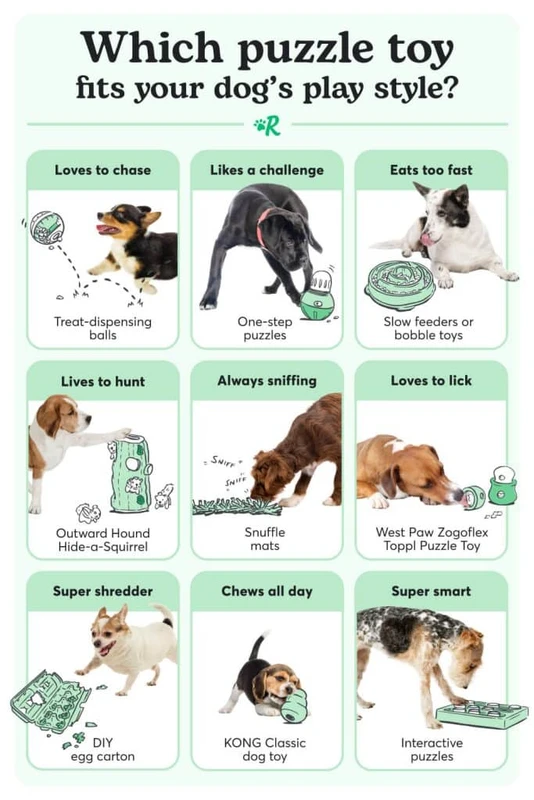
West Paw’s Toppl toy exemplifies a durable, multi-purpose design made from Zogoflex® material, combining safety and recyclability. The brand’s Join the Loop program enables customers to return used toys for recycling, reducing landfill waste and encouraging responsible consumption. Organic cotton rope dog toys and plush hemp dog bones offer chemical-free alternatives for gentle chewers and puppies, certified under GOTS or USDA organic standards to ensure sustainability and safety.
For cats, sisal and coconut fiber toys provide natural scratching options, promoting healthy claw maintenance without synthetic materials. These products are often packaged in FSC-certified materials, reflecting the comprehensive sustainability approach embraced by eco-friendly pet brands.
Guidance for Eco-Conscious Pet Toy Shopping
Selecting sustainable pet toys requires vigilance in evaluating materials and brand transparency. Pet owners should scrutinize product descriptions to confirm the absence of synthetic fibers and harmful chemical coatings. Prioritizing durability and multi-functionality—such as toys that serve both enrichment and dental health purposes—helps reduce waste by minimizing replacement frequency. Supporting brands with clear sustainability commitments, certification labels, and eco-friendly packaging ensures alignment with environmental and pet health goals.
Consumers are encouraged to avoid toys made with synthetic fibers or unverified materials that may contain phthalates, BPA, or other endocrine disruptors. Choosing certified products backed by USDA Organic, GOTS, or FSC labels enhances confidence in eco-friendly claims.
DIY Eco-Friendly Pet Toys and Enrichment Approaches
Homemade pet toys provide an effective route to sustainability, combining environmental benefits with personalized pet engagement. Upcycling household items such as old t-shirts, towels, and cardboard can create durable tug toys, puzzle feeders, and scratching surfaces without introducing new materials into the waste stream. These DIY solutions reduce reliance on commercial plastic toys and allow pet owners to tailor toys to their pet’s preferences and chewing habits.
Research indicates that pet engagement improves with varied textures and enrichment types, making DIY toys an excellent complement to purchased sustainable products. Moreover, DIY options empower pet owners to adopt zero-waste principles and foster deeper connections with their pets through hands-on involvement.
Integrating Sustainable Pet Toys into a Holistic Eco-Conscious Routine
Sustainable pet toys are part of a broader eco-conscious pet care strategy that includes grooming tools, bedding, and accessories made from natural or recycled materials. Choosing biodegradable grooming brushes, organic cotton beds, and recycled packaging for pet supplies contributes to cumulative reductions in environmental impact. Consistent use of certified, durable, and recyclable products enhances the longevity of pet care items and diminishes waste.
Small daily choices, such as opting for eco-friendly toys and accessories, collectively influence the pet industry’s environmental footprint. The growing market for sustainable pet products reflects shifting consumer values and promotes innovation in material science, certification rigor, and recycling infrastructure.
| Material | Key Properties | Common Uses in Pet Toys | Certifications/Programs |
|---|---|---|---|
| Hemp | Biodegradable, durable, pest-resistant, low water use | Tug toys, chew toys | USDA Organic, GOTS |
| Organic Cotton | Soft, chemical-free, biodegradable | Rope toys, plush toys | USDA Organic, GOTS |
| Recycled Rubber (Zogoflex®) | Durable, recyclable, BPA-free, phthalate-free | Chew toys, interactive toys | Join the Loop recycling program |
| Ocean Plastic | Reclaimed, reduces marine pollution, durable | Chew toys, balls | Brand-specific reclamation efforts |
| Sisal and Coconut Fiber | Renewable, biodegradable, natural texture | Cat scratching toys | Often FSC-certified packaging |
FAQ
What materials should I avoid in pet toys to ensure sustainability?
Pet owners should avoid synthetic fibers and plastic-based materials that are non-biodegradable and often contain harmful chemical coatings such as phthalates and BPA. These materials contribute to microplastic pollution and pose risks to pet health.
How do certifications like USDA Organic and GOTS affect pet toy safety?
USDA Organic and GOTS certifications verify that materials are grown and processed without harmful pesticides, synthetic chemicals, or genetically modified organisms. These certifications ensure non-toxic, environmentally responsible products that are safer for pets.
Are recycled rubber toys as safe and durable as natural fiber toys?
Yes, recycled rubber toys made from materials like Zogoflex® are designed to be non-toxic, BPA-free, and phthalate-free while offering high durability. Additionally, they support recycling programs that reduce environmental waste, making them a sustainable choice alongside natural fibers.
Can DIY pet toys be as effective and safe as commercial sustainable toys?
DIY pet toys made from clean, natural household items can be safe and engaging if constructed properly without small parts or toxic materials. They provide environmental benefits by reducing waste and can be tailored to a pet’s preferences, but owners should monitor wear and safety closely.
How does buying sustainable pet toys impact the environment long term?
Purchasing sustainable pet toys reduces plastic waste, lowers carbon footprints associated with production, and minimizes landfill contributions. Durable toys decrease replacement frequency, further reducing resource consumption and environmental pollution over time.
Sustainable pet toys crafted from hemp, organic cotton, recycled rubber, and reclaimed ocean plastics represent a vital shift toward environmentally responsible pet care. By selecting certified, durable, and non-toxic toys, eco-conscious pet owners can safeguard pet health, reduce ecological impact, and foster a more sustainable future for the pet industry. Adopting these choices alongside DIY enrichment and sustainable grooming practices enables a comprehensive approach to eco-friendly pet lifestyles that benefits animals and the planet alike.
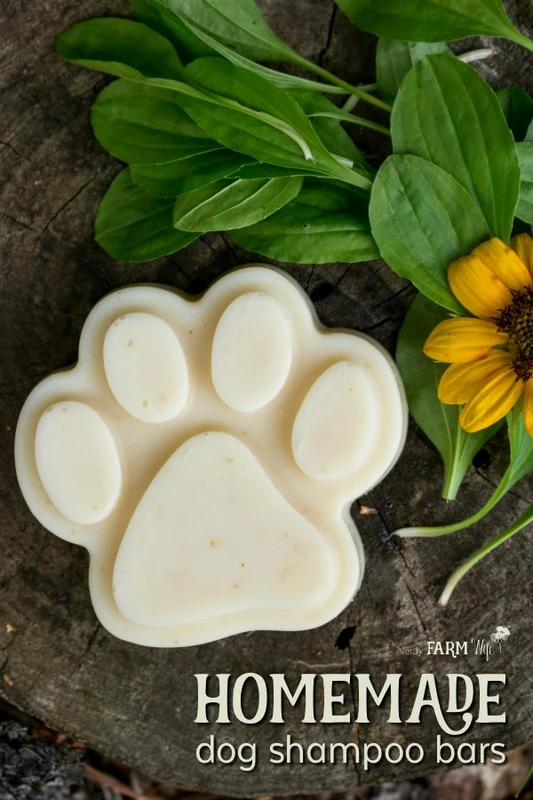
How to Make DIY Eco-Friendly Pet Shampoo Safely & Effectively
PawVerde.com – Creating an effective and safe DIY eco-friendly pet shampoo requires a careful balance of natural ingredients that cleanse, soothe, and protect your pet’s skin and coat without harsh chemicals. This guide delivers detailed, step-by-step instructions to craft a gentle shampoo using castile soap, coconut oil, aloe vera gel, and carefully selected essential oils, ensuring pet comfort and health while supporting sustainable grooming practices.
Castile soap serves as the gentle cleansing base, renowned for its plant-derived, biodegradable properties that clean without stripping natural oils. Coconut oil adds moisturizing and conditioning benefits, enhancing coat shine and reducing dryness. Aloe vera gel contributes potent skin-soothing and hydrating effects, ideal for sensitive or irritated skin. Safe essential oils such as lavender, chamomile, and bergamot provide natural fragrance and flea-repellent qualities, while avoiding toxic oils like tea tree and certain citrus variants is critical for pet safety. Additional ingredients like apple cider vinegar, vitamin B5 (panthenol), glycerin, and soil-based probiotics further elevate the shampoo’s skin health benefits and natural pest control.
| Ingredient | Function | Pet Safety Notes |
|---|---|---|
| Castile Soap | Mild natural cleanser, biodegradable | Safe, avoid scented or harsh additives |
| Coconut Oil | Moisturizes and conditions coat | Safe in low amounts; avoid ingestion in large quantities |
| Aloe Vera Gel (Non-GMO) | Soothes, hydrates irritated skin | Ensure pure, pet-safe formulation |
| Lavender Essential Oil | Calming, flea repellent | Use diluted; avoid in cats with respiratory issues |
| Chamomile Essential Oil | Anti-inflammatory, soothing | Safe in low dilution |
| Bergamot Essential Oil | Natural fragrance, flea deterrent | Avoid photosensitivity; dilute thoroughly |
| Apple Cider Vinegar | Deodorizes, balances skin pH | Dilute well; avoid open wounds |
| Vitamin B5 (Panthenol) | Supports skin repair and hydration | Safe topical use |
| Glycerin | Humectant, retains moisture | Use cosmetic grade; non-toxic |
| Probiotics (Soil-Based) | Supports healthy skin microbiome | Use pet-safe strains; topical use only |
Essential Ingredients for DIY Eco-Friendly Pet Shampoo
This section explains the role of each main ingredient and highlights safety precautions critical to pet health.
- Apple Cider Vinegar: Used sparingly for odor neutralization and pH balancing.
- Vitamin B5 (Panthenol): Enhances skin repair and hydration.
- Glycerin: Acts as a humectant to retain moisture.
- Probiotics: Soil-based probiotics support the skin’s natural microbiome and barrier function.
Step-by-Step Preparation Process
Follow these precise steps to create your natural pet shampoo, ensuring proper mixing and ingredient integration for efficacy and safety.
- Unscented liquid castile soap (1 cup)
- Fractionated coconut oil (2 tablespoons)
- Aloe vera gel (2 tablespoons)
- Distilled or filtered warm water (1 cup)
- Essential oils: lavender (10 drops), chamomile (5 drops), bergamot (5 drops)
- Optional: apple cider vinegar (1 tablespoon), glycerin (1 teaspoon), vitamin B5 powder (1/4 teaspoon), soil-based probiotic powder (1/4 teaspoon)
- Mason jar or a pump bottle with airtight seal for storage
- Measuring spoons and small mixing bowl
- In a small bowl, dissolve vitamin B5 and probiotic powders in a tablespoon of warm water to ensure even distribution. This prevents clumping and improves absorption.
- Pour castile soap and distilled water into the mason jar or mixing container.
- Add fractionated coconut oil and aloe vera gel. Gently stir or swirl to combine without creating excessive foam.
- Incorporate the vitamin B5 and probiotic solution.
- Add glycerin and apple cider vinegar if using. Mix gently.
- Add essential oils dropwise, adhering strictly to recommended dilution ratios to avoid skin sensitivity.
- Seal the container and shake gently to distribute oils uniformly.
- Label the container with the date of preparation.
- Store in a cool, dark place to preserve ingredient potency. Avoid prolonged storage beyond two weeks due to absence of preservatives.
Application and Usage Guidelines
Proper shampoo application maximizes benefits while minimizing risks of irritation or ineffective cleaning.
- Brush your pet’s coat thoroughly to remove loose fur and debris.
- Wet the fur completely with lukewarm water.
- Dispense a small amount (about a tablespoon for medium-sized dogs) onto your hands or a bathing mitt.
- Apply sparingly, focusing on the coat and avoiding eyes, nose, ears, and any broken skin.
- Massage gently to create a light lather, ensuring even coverage.
- Rinse thoroughly with clean lukewarm water to remove all shampoo residue, which could cause irritation if left on skin.
- Towel dry your pet or use a low-heat dryer setting. Avoid excessive heat that can dry out the skin.
- Use this shampoo no more than once every two weeks unless directed otherwise by a veterinarian. Overuse may strip natural oils.
Additional Tips and Variations
Explore alternative approaches and customizations to suit different seasons, coat types, and skin conditions.
Safety and Environmental Considerations
Understanding ingredient safety and ecological impact is vital when crafting homemade pet shampoos.
Troubleshooting Common Issues
Common Mistakes to Avoid
FAQ

Can I use any essential oils in homemade pet shampoo?
Only select essential oils known to be pet-safe, such as lavender, chamomile, and bergamot, and always dilute heavily. Avoid oils like tea tree, citrus, and peppermint which are toxic or irritating to pets.
How often should I bathe my dog with homemade shampoo?
Generally, limit baths to once every two weeks to prevent drying out the skin. Adjust frequency based on your pet’s coat type, lifestyle, and any veterinary advice.
Is castile soap safe for all pets?
Castile soap is safe for most dogs and cats when unscented and free from harsh additives. However, always patch test and monitor for allergic reactions.
How should I store my DIY pet shampoo?
Store the shampoo in an airtight container such as a mason jar or pump bottle, kept in a cool, dark place. Use within two weeks due to absence of preservatives.
Can I add probiotics to pet shampoo?
Yes, soil-based probiotics can support the skin microbiome and improve skin health. Use pet-safe probiotic strains and add in small amounts dissolved before mixing.
—
Crafting your own eco-friendly pet shampoo at home using natural ingredients like castile soap, coconut oil, and aloe vera gel empowers you to provide gentle, effective grooming free from harsh chemicals. Following these detailed instructions ensures safety, skin nourishment, and environmental responsibility, while customizable options allow tailoring to individual pet needs and preferences. Embrace sustainable pet care by preparing fresh batches regularly, observing proper storage, and respecting your pet’s unique sensitivities for optimal skin and coat health.

Best Practices for Fostering Pets Explained by Experts
PawVerde.com – Fostering pets serves as a critical bridge between animal shelters and permanent adoption, providing temporary care, socialization, and basic training to improve animals’ chances of finding forever homes. This practice not only supports animal welfare organizations such as Best Friends Animal Society, Muttville, and Dallas Animal Services but also alleviates overcrowding in shelters. Effective pet fostering requires structured programs, trained caregivers, and clear communication channels, ensuring foster pets receive proper medical attention, behavioral support, and socialization to thrive in adoptive environments.
The success of fostering programs hinges on a comprehensive approach that includes promoting foster opportunities, preparing caregivers, managing pet introductions, training animals, and addressing both medical and emotional needs. This article details best practices for fostering pets, drawing on expert insights and organizational guidelines to equip prospective foster parents with actionable strategies for enhancing animal welfare and adoption outcomes.
Promoting Foster Programs to Expand Caregiver Networks
animal shelters and rescue organizations increase foster participation through targeted local outreach and digital engagement. Distributing flyers and postcards at veterinary clinics, pet stores, and community centers connects with potential fosters in trusted environments. Personalized mailings encourage repeat engagement by highlighting foster success stories and outlining clear benefits of temporary pet care.
Social media platforms such as Facebook and Instagram play a pivotal role in fostering program marketing. Organizations use storytelling techniques to showcase foster pets’ transformations, creating emotional resonance that motivates volunteer recruitment. Posting videos of foster pet socialization and adoption testimonials fosters community interest and trust. Hosting informational events and meet-and-greets, either virtually or in person, provides hands-on opportunities for prospective caregivers to learn about responsibilities and meet shelter staff.
Data from Dallas Animal Services indicates that shelters leveraging multi-channel outreach experience a 30% increase in foster applications, underscoring the effectiveness of integrated promotion strategies.
Preparing Foster Caregivers Through Training and Support
Comprehensive orientation sessions are essential to equip foster parents with knowledge on animal behavior, medical care basics, and program expectations. Best Friends Animal Society emphasizes the importance of structured training that covers pet introductions, socialization techniques, and emergency protocols. New fosters receive welcome kits containing resource guides, contact lists for veterinary clinics, and behavioral support materials.
Clear communication about foster responsibilities—such as feeding schedules, medication administration, and handling behavioral challenges—reduces caregiver uncertainty and turnover. Ongoing mentorship programs, pairing new fosters with experienced volunteers or shelter staff, provide emotional support and practical advice. Muttville’s Director of Operations highlights that mentorship lowers burnout rates by 25%, improving retention in foster networks.
Shelters also facilitate regular check-ins and feedback loops, enabling foster parents to report concerns and receive timely assistance. This transparent approach builds trust and enhances program sustainability.
Managing Foster Pet Introductions and Socialization
Gradual and controlled introductions between foster pets and resident animals are critical to minimizing stress and promoting positive interactions. Shelter guidelines recommend initial meetings in neutral, enclosed spaces with both animals on leashes to maintain control. Using treats and calm verbal cues during introductions encourages cooperative behavior. For dog-to-cat introductions, shelter staff advise slow exposure over several sessions to allow adjustment.
Socialization extends beyond inter-pet interactions to include acclimating foster animals to humans and varied environments. Foster caregivers implement techniques such as gentle handling, exposure to household noises, and supervised outdoor walks to reduce anxiety and build confidence. Dallas Animal Services notes that foster pets receiving consistent socialization demonstrate 40% higher adoption rates compared to unsocialized shelter counterparts.
Training foster pets on basic commands and housebreaking also enhances their adoptability. Positive reinforcement methods, including clicker training and reward-based systems, encourage desirable behaviors while strengthening the foster pet-caregiver bond.
Training Foster Pets for Adoption Readiness
Fostering programs focus on preparing animals to transition smoothly into permanent homes by addressing behavioral and environmental adaptation. Housebreaking remains a priority, with foster parents maintaining consistent schedules and using crate training to reinforce routines. Basic obedience training covers commands such as sit, stay, and come, facilitating better control and safety in adoptive homes.
Introducing foster pets to new environments, such as car rides or other households, helps build resilience and adaptability. Best Friends Animal Society recommends gradually increasing exposure to different stimuli, paired with positive reinforcement, to prevent fear responses. Foster caregivers document behavioral progress and challenges, providing shelter staff with detailed assessments to guide adoption matches.
Behavioral support extends to managing separation anxiety and fearfulness, common issues in shelter animals. Volunteers and shelter staff collaborate to develop customized socialization plans, incorporating tools like calming pheromone diffusers and enrichment toys, to improve mental well-being.
Medical Care and Emergency Protocols in Foster Programs
Routine medical care is a foundational aspect of fostering, requiring coordination between foster caregivers, veterinary clinics, and shelters. Foster parents administer vaccinations, parasite prevention, and monitor for signs of illness in pets under their care. Rescue organizations establish clear protocols for reporting symptoms and accessing emergency veterinary services.
Special needs animals, including those recovering from surgery or chronic conditions, require tailored care plans. Foster caregivers receive specific training on medication schedules, dietary restrictions, and mobility assistance. Dallas Animal Services provides telehealth consultations to support fosters managing complex cases, ensuring timely intervention.
Documentation of medical treatments and behavioral observations is maintained meticulously, enabling shelters to track health trends and prepare accurate adoption disclosures. This transparency reinforces trust between shelters, fosters, and adopters.
Emotional Aspects and Caregiver Well-being in Fostering
The emotional journey of fostering involves forming attachments to animals while preparing for eventual separation. Foster caregivers often experience grief and stress upon returning pets to shelters or new owners. Best Friends Animal Society advises fostering individuals to develop coping strategies, such as journaling and peer support groups, to manage attachment challenges.
Burnout prevention is critical to sustaining foster engagement. Organizations recommend setting realistic expectations about time commitments and emotional investment. Providing ongoing recognition and celebrating foster successes contribute to caregiver motivation. Muttville reports that integrating wellness check-ins and resilience training into foster programs reduces turnover by 18%.
Despite challenges, fostering yields profound rewards. Caregivers witness tangible improvements in pet behavior and health, contributing directly to animal welfare. The reciprocal bond formed enhances human mental health and community connectedness.
Enhancing Adoption Success Through Foster Care Contributions
Foster caregivers play a vital role in marketing adoptable pets by sharing high-quality photos, videos, and personal stories on social media and during public outings. These authentic portrayals humanize shelter animals, increasing public interest and adoption inquiries. Rescue organizations often provide training on crafting engaging adoption profiles that highlight each foster pet’s personality and progress.
Fosters also assist shelter staff in behavioral assessments, providing insights into temperament and compatibility with different household types. This data informs tailored adoption placements, improving long-term retention rates. Best Friends Animal Society statistics reveal that foster pets are adopted 50% faster than those remaining solely in shelters.
Community engagement through foster events and volunteer involvement amplifies program reach. Animal care organizations encourage fosters to participate in educational workshops and advocacy initiatives, further integrating fostering into broader animal welfare efforts.
| Aspect | Best Practices | Impact/Outcome |
|---|---|---|
| Foster Program Promotion | Multi-channel outreach, social media storytelling, community events | 30% increase in foster applications (Dallas Animal Services) |
| Caregiver Preparation | Orientation, mentorship, resource kits, clear communication | 25% reduction in caregiver burnout (Muttville) |
| Pet Socialization | Gradual pet introductions, leash control, exposure to environments | 40% higher adoption rates for socialized pets |
| Medical Care Coordination | Routine vet visits, emergency protocols, telehealth support | Improved health outcomes, timely intervention |
| Emotional Support | Burnout prevention, peer support, resilience training | 18% decrease in foster turnover (Muttville) |
FAQ
What are the essential steps to prepare for fostering a pet?
Preparing for fostering includes attending comprehensive orientation sessions, understanding medical and behavioral needs, setting up a safe home environment, and establishing clear communication with the shelter or rescue organization. Access to resource guides and ongoing mentorship also supports successful fostering.
How can foster caregivers help socialize pets effectively?
Foster caregivers should introduce pets gradually to other animals and humans, use leash control during initial meetings, and expose foster animals to varied environments to reduce anxiety. Positive reinforcement and consistent routines contribute to improved social behaviors.
What medical responsibilities do foster parents have?
Foster parents manage routine vaccinations, parasite control, medication administration, and monitor pets for signs of illness. They coordinate with veterinary clinics and shelters for emergency care and maintain detailed health records for each foster animal.
How do foster programs address caregiver burnout?
Burnout is mitigated through realistic expectations, emotional support groups, recognition of foster efforts, and access to mentorship. Regular wellness check-ins and resilience training help maintain caregiver well-being.
What role do foster pets play in adoption success?
Foster pets benefit from personalized socialization and training, enhancing their behavior and confidence. Foster caregivers provide detailed behavioral assessments and create engaging adoption profiles, which increase adoptability and reduce shelter overcrowding.
Fostering pets remains a cornerstone of effective animal welfare strategies, bridging gaps between shelter intake and permanent adoption. As fostering programs evolve, integrating advanced caregiver training, medical support, and emotional well-being resources will be pivotal in sustaining these networks. Future developments may include AI-driven behavior monitoring and expanded telehealth veterinary services, further empowering foster caregivers to enhance pet welfare and adoption outcomes.

Green Grooming Tools Reduce Waste & Boost Pet Health
PawVerde.com – green grooming tools made from sustainable materials like bamboo and recycled plastics reduce environmental waste and exposure to harmful chemicals, promoting healthier skin and coats in pets while supporting eco-friendly pet care routines. These tools, combined with biodegradable shampoos and energy-efficient grooming equipment, form the backbone of an emerging eco-conscious grooming movement that benefits both pets and the planet.
Traditional pet grooming practices heavily rely on synthetic materials, harsh chemicals, and excessive water usage, contributing to pollution and environmental degradation. Transitioning to green grooming tools and sustainable products mitigates these impacts while enhancing pet health through natural, non-toxic ingredients and materials. Understanding the environmental and health benefits of green grooming tools, as well as practical ways to adopt sustainable grooming habits, is crucial for pet owners and professionals aiming to reduce their ecological footprint.
Environmental Impact of Traditional Pet Grooming
Conventional pet grooming often involves the use of plastic brushes, synthetic combs, and shampoos containing sulfates, parabens, and artificial dyes. These chemicals not only pose risks to pet skin and coat health but also contribute to waterway pollution when washed down drains. Single-use plastic packaging and disposable grooming wipes exacerbate landfill waste, with millions of plastic grooming accessories discarded annually worldwide. Additionally, water-intensive bathing practices increase resource consumption, placing further strain on local water supplies.
Studies show that traditional grooming salons consume up to 100 gallons of water per dog during a single grooming session, significantly impacting water resources in areas facing drought or water scarcity. The heavy energy consumption of conventional grooming tools, such as electric clippers and dryers, also adds to the carbon footprint. Collectively, these factors highlight the urgent need for eco-friendly alternatives that address both environmental and pet health concerns.
Sustainable Materials and Products in Green Grooming
Bamboo brushes and combs have emerged as popular alternatives to plastic grooming tools due to their biodegradability, renewability, and durability. Bamboo grows rapidly without pesticides, making it an environmentally responsible raw material. Brushes with bamboo handles and natural bristles reduce plastic waste, decomposing naturally after disposal. Brands such as Bass Brushes and PawBasic offer bamboo grooming tools designed to maintain effectiveness while minimizing ecological impact.
Biodegradable shampoos and conditioners formulated with natural, chemical-free ingredients avoid harmful sulfates, parabens, and artificial colorants. Earthbath and Burt’s Bees for Pets are leading suppliers of such products, using plant-based surfactants and soothing botanicals that promote skin health without contaminating waterways. These shampoos also support pets with sensitive skin, reducing allergic reactions and dryness often caused by synthetic chemicals.
recycled plastic grooming tools and compostable grooming cloths further extend green grooming options. Tools made from post-consumer recycled plastics reduce the demand for virgin plastic production. Compostable towels and wipes utilize plant-based fibers that break down naturally, lessening landfill contributions. Together, these products form a comprehensive sustainable grooming toolkit that aligns with circular economy principles.
Benefits to Pet Health and Well-being
Switching to natural grooming products significantly lowers pets’ exposure to harmful chemicals and synthetic fragrances, which can cause skin irritation, allergies, and long-term health issues. Natural bristles on bamboo brushes provide gentle massage effects, stimulating blood circulation and promoting healthier skin and coat condition. Veterinary experts emphasize that avoiding harsh chemical residues reduces the risk of dermatitis and other skin disorders.
Clinical research indicates pets groomed with biodegradable shampoos show improved skin barrier function and fewer incidences of dryness compared to those treated with conventional products. Furthermore, eco-friendly grooming practices enhance pet comfort; soft, sustainable materials minimize discomfort during brushing and reduce stress. Regular use of energy-efficient grooming tools with quieter motors also lessens anxiety in noise-sensitive animals, contributing to overall welfare.
Eco-Friendly Grooming Practices
Water conservation is a pillar of sustainable pet grooming. Innovative grooming salons such as Green Collar Grooming and Rainbow Dog Green Grooming have implemented water-efficient bathing stations that recycle and filter water, reducing consumption by up to 50%. At home, pet owners can adopt low-flow showerheads and limit bathing frequency to conserve water without compromising hygiene.
Energy-efficient grooming tools, including rechargeable clippers and dryers with low wattage motors, substantially reduce electricity use. Utilizing natural light and scheduling grooming sessions during off-peak energy hours further cuts carbon emissions. Responsible disposal practices, such as composting pet hair and mulching with fur, convert waste into valuable organic material that enriches soil, closing the loop in sustainable grooming.
Reusable grooming wipes and eco-friendly detergents for cleaning tools complement these efforts. These wipes are made from washable, biodegradable fibers, replacing disposable alternatives. Detergents free from phosphates and synthetic fragrances protect water quality and promote safer handling for groomers.
Green Grooming Salons and Services
Eco-conscious grooming salons are gaining prominence by integrating sustainable materials and operational practices. Green Collar Grooming uses biodegradable shampoos, bamboo brushes, and energy-saving equipment, while Rainbow Dog Green Grooming emphasizes plastic-free packaging and compostable waste management. Mobile services like Wuf Holistic Mobile Dog Grooming focus on water-efficient techniques and natural products, meeting growing demand for environmentally responsible pet care.
Clients benefit from healthier pets, as these salons prioritize non-toxic products and gentle handling. Additionally, pet owners aligned with environmental values find such services reinforce their commitment to sustainability. Identifying green grooming businesses involves checking for certifications, product sourcing transparency, and observable eco-friendly practices.
Economic and Marketing Advantages for Groomers
Pet grooming professionals adopting green tools and sustainable products access a rapidly expanding market segment of eco-conscious consumers. Brands like Kinship and Adogable Pet Services have reported increased client retention and referrals after incorporating natural grooming lines and promoting their environmental commitment.
Marketing strategies highlighting toxin-free grooming, waste reduction, and energy efficiency resonate with modern pet owners prioritizing health and sustainability. Groomers also gain reputational benefits by differentiating themselves through ethical practices, fostering trust and long-term customer loyalty. Cost savings from reduced water and energy use further improve operational efficiency.
Future Trends and Innovations in Eco-Friendly Pet Grooming

The market for sustainable pet grooming tools is expected to grow as technological advancements introduce solar-powered grooming devices and smart energy management systems. Digital booking platforms reduce paper waste and streamline appointment scheduling, supporting greener business operations.
Emerging products include biodegradable grooming tool components, non-plastic packaging innovations, and multi-functional grooming kits designed for minimal environmental impact. Research into plant-based alternatives for synthetic grooming tool parts continues, aiming for full circularity in product life cycles.
Increased collaboration between pet care brands and environmental organizations fosters innovation and consumer education, accelerating adoption of green grooming practices. This trajectory aligns with broader global sustainability goals and evolving consumer preferences toward responsible pet care.
Frequently Asked Questions about Green Grooming Tools

Why are bamboo brushes better than plastic ones for pet grooming?
Bamboo brushes are biodegradable, renewable, and free from the toxic additives often found in plastic tools. They reduce plastic waste, decompose naturally, and provide gentle grooming with natural bristles, benefiting both the environment and pet skin health.
What ingredients should I look for in eco-friendly pet shampoos?
Look for shampoos containing plant-based surfactants, essential oils, and botanical extracts free from sulfates, parabens, artificial dyes, and synthetic fragrances. These ingredients minimize skin irritation and avoid polluting waterways.
How can I reduce water usage during pet grooming at home?
Use low-flow showerheads or pet-specific bathing tools that regulate water flow, bathe pets less frequently but thoroughly, and recycle rinse water when possible. Scheduling grooming during cooler parts of the day can also reduce evaporation losses.
Are eco-friendly grooming salons more expensive than traditional ones?
While some eco-friendly salons may charge premium prices due to sustainable product costs, many offer competitive rates balanced by operational savings from water and energy efficiency. The investment often results in healthier pets and stronger client relationships.
Can composting pet hair really help the environment?
Yes, pet hair is rich in nitrogen and decomposes readily in compost, improving soil quality. Composting reduces landfill waste and supports organic gardening, making it a practical waste reduction strategy in sustainable grooming.
Green grooming tools and practices represent a pivotal shift toward sustainable pet care that safeguards animal health while mitigating environmental harm. Adopting bamboo brushes, biodegradable shampoos, and energy-efficient equipment, alongside responsible water and waste management, delivers tangible benefits for pets, groomers, and the planet. The continued expansion of green grooming salons and innovative product developments herald a promising future for eco-conscious pet grooming worldwide.

How Nutritional Adjustments Manage Allergies in Cats
PawVerde.com – Cats affected by allergies require carefully tailored nutritional strategies to manage their symptoms effectively while ensuring balanced health. Veterinary-guided hypoallergenic diets are central to this approach, with elimination diet trials recognized as the diagnostic gold standard for feline food allergies. Hypoallergenic diets typically incorporate limited or novel protein sources, often hydrolyzed to decrease immune system recognition of allergens. Strict veterinary supervision is essential throughout diagnosis and dietary management to avoid nutritional deficiencies, misinterpretation of symptoms, and unverified treatments.
Diagnosing Food Allergies in Cats: The Role of Elimination Diet Trials
Diagnosing food allergies in cats hinges primarily on controlled elimination diet trials. Unlike blood or skin testing, which have demonstrated inconsistent reliability in identifying feline food allergens, elimination diets systematically remove all suspect ingredients to observe whether clinical symptoms improve. These trials often extend over 8 to 12 weeks to allow sufficient time for symptomatic relief and to distinguish food allergies from other dermatologic or gastrointestinal issues.
During the elimination trial, cats receive a diet comprising novel protein and carbohydrate sources not previously fed, or a hydrolyzed protein diet where proteins are enzymatically broken into smaller peptides to reduce allergenicity. Veterinary nutritionists emphasize the importance of eliminating all other food items, treats, and flavored medications to prevent cross-contamination, which can compromise trial accuracy.
Veterinary dermatologists and board-certified nutritionists collaborate to interpret results and distinguish food allergies from environmental or contact hypersensitivities. This multidisciplinary approach helps ensure that dietary trials provide valid diagnostic data, guiding subsequent nutritional management.
Hypoallergenic Diet Types for Allergic Cats
Hypoallergenic diets for allergic cats fall into three principal categories: hydrolyzed protein diets, novel protein diets, and limited-ingredient diets. Each offers distinct mechanisms to reduce immune response to dietary proteins.
Hydrolyzed protein diets chemically break down proteins into small peptides and amino acids that are less likely to trigger an immune reaction. Commercial veterinary-exclusive products, such as Royal Canin Ultamino, contain extensively hydrolyzed proteins and have demonstrated efficacy in reducing clinical signs in allergic cats. These diets meet AAFCO nutritional standards, ensuring complete and balanced nutrition during prolonged feeding trials.
Novel protein diets introduce protein sources that the cat has not previously encountered, such as venison, rabbit, or duck, paired with novel carbohydrates like peas or potatoes. Limited-ingredient diets restrict the number of protein and carbohydrate sources, minimizing allergen exposure and simplifying identification of the offending allergen.
Veterinary exclusive diets are preferred over homemade formulations due to strict quality control, balanced nutrient profiles, and avoidance of inadvertent allergens. Board-certified veterinary nutritionists caution that improperly formulated homemade diets may lack essential nutrients, risking malnutrition, especially during extended elimination trials.
Nutritional Considerations and Risks in Hypoallergenic Feeding
Ensuring nutritional adequacy during hypoallergenic diet trials is critical. Veterinary nutritionists advocate for diets that comply with AAFCO nutritional profiles or equivalent standards, providing balanced macronutrients, vitamins, and minerals to support overall health. Avoiding previously fed ingredients reduces the risk of ongoing allergen exposure, while strict avoidance of treats and flavored medications prevents cross-contamination.
Cross-contamination remains a significant concern, particularly in multi-pet households or environments where multiple foods are stored or prepared. Even trace amounts of an allergen can provoke immune responses, undermining diagnostic accuracy.
Homemade hypoallergenic diets pose additional risks of nutrient imbalances, inadequate protein quality, and inconsistent allergen exclusion. Reliable commercial veterinary diets mitigate these risks by offering controlled ingredient sourcing and nutrient fortification.
Supporting Skin and Coat Health Through Nutrition
Nutrition plays a pivotal role in maintaining skin barrier integrity and coat quality, which is especially important for cats suffering from allergic dermatitis. Supplementation with Omega-3 and omega-6 fatty acids supports anti-inflammatory pathways, reduces pruritus, and enhances skin hydration. These polyunsaturated fatty acids are incorporated into many veterinary hypoallergenic diets to complement allergen avoidance.
Wet food formulations provide additional hydration, which can help reduce skin dryness and dander production, common issues in allergic cats. Hydration also supports overall skin elasticity and repair mechanisms.
Emerging research has also explored diets formulated to neutralize Fel d 1, the primary feline allergen responsible for human allergic reactions. While these formulations primarily target allergen reduction in the environment, they may contribute indirectly to improved skin health by modulating immune responses.
Implementing and Monitoring Diet Trials: Practical Guidelines
Successful elimination diet trials require rigorous feeding protocols and meticulous symptom monitoring. Cats must be fed exclusively the prescribed hypoallergenic diet, with no access to other food sources, treats, or flavored medications. This strict regimen is necessary to avoid false-negative or false-positive results.
Symptom monitoring should include detailed records of dermatological signs such as pruritus, erythema, and alopecia, as well as gastrointestinal symptoms like vomiting or diarrhea. Regular veterinary evaluations throughout the trial allow for assessment of clinical progress and early detection of adverse effects.
Transitioning to hypoallergenic diets should be gradual over 7 to 10 days to minimize gastrointestinal upset and enhance acceptance. Veterinary nutritionists recommend mixing increasing proportions of the new diet with the previous food to facilitate adaptation.
After symptom improvement, a controlled reintroduction of original ingredients under veterinary supervision can help identify specific allergens, guiding long-term dietary management.
Complementary Strategies for Managing Allergies in Cats
Nutritional interventions function best when integrated with environmental and medical management strategies. Allergic cats often exhibit sensitivities to non-food allergens, including dust mites, pollen, and flea saliva, which require environmental control measures such as frequent cleaning and the use of hypoallergenic bedding.
Veterinary follow-ups remain essential for adjusting dietary plans, addressing secondary infections or complications, and monitoring overall health. Collaborative care involving veterinary dermatologists and nutritionists ensures comprehensive management tailored to each cat’s needs.
Future Directions in Nutritional Allergy Management for Cats
Ongoing advances in veterinary nutrition aim to refine hypoallergenic diets by identifying novel protein sources, optimizing hydrolysis techniques, and enhancing nutrient profiles to support immune modulation. Precision nutrition approaches, leveraging genetic and microbiome data, hold promise for individualized allergy management.
Further research into the immunological mechanisms underlying feline food allergies will improve diagnostic methods and therapeutic diets, reducing reliance on prolonged elimination trials. Integration of nutritional care with immunotherapy and novel pharmacologic agents may also expand treatment options.
—
| Diet Type | Main Characteristics | Advantages | Considerations |
|---|---|---|---|
| Hydrolyzed Protein Diet | Proteins enzymatically broken into small peptides | Reduces immune recognition; complete nutrition; veterinary exclusive | Costly; may require veterinary prescription |
| Novel Protein Diet | Uses proteins not previously fed to cat | Minimizes allergen exposure; palatable | Risk of cross-contamination; may not suit all cats |
| Limited-Ingredient Diet | Restricted number of protein and carbohydrate sources | Simplifies allergen identification; reduces multiple allergens | Not all formulas meet nutritional standards; risk of imbalance |
—
FAQ
What is the best diet for cats with food allergies?
Veterinary-guided hypoallergenic diets, particularly hydrolyzed protein or novel protein diets, are most effective. These diets reduce immune reactions by avoiding or breaking down allergens and must be used under veterinary supervision during elimination trials.
How long should an elimination diet trial last for cats?
Elimination diet trials typically last 8 to 12 weeks to allow sufficient time for symptom resolution and accurate diagnosis. Strict adherence to the diet during this period is critical for valid results.
Can homemade diets be used for allergic cats?
Homemade diets carry risks of nutritional imbalance and inadvertent allergen exposure. They should only be used under guidance from a board-certified veterinary nutritionist to ensure safety and adequacy.
What role do Omega fatty acids play in allergic cats?
Omega-3 and Omega-6 fatty acids help reduce inflammation, support skin barrier function, and improve coat quality, complementing allergen avoidance in managing allergic dermatitis.
Why is veterinary supervision important during allergy diet trials?
Veterinary supervision ensures appropriate diet selection, monitors for adverse effects, interprets symptom changes, and prevents nutritional deficiencies, making the diagnostic process accurate and safe.
—
Continued refinement of hypoallergenic nutritional strategies, combined with holistic allergy management, will improve quality of life for allergic cats and support pet owners in navigating complex dietary needs. Collaboration between pet owners, veterinary dermatologists, and nutritionists remains fundamental to advancing effective allergy care.

Vegan Pet Food Meets AAFCO Standards with Key Nutrient Insights
PawVerde.com – Vegan dog foods meeting AAFCO nutritional standards now deliver comparable protein and amino acid profiles to traditional meat-based diets, supported by recent clinical studies confirming maintained health indicators over a full year. However, supplementation of iodine and B vitamins remains essential to address identified nutrient gaps. Conversely, vegan cat food continues to face significant nutritional challenges due to cats’ obligate carnivore status, requiring synthetic supplementation of taurine, DHA, and lysine to approach adequacy. Market growth in vegan pet food is robust, led by North America, driven by innovation in plant protein sources and clearer regulatory frameworks.
The Rise of Vegan Pet Food in 2026
The vegan pet food sector has experienced substantial growth this year, reflecting increasing consumer demand for sustainable and ethical pet nutrition. Market analysts at Mordor Intelligence report double-digit annual growth in plant-based pet food sales, with North America accounting for nearly 60% of global revenue. This surge is underpinned by advances in formulation technology and enhanced regulatory clarity, particularly alignment with the Association of American Feed Control Officials (AAFCO) standards.
AAFCO’s incremental updates have allowed select vegan dog foods to achieve full nutritional adequacy claims, a milestone that was previously unattainable due to concerns over essential nutrient completeness. Brands like Wild Earth, Petaluma, and Halo have emerged as market leaders by integrating high-quality plant proteins such as chickpeas, barley, oats, peas, and lentils, supplemented with synthetic vitamins and minerals to meet stringent nutrient profiles. These developments coincide with mounting veterinary endorsements and growing clinical evidence supporting plant-based diets for dogs.
Nutritional Analysis of Vegan Dog Food
University of Nottingham and University of Illinois College of ACES researchers recently published complementary studies in the PLOS One journal, affirming that well-formulated vegan dog foods can match or exceed the protein and essential amino acid concentrations found in conventional meat-based diets. Their analysis included detailed profiling of key nutrients such as lysine, methionine, and tryptophan, alongside digestibility assessments confirming bioavailability comparable to animal-derived proteins.
Clinical trials conducted at VCA Hospitals monitored canine health markers over twelve months while feeding diets from Wild Earth and Petaluma. Dogs maintained stable body weight, normal hematological parameters, and consistent dermatological health, with no adverse effects attributed to the plant-based diet. These findings align with Dr. Jennifer Coates’ veterinary nutrition expertise, emphasizing that metabolic and physiological responses in dogs can adapt favorably when diets are carefully balanced.
Despite these positive outcomes, both UK and US studies identified consistent shortfalls in iodine and certain B vitamins (notably B12 and riboflavin) in vegan formulations. These micronutrients are critical for thyroid function and neurological health, necessitating synthetic supplementation. Manufacturers have responded by integrating iodine sources such as potassium iodide and fortified B vitamin premixes. This supplementation strategy is essential to fully comply with AAFCO’s nutrient profiles and avoid deficiencies.
Challenges and Controversies in Vegan Cat Food Nutrition
Unlike dogs, cats are obligate carnivores with unique dietary requirements that complicate vegan food formulation. Brazilian researchers specializing in feline nutrition highlight that critical nutrients such as taurine, arachidonic acid, vitamin A, and vitamin D must be supplied in preformed, bioavailable forms, as cats lack efficient endogenous synthesis pathways. Synthetic supplementation is therefore indispensable but remains challenging to optimize in plant-based matrices.
Current vegan cat food products rely heavily on synthetic taurine, DHA derived from algal sources, lysine, and vitamin fortification to approach nutritional adequacy. However, experts caution that bioavailability and long-term health outcomes require further investigation. Debates persist within the veterinary community about whether vegan cat diets can sustain feline health without compromising organ function, immune status, or reproductive capability.
Regulatory hurdles also impede market expansion for vegan cat food. AAFCO and other bodies have yet to approve any fully vegan cat food as complete and balanced, reflecting ongoing scientific and safety concerns. Meanwhile, the vegan cat food market remains niche but is experiencing cautious growth driven by ethical consumer segments and innovation in synthetic nutrient fractionation.
Market Trends and Innovations in Vegan Pet Food
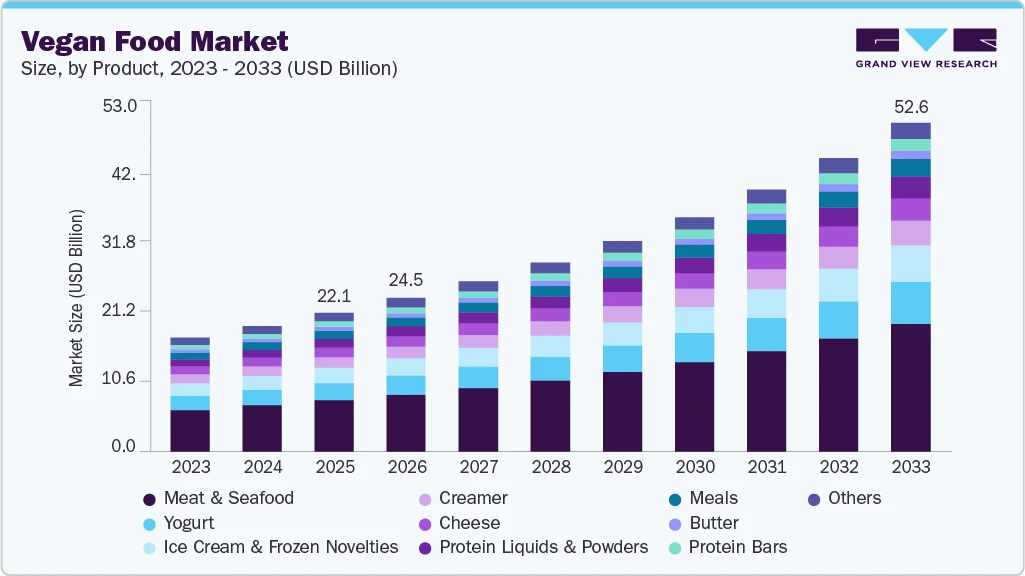
North America continues to dominate the vegan pet food market, accounting for the largest share of global sales, driven by consumer awareness and progressive regulatory environments. Growth is most pronounced in adult maintenance dog formulas, with emerging lines targeting senior pets and kittens incorporating specialized nutrient profiles.
Innovations in ingredient sourcing have improved the quality and sustainability credentials of vegan pet foods. Plant proteins such as chickpeas, lentils, and barley are increasingly fractionated to isolate high-value amino acids. Advanced extrusion and processing techniques enhance digestibility and palatability, addressing prior consumer concerns.
Regulatory clarity, particularly AAFCO’s acceptance of vegan dog foods that meet nutrient profiles, has fostered industry confidence and expanded retail availability. Pet food companies are investing in research partnerships with universities to validate formulations and secure endorsements from veterinary nutritionists. This synergy between science, regulation, and consumer demand is accelerating market maturation.
Expert Perspectives and Future Outlook
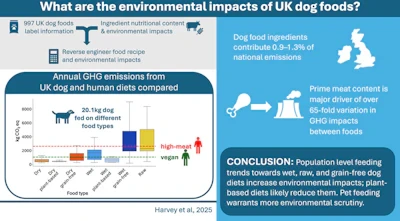
Veterinary nutritionists emphasize that vegan dog foods meeting AAFCO standards offer a nutritionally sound alternative to traditional diets when supplemented appropriately. Dr. Jennifer Coates describes current formulations as “clinically validated and safe for long-term feeding,” provided owners adhere strictly to recommended products and monitor their pets’ health regularly.
Experts advocate for expanded clinical research to track multi-year health outcomes and explore optimization of nutrient bioavailability, especially for vegan cat food. The integration of synthetic nutrients and plant-based protein blends continues to evolve, promising improvements in meeting species-specific needs.
For pet owners considering vegan diets, veterinary consultation remains crucial to ensure individualized nutritional adequacy and prevent deficiencies. Market trends suggest continued innovation and regulatory progress, potentially enabling a broader range of nutritionally complete vegan pet foods by the close of the decade.
—
This comprehensive analysis confirms that while vegan dog foods in 2026 can safely meet nutritional requirements with appropriate supplementation, vegan cat food still faces significant hurdles. Continued scientific validation and technological advances will shape the future landscape of plant-based pet nutrition, balancing health imperatives with ethical and environmental considerations.

Why Upcycling Pet Supplies Cuts Waste and Emissions
PawVerde.com – upcycling pet supplies significantly reduces waste by transforming discarded materials and ingredients into valuable new products, thereby diverting substantial volumes of waste from landfills and oceans. This process lowers greenhouse gas emissions by minimizing raw material extraction and preventing methane generation from organic waste decomposition. Within the pet industry, upcycling supports a circular economy by reusing polyethylene terephthalate (PET) plastics and food by-products to create sustainable pet foods, toys, bedding, and accessories. The integration of recycled PET (rPET) in manufacturing, along with upcycled ingredients in pet nutrition, demonstrates a scalable approach to environmental stewardship and resource conservation.
The pet industry faces considerable waste management challenges, with large amounts of plastic packaging, food waste, and discarded products contributing to landfill volume and ocean pollution. PET, a common plastic in pet product packaging and toys, is particularly problematic due to its persistence in the environment. Upcycling diverts PET waste by reprocessing it into high-quality materials for pet toys and accessories, with companies like Chuckit! producing items composed of up to 95% recycled plastic. This reuse reduces the need for virgin plastic production, directly lowering carbon emissions associated with extraction and manufacturing processes. Additionally, upcycling pet food ingredients—such as meat by-products, grains, and fats—helps reduce food waste, which in the U.S. alone is responsible for significant methane emissions in landfills.
Environmental Benefits of Upcycling Pet Supplies
Upcycling pet supplies mitigates environmental harm by diverting waste from landfills and marine ecosystems. An estimated 50% of pet food ingredients in the United States are derived from upcycled sources, contributing to a $3.4 billion industry annually. This substantial reuse of food waste reduces the volume of organic material decomposing anaerobically, thereby decreasing methane emissions, a potent greenhouse gas. In addition to organic waste management, upcycling PET plastics conserves finite fossil fuel resources by reducing the demand for virgin resin production.
Recycled PET (rPET) plays a central role in enhancing sustainability in pet product manufacturing. Through mechanical and chemical recycling, PET waste is converted into durable fibers and plastic granules utilized in pet toys, bedding, collars, and leashes. For example, West Paw, a leader in sustainable pet products, incorporates rPET and closed-loop recycling programs to minimize environmental impact. Chemical upcycling methods further advance sustainability by converting PET waste into novel materials capable of capturing CO2, presenting an innovative route to combat plastic pollution and climate change simultaneously.
Resource conservation extends beyond plastics. Water and land usage associated with pet food production are significantly reduced when upcycled ingredients replace conventional raw materials. By utilizing by-products from the food industry, pet food manufacturers minimize the agricultural footprint, conserving water resources and reducing deforestation pressures. The combined effect of these practices contributes toward meeting global sustainability goals and mitigating the pet industry’s carbon footprint.
Economic and Social Impacts of Upcycled Pet Products
The economic impact of upcycled pet products is considerable, fostering new business opportunities and supporting local economies. The upcycled pet food market alone, valued at $3.4 billion, illustrates strong consumer demand for sustainable alternatives. This demand incentivizes farmers and producers to supply surplus or secondary materials, such as meat trimmings and grain by-products, that would otherwise be discarded. These transactions generate additional revenue streams and reduce waste handling costs across the supply chain.
Socially, upcycling promotes community engagement and awareness regarding sustainability. Companies like Petmate and Chuckit! actively market their environmental commitments, influencing consumer behavior toward more responsible purchasing decisions. Sustainability certifications, such as the Upcycled Certified® label, provide transparency and build trust between manufacturers and pet owners while encouraging industry-wide adoption of circular economy principles. These certifications also aid regulatory bodies in monitoring ingredient safety and environmental claims, ensuring consumer protection.
The circular economy model implemented by leading pet product manufacturers demonstrates the scalability of upcycling. By integrating production scrap reuse and closed-loop systems, companies reduce material input costs and waste output simultaneously. This model not only benefits the environment but also improves profitability and resilience against resource price volatility. As consumers increasingly prioritize sustainability, businesses equipped with circular supply chains are better positioned for long-term success.
Upcycled Ingredients in Pet Food: Nutrition and Sustainability
Upcycled pet food ingredients typically include meat by-products, grains, fats, and other food industry residuals that retain nutritional value. These components are carefully selected and processed to ensure safety and meet regulatory standards enforced by agencies such as the FDA and AAFCO. Use of these ingredients reduces dependency on virgin agricultural inputs and lowers environmental burdens associated with conventional pet food production.
Nutritionally, upcycled ingredients provide essential proteins, fibers, and fats required for pet wellness. Studies indicate that diets incorporating upcycled components maintain or enhance nutrient profiles compared to traditional formulations. Moreover, the environmental advantages are significant: by diverting surplus food from landfills, pet food manufacturers reduce methane emissions and conserve water and land resources needed for primary ingredient cultivation.
Safety and quality assurance remain paramount in this sector. Producers employ rigorous testing protocols to prevent contamination and ensure ingredient traceability. Industry organizations, including BSM Partners and Symrise Pet Food, collaborate to develop best practices and standards facilitating the safe integration of upcycled materials. These efforts address consumer concerns about ingredient origin and product reliability, promoting wider acceptance of sustainable pet foods.
Upcycled Materials in Pet Products Beyond Food
Beyond edible products, recycled materials are extensively used in pet toys, bedding, collars, leashes, and packaging. High recycled content percentages are common; for instance, Chuckit! toys consist of approximately 95% recycled plastic, demonstrating material performance parity with virgin plastics. These products undergo stringent durability testing to withstand pet use while maintaining environmental benefits.
Manufacturers like West Paw have established closed-loop recycling programs where customers return used products for remanufacturing. This approach extends product life cycles, reduces waste generation, and fosters consumer participation in sustainability efforts. Additionally, integrating recycled fibers and plastics reduces reliance on virgin materials, further decreasing greenhouse gas emissions and landfill waste.
Case studies illustrate the effectiveness of circular manufacturing. West Paw’s adoption of rPET and commitment to product take-back programs have resulted in substantial waste diversion and resource savings. Similarly, Petmate’s investment in sustainable packaging and recycling infrastructure supports industry-wide shifts toward circularity. These initiatives exemplify how innovation and corporate responsibility can transform the pet supply sector’s environmental footprint.
Consumer Role and Education in Supporting Upcycled Pet Products
Pet owners play a critical role in driving demand for upcycled pet supplies and participating in waste reduction efforts. Consumer education initiatives emphasize the environmental advantages of purchasing products made from recycled materials and encourage responsible disposal or return of used items for recycling. Awareness campaigns by manufacturers and sustainability organizations highlight the benefits of upcycled pet foods and accessories, fostering informed decision-making.
Practical consumer actions include choosing products with sustainability certifications, properly sorting waste for recycling, and supporting brands with transparent environmental commitments. These behaviors reinforce industry incentives to innovate and expand upcycling efforts. Moreover, consumer feedback helps manufacturers refine products and address challenges such as contamination or material quality, enhancing overall sustainability performance.
Educational outreach extends to retailers and pet care professionals, who act as trusted advisors promoting sustainable pet ownership. Training programs and informational resources equip these stakeholders to advocate for circular economy principles and facilitate consumer adoption of upcycled pet supplies. This multi-level engagement is essential for scaling impact and embedding sustainability across the pet industry value chain.
Innovations and Future Directions in Pet Supply Upcycling
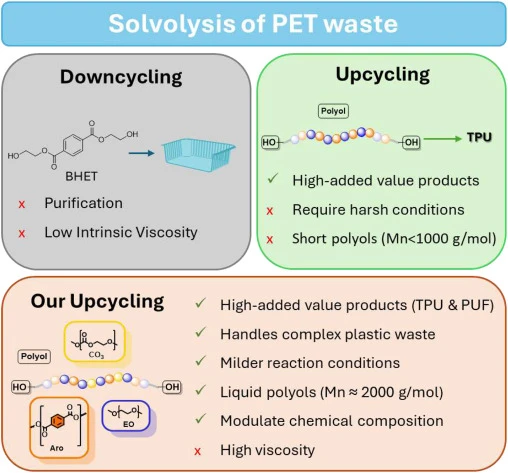
Emerging technologies in chemical upcycling represent a frontier in pet supply sustainability. Advanced processes convert PET waste into CO2 capture materials, simultaneously addressing plastic pollution and climate change mitigation. This dual benefit expands the environmental value proposition of upcycling beyond traditional mechanical recycling.
Industry-wide collaboration accelerates innovation and standardization. Certification programs like Upcycled Certified® establish benchmarks for ingredient sourcing and product manufacturing, enhancing credibility and consumer confidence. Partnerships between manufacturers, regulatory bodies, and research institutions foster knowledge sharing and development of robust supply chains.
Challenges persist, including contamination in recycling streams and cost implications of upcycled materials. However, ongoing research and investment in quality control technologies aim to improve material consistency and affordability. Supply chain transparency and traceability initiatives further strengthen stakeholder trust and facilitate regulatory compliance.
The pet industry’s trajectory toward circular economy models underpinned by upcycling offers promising avenues for reducing environmental impact while meeting growing consumer demand for sustainable products. Continued innovation, education, and collaboration will be pivotal in overcoming obstacles and realizing the full potential of upcycling in pet supplies.
| Aspect | Upcycling Benefit | Impact Metric / Example |
|---|---|---|
| Waste Diversion | Reduces landfill and ocean plastic volume | 50% of U.S. pet food ingredients upcycled, $3.4B market |
| Greenhouse Gas Reduction | Minimizes methane and CO2 emissions | Lowered emissions via food waste diversion and rPET use |
| Resource Conservation | Decreases raw material extraction and water usage | Reduced agricultural footprint with upcycled pet food ingredients |
| Circular Economy | Supports closed-loop manufacturing and product remanufacturing | West Paw’s take-back programs and 95% recycled content toys |
| Consumer Engagement | Promotes sustainable purchasing and recycling behaviors | Certification labels and education campaigns increase adoption |
FAQ
Why does upcycling pet supplies reduce waste?
Upcycling pet supplies reduces waste by converting discarded materials, such as plastic packaging and food by-products, into new pet products. This prevents these materials from entering landfills and oceans, lowers greenhouse gas emissions by reducing raw material production, and supports resource conservation through reuse.
What types of materials are commonly upcycled in pet products?
Commonly upcycled materials include polyethylene terephthalate (PET) plastics from packaging and toys, meat by-products, grains, and fats in pet food, as well as recycled fibers and plastics used in bedding, collars, and leashes.
Are upcycled pet food ingredients safe for pets?
Yes, upcycled pet food ingredients undergo rigorous safety testing and comply with regulatory standards to ensure they provide essential nutrients without contaminants. Industry organizations work to establish best practices for ingredient sourcing and processing.
How do pet product manufacturers incorporate circular economy principles?
Manufacturers implement closed-loop recycling programs, use high percentages of recycled content, and engage in product take-back initiatives to remanufacture materials. These practices reduce waste, conserve resources, and lower environmental impact throughout the product lifecycle.
What role do consumers play in supporting upcycled pet supplies?
Consumers support upcycled pet supplies by choosing sustainable products, participating in recycling or product return programs, and educating themselves about environmental benefits. Their demand encourages manufacturers to invest in circular economy models and sustainable innovations.
Upcycling pet supplies exemplifies a transformative approach to waste reduction in the pet industry by combining environmental responsibility with economic viability and consumer engagement. As innovations advance and circular models expand, the pet sector is positioned to lead sustainability efforts while delivering high-quality, eco-friendly products that benefit pets, people, and the planet alike.

Pet Adoption Resources in 2026: Shelters, Fees & Legal Rules
PawVerde.com – Pet adoption in 2026 encompasses a multifaceted network of local shelters, foster care programs, national online platforms, and community initiatives designed to facilitate the placement of vaccinated, spayed/neutered, and microchipped pets into permanent homes. Adoption fees generally cover essential veterinary services, including vaccinations and microchip registration, aligning with legal mandates for pet licensing and health standards. This comprehensive framework ensures that prospective adopters have access to well-supported resources for selecting pets while contributing to broader animal welfare goals.
Local animal shelters and adoption centers remain foundational to the pet adoption ecosystem. Agencies like LA Animal Services, Pinellas County Animal Services, and Tulsa Animal Services provide critical infrastructure where adoptable pets receive medical care such as core vaccinations, spay/neuter surgery, and microchipping before adoption. Adoption fees typically range between $75 and $200, with variations depending on the animal’s age, breed, and medical history. These fees usually include licensing costs required by local governments, ensuring compliance with municipal regulations. For example, Pinellas County Animal Services requires all adopted dogs and cats to be licensed within 30 days, with licensing fees bundled into the overall adoption cost. Legal requirements also mandate that shelters verify adopter eligibility, often requiring home visits or interviews to confirm preparedness for pet ownership, particularly for animals with special needs.
Foster care programs serve as a vital intermediary solution for pets awaiting permanent placement. Foster homes provide temporary environments that promote healthier socialization and reduce stress compared to shelter confinement. Organizations such as the ASPCA and Best Friends Animal Society actively maintain foster networks, enabling pets to receive individualized care, behavioral training, and medical monitoring. Foster caregivers often receive training to manage common health issues and behavioral challenges, enhancing adoptability. These programs alleviate shelter overcrowding and reduce euthanasia rates, with data from KC Pet Project indicating a 20% increase in successful adoptions attributed to foster care placements over the past two years. Access to foster pets is typically coordinated through shelter databases or rescue groups, with many online platforms now featuring filters to view foster animals available for adoption.
National and regional online platforms have expanded the accessibility of pet adoption across geographic boundaries. Services like Petfinder® and Adopt A Pet™ aggregate listings from thousands of shelters and rescues nationwide, offering searchable databases with filters for species, size, age, temperament, and medical needs. These platforms integrate advanced algorithms to match prospective adopters with suitable pets, improving placement success rates. For instance, Petfinder® reports that its database hosts over 300,000 adoptable pets at any given time, with approximately 60,000 adoptions facilitated monthly through its interface. Online applications streamline the adoption process, allowing users to submit paperwork remotely and schedule in-person visits or virtual meet-and-greets. The integration of microchip registration and veterinary records on these platforms enhances transparency and trust, contributing to informed decision-making by adopters.
Community engagement and adoption events play a strategic role in bridging pets with potential adopters. Shelters and rescue organizations frequently host adoption fairs, open houses, and promotional events that showcase available animals in accessible public venues. For example, Pet Alliance Orlando organizes seasonal adoption festivals attracting thousands of attendees, while KC Pet Project’s annual gala fundraiser supports shelter operations and new facility construction. Volunteer involvement is integral, with opportunities ranging from animal care and socialization to event coordination and administrative support. Local governments often collaborate with community foundations to fund shelter expansions, such as the recent construction of a new Maricopa County Animal Services facility equipped with enhanced veterinary suites and quarantine areas. These initiatives foster public awareness, increase adoption rates, and build sustained support networks for animal welfare.
Veterinary and health services included in adoption fees ensure that animals transition to new homes with baseline medical protection. Standard care packages often cover rabies and distemper vaccinations, flea and tick prevention, spay/neuter surgeries, and microchip implantation. Some shelters, such as Tulsa Animal Services, have partnered with local emergency responders like the Tulsa Fire Department to implement microchip scanning programs aimed at lost pet reunification. Post-adoption veterinary care options are frequently available through shelter-affiliated clinics offering discounted services for adopters, reducing barriers to ongoing animal health maintenance. Data from SPCA Tampa Bay indicates that shelters incorporating comprehensive veterinary care into their adoption packages report higher satisfaction rates among adopters and lower return rates within the first year.
Adoption promotions and incentives have become increasingly prevalent as shelters seek to expedite placements and reduce shelter populations. Many organizations offer reduced or waived fees during designated events targeting specific groups, such as senior pets or animals with longer shelter stays. Bundled benefits frequently include starter kits containing pet food, toys, collars, and first-year licenses. Promotions not only incentivize adoption but also address financial concerns of new pet owners, improving retention and care quality. For example, LA Animal Services’ monthly “Adopt-a-thon” events have successfully increased adoption volume by 15% during promotional periods. These campaigns often coincide with national awareness months or holiday seasons, leveraging public sentiment to further shelter outreach.
| Organization | Adoption Fee Range | Included Veterinary Services | Unique Features | Community Initiatives |
|---|---|---|---|---|
| LA Animal Services | $85 – $150 | Vaccinations, spay/neuter, microchipping | Monthly Adopt-a-thon events | Volunteer programs, pet licensing assistance |
| Pinellas County Animal Services | $75 – $175 | Vaccinations, spay/neuter, licensing | Mandatory pet licensing | Community outreach, foster care network |
| Tulsa Animal Services | $90 – $200 | Vaccinations, spay/neuter, microchip | Partnership with Tulsa Fire Department for microchip scanning | Volunteer engagement, lost pet reunification programs |
| Pet Alliance Orlando | $100 – $180 | Vaccinations, spay/neuter, microchipping | Seasonal adoption festivals | Facility expansion funded by community donations |
| KC Pet Project | $75 – $150 | Vaccinations, spay/neuter, microchip | Foster care emphasis, annual gala fundraiser | Shelter expansion, volunteer training programs |
The above table highlights a selection of prominent adoption centers and their key features in 2026, illustrating the integration of veterinary services, community involvement, and innovative programs designed to improve adoption outcomes.
Pet adoption resources in 2026 reflect a dynamic, interconnected system balancing medical care, legal compliance, and community engagement. Prospective adopters benefit from streamlined access to healthy, licensed pets through local shelters, foster networks, and digital platforms that facilitate informed decision-making. Meanwhile, shelters continue to evolve, investing in infrastructure improvements and outreach efforts to meet rising demand and promote animal welfare.
Frequently Asked Questions
What veterinary services are typically included in pet adoption fees?
Most adoption fees cover core vaccinations (such as rabies and distemper), spay/neuter surgery, microchipping, and initial parasite prevention. Some shelters also include licensing fees and provide discounted post-adoption veterinary care to support ongoing pet health.
How can I find foster pets available for adoption?
Foster pets are often listed on shelter websites and national platforms like Petfinder® and Adopt A Pet™ with filters to search for foster animals. Contacting local shelters or rescue groups directly can provide information on available foster pets and the fostering process.
Are adoption fees negotiable or waived during certain events?
Yes, many shelters offer reduced or waived adoption fees during special promotions, adoption fairs, and awareness months. These events aim to encourage adoption of senior pets, long-term shelter residents, or animals with special needs.
What legal requirements must be met to adopt a pet?
Adopters typically must complete an application, provide identification, and sometimes undergo a home visit or interview. Pets are required to be licensed and altered (spayed/neutered) before adoption in most jurisdictions to comply with animal welfare laws.
How do online pet adoption platforms improve the adoption process?
Online platforms aggregate listings from shelters nationwide, allowing users to filter by breed, size, age, and medical needs. They facilitate remote applications, provide detailed pet profiles with veterinary records, and often partner with shelters to streamline scheduling for meet-and-greets or adoptions.
Pet adoption in 2026 increasingly leverages technology, community resources, and comprehensive veterinary care to connect pets with suitable homes efficiently. As shelters innovate and collaborate with local governments and nonprofits, the path to pet ownership becomes more accessible and supported, benefiting animals and adopters alike.

How to Support Foster Animals Effectively: Expert Guide
PawVerde.com – Fostering animals plays a critical role in animal welfare by providing temporary homes that help reduce shelter overcrowding and improve adoption outcomes. Effective support for foster animals hinges on comprehensive caregiver training, clear communication, access to medical and behavioral resources, and strategic collaboration between animal shelters, rescue organizations, and foster families. This tutorial offers detailed, step-by-step guidance to individuals and organizations seeking to optimize foster care practices, improve animal well-being, and enhance adoption success.
Understanding the responsibilities and best practices involved will empower foster caregivers to manage medical protocols, socialization, and behavioral challenges with confidence. Animal welfare groups such as the ASPCA, Best Friends Animal Society, Humane World, and local Animal Care Services (ACS) provide frameworks that this tutorial integrates, ensuring recommendations align with established standards.
1. Establishing a Strong Foster Program Foundation
To support foster animals effectively, organizations must create a robust program foundation that prepares caregivers for the multifaceted demands of fostering. The following steps outline essential components:
1.1 Comprehensive Training for Foster Caregivers
1.2 Creating Clear Foster Agreements and Care Handbooks
1.3 Setting Expectations and Policies
Thorough preparation at this stage reduces misunderstandings and improves caregiver retention, ultimately benefiting foster animals through consistent, reliable care.
2. Medical and Behavioral Care Protocols for Foster Animals
Foster animals require vigilant medical oversight and behavioral support to ensure healthy development and successful socialization.
2.1 Access to Veterinary Care and Medication Management
2.2 Intake Procedures and Illness Prevention
2.3 Behavioral Support Strategies
Balancing medical care with behavioral interventions ensures foster animals are physically healthy and emotionally prepared for adoption.
3. Communication and Ongoing Support for Foster Caregivers
Sustained communication fosters a supportive environment that enhances caregiver satisfaction and animal outcomes.
3.1 Regular Check-Ins and Personalized Updates
3.2 Engagement via Multiple Channels
3.3 Providing Emotional Support
Consistent communication builds trust, reduces caregiver burnout, and encourages long-term participation in foster programs.
4. Preparing the Foster Home Environment
A safe, comfortable environment tailored to the needs of foster animals is essential for their well-being and socialization.
4.1 Safety Measures and Quarantine
4.2 Creating a ‘Kitten/Puppy-Proofed’ Space
4.3 Socialization Practices
A well-prepared home environment accelerates behavioral development and eases the transition to permanent adoption.
5. Daily Care and Socialization Routines
Consistent daily routines help foster animals thrive physically and emotionally during their stay.
5.1 Feeding and Activity Schedules
5.2 Health Monitoring
5.3 House Training and Behavioral Reinforcement
Structured care routines promote stability and prepare foster animals for successful integration into permanent homes.
6. Promoting Foster Animal Adoption
Foster families play a pivotal role in marketing animals for adoption by sharing insights and personalizing outreach efforts.
6.1 Collaboration with Foster Coordinators
6.2 Sharing Quality Photos and Stories
6.3 community engagement and Social Media Outreach
Effective promotion accelerates placement, reducing shelter stays and fostering positive adoption experiences.
7. Retaining and Valuing Foster Caregivers
Maintaining a motivated, committed foster base requires recognition and responsive program management.
7.1 Celebrating Successes
7.2 Soliciting and Acting on Feedback
7.3 Encouraging Breaks and Volunteer Rotation
Valuing foster caregivers enhances program sustainability and benefits animal welfare outcomes.
8. Troubleshooting Common Foster Care Challenges
Despite best efforts, foster caregivers may encounter difficulties that require strategic resolution.
8.1 Managing Illness Outbreaks
8.2 Behavioral Issues
8.3 Caregiver Burnout
Addressing these challenges proactively supports foster animal well-being and caregiver retention.
9. Alternative Approaches and Innovative Practices
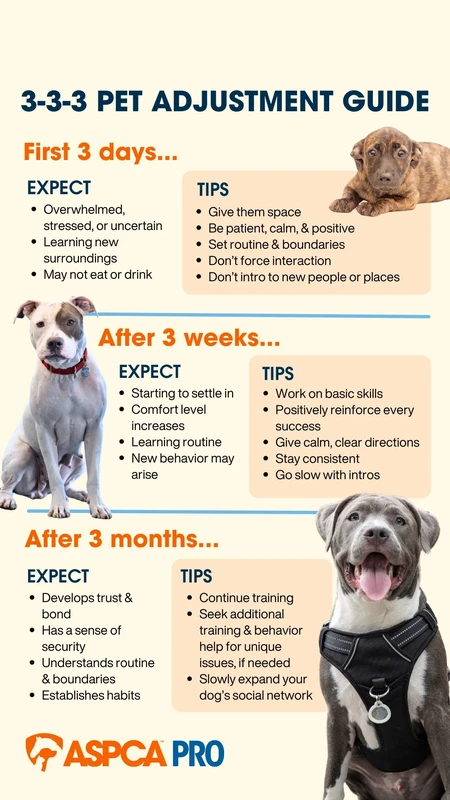
Emerging methods and technological tools offer additional avenues to enhance foster animal support.
9.1 Virtual Fostering and Remote Training
9.2 Foster-to-Adopt Programs
9.3 Fostering Supplies Delivery Services
Integrating innovative solutions can improve accessibility and quality of foster care.
FAQ
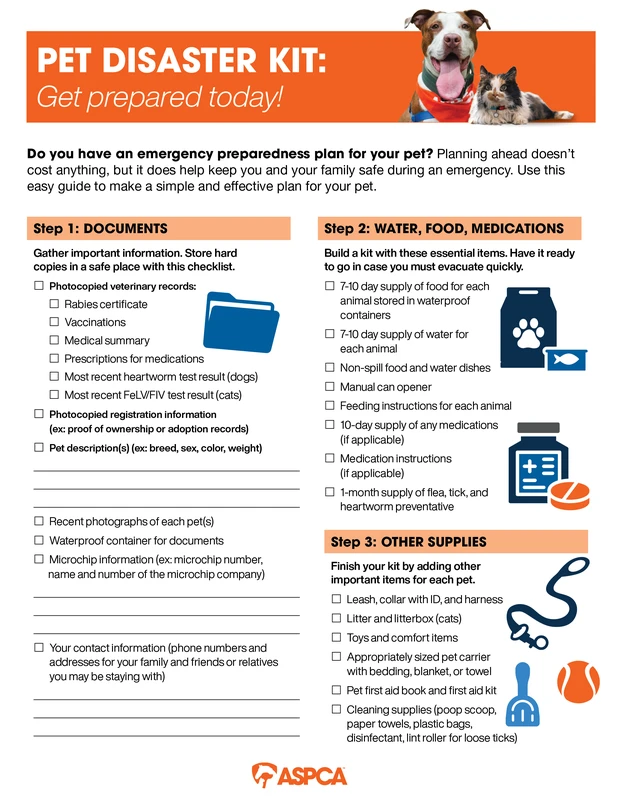
How do I become a foster caregiver for animals?
To become a foster caregiver, contact local animal shelters or rescue organizations to inquire about their foster programs. You will typically undergo an application process, attend training sessions, and sign a foster agreement outlining responsibilities and policies.
What medical care do foster animals require?
Foster animals need routine veterinary care including vaccinations, deworming, spaying/neutering, and treatment for any illnesses or injuries. Caregivers should monitor daily health indicators and coordinate with veterinary staff for timely interventions.
How can I socialize a shy or fearful foster animal?
Socialization involves gradual exposure to new people, environments, and stimuli using positive reinforcement techniques. Consistent gentle handling, play sessions, and patience help build confidence and reduce fear responses.
What supplies are essential for fostering animals?
Essential supplies include food and water bowls, species-appropriate food, bedding, toys, litter boxes (for cats), cleaning supplies, and any prescribed medications. Shelters often provide starter kits or reimburse expenses.
How can foster caregivers manage multiple animals safely?
To prevent disease transmission and stress, keep foster animals separated from resident pets initially, use dedicated supplies, and implement strict hygiene protocols. Monitor interactions closely and consult shelter staff for guidance on introductions.
—
Effective support for foster animals requires structured training, access to veterinary and behavioral resources, clear communication channels, and a safe, enriching home environment. By fostering collaboration between shelters, rescue organizations, and foster families, animal welfare programs can increase foster retention, reduce shelter overcrowding, and improve adoption rates. Individuals and organizations committed to these best practices will contribute significantly to the health and happiness of foster animals and the overall success of foster care initiatives.

How to Pack Eco-Friendly Travel Gear for Pets Safely
PawVerde.com – Packing eco-friendly travel gear for pets combines sustainability with practicality, allowing pet owners to reduce environmental impact while ensuring their animals’ comfort and safety during transit. sustainable pet carriers like the Standard Baggu, constructed from 100% recycled ripstop nylon, offer airline-approved dimensions and foldability, addressing both regulatory compliance and space efficiency. Complementing these carriers are eco-conscious toiletry products such as Ethique’s biodegradable deodorants and shampoos, which come in home-compostable packaging, minimizing plastic waste. Incorporating compostable waste bags like Pooch Paper and Wild One alongside reusable, multi-compartment travel bags ensures pet essentials—food, water, medication, and toys—are organized efficiently within airline luggage restrictions. Adhering to American Veterinary Medical Association (AVMA) guidelines on pet travel safety, including frequent stops and temperature monitoring, further enhances pet well-being while reducing anxiety with carriers featuring sound-absorbing barriers and ventilation.
Choosing Sustainable Pet Carriers for Travel
Selecting the right pet carrier is foundational to sustainable pet travel. Airline-approved carriers such as the Standard Baggu and Prefer Pets Hideaway Duffel utilize recycled or eco-friendly materials—Baggu’s use of recycled ripstop nylon and Prefer Pets’ water-resistant canvas fabric exemplify this trend. These carriers not only meet size and weight restrictions imposed by most airlines but also incorporate features that reduce pet anxiety. For instance, the Prefer Pets Hideaway Duffel includes sound-absorbing barriers that mitigate the stress of unfamiliar travel noises. Proper ventilation and plush padding enhance comfort during transit, while ergonomic designs with padded shoulder straps improve portability for pet owners. Compliance with airline regulations requires careful measurement of carrier dimensions; most airlines limit carry-on pet carriers to around 18 x 11 x 11 inches, a standard met by many sustainable carriers.
Beyond size, material choice impacts environmental footprint. Recycled nylon carriers reduce reliance on virgin plastics, while water-resistant natural fabrics extend durability without toxic coatings. Brands like Ruffwear also emphasize durability and machine-washable features in their dog travel gear, encouraging longevity and reducing waste. Choosing a carrier that balances comfort, regulatory compliance, and sustainability supports both pet welfare and eco-conscious travel.
Eco-Friendly Packing Essentials for Pets
Packing for pet travel sustainably involves selecting biodegradable and reusable items that minimize waste. Toiletry essentials from Ethique, a leader in biodegradable pet care products, include deodorants and shampoos packaged in compostable materials, eliminating plastic residue from trips. Black Chicken deodorant, formulated with natural ingredients, offers a vegan alternative to conventional pet hygiene products and fits travel-size requirements.
Waste management on the go benefits from compostable pet waste bags such as those from Pooch Paper and Wild One, which decompose without leaving microplastic pollution. These bags typically come with dispensers that attach to pet leashes or carriers for easy access.
Food and hydration gear designed for eco-conscious travelers includes Ruffwear’s packable dog bowls made from durable, BPA-free silicone that folds flat to save space. Reusable containers for treats and medication are essential; brands like FunnyFuzzy and Tote Modern offer multi-compartment, water-resistant pet travel bags crafted from recycled materials, allowing precise organization of pet essentials within carry-on limitations.
This approach to sustainable packing reduces single-use plastics, prevents contamination from disposable packaging, and streamlines travel logistics.
Practical Tips for Packing and Traveling with Pets
Effective packing strategies optimize space, ensure pet comfort, and comply with travel regulations. Organizing pet essentials in multi-compartment bags segregates food, water, toys, and medications for quick access and hygiene maintenance. Prioritizing lightweight, compact items reduces luggage bulk and facilitates security screening.
AVMA guidelines emphasize frequent stops during road travel, allowing pets to hydrate and relieve themselves safely, reducing stress and health risks. Temperature monitoring is critical; pets should never be left unattended in vehicles to prevent heatstroke or hypothermia.
Managing pet anxiety can involve acclimating animals to carriers before travel and selecting carriers with soundproofing and ventilation features. Incorporating familiar toys or bedding made from machine-washable, recycled fabrics can provide comfort and reduce travel-related stress.
Adjusting routines to accommodate pet needs, such as feeding schedules and exercise before flights, enhances overall travel experience while aligning with sustainable practices by minimizing emergency interventions or wasteful disposables.
Compliance with Airline and Travel Regulations
Navigating airline policies is crucial for smooth pet travel. Most airlines require carriers to fit under seats with size restrictions typically around 18 x 11 x 11 inches and weight limits including the pet that often cap at 20 pounds. Sustainable carriers from brands like Standard Baggu and Prefer Pets are designed with these dimensions in mind.
Documentation requirements often include up-to-date vaccination records and health certificates. The American Veterinary Medical Association (AVMA) advises consulting with airlines ahead of time to confirm specific policies, especially for international travel where quarantine and import regulations vary.
Security screening involves removing pets from carriers, so using carriers with secure but easy-access openings expedites the process. Reusable, transparent toiletry bags compliant with TSA liquid rules facilitate carrying biodegradable shampoos or deodorants without delays.
Understanding and preparing for these regulations ensures travelers avoid last-minute complications while maintaining eco-conscious packing standards.
Benefits of Using Eco-Friendly Pet Travel Gear

Adopting eco-friendly pet travel gear significantly reduces plastic waste and carbon footprint associated with traditional pet travel products. Recycled and natural materials decrease reliance on fossil fuels and minimize landfill contributions. Biodegradable toiletries and compostable waste bags prevent microplastic pollution and promote circular waste systems.
Enhanced pet well-being results from carriers designed with comfort and anxiety reduction features, supporting safer and less stressful journeys. Using durable, machine-washable items extends product lifespan, reducing frequent replacements and associated environmental costs.
Supporting brands committed to ethical production and cruelty-free formulations, such as Ethique and Tote Modern, encourages industry shifts toward sustainability. This holistic approach aligns with broader environmental goals while meeting the practical demands of pet travel.
FAQ
What are the best materials for eco-friendly pet carriers?
Eco-friendly pet carriers often use recycled ripstop nylon, organic cotton canvas, or water-resistant natural fabrics. These materials reduce environmental impact by minimizing virgin plastic use and improving durability, with brands like Standard Baggu and Prefer Pets leading in this space.
How can I reduce pet travel anxiety using sustainable gear?
Choose carriers with sound-absorbing barriers and ample ventilation, like the Prefer Pets Hideaway Duffel. Incorporate familiar bedding made from recycled fabrics and pack favorite toys. Gradual acclimation to carriers before travel also helps reduce anxiety.
Are biodegradable pet waste bags reliable for travel?
Yes, biodegradable waste bags from brands such as Pooch Paper and Wild One decompose under composting conditions without leaving harmful residues. They perform comparably to traditional plastic bags but break down naturally, making them ideal for eco-conscious travelers.
How do I ensure my pet travel bag complies with airline regulations?
Check airline size and weight restrictions—most require carriers to fit under seats with dimensions near 18 x 11 x 11 inches and weight limits around 20 pounds including the pet. Choose bags and carriers designed to meet these standards, such as those from Standard Baggu or Prefer Pets.
What eco-friendly toiletries are safe for pets during travel?
Biodegradable shampoos and deodorants from Ethique and Black Chicken are formulated with natural, non-toxic ingredients and packaged in compostable materials. These products comply with travel-size regulations and reduce plastic waste.
—
Looking ahead, integrating smart technology with sustainable materials in pet travel gear could further enhance comfort and environmental benefits. Innovations like solar-powered hydration systems or biodegradable cooling mats may soon become standard. Pet owners prioritizing sustainability set a precedent for responsible travel, encouraging manufacturers and airlines to adopt greener practices while safeguarding animal welfare.