

What Materials Are Used in Sustainable Pet Toys? Key Insights
PawVerde.com – Sustainable pet toys are increasingly crafted from materials such as recycled rubber, hemp, organic cotton, natural rubber, biodegradable plastics, bamboo, and sustainably harvested wood. These materials are selected for their durability, safety, and environmental advantages, addressing key concerns about plastic pollution, chemical toxins, and resource depletion in traditional pet toys. By integrating recycled and renewable resources, eco-friendly pet toy manufacturers contribute to reducing landfill waste and microplastic contamination while offering pet owners safer, longer-lasting options.
Recycled rubber, derived from repurposed tires and industrial scraps, offers significant environmental benefits by diverting waste from landfills. Its toughness and elasticity create durable toys that withstand aggressive chewing, decreasing the frequency of replacements. Hemp fibers, prized for their biodegradability and natural resistance to pests and mold, provide a non-toxic alternative to synthetic fibers. Organic cotton, grown without harmful pesticides or synthetic fertilizers, ensures softness suitable for pets with sensitive gums and promotes the use of natural dyes to avoid chemical exposure. Natural rubber, harvested from rubber trees through sustainable tapping methods, is renewable and biodegradable, offering elasticity and safety superior to many synthetic alternatives. Biodegradable plastics, including polylactic acid (PLA) and polyhydroxyalkanoates (PHA), break down under industrial composting conditions, reducing long-term pollution. Bamboo and sustainably sourced wood, harvested from managed forests, present renewable options that naturally satisfy pets’ chewing instincts without introducing synthetic toxins.
Materials Used in Sustainable Pet Toys
recycled rubber stands out as a durable and eco-conscious choice for pet toys, commonly sourced from post-consumer tires and manufacturing offcuts. This material reduces the demand for virgin rubber and lowers landfill contributions. Its high abrasion resistance and flexibility make it ideal for chew toys, with some manufacturers enhancing safety by avoiding chemical additives commonly found in conventional rubber toys.
Hemp fibers offer biodegradability alongside exceptional toughness, making them resistant to shredding while remaining safe for pets. Hemp cultivation requires minimal water and no pesticides, further supporting environmental sustainability. Hemp pet toys often feature natural, undyed fibers or use low-impact dyes to minimize chemical exposure risks.
Organic cotton is favored for its softness and hypoallergenic properties, particularly beneficial for pets with sensitive skin or mouths. Cultivated without synthetic chemicals, organic cotton reduces soil and water contamination. Pet toy manufacturers often pair organic cotton with natural dyes to eliminate toxins like azo dyes and heavy metals, which can pose health risks.
Natural rubber, sourced from Hevea brasiliensis trees, provides a renewable alternative to synthetic rubber. Sustainable tapping methods allow continuous extraction without harming trees. Toys made from natural rubber exhibit elasticity and resilience, resisting cracking and degradation over time. This material is free from phthalates and BPA, chemicals frequently found in plastic-based toys.
Biodegradable plastics used in pet toys mainly include PLA and PHA, derived from plant-based feedstocks such as corn starch or sugarcane. These materials decompose in industrial composting facilities within months, contrasting with conventional plastics that persist for centuries. However, their breakdown requires controlled conditions, and some concerns remain regarding their mechanical durability compared to traditional plastics.
Bamboo and sustainably harvested wood serve as natural chewable materials that align with circular economy principles. Bamboo grows rapidly and requires minimal pesticides, making it a highly renewable resource. Wooden pet toys are often crafted from FSC-certified sources, ensuring responsible forest management. Their natural textures satisfy pets’ chewing instincts while avoiding synthetic coatings or paints.
Environmental Impact and Circular Economy Benefits
Traditional plastic pet toys contribute substantially to plastic pollution, with many breaking down into microplastics that contaminate soil and waterways. sustainable pet toys made from recycled rubber, natural fibers, and biodegradable plastics mitigate this issue by reducing virgin plastic consumption and limiting microplastic shedding. For example, recycled plastic pet toys decrease landfill waste by repurposing materials that would otherwise persist for hundreds of years.
The carbon footprint of sustainable pet toys is significantly lower due to the use of renewable resources and recycled content. Lifecycle analyses indicate that hemp and organic cotton require less energy and water than synthetic fibers, while natural rubber production sequesters carbon during tree growth. Bamboo’s rapid growth cycle also contributes to carbon capture, further lowering environmental impact.
Several eco-conscious pet brands adopt circular economy practices, including take-back programs where worn toys are returned for recycling or repurposing. Recyclable or compostable packaging complements product sustainability, reducing waste streams associated with pet care products. These initiatives enhance resource efficiency and help close material loops within the pet toy industry.
Safety and Health Considerations in Sustainable Pet Toys
Avoiding harmful chemicals is paramount in sustainable pet toy manufacturing. Many conventional toys contain azo dyes, phthalates, heavy metals, and toxic coatings that pose risks to pet health through ingestion or prolonged exposure. Certified eco-friendly brands adhere to stringent safety standards, such as ASTM F963 and EN71 toy safety regulations, to ensure non-toxic materials and manufacturing processes.
Durability directly influences safety by limiting the risk of ingestion of small toy fragments. Materials like recycled rubber and natural rubber exhibit high resistance to tearing, reducing choking hazards. Hemp and organic cotton toys, while softer, are often tightly woven or reinforced to maintain integrity. Transparent labeling and third-party testing reports provide consumers with assurance regarding toxin-free composition.
Reputable manufacturers disclose sourcing and testing information, fostering trust among eco-conscious consumers. Brands with B Corp certification demonstrate commitment to environmental and social responsibility, further validating product safety and ethical production.
Innovations and Industry Trends in Sustainable Pet Toys
Upcycling has emerged as a notable trend, with pet toy producers repurposing materials such as denim scraps, decommissioned fire hoses, and discarded bicycle tires. These materials combine durability with environmental benefits, extending product lifecycles and diverting waste from landfills. For instance, fire hose toys offer exceptional toughness and water resistance, appealing to heavy chewers.
DIY sustainable pet toys have gained popularity among eco-conscious pet owners, utilizing household items like old t-shirts, fabric scraps, and cardboard. These homemade toys foster circularity and reduce demand for new raw materials, although safety considerations regarding choking and ingestion must be observed.
Industry certifications such as Global Organic Textile Standard (GOTS), Forest Stewardship Council (FSC), and Cradle to Cradle further authenticate sustainable claims. Ethical manufacturing processes emphasize reduced emissions, water conservation, and fair labor practices, aligning with broader sustainability goals.
Consumer Guidance for Selecting Sustainable Pet Toys
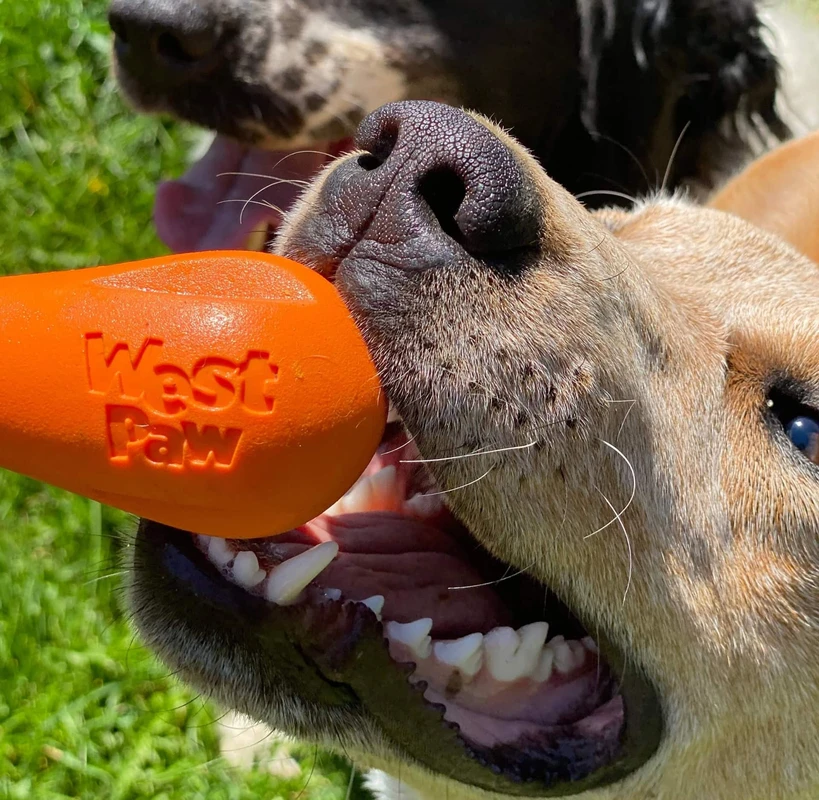
When choosing eco-friendly pet toys, consumers should prioritize materials with clear organic, recycled, or biodegradable certifications. Labels indicating the absence of harmful chemicals and compliance with safety testing standards are vital for pet health assurance. Evaluating brand transparency regarding sourcing, production methods, and third-party testing enhances consumer confidence.
Balancing durability with environmental impact involves selecting toys designed to last, thereby reducing wastefulness. While natural fibers offer biodegradability, their lifespan should match pet activity levels to prevent premature disposal. Recycled rubber and natural rubber combine longevity with eco-friendliness for aggressive chewers.
Consumers are advised to research brand credentials, including B Corp status and adherence to circular economy principles. Opting for products with recyclable or compostable packaging further supports sustainable pet ownership.
| Material | Source | Environmental Benefits | Durability | Safety Considerations |
|---|---|---|---|---|
| Recycled Rubber | Post-consumer tires, industrial scraps | Reduces landfill waste, lowers virgin rubber demand | High abrasion resistance, elastic | Free from chemical additives if certified |
| Hemp Fibers | Industrial hemp plants | Low water/pesticide use, biodegradable | Strong, resistant to mold and pests | Non-toxic, often undyed or naturally dyed |
| Organic Cotton | Certified organic farms | Reduced chemical pollution, biodegradable | Soft, less durable than rubber | Free from synthetic dyes and pesticides |
| Natural Rubber | Rubber tree latex (Hevea brasiliensis) | Renewable, biodegradable, carbon sequestering | Elastic and durable | Phthalate and BPA free |
| Biodegradable Plastics | Plant-based feedstocks (corn, sugarcane) | Compostable in industrial facilities | Lower mechanical durability | Requires controlled breakdown environment |
| Bamboo and Wood | Sustainably harvested forests and plantations | Rapidly renewable, natural carbon sink | Moderate durability, natural chew benefits | No toxic coatings or paints preferred |
FAQ
What are the safest materials for sustainable pet toys?
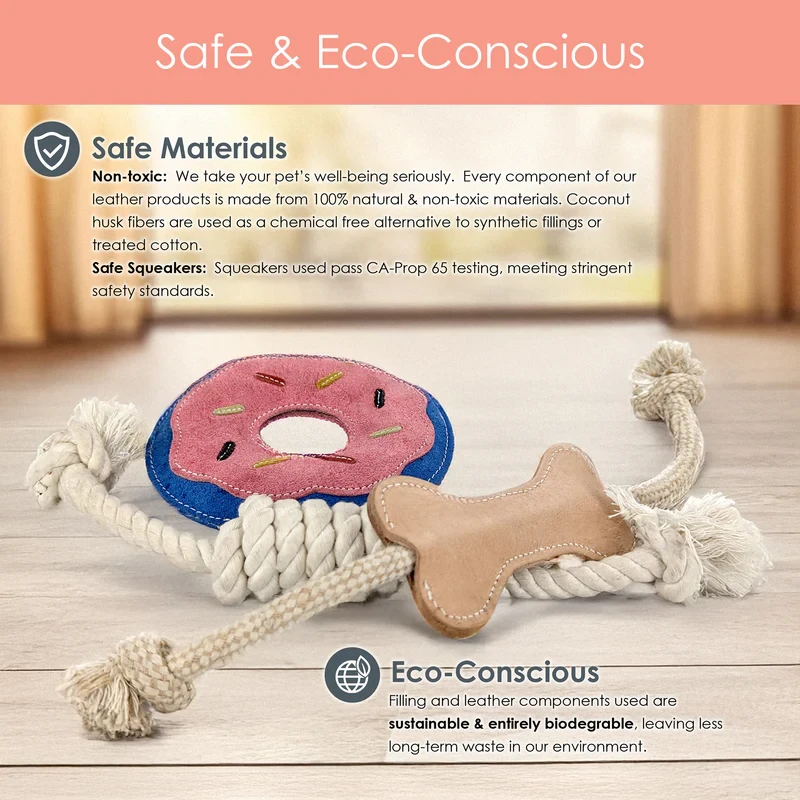
Materials such as organic cotton, hemp fibers, natural rubber, and recycled rubber are considered safe due to their non-toxic properties and compliance with safety standards. Avoid toys with synthetic dyes, phthalates, or toxic coatings to minimize health risks.
How do biodegradable pet toys break down?
biodegradable pet toys made from PLA or PHA plastics decompose under industrial composting conditions, where heat, moisture, and microbial activity break down the material into natural components within months. Home composting or landfill conditions are typically insufficient for full degradation.
Are recycled plastic pet toys durable enough for heavy chewers?
Recycled plastic toys vary in durability depending on the source material and manufacturing quality. While some recycled plastics offer comparable strength to virgin plastics, they may not match the toughness of natural or recycled rubber for aggressive chewers.
How can consumers verify if a pet toy is truly eco-friendly?
Look for certifications like B Corp, GOTS, FSC, and verified third-party testing reports. Transparent brands disclose material sourcing, safety testing, and environmental impact data. Packaging that is recyclable or compostable also indicates eco-conscious practices.
What role does durability play in the sustainability of pet toys?
Durability reduces the frequency of toy replacement, lowering resource consumption and waste generation. Long-lasting toys minimize ingestion hazards from broken pieces and contribute to environmental sustainability by extending product lifespans.
Sustainable pet toys represent a convergence of environmental stewardship and pet health priorities, leveraging innovative materials and manufacturing processes to meet growing eco-conscious consumer demand. As the industry advances, increased adoption of circular economy principles and transparent safety standards will further establish these products as responsible choices for pet owners committed to reducing their ecological footprint.

How to Choose Quality Dietary Supplements for Dogs Safely
PawVerde.com – Choosing the right dietary supplements for dogs requires a nuanced understanding of pet-specific health needs, ingredient quality, and regulatory standards. Nearly half of dogs in the United States receive dietary supplements such as probiotics or fish oil to support joint health, cognitive function, or immune resilience. However, the unregulated nature of the pet supplement market poses risks including inaccurate labeling, harmful additives, and ineffective formulations. Ensuring supplement safety and efficacy involves verifying ingredient provenance, clinical testing for absorption, and selecting products certified by recognized bodies like the National Animal Supplement Council (NASC). Consulting veterinarians remains essential to tailor supplementation appropriately and avoid toxic ingredients such as xylitol.
Assessing Your Dog’s Specific Supplement Needs
Determining the appropriate dietary supplements begins with evaluating your dog’s unique health profile, including age, breed predispositions, lifestyle, and existing medical conditions. Senior dogs or breeds prone to joint disorders may benefit from glucosamine and chondroitin supplements to support cartilage health. Conversely, active working dogs might require omega-3 fatty acids and antioxidants to manage inflammation and cognitive demands. Veterinary consultation is critical in this assessment, as veterinary nutritionists can provide evidence-based recommendations aligned with your dog’s physiological and metabolic status.
Veterinarians utilize diagnostic tools and clinical history to identify nutritional gaps or chronic conditions that supplements can address effectively. For example, dogs with gastrointestinal issues may need probiotics and prebiotics to restore gut microbiota balance, while those with immune deficiencies could benefit from targeted vitamins and minerals. Without professional guidance, owners risk administering inappropriate supplements or dosages that may cause adverse effects or interact with medications.
Core Criteria for Selecting High-Quality Dog Supplements
Quality dog supplements share several identifiable characteristics that influence their safety and effectiveness. First, ingredient provenance must be transparent and rooted in natural, clinically studied substances. High-grade fish oil sourced from cold-water fatty fish like anchovies or sardines offers superior omega-3 fatty acid profiles compared to generic or synthetic alternatives. Similarly, probiotic supplements should specify the strains used and their colony-forming units (CFUs), ensuring sufficient viability to confer gut health benefits.
Clinical testing for absorption and purity is another essential benchmark. Studies verifying bioavailability demonstrate that the active compounds reach systemic circulation in effective concentrations. For example, glucosamine sulfate has documented improved absorption compared to glucosamine hydrochloride, which impacts therapeutic outcomes in arthritis management. Third-party laboratory analysis verifying absence of contaminants such as heavy metals, pesticides, or microbial pathogens further validates supplement safety.
Supplements must also be free from harmful additives. Artificial colors, flavors, and sweeteners like xylitol—a known canine toxin—are red flags indicating poor manufacturing standards. Accurate dosage information and clear administration guidelines are indispensable. Overdosing on fat-soluble vitamins or minerals can induce toxicity, while underdosing reduces efficacy. Products delivering consistent potency per serving, backed by batch testing, minimize such risks.
Recognized Certifications and Quality Seals in Pet Supplements
The NASC quality seal stands as the gold standard certification within the pet supplement industry. NASC-certified products comply with stringent quality control protocols encompassing ingredient sourcing, manufacturing practices, labeling accuracy, and adverse event reporting. This certification reassures consumers of the product’s integrity and manufacturer accountability.
Other reputable certification programs include those endorsed by the United States Pharmacopeia (USP) and ConsumerLab.com, which independently evaluate supplement purity and potency. These certifications differentiate premium pet supplements from unregulated or counterfeit products prevalent online. Research from Tufts University’s Petfoodology highlights that supplements bearing recognized seals consistently demonstrate higher compliance with ingredient claims and safety standards.
Common Dog Supplement Types and Their Health Benefits
dog dietary supplements target diverse physiological systems, with formulations tailored to specific health outcomes:
Evaluating Supplement Brands and Manufacturers
Reputable supplement manufacturers distinguish themselves through transparency, scientific backing, and rigorous quality assurance. Brands like Embark and Swedencare invest in research and development, publishing clinical data supporting their product claims. They disclose ingredient sourcing, provide Certificates of Analysis (CoAs), and actively engage veterinary professionals for product validation.
Conversely, many pet supplements on the market lack such transparency, relying on undisclosed proprietary blends that obscure ingredient quantities and quality. Consumer watchdogs and veterinary institutions like VCA Hospitals advise owners to scrutinize manufacturer credentials and seek products tested by third-party laboratories.
Safety Considerations and the Role of Veterinary Guidance
Safety risks associated with dog supplements include toxic ingredient exposure, adverse interactions with medications, and incorrect dosages. Xylitol, a sweetener common in human supplements and foods, is highly toxic to dogs, causing rapid hypoglycemia and liver failure. Avoiding human-grade supplements unless explicitly approved by veterinarians is essential.
Veterinary supervision ensures dosing aligns with your dog’s weight, age, and health status, minimizing overdose risks. Monitoring for adverse reactions—such as gastrointestinal upset, allergic responses, or behavioral changes—is vital when initiating new supplements. Ongoing veterinary evaluations can adjust supplementation regimens based on clinical response and emerging health needs.
Future Directions: Enhancing Supplement Safety and Efficacy
Industry trends point toward increasing regulatory oversight and scientific validation of pet dietary supplements. Collaborative efforts between pet nutritionists, veterinary researchers, and regulatory bodies aim to elevate product standards and consumer protection. Emerging technologies in ingredient traceability and biomarker-driven dosing personalization promise more targeted and effective supplementation strategies.
Pet owners are encouraged to maintain a proactive partnership with their veterinarians, leveraging advances in veterinary nutrition to optimize their dogs’ health across life stages.
| Supplement Type | Common Ingredients | Primary Benefits | Clinical Evidence |
|---|---|---|---|
| Joint Health | Glucosamine, Chondroitin | Cartilage repair, inflammation reduction, improved mobility | Multiple randomized controlled trials demonstrating symptom relief in canine arthritis |
| Cognitive Support | Omega-3 Fatty Acids (DHA), Antioxidants, B Vitamins | Enhanced memory, reduced oxidative stress, improved neuronal function | Clinical studies show improved cognitive scores in aging dogs |
| Immune Support | Vitamins A, C, E; Zinc; Selenium; Probiotics | Strengthened immune response, infection resistance | Research supports immune modulation via micronutrient supplementation |
| Gut Health | Probiotics, Prebiotics, Digestive Enzymes | Improved digestion, balanced microbiota, enhanced nutrient absorption | Studies confirm probiotic efficacy in managing gastrointestinal disorders |
FAQ
How can I verify if a dog supplement is safe and effective?
Look for NASC certification or third-party testing seals, check for transparent ingredient lists with clinically studied components, and consult your veterinarian to ensure the product suits your dog’s health needs.
Are fish oil supplements beneficial for all dogs?
Fish oil rich in omega-3 fatty acids supports joint, heart, and cognitive health but should be dosed carefully, especially in dogs with bleeding disorders. Veterinary guidance is recommended before starting supplementation.
Can probiotics help dogs with digestive issues?
Yes, probiotics can restore gut flora balance, improve digestion, and reduce symptoms of diarrhea or inflammatory bowel disease. The efficacy depends on strain specificity and probiotic viability.
What ingredients should I avoid in dog supplements?
Avoid supplements containing artificial colors, flavors, sweeteners like xylitol, and undisclosed proprietary blends. These can be harmful or decrease supplement reliability.
Is it safe to give human dietary supplements to dogs?
Human supplements often contain ingredients or dosages unsuitable or toxic for dogs. Always consult a veterinarian before administering human supplements to pets.
Selecting dietary supplements for dogs demands careful consideration of ingredient quality, clinical validation, and regulatory certification. By partnering with veterinary professionals and choosing products from reputable manufacturers, pet owners can enhance their dogs’ health while mitigating safety risks. Ongoing research and evolving industry standards will further improve the availability of effective, safe canine supplements in the future.
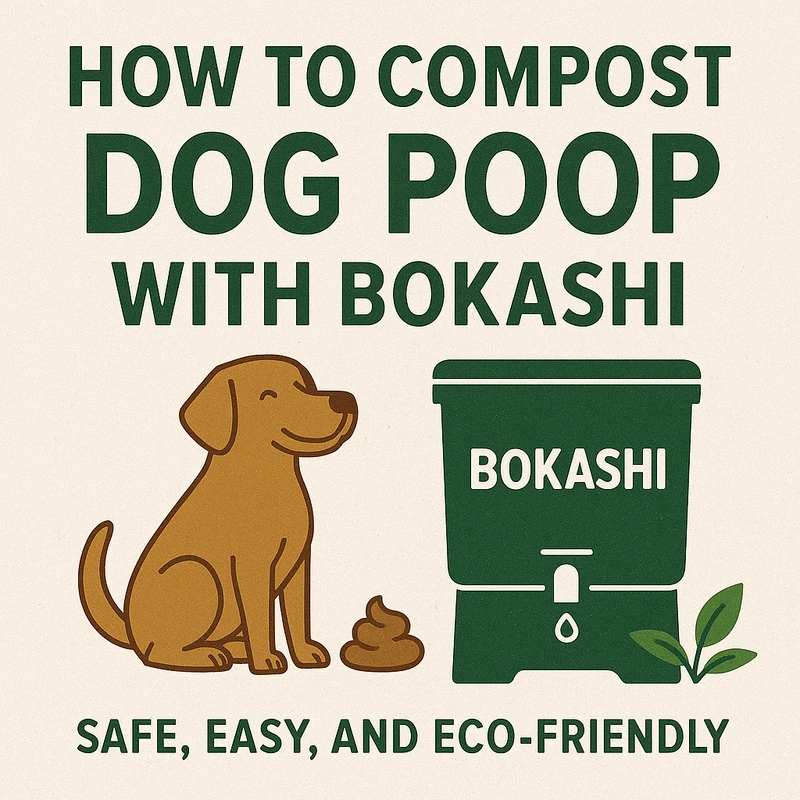
How to Compost Dog Waste Safely at Home: Expert Methods
PawVerde.com – Dog waste presents unique challenges for backyard composting due to its potential to harbor harmful pathogens, including the heat-resistant roundworm Toxocara canis. Safely composting dog waste at home requires methods that achieve sustained high temperatures, effective pathogen control, and proper management of carbon-to-nitrogen ratios. Scientific research and practical experience from organizations such as the Fairbanks Soil and Water Conservation District emphasize that using self-contained, turnable compost bins combined with carbon-rich materials like sawdust or straw can support safe decomposition while minimizing odors and pest attraction.
Achieving and maintaining compost temperatures of at least 65°C is critical to destroy pathogens commonly found in pet waste. Conventional backyard compost piles rarely reach these thresholds, which makes specialized composting systems and rigorous temperature monitoring indispensable. Incorporating carbon-rich bulking agents not only balances the nutrient profile for microbial activity but also improves aeration and moisture control, vital for hot composting processes. This article examines six practical dog waste composting methods, explores emerging innovations in compost bin design, and outlines expert-backed safety protocols to ensure effective, environmentally responsible pet waste management in home settings.
Pathogen Risks in Composting Dog Waste
Dog feces commonly contain parasites and bacteria that pose health hazards if improperly managed. Toxocara canis, a roundworm parasite, is particularly concerning because its eggs can survive harsh conditions and remain infectious for extended periods. Unlike typical garden waste, dog waste cannot be composted safely in standard piles without targeted measures due to these persistent pathogens. Studies show that temperatures below 60°C allow Toxocara eggs and other microorganisms such as Salmonella and E. coli to survive, posing risks of soil contamination and zoonotic transmission.
Because of the pathogenic load, regulatory agencies including the Environmental Protection Agency (EPA) recommend against adding pet waste directly to compost used on edible crops without adequate heat treatment. The Fairbanks Soil and Water Conservation District’s research highlights that successful dog waste composting hinges on maintaining thermophilic conditions—sustained temperatures above 65°C for several days. This effectively neutralizes pathogens, rendering the compost safe for use in non-food gardening applications such as ornamental landscaping or soil amendment.
Six Proven Dog Waste Composting Methods
Successfully composting dog waste at home requires controlled conditions that consistently reach pathogen-killing temperatures. The following six methods incorporate best practices endorsed by extension services and scientific research.
Traditional hot composting piles can be adapted for dog waste by isolating the waste in a dedicated, insulated section of the pile. Composters must layer dog feces with ample carbon-rich materials such as chopped leaves or straw to maintain a carbon-to-nitrogen ratio near 25:1, optimizing microbial activity. Turning the pile frequently distributes heat and oxygen, while a long-stemmed thermometer monitors internal temperatures to ensure they exceed 65°C. This method demands careful attention to moisture levels, aeration, and pile size—often a minimum of one cubic meter—to retain sufficient heat.
Compost tumblers provide a self-contained, aerated environment that facilitates temperature control and odor reduction. Their design promotes even heat distribution by enabling regular mixing while limiting exposure to pests. Tumblers equipped with insulated walls and ventilation can maintain thermophilic conditions needed to neutralize dog waste pathogens. Users should mix dog feces with carbon additives like sawdust and monitor temperature daily, turning the tumbler as recommended to sustain heat.
Dedicated compost bins for dog waste, often constructed from durable plastic or wood, prevent leachate runoff and reduce odors. These bins are designed to be airtight yet ventilated, minimizing pest attraction. Incorporating a base drainage system and adding carbon-rich materials improves decomposition and odor control. Consistent temperature monitoring inside these bins is crucial, with many backyard composters employing long-stemmed compost thermometers for accuracy.
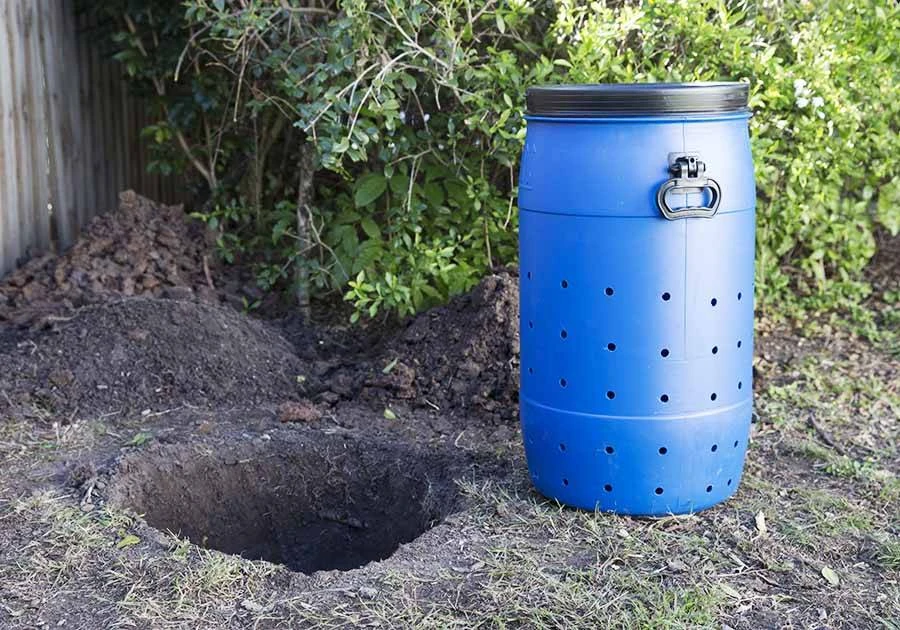
This method involves excavating a pit lined with gravel or drainage material where dog waste is deposited and mixed with carbon sources. While simple, it requires site selection that prevents groundwater contamination and allows natural aeration. Regular covering with soil, leaves, or sawdust reduces odors and pests. Pit composting relies heavily on microbial activity, but without active temperature control, pathogen destruction may be incomplete, so this method is best suited for non-food garden waste applications.
Sawdust, straw, shredded leaves, or wood chips serve as essential carbon-rich bulking agents that balance the nitrogen-heavy dog waste. This balance is critical to maintain microbial respiration rates and heat generation. The carbon materials enhance aeration, absorb excess moisture, and reduce odors commonly associated with pet waste. Composters must finely shred or chop carbon inputs to increase surface area for microbial colonization.
Regardless of the composting system, accurate temperature tracking is fundamental. Long-stemmed thermometers inserted into the core of the compost pile or bin provide real-time data to ensure the compost reaches and sustains pathogen-killing temperatures. Compost piles failing to maintain at least 65°C for several consecutive days require adjustments in aeration, moisture, or carbon-to-nitrogen ratios to improve conditions.
Innovations in Dog Waste Composting Bins
Recent advances in backyard compost bin design focus on usability, safety, and environmental impact. New models integrate insulated panels to help retain heat during colder months and have built-in ventilation systems to regulate airflow without odor leakage. Some incorporate automated tumblers powered by small solar panels to facilitate regular turning without manual labor. Specialized liners resistant to leachate leakage and biofilm formation improve hygiene and prevent soil and water contamination.
Musher cooperatives and pet waste management initiatives in colder climates have trialed compost bins combining vermicomposting (worm-based processing) with traditional hot composting, accelerating decomposition while maintaining pathogen safety. These hybrid systems require precise temperature and moisture management but show promise for efficient backyard dog waste recycling.
Constructing a Dog Waste Composter: Step-by-Step
Homeowners interested in building a dog waste composter should consider the following guidelines drawn from extension service recommendations:
Safety Protocols and Environmental Considerations
Composting dog waste offers environmental benefits by diverting pet waste from landfills and reducing contamination of waterways. However, improper handling can perpetuate pathogen spread and odor nuisances. Covered, turnable compost bins minimize exposure to scavengers and flies, while carbon-rich materials suppress odors by absorbing ammonia and volatile compounds.
Users should avoid applying dog waste compost directly to vegetable gardens or edible plants to prevent zoonotic infections. Instead, it is best suited for ornamental landscaping or soil conditioning. Composters must also be vigilant about runoff management to prevent leachate from contaminating groundwater or surface water.
Research Insights and Expert Guidelines
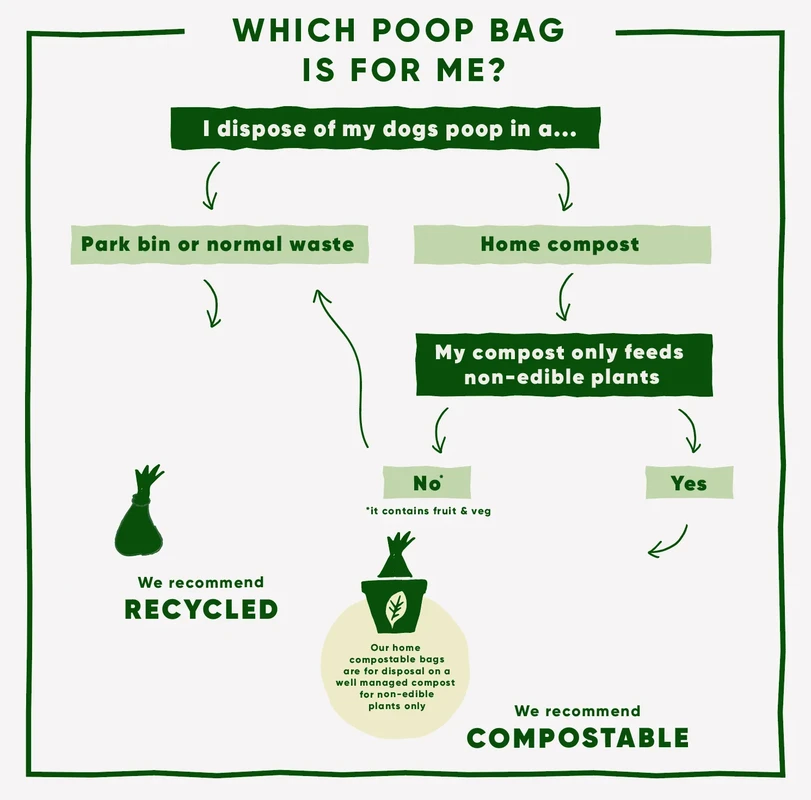
The Fairbanks Soil and Water Conservation District conducted controlled studies demonstrating that dog waste composted in insulated bins with adequate carbon amendment and temperature monitoring achieved pathogen mortality within 7 to 14 days. Their findings reinforce EPA composting guidelines emphasizing a minimum of 65°C sustained temperature to neutralize Toxocara canis eggs and bacterial contaminants.
Extension services recommend combining multiple safety measures: use of self-contained compost bins, frequent turning or tumbling, and carbon material layering. They caution against traditional compost piles for dog waste unless these protocols are strictly followed. The Natural Resources Conservation Service advocates similar standards, highlighting the importance of site selection and environmental safeguards to prevent pollution.
| Composting Method | Pathogen Control Effectiveness | Odor Management | Ease of Use | Environmental Safety |
|---|---|---|---|---|
| Open-Air Hot Composting | High (with temperature control) | Moderate (needs carbon layers) | Moderate (requires manual turning) | Moderate (risk of runoff if unmanaged) |
| Tumbler Composting | High | High (enclosed system) | High (easy turning) | High (contained system) |
| Self-Contained Compost Bins | High | High | Moderate | High |
| Digging Pit Composting | Low to Moderate | Low | High (simple setup) | Low (risk of groundwater contamination) |
Frequently Asked Questions
Can dog waste compost be used in vegetable gardens?
Using composted dog waste on vegetable gardens is discouraged due to the risk of residual pathogens such as Toxocara canis. Even with hot composting, complete pathogen elimination is challenging, so it is safer to apply finished dog waste compost only to ornamentals or non-food plants.
How long does it take to compost dog waste safely?
Hot composting dog waste at temperatures above 65°C generally requires maintaining these conditions for at least 7 to 14 days for pathogen destruction. Additional curing time of several weeks is recommended to stabilize the compost before use.
What carbon materials are best for dog waste composting?
Sawdust, straw, shredded leaves, and wood chips are effective carbon-rich materials. They balance nitrogen from dog waste, enhance aeration, absorb moisture, and control odors, all crucial for efficient hot composting.
Is temperature monitoring necessary in dog waste composting?
Yes. Monitoring with a long-stemmed compost thermometer ensures the compost reaches pathogen-killing temperatures. Without temperature data, there is no assurance that harmful microorganisms have been destroyed.
What are the environmental risks of improper dog waste disposal?
Improper disposal can contaminate soil and water with pathogens and nutrients, causing public health risks and ecosystem imbalances. Composting dog waste using recommended methods reduces these risks by stabilizing organic matter and destroying pathogens.
—
Advances in dog waste composting technology and growing scientific understanding enable responsible pet waste recycling for backyard gardeners. Adoption of insulated, self-contained bins with aeration and temperature control mechanisms offers practical pathways to transform hazardous waste into beneficial soil amendments. Continued research and extension support will refine these practices, promoting sustainable and safe pet waste management aligned with environmental stewardship goals.

Energy-Efficient Appliances for Pet Homes Boost Market Growth
PawVerde.com – energy-efficient appliances tailored for pet homes are increasingly driving market growth within the smart home and sustainable appliance sectors. Recent data from industry analysts indicate that global demand for pet-friendly, energy-saving household appliances is expanding at an annual growth rate exceeding 11%, propelled by rising pet ownership and heightened consumer focus on environmental impact and operational costs. Leading manufacturers including GE Appliances, Maytag, Samsung, LG, and Bosch have responded by integrating advanced pet hair removal technology and energy efficiency features certified by ENERGY STAR standards into their product lines, targeting a niche that blends pet care with sustainability.
Consumer expenditure on energy-efficient pet appliances in North America alone reached an estimated $1.4 billion this year, reflecting a 15% increase from the previous year. This surge coincides with utility companies promoting energy-saving programs and rebates for certified appliances, amplifying market penetration. Financial analysis of appliance segments reveals that robot vacuum cleaners, air purifiers, and smart thermostats constitute the core revenue drivers within the pet-friendly appliance category, collectively accounting for approximately 60% of sales volume. Pet-specific washers and dryers, such as the Maytag MED7020RW dryer and LG WM8900HBA washer, contribute significantly to the remaining 40%, benefiting from consumer inclination toward integrated pet hair removal and allergen control cycles.
Market Dynamics of Core Energy-Efficient Appliances for Pet Homes
robot vacuum cleaners equipped with pet hair removal capabilities represent a $620 million segment in the current market. Models optimized for low power consumption, such as those using adaptive suction control and efficient navigation algorithms, reduce average electricity usage by up to 30% compared to standard units. Recent consumer reports highlight that robot vacuums designed for pet homes achieve hair removal efficiency rates above 85% per cleaning cycle, enhancing long-term energy savings by minimizing repeated use. This technology appeals not only to pet owners but also to utility providers endorsing smart appliances for peak demand management.
Air purifiers, another pivotal category, have a market valuation of approximately $480 million within pet households. Advanced filtration systems, including HEPA and activated carbon filters, address pet allergens and odors while maintaining energy consumption below 50 watts per hour. ENERGY STAR-certified models demonstrate annual energy savings averaging 20%, translating to roughly $30-$40 in reduced electricity bills per household. These purifiers improve indoor air quality metrics, a critical factor as pet dander contributes significantly to airborne allergen loads in residential environments.
Smart thermostats tailored for pet comfort and energy optimization hold a $400 million market share. By employing AI-driven temperature regulation and remote adjustment features, smart thermostats reduce heating and cooling expenses by an average of 12%-15%. Case studies from manufacturers like Nest and ecobee reveal that maintaining stable temperature zones conducive to pet health decreases energy waste associated with manual thermostat adjustments. Moreover, integration with pet activity sensors aligns climate control with occupancy patterns, further enhancing utility savings.
Financial Performance of Specialized Laundry Appliances for Pet Owners
The specialized laundry appliance market for pet owners, including pet-friendly washing machines and dryers, has shown robust financial growth, reaching an estimated $350 million in sales. These appliances incorporate features such as Maytag’s Pet Pro system and Samsung’s advanced lint traps, designed to effectively capture pet hair while optimizing water and electricity consumption. Energy-efficient cycles in these washers and dryers reduce water usage by up to 15% and electricity consumption by 10-12% compared to standard models.
Among top-performing models, the LG WM8900HBA washer and Samsung WF53BB8900AD washer stand out for their combined energy and pet hair removal efficiency. LG’s model operates at 130 kWh annually with a water factor rating of 3.8, while Samsung’s version consumes 140 kWh and has a water factor of 4.0, both significantly better than industry averages. The Maytag MED7020RW dryer complements these washers by incorporating moisture sensors and extended lint traps that minimize cycle duration and energy use, achieving an annual electricity consumption of approximately 500 kWh, which is 18% lower than conventional dryers.
| Appliance Model | Annual Energy Usage (kWh) | Water Factor (Gallons/Cycle) | Pet Hair Removal Feature | ENERGY STAR Certification |
|---|---|---|---|---|
| LG WM8900HBA Washer | 130 | 3.8 | Advanced pet hair removal cycle | Yes |
| Samsung WF53BB8900AD Washer | 140 | 4.0 | Enhanced lint trap and pet cycle | Yes |
| Maytag MED7020RW Dryer | 500 | N/A | Pet Pro lint trap and moisture sensors | Yes |
Emerging Energy-Saving Pet Appliances and Smart Technologies
Automatic pet feeders with energy-efficient designs are emerging as a niche segment, valued at approximately $85 million this year. These devices utilize low-power sensors and programmable feeding schedules to minimize electricity consumption, with average energy use under 5 watts per operation cycle. Integration with smart home systems allows synchronization with energy-saving routines, reducing standby power demand.
Smart pet monitoring devices and home access control technologies contribute an estimated $110 million to the market, leveraging IoT connectivity to optimize energy consumption in pet environments. Features such as motion-triggered lighting and climate control linked to pet activity patterns help lower unnecessary appliance operation times, contributing to an average household energy reduction of 8%.
Impact of ENERGY STAR Certification on Appliance Market and Utility Costs
ENERGY STAR certification remains a critical factor influencing consumer purchase decisions and market performance of pet-friendly appliances. Certified products demonstrate energy savings ranging from 10% to 30% over non-certified equivalents, directly impacting utility bills and environmental footprints. Recent utility company data shows that households employing ENERGY STAR appliances experience average yearly savings between $120 and $180 on electricity costs.
The certification also affects appliance resale value and manufacturer incentives, with certified models commanding a price premium of 5%-8% in retail markets due to their verified efficiency and durability. Appliance manufacturers report that ENERGY STAR branding enhances consumer trust and accelerates adoption rates, particularly in pet owner demographics where appliance performance and maintenance are paramount.
Optimization and Maintenance Practices to Sustain Appliance Efficiency
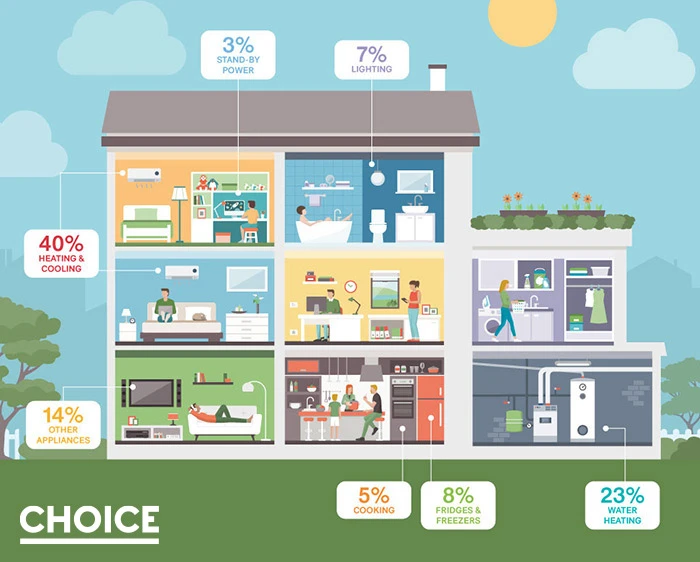
Maintaining peak energy efficiency in pet households requires adherence to specific usage and maintenance guidelines. Regular cleaning of pet hair filters and lint traps significantly extends appliance lifespan and maintains energy savings, with maintenance intervals recommended every 3-6 months depending on usage intensity. Washing pet fabrics in cold water cycles reduces thermal energy consumption by up to 25%, contributing to overall utility savings.
Positioning appliances in well-ventilated, shaded areas minimizes heat exposure and improves operational efficiency, especially for dryers and air purifiers. Smart thermostats should be programmed to align with pet activity and environmental conditions, avoiding unnecessary heating or cooling cycles. These practices collectively contribute to a 10%-15% reduction in energy use over typical pet household appliance operation.
Economic and Environmental Outcomes of Energy-Efficient Pet Appliances
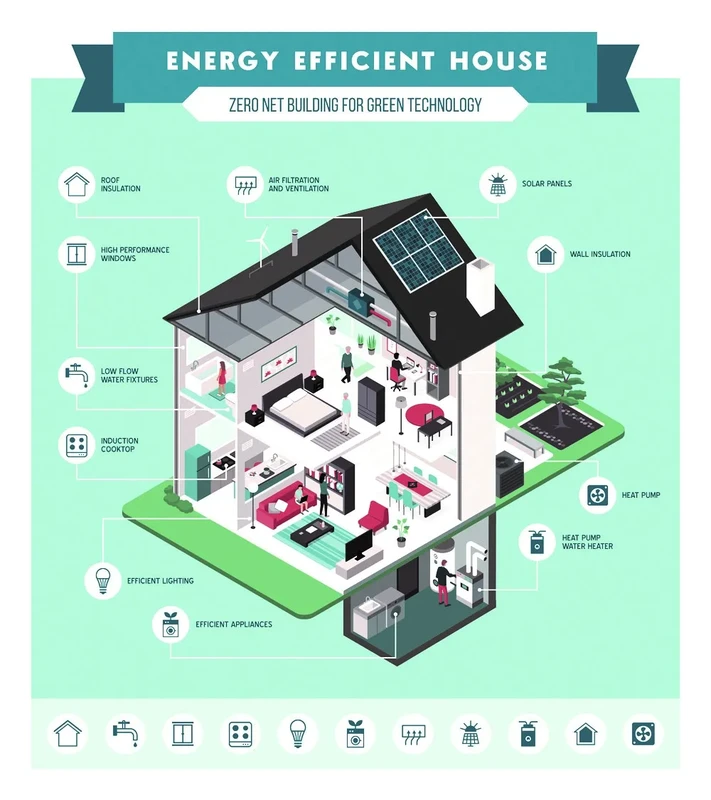
The adoption of energy-efficient pet appliances generates measurable economic benefits, reducing household energy expenditure and enhancing appliance lifecycle value. Utility consumption data from thousands of pet-owning households indicate an average reduction of 450 kWh annually when switching to certified, pet-specific appliances, equating to approximately $65 in savings at current electricity rates.
Environmentally, these savings translate into a reduction of nearly 320 kilograms of CO2 emissions per household annually. This aligns with broader sustainability goals promoted by governments and environmental agencies targeting residential energy consumption. The integration of pet-friendly, energy-saving technology supports not only individual financial savings but also community-level efforts to reduce carbon footprints associated with domestic energy use.
Forward-looking analysis suggests that continued innovation in smart appliance technology, combined with increasing regulatory incentives for energy efficiency, will further expand market opportunities. Appliance manufacturers investing in pet-specific features and energy-saving certifications are positioned to capture growing consumer demand, particularly as pet ownership rises globally. Utility companies may increasingly partner with manufacturers to offer bundled incentives, reinforcing sustainable consumption patterns and enhancing pet home comfort simultaneously.

What Is Sustainable Sourcing in Pet Food? Key Benefits Explained
PawVerde.com – Sustainable sourcing in pet food entails procuring ingredients that minimize environmental impact, uphold social equity, and ensure economic viability. This practice typically involves using nutrient-rich by-products from the human food chain, sourcing locally to reduce carbon emissions, and supporting ethical labor standards and local economies. As the global pet food market expands, addressing environmental concerns and social responsibilities through sustainable ingredient sourcing has become critical to balancing pet nutrition with ecological and community well-being.
Pet food manufacturers increasingly integrate sustainable sourcing principles to reduce ecosystem damage while maintaining consistent product quality. Most pet food ingredients are derived from animal by-products such as organ meats and trimmings that would otherwise go to waste, effectively reducing food loss and the need for raising animals solely for pet food. Local sourcing strengthens supply chain resilience by shortening transport distances, thereby cutting greenhouse gas emissions and supporting small and medium-sized farms. Additionally, many companies adopt renewable energy and energy-efficient manufacturing to lower the carbon footprint of production processes.
Environmental Aspects of Sustainable Sourcing in Pet Food
Minimizing environmental harm through sustainable sourcing begins with reducing biodiversity loss and ecosystem degradation linked to conventional livestock farming. pet food ingredients sourced as by-products from animals already processed for human consumption prevent additional animal farming dedicated to pet food production. According to data from the Pet Food Institute (PFI), up to 90% of animal-based pet food ingredients are such by-products, demonstrating significant potential to cut resource use and waste.
Local ingredient sourcing is another environmental pillar, as it reduces transportation-related carbon emissions and fosters regional agricultural sustainability. For example, Ancestral Pet Food emphasizes sourcing from UK-based farms practicing regenerative agriculture, which enhances soil health and carbon sequestration. This approach not only lowers the environmental footprint but also helps preserve local ecosystems.
Manufacturers are also investing in renewable energy sources like solar and wind to power pet food production facilities. Hill’s Pet Nutrition recently reported a 25% reduction in carbon emissions through energy-efficient upgrades and solar panel installations at several plants. Such measures contribute to reducing the overall environmental impact of pet food manufacturing beyond ingredient sourcing alone.
By-products utilization plays a central role in waste reduction. Rather than discarding organ meats, trimmings, and other animal parts unsuitable for human consumption, these are repurposed into nutritious pet food ingredients. This practice aligns with circular economy principles, closing the loop on food waste and improving resource efficiency. Brands like Earth Animal incorporate high-quality by-products while maintaining nutritional integrity, ensuring pets receive balanced diets without exacerbating environmental harm.
Social Equity and Ethical Considerations in Sustainable Pet Food
sustainable sourcing in pet food extends beyond environmental concerns to include social equity and ethical labor practices. Fair labor standards in ingredient harvesting and processing are essential to prevent exploitative conditions such as child labor, unfair wages, or unsafe working environments. The UK Pet Food (UKPF) association actively promotes supplier audits to ensure compliance with ethical labor regulations across the supply chain.
Supporting local communities through ethical sourcing strengthens regional economies and enhances social sustainability. By partnering with small-scale farmers and cooperatives, manufacturers contribute to livelihood improvement and economic resilience. For instance, Pure Luxe Pet Food sources ingredients from family-run farms committed to fair wages and sustainable farming, thereby fostering social responsibility alongside environmental stewardship.
Transparency about labor conditions and sourcing origins is increasingly demanded by conscious consumers. Social equity initiatives within the pet food industry often include traceability programs that verify suppliers’ adherence to ethical standards. Companies like Marlen have implemented blockchain-based ingredient tracking to enhance supply chain transparency and accountability, reassuring consumers about the social impact of their purchases.
Ethical sourcing also involves avoiding ingredients linked to deforestation or habitat destruction. The Pet Food Institute supports sustainable certification programs that verify ingredient origins and labor practices, ensuring that pet food production does not perpetuate social or environmental injustices.
Economic Viability and Supply Chain Resilience
Balancing sustainability with economic viability presents a significant challenge for pet food manufacturers. Scalability of sustainable sourcing practices must keep pace with growing pet populations and demand for premium products. This requires resilient supply chains capable of providing consistent ingredient quality and availability without compromising environmental or social standards.
Technology plays a pivotal role in enhancing supply chain resilience. Procurement software and commodity sourcing platforms allow manufacturers to identify sustainable suppliers, track ingredient origins, and optimize purchasing decisions based on sustainability criteria. PSC and Ocatra are among industry players offering tools that integrate sustainability metrics into sourcing strategies.
Economic viability also depends on cost management. While sustainable ingredients may carry higher upfront costs, long-term benefits include reduced waste, lower energy consumption, and stronger brand loyalty among ethically minded consumers. Sustainable sourcing can mitigate risks associated with supply disruptions caused by climate change or geopolitical instability by diversifying supplier bases and emphasizing local procurement.
Investment in supplier development and partnerships with local farms enhances supply chain stability. Ancestral Pet Food’s commitment to working closely with UK farms has resulted in reliable ingredient flows and mutual economic benefits, demonstrating that sustainability and profitability are not mutually exclusive.
Common Sustainable Ingredients and Practices in Pet Food
High-quality by-products constitute a substantial portion of sustainable pet food ingredients. Organ meats, trimmings, and other animal parts not used for human consumption provide essential nutrients such as vitamins, amino acids, and minerals. These by-products reduce waste and resource use by repurposing materials already produced in the human food supply chain.
Alternative protein sources are gaining traction as sustainable options. Insect protein, cultured meat, and plant-based proteins offer reduced environmental footprints compared to traditional livestock. Brands like Earth Animal have begun integrating insect-based proteins validated for nutritional adequacy and sustainability, signaling a shift toward diversified ingredient portfolios.
Regenerative agriculture practices also contribute to sustainable pet food sourcing by enhancing soil fertility, promoting biodiversity, and sequestering carbon. Farms supplying ingredients under this model employ crop rotation, cover cropping, and reduced chemical inputs to improve ecosystem health. These methods align with broader environmental goals and support long-term ingredient availability.
Case studies illustrate these principles in action. Ancestral Pet Food sources all protein ingredients from local farms practicing sustainable and regenerative methods. This approach ensures freshness, traceability, and environmental stewardship. Hill’s Pet Nutrition’s comprehensive sustainability report highlights initiatives including by-product utilization, renewable energy adoption, and supplier engagement to foster ethical labor practices.
Industry Standards and Future Directions
Sustainability frameworks and blueprints are increasingly shaping pet food industry standards. The Pet Sustainability Coalition (PSC) offers guidelines and best practices for sustainable ingredient sourcing, energy use, and social responsibility. Earth Animal’s sustainability blueprint emphasizes transparency, ingredient traceability, and continuous environmental impact assessment.
Traceability is a growing focus, with blockchain and digital tracking technologies enabling detailed supply chain visibility. This supports consumer demands for transparency and helps manufacturers verify compliance with sustainability certifications such as Organic, Fair Trade, and Non-GMO.
Industry initiatives increasingly emphasize holistic sustainability—integrating environmental, social, and economic dimensions rather than isolated measures. The Pet Food Institute collaborates with manufacturers to promote renewable energy use, waste reduction, and fair labor practices, advancing the sector’s collective sustainability agenda.
Consumer behavior is a significant driver of sustainable pet food adoption. Awareness campaigns and labeling transparency empower pet owners to choose products aligned with their values. As demand grows, manufacturers are incentivized to deepen sustainable sourcing commitments and innovate ingredient sourcing.
Looking forward, the pet food industry is poised to expand sustainable sourcing through technological advancements, collaborative supply chain models, and enhanced regulatory frameworks. Balancing scalability with environmental and social responsibility will remain a core challenge and opportunity for manufacturers seeking to lead in sustainability.
Frequently Asked Questions
What does sustainable sourcing mean in pet food?
Sustainable sourcing in pet food refers to procuring ingredients that reduce environmental harm, support fair labor practices, and maintain economic viability. This often involves using nutrient-rich by-products from the human food chain, sourcing locally to lower emissions, and ensuring ethical treatment of workers and communities.
How do pet food manufacturers use by-products sustainably?
Manufacturers utilize by-products like organ meats and trimmings not consumed by humans to reduce food waste and resource use. These by-products provide essential nutrients and prevent the need for raising extra animals solely for pet food, aligning with circular economy principles.
Why is local sourcing important for sustainable pet food?
Local sourcing reduces transportation emissions, supports regional farms, improves supply chain resilience, and fosters economic benefits for local communities. It also enhances ingredient freshness and traceability, contributing to environmental and social sustainability.
What challenges do pet food companies face in sustainable sourcing?
Challenges include scaling sustainable practices to meet increasing demand, ensuring consistent ingredient quality, managing higher costs, and maintaining resilient supply chains amid climate and geopolitical risks. Balancing environmental, social, and economic factors requires strategic planning and investment.
Are there certifications that verify sustainable pet food ingredients?
Yes, certifications such as Organic, Fair Trade, Non-GMO, and sustainability-focused labels verify ingredient sourcing standards. Industry groups like PSC and PFI promote best practices and support manufacturers in achieving transparency and compliance with sustainability criteria.
Sustainable sourcing in pet food presents a multifaceted strategy that addresses environmental impact, social responsibility, and economic feasibility. Through practices like by-product utilization, local procurement, ethical labor adherence, and renewable energy adoption, manufacturers can meet growing pet nutrition demands while supporting ecosystems and communities. Continued innovation, technological integration, and consumer engagement will shape the future of sustainable pet food sourcing, driving the industry toward more responsible and resilient supply chains.
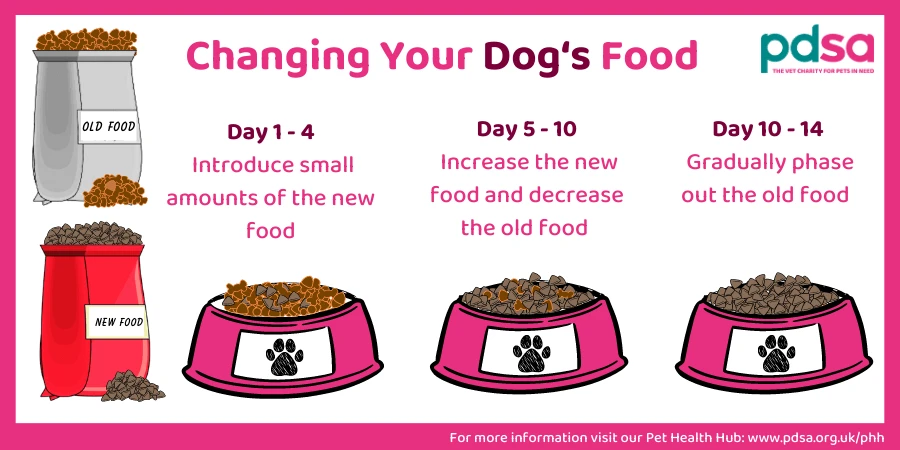
How to Transition Your Dog to Organic Food Safely
PawVerde.com – Transitioning your dog to an organic diet requires a carefully structured approach to minimize digestive upset and ensure nutritional balance. organic dog food, free from synthetic chemicals and rich in natural nutrients, offers digestive health benefits and enhanced coat condition, but abrupt changes can lead to gastrointestinal disturbances. This tutorial provides a detailed, step-by-step method to switch your dog’s diet safely, incorporating digestive support supplements like prebiotics and enzymes, and emphasizing veterinary consultation for optimal outcomes.
Before beginning the transition, evaluate your dog’s health status, age, and dietary sensitivities. Select an organic dog food tailored to these factors, considering protein sources, potential allergens, and activity level. Supplement the diet with prebiotics and digestive enzymes to support gut flora and aid nutrient breakdown. By following a gradual mixing schedule over 7 to 14 days or longer for sensitive dogs, you can reduce the risk of digestive upset and promote a smooth adjustment.
Preparing for the Transition to Organic Dog Food
Assessing your dog’s individual needs is essential before altering their diet. Puppies, adults, and senior dogs have different nutritional requirements; for example, puppies need higher protein and calorie intake to support growth, while older dogs may require diets that support joint health and digestion. Dogs with food allergies or sensitivities demand careful ingredient selection — single-protein and grain-free organic options can help avoid triggers. Veterinary advice is crucial in these cases to tailor your choice effectively.
When choosing an organic dog food brand, consider reputable names such as BJ’s Raw Pet Food, JustFoodForDogs, and Furchild, all known for veterinary-approved formulations emphasizing natural ingredients. Organic diets vary between raw, cooked, and kibble formats. Raw diets provide minimally processed nutrients but require stringent hygiene and gradual introduction. Cooked organic meals offer digestibility, while organic kibble delivers convenience combined with natural ingredients.
Before starting the transition, gather supplements like prebiotics, which nourish beneficial gut bacteria, and digestive enzymes including protease, amylase, lipase, and cellulase, which facilitate the breakdown of proteins, carbohydrates, fats, and fibers respectively. These supplements can reduce digestive stress during dietary changes and improve nutrient absorption.
Step-by-Step Transition Plan for Switching to Organic Dog Food
A gradual transition reduces the risk of gastrointestinal upset such as diarrhea, vomiting, or gas. The following schedule outlines the incremental increase of organic food mixed with your dog’s current diet:
- Days 1-3: Mix 25% organic food with 75% of the current food. Observe your dog’s stool consistency and behavior closely. This initial phase allows the gut microbiome to begin adjusting to new ingredients.
- Days 4-6: Increase the organic portion to 50%, equal parts with the original food. Continue monitoring for any digestive symptoms such as loose stool or flatulence.
- Days 7-9: Adjust the mix to 75% organic food and 25% original food. At this stage, many dogs show improved digestion and energy if the diet suits them.
- Day 10 and onward: Transition to 100% organic food. Maintain consistent feeding times and portions to stabilize digestion and nutrient intake.
For dogs with sensitive digestion or puppies, extend this schedule to 14-28 days to allow a gentler adaptation. Puppies transitioning from puppy-specific formulas to organic diets require extra care to maintain growth rates and immune support. Extend each phase by several days and consult a veterinarian for tailored advice.
Supporting Digestive Health During the Diet Change
Prebiotics and probiotics work synergistically to stabilize and enhance your dog’s intestinal flora during dietary transitions. Prebiotics, such as inulin and fructooligosaccharides (FOS), serve as food for native beneficial bacteria, promoting their growth. Probiotics introduce live beneficial strains like Lactobacillus and Bifidobacterium, helping to re-establish microbial balance after dietary disruption.
Digestive enzymes reduce the workload on your dog’s pancreas and intestines by pre-digesting complex nutrients. Enzymes like protease break down proteins, amylase targets starches, lipase aids fat digestion, and cellulase processes fiber. Supplementing with a balanced enzyme blend during the transition period can alleviate symptoms of indigestion, such as bloating and gas.
It is critical to avoid overfeeding during the transition. Caloric intake should remain consistent with your dog’s energy requirements to prevent weight gain or loss, which can exacerbate digestive stress. Measure portions carefully, and maintain regular feeding intervals.
Monitoring and Troubleshooting Digestive Upset
Digestive symptoms are common but manageable during food transitions. Typical signs include:
- Loose stool or diarrhea: Often indicates the gut microbiome is adapting. Maintain hydration and consider reducing the rate of change.
- Gas and bloating: Can arise from fiber shifts or enzyme insufficiency. Supplement digestive enzymes and ensure gradual increase in fiber content.
- Vomiting: May signal intolerance or food allergy. Pause the transition and consult a veterinarian promptly.
- Constipation: Can result from dehydration or low fiber intake. Increase water availability and consider adding gentle fiber sources.
If any severe or persistent symptoms arise, revert to a bland diet of boiled chicken and rice for 2-3 days and seek veterinary evaluation. Adjust the transition timeline accordingly and consider alternative organic formulations if allergies are suspected.
Special Considerations for Different Dog Populations
Puppies transitioning to organic food require nutrient-dense options rich in calcium, DHA, and protein to support growth. Transition periods should be longer, with close monitoring of energy levels and stool quality. Organic raw diets for puppies should be introduced cautiously due to immature immune systems.
Adult dogs with digestive disorders or immune dysfunction benefit from organic diets supplemented with digestive enzymes and prebiotics. Grain-free and single-protein organic foods reduce allergenic potential. Veterinary guidance is essential when managing chronic conditions during dietary changes.
Raw organic diets necessitate stricter hygiene and longer transition periods due to their unprocessed nature. Begin with cooked organic foods if your dog has a sensitive digestive system, then gradually introduce raw components. Monitor for signs of foodborne illness or digestive distress.
Final Tips to Ensure a Successful Organic Food Transition
Maintaining consistency in feeding routines and environment reduces stress during diet changes. Feed your dog at the same times daily, in the same location, to foster routine and digestion. Hydration is crucial; ensure fresh water is always available to assist fiber digestion and prevent constipation.
Patience is vital. Some dogs adapt quickly within a week, while others need several weeks to acclimate fully. Avoid rushing the process, and prioritize your dog’s comfort and health over speed.
Veterinary consultations throughout the transition provide personalized advice and early detection of issues. Regular stool monitoring, observation of coat quality, energy levels, and overall behavior offer insights into how well your dog is adjusting.
—
FAQ
How long does it usually take to switch a dog to organic food?
Most dogs adapt within 7 to 14 days following a gradual mixing schedule. Sensitive dogs or puppies may require up to 28 days to transition safely.
Can I switch my dog directly to organic raw food?
Direct switching to raw diets is not recommended due to digestive sensitivity and risk of foodborne pathogens. Start with cooked organic food and gradually introduce raw components under veterinary supervision.
What are the benefits of adding prebiotics and digestive enzymes during the transition?
Prebiotics nourish beneficial gut bacteria, improving digestion and immune function. Digestive enzymes help break down nutrients, reducing digestive upset like gas and diarrhea during the dietary change.
What signs indicate my dog is not tolerating the new organic food?
Persistent vomiting, severe diarrhea, lethargy, or allergic reactions such as itching or swelling indicate intolerance. Consult your veterinarian immediately if these occur.
Are grain-free organic diets better for dogs with allergies?
Grain-free organic diets can reduce exposure to common allergens but are not universally better. Single-protein diets tailored to your dog’s sensitivities and veterinary advice provide a safer approach.
—
Transitioning your dog to organic food enhances their nutrition and overall health when done correctly. A gradual introduction with supportive supplements and close monitoring ensures digestive comfort and maximizes the benefits of natural, chemical-free ingredients. Continued veterinary partnership and attentive observation of your dog’s response will guide a successful dietary change.

How to Choose Eco-Friendly Grooming Products Safely
PawVerde.com – Choosing eco-friendly grooming products effectively involves a detailed evaluation of ingredients, packaging, and brand ethics to ensure both pet health and environmental sustainability. This tutorial offers step-by-step guidance to help consumers identify grooming items made from natural, biodegradable components, packaged sustainably, and aligned with ethical certifications. It also covers selecting eco-friendly grooming tools and supporting sustainable grooming services, emphasizing transparency and reducing environmental impact.
The foundation of eco-friendly grooming products lies in their ingredient composition. Prioritize products featuring USDA organic, ECOCERT, or similar certifications indicating natural sourcing. Look for botanical oils like Meadowfoam Oil, known for moisturizing pet skin without synthetic additives. Avoid harmful chemicals such as sulfates, parabens, and synthetic fragrances that contribute to waterway pollution and may irritate sensitive animal skin.
Packaging significantly influences a product’s ecological footprint. Select grooming products contained in biodegradable, recyclable, or refillable packaging to minimize plastic waste. Brands like U GROOM have pioneered multi-use containers and plastic-free designs. Industry-wide, leading companies including L’Oréal and Estée Lauder are investing in innovations such as compostable films and post-consumer recycled plastics.
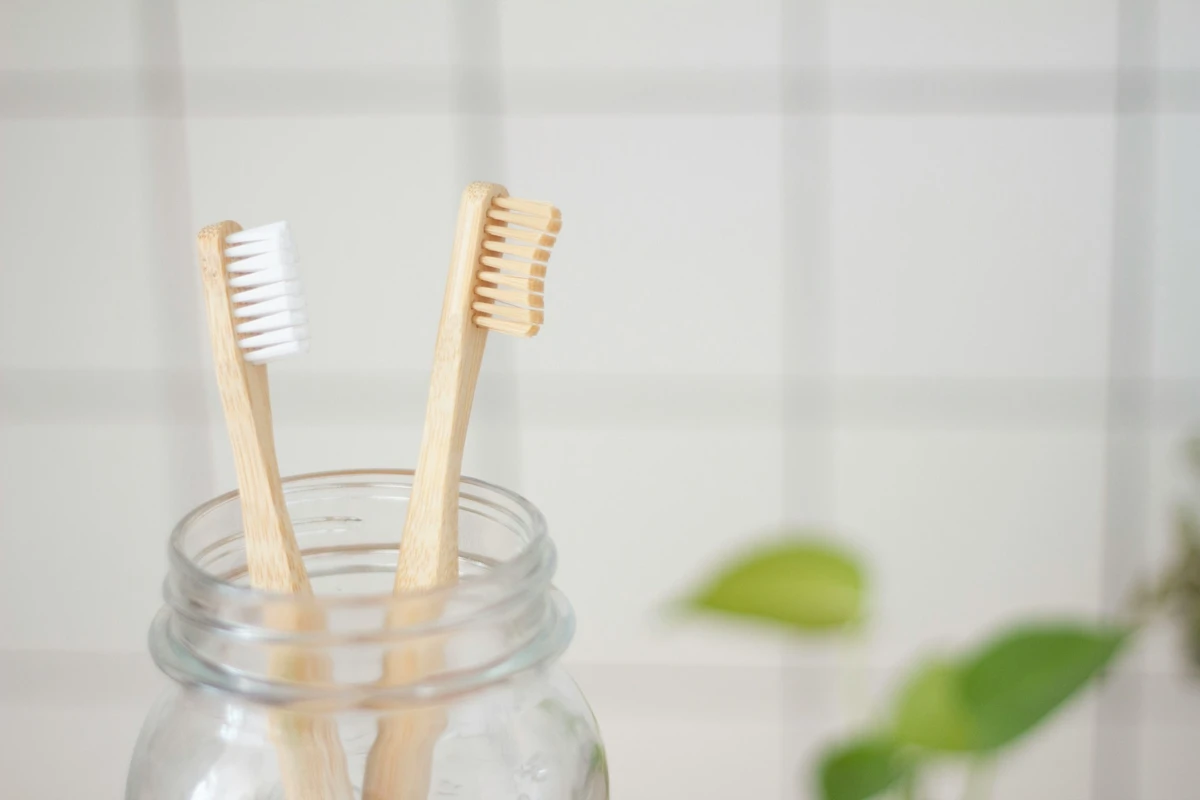
Beyond shampoos and conditioners, grooming tools contribute to sustainability. Bamboo brushes and combs with natural bristles (boar or horsehair) offer durability and biodegradability compared to synthetic plastic counterparts. Reusable grooming cloths reduce single-use waste generated by disposable wipes, aligning with zero-waste principles.
Eco-conscious grooming extends to professional services adopting sustainable operations. Identify groomers who implement water-saving techniques, recycle waste products, and compost organic material. Asking specific questions about their environmental policies promotes transparency and encourages industry adoption.
Understanding certifications helps avoid misinformation and greenwashing. Key labels include Leaping Bunny for cruelty-free status, FSC for sustainable forestry, USDA Organic for ingredient standards, and Vegan certification for animal-free products. Consumers should be wary of vague claims like “natural” or “eco-friendly” without third-party verification.
Switching pets to natural grooming products requires gradual adaptation to prevent skin irritation or allergic reactions. Introduce new shampoos and conditioners incrementally and monitor for adverse responses. Combining pet wellness with environmental responsibility ensures ethical care without compromising animal health.
Common challenges include difficulty identifying genuine eco-products, pets’ sensitivity to new ingredients, and limited availability of sustainable grooming services in certain areas. Address these by verifying certifications, conducting patch tests on pets, and supporting local groomers willing to adopt sustainable practices.
Avoid purchasing products based solely on marketing buzzwords without verifying ingredient lists or certifications. Do not assume all “natural” products are biodegradable or safe for pets. Resist using synthetic synthetic-bristle brushes that contribute to plastic pollution. Avoid abrupt changes in grooming routines that can upset pet skin balance.
Emerging alternatives include refill stations for pet shampoos in retail stores reducing single-use containers, biodegradable wipes infused with plant-based cleansers, and grooming services powered by renewable energy. Staying informed about innovations helps consumers adopt the latest sustainable practices.
| Product Aspect | Eco-Friendly Criteria | Examples |
|---|---|---|
| Ingredients | Natural, USDA Organic, cruelty-free, free from sulfates/parabens | Meadowfoam Oil, botanical extracts, no synthetic fragrances |
| Packaging | Biodegradable, recyclable, refillable, FSC-certified | U GROOM containers, L’Oréal plastic-free initiatives |
| Grooming Tools | Bamboo handles, natural bristles, reusable cloths | Bamboo brushes, organic cotton cloths |
| Service Practices | Water-saving, recycling, composting, biodegradable product use | Eco-conscious salons with green certifications |
FAQ
What ingredients should I avoid in pet grooming products?
Avoid sulfates, parabens, synthetic fragrances, and chemical preservatives that can harm pet skin and pollute the environment. Opt for natural, plant-based oils and extracts instead.
How can I tell if a grooming product is truly eco-friendly?
Look for third-party certifications such as USDA Organic, Leaping Bunny, FSC, and Vegan certification. Verify ingredient transparency and packaging sustainability claims.
Are bamboo brushes better for pets than plastic ones?
Yes, bamboo brushes with natural bristles biodegrade more easily, reduce plastic pollution, and are gentler on pet skin and hair.
Can I switch my pet to natural grooming products without causing skin issues?
Transition gradually by diluting natural shampoos initially and monitoring your pet’s skin response. Consult a vet for pets with allergies or sensitive skin.
How do I find grooming salons that follow eco-friendly practices?
Ask groomers about their use of biodegradable products, water conservation methods, and waste recycling. Look for salons with green certifications or positive environmental reviews.
Adopting eco-friendly grooming products and practices requires informed choices about ingredients, packaging, tools, and services. Consumers who apply these step-by-step instructions contribute to reducing the environmental footprint of pet care while promoting healthier grooming routines. Continuing to support brands and professionals dedicated to sustainability encourages broader industry change and safeguards both pet welfare and the planet.

How to Choose Eco-Friendly Pet Toys for Health & Sustainability
PawVerde.com – Choosing eco-friendly pet toys that prioritize your pet’s health while minimizing environmental impact requires understanding sustainable materials, certifications, and brand practices. This tutorial provides detailed, step-by-step guidance for selecting, maintaining, and even creating eco-friendly toys for dogs and cats, ensuring responsible consumer choices aligned with current sustainability standards.
Eco-friendly pet toys utilize organic cotton, recycled polyester, bamboo, natural rubber, hemp, and wool—materials known for biodegradability, low toxicity, and circular economy compatibility. Trusted certifications such as USDA Organic and other eco-labels verify product claims, while minimal and recyclable packaging further reduces waste. Sustainable brands like West Paw, Simply Fido, ModernBeast, and The Kind Pet lead in transparent, low-impact manufacturing and circular reuse of materials. Beyond purchasing, making DIY toys from recycled household items offers economical and eco-conscious alternatives.
This guide will help you identify safe and sustainable pet toys, detail material benefits, introduce reputable brands, explain DIY options, and provide maintenance tips to extend toy lifespan. By following these steps, you reduce your pet’s carbon paw print and support sustainable pet product economies.
Key Criteria for Selecting Eco-Friendly Pet Toys
Selecting safe, sustainable pet toys begins with evaluating materials, certifications, and packaging. Follow these criteria to ensure your choices align with environmental and pet health priorities.
- Prefer toys made from organic cotton, hemp, bamboo, natural rubber, recycled polyester, and wool. These materials are biodegradable or recyclable and avoid synthetic fibers linked to environmental harm.
- Organic cotton and hemp are pesticide-free, reducing chemical exposure for pets and ecosystems.
- Bamboo and sustainably harvested wood provide durable, renewable chew toys that support dental health.
- Recycled polyester, such as IntelliLoft® stuffing made from plastic bottles, diverts plastic waste from landfills.
- Avoid toys with chemical coatings, synthetic dyes, or plasticizers that may harm pets or the environment.
- Certifications like USDA Organic confirm that materials meet stringent organic farming and processing standards.
- Additional eco-certifications to watch for include Global Organic Textile Standard (GOTS), Oeko-Tex Standard 100 (for non-toxic textiles), and FSC (Forest Stewardship Council) certification for wood products.
- Brands providing transparent information on sourcing, manufacturing, and packaging improve trustworthiness.
- Sustainable pet toy packaging avoids plastic wrapping and uses recyclable or compostable materials such as recycled cardboard or paper.
- Minimalist packaging reduces waste volume and environmental footprint during transportation.
- Brands committed to zero-waste packaging often highlight this in product descriptions.
- Steer clear of toys containing PVC, BPA, phthalates, or non-food-grade plastics. These substances can leach toxins affecting pet health.
- Non-toxic, natural dyes derived from plants or minerals are preferable to synthetic chemical dyes.
Popular Sustainable Materials and Their Benefits
Understanding the properties of common eco-friendly materials helps you make informed choices aligned with sustainability and pet safety.
- IntelliLoft® is a proprietary recycled polyester insulation made from post-consumer plastic bottles.
- Using this stuffing diverts plastic waste from landfills and reduces virgin polyester production energy use by approximately 70%.
- Toys stuffed with IntelliLoft® maintain softness and durability while supporting circular economy principles.
- Bamboo grows rapidly without pesticides or herbicides, making it a highly renewable resource.
- Wood toys crafted from FSC-certified forests ensure responsible forestry practices.
- Both materials provide natural textures beneficial for chewing and dental hygiene.
- They biodegrade at end-of-life, unlike plastic alternatives.
- Organic cotton avoids synthetic pesticides and fertilizers, reducing soil and water contamination.
- Hemp is a highly sustainable crop requiring minimal water and replenishing soil nutrients.
- Both fibers biodegrade naturally and are gentle on sensitive pet skin.
- Wool used in pet toys often comes from offcuts or recycled sources, reducing waste.
- Naturally fire-resistant and moisture-wicking, wool toys provide durability and comfort.
- Wool biodegrades readily and requires no chemical treatments when certified organic.
Trusted Eco-Friendly Pet Toy Brands and Their Sustainable Practices
Choosing reputable brands ensures your pet toys meet eco-friendly and safety standards. Below are examples of leading sustainable pet toy manufacturers.
- Uses recycled materials such as plastic bottles and post-industrial scraps.
- Implements circular economy by accepting used toys back for recycling into new products.
- Manufactures in the USA with strict non-toxic standards and minimal waste policies.
- Focuses on low-impact dyeing processes using natural cotton and recycled polyester blends.
- Supports sustainable packaging and transparent ingredient disclosure.
- Offers a range of toys certified free from harmful chemicals.
- Operates a zero-waste manufacturing process, repurposing discards into new toys.
- Functions as a nonprofit, donating proceeds to animal welfare organizations.
- Emphasizes sustainable sourcing and community impact.
- Committed to plastic-free, zero waste toy packaging.
- Uses carbon-neutral shipping methods to reduce environmental impact.
- Selects sustainable fibers and supports fair labor practices.
DIY Eco-Friendly Pet Toys: Step-by-Step Instructions
Making your own pet toys from recycled or natural materials reduces waste and allows customization to your pet’s preferences. Follow these step-by-step tutorials for simple, sustainable DIY toys.
_Materials:_ Strips of durable cotton fabric or old T-shirts; scissors
_Steps:_
1. Cut fabric into 1-inch wide strips, approximately 12-18 inches long.
2. Gather three strips and knot one end tightly.
3. Braid strips together firmly to create a sturdy rope.
4. Tie a knot at the opposite end to secure the braid.
5. Trim excess fabric for a clean finish.
_Time:_ 15-20 minutes
_Materials:_ Clean PVC pipe (3-4 inches diameter), end caps, drill, pet-safe paint (optional)
_Steps:_
1. Drill several holes sized for treats to fall through but not all at once.
2. Cap one end securely, leaving the other open for treats.
3. Paint with non-toxic paint if desired; allow to dry completely.
4. Insert treats and close the pipe.
5. Supervise pet during play.
_Time:_ 30-40 minutes plus drying
_Materials:_ Empty plastic water bottle, old sock
_Steps:_
1. Remove cap and plastic ring from the bottle.
2. Insert bottle into sock, leaving the bottle base near the sock opening.
3. Tie a secure knot at the sock opening.
4. Supervise pet during play to avoid ingestion of plastic pieces.
_Time:_ 5 minutes
_Materials:_ Clean cardboard boxes, scissors, non-toxic markers or paint
_Steps:_
1. Cut holes and flaps in boxes to create tunnels and hiding spots.
2. Decorate with pet-safe colors if desired.
3. Stack or arrange boxes to form a play structure.
_Time:_ 30 minutes
DIY toys provide environmental benefits by reusing materials and avoiding new resource consumption. Always monitor for wear and replace when damaged to prevent hazards.
Caring for and Maintaining Eco-Friendly Pet Toys
Proper cleaning and maintenance extend the life of sustainable toys, reducing waste and ensuring pet safety.
- Wash organic cotton, hemp, or wool toys in cold water with pet-safe detergent to avoid chemical residues.
- Spot clean bamboo and wood toys with mild soap and water; avoid soaking to prevent warping.
- Machine wash recycled polyester toys on gentle cycles, air drying to maintain stuffing integrity.
- Regularly inspect toys for wear, tears, or loose parts to prevent choking hazards.
- Avoid harsh chemical cleaners or bleach that can leave toxic residues.
- Use natural disinfectants like diluted vinegar for odor control without compromising safety.
- Dry toys thoroughly before returning them to pets to prevent mold growth.
- Rotate toys to prevent overuse of a single item.
- Repair minor damage promptly using pet-safe threads or glue.
- Recycle or donate toys that are still usable but no longer suitable for your pet.
Environmental and Health Impacts of Choosing Eco-Friendly Pet Toys
Selecting sustainable pet toys contributes positively to environmental and animal welfare goals.
Eco-friendly materials require less energy and water in production and reduce landfill waste, lowering carbon emissions linked to pet product manufacturing.
Brands implementing take-back or recycling programs keep materials in use longer, minimizing resource extraction and pollution.
Non-toxic, natural materials reduce exposure to harmful chemicals linked to allergies, skin irritations, and ingestion risks.
Demand for sustainable pet products is growing, encouraging industry-wide improvements in material sourcing and ethical manufacturing.
These impacts illustrate the broader benefits of eco-conscious pet toy purchasing decisions beyond individual pet care.
Troubleshooting Common Issues with Eco-Friendly Pet Toys
- Ensure toys are appropriate for your pet’s size and chewing strength.
- Consider tougher natural materials like hemp or rubber for heavy chewers.
- Check for organic certifications to avoid pesticide residues.
- Introduce new toys gradually and monitor for skin irritation or behavioral changes.
- Search for brands with transparent sourcing and manufacturing details.
- Contact customer service to verify certifications and materials.
- Avoid small detachable parts that pets could swallow.
- Use only clean, non-toxic materials and supervise playtime.
Common Mistakes to Avoid When Choosing Eco-Friendly Pet Toys
Always verify material sources and certifications rather than assuming a product is sustainable based on marketing claims.
Eco-friendly toys with excessive plastic packaging negate environmental benefits.
A sustainable toy must also be safe and suitable for your pet’s size, chewing habits, and play style.
Failing to clean and inspect toys regularly reduces lifespan and can pose health risks.
Alternative Methods for Sustainable Pet Play
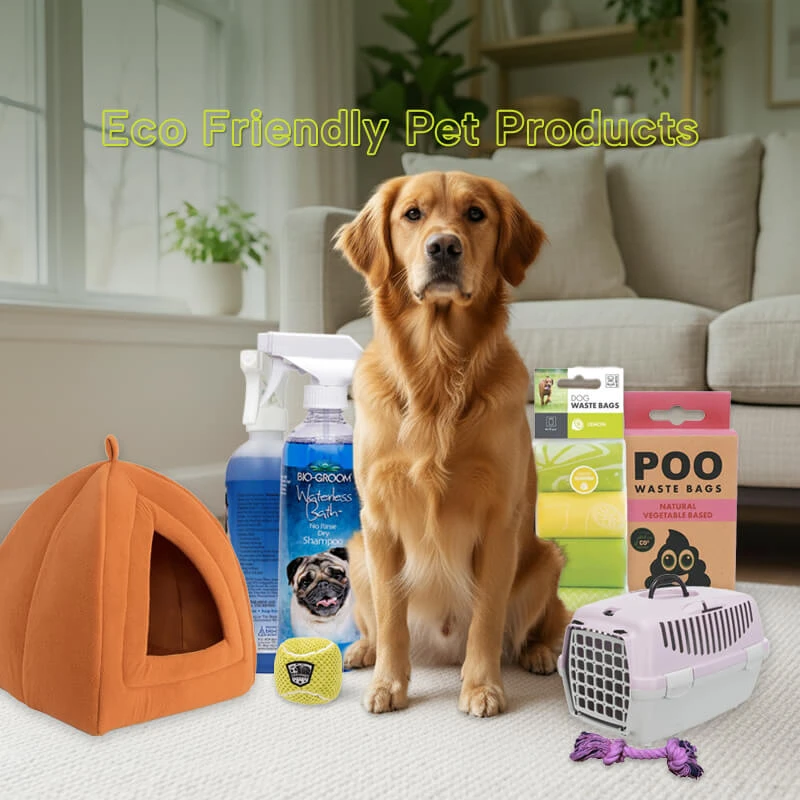
Complement sustainable toys with grooming items made from natural fibers and biodegradable ingredients.
Integrate a holistic eco-conscious pet care approach by selecting organic or sustainably sourced pet foods.
Some brands offer eco-friendly pet toy subscription boxes that rotate toys made from recycled or natural materials.
These alternatives enhance overall pet health and environmental responsibility.
FAQ
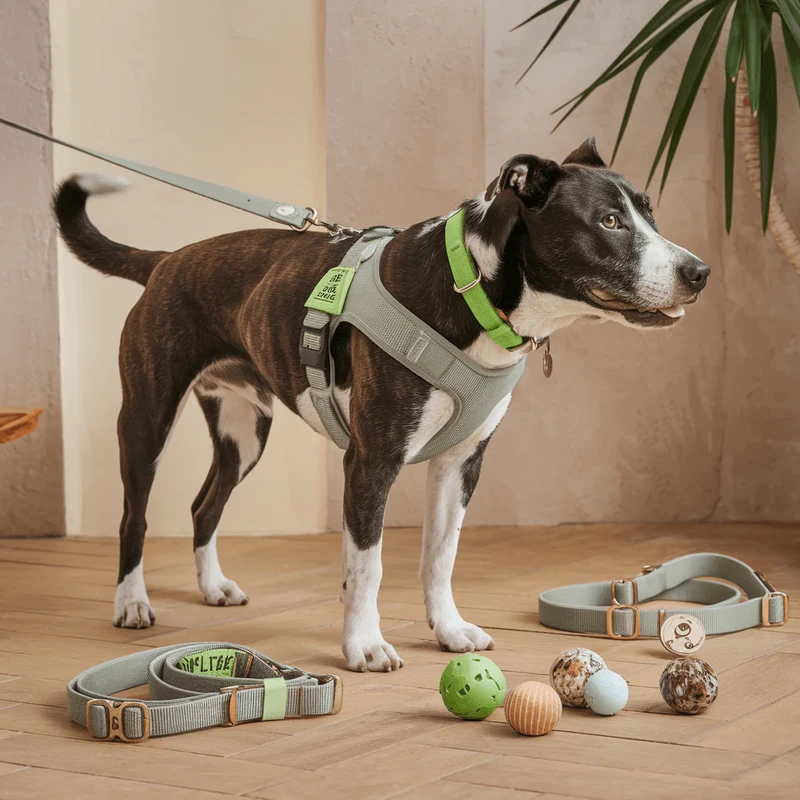
What materials should I avoid when buying pet toys?
Avoid PVC, BPA, phthalates, synthetic fibers, and toys with chemical coatings or toxic dyes, as these can harm your pet and the environment.
How do I verify if a pet toy is truly eco-friendly?
Look for certifications like USDA Organic, GOTS, FSC, and transparent brand information on sourcing and manufacturing. Minimal, recyclable packaging is also an indicator.
Can I safely make my own eco-friendly pet toys at home?
Yes, using clean, non-toxic materials such as old cotton fabrics, cardboard, and untreated wood. Always supervise your pet to avoid choking hazards.
How often should I clean and replace eco-friendly pet toys?
Clean toys regularly according to material guidelines, and replace them when signs of damage or wear appear to maintain safety.
Are bamboo and wood toys safe for aggressive chewers?
They can be suitable for moderate chewers, but very aggressive chewers may break pieces off, posing risks. Choose tougher materials like natural rubber for heavy chewers.
—
Adopting eco-friendly pet toys requires attention to materials, certifications, and brand ethics. By applying the steps and knowledge in this tutorial, pet owners can ensure safer playtime for their animals while actively contributing to environmental sustainability. Continuing to support circular economy initiatives and embracing DIY alternatives further enhance responsible pet care in 2026 and beyond.

How to Make Safe Pet Toys from Recycled Materials Easily
PawVerde.com – Creating safe and engaging pet toys from recycled materials allows pet owners to provide enrichment while supporting sustainable living. Using common household waste such as old T-shirts, cardboard, and plastic bottles, you can craft durable, eco-friendly toys tailored to dogs and cats. Prioritizing pet safety and interaction, these DIY projects reduce landfill waste and offer cost-effective alternatives to commercial products.
Safe materials for homemade pet toys include sturdy cardboard boxes, egg cartons, and paper rolls; fabric items like worn T-shirts, denim jeans, and socks; and plastic bottles used with protective coverings. Natural fibers such as hemp and jute also provide durable, non-toxic options. Avoid small parts that can detach or materials treated with chemicals, following FDA guidelines to prevent hazards.
Safe Recycled Materials for Pet Toys
Choosing appropriate materials is critical for pet toy safety and longevity. Cardboard and paper products are versatile; corrugated boxes withstand biting while egg cartons create interactive treat puzzles. Toilet paper rolls offer a lightweight base for stuffing treats, fostering mental stimulation.
Old clothing provides fabric suitable for braided tug toys or chew-resistant playthings. Cotton T-shirts and sweatshirts are easy to cut and braid, while denim jeans supply tougher fibers ideal for heavy chewers. Socks become soft crinkle balls or catnip pouches, engaging cats in batting or sniffing activities.
Plastic bottles can be repurposed into treat dispensers or crinkle toys but require a fabric sleeve to prevent sharp edges and ingestion risks. Natural fibers like hemp and jute offer eco-friendly durability for ropes or shreddable toys, appealing to pets’ instinctual behaviors.
Step-by-Step DIY Pet Toy Projects
Practical crafting steps help pet owners create enriching toys tailored to their pets’ preferences and safety.
1. Egg Carton Treasure Hunt
This project uses recycled egg cartons to encourage foraging behavior in dogs and cats.
Steps:
Time: 10 minutes prep; variable playtime.
2. Braided T-shirt Tug Toy
This durable tug toy engages dogs in interactive play using recycled fabric.
Steps:
Time: 15 minutes.
3. No-Sew Denim Chew Toy
Ideal for heavy chewers, denim fabric offers toughness without sewing.
Steps:
Time: 20 minutes.
4. Treat Tube Puzzle
Encourages cognitive engagement by hiding food in a recyclable tube.
Steps:
Time: 5 minutes.
5. Crinkle Ball
A soft, noisy toy for cats and small dogs made from paper and socks.
Steps:
Time: 10 minutes.
6. Sock Ball with Catnip
A stimulating cat toy combining scent and texture.
Steps:
Time: 5 minutes.
Material Safety and Supervision Tips
Ensuring pet safety requires avoiding small detachable parts, toxic dyes, or sharp edges. Cardboard and fabric should be free from staples or plastic coatings. Plastic bottles must be encased in fabric sleeves to minimize risk of cuts or ingestion.
Supervise pets during play, especially with homemade toys, to prevent swallowing of fibers or choking on small pieces. Regularly inspect toys for wear and discard damaged items.
The FDA advises against toys containing toxic substances like lead paint or treated foam. Always use natural, untreated materials and consult veterinary resources for updated safety guidelines.
Benefits of DIY Recycled Pet Toys
Upcycling household waste into pet toys reduces landfill accumulation and environmental impact. Compared to commercial products, these DIY crafts save money while providing mental and physical stimulation that supports natural pet behaviors.
Crafting toys at home allows customization based on pet size, chewing strength, and play preferences. Interactive puzzles and tug toys promote exercise and cognitive engagement, improving overall pet wellbeing.
Creative Variations and Advanced Ideas
Enhance basic projects with creative twists to increase durability and interest. Combining natural rubber balls inside socks creates multi-textured toys appealing to dogs and cats. Fabric scraps woven into shreddable bird toys satisfy avian chewing instincts.
Incorporate puzzle elements like hidden compartments or adjustable openings to raise cognitive challenges. Use natural fibers braided with recycled fabric strips for colorful, strong ropes. These variations expand enrichment opportunities and prolong toy lifespan.
Troubleshooting Common Issues
If toys quickly fall apart, consider using sturdier fabrics like denim or natural fiber ropes. Replace fragile cardboard items with thicker corrugated boxes. For pets that ingest fabric, limit toy size and supervision time.
Chewing that damages toys rapidly indicates strong chewers may require no-sew denim or rubber-based toys. If pets show no interest, add scent attractants like catnip or food treats. Always prioritize safety over durability.
Common Mistakes to Avoid
Avoid using synthetic fabrics treated with dyes or chemicals, which may be toxic. Do not include small buttons, beads, or glued pieces that can detach. Failing to supervise can result in choking or ingestion hazards.
Improperly secured fabric ends can unravel, increasing risk of ingestion. Always knot firmly or sew edges where appropriate. Do not reuse plastics with sharp edges, and ensure all materials are clean and dry before crafting.
Alternative Methods for Pet Toy Creation
No-sew methods using fabric strips reduce complexity and sewing skill requirements. Macramé knotting techniques using hemp or jute fibers create durable, decorative toys. Recycled rubber tires, cut into safe shapes, provide chew-resistant options.
3D printing with recycled plastics is an emerging method for complex puzzle toys, though requires access to equipment. Combining multiple recycled elements enhances toy functionality and uniqueness.
FAQ
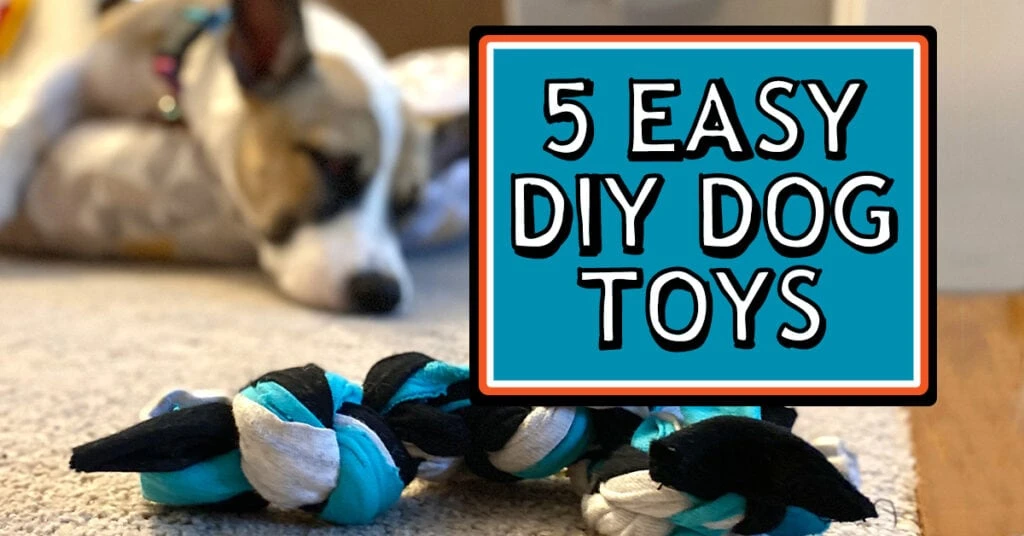
What recycled materials are safest for making pet toys?
Safe materials include untreated cardboard, cotton fabrics like old T-shirts and denim, natural fibers such as hemp and jute, and plastic bottles covered with fabric sleeves to avoid sharp edges. Avoid small parts and toxic substances.
How can I ensure the homemade pet toys are safe?
Always supervise play, inspect toys regularly for damage, avoid small detachable parts, and use non-toxic, untreated materials. Follow FDA guidance on hazardous items and discard toys at the first sign of wear.
Can I make toys that suit heavy chewers from recycled materials?
Yes, denim jeans and natural fiber ropes are durable options for heavy chewers. Incorporating rubber balls wrapped in fabric also increases longevity. Avoid easily torn fabrics like thin cotton for aggressive chewers.
Are there benefits to using recycled pet toys over commercial options?
Recycled toys reduce environmental waste and costs while allowing customized enrichment tailored to your pet’s needs. They promote mental stimulation and physical activity through interactive designs that support natural behaviors.
How do I prevent my pet from swallowing fabric fibers from homemade toys?
Choose tightly braided or woven fabrics, knot ends securely, and supervise play sessions closely. Remove toys if fraying occurs and replace with sturdier alternatives. Avoid loose threads and small fabric pieces.
—
Adopting these DIY techniques empowers pet owners to create sustainable, safe enrichment tools while reducing environmental impact. By selecting suitable recycled materials and crafting thoughtfully, you enhance your pet’s wellbeing through interactive play and mental stimulation. Continuous supervision and adherence to safety guidelines ensure that homemade toys remain a positive addition to your pet’s daily routine.

How to Design Pet-Friendly Sustainable Spaces with Eco Materials
PawVerde.com – Sustainable pet-friendly living spaces reconcile environmental responsibility with the unique needs of animals by integrating eco-conscious materials, durable design elements, and innovative urban planning. With dogs averaging a carbon footprint of approximately 770kg CO2e annually and cats around 310kg CO2e, reducing the environmental impact of pet ownership has become a critical design challenge. Employing sustainable materials such as bamboo, recycled wood, and reclaimed wood alongside pet-specific features like pet wash stations and scratch-resistant floors leads to healthier, longer-lasting interiors that respect both animals and the planet. This article explores comprehensive strategies for creating such spaces, backed by expert insights, case studies, and emerging trends in pet architecture and urban pet-friendly design.
Sustainable Materials for Pet-Friendly Interiors
Bamboo, recycled wood, and reclaimed wood stand out as primary materials in sustainable pet-friendly interiors due to their low environmental footprint and durability. Bamboo grows rapidly, sequestering carbon effectively, while recycled and reclaimed wood salvages existing resources, reducing deforestation. These materials are increasingly used for wall panels, furniture, and cabinetry, offering scratch-resistant surfaces that accommodate pets’ natural behaviors. For example, reclaimed wood wall panels provide resilience against wear and tear and can be sealed with non-toxic finishes to resist staining and facilitate cleaning.
In addition to environmental benefits, these materials improve indoor air quality by emitting fewer volatile organic compounds (VOCs) compared to synthetic options. Architectural firms specializing in sustainable pet spaces, such as Atelier Bow Wow and Animal Arts, emphasize the importance of sourcing locally reclaimed wood to further minimize transportation emissions. The carbon footprint reduction achieved through these materials complements their aesthetic versatility, allowing designs that blend biophilic elements with functional pet zones.
Designing Functional Indoor/Outdoor Pet Spaces
Creating seamless indoor/outdoor transitions for pets enhances both animal wellbeing and environmental efficiency. Installing energy-efficient doors with automatic closing mechanisms helps maintain stable indoor climates, reducing heating and cooling energy use. These doors often incorporate insulated glass and weather stripping to prevent drafts while allowing natural light, aligning with biophilic design principles that benefit both pets and owners.
Safe transition zones, such as mudrooms or dedicated pet corridors, facilitate hygiene management and reduce dirt tracking indoors. Integrating pet wash stations in these areas supports regular grooming and cleanliness, which is particularly valuable for dogs that access outdoor spaces frequently. These stations use water-saving fixtures and biodegradable soaps, limiting chemical runoff into urban drainage systems.
Outdoor pet areas emphasize natural ground cover like organic mulch or grass varieties resilient to wear and tear. Shade structures utilizing reclaimed wood or sustainable fabrics provide comfort during warmer months while minimizing heat island effects. Urban developers increasingly incorporate these features into multi-unit residential complexes to accommodate pet owners without compromising communal green spaces.
Durable and Eco-Friendly Flooring and Upholstery
Floors and furniture surfaces endure significant stress from pets, necessitating materials that withstand scratching, staining, and moisture. Stone and ceramic tiles are preferred for flooring due to their scratch resistance, ease of cleaning, and longevity compared to hardwood, which is prone to damage from claws and accidents. These materials also contribute to thermal mass, stabilizing indoor temperatures, and reducing energy consumption.
Upholstery selection plays a critical role in sustainable pet-friendly interiors. Stain-resistant fabrics made from natural fibers or recycled synthetics enhance durability while minimizing the need for harsh cleaning chemicals. Brands developing pet-safe, eco-friendly textiles employ treatments that repel liquids without compromising biodegradability.
The combined use of these materials reduces waste generated by premature replacements and supports circular economy principles. Their maintenance profiles align with sustainable living as they require less water and chemical-intensive cleaning, diminishing environmental impact over a product’s lifecycle.
Eco-Conscious Pet Products and Waste Management
Pet waste management significantly affects a household’s environmental footprint. Traditional plastic waste bags contribute to landfill waste and microplastic pollution. Biodegradable and compostable waste bags, which decompose within three to six months, offer a sustainable alternative. These bags are often made from plant-based polymers such as polylactic acid (PLA), which break down under industrial composting conditions.
Sustainable cat litters, including options made from wood shavings, recycled paper, or corn-based pellets, reduce reliance on clay litters that are mined and non-renewable. These alternatives are lighter, biodegradable, and generate less dust, improving air quality for both pets and humans.
Proper handling of pet waste through composting or eco-friendly disposal mitigates methane emissions, a potent greenhouse gas. Cities promoting urban pet-friendly initiatives, like Ottawa’s 15-minute neighbourhood plan, integrate waste management infrastructure that supports composting programs and encourages residents to adopt green waste practices.
Incorporating Nature: Biophilic Design and Petscaping
Biophilic design, which emphasizes connection to nature, enhances pet well-being and environmental quality within indoor and outdoor spaces. Incorporating plants that are non-toxic to pets improves air purification and fosters relaxing environments. Designers recommend species such as spider plants, Boston ferns, and bamboo palms, which thrive indoors and are safe if ingested.
Petscaping, the practice of designing gardens and outdoor areas specifically for pet use, balances natural aesthetics with durability and safety. Defined pathways reduce soil compaction and protect plantings, while organic ground cover materials prevent ingestion of harmful substances. Shade trees and pergolas create cooler microclimates, reducing heat stress in pets during summer.
These natural elements support mental stimulation and physical activity, crucial for animal health. urban pet-friendly planning increasingly recognizes petscaping as a vital component of sustainable residential design, encouraging biodiversity and ecosystem services within cities.
Urban and Architectural Innovations in Pet-Friendly Sustainability
pet architecture exemplifies creative adaptation of irregular urban spaces to accommodate animals sustainably. Small-scale structures such as modular pet shelters or integrated play areas utilize local or secondhand materials, minimizing environmental costs. Designs often incorporate natural ventilation, daylighting, and green roofs to reduce energy consumption.
In multi-unit developments, accommodating pets presents unique challenges related to noise, hygiene, and shared spaces. Innovative architectural solutions include soundproofed pet zones, communal agility equipment, and accessible pet wash stations that streamline care without disrupting residents. Firms like Animal Arts demonstrate that sustainable pet architecture can be both functional and aesthetically integrated within urban contexts.
Cities like Ottawa spearhead urban pet-friendly policies by embedding pet considerations into broader sustainability frameworks. Their 15-minute neighbourhood concept ensures residents access essential amenities, including pet parks and veterinary services, within walking distance, reducing dependence on vehicles and associated emissions.
Case Studies and Practical Applications
animal shelters upgrading play yards illustrate practical applications of sustainable pet design. Incorporating organic ground cover such as wood chips and installing agility equipment made from recycled plastics enhance animal enrichment while minimizing maintenance. These upgrades reduce soil erosion and improve drainage, contributing to healthier outdoor environments.
Residential projects frequently showcase modular shelving systems like Muuto Modular Stackling, which integrate pet spaces such as climbing areas for cats or storage for pet supplies. These systems feature sustainably sourced wood and adaptable layouts, allowing customization that grows with pet needs and household changes.
Such examples demonstrate that sustainable pet-friendly design is achievable across diverse building types by prioritizing durability, environmental impact reduction, and animal welfare.
Balancing Human and Pet Needs in Sustainable Design

Effective sustainable pet-friendly design harmonizes the comfort and ergonomics of both pets and owners. Designing workflows in veterinary clinics and shelters with accessible pet wash stations and modular storage enhances operational efficiency while reducing resource consumption. These spaces often feature durable surfaces and layouts that facilitate cleaning and minimize cross-contamination.
Ergonomic considerations include furniture heights suitable for pet interaction and accessible outdoor exits for ease of use. Incorporating elements such as scratch-resistant upholstery and stain-resistant fabrics supports household longevity and reduces replacement frequency, aligning with sustainability goals.
By integrating these human-centered elements with pet-specific features, designers deliver environments that are functional, resilient, and environmentally responsible.
FAQ

What are the best sustainable materials for pet-friendly home interiors?
Sustainable materials such as bamboo, recycled wood, and reclaimed wood are ideal for pet-friendly interiors due to their durability, low carbon footprint, and ease of maintenance. These materials resist scratching and staining better than many synthetic alternatives, making them suitable for furniture and wall panels.
How can indoor/outdoor pet spaces be designed to reduce energy consumption?
Incorporating energy-efficient doors with proper insulation and automatic closing mechanisms maintains indoor climate control, reducing heating and cooling needs. Creating safe transition zones and using natural light also contribute to energy savings while providing pets with comfortable access to outdoor areas.
Which flooring materials are most durable and eco-friendly for homes with pets?
Stone and ceramic tiles outperform hardwood in scratch resistance, longevity, and ease of cleaning. These materials are sustainable when sourced responsibly and contribute to thermal regulation, lowering energy use. They also reduce chemical cleaning requirements, supporting healthier indoor environments.
What eco-conscious pet products help reduce environmental impact?
Biodegradable waste bags made from plant-based materials decompose within months, lowering landfill waste. Sustainable cat litters from wood shavings, recycled paper, or corn-based products offer biodegradable alternatives to clay litter. These products minimize pollution and improve household sustainability.
How does urban pet-friendly planning contribute to sustainability?
Urban planning initiatives like Ottawa’s 15-minute neighbourhood integrate pet amenities close to residences, reducing transportation emissions. They promote green spaces with petscaping features, support sustainable waste management, and encourage community designs that consider both human and animal needs, fostering healthier urban ecosystems.
—
Advancements in sustainable pet-friendly design continue to evolve with growing emphasis on environmental responsibility and animal welfare. Future directions include expanding biophilic design integration, increasing adoption of modular pet architecture, and enhancing urban policies that prioritize green pet spaces. Embracing these strategies enables pet owners and developers to create resilient living environments that support healthy coexistence with animals while mitigating ecological impacts.