

How to Transition Dogs to Vegan Diets Safely with Vet Guidance
PawVerde.com – The increasing interest in vegan diets for pets, especially dogs, reflects a growing awareness of ethical, environmental, and health considerations among pet owners. Up to 44% of guardians express openness to alternative diets that exclude animal products, driven by concerns over animal welfare and the sustainability of conventional pet foods. However, transitioning carnivorous pets like dogs to vegan diets requires careful planning to ensure nutritional adequacy, avoid health risks, and maintain overall well-being. Veterinary expertise and evidence-based protocols are essential to guide this complex process safely.
Dogs require a balanced intake of proteins, amino acids, vitamins, and minerals traditionally sourced from animal products, posing challenges when replacing these with plant-based alternatives. Veterinary nutritionists emphasize that veterinary consultation is critical before initiating any dietary change, particularly to distinguish between vegetarian diets—which may include dairy or eggs—and strictly vegan diets that exclude all animal-derived ingredients. Certain veterinary therapeutic applications, such as managing liver disease, have incorporated plant-based diets under professional supervision, highlighting potential clinical benefits when carefully formulated.
Research conducted by the University of Illinois Animal Sciences Department, led by Professor Kelly Swanson, provides significant insights into the viability of vegan diets for dogs. Their studies demonstrate that well-formulated vegan diets can achieve high nutrient digestibility and favorable blood metabolite profiles, supporting maintenance of canine health. A notable case is “Bono,” a dog thriving on a vegan diet for over 12 years, which exemplifies long-term success with proper dietary management. Despite these positive findings, experts caution against unsupervised homemade diets due to potential deficiencies in essential amino acids and micronutrients.
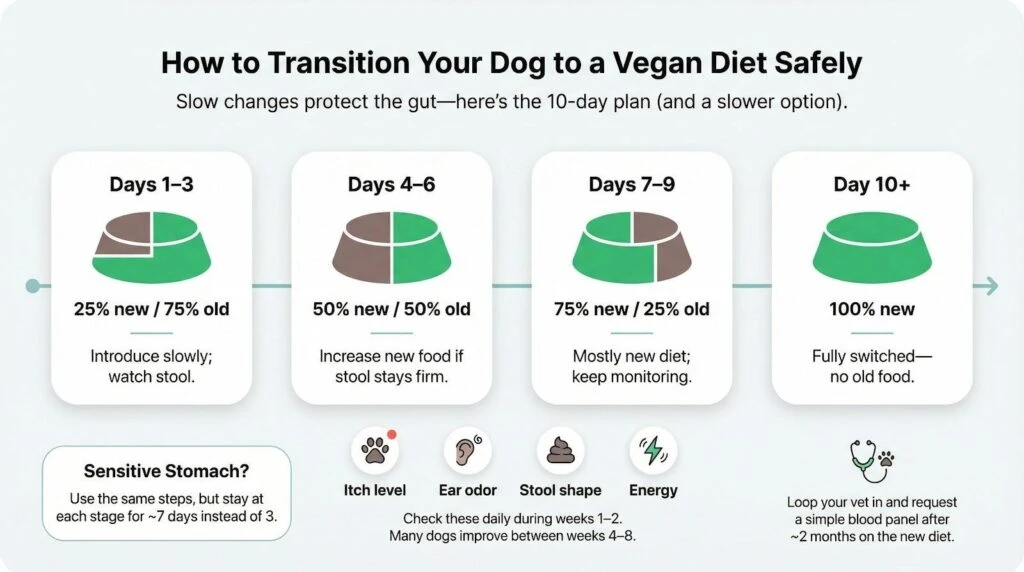
Transitioning a dog to a vegan diet should be gradual, typically spanning 7 to 10 days, to allow the pet’s gastrointestinal system to adapt and to monitor for any adverse reactions. Pet owners are advised to observe signs related to digestion, skin condition, and overall vitality, adjusting the diet in consultation with veterinary professionals. Supplementation is often necessary to provide critical nutrients such as taurine, vitamin B12, and omega-3 fatty acids, which may be insufficient in plant-based ingredients alone.
Commercial vegan pet food brands like Bramble have emerged, offering formulations tested for nutritional completeness and safety under veterinary standards. These products provide a reliable alternative to homemade recipes, which require meticulous planning and ingredient sourcing. Ethical vegan advocates such as Ruby Sandhu and organizations like PETA promote both commercial and homemade plant-based diets, emphasizing sustainability and animal welfare. However, pet owners must ensure that any homemade diet adheres to established nutritional guidelines and undergoes veterinary review.
Cats, unlike dogs, are obligate carnivores and cannot safely transition to vegan diets due to their unique nutritional requirements, including taurine and arachidonic acid, which are naturally found only in animal tissues. Attempting to feed cats vegetarian or vegan diets poses significant health risks and is strongly discouraged by veterinary authorities. Pet owners also face legal and ethical responsibilities to provide nutritionally adequate diets, with failure to do so potentially resulting in animal welfare violations.
Barriers to wider adoption of vegan pet diets include limited availability of commercially validated products, skepticism among veterinary professionals, and misinformation about the health impacts of plant-based nutrition. Addressing these challenges requires ongoing research, education, and collaboration between pet owners, veterinarians, and ethical organizations to ensure that dietary changes prioritize animal health without compromising ethical values.
Nutritional Foundations and Veterinary Assessment in Vegan Pet Diets
Dogs require a complex combination of macronutrients and micronutrients to sustain metabolic functions, immune health, and tissue repair. Key amino acids such as lysine, methionine, and taurine, along with vitamins like B12 and D, are predominantly sourced from animal proteins. Plant-based diets must be carefully formulated to include bioavailable alternatives or supplements to meet these requirements. Veterinary nutritionists play a crucial role in assessing individual pets’ needs, devising balanced diets, and monitoring clinical outcomes to prevent deficiencies and associated disorders.
Distinguishing vegetarian diets, which may incorporate dairy and eggs, from strictly vegan diets is important in veterinary practice. Vegetarian diets can sometimes meet canine nutritional needs more readily due to these animal-derived supplements, whereas vegan diets demand comprehensive supplementation and ingredient selection. Veterinary therapeutic uses of plant-based diets have shown promise in managing conditions such as liver disease, highlighting their potential when applied under expert guidance.
Empirical Evidence and Case Studies on Vegan Dog Diets
The University of Illinois study led by Professor Kelly Swanson evaluated nutrient digestibility and blood metabolite markers in dogs fed a vegan diet formulated by veterinary nutritionists. Results indicated that dogs maintained stable health parameters, with no significant deficiencies detected over the study period. This aligns with anecdotal evidence from long-term cases like Bono, a dog thriving on a vegan diet for over a decade, demonstrating that with proper formulation and oversight, vegan dog diets can support health and longevity.
However, the study and case reports also emphasize the need for caution with homemade diets, which often lack rigorous nutritional balance. Inadequate supplementation or improper ingredient selection can lead to serious health risks, including malnutrition, digestive disturbances, and immune dysfunction.
Methodical Transitioning to Vegan Diets: Procedures and Monitoring
Transitioning to a vegan diet should never be abrupt; a phased approach over 7 to 10 days allows the dog’s digestive system to adjust, minimizing gastrointestinal upset. Initial steps involve mixing small proportions of the vegan diet with the current food, gradually increasing the vegan portion while decreasing the original diet. Owners must monitor stools, skin condition, energy levels, and appetite, documenting any changes to share with their veterinarian.
Veterinary feedback is essential to adapt the diet based on clinical observations and laboratory tests, including blood work assessing nutrient levels. Supplementation with amino acids such as taurine and L-carnitine, vitamins B12 and D, and omega-3 fatty acids derived from sources like algae or flaxseed oil may be necessary to ensure complete nutrition.
Commercial and Homemade Vegan Pet Food Options
The plant-based pet food market has expanded, with brands like Bramble offering products formulated in collaboration with veterinary nutritionists and tested for nutritional adequacy. Such products provide convenience and reliability for pet owners seeking vegan options. Commercial options typically undergo quality control measures and adhere to nutritional standards, reducing the risk of deficiencies.
Homemade vegan diets, endorsed by ethical vegans such as Ruby Sandhu and supported by PETA’s published recipes, emphasize natural, sustainable ingredients. However, these require precise formulation to include adequate protein sources, vitamins, and minerals. Veterinary consultation is indispensable to tailor recipes to individual pet needs and to verify nutrient sufficiency.
Health Risks, Limitations, and Ethical Responsibilities
Cats’ obligate carnivorous physiology makes vegan diets unsuitable, as essential nutrients like taurine and vitamin A cannot be obtained from plants. Feeding cats vegan diets risks severe health consequences such as retinal degeneration and cardiac disease. Dogs, though more omnivorous, still require careful nutritional planning to avoid risks of protein deficiency, gastrointestinal issues, and metabolic imbalances.
Pet owners bear legal and ethical obligations to provide diets that meet their animals’ physiological needs. Inadequate nutrition can constitute neglect under animal welfare laws. Veterinary professionals stress that ethical motivations must be balanced with scientific evidence and pet welfare to avoid unintended harm.
Barriers to adoption include veterinary skepticism due to limited large-scale studies, the cost of specialized diets, and misconceptions about plant-based nutrition’s adequacy. Overcoming these requires transparent communication, education, and further research to support evidence-based practices.
Forward-Looking Perspectives on Vegan Diets for Dogs
Advancements in veterinary nutrition continue to improve the formulation of nutritionally complete vegan diets for dogs, with ongoing research into bioavailability and long-term health impacts. Increased collaboration between veterinary clinics like Urbana Veterinary Clinic and Riverview Veterinary Hospital, academic institutions such as the University of Illinois, and ethical organizations fosters knowledge exchange and development of guidelines.
Future directions include expanding commercial offerings, refining homemade diet protocols, and integrating environmental sustainability considerations into pet nutrition. Pet owners interested in vegan diets should prioritize veterinary supervision, regular health monitoring, and flexibility to adjust diets based on evolving scientific evidence.
| Aspect | Dogs | Cats |
|---|---|---|
| Dietary Classification | Omnivorous with carnivorous preference | Obligate carnivore |
| Suitability for Vegan Diet | Possible with veterinary supervision and supplementation | Not safe; risk of severe deficiencies |
| Essential Nutrients | Protein, taurine, vitamin B12, omega-3 fatty acids | Taurine, arachidonic acid, vitamin A, vitamin B12 |
| Transition Period | 7–10 days gradual introduction | Not applicable |
| Common Risks | Digestive upset, nutritional deficiencies if unsupervised | Cardiac and retinal diseases, malnutrition |
Frequently Asked Questions
Can dogs thrive on a vegan diet long-term?
With carefully formulated diets supervised by veterinary nutritionists and appropriate supplementation, dogs can maintain health and vitality on vegan diets long-term, as demonstrated by research and case studies like Bono.
Why are vegan diets unsuitable for cats?
Cats require nutrients found only in animal tissues, such as taurine and arachidonic acid, making vegan diets nutritionally inadequate and unsafe for them.
How should I transition my dog to a vegan diet?
Transition gradually over 7 to 10 days by mixing increasing amounts of vegan food with the current diet while monitoring health and consulting a veterinarian to adjust supplementation as needed.
Are commercial vegan pet foods nutritionally complete?
Reputable commercial vegan pet foods are formulated with veterinary input and tested for nutritional adequacy, offering a safer alternative to homemade diets when used appropriately.
What are the main health risks of unsupervised vegan diets in pets?
Unsupervised vegan diets can lead to protein deficiencies, gastrointestinal issues, immune dysfunction, and in cats, life-threatening nutrient deficits affecting heart and vision health.
Pet owners considering vegan diets for dogs should engage veterinary nutritionists early, use scientifically validated diets, and maintain vigilant health monitoring to ensure pets thrive while aligning with ethical values.
Top Certifications for Eco-Friendly Pet Food Products Explained
PawVerde.com – Eco-friendly pet food certifications such as USDA Certified Organic, Regenerative Organic Certified (ROC), and the Marine Stewardship Council (MSC) blue label ensure that products adhere to stringent standards for sustainable sourcing, animal welfare, and environmental stewardship. Independent third-party audits and supply chain transparency underpin these certifications, with recent surveys showing that 76% of pet food consumers trust the MSC blue label. Leading companies like Natoo Pet Foods exemplify best practices by achieving LEED Gold certification for their solar-powered facilities and partnering with ClimatePartner to verify carbon footprints at the product level, setting new benchmarks for sustainability in the pet food industry.
Key Eco-Friendly Certifications in Pet Food
The USDA Certified Organic label remains a foundational certification for pet food ingredients, requiring compliance with federal organic standards including prohibition of synthetic pesticides, genetically modified organisms (GMOs), and synthetic fertilizers. Certification audits by USDA-accredited agents verify that ingredient sourcing, processing, and labeling meet these standards. However, organic certification alone does not address broader environmental issues such as soil health or animal welfare beyond baseline requirements.
Regenerative Organic Certified (ROC) builds upon USDA Organic criteria by incorporating rigorous standards for soil regeneration, biodiversity, and comprehensive animal welfare practices. ROC mandates no use of synthetic chemicals, promotes carbon sequestration through regenerative farming methods, and requires humane treatment verified through ongoing audits. This certification reflects a holistic approach that integrates ecological health with ethical livestock management, responding to growing consumer demand for deeper sustainability assurances.
Seafood ingredients in pet food are increasingly certified by the Marine Stewardship Council (MSC) blue label, which verifies sustainable fishing practices and robust supply chain traceability. MSC certification requires fisheries to meet strict criteria on fish stock health, ecosystem impact, and effective management. According to a GlobeScan survey, 76% of pet food buyers recognize and trust this blue label, highlighting its market influence. Complementary certifications such as Ocean Wise Seafood Program and Friend of the Sea provide additional verification of responsible seafood sourcing, focusing on environmental impact and social responsibility within marine supply chains.
Animal Welfare Certifications Relevant to Pet Food
Animal welfare certifications play a critical role in ensuring ethical treatment of livestock used in pet food production. Certified Humane®, Global Animal Partnership (GAP), and Animal Welfare Approved (AWA) by A Greener World represent the most recognized standards. AWA, noted for its stringent and transparent auditing process, requires annual on-site inspections and continuous compliance monitoring. These certifications set criteria for housing, handling, transport, and slaughter practices to minimize animal stress and suffering.
Compliance with these standards involves third-party verification, often including unannounced audits and traceability protocols to ensure that welfare claims correspond with actual farming conditions. The integration of these certifications into pet food supply chains supports growing consumer awareness of animal ethics and enhances brand credibility.
Packaging and Environmental Impact Certifications
Beyond ingredients, packaging and facility operations are increasingly scrutinized for environmental impact. Certified Plastic Neutral packaging initiatives offset the plastic footprint of pet food products by funding plastic waste removal projects. Companies adopting these certifications demonstrate accountability for packaging lifecycle impacts, responding to consumer concerns over plastic pollution.
Natoo Pet Foods exemplifies leadership in sustainable manufacturing by achieving LEED Gold certification for its production facilities, reflecting energy efficiency, water conservation, and waste reduction standards. Natoo’s facilities operate on 100% solar power and collaborate with ClimatePartner to certify product-level carbon footprints, a pioneering practice in the pet food sector. This approach combines renewable energy deployment with rigorous carbon accounting verified by an independent climate action partner, enhancing transparency and driving measurable emissions reductions.
Consumer Trust and Market Impact
Consumer trust in eco-friendly pet food labels is strongly influenced by third-party certification credibility and audit transparency. The 76% trust rate in MSC’s blue label demonstrates the market value of verifiable sustainability claims. However, research highlights consumer confusion around “organic” claims on pet food, which are not uniformly regulated by the Association of American Feed Control Officials (AAFCO). This regulatory gap allows some products to market organic ingredients without comprehensive certification, challenging consumer ability to discern authentic sustainability.
Ecolabels with rigorous auditing, such as USDA Organic, ROC, and AWA, provide a clearer benchmark for consumers and retailers. Independent verification, ongoing compliance assessments, and supply chain traceability are critical to maintaining consumer confidence. Industry experts emphasize that reliance on marketing alone, without certification, risks eroding trust and undermines progress toward truly sustainable pet food systems.
Industry Trends and Future Directions

The pet food industry is accelerating adoption of sustainability certifications that extend beyond ingredients to encompass packaging, carbon footprinting, and social impact. The Pet Sustainability Coalition (PSC) accreditation offers companies a framework to demonstrate comprehensive sustainability commitments, including environmental, social, and governance (ESG) criteria. Emerging certifications like the Upcycled Certified Program validate the use of surplus or byproduct ingredients, reducing food waste in pet food supply chains.
Participation in initiatives such as 1% for the Planet integrates philanthropy with sustainability, requiring companies to donate a portion of sales to environmental causes. Recognition through awards like the Real Leaders Impact Award highlights corporate social responsibility efforts and encourages transparency.
This multifaceted approach reflects industry momentum toward full lifecycle sustainability reporting, supply chain transparency, and integration of animal welfare, environmental stewardship, and social impact metrics. As consumer demand for eco-friendly pet food grows, certifications will continue evolving to address emerging challenges and raise standards across the sector.
| Certification | Focus Area | Audit & Compliance Highlights | Consumer Trust/Recognition | Notable Industry Example |
|---|---|---|---|---|
| USDA Certified Organic | Organic ingredients, no synthetic chemicals | Third-party audits; federal organic standards | Widely recognized; regulatory oversight | Multiple pet food brands using certified organic ingredients |
| Regenerative Organic Certified (ROC) | Soil health, animal welfare, carbon sequestration | Extended audits beyond USDA Organic; soil and welfare metrics | Emerging; appeals to eco-conscious consumers | Farm-to-pet food supply chains adopting ROC |
| Marine Stewardship Council (MSC) Blue Label | Sustainable seafood sourcing and traceability | Fishery certification; supply chain audits | 76% consumer trust (GlobeScan survey) | Ocean Wise, Friend of the Sea complement MSC |
| Animal Welfare Approved (AWA) | Humane livestock treatment | Annual onsite audits; strict welfare standards | Highly rated humane label | A Greener World certified products |
| LEED Gold Certification | Facility energy and environmental performance | Third-party building certification audits | Industry standard for sustainability in facilities | Natoo Pet Foods solar-powered production plant |
| Certified Plastic Neutral Packaging | Plastic footprint offset | Verification of plastic waste removal projects | Growing consumer awareness | Selected pet food brands adopting plastic neutral packaging |
The pet food sector’s embrace of verified eco-friendly certifications enables consumers to make informed choices that align with sustainability and ethical values. Ongoing advancements in audit rigor, carbon accounting, and social impact metrics promise to further elevate industry standards, fostering transparency and trust across the pet food marketplace.

How to Lead Pet Clean-Up Events: Step-by-Step Guide
PawVerde.com – Organizing and leading a pet clean-up event requires meticulous planning, volunteer coordination, and effective promotion to ensure successful pet waste collection and disposal. Pet waste presents significant environmental and health hazards, contaminating water sources and spreading pathogens harmful to humans and animals. A well-executed event not only mitigates these risks but also fosters community involvement and environmental stewardship. This tutorial provides a detailed, step-by-step guide on how to plan, promote, and manage pet clean-up events that engage local communities, adhere to safety standards, and maximize environmental impact.
1. Planning Your Pet Clean-Up Event
Successful pet clean-up events begin with clear objectives and logistical planning. Define your event’s purpose—whether it is raising awareness about pet waste management, reducing environmental contamination, or improving local park conditions. Establish measurable goals such as the number of volunteers recruited, amount of waste collected, or areas covered.
Identify locations with high pet activity, such as parks, trails, or neighborhoods with dense dog populations. Collaborate with local authorities or land managers, such as municipal parks departments or organizations like Barnstable Land Trust (BLT), to secure necessary permissions and align with existing environmental regulations. Early engagement with local government ensures compliance with waste disposal mandates and access to disposal facilities.
Develop a timeline that includes pre-event preparation, the event day, and post-event activities. Allocate dates to accommodate volunteer availability and seasonal considerations—avoid extreme weather that could hinder participation or safety.
2. Recruiting and Managing Volunteers
Volunteer mobilization is critical for event success. Utilize social media platforms, local community groups, pet clubs, and environmental organizations to announce the event and attract participants. Craft compelling messages emphasizing community impact and environmental benefits to motivate involvement.
Assign clear roles to volunteers, such as team leaders, waste collectors, safety monitors, and logistics coordinators. Team leaders can oversee small groups, facilitating communication and ensuring task completion. Provide a detailed briefing before the event to outline responsibilities, safety protocols, and proper waste handling procedures.
Conduct training sessions, either virtually or onsite, to demonstrate the correct use of cleanup tools, waste disposal methods, and hygiene practices. Emphasize the importance of wearing gloves, using grabbers, and avoiding direct contact with pet waste to reduce health risks. Prepare volunteer handbooks or digital guides summarizing key points.
3. Organizing Logistics and Supplies
Supply management ensures smooth operations during the cleanup. Procure sufficient pet waste disposal bags, disposable gloves, litter pickers or grabbers, and hand sanitizers. Consider eco-friendly waste bags to align with sustainable waste management practices.
Set up clearly marked waste collection points where volunteers can deposit filled bags. Coordinate with local waste management services to arrange timely pickup or provide instructions for proper disposal in designated trash bins. If possible, partner with businesses like Number 2 Club, which specialize in pet waste cleanup, to leverage their expertise and resources.
Prepare safety kits containing first aid supplies, water, and communication devices. Designate safety officers to monitor volunteer health and respond to emergencies. Establish protocols for dealing with hazards such as sharp objects, aggressive animals, or adverse weather.
4. Promoting the Event Using Local SEO and Community Channels
Maximize community participation through strategic promotion leveraging local SEO and traditional outreach. Create event pages optimized with keywords such as “pet waste cleanup,” “community cleanup event,” and the location name to improve visibility on search engines. Utilize Google Business Profile to list the event and attract local participants.
Distribute flyers in pet stores, veterinary clinics, community centers, and parks. Use social media campaigns with targeted ads and hashtag strategies to reach pet owners and environmental advocates. Encourage partners like local animal shelters and environmental groups to share event details on their platforms, expanding reach.
Engage local media outlets—radio stations, newspapers, and online community forums—to announce the event and its environmental significance. Use newsletters and email marketing to remind registered volunteers and keep the community informed.
5. Executing the Pet Clean-Up Event
On the event day, arrive early to set up registration tables, supply stations, and waste collection points. Conduct a volunteer check-in to distribute supplies and provide a final safety briefing. Emphasize adherence to safety protocols and environmental guidelines.
Assign teams to specific zones with clear boundaries to ensure thorough coverage and avoid duplication. Facilitate ongoing communication using radios or messaging apps to address issues promptly. Encourage volunteers to report hazards or unsafe conditions immediately.
Monitor waste collection to verify proper bagging and disposal. Collect data on waste volume and participant numbers for reporting purposes. Maintain volunteer morale through positive reinforcement, hydration breaks, and quick problem resolution.
6. Post-Event Waste Disposal and Reporting
Ensure all collected waste is disposed of according to local regulations, either through municipal waste services or designated landfill sites. Avoid improper disposal methods that can lead to environmental contamination.
Thank volunteers and sponsors promptly through personalized messages or public acknowledgments. Share event outcomes, including the amount of waste collected and environmental impact data, via social media and community newsletters to reinforce transparency and encourage future participation.
Conduct a debrief meeting with organizers and key volunteers to evaluate event strengths and areas for improvement. Document lessons learned and update planning materials for subsequent cleanups.
7. Troubleshooting Common Issues During Pet Clean-Up Events
Managing pet clean-up events involves anticipating and resolving common challenges:
8. Alternative Methods and Enhancements for Pet Waste Management
Beyond organized cleanups, consider integrating the following approaches:
Frequently Asked Questions

What safety equipment is essential for pet clean-up volunteers?
Volunteers should use disposable gloves, waste grabbers or pickers, hand sanitizers, and wear weather-appropriate clothing. First aid kits should be accessible on-site, and volunteers must avoid direct contact with pet waste to minimize health risks.
How can I effectively promote a pet clean-up event to attract local participants?
Use local SEO techniques by optimizing event listings with targeted keywords and location tags. Leverage social media channels, partner with local businesses and organizations, distribute flyers in community hubs, and engage local media outlets for broader reach.
What are the best practices for disposing of collected pet waste?
Collected waste should be sealed in bags and disposed of in regular trash bins or according to municipal waste guidelines. Flushing waste may be acceptable in some regions but check local regulations. Avoid leaving waste in open areas to prevent environmental contamination.
How do I handle volunteer training for an effective pet clean-up event?
Provide clear instructions on safety protocols, proper use of cleanup tools, and waste disposal procedures through in-person briefings, printed guides, or instructional videos. Reinforce hygiene practices and emergency response plans.
Can pet clean-up events be combined with other environmental initiatives?
Yes, integrating pet waste cleanup with larger community environmental projects, such as park restoration or invasive species removal, can increase volunteer engagement and amplify ecological benefits.
—
Leading a successful pet clean-up event demands organized planning, strategic volunteer coordination, and effective promotion rooted in local SEO practices. By following these detailed steps, organizers can ensure environmental health benefits, community engagement, and sustainable pet waste management. Future initiatives may expand through technological integration and ongoing education to build long-lasting community stewardship.

How to Find Local Pet Adoption Events in 2026 Nationwide
PawVerde.com – local pet adoption events play a crucial role in connecting adoptable dogs and cats with permanent homes while actively supporting animal rescue missions. In 2026, a robust network of national campaigns, regional shelters, and community-driven adoption opportunities will continue to provide accessible pathways for prospective adopters. These events not only facilitate pet placements but also foster community engagement, fundraising, and awareness about responsible pet ownership.
National campaigns such as PetSmart Charities’ National Adoption Week, scheduled for late March, serve as flagship events that drive widespread adoption efforts. Parallel initiatives by organizations like the Lost Dog & Cat Rescue Foundation in February, alongside ongoing monthly local adoption events hosted by numerous humane societies and animal control agencies, generate consistent opportunities for pet seekers. Many shelters complement these with mobile adoption units and pop-up events, making pet adoption increasingly convenient and visible across varied communities.
National Adoption Campaigns and Key Dates
PetSmart Charities’ National Adoption Week, taking place from March 23 to 29, 2026, stands as one of the most significant adoption drives nationwide. During this week, PetSmart stores across the country partner with local shelters and rescue groups to showcase adoptable pets, often featuring reduced or waived adoption fees to encourage placements. This event typically sees thousands of successful adoptions, underscoring its impact on pet rescue efforts.
The Lost Dog & Cat Rescue Foundation organizes focused adoption events primarily in February at select PetSmart locations. These events spotlight specific breeds and mixed-breed dogs and cats, often coordinating with foster networks to bring animals directly to stores for public interaction. The foundation complements these events with ongoing outreach, ensuring steady adoption outcomes beyond the prime campaign window.
Regional events like BARCS Baltimore’s BARCStoberfest in the fall and Tattoos for Rescues fundraisers throughout the year provide localized engagement opportunities that blend adoption with community festivities. These events often include meet-and-greets, educational sessions, and fundraising activities designed to support shelter operations and veterinary care for rescued animals.
How to Find Local Adoption Events
Locating upcoming pet adoption events in 2026 requires leveraging multiple official sources. The primary starting point is the PetSmart Charities website, which maintains an updated calendar of National Adoption Week activities and monthly affiliated events. This site offers detailed information about participating stores, adoption fees, and event-specific protocols.
For urban areas like New York City, the Animal Care Centers of NYC (NYCACC) provide a regularly updated adoption event schedule across boroughs. Interested adopters can reserve spots at some events through a $25 donation, which helps manage crowd sizes and supports shelter funding. NYCACC’s website also lists shelter hours, adoption application procedures, and pet profiles to facilitate informed decisions.
Local humane societies and animal control centers often publicize adoption days through their websites and social media channels. For example, the Humane Societies of Macomb (Michigan), Kent County (Kentucky), Pinellas, and Portage County frequently host monthly or bi-monthly events in their facilities or community venues. Social media platforms such as Facebook and Instagram are instrumental for real-time updates on mobile adoption events, like pop-up adoption tents in parks or retail complexes.
Mobile adoption units, increasingly popular in 2026, bring adoptable pets to high-traffic community spaces such as malls, farmers markets, and local festivals. These mobile events are often organized by rescue groups like the Lost Dog & Cat Rescue Foundation or EASEL Animal Rescue League in Ewing, NJ, allowing adopters to meet pets in informal settings outside traditional shelters.
Regional Shelter and Rescue Listings
Several shelters maintain fixed adoption centers with regular hours, offering consistent access to adoptable animals. EASEL Animal Rescue League’s facility in Ewing, New Jersey, operates weekday and weekend adoption hours, providing in-person consultations and post-adoption support. Similarly, Wake County Animal Center in North Carolina offers daily adoption appointments and hosts monthly adoption fairs in partnership with local businesses.
Michigan Humane Society branches, including Macomb and Kent County, provide extensive adoption services and regularly update their online adoptable pet listings. These shelters enforce standard adoption protocols such as spay/neuter requirements, vaccinations, and microchipping prior to finalizing adoptions. Contact information and operational hours are readily available on their official websites.
The Connecticut Humane Society, BARCS Baltimore, and Pinellas County Animal Services also maintain accessible adoption centers, frequently posting upcoming event details and adoption specials. These shelters emphasize transparency by publishing adoption fees, health screening protocols, and detailed pet profiles to assist adopters in the selection process.
| Shelter/Organization | Location | Adoption Hours | Contact Info | Notable Events |
|---|---|---|---|---|
| PetSmart Charities | Nationwide | Varies by store | Official website | National Adoption Week (March 23-29, 2026) |
| Lost Dog & Cat Rescue Foundation | Multiple PetSmart stores | Event-based | Official website | February 2026 adoption events |
| Animal Care Centers of NYC (NYCACC) | New York City, NY | Weekdays & weekends | nycacc.org | Monthly adoption days, $25 reservation |
| EASEL Animal Rescue League | Ewing, NJ | Wed-Sun, 12pm-6pm | easel.org | Regular adoption hours |
| BARCS Baltimore | Baltimore, MD | Mon-Fri, 12pm-7pm | barcs.org | BARCStoberfest, Tattoos for Rescues |
| Wake County Animal Center | Raleigh, NC | Daily by appointment | wakegov.com | Monthly adoption fairs |
Adoption Event Participation Requirements
Prospective adopters should anticipate several standard steps when attending pet adoption events. Initial requirements often include completing an adoption application, either online or onsite, which captures information about the adopter’s living situation, experience with pets, and preferences. This application helps shelters match pets with suitable homes.
Meeting adoptable pets in person is a critical component, allowing potential adopters to assess compatibility and interact under shelter supervision. Many events encourage or require pre-scheduled meetings to manage flow and ensure animal welfare. For example, NYCACC’s adoption events incorporate a $25 donation to reserve meeting slots, which supports shelter operations and incentivizes serious inquiries.
Adoption fees vary by organization but generally cover veterinary care such as spay/neuter surgeries, vaccinations, microchipping, and initial health screenings. These fees typically range from $75 to $200 but may be discounted or waived during special events like National Adoption Week. Some shelters also include starter kits with pet food, collars, or toys to facilitate the transition home.
Spay/neuter and vaccination protocols are mandatory prerequisites before finalizing adoption to ensure public health and animal welfare. Shelters often arrange these services prior to adoption or require adopters to complete them within a specified timeframe. Microchipping is increasingly standard, providing permanent identification to aid lost pet recovery.
First-time adopters are advised to prepare by researching the specific event, reviewing pet profiles, and bringing identification or proof of residence if required. Experienced adopters recommend visiting multiple events to meet a variety of pets and consulting shelter staff for guidance on pet temperament and care needs.
Additional Ways to Engage and Support
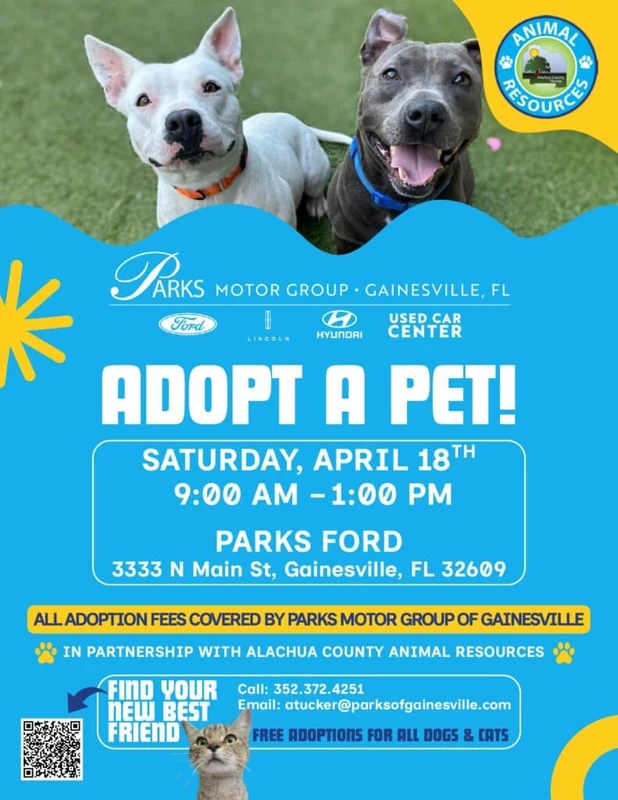
Beyond adoption, community members can participate in fundraising and volunteer initiatives linked to adoption events. BARCS Baltimore’s Tattoos for Rescues fundraiser, for instance, combines art and animal advocacy by donating proceeds from tattoo sessions to shelter care. Similarly, YogaSix’s Puppy Yoga events create interactive experiences that raise awareness and funds while introducing potential adopters to shelter dogs.
Local fundraisers like the Magic Mirror Tattoo event in Maryland and the Muddy Paws Block Party provide platforms for social engagement, education, and financial support for rescue groups. These events often feature food vendors, live music, pet vendors, and adoption information booths, attracting diverse audiences.
Volunteering opportunities at shelters and adoption events range from animal care and socialization to event logistics and community outreach. Humane societies and animal control agencies frequently seek volunteers to support mobile adoption units, assist with application processing, and provide post-adoption follow-up.
FAQ
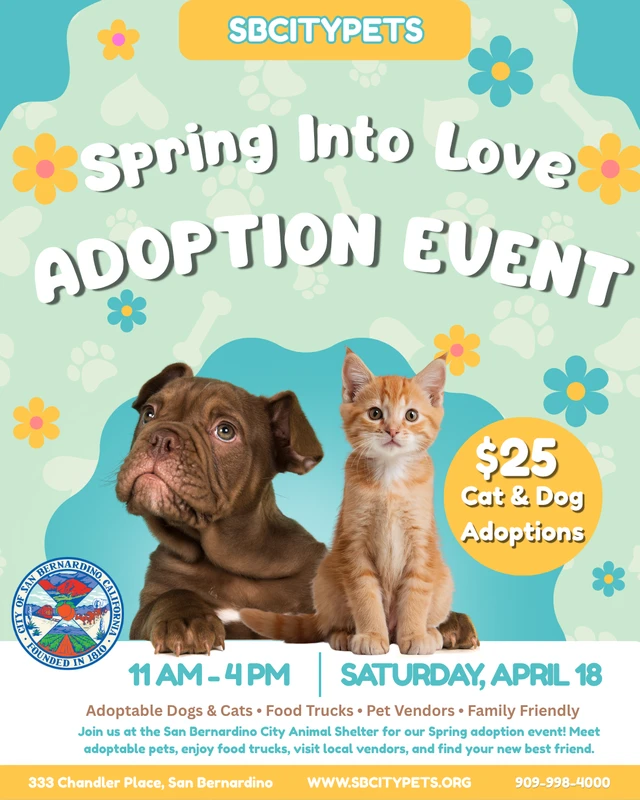
How can I find pet adoption events near me in 2026?
To find local pet adoption events, visit official websites such as PetSmart Charities for National Adoption Week details, check regional shelters like Animal Care Centers of NYC for event calendars, and follow social media pages of local humane societies and rescue organizations for mobile or pop-up adoption announcements.
What are the typical adoption fees and requirements at these events?
Adoption fees usually cover spay/neuter, vaccinations, and microchipping, typically ranging from $75 to $200. Requirements include completing an adoption application, meeting the pet in person, and agreeing to responsible pet ownership terms. Some events require a reservation fee or donation to participate.
Are there mobile or pop-up adoption events available in 2026?
Yes, many rescue groups and shelters organize mobile adoption units and pop-up events in public spaces like malls, parks, and community festivals to increase adoption accessibility and visibility.
Can I attend adoption events if I am a first-time pet owner?
Absolutely. Adoption events welcome first-time adopters and often provide staff assistance to guide you through the application process, pet selection, and post-adoption care.
What additional ways can I support local shelters besides adopting?
You can support shelters by participating in fundraising events, volunteering for animal care or event support, donating supplies, and promoting adoption campaigns on social media to increase awareness.
Local pet adoption events in 2026 provide multifaceted opportunities to engage with adoptable animals, support shelters, and contribute to community welfare. By utilizing official event calendars, understanding adoption requirements, and exploring fundraising and volunteer initiatives, prospective adopters and animal lovers can make informed decisions and meaningful contributions. The continued growth of mobile adoption and collaborative campaigns enhances accessibility, ensuring more pets find loving, permanent homes throughout the year.

Raw Pet Diet Risks: Microbial Dangers & Health Impact Explained
PawVerde.com – Raw pet food diets, especially those centered on uncooked meats, have surged in popularity among pet owners seeking to emulate ancestral feeding patterns and provide “natural” nutrition. However, multiple studies—including FDA analyses of commercial raw pet foods—have revealed significant microbial contamination, including Salmonella in approximately 7.6% of samples (15 out of 196) and Listeria monocytogenes in 16.3% (32 out of 196). Beyond bacterial hazards, raw diets have been linked to transmission of antibiotic-resistant bacteria such as Escherichia coli, posing risks to both pets and humans. Veterinarians and public health authorities, including the American Veterinary Medical Association (AVMA) and the Centers for Disease Control and Prevention (CDC), caution against raw feeding due to these documented dangers and highlight nutritional imbalances that may result from improper formulation.
The growing body of evidence underscores a critical need for pet owners to understand the health and safety risks associated with raw pet diets, as well as recommended guidelines for minimizing those risks.
Microbial Contamination Risks in Raw Pet Food
Raw pet foods frequently harbor zoonotic pathogens that can cause significant illness in pets and humans. Key bacterial contaminants identified include Salmonella, Listeria monocytogenes, Campylobacter, and Yersinia species. Salmonella, a leading cause of foodborne illness, was detected in multiple commercial raw pet food brands in FDA testing, confirming these products as reservoirs for this pathogen. Listeria monocytogenes, capable of causing severe neurological disease, was found at even higher rates in raw pet foods, raising concerns about its potential impact on immunocompromised pets and owners.
Viral contamination also poses threats. Several cases of domestic cats contracting H5N1 avian influenza have been epidemiologically linked to feeding raw poultry products. These infections underscore the risk of viral zoonoses transmitted through raw diet components.
Parasitic contamination, though less frequently reported, remains a concern due to the presence of protozoal and helminthic DNA in raw meat products. These parasites can survive inadequate freezing or processing, facilitating zoonotic transmission to humans.
Antibiotic-resistant bacteria represent an emerging public health challenge. Studies from Cornell University and Tufts University have demonstrated that raw pet food can harbor multidrug-resistant Escherichia coli strains. These bacteria have the potential to transfer resistance genes to human pathogens, complicating infection treatment.
Nutritional and Health Risks for Pets on Raw Diets
In addition to microbial risks, raw pet diets frequently present nutritional challenges that can lead to malnutrition or health complications. Improper calcium-to-phosphorus ratios stemming from unbalanced raw meat and bone content have been documented in multiple cases, resulting in skeletal abnormalities, particularly in growing puppies and kittens.
Raw bones pose physical risks including dental fractures, gastrointestinal obstruction, or perforation. Veterinary reports have highlighted incidents of severe oral injuries and intestinal blockages linked to ingestion of raw bones.
Achieving complete and balanced nutrition with raw diets requires meticulous formulation guided by veterinary nutritionists. Without such expertise, pets are at risk for deficiencies in essential vitamins and minerals such as vitamin D, taurine, and zinc, which can manifest clinically as cardiomyopathy, immune dysfunction, or dermatological problems.
Veterinarians caution that clinical signs of dietary imbalance—such as lethargy, poor coat condition, and gastrointestinal distress—may not be immediately apparent but can develop over time with raw feeding.
Public Health Risks and Human Exposure
Raw pet food diets create multiple avenues for zoonotic transmission of pathogens to humans. Handling of raw meat products during feeding, contact with contaminated pet bowls, and exposure to pet saliva through licking are key transmission pathways.
Children, the elderly, pregnant women, and immunocompromised individuals represent especially vulnerable groups to infections originating from raw pet food handling. Documented outbreaks of Salmonella and Listeria linked to raw pet foods have resulted in human illnesses requiring hospitalization.
The CDC emphasizes that pets fed raw diets can shed pathogenic bacteria in their feces and saliva, creating environmental contamination risks within homes. This contamination can extend to surfaces, increasing infection risk for household members.
These public health concerns have led to multiple recalls of raw pet food products due to contamination with multidrug-resistant bacteria and foodborne pathogens.
Regulatory and Veterinary Recommendations
The FDA has issued explicit warnings against feeding raw meat-based diets due to the documented risks, supported by extensive pathogen testing in commercial products. The agency has overseen recalls for brands such as Darwin natural pet products and Answers Pet Food following detection of Salmonella and Listeria.
The CDC advocates against raw diets for pets, highlighting the lack of evidence for health benefits that outweigh microbial risks. The American Veterinary Medical Association (AVMA) and American Animal Hospital Association (AAHA) both recommend avoiding raw meat feeding, citing risks to pets and humans.
Veterinary associations urge pet owners who choose raw diets to implement strict hygiene practices, including thorough handwashing, disinfecting feeding areas, and avoiding cross-contamination with human food preparation surfaces.
Risk Mitigation Strategies for Raw Feeding Enthusiasts
For pet owners committed to raw feeding, risk reduction involves rigorous sanitation, safe storage, and expert nutritional guidance. Refrigeration or freezing of raw products at appropriate temperatures can inhibit pathogen proliferation. Safe thawing practices and separation of raw pet foods from human foods are critical.
Consulting veterinary nutritionists ensures balanced formulations, mitigating risks of nutritional deficiencies or excesses. Incorporating commercially prepared raw diets that undergo pathogen testing can further reduce microbial risks.
Alternatives such as commercially cooked diets or freeze-dried raw formulations provide some benefits of natural ingredients with lower contamination hazards.
Balancing Risks and Owner Preferences in Raw Pet Diets

While natural raw diets appeal to owners seeking holistic pet nutrition, the cumulative evidence highlights significant health and safety concerns. Microbial contamination, antibiotic resistance transmission, nutritional imbalances, and zoonotic infection risks collectively challenge the safety of raw feeding without strict controls.
Veterinary and public health authorities emphasize the importance of informed decision-making supported by evidence-based guidance. Pet owners should weigh potential benefits against documented risks and engage veterinary professionals in developing safe, nutritionally adequate feeding plans.
Continued research and improved regulatory oversight remain essential to advancing pet food safety and protecting public health.
FAQ

What are the main microbial risks associated with raw pet food?
Raw pet food commonly contains bacterial pathogens such as Salmonella, Listeria monocytogenes, Campylobacter, and antibiotic-resistant Escherichia coli. Viral infections like H5N1 avian influenza and parasitic contamination have also been identified. These microbes pose illness risks to pets and humans.
Can feeding raw diets cause nutritional deficiencies in pets?
Yes. Improperly balanced raw diets often lack essential nutrients like calcium, phosphorus, vitamin D, and taurine. This can lead to skeletal problems, cardiomyopathy, and immune dysfunction if diets are not formulated with veterinary nutritional expertise.
How can raw pet food pose risks to human health?
Handling raw pet food and contact with contaminated surfaces or pet saliva can transmit pathogens to humans. Vulnerable populations such as children and immunocompromised individuals are at increased risk of infections like Salmonella and Listeria.
What do veterinary organizations recommend regarding raw diets?
Organizations including the AVMA and AAHA recommend against feeding raw meat diets due to microbial contamination risks and nutritional concerns. They advocate for safer alternatives and strict hygiene if raw feeding is chosen.
Are there ways to safely feed raw diets to pets?
Risk mitigation involves proper storage and handling, thorough sanitation, consulting veterinary nutritionists for balanced formulations, and selecting pathogen-tested commercial raw products. However, risks cannot be entirely eliminated.
—
Pet owners exploring natural feeding options must consider the substantial microbial hazards and nutritional challenges inherent in raw diets. Engagement with veterinary professionals and adherence to rigorous safety protocols are crucial to safeguarding both pet and human health in this evolving area of pet nutrition.

How to Read Pet Supplement Labels for Safe, Effective Choices
PawVerde.com – Pet owners increasingly turn to supplements to enhance their pets’ health, but the complexity of pet supplement labels demands careful scrutiny to ensure safety, efficacy, and regulatory compliance. Evaluating these labels requires understanding legal requirements, ingredient transparency, third-party certifications, and the risks of artificial additives or unsubstantiated claims. This article dissects critical elements of pet supplement labels, offering pet owners and veterinarians a detailed framework for informed selection grounded in current regulatory frameworks and nutritional science.
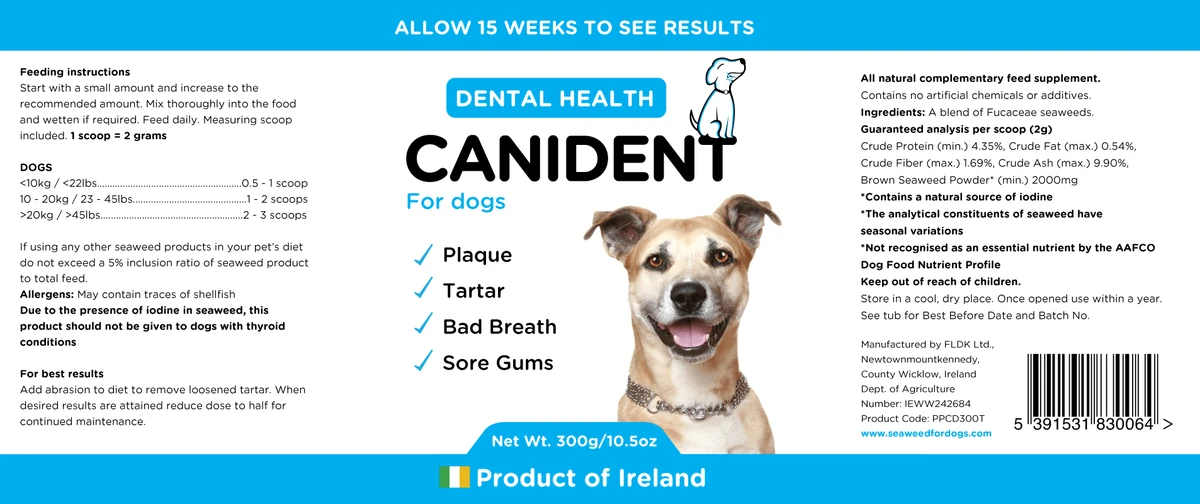
Pet supplement labels must provide clear ingredient listings in descending order by weight, net product weight, and manufacturer contact information, reflecting FDA and AAFCO regulations. These labels cannot legally claim to treat, cure, or prevent diseases without FDA drug approval, a restriction that protects consumers from misleading marketing. Instead, labels should focus on guaranteed analysis and nutrient content, aligned with NASC’s voluntary certification standards, which enhance credibility through third-party testing. Understanding these legal boundaries is essential for pet owners seeking safe, effective supplements.
Legal and Regulatory Labeling Requirements for Pet Supplements
The FDA regulates pet supplements under the broader category of animal dietary supplements, with labeling standards designed to ensure transparency and consumer protection. Ingredient lists must use approved common or usual names and present components in descending order by weight, facilitating assessment of a product’s primary constituents. Net weight declarations enable dosage accuracy, while manufacturer or distributor contact information is mandatory for consumer inquiries and traceability.
Unlike drugs, pet supplements are prohibited from making claims to treat or prevent diseases. Any such claims require the product to undergo FDA drug approval, a rigorous process that most supplements do not meet. Instead, disclaimers acknowledging the product’s status as a supplement rather than a medication are required. The Association of American Feed Control Officials (AAFCO) also provides guidance on labeling to promote consistency across states, although enforcement varies regionally.
Key Label Components to Evaluate
Pet owners should scrutinize the ingredient list for transparency and bioavailability. Ingredients listed by their common names, such as “glucosamine hydrochloride” or “fish oil (source of omega-3 fatty acids),” provide clarity on what the product contains and its potential nutritional value. Proprietary blends, which aggregate ingredients without specifying individual amounts, obscure dosage information and complicate safety assessments.
Guaranteed Analysis sections reveal minimum or maximum nutrient levels, such as crude protein, fat, fiber, and moisture, alongside specific vitamins and minerals. This data helps gauge whether a supplement can meet a pet’s dietary requirements. Feeding directions and dosage instructions must be precise and tailored to pet size and health status to avoid under- or overdosing, which can cause adverse effects.
Third-party testing certifications from organizations such as the National Animal Supplement Council (NASC), ConsumerLab, or NSF International provide an added layer of quality assurance. NASC-certified products undergo audits focusing on manufacturing practices, ingredient verification, and label accuracy. ConsumerLab and NSF test for purity, potency, and contaminants, offering independent validation that manufacturers’ claims are credible.
Ingredients to Seek in Pet Supplements
Functional ingredients with scientifically substantiated benefits should be prioritized. Glucosamine and chondroitin are widely recognized for joint health, supporting cartilage repair and reducing inflammation in conditions like osteoarthritis. Omega-3 fatty acids from fish oil play a crucial role in cardiovascular, cognitive, and skin health, with EPA and DHA being particularly bioavailable forms.
Trace minerals such as zinc and selenium, along with antioxidant vitamins like vitamin E, contribute to immune function and cellular protection. Whole food ingredients, including fruits, vegetables, and whole grains, provide additional fiber, phytonutrients, and natural antioxidants, enhancing overall nutrition and palatability.
Conversely, pet owners should avoid supplements containing artificial colors, flavors, preservatives, or harmful sweeteners like xylitol, which is toxic to dogs. Non-GRAS (Generally Recognized As Safe) substances or unspecified proprietary blends pose risks due to unknown ingredient quality and dosage, potentially leading to adverse reactions or ineffective supplementation.
Common Labeling Pitfalls and How to Avoid Them
Vague ingredient names such as “meat meal” or “animal digest” lack specificity about source and quality, making it difficult to assess nutritional value or allergen risks. Labels that feature unsubstantiated health claims like “heals gut inflammation” or “cures arthritis” without scientific backing and FDA approval are misleading and illegal.
Missing mandatory fields, including net weight or manufacturer contact information, undermine transparency and consumer confidence. Proprietary blends that do not disclose ingredient quantities prevent accurate risk-benefit evaluations, especially when multiple active components interact.
Poor label design, such as small fonts, cluttered layouts, or inconsistent terminology, hinders readability and may conceal important information. Pet owners should seek products with clear, legible labels that facilitate informed decision-making.
Role of Veterinarians in Supplement Selection
Veterinary professionals play a critical role in guiding supplement choices tailored to individual pet needs. They evaluate the pet’s health status, existing diet, and potential interactions with medications before recommending supplements. Therapeutic diets and veterinary-prescribed supplements often have more stringent formulations and controlled dosages, ensuring both safety and efficacy.
Veterinarians also help interpret complex label information, identifying credible products and warning against harmful additives or exaggerated claims. Their recommendations are grounded in clinical evidence, regulatory compliance, and nutritional science, reducing trial-and-error risks for pet owners.
Third-Party Testing and Quality Assurance
Independent laboratory testing verifies that pet supplements meet label claims for ingredient identity, potency, and purity. Such testing detects contaminants like heavy metals, pesticides, or microbial pathogens that compromise safety. Certifications from NASC, ConsumerLab, and NSF International signify adherence to Good Manufacturing Practices (GMP), ingredient traceability, and batch consistency.
Labels displaying third-party seals allow pet owners to distinguish reputable products in a crowded marketplace. Transparency about testing protocols and results further builds consumer trust, supporting both regulatory compliance and ethical marketing.
| Certification Body | Focus Area | Key Benefits for Pet Owners |
|---|---|---|
| NASC | Manufacturing audits, ingredient verification, label accuracy | Ensures product quality and regulatory compliance |
| ConsumerLab | Independent ingredient testing, potency, contaminants | Confirms purity and actual ingredient content |
| NSF International | GMP certification, ingredient safety, contaminant screening | Guarantees manufacturing standards and product safety |
Forward-Looking Insights on Pet Supplement Labeling
As pet nutrition science advances and consumer demand grows for transparency, regulatory agencies and industry groups are expected to tighten labeling standards. Emerging frameworks may mandate digital traceability, ingredient source disclosures, and more rigorous claims substantiation. Integration of blockchain technology for supply chain verification is under exploration, promising enhanced trust and accountability.
Artificial intelligence tools are increasingly used to scan and verify label compliance, helping retailers and consumers identify high-quality products rapidly. Pet owners should stay informed about evolving regulations, emerging ingredient research, and veterinary recommendations to adapt supplementation practices accordingly.
FAQ
What are the most important elements to check on a pet supplement label?
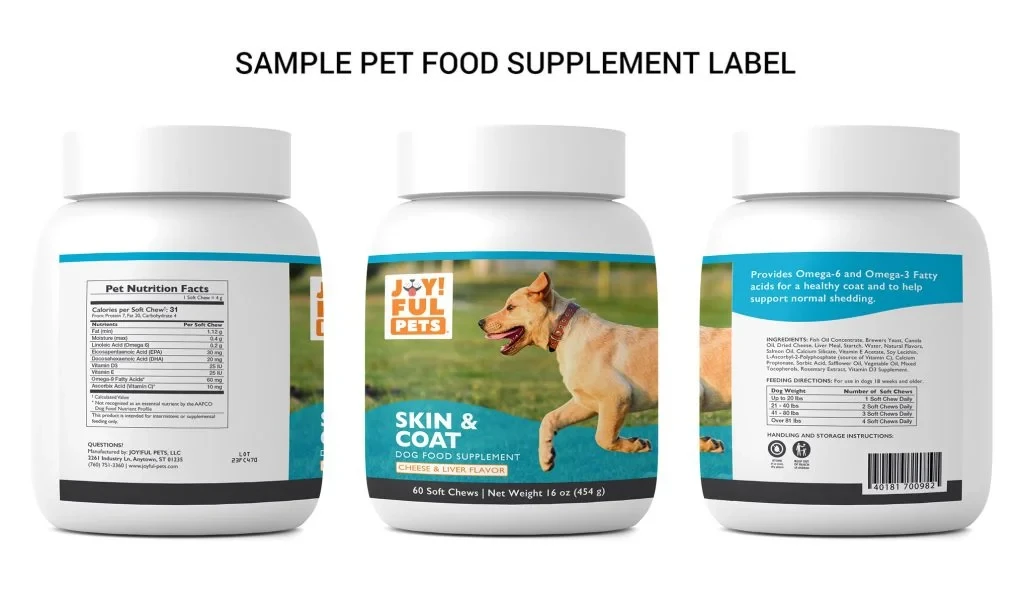
Look for a complete and transparent ingredient list in descending order by weight, net product weight, manufacturer contact information, feeding directions with dosage instructions, third-party testing certifications such as NASC, and avoid unapproved disease treatment claims.
Can pet supplements legally claim to cure or prevent diseases?
No. Supplements cannot make claims to treat, cure, or prevent diseases without FDA approval as drugs. Such claims are illegal and indicate a product is misbranded.
Why is third-party testing important for pet supplements?
Third-party testing by independent organizations verifies ingredient identity, potency, and purity, ensuring the product matches label claims and is free from harmful contaminants, thereby enhancing safety and efficacy.
What ingredients should pet owners avoid in supplements?
Avoid artificial additives such as colors, flavors, preservatives, harmful sweeteners like xylitol, non-GRAS substances, and unspecified proprietary blends that obscure ingredient doses and quality.
How can veterinarians assist in choosing pet supplements?
Veterinarians assess the pet’s health, diet, and medications to recommend appropriate supplements, interpret label information, and prevent adverse interactions, ensuring safe and effective supplementation tailored to the pet’s needs.
—
Pet supplement labels convey critical information that can safeguard pets from ineffective or unsafe products. By understanding regulatory requirements, ingredient transparency, third-party certifications, and the risks of artificial additives, pet owners can make confident, informed choices. Partnering with veterinarians further elevates supplement safety and efficacy, supporting optimal pet health outcomes in an increasingly complex market.

Common Allergens in Dog Food Trigger Immune Responses
PawVerde.com – Food allergies in dogs represent a complex immune response triggered by certain dietary proteins, most commonly beef, chicken, dairy, wheat, and lamb. These allergens stimulate hypersensitivity reactions that manifest as skin inflammation, itching, redness, and gastrointestinal distress such as vomiting and diarrhea. Unlike food intolerances, which involve non-immune mechanisms, true food allergies engage the dog’s immune system, producing allergen-specific IgE antibodies. Accurate diagnosis relies heavily on elimination diets combined with veterinary allergy testing, as many commercial diets contain unlabeled allergens that complicate identification. Managing these allergies through carefully controlled diets, often using single-protein or limited-ingredient formulations like Blue Basics™ or Spot & Tango, is the current best practice supported by veterinary dermatology and nutrition experts.
Immune Mechanism and Definition of Food Allergies in Dogs
Food allergies in dogs arise from an abnormal immune system reaction to specific proteins in the diet. When the immune system mistakenly identifies certain proteins as harmful substances, it produces allergen-specific IgE antibodies that sensitize mast cells and basophils. Upon re-exposure, these cells release histamines and inflammatory mediators, leading to clinical symptoms. This type I hypersensitivity reaction primarily involves proteins rather than carbohydrates or other food components. It is essential to differentiate food allergies from food intolerances, which do not involve immune pathways but rather enzyme deficiencies or pharmacologic effects. Veterinary dermatology clinics emphasize this distinction because treatment strategies differ markedly; allergies require immune modulation and strict avoidance, while intolerances may be managed with digestive aids or ingredient moderation.
Prevalence and Primary Allergens in Canine Diets
Multiple studies and clinical surveys identify beef as the leading cause of food allergies in dogs, accounting for approximately 34% of cases. Dairy products follow with about 17%, then chicken at 15%, wheat at 13%, and lamb at 5%. Eggs and soy represent less frequent allergens but remain notable, especially in certain geographical regions where dietary staples differ. The predominance of protein allergens over grains is well-documented; gluten intolerance in dogs is rare compared to humans. Variability in allergen prevalence can reflect regional feeding practices, genetic predisposition, and environmental exposure. Veterinary nutritionists highlight that cross-contamination during pet food manufacturing is a significant concern, as trace amounts of undeclared allergens may trigger hypersensitivity in highly reactive dogs.
Clinical Manifestations: Recognizing Food Allergy Symptoms in Dogs
Food allergies typically present with dermatologic and gastrointestinal symptoms. Skin manifestations include intense pruritus (itching), erythema (redness), papules, and sometimes swelling or hives. These signs often localize to the face, ears, paws, and ventral abdomen. Chronic scratching and licking can lead to secondary infections and thickened skin. Gastrointestinal signs encompass vomiting, diarrhea, flatulence, and sometimes weight loss due to malabsorption. Less commonly observed symptoms include behavioral changes such as irritability or lethargy, which may reflect systemic discomfort or nutrient deficiencies. Differentiating these symptoms from other causes of skin and digestive issues requires thorough clinical evaluation, as overlapping signs occur in parasitic infestations, bacterial infections, and environmental allergies.
Diagnostic Approaches: Elimination Diets and Veterinary Testing
Elimination diets remain the gold standard for diagnosing food allergies in dogs. This process involves feeding a novel or hydrolyzed protein diet, free from suspected allergens, for a trial period typically lasting 8 to 12 weeks. Improvement or resolution of symptoms during this phase strongly suggests food allergy, while reintroduction of the original diet or individual ingredients can confirm specific triggers. However, over-the-counter commercial diets often contain multiple protein sources and potential cross-contaminants, complicating diagnosis. Veterinary dermatologists recommend prescription limited-ingredient diets or home-prepared meals with strict ingredient control for this purpose.
Allergy testing, including serologic assays measuring allergen-specific IgE, has limited sensitivity and specificity compared to elimination diets but may assist in guiding dietary choices. Provocation or challenge tests under veterinary supervision provide further confirmation but carry risks of symptom exacerbation. Advances in diagnostic markers, such as epitope mapping and component-resolved diagnostics, are emerging but require further validation before routine clinical use.
Dietary Management: Limited-Ingredient and Hypoallergenic Dog Foods
Managing food allergies focuses on lifelong avoidance of identified allergens through specialized diets. Limited-ingredient diets containing a single protein source reduce the risk of inadvertent allergen exposure and simplify monitoring. Hydrolyzed protein diets, where proteins are enzymatically broken down to reduce immunogenicity, offer alternatives for dogs with multiple allergies or unclear triggers.
Commercial brands like Blue Basics™ and Spot & Tango have developed hypoallergenic formulations using novel proteins such as venison, rabbit, or fish, combined with minimal additives and fillers. These diets exclude common allergens and artificial preservatives to minimize immune stimulation. Veterinary nutritionists also underscore the importance of complete and balanced nutrition in these diets to prevent deficiencies. Owners are advised to avoid treats, supplements, and table scraps containing allergens, as even small exposures can prompt reactions.
Challenges in Allergen Identification and Pet Food Manufacturing
Cross-contamination during pet food production remains a persistent issue, with studies showing undeclared proteins in some commercial foods. Shared equipment and ingredient sourcing variability contribute to this problem. Regulatory oversight varies by country, and labeling standards do not always require detailed disclosure of trace ingredients. This lack of transparency complicates allergy management and increases the risk of relapse.
Additionally, some dogs exhibit cross-reactivity, where antibodies to one protein recognize similar epitopes in unrelated proteins, broadening allergen profiles. This phenomenon complicates dietary selection and necessitates careful veterinary evaluation. Manufacturers face challenges balancing ingredient variety, palatability, and allergen avoidance, highlighting the need for continued innovation in hypoallergenic pet food formulations.
Emerging Research on Allergenic Proteins and Diagnostic Innovations
Recent studies focus on identifying allergenic epitopes within canine food proteins to improve diagnostic precision. Proteomic analyses reveal specific peptide sequences responsible for immune activation, enabling development of targeted assays and personalized diets. Research also explores the microbiome’s role in modulating immune responses to dietary antigens, offering potential therapeutic avenues.
Novel diagnostic techniques such as basophil activation tests and cytokine profiling aim to differentiate food allergies from other hypersensitivities more accurately. However, research remains in early stages, with clinical application pending further validation. Understanding cross-sensitization mechanisms and the genetic basis of food allergies could enhance prevention and management strategies in the future.
Practical Recommendations for Owners and Veterinarians
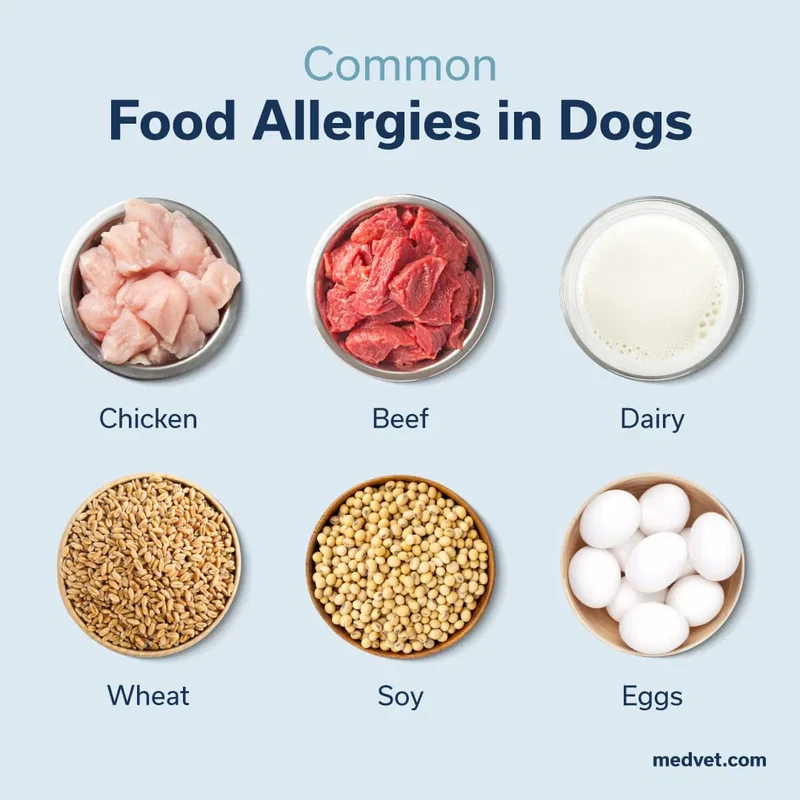
Pet owners suspecting food allergies should initiate a veterinary consultation promptly to rule out other causes and begin a structured elimination diet. Strict adherence to diet protocols, including avoidance of treats and supplements, is critical for diagnostic accuracy. Monitoring symptom progression through standardized scoring systems aids in evaluating response.
Veterinarians should guide diet selection based on patient history, regional allergen prevalence, and diagnostic results. Regular follow-up is essential to adjust management plans and address nutritional adequacy. In cases of multiple or severe allergies, referral to veterinary dermatology or nutrition specialists can optimize outcomes.
Owners must be educated about the chronic nature of food allergies and the importance of lifelong allergen avoidance. Collaboration between veterinary professionals and pet food manufacturers is vital to improve labeling transparency and develop safer hypoallergenic diets.
| Common Dog Food Allergens | Prevalence (%) | Typical Symptoms | Management Strategies |
|---|---|---|---|
| Beef | 34% | Itching, redness, vomiting, diarrhea | Elimination diet, single-protein hypoallergenic diets |
| Dairy | 17% | Skin inflammation, gastrointestinal upset | Hydrolyzed protein diets, avoiding dairy products |
| Chicken | 15% | Pruritus, hives, vomiting | Novel protein diets, limited-ingredient formulations |
| Wheat | 13% | Skin symptoms, occasional GI signs | Grain-free diets, vigilance for cross-contamination |
| Lamb | 5% | Itching, digestive disturbances | Alternative protein sources, elimination trials |
FAQ
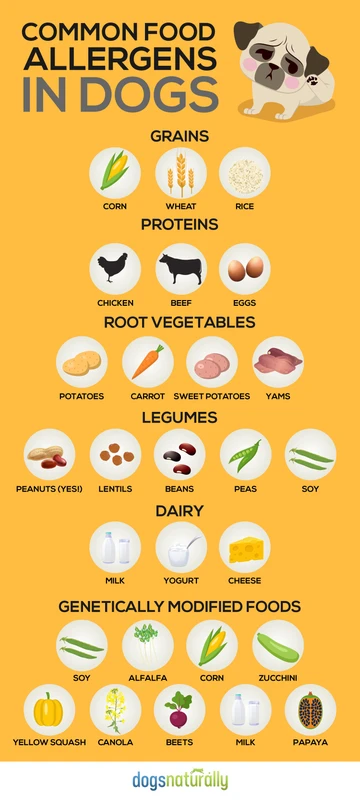
What proteins are most likely to cause food allergies in dogs?
Beef, dairy, chicken, wheat, and lamb are the most common protein allergens responsible for food allergies in dogs, with beef accounting for about one-third of cases.
How can I tell if my dog has a food allergy or intolerance?
Food allergies involve immune system reactions causing symptoms like itching and inflammation, whereas intolerances are non-immune adverse reactions such as digestive upset without skin involvement. Veterinary testing and elimination diets help differentiate the two.
Are grain allergies common in dogs?
Grain allergies, including wheat, are less common than protein allergies in dogs. True gluten intolerance is rare, and many dogs labeled as “grain allergic” are often reacting to protein components in those grains.
How is a food allergy diagnosed in dogs?
Diagnosis primarily involves an elimination diet trial using novel or hydrolyzed proteins for several weeks, followed by reintroduction of suspected allergens. Veterinary allergy testing may support but cannot replace this approach.
What are effective management strategies for dogs with food allergies?
Feeding limited-ingredient, single-protein, or hydrolyzed protein diets is the cornerstone of management. Avoiding treats and cross-contaminants, and working closely with veterinarians to monitor symptoms, are essential for long-term control.
Food allergies in dogs remain a significant veterinary challenge due to their complex immune mechanisms and the variability of allergens. Continued research into allergenic proteins and improved diagnostic tools promise enhanced accuracy and personalized dietary management. For now, elimination diets combined with hypoallergenic, limited-ingredient foods provide the most effective strategy to alleviate symptoms and improve quality of life for allergic dogs. Veterinary professionals play a critical role in guiding diagnosis and treatment, while pet food manufacturers must address labeling and cross-contamination issues to support allergy management efforts.

Best Joint Supplements for Older Cats: Expert-Backed Choices
PawVerde.com – Joint health is a critical concern for aging cats, with osteoarthritis affecting a significant proportion of senior felines. Research indicates that up to 90% of cats over 12 years of age exhibit some degree of joint degeneration, leading to pain, reduced mobility, and diminished quality of life. Given the progressive nature of cartilage deterioration and inflammation, early intervention through targeted supplementation has become a cornerstone in managing feline osteoarthritis. Joint supplements combining glucosamine, chondroitin, and omega-3 fatty acids are widely recognized for their roles in supporting cartilage repair and reducing inflammation. High-quality products such as Cosequin and Summit Animal Health’s liquid formulas, which carry the NASC (National Animal Supplement Council) seal, offer clinically supported options that meet veterinary standards.
Key Ingredients in Effective Joint Supplements for Older Cats
Glucosamine and chondroitin sulfate are foundational components in feline joint supplements, primarily due to their roles in cartilage synthesis and maintenance. Glucosamine serves as a precursor for glycosaminoglycans, which are essential building blocks of cartilage matrix. Its supplementation helps counteract the natural decline in glucosamine production associated with aging. Chondroitin sulfate complements this by contributing to cartilage elasticity and inhibiting enzymatic breakdown of cartilage tissue. Clinical studies involving cats with osteoarthritis have demonstrated that glucosamine and chondroitin support improved joint function and decreased cartilage degradation markers.
Omega-3 fatty acids, notably eicosapentaenoic acid (EPA) and docosahexaenoic acid (DHA), provide potent anti-inflammatory effects crucial for managing joint inflammation. EPA, derived from fish oil, modulates pro-inflammatory cytokines and reduces leukotriene synthesis, alleviating pain and swelling in affected joints. Emerging research also highlights the benefits of eicosatetraenoic acid (ETA), a less common omega-3 found in green-lipped mussel extracts, which exhibits superior anti-inflammatory properties and may further protect joint cartilage. The green-lipped mussel combines natural sources of glucosamine, chondroitin, EPA, and ETA, making it a multifaceted ingredient for feline joint health.
Supporting nutrients such as vitamin E, zinc, and manganese contribute antioxidant protection and enzymatic cofactors that aid tissue repair. Vitamin E neutralizes oxidative stress in joint tissues, while zinc and manganese participate in collagen synthesis and cartilage matrix stabilization. Methylsulfonylmethane (MSM) and hyaluronic acid are additional adjuncts that improve joint lubrication and reduce pain, although their efficacy in cats requires further clinical validation.
Quality and Safety Considerations in Cat Joint Supplements
The credibility of joint supplements hinges on quality assurance and ingredient transparency. The NASC seal is a critical indicator of manufacturing standards, ingredient accuracy, and safety compliance. Products like Nutramax Laboratories’ Cosequin and Summit Animal Health’s supplements consistently meet NASC criteria and have been subjected to clinical trials demonstrating efficacy in feline populations. Clinical trials, often conducted in collaboration with veterinary hospitals, provide empirical data on dosage, bioavailability, and therapeutic outcomes, distinguishing evidence-based supplements from unregulated alternatives.
Avoiding artificial additives, unnecessary fillers, and allergens is paramount, especially in cats prone to sensitivities. Reputable brands emphasize hypoallergenic formulations and use natural flavorings to enhance palatability without compromising safety. Veterinary professionals recommend consulting before initiating any supplement regimen to tailor choices based on individual cat health profiles, concurrent medications, and specific arthritis severity.
Supplement Forms and Administration Strategies for Picky Cats
The bioavailability of joint supplements depends significantly on their delivery form. Capsules and tablets, while common, can pose challenges for cats that resist oral administration. Powdered supplements are often designed to be sprinkled over wet food, improving acceptance and absorption. Liquid formulations, such as those offered by Summit Animal Health, allow for precise dosing and can be easily mixed with food or administered via syringe, enhancing compliance in finicky cats.
Soft chews combine palatability with convenience but may not be suitable for all cats, particularly those with dental issues. Dosage guidelines vary by product but generally align with weight-based veterinary recommendations, typically requiring daily administration over several weeks to months before noticeable improvements occur. Veterinary guidance ensures that dosage adjustments accommodate the cat’s age, weight, and overall health, minimizing risks of overdose or adverse reactions.
Role of Diet and Holistic Management in Feline Joint Health
Dietary management complements supplementation by providing essential nutrients that promote joint health and overall wellness. Prescription diets such as Hill’s Prescription Diet j/d contain elevated levels of omega-3 fatty acids and controlled calorie content to support weight management, a key factor in reducing joint load and inflammation. Incorporating omega-3-rich fish oil supplements further enhances anti-inflammatory effects.
Physical activity tailored to the cat’s capabilities facilitates joint mobility and muscle strength, mitigating the progression of arthritis. Veterinary monitoring is essential to adjust management plans, including assessing pain levels and mobility changes, to optimize therapeutic interventions and maintain quality of life.
Limitations and Realistic Expectations of Joint Supplements
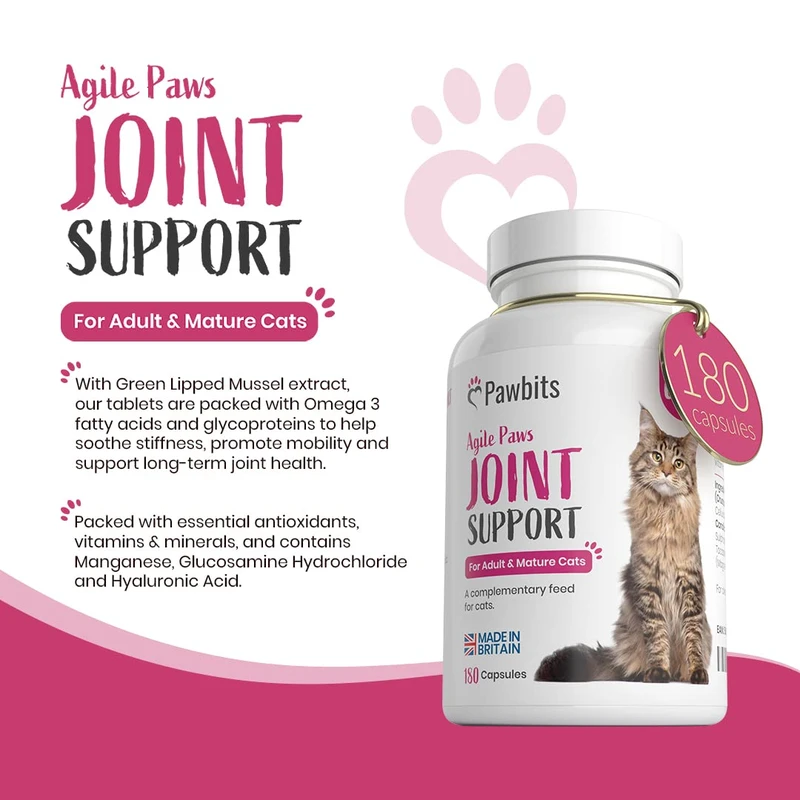
While joint supplements provide valuable support, their effects manifest gradually, often requiring several weeks to months of consistent use before improvements in mobility and pain reduction become evident. Supplements function as part of an integrated arthritis management plan that may include weight control, physical therapy, and, when necessary, pharmacological treatments prescribed by veterinarians.
It is important to recognize that supplements do not replace medications in cases of severe arthritis or acute flare-ups but serve as adjunctive therapies to enhance joint health and potentially delay disease progression. Continued research into novel ingredients like ETA and optimized delivery systems promises to improve future supplement efficacy.
Frequently Asked Questions
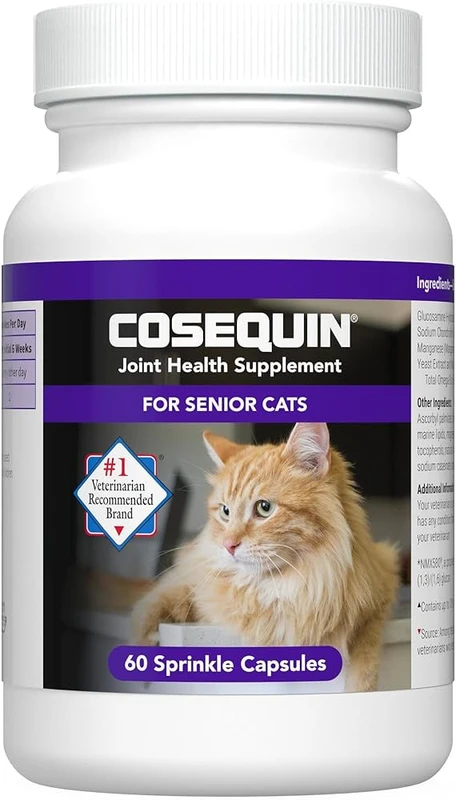
What is the best joint supplement for older cats?
The best joint supplement for older cats combines glucosamine, chondroitin, and omega-3 fatty acids, particularly EPA, to support cartilage repair and reduce inflammation. Products such as Cosequin sprinkle capsules and Summit Animal Health’s liquid formulas, which hold NASC certification and are backed by clinical research, are recommended alongside veterinary guidance.
How long does it take for joint supplements to work in cats?
Joint supplements typically require consistent administration for 6 to 12 weeks before noticeable improvements in joint comfort and mobility occur. This timeline varies based on the severity of arthritis, the cat’s metabolism, and supplement formulation.
Are natural ingredients like green-lipped mussel effective for cat joint health?
Yes, green-lipped mussel contains natural glucosamine, chondroitin, and unique omega-3 fatty acids such as ETA that provide anti-inflammatory benefits. Studies suggest it may enhance joint health and reduce inflammation, making it a valuable natural adjunct in feline joint supplements.
Can I give my cat human joint supplements?
Human joint supplements are not formulated for cats and may contain ingredients harmful to felines. Always use supplements specifically designed for cats and consult a veterinarian before introducing any new product.
What administration methods work best for picky cats?
Liquid supplements mixed with wet food, sprinkle powders, and soft chews flavored for cats are effective methods. Tailoring administration to the cat’s preferences improves compliance and ensures adequate dosing.
—
Advancements in supplement formulations and delivery methods are expanding options for managing osteoarthritis in senior cats. Continued collaboration between veterinary researchers and supplement manufacturers is essential to develop products with enhanced bioavailability and targeted therapeutic effects. For cat owners, integrating high-quality joint supplements with dietary management and veterinary oversight offers the most promising strategy to maintain mobility and comfort in aging feline companions.

Foster-to-Adopt Programs Boost Pet Adoption Success Rates
PawVerde.com – Foster-to-adopt programs have become pivotal in increasing permanent pet adoptions by enabling prospective caregivers to foster animals with medical or behavioral challenges while receiving comprehensive support from animal shelters. These initiatives not only address shelter overcrowding but also foster deep emotional bonds between animals and foster parents, often resulting in adoption. Data from organizations such as the ASPCA, Best Friends Animal Society, and Pedigree Foundation demonstrate that these programs improve outcomes for hard-to-place pets by combining medical care, behavioral training, and ongoing foster support.
Foster parents frequently transition to adoption due to the strong attachments formed during care, especially when managing pets with special needs. Shelters supply foster families with necessary resources including medical treatments, behavioral guidance, and supplies, alongside regular check-ins from veterinary and foster support teams. This collaborative model enhances the transition from shelter to home, particularly for senior animals or those requiring intensive care, thereby increasing successful adoption rates and reducing shelter stays.
Emotional Bonds and the Foster Fail Phenomenon
The term “foster fail,” paradoxically a positive outcome, describes foster parents who choose to adopt their foster pets after forming profound emotional connections. This phenomenon reflects the transformative impact fostering can have on both pets and caregivers. Foster parents often recount how consistent, personalized care during the trial period reveals the pet’s personality and compatibility, making adoption a natural progression.
For example, foster families within the Animal Humane Society report that nearly 40% of their foster placements culminate in adoption by the foster parent. This emotional bond is further reinforced in cases involving special needs pets, where foster caregivers witness firsthand the pet’s recovery and growth. Shelters emphasize training programs that prepare fosters for behavioral challenges, enhancing caregiver confidence and attachment. Foster fail cases underscore the dual benefit: pets gain permanent homes while fostering families experience fulfilling companionship.
Case Studies of Successful Foster Adoptions
Several documented foster-to-adopt success stories illustrate the efficacy of these programs:
These cases highlight how foster programs address medical and behavioral complexities, providing individualized care that enhances adoptability.
Shelter Support Systems and Foster Care Best Practices
Effective foster programs rely on comprehensive shelter support systems that provide medical care, supplies, and education tailored to foster needs. animal shelters such as Best Friends Animal Society emphasize structured foster training, covering topics like administering medications, recognizing behavioral cues, and managing emergency situations.
Regular check-ins from shelter veterinary professionals and foster support teams ensure continuity of care and address challenges promptly. Shelters supply foster families with necessary equipment including leashes, crates, and specialized diets, reducing financial burdens and increasing foster retention. Emergency support hotlines are often available to guide fosters through unexpected health or behavior issues, reinforcing caregiver confidence.
Behavioral training for foster pets is integral, with shelters collaborating with trainers to develop customized plans. This approach is particularly critical for pets with anxiety, aggression, or socialization deficits. Best practices also include detailed record-keeping of medical histories and behavior assessments shared between shelters and foster families, facilitating informed adoption decisions.
Collaborative Adoption Initiatives and Funding Impact
Regional networks such as the Pedigree Foundation’s foster recruitment campaigns and Grapevine Animal Services’ collaborative adoption initiatives have significantly improved foster placement efficiency. These networks enable resource sharing, joint events, and centralized foster databases, which streamline matching foster families with pets based on medical and behavioral needs.
Grants and funding play a crucial role in sustaining and expanding foster programs. For example, the Pedigree Foundation allocates funds specifically for behavior-focused foster programs that include training and enrichment activities. Such funding supports adoption campaign marketing, increasing public awareness and engagement.
Financial backing also facilitates shelter veterinary care, reducing the cost barriers for foster families handling pets with complex medical conditions. This funding ecosystem contributes to lowering shelter population stress levels and accelerates the path to permanent homes.
Broader Impacts of Fostering on Animal Welfare Communities

Beyond individual adoptions, fostering serves as a catalyst for community engagement in animal welfare. Foster programs encourage social connection among volunteers, creating networks that support knowledge sharing and emotional encouragement. The social benefits extend to foster families, who often report improved well-being and satisfaction through caregiving roles.
Community outreach through foster programs raises awareness about shelter animals’ needs, thereby attracting new volunteers and donors. Programs that incorporate educational workshops and foster training sessions help demystify pet care challenges, broadening the base of potential foster caregivers.
Increasing foster recruitment is essential for addressing shelter overpopulation and improving animal welfare outcomes. Shelters employing strategic foster outreach have noted measurable increases in adoption rates and reductions in euthanasia statistics, underscoring fostering’s systemic benefits.
FAQ
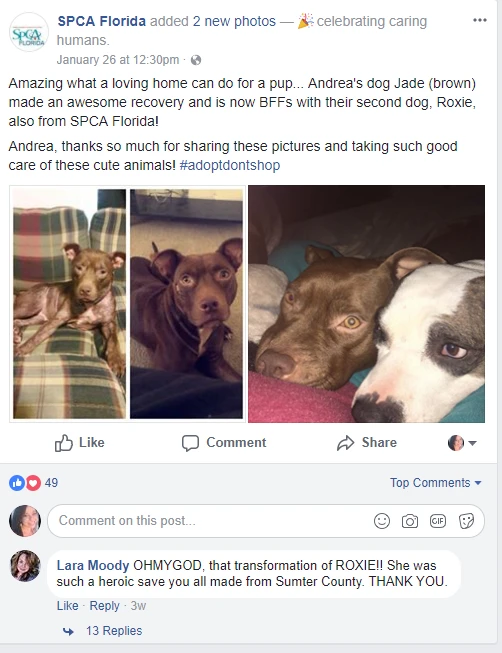
What is a foster-to-adopt program?
A foster-to-adopt program allows individuals to temporarily care for a shelter pet with the option to adopt after a trial period. These programs provide medical and behavioral support to foster families and help pets transition smoothly from shelter environments to permanent homes.
How do shelters support foster families?
Shelters offer foster families supplies, veterinary care, training on medical and behavioral needs, and regular check-ins. Emergency support and educational resources help foster caregivers manage pets’ challenges effectively.
What types of pets benefit most from foster care?
Senior pets, animals with medical conditions, behavioral challenges, or those requiring socialization benefit significantly from foster care, as they receive personalized attention not always possible in shelter settings.
Why do foster parents often adopt their foster pets?
Foster parents develop strong emotional bonds during caregiving, especially when witnessing a pet’s recovery or behavioral progress. This connection often motivates them to provide permanent homes for their foster animals.
How does funding impact foster programs?
Funding supports medical care, behavioral training, foster recruitment, and adoption campaigns. It reduces financial burdens on shelters and foster families, improving program sustainability and adoption success rates.
Foster-to-adopt programs represent a transformative approach in animal welfare, combining medical care, behavioral support, and emotional bonding to increase permanent adoptions. Their success relies on extensive shelter support systems, collaborative networks, and sustained funding. As these programs evolve, they continue to enhance the lives of shelter pets and foster families alike, offering scalable solutions to challenges faced by animal shelters globally.

Non-Toxic Materials for Pet-Friendly Home Design Explained
PawVerde.com – The foundation of a truly pet-friendly home lies in selecting materials that ensure safety, durability, and ease of maintenance while accommodating pets’ natural behaviors. Vinyl and hardwood flooring have emerged as leading choices due to their stain resistance and straightforward cleaning properties, significantly reducing the risks posed by fur buildup and accidents. Upholstery fabrics such as microfiber and leather combine durability with odor resistance, making them practical for homes with active pets. Additionally, furniture constructed from formaldehyde-free medium-density fiberboard (MDF) and solid wood frames, paired with low-VOC and pet-safe paint finishes, minimizes exposure to harmful chemicals. Incorporating non-toxic plants and avoiding common toxic species like lilies and sago palms contribute to a safer indoor environment. Innovative design features such as cat highways and dog washing stations further enhance pet comfort without compromising aesthetic appeal. Sustainable furniture brands that hold GREENGUARD Gold certification exemplify the integration of environmental responsibility with pet safety, setting new standards for future pet-friendly interiors.
Flooring Options Safe for Pets
Vinyl flooring stands out as a premier pet-safe flooring material because of its resistance to stains, scratches, and moisture. Its non-porous surface prevents absorption of pet urine and other stains, facilitating easy cleanup and reducing lingering odors. Recent developments in luxury vinyl plank (LVP) mimic hardwood aesthetics, offering pet owners a stylish yet practical alternative. Hardwood flooring, particularly finished with durable, low-VOC polyurethane coatings, provides a natural, scratch-resistant surface. However, it demands more maintenance to prevent moisture damage from accidents. Porcelain tile offers unparalleled durability and moisture resistance but may present slip hazards for pets unless treated with non-slip finishes.
Carpeting and rugs, while cozy, are generally discouraged in pet-friendly designs due to their propensity to trap fur, dander, and stains. These materials absorb odors and require frequent, intensive cleaning to maintain hygiene. Studies from veterinary behaviorists and interior designers alike emphasize the challenges carpets pose for homes with pets prone to accidents or shedding.
Upholstery and Fabric Choices for Pet Homes
Microfiber fabric is widely recognized for its pet-friendly properties. Its tight weave structure resists claw snags and inhibits fur adhesion, simplifying vacuuming and cleaning. Moreover, microfiber’s synthetic fibers tend to repel odors, an advantage for multi-pet households. Leather upholstery, especially full-grain and top-grain variants, offers natural stain and odor resistance. The smooth surface discourages fur accumulation and is easily wiped clean; however, it may be susceptible to scratches from claws and requires conditioning to prevent cracking.
Comparing synthetic and natural fibers reveals trade-offs: synthetic fibers like polyester blends offer enhanced durability and stain resistance, while natural fibers such as cotton and linen provide breathability but often lack resilience against wear and tear. Fabrics with loose weaves—linen, tweed, and boucle—are less suitable due to their tendency to snag on claws and accumulate dirt, accelerating fabric degradation.
Pet owners are encouraged to select upholstery with stain-resistant finishes and consider removable, washable covers to extend furniture lifespan. Advances in chemical treatments, however, necessitate scrutiny regarding PFAS and other stain guard chemicals, as some have been linked to adverse health effects in pets.
Furniture Construction and Chemical Safety
Formaldehyde-free MDF has gained prominence as a safer alternative to traditional composite wood products that release formaldehyde—a volatile organic compound harmful to both humans and pets. Solid wood frames, particularly those sourced sustainably, provide structural integrity without chemical emissions. Low-VOC paints and pet-safe finishes reduce indoor air pollution and are formulated to withstand cleaning with pet-safe detergents.
Pet owners should be cautious of stain guard chemicals and PFAS (per- and polyfluoroalkyl substances) commonly applied to fabrics for water and stain resistance. Emerging research highlights potential toxicity and bioaccumulation risks associated with PFAS, prompting experts to recommend verifying product certifications such as GREENGUARD Gold, which ensure adherence to strict chemical emission standards.
Non-Toxic Plants and Landscaping for Pets
Indoor and outdoor plant selection plays a crucial role in maintaining a pet-safe environment. Toxic plants like lilies, sago palms, oleander, azaleas, and philodendrons are well-documented by organizations such as the ASPCA for causing severe poisoning in cats and dogs. Conversely, pet-safe plants including spider plants, Boston ferns, and certain succulent varieties provide greenery without the risk.
Maintenance tips encourage avoiding pesticide and chemical fertilizers that can harm pets. For outdoor landscaping, using pet-safe materials like natural fibers and non-toxic mulches reduces ingestion hazards. Designing designated pet zones with durable, easy-to-clean surfaces such as pea gravel or artificial turf enhances safety and hygiene.
Special Features and Design Innovations for Pets
Incorporating pet-specific design elements improves both pet well-being and owner convenience. Cat highways—elevated walkways and wall-mounted shelves—capitalize on felines’ natural climbing instincts while conserving floor space. These structures constructed from scratch-resistant materials integrate seamlessly with interior aesthetics.
Dog washing stations, often installed in mudrooms or garages, provide practical solutions for managing hygiene. Featuring non-porous tiles, handheld sprayers, and ergonomic basins, these stations simplify grooming and reduce mess in living areas.
Additional innovations include pet-proof storage solutions, washable slipcovers, and built-in feeding stations designed with durable, easy-to-clean materials to maintain order and cleanliness.
Sustainable and Certified Pet-Friendly Furniture Brands
Sustainability intersects with pet safety in the growing market of certified furniture brands. GREENGUARD Gold certification, for instance, verifies low chemical emissions, ensuring healthier indoor air quality. Brands such as Sabai Sabai and Medley prioritize sustainability by using natural fibers, formaldehyde-free wood components, and pet-safe fabric treatments.
These companies frequently employ hypoallergenic materials and design with durability in mind, addressing both environmental impact and practical needs of pet owners. Transparency in sourcing and material disclosures fosters consumer trust amid increasing demand for eco-conscious pet-friendly products.
| Material Type | Pet Safety Features | Maintenance Considerations | Typical Certifications |
|---|---|---|---|
| Vinyl Flooring | Stain-resistant, moisture-proof, scratch-resistant | Easy to clean with mild detergents; avoid abrasive tools | GREENGUARD Gold |
| Hardwood Flooring | Durable, low-VOC finishes reduce chemical exposure | Requires sealing, prompt cleaning of spills | FSC Certified, GREENGUARD Gold |
| Microfiber Upholstery | Resists stains, odors, and fur adhesion | Vacuum regularly; spot clean with pet-safe products | OEKO-TEX Standard 100 |
| Leather Upholstery | Natural stain and odor resistance | Wipe clean; condition to prevent cracks | Leather Working Group Certified |
| Formaldehyde-Free MDF | Reduces toxic emissions | Use low-VOC paints; avoid moisture exposure | GREENGUARD Gold |
FAQ
What flooring materials are best for homes with pets?
Vinyl and hardwood flooring are optimal choices for pet-friendly homes due to their stain resistance, durability, and ease of cleaning. Avoid carpets and rugs, which trap fur and odors and require intensive maintenance.
Which upholstery fabrics are safest and most durable for pets?
Microfiber and leather fabrics offer superior stain resistance and durability. Synthetic fibers generally outperform natural fibers in terms of wear, but tightly woven natural fabrics can also be suitable if properly treated.
How can I ensure furniture is free from harmful chemicals for my pets?
Look for furniture made with formaldehyde-free MDF, solid wood frames, and low-VOC finishes. Certifications like GREENGUARD Gold indicate compliance with strict chemical emission standards. Always check product labels and inquire about stain guard chemical use.
Are there common houseplants I should avoid if I have pets?
Yes, toxic plants such as lilies, sago palms, oleander, and azaleas pose serious risks to pets. Opt for pet-safe plants like spider plants and Boston ferns to maintain a safe indoor environment.
What innovative design features can enhance a pet-friendly home?
Features such as cat highways, dog washing stations, and washable slipcovers improve pet comfort and owner convenience. Selecting durable, easy-to-clean materials ensures longevity and hygiene.
The future of pet-friendly home design will increasingly prioritize materials that balance safety, functionality, and sustainability. Advancements in non-toxic, durable surfaces and upholstery, alongside certification programs, provide consumers with transparent choices. Integrating pet-specific design innovations while avoiding toxic substances protects pets’ health and enhances their quality of life, offering a blueprint for harmonious cohabitation between humans and their animal companions.