

Benefits of Organic Pet Food for Dogs Explained Clearly
PawVerde.com – Organic pet food for dogs has steadily gained traction among pet owners seeking to enhance their pets’ health by eliminating exposure to synthetic pesticides, artificial additives, hormones, and antibiotics common in conventional pet foods. Certified organic dog food offers nutrient-dense formulations designed to improve immune function, reduce allergy risks, and support skin and coat health. This article examines the multifaceted benefits of organic dog food, regulatory standards ensuring quality, comparison with alternative diets, and practical guidance for pet owners considering organic nutrition for their dogs.
Organic certification ensures dog food ingredients are cultivated without synthetic pesticides, genetically modified organisms (GMOs), or chemical fertilizers, aligning with USDA organic standards. These regulations differentiate organic dog food from products labeled as “natural,” which may lack strict oversight on chemical use or ingredient sourcing. Additionally, organic pet foods must satisfy the Association of American Feed Control Officials (AAFCO) nutritional profiles to guarantee balanced diets meeting canine health requirements. This dual compliance ensures organic dog foods provide complete, safe, and nutrient-rich options for dogs.
Nutritional advantages of organic dog food stem from the absence of harmful synthetic chemicals and the inclusion of higher concentrations of antioxidants, vitamins, and essential fatty acids such as omega-3s. Research indicates organic ingredients often contain elevated levels of vitamin E, polyphenols, and carotenoids, which contribute to enhanced antioxidant protection and immune system support in dogs. Organic diets also typically promote better digestion through improved nutrient bioavailability and the inclusion of probiotics, which foster a healthy gut microbiome critical for immune resilience and nutrient absorption.
Dogs with food allergies or sensitivities frequently experience relief when transitioned to organic dog food. Eliminating common allergens like corn, soy, and gluten, which are prevalent in non-organic pet foods and often treated with chemical pesticides, reduces exposure to irritants that exacerbate skin conditions and digestive disturbances. Case studies from veterinary clinics have documented reductions in pruritus (itchiness), dermatitis, and gastrointestinal upset after switching to certified organic diets. Moreover, organic dog food’s holistic approach—combining nutrient-dense whole foods with the avoidance of artificial additives—supports healthier skin and shinier coats, particularly in allergy-prone breeds.
Organic dog treats represent a growing segment catering to dogs with sensitivities or owners seeking chemical-free snack options. Brands such as Grandma Lucy’s, Plato, and Castor & Pollux offer USDA-certified organic treats formulated with ingredients like organic oats, flaxseed, and free-range chicken. These treats exclude preservatives, artificial flavors, and synthetic dyes, reducing the risk of allergic reactions and digestive upset. Their nutrient profiles complement organic main meals by providing additional antioxidants, fiber, and essential fatty acids in controlled portions.
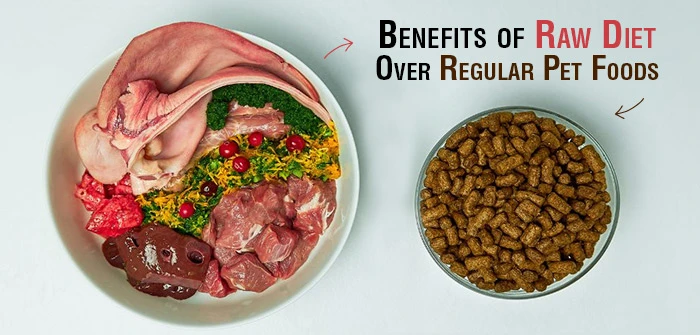
When comparing organic dog food to homemade, raw, and natural diets, several factors emerge regarding nutrient completeness, safety, and ease of feeding. Homemade diets allow customization but often lack balanced nutrient composition without veterinary guidance, risking deficiencies or excesses. Raw diets may improve palatability and preserve nutrient integrity but carry concerns about pathogen contamination and inconsistent ingredient quality. Natural dog food, while often free from artificial colors or flavors, does not guarantee pesticide-free or hormone-free sourcing. Organic dog food offers a regulated, nutritionally complete alternative that combines chemical-free ingredients with adherence to AAFCO standards, ensuring dog health and safety.
Sustainability and ethical farming practices underpin the production of organic pet food. Organic agriculture avoids synthetic agrochemicals, promotes soil health, and encourages biodiversity, resulting in lower environmental impact. animal welfare standards in organic farming require humane treatment, reducing the use of antibiotics and hormones. These practices align with growing consumer demand for environmentally responsible pet products and contribute to a holistic approach to pet health that encompasses ecological stewardship.
Transitioning a dog to organic food requires a gradual approach to avoid digestive upset. Veterinary guidance is essential to tailor the diet to individual health needs, monitor potential allergies, and ensure nutritional adequacy. Pet owners should select certified organic products with clear labeling, verifying USDA organic seals and AAFCO compliance. Monitoring the dog’s response, including energy levels, coat condition, and gastrointestinal health, informs necessary adjustments.
What Defines Organic Dog Food?
USDA Organic certification mandates that all agricultural ingredients in pet food must be grown without synthetic pesticides, herbicides, or genetically engineered organisms. organic dog food also prohibits the use of artificial preservatives, colors, and flavors, relying instead on natural preservation methods. The distinction between “organic” and “natural” dog food is critical: while natural pet foods avoid artificial ingredients, they may still contain conventionally farmed crops treated with chemicals. Organic certification ensures a higher standard of ingredient purity and environmental responsibility.
AAFCO nutrient profiles establish minimum and maximum nutrient levels necessary for balanced canine diets, covering protein, fat, vitamins, minerals, and essential fatty acids. Certified organic dog foods must meet these profiles to label their products as complete and balanced, ensuring dogs receive all essential nutrients. This regulatory framework provides assurance to pet owners that organic dog food is not only chemical-free but also nutritionally adequate.
Nutritional Benefits of Organic Dog Food
Organic dog food eliminates synthetic pesticides and antibiotics, substances linked to disruptions in canine gut microbiomes and potential antibiotic resistance. The absence of synthetic hormones prevents interference with natural endocrine functions, which can impact metabolism and immune responses. Organic ingredients tend to have higher concentrations of antioxidants such as vitamin E and beta-carotene, which protect cells from oxidative stress and support the immune system.
Omega-3 fatty acids, often derived from organic flaxseed or fish oils, are integral to organic diets, fostering anti-inflammatory effects and maintaining skin barrier integrity. Enhanced nutrient bioavailability in organic dog food improves digestion and nutrient absorption, which is critical for older dogs or those with compromised gastrointestinal function. Probiotics included in some organic formulations further promote gut health by balancing intestinal flora and enhancing immune defenses.
Health Improvements Linked to Organic Diets
Veterinary observations confirm that dogs consuming organic diets frequently exhibit fewer skin irritations, reduced allergy flare-ups, and improved digestion. Allergies in dogs commonly manifest as itching, redness, and recurrent ear infections. Organic diets’ exclusion of synthetic pesticides and artificial additives reduces the antigenic load on the immune system, decreasing hypersensitivity reactions.
Shinier coats and healthier skin result from the inclusion of essential fatty acids and antioxidants in organic dog food. Fatty acids support the synthesis of ceramides and other lipids vital to skin barrier function. Case reports highlight dogs with atopic dermatitis showing marked improvements after transitioning to organic diets, with decreased reliance on corticosteroids or antihistamines.
Dogs with food sensitivities benefit from organic dog food’s limited ingredient formulations, which avoid common allergens such as corn, soy, and gluten. By focusing on high-quality, minimally processed proteins and organic grains, these diets reduce the likelihood of adverse reactions and improve overall tolerance.
Organic Dog Treats: Quality and Allergy-Friendly Options
USDA organic dog treats from brands like Grandma Lucy’s, Plato, and Castor & Pollux use certified organic ingredients, ensuring treats are free from chemical residues, artificial preservatives, and synthetic flavors. Ingredients such as organic oats provide dietary fiber and help regulate digestion, while flaxseed delivers omega-3 fatty acids that support skin and coat health. Organic chicken offers a high-quality protein source with lower risk of contamination from hormones or antibiotics.
These treats serve as allergy-friendly supplements to organic diets, offering snacks that minimize the risk of triggering food sensitivities or gastrointestinal upset. They also align with holistic feeding principles by contributing to balanced nutrition and avoiding synthetic additives common in conventional treats.
Comparison with Other Diet Types
Homemade dog food allows pet owners to control ingredients and avoid processed additives; however, without veterinary nutritionist involvement, these diets risk nutrient imbalances and deficiencies. Raw diets emphasize unprocessed meat and vegetables but raise concerns over bacterial contamination and inconsistent nutrient profiles, which may jeopardize canine health.
Natural dog food avoids artificial colors and flavors but does not guarantee the exclusion of pesticides or GMOs. Organic dog food offers a unique benefit by combining chemical-free certification with nutritional completeness verified by AAFCO standards. This regulated framework contrasts with the varying quality and safety profiles of homemade, raw, or natural diets.
Nutrient bioavailability and microbiome impacts differ across diet types. Organic dog food’s emphasis on antioxidants, probiotics, and omega-3 fatty acids supports a balanced gut microbiome and robust immune function more consistently than homemade or raw diets lacking supplementation. Veterinary oversight is crucial when switching diets to prevent digestive disturbances and ensure nutritional adequacy.
Sustainability and Ethical Considerations
Organic pet food production employs farming methods that promote soil health, reduce chemical runoff, and enhance biodiversity. The avoidance of synthetic pesticides and fertilizers fosters ecosystems less prone to contamination and degradation. Organic animal husbandry upholds higher welfare standards, minimizing antibiotic and hormone use, which benefits animal health and reduces resistance risks.
Environmental benefits include lower greenhouse gas emissions and improved water conservation compared to conventional farming. These sustainability factors resonate with environmentally conscious consumers seeking pet food options aligned with broader ecological values.
Practical Guidance for Pet Owners
Transitioning dogs to organic diets should occur gradually over 7 to 10 days to prevent gastrointestinal upset, beginning with a small proportion of organic food mixed with the current diet and progressively increasing the ratio. Monitoring the dog’s stool quality, energy levels, and skin condition helps identify any adverse reactions or improvements.
Pet owners should prioritize products bearing USDA organic certification and verify compliance with AAFCO nutritional standards for complete and balanced diets. Reading ingredient labels carefully ensures avoidance of unwanted allergens or additives. Consulting with a veterinarian or veterinary nutritionist is essential, especially for dogs with preexisting health conditions or known food sensitivities, to customize dietary plans and monitor progress.
FAQ
What are the main benefits of feeding dogs organic pet food?
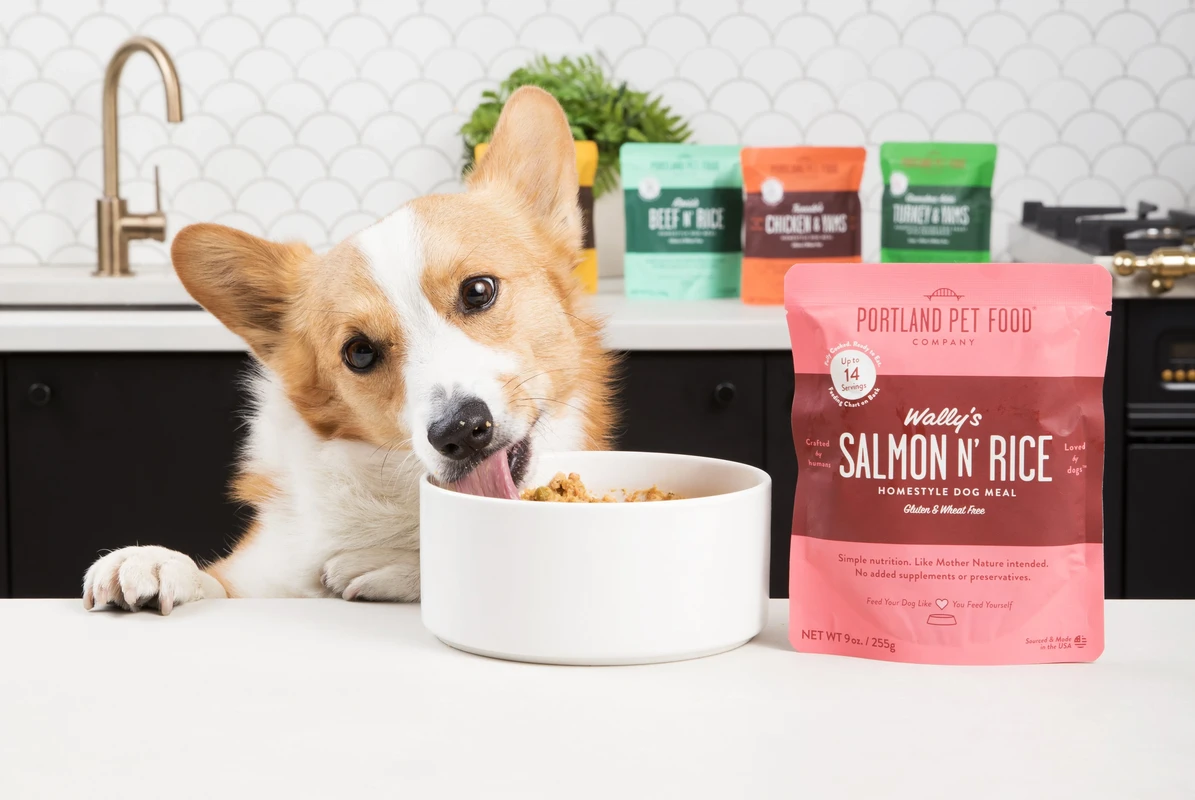
Organic pet food provides nutrient-rich ingredients free from synthetic pesticides, hormones, antibiotics, and artificial additives. This enhances immune function, supports skin and coat health, reduces allergy risks, and promotes overall well-being.
How does organic dog food help with allergies and food sensitivities?
By eliminating common allergens such as corn, soy, and gluten, and avoiding chemical residues, organic dog food reduces immune system irritants that trigger allergic reactions, leading to fewer skin irritations and digestive issues.
Is organic dog food nutritionally complete compared to homemade or raw diets?
Certified organic dog foods must meet AAFCO nutritional profiles, ensuring balanced nutrient levels. Homemade or raw diets may lack essential nutrients without veterinary guidance, making organic commercial foods a safer, regulated option.
Are organic dog treats better for dogs with sensitivities?
Yes, USDA-certified organic dog treats contain no synthetic preservatives or artificial flavors, using limited ingredients like organic oats and flaxseed, which are less likely to provoke allergies or digestive upset.
What should pet owners consider when switching to organic dog food?
Gradual diet transition is key to avoid digestive upset. Owners should choose certified products, read labels carefully, and consult veterinarians to tailor the diet to their dog’s specific health needs and monitor improvements.
—
Organic dog food represents a scientifically backed, regulated approach to canine nutrition that emphasizes health benefits through chemical-free, nutrient-rich ingredients. Its role in managing allergies, supporting skin and coat vitality, and enhancing immune function makes it a compelling choice for pet owners prioritizing holistic health. Sustainability and ethical farming further bolster its appeal, positioning organic dog food as a forward-thinking option in pet nutrition. Continued research and veterinary collaboration will refine best practices, ensuring optimal outcomes for dogs transitioning to organic diets.

How to Create Sustainable Outdoor Spaces for Pets Safely
PawVerde.com – Creating a sustainable outdoor space tailored for pets ensures their safety, comfort, and enjoyment while promoting environmental responsibility. This tutorial guides you step-by-step through designing, building, and maintaining pet-friendly yards using durable, eco-conscious materials and practices. By incorporating proper drainage, pest control, shade solutions, and behavioral zones, you can craft an outdoor retreat that supports your pet’s wellbeing year-round and minimizes ecological impact.
Starting with planning and material selection, this guide addresses water management, pest safety, and functional zoning to accommodate natural pet behaviors such as digging and elimination. It also explores innovative sustainable pet housing designs and seasonal maintenance strategies to preserve landscape health and pet comfort. Urban pet owners will find practical tips for maximizing limited outdoor spaces and advocating for community pet amenities.
1. Planning Your Sustainable Pet-Friendly Outdoor Space
Before beginning landscaping or construction, create a detailed plan that considers your pet’s behavior, safety, and comfort while emphasizing sustainability. This foundational step ensures efficient use of space and materials.
1.1. Map Sun and Shade Patterns
Identify areas of full sun, partial shade, and full shade throughout the day. Pets, especially dogs, require shaded zones to regulate body temperature, making shade planning essential. Use a sun path app or observe your yard over several days to map these areas.
1.2. Define Pet Pathways and Activity Zones
Observe how your pet naturally moves and plays. Mark frequent paths, elimination spots, and digging tendencies. Designing distinct play zones, elimination areas, and dig pits prevents damage to landscaping and promotes hygiene.
1.3. Consider Safety and Accessibility
Plan fencing and gates to secure the area, selecting materials that prevent escape and withstand pet activity. Ensure easy access to water, shelter, and shade. Avoid sharp-edged plants or toxic species in pet traffic zones.
2. Selecting Sustainable and Pet-Safe Materials
Choosing durable, environmentally friendly materials balances longevity, pet safety, and ecological impact. Prioritize non-toxic, low-maintenance options suited for high-traffic pet areas.
2.1. Durable Fencing and Boundary Materials
Use brick, concrete, or high-quality vinyl fencing to withstand energetic pets and resist weathering. These materials require minimal upkeep and provide secure boundaries. Avoid chain-link fencing if your pet is a climber or digger, opting instead for solid panels buried slightly underground to prevent escapes.
2.2. Artificial Turf for Digging Prevention and Soil Protection
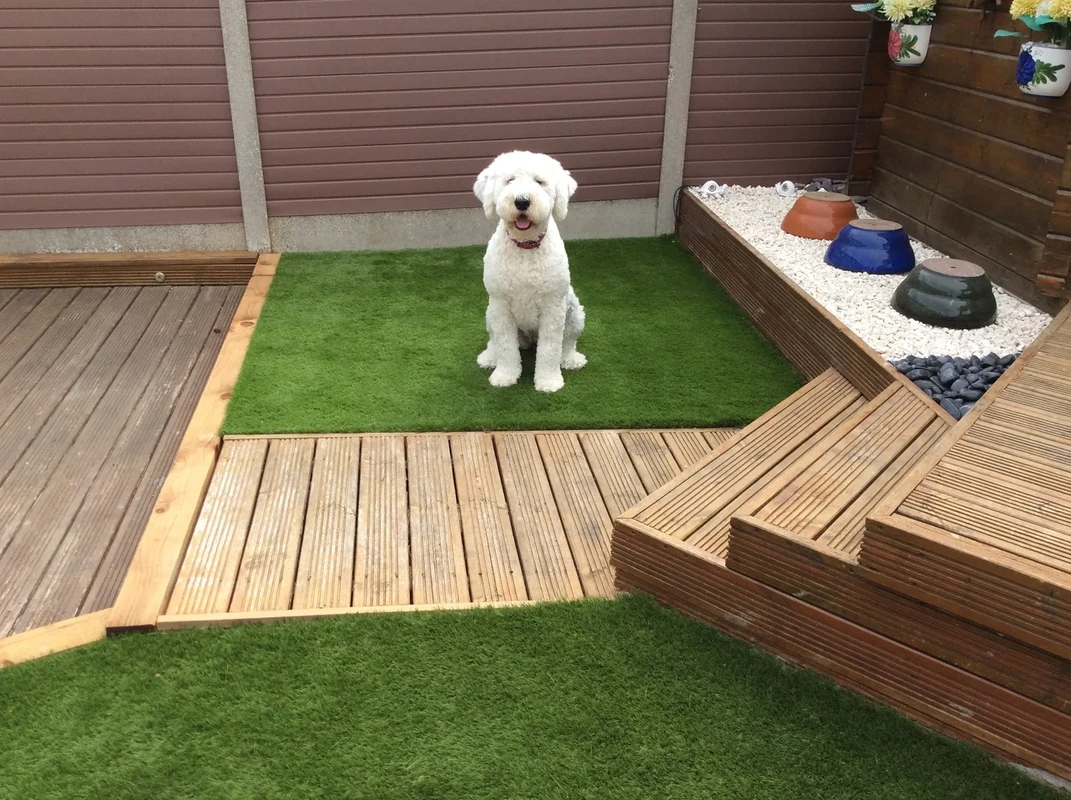
Artificial turf offers a resilient, low-maintenance surface that prevents soil erosion and digging damage. Select varieties with antimicrobial and UV-resistant properties to maintain hygiene and durability. Proper installation over a well-compacted base ensures drainage and comfort.
2.3. Pet-Safe Native Plants
Incorporate native, non-toxic plants that require less water and fertilizer, promoting sustainability. Consult veterinary-approved plant lists to avoid toxic species like azaleas or lilies. Use hardy shrubs and grasses that tolerate pet traffic and provide natural shade or barriers.
3. Water Management and Pet-Safe Pest Control
Effective water management prevents standing water hazards and supports sustainable landscaping, while pest control protects pets without harmful chemicals.
3.1. Ensuring Proper Drainage
Install French drains, rain chains, or rock basins to redirect water away from pet play areas, reducing mud and mosquito breeding grounds. Grade the yard to promote water flow toward drainage features without pooling.
3.2. Sustainable Water Redirection Features
Rain chains guide water from gutters into permeable rock basins or rain gardens, reducing runoff and supporting groundwater recharge. These features add aesthetic and ecological value to the pet yard.
3.3. Pet-Safe Seasonal Pest Treatments
Use natural pest control methods such as diatomaceous earth, beneficial nematodes, or essential oil-based sprays. Avoid chemical pesticides known to cause pet toxicity. Regularly clear debris and standing water to reduce pest habitats.
4. Providing Shade and Cooling Solutions
Heat stress is a significant risk for pets. Integrating shade structures and cooling elements improves pet wellbeing and reduces environmental energy use.
4.1. Planting Fast-Growing Shade Trees
Select native fast-growing trees like maple or oak to provide natural shade. Position trees strategically near play and rest areas. Ensure root systems will not interfere with fencing or underground utilities.
4.2. Installing Pergolas and Canopies
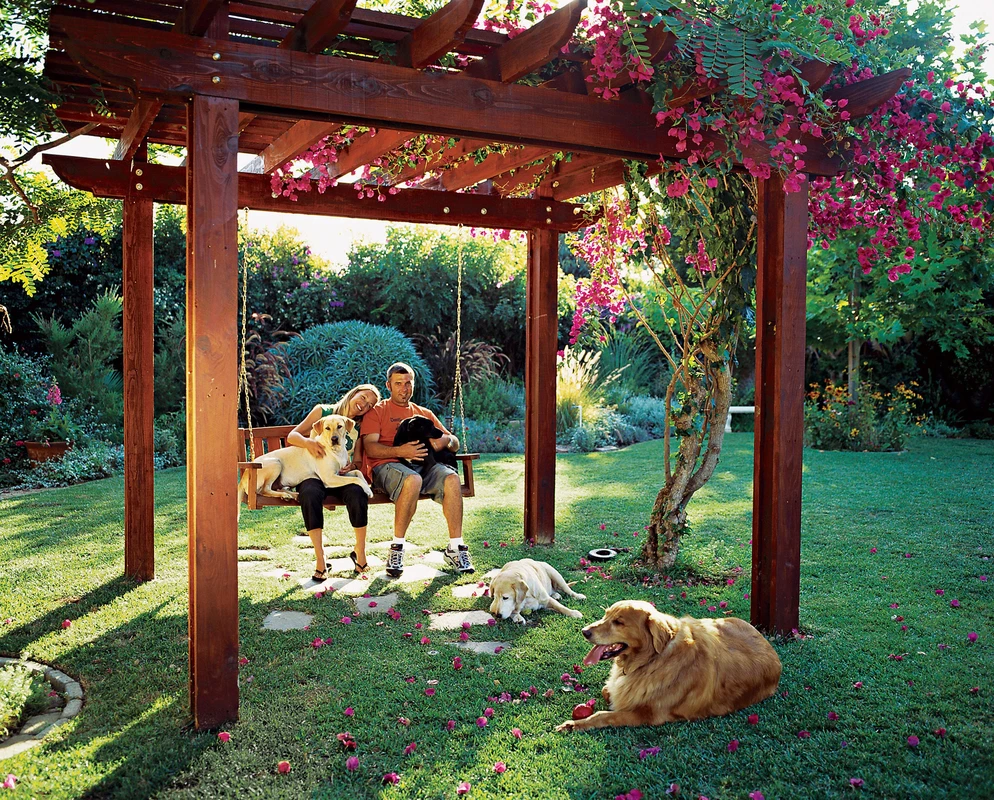
Pergolas covered with climbing vines create shaded retreats. Fabric canopies or retractable awnings offer flexible shade solutions for patios and runs. Use breathable, UV-resistant materials to maintain airflow.
4.3. Using Cooling Pads, Canopies, and Solar-Powered Fans
Pet cooling pads filled with gel or water help regulate body temperature. Solar-powered fans installed in pet houses or shaded areas circulate air sustainably. Combine these solutions for maximum heat mitigation during summer months.
5. Creating Functional Zones for Pets
Designated zones accommodate natural pet behaviors while protecting landscaping and maintaining hygiene.
5.1. Building Designated Dig Pits
Construct dig pits filled with sand or loose soil and hide toys to redirect digging away from other lawn areas. Position pits in shaded, accessible locations. Regularly replenish sand and clean the area to prevent odors.
5.2. Setting Up Elimination Areas
Designate gravel or mulch zones for pet elimination to protect grass and reduce odors. Install drainage beneath these areas to prevent pooling. Train pets to use these zones consistently through positive reinforcement.
6. Sustainable Pet Housing Innovations
Modern pet houses incorporate green technologies and eco-friendly materials to enhance comfort and reduce environmental impact.
6.1. Features of Green-Roof Dog Houses
Green roofs covered with succulents or grasses provide insulation and absorb rainwater. These roofs reduce heating and cooling needs, improving energy efficiency. Ensure proper waterproof membranes protect the structure.
6.2. Benefits of Solar-Powered Ventilation Systems
Solar fans installed on dog houses circulate fresh air, reducing heat buildup without electricity consumption. These systems are cost-effective and environmentally friendly, enhancing pet comfort in warm climates.
7. Seasonal Maintenance Guidelines for Pet Outdoor Spaces
Regular maintenance preserves landscape health, pet safety, and comfort throughout the year.
7.1. Spring: Drainage Checks and Pest Treatments
Inspect drainage systems after winter thaw to clear blockages. Apply pet-safe pest treatments targeting ticks and fleas emerging in warmer weather. Repair any fencing damage caused by winter conditions.
7.2. Summer: Lawn Care and Hydration
Mow lawns frequently to prevent overheating and provide fresh grass for pets. Replenish water bowls and cooling pads regularly. Prune shade trees and shrubs to maintain airflow and light balance.
7.3. Fall: Leaf Removal and Tree Trimming
Clear fallen leaves promptly to reduce mold and pests. Trim trees and shrubs to prepare for winter dormancy and prevent broken branches from hazards. Check elimination and dig zones for debris accumulation.
7.4. Winter: Snow Removal and Shelter Care
Remove snow from pet pathways and outdoor shelters to maintain access and warmth. Avoid using salt or chemical deicers near pet areas; opt for sand or pet-safe ice melt alternatives. Check insulation in pet houses to ensure adequate protection from cold.
8. Urban Pet Outdoor Space Considerations
For pet owners in urban environments, maximizing limited outdoor space requires creative design and community collaboration.
8.1. Designing Dog Runs in Limited Spaces
Use vertical fencing and multi-level platforms to expand play areas. Incorporate artificial turf and compact dig pits to conserve space. Integrate shade structures and water stations within small footprints.
8.2. Advocating for Pet-Friendly Parks and Amenities
Collaborate with local urban planners and community groups to develop pet parks and dog runs. Sustainable pet landscaping principles can be applied at a neighborhood scale to enhance urban pet wellbeing and environmental health.
Common Mistakes to Avoid When Creating Sustainable Pet Outdoor Spaces
Troubleshooting Common Issues
Solution: Increase enrichment through toys in dig pits; reinforce boundaries with buried fencing or rocks.
Solution: Re-grade problem zones; install additional drainage features such as French drains or rain gardens.
Solution: Rotate pest control methods; consult pest management professionals specializing in pet-safe treatments.
Solution: Add more shade elements, provide additional water sources, and use cooling pads or solar fans.
Frequently Asked Questions
What materials are safest and most durable for pet fencing?
Durable fencing materials like vinyl, brick, and concrete are recommended for high-traffic pet areas. These materials resist chewing and digging damage and provide secure boundaries. Solid panels buried slightly underground prevent escapes better than chain-link fencing.
How can I prevent my dog from digging up the lawn?
Designate a dig pit filled with sand or loose soil and encourage its use by hiding toys there. Reinforce perimeter boundaries and use artificial turf in vulnerable areas to deter digging.
Which plants are safe to include in pet-friendly landscaping?
Native, non-toxic plants such as lavender, rosemary, and marigolds are safe for pets and support sustainability by requiring less water and pesticides. Avoid plants like azaleas, lilies, and sago palms known to be toxic to dogs and cats.
How do I maintain my pet’s outdoor space during winter?
Remove snow from pet pathways and shelters to maintain access. Avoid using deicing salts near pet areas; instead, use sand or pet-safe ice melt. Ensure pet houses are insulated and dry to protect pets from cold temperatures.
What are effective pet-safe pest control methods?
Natural options include diatomaceous earth, beneficial nematodes, and essential oil sprays. Regularly clear standing water and debris to reduce pest breeding areas. Consult with veterinarians for recommended pet-safe pest treatments.
—
Creating a sustainable outdoor space for pets combines durable fencing, eco-friendly materials like artificial turf and native plants, effective drainage, pest control, ample shade, and functional zones tailored to pet behavior. Regular seasonal maintenance preserves the landscape’s integrity and pet safety while innovative green housing solutions enhance comfort. Whether in suburban backyards or urban dog runs, integrating these practices fosters healthier, safer, and environmentally responsible pet environments.

How Pets Drive Environmental Advocacy and Sustainability Efforts
PawVerde.com – Pets increasingly influence environmental advocacy through their direct and indirect impacts on ecosystems, resource consumption, and conservation efforts. As the global pet population grows, so does the ecological footprint of pet food production, waste generation, and daily care practices. Simultaneously, innovative approaches in sustainable pet ownership and the specialized role of conservation detection dogs bolster biodiversity protection and environmental monitoring. Understanding how pets intersect with sustainability requires examining their resource demands, the environmental ramifications of livestock linked to pet food supply chains, and emerging practices that mitigate negative effects while promoting ecological stewardship.
Environmental Impact of Pets
The pet food industry significantly contributes to resource consumption and greenhouse gas emissions, with meat-based diets for dogs and cats accounting for a notable share of environmental burdens. Research estimates that pet food production generates approximately 1.1 to 1.7 million tonnes of greenhouse gases annually, largely due to the reliance on animal protein sources. Overfeeding pets exacerbates this footprint by increasing demand for raw materials and waste output. Typical household pets require substantial water, land, and energy inputs, indirectly influencing agricultural emissions, deforestation, and biodiversity loss.
Waste management presents additional challenges. Non-biodegradable pet waste bags contribute to plastic pollution, while pet feces improperly disposed of can contaminate waterways with pathogens and nutrients that disrupt aquatic ecosystems. Studies quantify that pet waste accounts for a significant fraction of urban nitrogen and phosphorus pollution, intensifying eutrophication risks. Carbon footprints for common pets vary widely; for example, an average dog’s annual emissions may reach the equivalent of 400 to 800 kilograms of CO2, depending on diet and care routines.
Sustainable Pet Ownership Practices
Mitigating environmental impacts begins with responsible feeding strategies. Transitioning to lower-meat or plant-based pet diets where nutritionally feasible reduces reliance on high-emission livestock products. Portion control prevents resource waste and obesity-related health issues. Sustainable pet food brands increasingly utilize insect protein, by-products, and regenerative agriculture ingredients to lower carbon and water footprints.
Eco-friendly pet products further diminish environmental strain. Biodegradable waste bags derived from plant materials dissolve more rapidly in landfills and reduce microplastic accumulation. Organic grooming supplies minimize chemical runoff into waterways and avoid synthetic additives harmful to aquatic life. Water conservation in pet care is enhanced through low-flow bathing systems and mindful cleaning practices.
Pet care services embracing green principles apply water-efficient equipment, use non-toxic cleaning agents, and implement waste recycling programs. Such practices collectively reduce chemical runoff, energy consumption, and landfill contributions, aligning pet ownership with broader environmental goals.
Conservation Detection Dogs in Environmental Advocacy
Conservation detection dogs represent an innovative intersection of pet roles and environmental stewardship. Trained to locate specific wildlife species, invasive plants, or hazardous contaminants by scent, these dogs provide invaluable data for biodiversity monitoring and habitat protection. Their heightened olfactory capabilities enable detection of elusive or cryptic species, facilitating more accurate population assessments and early intervention in ecosystem threats.
Case studies illustrate conservation detection dogs’ success in identifying rare amphibians in wetlands, detecting invasive insects threatening crops, and locating toxic pollutants such as heavy metals or pesticides. Training programs emphasize positive reinforcement and species-specific scent imprinting, ensuring dogs remain motivated and effective in field conditions. Organizations like K9 Conservationists have documented improved survey efficiency and reduced human disturbance thanks to canine involvement.
The integration of conservation detection dogs into environmental projects exemplifies how companion animals extend their impact beyond households into global sustainability initiatives, bridging pet care and conservation science.
Animal Health and Sustainability in Livestock
Animal health directly influences environmental sustainability in livestock farming, a critical component of the pet food supply chain. Healthier animals convert feed more efficiently, reducing methane emissions per unit of product and lowering overall resource use. Innovations in veterinary vaccines against diseases such as bovine respiratory infections and parasitic infestations enhance productivity and animal welfare simultaneously.
Feed supplements designed to decrease enteric methane production have shown promising results in trials. For instance, additives like 3-nitrooxypropanol (3-NOP) inhibit methanogenesis in ruminants, potentially cutting emissions by up to 30%. Sustainable livestock management practices, including rotational grazing and integrated crop-livestock systems, support soil health and carbon sequestration, mitigating agriculture’s environmental footprint.
The World Bank’s climate-smart livestock projects focus on these innovations, promoting renewable energy usage, improved animal genetics, and waste-to-energy technologies to optimize emissions reduction. Such initiatives underscore the interconnectedness of animal health, environmental performance, and food security.
Industry and Global Initiatives
The global pet food and care industry is progressively adopting sustainable manufacturing and supply chain practices. Major corporations invest in sourcing certified sustainable ingredients, reducing packaging waste, and minimizing energy consumption in production facilities. The rise of eco-labeled pet products reflects consumer demand for transparency and environmental responsibility.
International organizations collaborate on frameworks that emphasize animal welfare as a component of sustainability. Improved welfare standards correlate with resource efficiency, as stress and illness increase feed conversion inefficiencies and emissions. Policies incentivize adoption of biodegradable materials, renewable energy, and circular economy principles within the pet product sector.
Global entities like the World Bank facilitate knowledge transfer and financial support for climate-smart livestock systems, integrating sustainability into agricultural development plans. These coordinated efforts aim to balance economic growth, environmental protection, and social welfare in animal-related industries.
Future Directions and Implications
Emerging trends indicate a growing convergence of pet ownership, conservation science, and sustainable agriculture. Advancements in alternative protein sources, such as cultured meat and insect-based pet foods, promise to further reduce environmental impacts. Enhanced training methodologies for detection dogs and broader deployment in ecological monitoring could amplify conservation outcomes.
Pet owners’ increasing environmental awareness is driving demand for green pet care services and products, pressuring industries to innovate responsibly. Policymakers face opportunities to support sustainable pet ownership through regulations incentivizing eco-friendly practices and funding research on environmental impacts.
The integration of animal welfare, health, and sustainability presents a holistic framework for reducing the ecological footprint of pets and livestock alike. Collaborative efforts among pet owners, researchers, industry stakeholders, and global organizations will be essential to achieving meaningful progress in environmental advocacy through responsible pet care.
| Aspect | Environmental Challenge | Sustainable Solutions |
|---|---|---|
| Pet Food Production | High greenhouse gas emissions, resource-intensive animal protein use | Lower-meat diets, insect protein, regenerative agriculture sourcing |
| Pet Waste Management | Plastic pollution, nutrient runoff, pathogen contamination | Biodegradable waste bags, composting, responsible disposal |
| Livestock Farming | Methane emissions, inefficient feed conversion, disease impacts | Vaccines, methane inhibitors, rotational grazing, renewable energy |
| Pet Care Services | Water use, chemical runoff, energy consumption | Water-efficient equipment, organic products, waste recycling |
| Conservation Detection Dogs | Limited biodiversity data, invasive species, pollutant detection | Specialized training, field deployment, biodiversity monitoring |
FAQ
How do pets contribute to environmental sustainability?
Pets contribute through responsible feeding practices, use of eco-friendly products, and participation in conservation efforts such as detection dogs aiding biodiversity monitoring.
What is the environmental impact of pet food?
Pet food, especially meat-based diets, accounts for significant greenhouse gas emissions and resource consumption, with overfeeding exacerbating these effects.
What role do conservation detection dogs play in environmental advocacy?
conservation detection dogs locate wildlife, invasive species, and environmental contaminants, providing critical data for biodiversity protection and ecosystem health.
How does animal health in livestock farming affect sustainability?
Improved animal health enhances feed efficiency and productivity, reducing methane emissions and resource use, thereby lowering the environmental footprint of livestock.
What are some sustainable pet ownership practices?
Feeding appropriate portions, choosing lower-impact diets, using biodegradable waste bags, selecting organic grooming products, and supporting green pet care services reduce ecological impacts.

Eco-Friendly Cat Litter Disposal: Safe, Sustainable Methods
PawVerde.com – Eco-friendly cat litter disposal requires informed choices about litter materials and disposal methods that reduce environmental harm and address public health concerns. Traditional clay-based litters dominate the market but present significant ecological drawbacks due to strip mining practices that degrade ecosystems and generate high carbon emissions. Moreover, cat feces can contain the parasite Toxoplasma gondii, posing risks to human health and complicating safe disposal options. Selecting biodegradable cat litter composed of plant-based materials such as wood pellets, corn, paper, and walnut shells offers a sustainable alternative that can be composted or disposed of with reduced environmental impact. However, composting pet waste necessitates careful temperature management and adherence to local regulations to ensure pathogen neutralization. municipal composting programs increasingly accommodate pet waste, providing community-level solutions for sustainable disposal. For cat owners without access to such services, sealing waste in biodegradable bags before trash disposal minimizes contamination risks. Flushing cat litter remains discouraged due to sewer system damage and parasite transmission concerns. This article explores the materials, disposal options, health risks, and emerging trends related to eco-friendly cat litter management, integrating expert insights from veterinarians, environmental organizations, and municipal authorities.
Environmental Impact of Traditional Cat Litter Disposal
Clay-based cat litter, primarily composed of bentonite, accounts for the majority of cat litter sales globally. Its production relies heavily on strip mining, an extractive method that removes extensive layers of topsoil, leading to deforestation, habitat loss, and soil erosion. Studies estimate that strip mining for clay litter contributes to CO2 emissions comparable to other non-renewable resource extraction activities, exacerbating climate change concerns. Additionally, clay litter is non-biodegradable, resulting in landfill accumulation where it can take centuries to break down. The disposal of clay litter in landfills also risks leaching contaminants into surrounding soil and groundwater.
The environmental burden extends to the disposal of cat feces, which contain biological hazards including Toxoplasma gondii oocysts. These pathogens survive in soil and water, threatening wildlife and human populations, particularly pregnant women and immunocompromised individuals. Improper disposal methods such as flushing or open dumping increase the risk of environmental contamination. Therefore, sustainable pet waste management must balance ecological preservation with public health safety.
Choosing Eco-Friendly Cat Litter Materials
Biodegradable cat litters derived from renewable plant-based materials have surged in popularity as alternatives to clay. Common materials include wood pellets, corn kernels, wheat, coconut husks, walnut shells, pine pellets, paper fibers, and grass seed. Each offers unique benefits and environmental profiles:
Brands such as Naturally Fresh and Healthy Pet emphasize sustainable sourcing and transparent packaging practices, using recyclable or compostable packaging materials to reduce overall carbon pawprints. Consumers are encouraged to verify brand claims regarding ingredient sourcing and environmental certifications, as greenwashing remains a concern in the pet products industry.
Safe and Sustainable Disposal Methods for Cat Litter
Safe disposal of cat litter balances pathogen control, environmental impact, and compliance with local regulations. Composting biodegradable cat litter is a promising method but requires precise management. To effectively neutralize pathogens such as Toxoplasma gondii, compost piles must maintain temperatures above 145°F (63°C) for several days. This thermophilic phase ensures the destruction of harmful microorganisms, making the compost safe for use away from edible plants. Many municipalities restrict pet waste composting due to these health risks, so cat owners should consult local waste management authorities before initiating composting at home.
Municipal pet waste composting programs have emerged in several regions, providing community-scale solutions. These programs collect pet waste and process it in industrial composting facilities with controlled conditions to eliminate pathogens. Participation typically involves designated bins or drop-off sites. Cat owners should verify program availability and requirements, as not all municipalities accept cat waste due to its distinct pathogen risks compared to dog waste.
For households without composting options, proper trash disposal is essential. Using biodegradable trash bags to contain cat litter waste minimizes plastic use and ensures easier breakdown in landfills. Sealing waste tightly prevents odor emissions and reduces contamination risks. Experts from Colorado Animal Rescue (C.A.R.E.) and veterinarians from Ask A Vet recommend avoiding flushing cat litter, especially clay-based or those containing additives, due to sewer system damage potential and pathogen transmission. Flushing is only considered safe when using specially formulated flushable cat litters and adhering to strict local sewer and septic system guidelines.
Health and Environmental Risks Related to Cat Litter Disposal
Cat feces harbor several zoonotic pathogens, with Toxoplasma gondii posing the most significant concern. This parasite’s oocysts can remain viable in soil and water for extended periods, infecting humans and wildlife. Incomplete pathogen destruction during composting or direct flushing into waterways can propagate environmental contamination. A 2023 study in environmental health journals confirmed that T. gondii is a major contributor to waterborne parasitic infections linked to improper pet waste disposal.
Environmental risks extend to landfill contamination and sewer system blockages. Clay litter clumps can accumulate in pipes, leading to costly repairs and increased maintenance in municipal wastewater systems. Biodegradable litters reduce such impacts but require careful disposal to avoid premature degradation in sewage infrastructure.
Dumping cat litter in natural environments or storm drains is a persistent issue, contributing to soil degradation and aquatic pollution. Pet sustainability organizations advocate for public education campaigns to inform cat owners about responsible disposal practices.
Additional Sustainable Practices in Cat Care
Beyond litter selection and disposal, sustainable cat care practices include choosing durable litter boxes made from recycled materials, which reduce the frequency of replacement and landfill waste. Avoiding disposable liners and using reusable scooping tools further minimize plastic consumption and waste generation. Cleaning routines that employ environmentally friendly detergents and minimal water usage align with broader sustainable household management goals.
Brands like Naturally Fresh also promote ethical practices through supply chain transparency, encouraging consumers to select products with verified environmental and social responsibility credentials. Pet owners can enhance sustainability by opting for multi-cat litter solutions that reduce overall consumption.
Future Trends and Innovations in Eco-Friendly Cat Litter
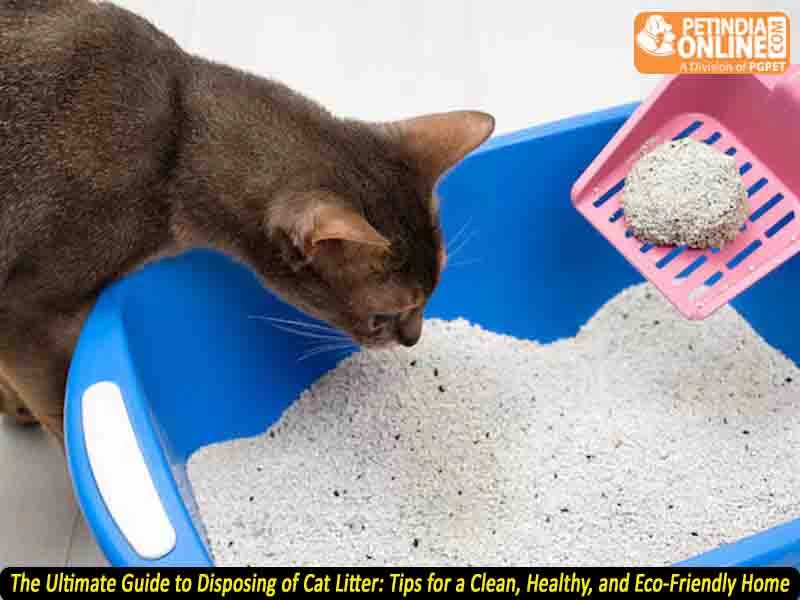
Advances in sustainable pet care are driving innovation in cat litter materials and packaging. Emerging products incorporate novel biomaterials such as mycelium-based litters and algae composites, offering enhanced biodegradability and odor control. Increased pressure from consumers and regulatory bodies is encouraging manufacturers to adopt fully recyclable or compostable packaging, reducing plastic waste.
Digital platforms facilitate better access to municipal composting programs and provide real-time guidance on local regulations, improving compliance and environmental outcomes. Veterinary experts emphasize integrating health risk assessments into pet waste management strategies, underscoring the need for interdisciplinary collaboration between environmental scientists, veterinarians, and waste authorities.
The growth of eco-conscious pet ownership suggests that sustainable cat litter solutions will continue evolving, supported by technological, regulatory, and consumer behavior shifts.
| Cat Litter Material | Biodegradability | Composting Suitability | Environmental Impact | Common Brands |
|---|---|---|---|---|
| Clay-based | No | No | High (strip mining, landfill accumulation) | Traditional mainstream brands |
| Wood Pellets | Yes | Yes (with temperature control) | Low (sustainable forestry byproducts) | Naturally Fresh |
| Corn/Wheat | Yes | Yes (check additives) | Moderate (agricultural resource use) | Healthy Pet |
| Coconut Husk/Walnut Shells | Yes | Yes | Low (renewable agricultural waste) | Various eco-brands |
| Recycled Paper | Yes | Yes | Low (diverts waste from landfill) | Eco-friendly niche brands |
FAQ
Is it safe to flush biodegradable cat litter down the toilet?
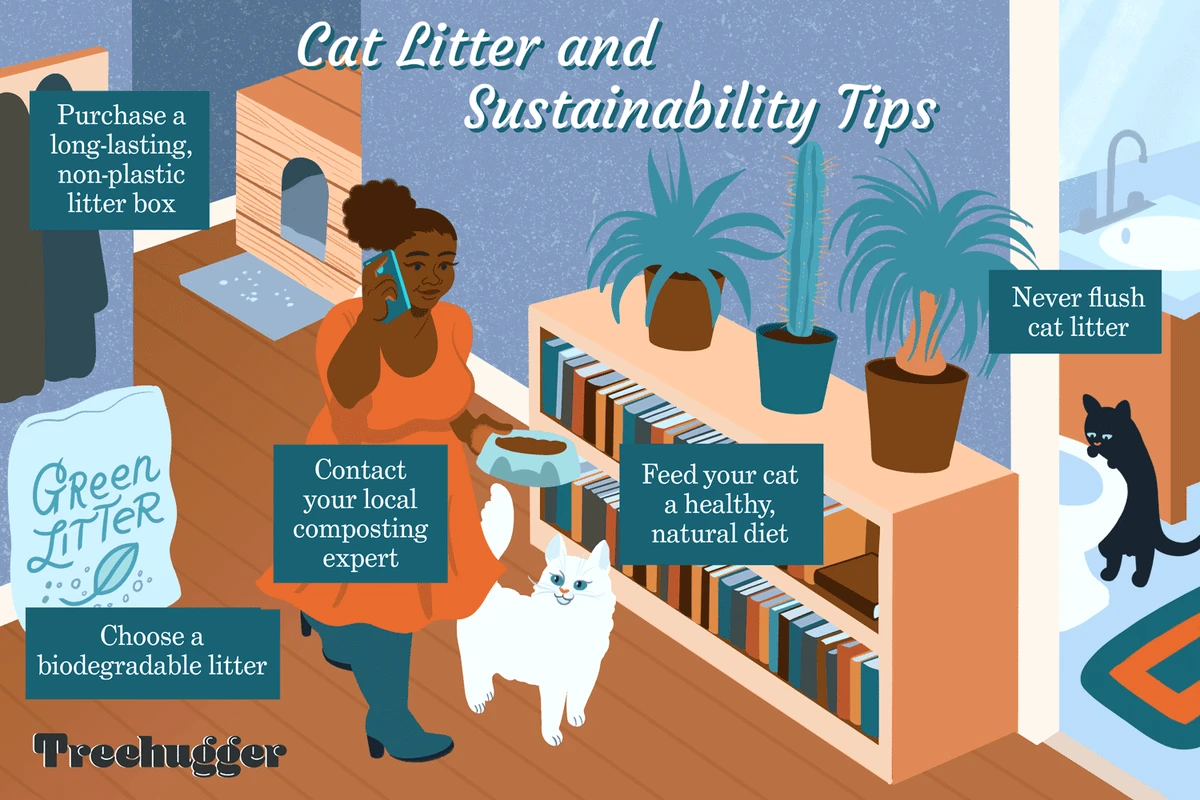
Flushing biodegradable cat litter is generally discouraged due to the presence of pathogens like Toxoplasma gondii and the risk of sewer system damage. Only some flushable litters designed for septic systems may be permitted, and local regulations vary. Consulting local waste authorities and veterinarians is essential before flushing any cat waste.
Can I compost my cat’s used litter at home?
Home composting of cat litter is possible only if strict temperature controls (above 145°F) are maintained to kill pathogens. Without industrial composting equipment, this is difficult to guarantee, and many municipalities prohibit home composting of pet waste. Using municipal composting programs is a safer alternative.
What are the best biodegradable cat litter materials?
Wood pellets, corn, wheat, coconut husks, walnut shells, and recycled paper are among the best biodegradable materials. They offer natural absorbency and odor control while breaking down safely in composts or landfills. Brand transparency and sustainable sourcing further improve environmental outcomes.
How do municipal pet waste composting programs work?
Municipal programs collect pet waste from designated bins or drop-off points and process it in industrial composting facilities that maintain high temperatures to neutralize pathogens. Participation depends on local services, which cat owners should verify with their waste management authorities.
What health risks are associated with cat litter disposal?
The primary health risk is exposure to Toxoplasma gondii, a parasite found in cat feces that can infect humans and animals. Improper disposal methods like flushing or open dumping can spread oocysts into water and soil. Proper disposal and composting methods that kill pathogens mitigate these risks.
—
Sustainable cat litter management demands a multifaceted approach involving the selection of biodegradable materials, adherence to safe disposal protocols, and awareness of health and environmental implications. As awareness grows, innovations and municipal programs are expanding viable options for cat owners committed to reducing their ecological footprint. Continued collaboration among veterinarians, environmental experts, and waste authorities will be pivotal in advancing responsible pet waste practices that protect both public health and the planet.

What Is Eco-Conscious Pet Travel Ethics? Guide to Sustainable Trips
PawVerde.com – Eco-conscious pet travel ethics emphasize minimizing environmental impact and safeguarding animal welfare through sustainable transportation, eco-friendly accommodations, responsible wildlife interactions, and conscientious pet care. This approach integrates the principles of sustainable tourism and animal welfare, guiding travelers to make informed decisions that reduce carbon footprints and promote ethical treatment of animals during their journeys. With rising awareness of environmental challenges and animal rights, adopting these ethics has become essential for pet owners seeking to travel responsibly.
Sustainable transportation methods, such as walking or using public transit, significantly lower emissions compared to private vehicles, making them preferable for short-distance travel with pets. When motorized travel is necessary, fuel-efficient vehicles and strategic trip planning optimize resource use and reduce ecological strain. Alongside transportation choices, investing in eco-friendly pet carriers and travel gear made from recycled or biodegradable materials supports the reduction of plastic waste and promotes sustainable consumption. These practical steps align with sustainable pet travel initiatives advocated by organizations like Tourism Cares and the Global Sustainable Tourism Council (GSTC).
Introduction to Eco-Conscious Pet Travel Ethics
eco-conscious pet travel ethics encompass practices that prioritize environmental sustainability and animal welfare in every aspect of traveling with pets. This framework addresses the environmental impacts of transportation, accommodation, and activities, alongside ethical considerations regarding animal interactions and wellbeing. The importance of these ethics stems from the increasing number of pet owners traveling with their animals, which can exacerbate ecological footprints and contribute to animal exploitation if not managed responsibly.
Sustainability in pet travel involves reducing greenhouse gas emissions, minimizing waste, and choosing products and services that demonstrate environmental stewardship. Animal welfare considerations include selecting accommodations that provide safe, humane conditions for pets, avoiding attractions that exploit wildlife, and supporting conservation efforts. Certifications such as the 4Patas Travel Certification and initiatives by ethical tourism organizations like World Animal Protection and the Global Federation of Animal Sanctuaries provide travelers with benchmarks for responsible choices.
Sustainable Transportation Practices for Traveling with Pets
Transportation accounts for a substantial portion of the carbon footprint in travel. For pet owners, integrating sustainable transport methods can reduce environmental impact while ensuring pet comfort and safety. Walking, when feasible, is the most eco-friendly option, promoting physical activity for both pets and owners without emissions. Public transportation systems, including buses and trains, often allow pets and serve as a low-carbon alternative to private vehicles.
For longer distances or destinations lacking public transit access, selecting fuel-efficient or hybrid vehicles lessens fuel consumption and emissions. Trip planning software and apps now include features to optimize routes and consolidate errands, preventing unnecessary travel and reducing pollution. Additionally, choosing eco-friendly pet carriers made from recycled plastics or biodegradable fabrics minimizes plastic waste while providing secure transport for animals.
Studies indicate that pet owners who adopt these transportation practices can reduce their travel-related emissions by up to 30%, underscoring the impact of small behavioral changes. The use of green travel gear also aligns with sustainable pet care practices by preventing environmental degradation associated with synthetic materials.
Choosing Eco-Friendly and Ethical Pet Accommodations
Selecting accommodations that align with eco-conscious pet travel ethics requires evaluating environmental policies, animal welfare standards, and certifications. Pet-friendly hotels and lodgings that implement green initiatives—such as energy efficiency, water conservation, and waste reduction—contribute to overall sustainability. Certifications like the 4Patas Travel Certification evaluate properties based on their commitment to pet welfare, environmental practices, and community engagement, providing travelers with verified options.
Examples of eco-conscious accommodations offering pet services include lodges that use solar energy, provide organic pet food, and use biodegradable cleaning products. Such establishments often partner with local animal welfare organizations to support community-based conservation projects. In addition to hotels, eco-friendly vacation rentals with pet-friendly policies offer personalized stays with reduced environmental footprints.
Choosing accommodations with transparent ethical policies ensures pets are not subjected to neglect or unsafe conditions and that the establishment actively minimizes its environmental impact. This dual focus on ecological and animal welfare standards reflects the integrated nature of responsible tourism endorsed by bodies like the Global Sustainable Tourism Council.
Ethical Interaction with Wildlife and Other Animals
Ethical wildlife interaction is a cornerstone of eco-conscious pet travel ethics, aiming to prevent animal exploitation and promote conservation. Travelers are urged to avoid attractions involving captive or performing wildlife, such as dolphinariums or circuses, where animal welfare is often compromised. Instead, responsible wildlife viewing respects animals’ natural behaviors and habitats, following guidelines established by organizations such as the World Association of Zoos and Aquariums (WAZA).
Certified wildlife tourism operators provide guided experiences that educate travelers on conservation challenges and support sanctuary programs. Visiting animal sanctuaries accredited by the Global Federation of Animal Sanctuaries ensures that funds directly aid rehabilitation and protection efforts. These ethical tourism initiatives help reduce demand for exploitative attractions and foster sustainable economic benefits for local communities engaged in conservation.
Travelers are encouraged to maintain safe distances from wildlife, avoid feeding or touching animals, and adhere to local regulations designed to protect ecosystems. These practices reduce stress on animals and preserve biodiversity, aligning with the broader goals of ethical tourism organizations.
Sustainable Pet Care Practices While Traveling
Sustainable pet care during travel addresses waste management, feeding, and overall environmental impact. Using biodegradable pet waste bags and composting pet waste where facilities exist prevents pollution and supports soil health. Pet owners can select compostable or reusable waste bags certified by recognized environmental standards to ensure minimal ecological footprint.
Feeding practices also influence sustainability; choosing pet food packaged in recyclable materials or buying locally sourced, organic products reduces packaging waste and supports sustainable agriculture. Eco-friendly pet carriers, bedding, and toys made from natural or recycled materials complement these efforts.
Selecting pet care providers, such as groomers or sitters, that implement green policies—like energy-efficient equipment and non-toxic products—further extends sustainable practices. Programs like the EF Animal Welfare Program encourage service providers to adopt ethical and environmentally friendly standards, enhancing the overall travel experience for pets and owners alike.
Supporting Responsible and Ethical Tourism Initiatives
Global organizations play a vital role in establishing standards and certifications that guide eco-conscious pet travel ethics. World Animal Protection advocates for policies that prevent animal cruelty and promote welfare in tourism. The Global Sustainable Tourism Council (GSTC) sets criteria for sustainable tourism, including animal welfare considerations, which certification bodies use to evaluate operators.
Tourism Cares mobilizes the industry to support sustainable development and conservation efforts, often partnering with ethical tourism operators to promote responsible practices. The EF Animal Welfare Program provides training and certification for animal welfare-friendly service providers, enabling travelers to make informed choices.
Travelers can actively support these initiatives by choosing certified accommodations and operators, participating in conservation programs, and advocating for animal welfare policies. Engaging with these organizations enhances trust and accountability within the tourism sector, fostering a culture of responsibility and respect for animals and the environment.
The Impact and Future of Eco-Conscious Pet Travel Ethics

Adopting eco-conscious pet travel ethics yields long-term benefits for animals, ecosystems, and local communities. Reduced carbon footprints contribute to mitigating climate change, while ethical treatment of animals supports biodiversity and humane tourism practices. Communities benefit economically and socially from sustainable tourism that respects cultural and environmental integrity.
Looking ahead, innovations in sustainable pet travel gear, expanded certification programs, and increased awareness among travelers are expected to drive further improvements. Integrating technology, such as apps for locating certified eco-friendly accommodations or tracking carbon emissions, will empower pet owners to make better choices.
The future of eco-conscious pet travel ethics hinges on continuous collaboration among travelers, industries, and organizations to uphold and advance standards that protect the planet and its animals. By embedding sustainability and welfare at the core of pet travel, the tourism sector can evolve toward a more responsible and ethical model.
Frequently Asked Questions
What are the main principles of eco-conscious pet travel ethics?
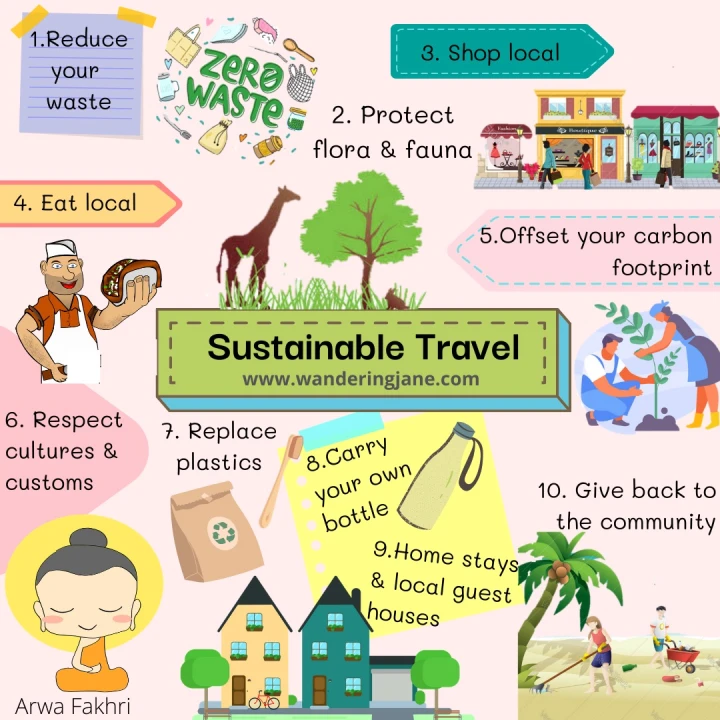
Eco-conscious pet travel ethics focus on minimizing environmental impact through sustainable transportation, selecting eco-friendly accommodations with verified certifications, avoiding exploitative wildlife interactions, managing pet waste responsibly with biodegradable products, and supporting conservation and animal welfare initiatives during travel.
How can I choose eco-friendly accommodations that welcome pets?
Look for accommodations that have certifications such as the 4Patas Travel Certification, demonstrate sustainable practices like energy and water conservation, use non-toxic cleaning products, and maintain transparent pet welfare policies. Researching partnerships with local conservation groups can also indicate ethical commitments.
Are there guidelines for interacting with wildlife while traveling with pets?
Yes, travelers should avoid attractions involving captive or performing animals, maintain safe distances from wildlife, not feed or touch wild animals, and participate in tours operated by certified guides who follow conservation and welfare standards. These practices protect animal wellbeing and natural habitats.
What sustainable transportation options are best for pet travel?
Walking and public transportation are the most sustainable options for short trips. For longer travel, fuel-efficient or hybrid vehicles reduce emissions. Using eco-friendly pet carriers made from recycled or biodegradable materials complements these choices by reducing plastic waste.
How can I manage pet waste sustainably while traveling?
Use biodegradable or compostable pet waste bags certified by environmental standards. Dispose of waste in designated composting facilities or appropriate trash receptacles to prevent pollution. Avoid plastic bags that contribute to landfill accumulation and environmental harm.

How to Prepare for Pet Ownership Responsibilities: Expert Guide
PawVerde.com – Prospective pet owners face a complex set of responsibilities that extend beyond the initial excitement of bringing a dog or cat into their home. Effective preparation for pet ownership requires a detailed understanding of specific animal needs, a safe and nurturing environment, consistent routines, and ongoing health management. Critical steps include researching breed-specific traits, pet-proofing living spaces, assembling essential supplies, scheduling veterinary care, and fostering socialization and training to ensure the pet’s well-being and positive integration into the household.
Veterinarians and animal behaviorists emphasize that establishing stable daily routines and a secure home environment significantly reduces stress for both pets and owners. Preventive veterinary visits, including vaccinations and parasite control, are foundational to minimizing health risks. Simultaneously, responsible owners must commit to long-term care, encompassing emotional support, nutrition, exercise, and emergency preparedness. These elements collectively form the backbone of responsible pet ownership, balancing animal welfare with practical management for sustainable cohabitation.
Preparing Your Home Environment for Pet Safety
Pet-proofing the home is an essential first step in preparing for a new dog or cat. Removing toxic plants such as lilies, azaleas, and philodendrons reduces poisoning risks, while securing loose electrical wires prevents chewing hazards. Experts recommend designating a specific area with comfortable bedding and familiar toys to help the pet acclimate. For cats, vertical spaces like cat trees encourage natural climbing behavior, whereas dogs benefit from a quiet corner free from excessive foot traffic.
Safety measures extend to securing cabinets containing cleaning agents, medications, and small objects that could be ingested accidentally. Installing baby gates or barriers helps confine pets to safe zones, minimizing exposure to household dangers such as stairs or pools. Veterinarians advise that a well-prepared environment not only protects pets physically but also supports their emotional adjustment by reducing anxiety triggers during the initial transition period.
Essential Supplies for New Pet Owners
Gathering appropriate supplies tailored to the pet’s age, size, and species is critical. Feeding and watering bowls made of stainless steel or ceramic are preferred for hygiene and durability. Nutrition plans should align with veterinary recommendations, emphasizing balanced diets suitable for growth, maintenance, or special health needs. Collars with engraved ID tags and microchipping provide vital identification to prevent loss.
Grooming tools vary by breed but typically include brushes, nail clippers, and pet-safe shampoos. Additionally, leashes and harnesses designed for comfort and control facilitate safe outdoor exercise. Toys that stimulate mental and physical activity contribute to behavioral health, reducing destructive tendencies. Health maintenance kits may include flea and tick prevention products, dental chews, and first aid supplies, underscoring the importance of proactive care from day one.
Establishing Consistent Routines for Feeding, Exercise, and Rest
Routine is fundamental for pet well-being, influencing behavior, digestion, and emotional security. Dogs generally thrive on scheduled feeding times twice daily, while cats often benefit from free-feeding or multiple small meals, depending on veterinary advice. Exercise requirements vary widely by breed; high-energy dogs need extended daily walks and play sessions, whereas more sedentary pets require moderate activity balanced with rest.
Sleep schedules should provide quiet, comfortable spaces where pets can retreat undisturbed. Consistency in timing and environment fosters predictability, reducing stress and behavioral issues such as separation anxiety or excessive vocalization. Animal behaviorists highlight that early establishment of routines supports training effectiveness and strengthens the human-pet bond, creating a foundation for lifelong cooperation.
Veterinary Care and Preventive Health Management
Initial veterinary visits typically include comprehensive physical examinations, vaccination protocols, parasite screenings, and nutritional assessments. Vaccines commonly administered cover rabies, distemper, parvovirus, and feline leukemia, tailored to the pet’s risk profile and local regulations. Parasite control involves treatments for fleas, ticks, heartworms, and intestinal worms, essential for preventing disease transmission.
Regular wellness exams help detect early signs of illness, enabling timely interventions. Dental hygiene, often overlooked, is critical for preventing periodontal disease, which affects a significant percentage of adult pets. Emergency preparedness includes assembling first aid kits, learning basic pet CPR, and establishing contacts for emergency veterinary services. Veterinarians recommend reviewing and updating health plans annually to adapt to changing needs as pets age.
Socialization and Behavioral Training Techniques
Socialization reduces anxiety and enhances adaptability, particularly when introduced during the sensitive early months. Gradual exposure to family members, other pets, sounds, and environments fosters confidence and reduces fearful or aggressive behaviors. Positive reinforcement training methods, including clicker use and reward-based commands, have proven efficacy in teaching basic obedience such as sit, stay, and recall.
House training is fundamental, involving consistent schedules for bathroom breaks and crate training where appropriate. Managing emotional needs includes recognizing signs of stress and providing enrichment activities to prevent boredom-induced behaviors like destructive chewing or excessive scratching. Collaboration with professional trainers or animal behaviorists can address complex issues, ensuring the pet’s behavioral health aligns with household expectations.
Long-Term Commitment and Ethical Responsibilities
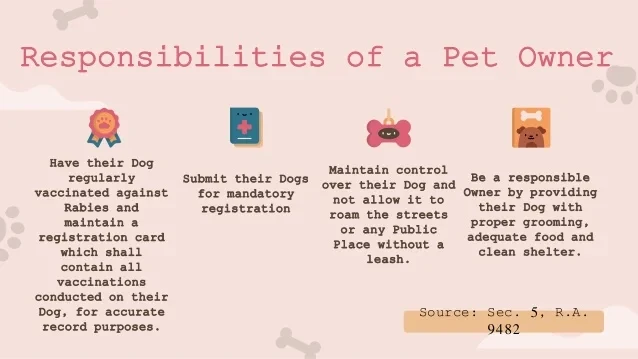
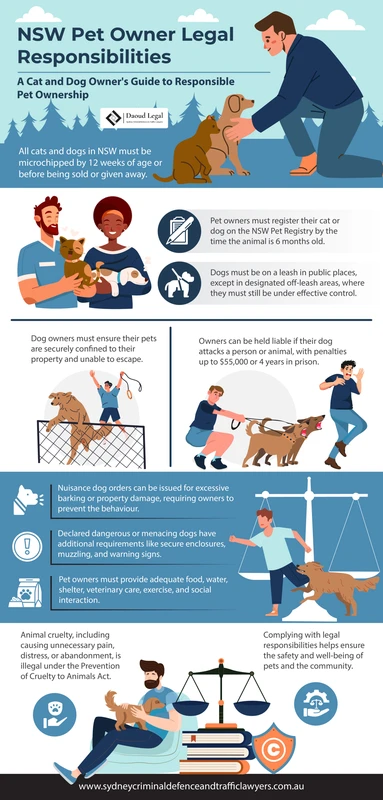
Pet ownership encompasses a lifecycle commitment involving evolving care from puppy or kitten stages through senior years. Nutritional adjustments, mobility support, and regular health screenings become increasingly important as pets age. Owners must also consider the pet’s role within the community, adhering to leash laws, waste management, and noise control to ensure harmonious neighborhood interactions.
Participation in animal welfare initiatives, such as supporting organizations like the American Kennel Club (AKC) or Guide Dogs for the Blind, promotes broader awareness of responsible ownership. Ethical considerations include avoiding impulse adoption, ensuring spaying/neutering to control overpopulation, and providing emotional support recognizing pets as sentient beings. These responsibilities affirm the owner’s commitment to animal welfare beyond the domestic sphere.
FAQ
What are the most important steps to prepare my home for a new pet?
Pet-proofing your home by removing toxic plants, securing electrical cords, and restricting access to hazardous areas is essential. Creating a designated comfortable space with bedding and toys helps pets adjust. Additionally, securing cabinets, installing barriers, and ensuring safe outdoor areas contribute to a secure environment.
How often should I take my new pet to the veterinarian?
Initial veterinary visits should occur soon after adoption for a full health assessment and vaccinations. Puppies and kittens require more frequent visits during their first months. Adult pets benefit from annual wellness exams, while senior pets may need biannual checkups to monitor age-related health issues.
What supplies are essential for new dog and cat owners?
Essential supplies include food and water bowls, age-appropriate nutrition, collars with ID tags, leashes or harnesses, grooming tools, and toys. Health maintenance items such as flea and tick prevention and dental care products are also important to support ongoing well-being.
How can I effectively socialize my new pet?
Introduce your pet gradually to family members, other animals, and new environments using positive reinforcement. Early, consistent exposure reduces anxiety and promotes adaptive behavior. Enrichment activities and training help meet emotional needs and prevent behavioral problems.
What should I include in an emergency preparedness plan for my pet?
An emergency plan should include a pet first aid kit, a list of emergency contacts including veterinary clinics, copies of medical records, sufficient food and water supplies, and identification tags or microchips. Familiarizing yourself with basic pet CPR and evacuation procedures enhances preparedness.
—
Preparing for pet ownership involves a multidimensional approach integrating environment safety, health care, behavioral management, and ethical stewardship. Owners who invest in thorough preparation and ongoing education foster healthier, happier pets and contribute positively to animal welfare standards. Moving forward, embracing advanced veterinary practices, leveraging technology in pet monitoring, and engaging with community resources will further enhance the quality and longevity of the human-animal bond.

Sustainable Pet Travel in 2026: How to Reduce Your Carbon Pawprint
PawVerde.com – Sustainable travel with pets in 2026 integrates environmental responsibility and animal welfare into the expanding trend of pet-inclusive journeys. With rising pet ownership worldwide and increasing demand for travel options that accommodate animals, pet owners face the challenge of reducing their carbon footprint while ensuring their pets’ safety and comfort. This evolution reflects broader shifts in tourism and transportation sectors prioritizing sustainability, regulatory compliance, and ethical treatment of animals during transit.
The adoption of eco-friendly airlines, electric vehicles, and reusable pet travel gear exemplifies how pet owners can balance environmental concerns with practical travel needs. Airlines now emphasize in-cabin pet policies over cargo transport due to welfare considerations, while electric vehicles (EVs) offer reduced emissions and advanced climate controls tailored for animals. Furthermore, supporting local pet services and selecting green accommodations contribute to a comprehensive sustainable travel experience for pets and their owners.
Choosing Eco-Friendly Transportation Options for Pet Travel
The airline industry in 2026 increasingly prioritizes sustainability through modern fleets, carbon offset programs, and transparent environmental commitments. Airlines such as Delta and Alaska Airlines have implemented policies favoring in-cabin transport for small pets, acknowledging that cargo travel poses heightened risks including stress and health complications. Cargo pet transport is now heavily restricted, with airlines and regulatory bodies like the CDC enforcing stricter guidelines to protect animal welfare.
Electric vehicles have emerged as an optimal choice for pet owners who prioritize sustainable ground travel. EVs produce zero tailpipe emissions, significantly reducing the carbon footprint of road trips compared to traditional combustion engines. Advanced climate control systems in EVs enable owners to maintain consistent temperatures tailored to pets’ needs, mitigating risks of heat stress or cold exposure during transit. Additionally, EVs operate with quieter engines, minimizing noise pollution that can distress animals.
Public transportation options, including pet-friendly trains and buses, have expanded in urban and suburban areas, providing accessible alternatives to car travel. Walking remains an eco-conscious choice at destinations, benefiting pet health and reducing dependency on motorized transport. Safe pedestrian infrastructure and pet travel etiquette have become focal points in urban planning to support these modes.
Sustainable Travel Gear and Preparation for Pets
Reusable pet travel gear reduces waste generated during trips and supports sustainability goals. Collapsible water bottles and bowls made from BPA-free, recycled plastics or silicone are widely recommended for maintaining hydration without disposable products. Bedding crafted from organic cotton or bamboo fabrics offers durability and biodegradability, while stainless steel food containers replace single-use packaging.
Selecting pet carriers that comply with airline size and weight restrictions while being made from eco-friendly materials is critical. Brands increasingly offer carriers constructed from recycled fabrics and sustainable polymers, combining durability with environmental responsibility. Lightweight yet sturdy carriers facilitate in-cabin travel, alleviating stress for both pets and owners.
Packing strategies emphasize minimizing single-use items. Owners are encouraged to bring refillable waste bags, natural fiber leashes, and compact grooming kits. Reducing plastic consumption aligns with broader conservation efforts, especially in sensitive natural habitats where pets may accompany their owners.
Navigating Regulations and Documentation for Pet Travel
Compliance with governmental and airline-specific regulations is essential to ensure legal and safe travel with pets. The Centers for Disease Control and Prevention (CDC) mandates a Dog Import Form for dogs entering the United States, verifying vaccination status and health information to prevent disease transmission. This form is a prerequisite for air travel into the U.S. and must be submitted in advance.
Airlines vary in their pet travel policies, with some requiring advance booking for in-cabin pets due to limited capacity. Understanding these policies, including carrier dimensions, weight limits, and prohibited breeds, helps owners secure appropriate arrangements. PetAirways, Animal Air Cargo, and Happy Tails Travel exemplify specialized pet transport companies that manage documentation, compliance, and logistics, often providing veterinary oversight and real-time GPS tracking to ensure animal welfare throughout the journey.
Quarantine compliance remains strict for international travel, with some countries imposing mandatory isolation periods for pets arriving from regions with specific disease risks. Travelers should consult official resources and engage professional pet transport services to navigate these complex requirements effectively.
Supporting Local Communities and Ethical Pet Services
sustainable pet travel extends beyond transportation, encompassing responsible engagement with local pet ecosystems. Travelers are encouraged to utilize veterinary clinics, shelters, and pet service providers that adhere to ethical standards and contribute positively to their communities. Avoiding mass-breeding facilities, puppy mills, and tourist attractions that exploit animals aligns with sustainable tourism principles.
Participation in local conservation initiatives, such as wildlife habitat protection and community education programs, fosters respect for native ecosystems. Pet owners can support these efforts by adhering to leash laws, preventing wildlife disturbance, and choosing eco-conscious pet activities. This approach enhances the overall sustainability of trips and reinforces animal welfare commitments.
Staying in Eco-Friendly, Pet-Friendly Accommodations
Pet-friendly accommodations have increasingly incorporated green initiatives to appeal to eco-conscious travelers. Hotels like Staybridge Suites offer apartment-style accommodations that facilitate pet care routines, reducing the need for disposable products and promoting comfort. These establishments implement energy-efficient systems, water conservation measures, and waste reduction programs, aligning hospitality with sustainability goals.
Amenities such as pet waste stations, designated exercise areas, and partnerships with local pet service providers enhance the travel experience while supporting environmental stewardship. Choosing accommodations certified by recognized green building programs ensures adherence to sustainable practices without compromising pets’ needs.
Ensuring Pet Welfare and Safety During Travel
Managing pet stress and comfort remains paramount in sustainable travel planning. In-cabin travel is preferred due to reduced exposure to extreme temperatures and handling risks associated with cargo transport. Frequent rest stops during road trips allow pets to exercise and hydrate, mitigating anxiety and physical discomfort.
Avoiding heat-related dangers, such as leaving pets unattended in vehicles, is critical. Electric vehicles’ remote climate controls provide additional safeguards by enabling owners to monitor and adjust cabin temperatures via smartphone applications. Selecting calming pet wellness products approved by veterinarians can further ease travel-related stress.
The Future of Sustainable Pet Travel
Emerging technologies promise to refine sustainable pet travel practices. Smart tracking devices integrated with biometric sensors provide real-time health monitoring, enabling prompt intervention during transit. No-sedation policies enforced by airlines and transport companies reflect growing awareness of pet welfare and safety.
Market trends indicate robust growth in eco-conscious pet travel services, driven by increased pet ownership and environmental awareness. Regulatory frameworks continue evolving to balance public health, animal welfare, and sustainability objectives, fostering innovation in pet transportation logistics and infrastructure.
Frequently Asked Questions
What are the current airline policies for traveling with pets in 2026?
Most airlines prioritize in-cabin pet travel for small animals, imposing strict size and weight limits for carriers. Cargo pet transport is highly restricted due to welfare concerns. Advance booking is typically required, and documentation such as vaccination records and health certificates must be provided. Airlines also enforce breed-specific restrictions and may require compliance with CDC import regulations.
How do electric vehicles benefit pet owners during travel?
Electric vehicles reduce carbon emissions and noise pollution, creating a quieter and cleaner environment for pets. Advanced climate control systems allow owners to remotely monitor and adjust the cabin temperature, ensuring consistent comfort. EVs contribute to a lower overall travel carbon footprint compared to combustion-engine vehicles.
What sustainable pet travel gear is recommended for eco-conscious travelers?
Reusable accessories such as collapsible water bottles and bowls made from recycled or silicone materials, organic cotton or bamboo bedding, and stainless steel feeding containers are recommended. Durable carriers constructed from recycled fabrics that meet airline specifications are preferred. Packing refillable waste bags and natural fiber leashes further reduces environmental impact.
How can pet owners ensure compliance with travel regulations when moving pets internationally?
Owners should secure necessary documentation, including the CDC Dog Import Form for U.S. entry, health certificates, and vaccination records. Consulting airline-specific pet policies and engaging professional pet transport companies can streamline compliance. Awareness of quarantine requirements for destination countries is essential to avoid delays or penalties.
What role do local pet services play in sustainable travel?
Ethical local pet services, including veterinary clinics and shelters, contribute to animal welfare and community well-being. Utilizing these services supports local economies and prevents exploitation associated with unethical breeding or animal tourism. Engaging with conservation initiatives and respecting local wildlife further reinforces sustainable travel ethics.
Sustainable pet travel in 2026 demands an integrated approach combining eco-conscious transportation choices, durable and reusable gear, regulatory compliance, engagement with ethical local services, and accommodations that support green initiatives. By adopting these practices, pet owners can significantly reduce the environmental impact of their journeys while ensuring their pets’ health and safety. The ongoing evolution of technology and regulations will continue to shape this dynamic landscape, encouraging further innovation and responsible travel behaviors.
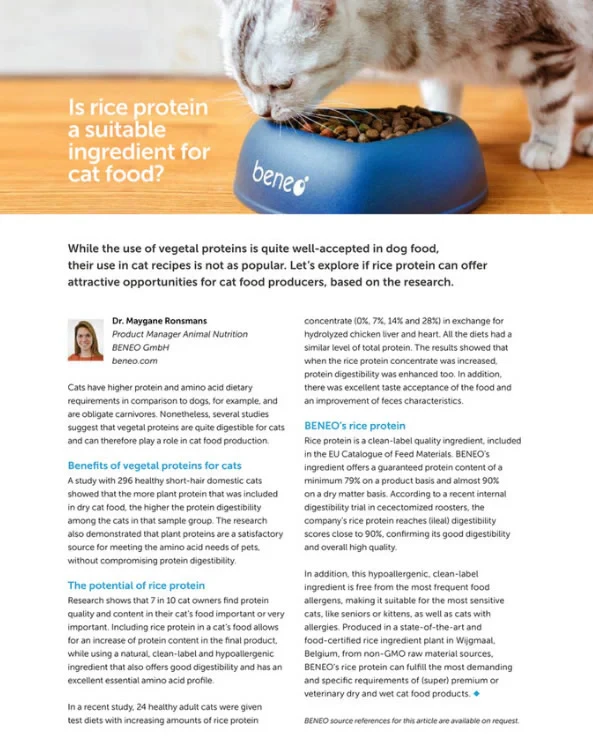
Plant-Based Diet Benefits for Cats: Health Insights & Risks
PawVerde.com – Growing interest in plant-based diets for pets has extended to cats, an obligate carnivore species with strict nutritional requirements traditionally met through animal-based foods. While plant-based feline diets may reduce certain health issues such as dental and gastrointestinal problems, the inherent nutritional challenges—particularly concerning essential nutrients like taurine and high-quality protein—require careful dietary formulation and veterinary oversight to prevent serious health consequences.
Cats depend on nutrients predominantly found in animal tissues, including taurine, specific amino acids, and vitamins that are either absent or poorly bioavailable in plant sources. Recent studies, including research from the Ontario Veterinary College, have explored health outcomes in cats maintained on vegan diets, revealing a complex balance between potential benefits and risks. Although owner-reported data suggest fewer veterinary visits and reduced medication use among vegan cats, deficiencies in taurine and other critical nutrients remain a significant concern, underscoring the necessity of synthetic supplementation and professional dietary guidance.
Health Benefits Observed in Cats on Plant-Based Diets
Emerging research indicates that cats on carefully managed plant-based diets may experience certain health advantages, notably improved dental and gastrointestinal health. A survey conducted by researchers at the Ontario Veterinary College involving over 300 cat owners following vegan feeding regimens found a statistically significant reduction in dental plaque accumulation and gingivitis compared to cats on conventional meat-based diets. These findings align with clinical observations suggesting lower incidences of periodontal disease, a common feline ailment often exacerbated by animal-derived dietary components.
Moreover, gastrointestinal disorders such as inflammatory bowel disease and chronic diarrhea reportedly decreased among vegan cats, possibly due to the elimination of certain animal proteins that can trigger food sensitivities. This pattern of improved digestive health correlates with fewer veterinary consultations and reduced reliance on medications like antibiotics and anti-inflammatory drugs, as documented in longitudinal owner reports.
However, these benefits are contingent on the diet’s nutritional adequacy, which remains a critical challenge given cats’ obligate carnivorous physiology.
Nutritional Challenges and Risks of Plant-Based Diets for Cats
Cats require several essential nutrients that are naturally abundant in animal tissues but scarce or absent in plant materials. Taurine, an amino sulfonic acid vital for cardiac function, retinal health, and reproductive success, exemplifies a critical nutrient that cannot be synthesized efficiently by cats and must be supplied exogenously. Deficiency in taurine leads to dilated cardiomyopathy, retinal degeneration, and reproductive failure. Cases of taurine deficiency-induced cardiomyopathy have been documented in cats fed inadequately supplemented vegetarian or vegan diets.
Protein quality and quantity also pose significant challenges. Cats demand high levels of specific amino acids such as arginine, methionine, and cysteine, which are more bioavailable in animal proteins. Plant-based proteins often lack one or more of these amino acids or contain them in forms less digestible by felines, increasing the risk of protein deficiency if diets are not meticulously balanced.
Vitamins such as vitamin A (preformed retinol), vitamin D3, and certain B vitamins are also predominantly animal-derived. Without supplementation, cats on plant-based diets risk deficiencies that can impair vision, bone health, and metabolic functions.
Commercial vegan cat foods often fail to consistently meet these standards. A 2023 analysis published in the Journal of Feline Nutrition surveyed 15 commercial vegan cat foods and found that only 40% met recommended levels of taurine, and less than 50% satisfied minimum protein requirements for adult cats. Homemade vegan diets, while sometimes more customizable, carry even greater risks of imbalances due to lack of standardized nutrient profiles and potential variability in ingredient quality.
Advances in Plant-Based Cat Food Formulations
To address these challenges, the pet food industry has increasingly incorporated synthetic nutrients and novel protein sources into vegan cat food formulations. Synthetic taurine supplementation is now a standard inclusion in many commercial plant-based diets to mitigate deficiency risks. Additionally, novel protein sources such as fermented microbial proteins, algae-derived ingredients, and insect-based proteins have been introduced to enhance amino acid profiles and digestibility.
Recent innovations include proprietary blends that combine isolated plant proteins with synthetic amino acids to replicate the nutritional profile of animal tissues. These formulations have undergone rigorous nutrient bioavailability testing and palatability trials to ensure efficacy and acceptance by cats, who are known for selective feeding behaviors.
The industry has also responded to veterinary concerns by developing new guidelines for plant-based pet food production. Organizations such as the Pet Food Institute have collaborated with veterinary nutritionists to establish minimum nutrient thresholds and labeling transparency to aid consumers in making informed choices.
Veterinary Perspectives and Recommendations on Plant-Based Diets for Cats
Veterinarians emphasize the critical importance of professional consultation before transitioning cats to plant-based diets. Dr. Sarah Dodd, a veterinary nutritionist affiliated with the Ontario Veterinary College, stresses that veterinary oversight is essential to tailor supplementation, monitor health markers, and adjust the diet based on individual cat responses.
Regular blood screening for taurine levels, cardiac function evaluations, and nutritional status assessments form part of ongoing monitoring protocols for cats on vegan diets. Veterinarians also caution against unsupervised homemade diets due to the high risk of nutrient imbalances and deficiencies.
Some veterinary professionals advocate for plant-based diets only in cases where owners are highly motivated and committed to thorough nutritional management under expert guidance. Meanwhile, others highlight the ethical and environmental motivations behind vegan feeding but call for more longitudinal studies to establish long-term safety and efficacy conclusively.
Future Directions and Research Needs
Despite advances, significant gaps remain in understanding the long-term health impacts of plant-based diets on feline physiology. Current studies are limited by small sample sizes, owner-reported data biases, and short-term follow-ups. Large-scale, controlled clinical trials are necessary to evaluate cardiovascular outcomes, reproductive health, and lifespan effects in cats maintained on vegan nutrition over extended periods.
Research into optimizing novel protein sources and synthetic nutrient bioavailability continues to evolve, promising more balanced and safer plant-based options. Additionally, developments in personalized feline nutrition, integrating genetic and metabolic profiling, may enable tailored dietary formulations that accommodate individual variability in nutrient metabolism.
Practical Considerations for Cat Owners
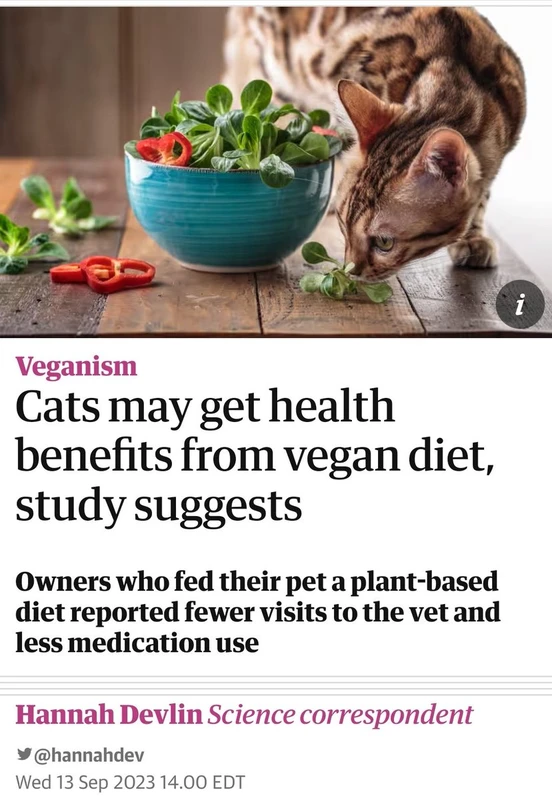
Owners considering vegan diets for their cats should prioritize diets with guaranteed nutrient adequacy verified by independent laboratory testing and formulated according to established veterinary nutrition standards. Commercial products with third-party certifications provide more reliable nutrient profiles than homemade preparations.
Engagement with a veterinary nutritionist is advisable to design feeding plans, determine supplementation needs, and establish monitoring schedules. Transition periods should be gradual to observe tolerance and prevent gastrointestinal disruption.
Awareness of early signs of nutrient deficiencies, such as lethargy, poor coat condition, vision changes, or cardiac symptoms, is critical for timely intervention.
| Nutrient | Source in Animal-Based Diets | Plant-Based Alternatives | Supplementation Requirement |
|---|---|---|---|
| Taurine | Meat, heart, liver | Absent in plants | Essential synthetic taurine supplementation |
| Protein (Essential Amino Acids) | Muscle meat, fish | Fermented microbial proteins, insect proteins, soy | Formulation to balance amino acid profile |
| Vitamin A (Retinol) | Liver, fish oil | Beta-carotene (limited conversion in cats) | Preformed vitamin A supplementation |
| Vitamin D3 | Fish, egg yolk | Vitamin D2 from plants (lower efficacy) | Vitamin D3 synthetic supplementation |
FAQ
Can cats thrive on a vegan diet without animal products?
Cats can potentially thrive on a vegan diet if it is carefully formulated to include synthetic taurine, adequate high-quality protein from novel sources, and supplemented vitamins. However, this requires rigorous veterinary supervision and regular health monitoring.
What are the main health risks of feeding cats a plant-based diet?
The primary risks include taurine deficiency leading to heart and eye diseases, inadequate protein intake causing muscle wasting, and vitamin deficiencies affecting overall health. Unsupplemented or poorly balanced diets increase these risks.
Are commercial vegan cat foods nutritionally complete?
Some commercial vegan cat foods meet minimum nutritional standards through synthetic supplementation, but many fall short, especially regarding taurine and protein levels. Independent nutrient analysis is recommended before selection.
Is homemade vegan cat food safe for my cat?
Homemade vegan diets carry significant risks of nutrient imbalances and deficiencies unless formulated by a veterinary nutritionist and supplemented appropriately. Owners should avoid unsupervised homemade diets.
How can veterinarians help when feeding cats plant-based diets?
Veterinarians assist by designing balanced diets, recommending supplements, monitoring nutrient levels through blood tests, and providing guidance to ensure the cat’s health is maintained throughout dietary changes.
—
Plant-based diets for cats present a nuanced intersection of ethical considerations, emerging nutritional science, and pet health management. While potential health benefits such as improved dental and gastrointestinal conditions have been documented, the obligate carnivore nature of cats demands stringent formulation using synthetic supplements and novel protein sources. Veterinary involvement remains indispensable to safeguard feline health and guide owners through the complex nutritional landscape. Future research focusing on long-term outcomes and improved diet formulations will be vital to expanding safe options for plant-based feline nutrition.

How to Make Homemade Plant-Based Dog Food Safely & Nutritiously
PawVerde.com – Homemade plant-based dog food can provide a nutritionally complete and safe alternative to conventional diets when carefully formulated with the right combination of grains, legumes, vegetables, and essential supplements. Meeting canine nutritional needs requires understanding protein sources, vitamin and mineral requirements, and avoiding toxic ingredients like onions and garlic. This tutorial guides dog owners through practical steps for preparing balanced vegan dog food at home, including recipe formulation, supplementation, portion sizing, and veterinary collaboration to maintain optimal health.
Understanding Nutritional Requirements for Dogs on Plant-Based Diets
Dogs require a balanced intake of macronutrients and micronutrients, including high-quality protein, essential amino acids, vitamins, and minerals, to maintain health. Key nutrients such as taurine, vitamin B12, and certain amino acids are typically abundant in animal products but scarce in plant sources. According to FEDIAF guidelines, dogs need at least 18% protein on a dry matter basis and essential amino acids like lysine and methionine in sufficient quantities.
Plant-based diets must combine complementary protein sources to supply all essential amino acids. For example, grains like brown rice lack sufficient lysine but are balanced by legumes such as lentils and peas, which provide lysine but are low in methionine. Additionally, dogs require fat for energy and fat-soluble vitamins, which can be sourced from flaxseed oil or peanut butter. Calcium and phosphorus balance is critical for bone health and often requires supplementation when feeding plant-based meals.
Veterinary nutritionists emphasize the challenge of meeting these requirements solely with unfortified homemade ingredients, highlighting the need for targeted supplementation and regular monitoring to prevent deficiencies or imbalances.
Selecting Key Ingredients for Homemade Vegan Dog Food
Safe, nutrient-dense ingredients form the foundation of plant-based dog diets. Common grains include brown rice and quinoa, providing digestible carbohydrates and some protein. Legumes such as lentils, peas, and chickpeas offer essential amino acids and fiber. Vegetables like sweet potatoes, kale, pumpkin, and carrots supply vitamins, minerals, and antioxidants.
Fruits such as apples (without seeds) and blueberries can be included in moderation for added micronutrients and flavonoids. Nutritional yeast is often added as a source of B vitamins and protein, while chia seeds contribute omega-3 fatty acids and fiber.
Avoid ingredients toxic to dogs, including onions, garlic, grapes, raisins, chocolate, and macadamia nuts. Dogs can be sensitive to certain legumes and grains, so gradual introduction and observation for allergies or digestive upset is recommended.
Essential Supplementation for Nutrient Completeness
Several nutrients must be supplemented to ensure a balanced homemade vegan dog diet:
Additional additives like kelp powder provide trace minerals such as iodine, while nutritional yeast enhances B-vitamin content. Koji mushroom has emerged as a novel supplement source with potential probiotic benefits but requires further research.
Consultation with a veterinary nutritionist is advised for precise supplement dosing tailored to your dog’s breed, size, and health status.
Step-by-Step Homemade Plant-Based Dog Food Recipe
This recipe combines a balanced array of plant proteins, carbohydrates, fats, vegetables, and supplements suitable for a medium-sized dog.
Ingredients:
Preparation:
Feeding Frequency: Serve twice daily, allowing gradual transition over 7-10 days to minimize digestive disturbance.
Calculating Portion Sizes and Feeding Frequency
Portion sizes depend on your dog’s weight, activity level, and metabolism. A standard guideline is feeding 10 grams of food per pound of body weight daily. For example, a 30-pound Rhodesian Ridgeback X Staffy would receive approximately 300 grams of homemade food daily, divided into two meals of 150 grams each.
Adjust portions based on body condition scoring and weight monitoring every 2-4 weeks. Dogs with higher energy demands or puppies may require more calories, while sedentary or older dogs require less.
Feeding twice daily supports digestive health and nutrient absorption. Fresh water must always be available, and treats should be plant-based and low-calorie to avoid nutritional imbalance.
Veterinary Consultation and Ongoing Monitoring
Engaging a Board-Certified Veterinary Nutritionist is essential when transitioning to or maintaining a vegan diet for dogs. Nutritionists can:
Regular veterinary check-ups every 6-12 months, or more frequently in sensitive cases, ensure diet adequacy and detect health issues early.
Environmental and Ethical Benefits of Plant-Based Dog Diets
Sustainable pet food production increasingly favors plant-based options to reduce the environmental footprint of meat production. Plant-based dog diets lower greenhouse gas emissions, land use, and water consumption compared to conventional meat-based diets.
Brands like V-dog, Benovo, Wild Earth, and Ami Pet Food have pioneered commercial vegan dog foods formulated to meet nutritional standards, making ethical feeding easier for owners concerned with animal welfare and environmental sustainability.
Homemade diets allow owners to control ingredient sources and quality, contributing to ethical feeding practices and allergy management.
Troubleshooting Common Issues When Feeding Homemade Vegan Dog Food
Common Mistakes to Avoid
Alternative Methods and Commercial Options
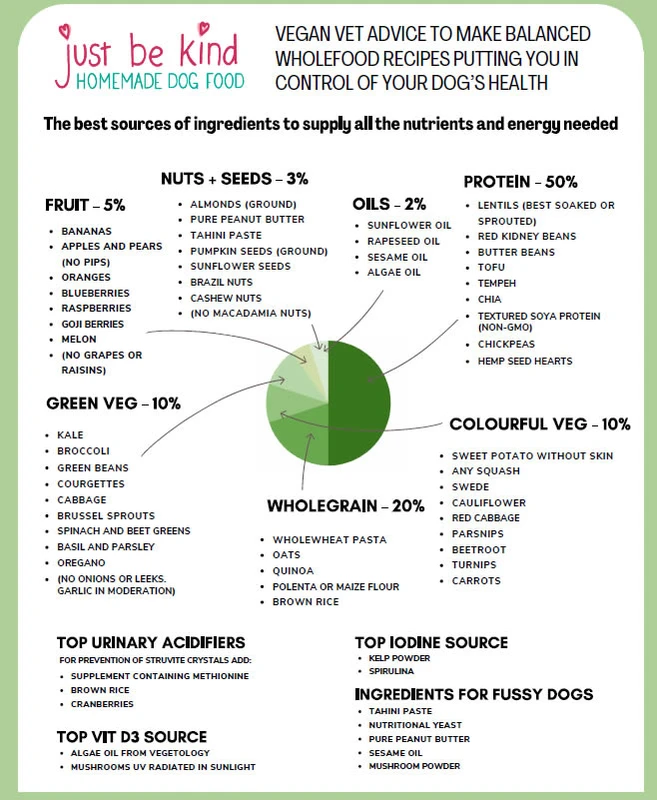
Some dog owners opt for commercial vegan dog foods that comply with AAFCO or FEDIAF standards. These products undergo rigorous testing to ensure nutrient completeness, offering convenience and consistency.
Alternatively, partial vegan diets incorporating some animal-derived supplements like bone broth can ease transition and improve palatability.
Frequently Asked Questions

Can homemade plant-based dog food meet all my dog’s nutritional needs?
Yes, but only if recipes are carefully formulated with complementary proteins and supplemented with key nutrients like taurine, vitamin B12, and calcium. Veterinary guidance is critical to ensure diet adequacy.
What are the safest vegetables and fruits to include in vegan dog diets?
Safe vegetables include sweet potatoes, kale, peas, pumpkin, and carrots. Safe fruits include apples (without seeds) and blueberries. Always avoid toxic foods like onions, garlic, grapes, and raisins.
How do I calculate the correct portion size for my dog?
A general guideline is feeding 10 grams of homemade food per pound of body weight per day, divided into two meals. Adjust based on activity, age, and health.
Are there any risks associated with vegan diets for dogs?
Risks include potential nutrient deficiencies if diets are not properly formulated and supplemented. Regular veterinary monitoring minimizes these risks.
Can all dog breeds thrive on a vegan diet?
Many breeds can adapt to well-balanced plant-based diets, but individual needs vary. Breeds with specific health concerns may require tailored nutrition plans developed with a veterinary nutritionist.
—
Implementing a homemade plant-based diet for dogs requires deliberate planning, supplementation, and veterinary collaboration to ensure optimal canine health. Owners committed to ethical and sustainable feeding can successfully nourish their pets with vegan recipes that meet comprehensive nutritional standards. Ongoing monitoring and adjustment remain integral to maintaining vitality and well-being on plant-based diets.

How to Incorporate Pet Needs in Sustainable Architecture Design
PawVerde.com – Incorporating pet needs into sustainable architecture demands a multifaceted approach that balances environmental responsibility with animal welfare. This integration involves selecting eco-friendly materials, implementing energy-efficient systems, and designing indoor and outdoor spaces that prioritize comfort, safety, and natural behaviors of pets. Key architectural features include natural shading through vegetation, vertical platforms that encourage feline exercise, water elements facilitating thermoregulation, and durable surfaces that withstand wear while minimizing environmental impact. These design strategies align closely with sustainability frameworks and animal welfare standards endorsed by global organizations.
Eco-Friendly Materials and Energy-Efficient Systems in Pet-Centric Architecture
Sustainable architecture tailored for pets emphasizes the use of recycled, renewable, and non-toxic building materials that ensure safety and longevity. Materials such as reclaimed wood, bamboo, and low-VOC (volatile organic compound) paints are increasingly adopted for pet environments, reducing toxic exposure risks and environmental footprint. Architectural firms like Raulino Silva Arquitecto prioritize these materials not only for their green credentials but for their resilience against pet-related wear and tear, such as scratching or moisture exposure.
Energy efficiency is another critical aspect, particularly in pet-care facilities like shelters and hotels. Adoption of LED lighting considerably reduces energy use while providing variable light intensities conducive to animal comfort. Programmable thermostats and advanced HVAC systems enable precise climate control, maintaining optimal temperatures for species-specific thermoregulation without excessive energy consumption. For example, shaded outdoor zones cooled by large-leaved shrubs reduce reliance on mechanical cooling, directly benefiting pets like dogs and cats that are sensitive to heat stress.
Balancing energy efficiency with pet access to indoor and outdoor areas presents architectural challenges. While open transitions improve animal welfare by enabling natural behaviors, they can compromise building envelope integrity, leading to energy loss. Innovative solutions, including vestibules or airlocks with transparent glass partitions, create buffer zones that sustain energy conservation while allowing pets safe freedom of movement.
Designing Indoor and Outdoor Spaces That Enhance Pet Comfort and Welfare
Indoor pet environments incorporate vertical platforms, especially for cats, to encourage climbing and exercise, replicating natural arboreal behaviors that reduce stress and promote health. These platforms, combined with cozy resting nooks and hygienic feeding stations, create enriched environments that address physical and psychological needs. Surfaces are selected for durability and ease of cleaning, often using recycled composites or sustainably sourced tiles that resist bacterial growth and wear.
Outdoor spaces emphasize natural shading and water features to create thermally comfortable and stimulating environments. Incorporating native plantings such as large-leaved shrubs or trees provides living shade that cools play areas more effectively than artificial structures, enhancing pet hydration and reducing overheating risks. Water features serve dual purposes: offering hydration and regulating body temperature through evaporative cooling, essential for animals like hedgehogs and toads sensitive to temperature fluctuations.
Natural elements integrated into design serve aesthetic and ecological functions. For instance, deadwood sculptures and stone walls not only enrich the environment visually but support small urban wildlife, enhancing biodiversity and creating microhabitats that align with species conservation goals. These elements extend habitat connectivity within urban settings, reflecting principles advocated by the United Nations for sustainable agricultural and building practices that include animal welfare.
Spatial Planning and Zoning Strategies for Multi-Animal Environments
Effective zoning in pet facilities and multi-pet homes involves separating social, service, and medical areas to reduce stress and cross-contamination risks. Architectural designs often employ glass partitions to maintain visual connectivity and natural light penetration while delineating functional zones. This approach supports animal welfare by preserving openness and reducing feelings of confinement, important in shelters where stress can exacerbate health issues.
Pet hotels designed by firms such as Animal Arts exemplify zoning best practices by providing separate play, rest, and feeding zones tailored to species-specific needs. These spaces incorporate sound-absorbing materials and controlled lighting to minimize sensory overload. Similarly, shelters optimize layout to include quarantine areas isolated from communal zones, ensuring health safety and smooth transitions for newly admitted animals.
Spatial planning also extends to community pet spaces, where zoning facilitates coexistence among diverse species. Outdoor play areas are designed with species-specific zones, such as shaded dog runs and vertical climbing structures for cats, connected by transition zones that allow safe movement and social interaction without conflict.
Environmental Enrichment and Animal Welfare Integration in Architectural Design
Incorporating environmental enrichment into architectural design supports natural behaviors and mental well-being in pets. Climbing structures, hiding spaces, and interactive feeding stations emulate wild habitats, promoting exercise, exploration, and cognitive engagement. These features align with the Five Freedoms framework and OIE (World Organisation for Animal Health) standards, which emphasize freedom from discomfort and behavioral expression.
Pet-care facilities increasingly integrate enrichment elements such as tunnels for cats and small mammals, varied textured surfaces, and sensory gardens featuring plants safe for animal interaction. These design considerations improve quality of life and reduce behavioral problems associated with confinement and boredom.
Moreover, welfare-centric designs address species-specific needs: for instance, toads benefit from damp microhabitats with shallow water features, while hedgehogs require sheltered, low-light resting areas. By tailoring architectural elements to the biology and behavior of different animals, designers enhance both welfare and sustainability, reducing the need for energy-intensive environmental controls.
Case Studies Demonstrating Sustainable and Pet-Friendly Architectural Innovations
Raulino Silva Arquitecto’s pet hotel project exemplifies the integration of sustainability and animal welfare. The design incorporates recycled timber and green roofing to minimize heat absorption, while vertical cat platforms and shaded dog runs encourage natural behaviors. Programmable LED lighting systems adapt to circadian rhythms, enhancing animal comfort and energy savings.
Informal Design’s community pet spaces emphasize habitat restoration within urban contexts. They incorporate natural plantings and deadwood art installations, which serve as ecological corridors and urban wildlife refuges. This approach aligns with species conservation efforts while providing enriched environments for domestic pets.
Custom residential projects integrate pet-specific features such as feeding stations built into cabinetry, indoor tunnels facilitating safe movement, and shaded outdoor patios with natural ventilation. These designs demonstrate practical applications of sustainable materials and energy-efficient systems in everyday pet-friendly homes.
| Design Element | Sustainability Feature | Pet Welfare Benefit |
|---|---|---|
| Recycled timber flooring | Reduces deforestation, non-toxic finish | Safe, durable surface resistant to claws and spills |
| LED programmable lighting | Low energy consumption, customizable light cycles | Supports natural circadian rhythms and reduces stress |
| Vertical climbing platforms | Compact design reduces footprint | Encourages exercise and natural feline behaviors |
| Natural shading with native plants | Passive cooling, carbon sequestration | Prevents heat stress in outdoor play areas |
| Water features (shallow pools, fountains) | Promotes evaporative cooling | Provides hydration and thermoregulation opportunities |
Challenges and Future Directions in Sustainable Pet Architecture
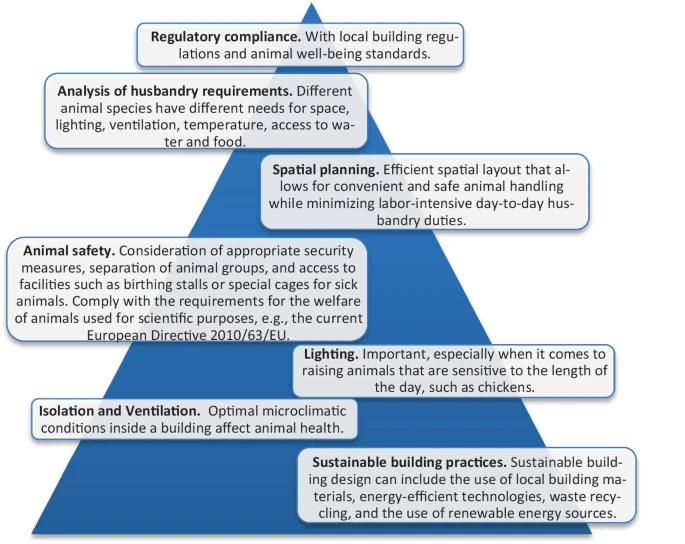
Integrating pet needs with sustainability introduces challenges, particularly regarding energy use in indoor/outdoor transitional spaces. Maintaining building envelope integrity while allowing pets free movement requires innovative solutions to avoid thermal bridges and air leaks. Future designs may incorporate advanced insulation materials and automated climate control systems responsive to animal presence and activity.
Evolving building codes increasingly address pet welfare, prompting architects to adopt standards that balance ecological impact with animal comfort. Innovations in bio-based materials, smart sensors for environmental monitoring, and modular pet furniture adaptable to various species are emerging trends shaping the future of sustainable pet architecture.
Additionally, research into species-specific architectural needs continues to expand, supporting more nuanced designs that cater to diverse pets beyond dogs and cats, including small mammals and amphibians. This evolution reflects a growing recognition of animal welfare as integral to sustainable development goals, emphasizing a holistic approach to urban living environments.
FAQ
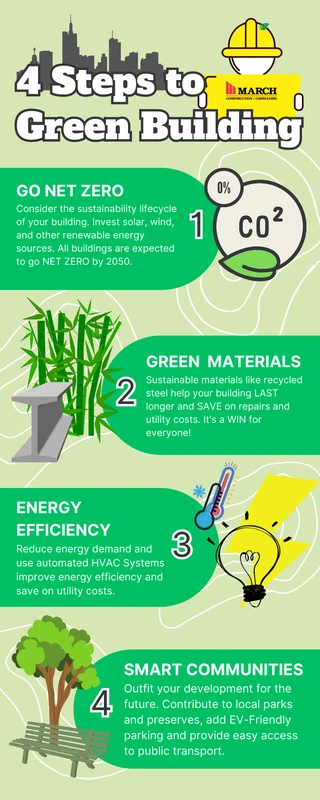
How do eco-friendly materials contribute to pet welfare in sustainable architecture?
Eco-friendly materials like reclaimed wood, bamboo, and low-VOC paints reduce exposure to toxins and allergens, creating safer indoor environments for pets. They also offer durability against wear from claws and moisture, ensuring hygienic and long-lasting surfaces suitable for animal habitats.
What energy-efficient systems are most effective in pet-care facilities?
LED lighting with programmable controls, energy-efficient HVAC systems, and smart thermostats are effective in maintaining optimal lighting and temperature conditions tailored to animal needs while minimizing energy consumption and operating costs.
Why is natural shading important in outdoor pet areas?
Natural shading from native vegetation reduces ambient temperatures more effectively than artificial structures, preventing heat stress in pets. It also supports local biodiversity and contributes to the passive cooling of adjacent building spaces.
How can architectural design support natural behaviors in pets?
Design elements like vertical platforms for climbing, hiding nooks, and interactive feeding stations mimic natural habitats, promoting exercise, exploration, and mental stimulation. These features reduce stress and behavioral issues, enhancing overall welfare.
What are the main challenges of integrating indoor/outdoor spaces for pets in sustainable buildings?
Balancing pet access with energy conservation is challenging due to potential heat loss and air infiltration through open transitions. Solutions include vestibules, airlocks, and high-performance glazing that maintain building envelope integrity without restricting animal movement.
sustainable architecture for pets is evolving to incorporate advanced materials, energy-saving technologies, and habitat-enriching designs that support animal welfare while minimizing ecological impact. Future innovations will likely emphasize smart environmental controls and species-specific customization, positioning pet needs as central to green building practices and urban planning.