
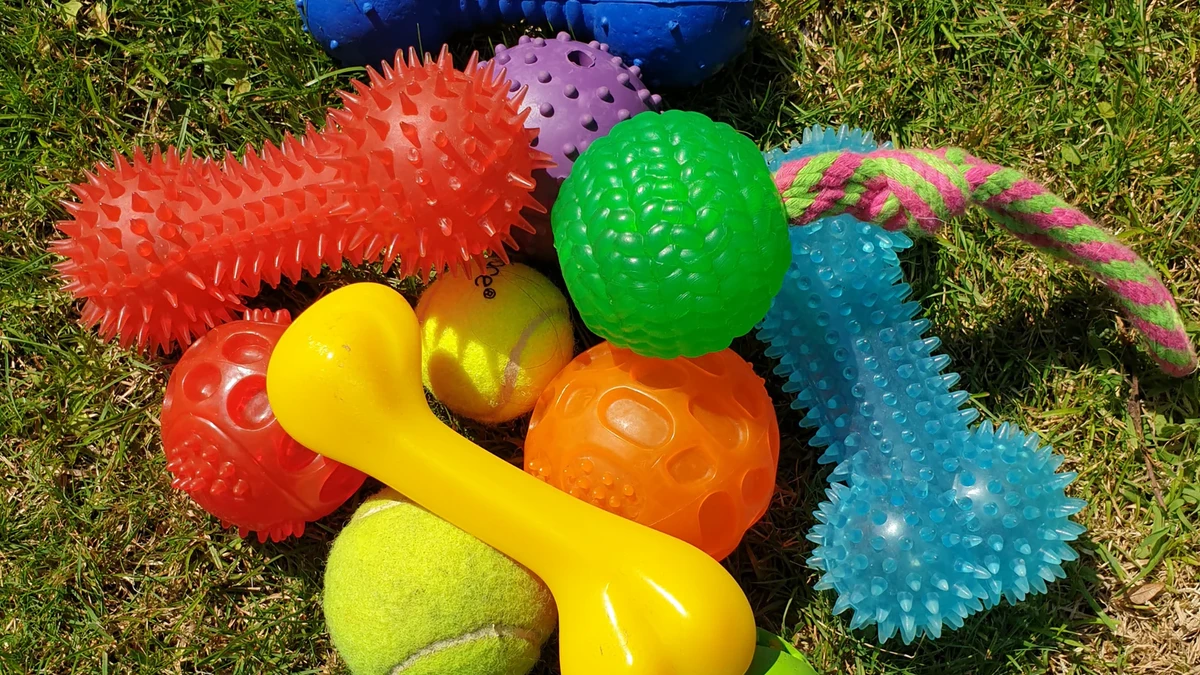
Bamboo vs Recycled Plastic Dog Toys: Key Differences Explained
PawVerde.com – Bamboo dog toys and recycled plastic dog toys have emerged as prominent alternatives to conventional plastic options, driven by growing consumer demand for sustainable, safe, and durable pet products. Bamboo, a rapidly renewable resource, offers natural biodegradability and chemical-free properties, while recycled plastic leverages post-consumer waste to reduce landfill contributions. Understanding the material characteristics, environmental impact, safety factors, and practical durability of these toy types is essential for pet owners aiming to balance pet health with ecological responsibility.
Bamboo dog toys capitalize on the plant’s fast growth without the need for fertilizers or pesticides, resulting in a resource-efficient base material. The natural hardness and fibrous structure of bamboo make it resistant to moderate chewing, while its biodegradability ensures that worn or discarded toys break down without contributing to microplastic pollution. On the other hand, recycled plastic dog toys typically derive from polyester fibers recovered from plastic bottles, repurposing waste that would otherwise burden landfills. These toys often incorporate synthetic additives to enhance durability and texture but maintain hypoallergenic and non-toxic certifications compliant with pet safety standards.
Material Profiles: Bamboo Dog Toys vs. Recycled Plastic Dog Toys
Bamboo’s rapid growth cycle—sometimes reaching maturity within three to five years—requires no pesticides or synthetic fertilizers, positioning it as a sustainable raw material in pet toy manufacturing. Its natural fibers provide a sturdy yet gentle surface for dogs to chew, minimizing tooth damage compared to harder synthetic materials. Brands such as HuggleHounds have pioneered bamboo-based dog toys, integrating natural rubber and organic cotton alongside bamboo to create biodegradable, non-toxic products that comply with OEKO-TEX and PETA cruelty-free certifications.
Recycled plastic dog toys source materials predominantly from post-consumer PET bottles, which are cleaned, processed into fibers, and woven or molded into toy structures. This process reduces virgin plastic production and diverts significant waste from landfills. Companies like Multipet, Beco Pets, and Petique have incorporated recycled polyester fabrics and plastics into their pet toy lines, emphasizing durability and environmental responsibility. However, recycled plastic fibers may contain chemical additives—including colorants and stabilizers—that require stringent safety testing to meet pet safety regulations and hypoallergenic standards.
Environmental Impact: Production Footprint and End-of-Life Considerations
Lifecycle assessments reveal that bamboo dog toys typically generate a lower carbon footprint than recycled plastic toys, primarily due to bamboo’s minimal agricultural inputs and rapid sequestration of atmospheric carbon during growth. Bamboo’s biodegradability allows discarded toys to decompose naturally within months to years, depending on environmental conditions, reducing microplastic accumulation and landfill volume.
In contrast, recycled plastic dog toys contribute positively by extending the lifecycle of plastic waste and supporting circular economy principles. Their manufacturing consumes less energy than producing virgin plastics but still involves chemical processing and the use of synthetic additives, which can complicate recycling at the product’s end of life. Despite being non-biodegradable, these toys prevent immediate environmental pollution by reusing waste streams and reducing demand for new plastic production.
Both materials significantly outperform traditional plastic dog toys in terms of resource conservation and waste reduction. However, bamboo toys offer a distinct advantage in biodegradability, whereas recycled plastic toys excel in diverting existing plastic waste from landfills.
Safety and Health Considerations for Pets
Pet safety standards emphasize the importance of non-toxic materials free from harmful chemicals such as phthalates, BPA, and heavy metals. Bamboo dog toys inherently lack synthetic chemicals, pesticides, and allergens, making them suitable for dogs with sensitive mouths or allergies. Their natural composition reduces the risk of chemical ingestion from chewing or accidental swallowing.
Recycled plastic dog toys undergo rigorous testing to ensure compliance with safety certifications like OEKO-TEX Standard 100, which screens for harmful substances. While often hypoallergenic, the presence of synthetic additives and dyes necessitates careful selection by consumers, particularly for dogs prone to allergic reactions or oral sensitivities. Manufacturers typically disclose material sourcing and additives to build trust and transparency.
Both toy types meet or exceed pet safety standards when produced by reputable eco-friendly brands, but bamboo toys provide a more natural, chemical-free profile that appeals to owners prioritizing holistic pet health.
Durability and Suitability for Different Dog Play Styles
Durability varies significantly between bamboo and recycled plastic dog toys, influenced by the dog’s chewing intensity and play behavior. Bamboo’s natural hardness offers moderate resistance to chewing, making it appropriate for gentle to moderate chewers but less ideal for power chewers who may splinter or destroy bamboo fibers. Bamboo toys’ longevity depends on maintenance and play frequency but generally require replacement more often than plastic counterparts in aggressive chewer scenarios.
Recycled plastic toys exhibit high durability and resistance to tearing, abrasion, and water exposure. Their synthetic fiber composition allows for flexibility in design, catering to various play styles, including fetch, tug, and chew. These toys often maintain structural integrity longer under heavy chewing but risk chemical degradation over extended periods or extreme conditions.
Selecting the right toy material involves matching the dog’s chewing strength and play preferences with the toy’s durability profile. Bamboo toys excel in mental stimulation and moderate chewing, while recycled plastic toys suit robust, power-chewing dogs requiring tougher playthings.
Industry Trends and Certifications Supporting Sustainable Pet Products
The pet industry increasingly embraces green manufacturing practices, including renewable energy use, waste minimization, and sustainable sourcing. Leading eco-friendly pet toy manufacturers integrate certifications such as PETA approval, OEKO-TEX Standard 100, and Global Organic Textile Standard (GOTS) to validate material safety and ethical production.
The Pet Sustainability Coalition plays a pivotal role in promoting responsible pet product development, advocating for circular economy principles, and encouraging transparency in supply chains. Their initiatives support brands adopting recycled materials, renewable resources, and biodegradable alternatives.
Emerging trends include the incorporation of hemp and jute fibers, organic cotton blends, and natural rubber components into dog toys, broadening the spectrum of sustainable materials available to consumers. These innovations aim to reduce the carbon footprint and environmental impact of pet products while enhancing pet safety and functionality.
Consumer Guidance: How to Choose Truly Sustainable Dog Toys
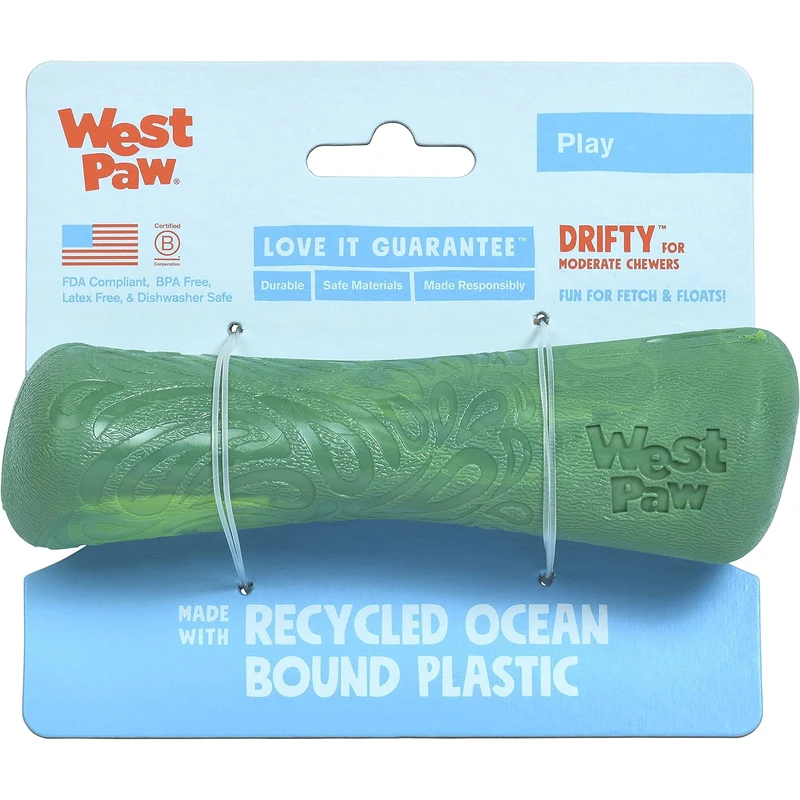
Consumers should prioritize dog toys labeled with verified eco-certifications and transparent material disclosures. Identifying bamboo toys made from 100% natural bamboo or bamboo composites without synthetic additives ensures biodegradability and chemical safety. For recycled plastic toys, verifying the use of post-consumer recycled materials and compliance with OEKO-TEX and pet safety standards is crucial.
Balancing sustainability with durability requires evaluating the dog’s chewing behavior and play style to select toys that reduce waste through longevity and safety. Consumers may also explore DIY eco-friendly dog toy options using organic cotton, hemp, or upcycled materials to customize safe and sustainable products.
Educating oneself on sustainable pet brands such as HuggleHounds, Multipet, Beco Pets, and Petique, which emphasize eco-friendly practices, empowers consumers to support industry leaders driving environmental stewardship.
FAQ

Are bamboo dog toys safe for aggressive chewers?
Bamboo dog toys are generally safe for moderate chewers but may not withstand the intense chewing of aggressive or power chewers. The natural fibers can splinter under excessive force, posing a risk of ingestion or injury. For aggressive chewers, recycled plastic toys with higher durability may be more suitable.
Do recycled plastic dog toys contain harmful chemicals?
Recycled plastic dog toys from reputable manufacturers comply with safety standards such as OEKO-TEX and are tested to be free from harmful chemicals like BPA and phthalates. However, some synthetic additives and dyes are used to improve durability and appearance, so selecting certified products is essential to ensure safety.
How do bamboo dog toys impact the environment compared to recycled plastic toys?
Bamboo dog toys offer superior environmental benefits through rapid renewability, minimal agricultural inputs, and full biodegradability, reducing landfill waste and microplastic pollution. Recycled plastic toys contribute by repurposing plastic waste, supporting circular economy efforts but are not biodegradable and may involve chemical processing.
Can dogs with allergies safely use bamboo or recycled plastic toys?
Bamboo dog toys are typically hypoallergenic and free from synthetic chemicals, making them safe for dogs with allergies or sensitive mouths. Recycled plastic toys can also be hypoallergenic if produced under strict safety standards, but synthetic additives may trigger sensitivities in some dogs.
What certifications should I look for when buying eco-friendly dog toys?
Look for certifications such as OEKO-TEX Standard 100 for chemical safety, PETA approval for cruelty-free manufacturing, and Global Organic Textile Standard (GOTS) for organic material sourcing. Brands participating in the Pet Sustainability Coalition also demonstrate commitment to sustainable and ethical practices.
As sustainability becomes a central pillar in the pet product industry, bamboo and recycled plastic dog toys represent key innovations balancing environmental stewardship with pet safety and durability. Future developments will likely expand material options and refine manufacturing processes, enhancing eco-friendly choices for conscientious pet owners.
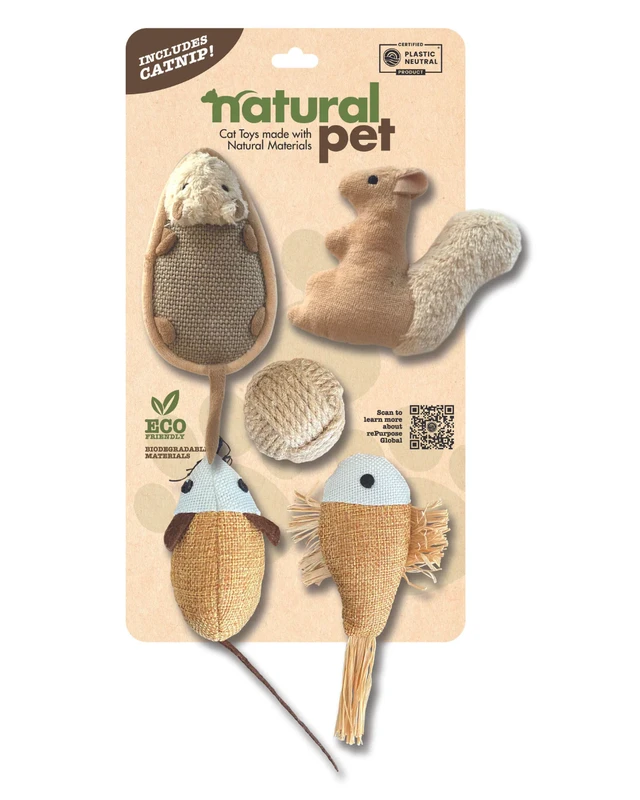
Certified Safety Standards for Eco-Friendly Pet Toys Explained
PawVerde.com – The demand for eco-friendly pet toys has surged as consumers increasingly prioritize the health of their pets alongside environmental responsibility. However, not all products branded as “eco-friendly” offer verified safety or sustainability, making certifications critical for distinguishing truly safe and sustainable pet toys. Trusted third-party certifications such as OEKO-TEX, GOTS, and B Corp validate the use of non-toxic, ethically sourced materials, while compliance with ASTM F963 and CE marking ensures mechanical and chemical safety. Consumers seeking safe eco-friendly pet toys must prioritize certifications backed by rigorous testing to mitigate risks from harmful chemicals like phthalates and BPA, often found in uncertified recycled plastics or synthetic materials.
Certified eco-friendly pet toys combine sustainability with pet safety by adhering to standards that assess material toxicity, mechanical durability, and environmental impact. This article details the essential safety and sustainability certifications, common material safety profiles, manufacturing standards, health risks of uncertified products, and practical guidance for consumers. It further contextualizes market trends and innovations shaping the future of eco-conscious pet toys.
Key Safety Certifications Ensuring Eco-Friendly Pet Toy Safety
Eco-friendly pet toys are commonly certified by organizations specializing in textile safety, chemical hazard assessment, and corporate social responsibility. OEKO-TEX and GOTS certifications focus on textile safety and organic material verification, ensuring fibers like organic cotton and hemp used in pet toys are free from harmful chemicals and pesticides. OEKO-TEX Standard 100, for instance, tests for over 300 harmful substances, including phthalates and heavy metals, which pose risks to pet health. GOTS certification adds a layer of organic and ecological integrity by regulating the entire textile supply chain, from fiber harvesting to environmentally responsible dyeing processes.
Corporate social responsibility is reflected in B Corp certification, which assesses companies on social and environmental performance, accountability, and transparency. B Corp pet toy brands commit to sustainable manufacturing practices and fair labor standards, enhancing consumer trust. Certifications like ISO 14001 and ISO 20400 represent environmental management systems and sustainable procurement, respectively, signaling comprehensive governance in eco-friendly pet toy production.
Toy safety standards are equally vital. ASTM F963, a US standard, specifies requirements for mechanical hazards, toxicity, flammability, and chemical migration limits in toys, protecting pets from choking hazards and exposure to toxic substances. Similarly, CE marking and EN71 testing in Europe assess mechanical safety and chemical compliance, ensuring pet toys meet stringent regulatory criteria.
Material Safety Profiles: Natural Fibers, Recycled Plastics, and Durability
Natural materials such as natural rubber, organic cotton, and hemp fiber have gained prominence in eco-friendly pet toy manufacturing due to their biodegradability and lower toxicity profiles. Natural rubber provides elasticity and resilience without the synthetic additives found in many plastics. Organic cotton and hemp fibers are grown without harmful pesticides and are certified under GOTS or OEKO-TEX, reducing chemical exposure risks.
Recycled plastics offer environmental benefits by reducing landfill waste and lowering carbon emissions by up to 50%, according to recent lifecycle assessments. However, recycled plastics may contain residual phthalates, BPA, or other endocrine disruptors if not properly certified. Independent testing laboratories such as Eurofins and Pacific Certifications verify compliance with chemical safety standards to mitigate these risks.
Durability is a critical safety and sustainability factor. Longer-lasting toys reduce waste and minimize the risk of small parts breaking off and causing choking. Brands like West Paw utilize proprietary materials such as Zogoflex, which combines toughness with recyclability. Durability testing, aligned with ASTM and ISO standards, evaluates toys under simulated wear conditions to ensure longevity and safety.
Regulatory Compliance and Quality Control in Eco-Friendly Pet Toy Manufacturing
Third-party testing and certification are cornerstones of regulatory compliance that influence market access and consumer trust. Quality control processes include chemical analysis for toxic substances, mechanical testing for strength and safety, and manufacturing audits verifying ethical sourcing and environmental management.
Compliance documentation facilitates global market entry and buyer confidence, especially on platforms like Alibaba.com, where buyer matching increasingly prioritizes certified products. Independent bodies such as ISB USA and Pacific Certifications provide verification services that authenticate product claims, reducing greenwashing risks.
Leading eco-conscious brands such as West Paw, Earth Rated, and Bully Max exemplify transparent certification adherence. West Paw’s Zogoflex toys carry ASTM and ISO certifications, Earth Rated focuses on biodegradable waste bags and durable toys certified for chemical safety, while Bully Max integrates OEKO-TEX certified materials into its product line. These brands disclose certification details and testing reports, enhancing consumer assurance.
Health Risks Associated with Uncertified Eco-Friendly Pet Toys
Research including EarthDay.org’s Pets vs. Plastics report highlights prevalent chemical contaminants in uncertified pet toys, including phthalates, BPA, lead, and other toxic additives. These substances pose risks such as endocrine disruption, allergic reactions, and long-term organ damage in pets. Phthalates and BPA, common in some recycled plastics, have been linked to reproductive and developmental toxicity in animals.
Uncertified toys may also fail mechanical safety tests, increasing choking and ingestion hazards. Flammability concerns arise when materials do not adhere to ASTM F963 or EN71 standards, posing fire risks in home environments.
The lack of transparency and independent testing in uncertified products complicates risk assessment for consumers, underscoring the importance of verifying certification claims before purchase.
Consumer Guidance for Selecting Safe Eco-Friendly Pet Toys
Consumers should verify certifications by checking labels for OEKO-TEX, GOTS, B Corp, ASTM F963, CE, and ISO marks. Certification databases or official websites provide authentication tools to confirm legitimacy.
Inspecting product durability involves assessing stitching quality, material thickness, and resistance to tearing or deformation. High durability indicates less frequent replacement, supporting environmental sustainability and reducing safety hazards from broken parts.
Recognizing credible brands requires researching company transparency regarding sourcing, manufacturing, and testing. Avoidance of vague marketing terms such as “natural” or “organic” without certification is crucial, as these claims lack regulatory enforcement and can mislead consumers.
Market Trends and Innovations Shaping the Future of Eco-Friendly Pet Toys
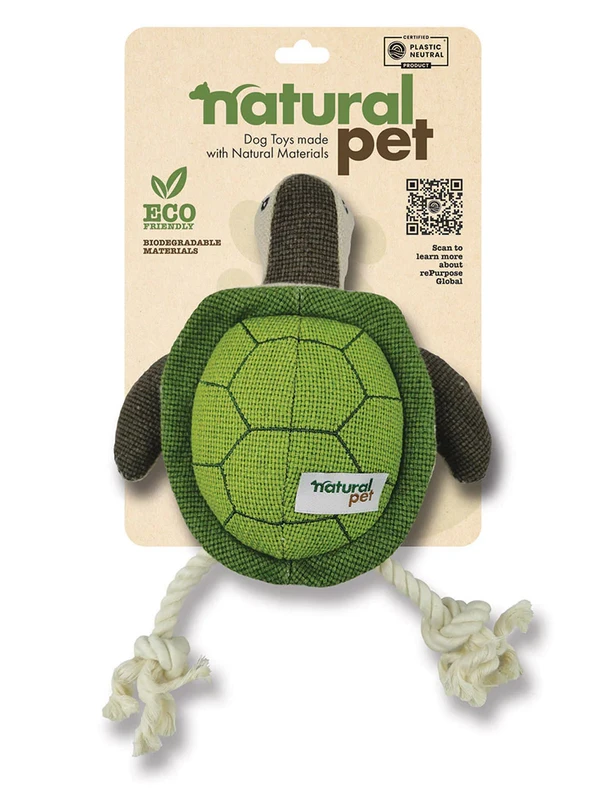
The global market for biodegradable and sustainable pet toys is projected to grow significantly, driven by consumer demand and regulatory pressures. Innovations include the development of plant-based bioplastics, advanced natural rubber composites, and hemp-based fibers engineered for enhanced durability and safety.
Emerging certifications targeting circular economy principles and microplastic reduction are gaining traction, aiming to address environmental impact beyond immediate safety concerns. Increasing adoption of ISO 14001 and ISO 20400 highlights a shift toward comprehensive environmental governance and sustainable procurement in pet product manufacturing.
Brands investing in transparency and third-party validation are positioned to lead market growth, responding to heightened consumer awareness and regulatory scrutiny.
Frequently Asked Questions
What certifications should I look for to ensure a pet toy is safe and eco-friendly?
Look for OEKO-TEX and GOTS for textile safety and organic material verification, B Corp for corporate responsibility, ASTM F963 and CE marking for mechanical and chemical safety, and ISO 14001 or ISO 20400 for environmental management and sustainable procurement.
Are recycled plastic pet toys safe for my pet?
Recycled plastic toys can be safe if certified by independent laboratories such as Eurofins or Pacific Certifications, ensuring they are free from harmful chemicals like phthalates and BPA. Uncertified recycled plastics may pose health risks.
How does durability affect the safety of eco-friendly pet toys?
Durable toys reduce the risk of choking hazards from broken parts and minimize environmental impact by decreasing waste. Certifications often include durability testing to ensure toys withstand typical wear and tear.
Can I trust “natural” or “organic” labels on pet toys without certification?
Labels without third-party certification like OEKO-TEX or GOTS do not guarantee safety or sustainability. Such terms are often marketing claims without regulatory oversight, so verification through certifications is essential.
What health risks do uncertified pet toys pose to pets?
Uncertified toys may contain toxic chemicals such as phthalates, BPA, and heavy metals, which can cause endocrine disruption, allergic reactions, or organ damage. Poor mechanical safety can also lead to choking or ingestion hazards.
—
Increasingly stringent safety and sustainability standards, coupled with growing consumer demand for transparency, are driving the evolution of eco-friendly pet toys. Future developments will likely emphasize circular economy principles, enhanced durability, and comprehensive environmental governance. Consumers equipped with knowledge of credible certifications and material safety profiles can make informed decisions that protect pet health and support sustainable manufacturing practices.
West Paw, Cycle Dog Lead 2026 Eco-Friendly Pet Toy Brands
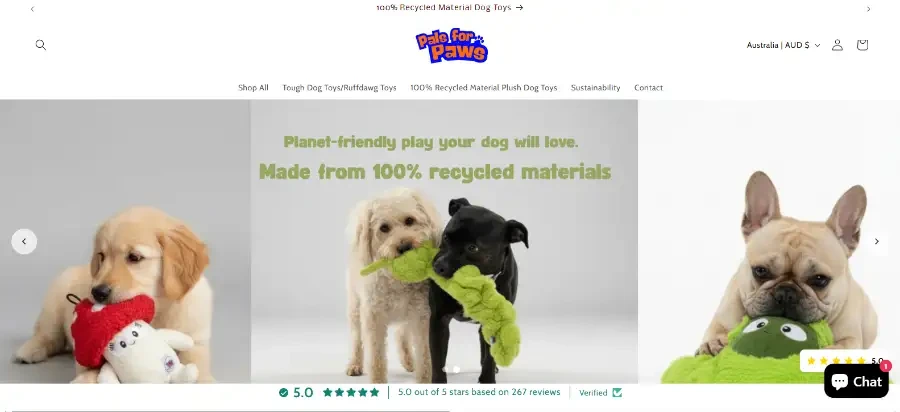
PawVerde.com – West Paw, Cycle Dog, Beco Pets, and other leading pet toy brands have solidified their positions in 2026 as pioneers of eco-friendly pet products, capitalizing on durable, non-toxic, and sustainable materials to meet rising consumer demand for environmentally responsible pet care. These companies integrate proprietary recycled plastics, natural rubber, organic cotton, and hemp into their product lines, while innovating circular economy models such as West Paw’s “Join the Loop” mail-back recycling program, which enables infinite reuse of their signature Zogoflex material. This year marks a significant shift in pet toy manufacturing, where sustainability and safety converge with durability to reduce waste and environmental impact throughout the pet product lifecycle.
West Paw’s Zogoflex remains a benchmark in sustainable pet toy materials due to its non-toxic composition, high durability, and infinite recyclability. The company’s “Join the Loop” initiative allows pet owners to return used toys for recycling into new products, demonstrating a closed-loop system rare in the pet industry. Independent testing confirms Zogoflex toys withstand aggressive chewing, extending product lifespan and reducing frequent replacements. Similarly, Cycle Dog and Beco Pets emphasize the use of natural and biodegradable materials, including organic cotton, hemp fibers, and recycled ocean-bound plastics. Hevea’s 100% biodegradable natural rubber toys and feeding accessories further illustrate the growing trend toward fully compostable pet items, aligning with zero-waste principles. The Kind Pet’s Boba & Vespa line complements this ecosystem with 100% organic cotton and hemp rope toys, manufactured in the USA without plastics, targeting environmentally conscious consumers seeking plastic-free options.
The materials and technologies employed by these brands reflect a sophisticated approach to sustainability in pet products. Proprietary recycled plastics like Zogoflex and Seaflex combine durability with environmental responsibility by diverting plastic waste from landfills and oceans into high-performance pet toys. Natural fibers such as organic cotton, hemp, wool, and bamboo are favored for their renewability, biodegradability, and lower carbon footprints compared to synthetic alternatives. Biodegradable components are increasingly standard, especially in toys and accessories designed to safely break down post-use without releasing toxins. Production processes adhere strictly to non-toxic standards to protect pet health, with many brands pursuing certifications like B-Corp status, which validate their social and environmental commitments.
Recycling and circular economy initiatives have gained traction as integral elements of sustainable pet product strategies. West Paw’s “Join the Loop” program exemplifies brand-led circularity by incentivizing consumers to return used toys for remanufacturing. TerraCycle partnerships and other third-party recycling streams supplement these efforts, offering pathways for recycling pet products that traditionally end up in waste streams. Mail-back programs by brands such as Pet Passion and Planet Paws reduce landfill contributions and encourage responsible disposal. These initiatives reduce the carbon footprint of pet toys by extending material lifecycle and minimizing virgin resource extraction, crucial in an industry historically reliant on single-use plastics and unsustainable materials.
Durability is a critical factor in reducing the environmental impact of pet toys. Long-lasting toys require fewer replacements, thus conserving resources and reducing waste. Pet Passion’s durability testing demonstrates the superior lifespan of toys made from high-quality natural fibers and responsibly sourced wood, which resist wear and tear from rigorous play. Although eco-friendly toys often carry a higher upfront cost—such as West Paw’s premium-priced Zogoflex products—consumers benefit from longer usability and reduced environmental harm. Additionally, durable natural fiber toys like those from The Kind Pet resist fraying and breakdown, ensuring safer, extended enjoyment for pets and less frequent disposal. This balance of cost versus lifespan is influencing eco-conscious buyers in 2026, who increasingly prioritize total lifecycle impact over initial price.
The pet toy market in 2026 is marked by a growing presence of certified B-Corp and environmentally responsible brands. These certifications signal adherence to rigorous standards in environmental performance, social responsibility, and transparency, helping consumers identify trustworthy sustainable products. Rising consumer awareness of pet product carbon footprints and ecological consequences drives demand for eco-friendly alternatives, as pet owners seek to align their purchasing choices with broader sustainability goals. Integration of eco-friendly pet toys into sustainable pet ownership routines is becoming mainstream, supported by educational campaigns and retailer emphasis on zero-waste packaging and recycled content. This momentum suggests a continuing shift toward responsible pet product consumption.
| Brand | Key Sustainable Materials | Sustainability Initiatives | Certifications | Notable Features |
|---|---|---|---|---|
| West Paw | Zogoflex (recycled plastic) | “Join the Loop” recycling program | B-Corp certified | Durable, non-toxic, infinitely recyclable |
| Cycle Dog | Recycled ocean-bound plastics, hemp, organic cotton | Natural and biodegradable focus | Industry recognized | Eco-friendly, biodegradable toys |
| Beco Pets | Natural rubber, recycled plastics | Compostable poop bags, natural materials | Certified eco-conscious | Durable, natural rubber toys |
| Hevea | 100% biodegradable natural rubber | Plastic-free feeding accessories | Eco certified | Compostable, safe for pets |
| The Kind Pet (Boba & Vespa) | Organic cotton, hemp rope | Plastic-free, zero waste production | Made in USA | Durable, natural fiber toys |
| Pet Passion | Natural fibers, responsibly sourced wood | Durability testing, recycling partnerships | Eco friendly recognized | Long lifespan, non-toxic |
Looking forward, innovation in sustainable pet toys is expected to accelerate, with brands exploring new biodegradable polymers, advanced fiber blends, and expanded recycling infrastructures. The alignment between product safety, environmental responsibility, and consumer values forms the foundation of a rapidly evolving industry where zero waste and circular economy principles become standard. Pet owners benefit from transparent sourcing, robust durability, and convenient recycling options, empowering them to reduce their pets’ environmental footprints effectively. The trajectory of 2026 highlights that eco-friendly pet toys are no longer niche products but essential components of responsible pet care.
Frequently Asked Questions
Which materials are considered best for eco-friendly pet toys in 2026?
The top eco-friendly materials include proprietary recycled plastics like West Paw’s Zogoflex, natural rubber, organic cotton, hemp fibers, bamboo, wool, and recycled ocean-bound plastics. These materials offer durability, non-toxicity, and biodegradability, ensuring pet safety while reducing environmental impact.
How do recycling programs for pet toys work?
Recycling programs such as West Paw’s “Join the Loop” allow consumers to mail back used pet toys, which are then recycled into new products. Other initiatives include TerraCycle partnerships and brand-specific mail-back schemes that divert pet toys from landfills and promote circular material use.
Are eco-friendly pet toys more expensive than conventional ones?
eco-friendly pet toys often have a higher upfront cost due to sustainable material sourcing and manufacturing standards. However, their superior durability and longer lifespan typically offset the initial expense by reducing replacement frequency and waste.
What certifications should consumers look for when buying sustainable pet toys?
Consumers should look for certifications such as B-Corp, which validate a brand’s commitment to environmental and social responsibility. Other eco certifications may include organic fiber verification and compliance with non-toxic pet safety standards.
Do biodegradable pet toys compromise on durability?
biodegradable pet toys from reputable brands are designed to balance environmental benefits with durability. While some biodegradable materials may degrade faster under extreme conditions, many products combine natural fibers and reinforced structures to ensure safe, long-lasting use.
The expanding availability of recyclable, biodegradable, and non-toxic pet toys in 2026 reflects a maturing market aligned with circular economy goals. Practical recycling programs and certifications empower consumers to make informed, responsible choices, while innovations in sustainable materials continue to enhance pet safety and product longevity. As the industry advances, pet owners can expect broader access to eco-conscious options that support both animal welfare and planetary health.

Why Upcycling Pet Supplies Cuts Waste and Emissions
PawVerde.com – upcycling pet supplies significantly reduces waste by transforming discarded materials and ingredients into valuable new products, thereby diverting substantial volumes of waste from landfills and oceans. This process lowers greenhouse gas emissions by minimizing raw material extraction and preventing methane generation from organic waste decomposition. Within the pet industry, upcycling supports a circular economy by reusing polyethylene terephthalate (PET) plastics and food by-products to create sustainable pet foods, toys, bedding, and accessories. The integration of recycled PET (rPET) in manufacturing, along with upcycled ingredients in pet nutrition, demonstrates a scalable approach to environmental stewardship and resource conservation.
The pet industry faces considerable waste management challenges, with large amounts of plastic packaging, food waste, and discarded products contributing to landfill volume and ocean pollution. PET, a common plastic in pet product packaging and toys, is particularly problematic due to its persistence in the environment. Upcycling diverts PET waste by reprocessing it into high-quality materials for pet toys and accessories, with companies like Chuckit! producing items composed of up to 95% recycled plastic. This reuse reduces the need for virgin plastic production, directly lowering carbon emissions associated with extraction and manufacturing processes. Additionally, upcycling pet food ingredients—such as meat by-products, grains, and fats—helps reduce food waste, which in the U.S. alone is responsible for significant methane emissions in landfills.
Environmental Benefits of Upcycling Pet Supplies
Upcycling pet supplies mitigates environmental harm by diverting waste from landfills and marine ecosystems. An estimated 50% of pet food ingredients in the United States are derived from upcycled sources, contributing to a $3.4 billion industry annually. This substantial reuse of food waste reduces the volume of organic material decomposing anaerobically, thereby decreasing methane emissions, a potent greenhouse gas. In addition to organic waste management, upcycling PET plastics conserves finite fossil fuel resources by reducing the demand for virgin resin production.
Recycled PET (rPET) plays a central role in enhancing sustainability in pet product manufacturing. Through mechanical and chemical recycling, PET waste is converted into durable fibers and plastic granules utilized in pet toys, bedding, collars, and leashes. For example, West Paw, a leader in sustainable pet products, incorporates rPET and closed-loop recycling programs to minimize environmental impact. Chemical upcycling methods further advance sustainability by converting PET waste into novel materials capable of capturing CO2, presenting an innovative route to combat plastic pollution and climate change simultaneously.
Resource conservation extends beyond plastics. Water and land usage associated with pet food production are significantly reduced when upcycled ingredients replace conventional raw materials. By utilizing by-products from the food industry, pet food manufacturers minimize the agricultural footprint, conserving water resources and reducing deforestation pressures. The combined effect of these practices contributes toward meeting global sustainability goals and mitigating the pet industry’s carbon footprint.
Economic and Social Impacts of Upcycled Pet Products
The economic impact of upcycled pet products is considerable, fostering new business opportunities and supporting local economies. The upcycled pet food market alone, valued at $3.4 billion, illustrates strong consumer demand for sustainable alternatives. This demand incentivizes farmers and producers to supply surplus or secondary materials, such as meat trimmings and grain by-products, that would otherwise be discarded. These transactions generate additional revenue streams and reduce waste handling costs across the supply chain.
Socially, upcycling promotes community engagement and awareness regarding sustainability. Companies like Petmate and Chuckit! actively market their environmental commitments, influencing consumer behavior toward more responsible purchasing decisions. Sustainability certifications, such as the Upcycled Certified® label, provide transparency and build trust between manufacturers and pet owners while encouraging industry-wide adoption of circular economy principles. These certifications also aid regulatory bodies in monitoring ingredient safety and environmental claims, ensuring consumer protection.
The circular economy model implemented by leading pet product manufacturers demonstrates the scalability of upcycling. By integrating production scrap reuse and closed-loop systems, companies reduce material input costs and waste output simultaneously. This model not only benefits the environment but also improves profitability and resilience against resource price volatility. As consumers increasingly prioritize sustainability, businesses equipped with circular supply chains are better positioned for long-term success.
Upcycled Ingredients in Pet Food: Nutrition and Sustainability
Upcycled pet food ingredients typically include meat by-products, grains, fats, and other food industry residuals that retain nutritional value. These components are carefully selected and processed to ensure safety and meet regulatory standards enforced by agencies such as the FDA and AAFCO. Use of these ingredients reduces dependency on virgin agricultural inputs and lowers environmental burdens associated with conventional pet food production.
Nutritionally, upcycled ingredients provide essential proteins, fibers, and fats required for pet wellness. Studies indicate that diets incorporating upcycled components maintain or enhance nutrient profiles compared to traditional formulations. Moreover, the environmental advantages are significant: by diverting surplus food from landfills, pet food manufacturers reduce methane emissions and conserve water and land resources needed for primary ingredient cultivation.
Safety and quality assurance remain paramount in this sector. Producers employ rigorous testing protocols to prevent contamination and ensure ingredient traceability. Industry organizations, including BSM Partners and Symrise Pet Food, collaborate to develop best practices and standards facilitating the safe integration of upcycled materials. These efforts address consumer concerns about ingredient origin and product reliability, promoting wider acceptance of sustainable pet foods.
Upcycled Materials in Pet Products Beyond Food
Beyond edible products, recycled materials are extensively used in pet toys, bedding, collars, leashes, and packaging. High recycled content percentages are common; for instance, Chuckit! toys consist of approximately 95% recycled plastic, demonstrating material performance parity with virgin plastics. These products undergo stringent durability testing to withstand pet use while maintaining environmental benefits.
Manufacturers like West Paw have established closed-loop recycling programs where customers return used products for remanufacturing. This approach extends product life cycles, reduces waste generation, and fosters consumer participation in sustainability efforts. Additionally, integrating recycled fibers and plastics reduces reliance on virgin materials, further decreasing greenhouse gas emissions and landfill waste.
Case studies illustrate the effectiveness of circular manufacturing. West Paw’s adoption of rPET and commitment to product take-back programs have resulted in substantial waste diversion and resource savings. Similarly, Petmate’s investment in sustainable packaging and recycling infrastructure supports industry-wide shifts toward circularity. These initiatives exemplify how innovation and corporate responsibility can transform the pet supply sector’s environmental footprint.
Consumer Role and Education in Supporting Upcycled Pet Products
Pet owners play a critical role in driving demand for upcycled pet supplies and participating in waste reduction efforts. Consumer education initiatives emphasize the environmental advantages of purchasing products made from recycled materials and encourage responsible disposal or return of used items for recycling. Awareness campaigns by manufacturers and sustainability organizations highlight the benefits of upcycled pet foods and accessories, fostering informed decision-making.
Practical consumer actions include choosing products with sustainability certifications, properly sorting waste for recycling, and supporting brands with transparent environmental commitments. These behaviors reinforce industry incentives to innovate and expand upcycling efforts. Moreover, consumer feedback helps manufacturers refine products and address challenges such as contamination or material quality, enhancing overall sustainability performance.
Educational outreach extends to retailers and pet care professionals, who act as trusted advisors promoting sustainable pet ownership. Training programs and informational resources equip these stakeholders to advocate for circular economy principles and facilitate consumer adoption of upcycled pet supplies. This multi-level engagement is essential for scaling impact and embedding sustainability across the pet industry value chain.
Innovations and Future Directions in Pet Supply Upcycling
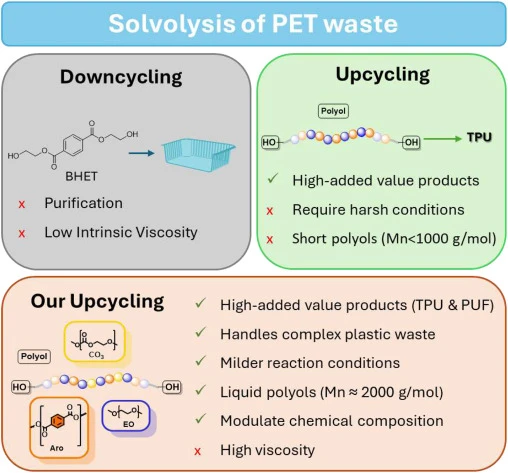
Emerging technologies in chemical upcycling represent a frontier in pet supply sustainability. Advanced processes convert PET waste into CO2 capture materials, simultaneously addressing plastic pollution and climate change mitigation. This dual benefit expands the environmental value proposition of upcycling beyond traditional mechanical recycling.
Industry-wide collaboration accelerates innovation and standardization. Certification programs like Upcycled Certified® establish benchmarks for ingredient sourcing and product manufacturing, enhancing credibility and consumer confidence. Partnerships between manufacturers, regulatory bodies, and research institutions foster knowledge sharing and development of robust supply chains.
Challenges persist, including contamination in recycling streams and cost implications of upcycled materials. However, ongoing research and investment in quality control technologies aim to improve material consistency and affordability. Supply chain transparency and traceability initiatives further strengthen stakeholder trust and facilitate regulatory compliance.
The pet industry’s trajectory toward circular economy models underpinned by upcycling offers promising avenues for reducing environmental impact while meeting growing consumer demand for sustainable products. Continued innovation, education, and collaboration will be pivotal in overcoming obstacles and realizing the full potential of upcycling in pet supplies.
| Aspect | Upcycling Benefit | Impact Metric / Example |
|---|---|---|
| Waste Diversion | Reduces landfill and ocean plastic volume | 50% of U.S. pet food ingredients upcycled, $3.4B market |
| Greenhouse Gas Reduction | Minimizes methane and CO2 emissions | Lowered emissions via food waste diversion and rPET use |
| Resource Conservation | Decreases raw material extraction and water usage | Reduced agricultural footprint with upcycled pet food ingredients |
| Circular Economy | Supports closed-loop manufacturing and product remanufacturing | West Paw’s take-back programs and 95% recycled content toys |
| Consumer Engagement | Promotes sustainable purchasing and recycling behaviors | Certification labels and education campaigns increase adoption |
FAQ
Why does upcycling pet supplies reduce waste?
Upcycling pet supplies reduces waste by converting discarded materials, such as plastic packaging and food by-products, into new pet products. This prevents these materials from entering landfills and oceans, lowers greenhouse gas emissions by reducing raw material production, and supports resource conservation through reuse.
What types of materials are commonly upcycled in pet products?
Commonly upcycled materials include polyethylene terephthalate (PET) plastics from packaging and toys, meat by-products, grains, and fats in pet food, as well as recycled fibers and plastics used in bedding, collars, and leashes.
Are upcycled pet food ingredients safe for pets?
Yes, upcycled pet food ingredients undergo rigorous safety testing and comply with regulatory standards to ensure they provide essential nutrients without contaminants. Industry organizations work to establish best practices for ingredient sourcing and processing.
How do pet product manufacturers incorporate circular economy principles?
Manufacturers implement closed-loop recycling programs, use high percentages of recycled content, and engage in product take-back initiatives to remanufacture materials. These practices reduce waste, conserve resources, and lower environmental impact throughout the product lifecycle.
What role do consumers play in supporting upcycled pet supplies?
Consumers support upcycled pet supplies by choosing sustainable products, participating in recycling or product return programs, and educating themselves about environmental benefits. Their demand encourages manufacturers to invest in circular economy models and sustainable innovations.
Upcycling pet supplies exemplifies a transformative approach to waste reduction in the pet industry by combining environmental responsibility with economic viability and consumer engagement. As innovations advance and circular models expand, the pet sector is positioned to lead sustainability efforts while delivering high-quality, eco-friendly products that benefit pets, people, and the planet alike.

Why Biodegradable Materials Matter for Safe, Eco-Friendly Pet Toys
PawVerde.com – Biodegradable materials are gaining critical attention in the pet toy industry due to escalating concerns over environmental pollution and pet safety. Traditional pet toys, predominantly made from virgin plastics, contribute significantly to plastic waste accumulation, with many persisting in landfills and ecosystems for decades. According to the Environmental Protection Agency (EPA), plastic pollution not only burdens landfill capacity but also leads to chemical runoff that contaminates soil and waterways. Biodegradable pet toys offer a sustainable alternative, breaking down naturally without leaving harmful residues, thereby reducing the environmental footprint of pet ownership. Additionally, these toys often exclude toxic chemicals and synthetic dyes, minimizing health risks to pets who frequently chew and ingest toy fragments.
The environmental advantages of biodegradable materials extend beyond waste reduction. Incorporating natural fibers such as hemp, organic cotton, wool, and jute, alongside renewable resources like bamboo, cork, and sustainably harvested wood, lowers reliance on fossil fuels and virgin plastics. These materials typically require less energy to produce and decompose more rapidly, curtailing carbon emissions associated with manufacturing and disposal. A study from the David Suzuki Foundation highlights that biodegradable pet toys can reduce landfill waste by up to 40% when adopted widely, also diminishing chemical runoff linked to plastic degradation. These eco-friendly alternatives contribute to a comprehensive strategy for sustainable pet care that aligns with broader efforts to mitigate climate change and environmental degradation.
Safety and durability remain paramount considerations for pet owners selecting biodegradable pet toys. While synthetic plastics pose risks of exposing pets to toxic chemicals and brittle shards, natural fibers and renewable materials offer robust alternatives. Hemp, for instance, is celebrated for its tensile strength and resistance to wear, making it suitable for dogs with aggressive chewing habits. Organic cotton and wool provide softer textures that are less likely to cause dental trauma, addressing veterinary concerns around toy-induced dental issues such as fractured teeth or gum irritation. Incorporating renewable resources like bamboo and cork further enhances durability without compromising biodegradability. Veterinary experts caution pet owners to avoid toys containing synthetic dyes or adhesives that may release harmful substances during chewing. These insights underscore the importance of thorough product vetting to balance sustainability with pet health.
Understanding the distinction between biodegradable and compostable pet products is essential for informed purchasing decisions. Biodegradable materials break down naturally over time through microbial action, but may not fully decompose in typical home compost systems. Compostable products, conversely, require specific industrial composting conditions to degrade completely and safely. The presence of pet waste complicates composting efforts due to potential pathogens, making it impractical to compost soiled pet toys without specialized facilities. This nuance emphasizes the need for clear labeling and consumer education to prevent improper disposal. Furthermore, the industry faces challenges from greenwashing, where unverified claims of biodegradability mislead consumers. Certifications such as B Corp, Global Organic Textile Standard (GOTS), and Ecocert provide credible validation, ensuring products meet strict environmental and safety standards.
Sustainable manufacturing and packaging practices reinforce the environmental benefits of biodegradable pet toys. Manufacturers adopting low-waste production processes minimize material offcuts and energy consumption, employing non-toxic dyes and adhesives to maintain product safety. Ethical labor practices and carbon-offset initiatives contribute to reducing the overall carbon footprint of pet toy production. Packaging innovations include using recycled, recyclable, or compostable materials to complement the toys’ biodegradable nature, minimizing plastic packaging waste. These holistic approaches illustrate the growing commitment within the pet product industry to integrate environmental stewardship at every stage of the supply chain, responding to consumer demand for transparency and sustainability.
Practical guidance for pet owners highlights how to select safe and eco-certified biodegradable pet toys tailored to individual pet behavior and needs. Owners should consider the chewing intensity and size of their pets when choosing materials, opting for tougher fibers like hemp for heavy chewers or softer options like organic cotton for gentle players. DIY sustainable pet toys crafted from household natural fibers or recycled fabrics offer cost-effective and personalized alternatives while reducing environmental impact. Responsible pet waste management complements toy choices, with biodegradable or compostable waste bags and cleanup tools helping mitigate pollution. Awareness of proper disposal methods and certification labels empowers pet owners to make environmentally sound decisions that benefit both their pets and the planet.
Environmental Benefits of Biodegradable Materials in Pet Toys
The environmental impact of traditional plastic pet toys is substantial. The EPA estimates that plastics constitute a significant portion of landfill waste, persisting for hundreds of years. Chemical additives in these plastics can leach into soil and water, causing ecological harm. biodegradable pet toys, made from natural fibers and renewable materials, decompose through microbial activity, significantly reducing landfill burden. Materials like hemp and jute naturally break down within months under appropriate conditions, unlike synthetic polymers that may last centuries. Sustainable sourcing of these materials further reduces carbon emissions by avoiding extraction and processing of fossil fuels.
Renewable resources such as bamboo and cork exemplify closed-loop material cycles. Bamboo, a fast-growing grass, regenerates without replanting, requiring minimal pesticides or fertilizers. Cork harvesting involves stripping bark without cutting trees, preserving forest ecosystems. Using these materials in pet toy manufacturing not only cuts environmental impact but supports biodiversity. According to lifecycle assessments, pet toys made from bamboo generate up to 60% fewer greenhouse gas emissions compared to plastic alternatives. This underscores the role of material choice in minimizing the pet product sector’s carbon footprint.
Safety and Durability Considerations
The selection of materials for biodegradable pet toys must prioritize pet health alongside environmental benefits. Toxic substances common in conventional pet toys—such as lead-based dyes or phthalates—pose risks of poisoning or allergic reactions. natural fibers like organic cotton and wool avoid these hazards, offering chemical-free alternatives. Hemp’s strength and resistance to moisture make it ideal for durable toys that withstand chewing without splintering. Similarly, cork’s elasticity reduces the risk of dental damage while maintaining biodegradability.
Durability also affects sustainability by reducing the frequency of toy replacements, thereby limiting waste generation. Veterinary reports indicate that poorly constructed toys can cause dental fractures or gastrointestinal blockages when ingested. Biodegradable toys designed with pet safety in mind incorporate stitching techniques and fiber blends that resist shredding. Manufacturers adhering to eco-certifications often conduct rigorous safety testing to ensure materials are non-toxic and structurally sound. This dual focus on safety and durability enhances the appeal of biodegradable toys to conscientious pet owners.
Understanding Biodegradability vs Compostability in Pet Products
Biodegradability refers to the capacity of a material to be broken down by microorganisms into natural elements such as water, carbon dioxide, and biomass. Compostability is a subset of biodegradability that requires materials to decompose under specific conditions within a defined timeframe, leaving no toxic residue. Pet toys labeled as compostable must meet ASTM D6400 or equivalent standards, indicating their suitability for industrial composting facilities.
Pet waste complicates composting as it may contain pathogens like E. coli or parasites, necessitating caution when composting soiled toys. Many municipal composting programs do not accept pet waste-contaminated materials, limiting practical composting options for pet owners. Therefore, biodegradable pet toys that degrade naturally without specialized composting are often more accessible for consumers.
Greenwashing poses a significant challenge, with some manufacturers falsely advertising biodegradability to capitalize on consumer trends. Certifications such as B Corp, GOTS, and Ecocert verify environmental claims, including material sourcing, production processes, and product safety. These certifications help consumers navigate the market and support genuinely sustainable options.
Sustainable Manufacturing and Packaging Practices
Manufacturers committed to sustainability implement processes that minimize waste and energy consumption. Techniques such as zero-waste pattern cutting and using vegetable-based dyes reduce environmental impact. Adhesives and finishes free from volatile organic compounds (VOCs) further improve product safety. Ethical labor practices ensure workers’ rights and fair wages, aligning with holistic sustainability goals.
Packaging innovations include using recycled paper, biodegradable films, or reusable containers to reduce plastic packaging waste. Some brands offer minimal packaging or refill systems, reinforcing commitments to environmental responsibility. Carbon-offset programs, such as reforestation or renewable energy investments, help mitigate emissions associated with manufacturing and transportation. These efforts contribute to lowering the overall carbon footprint of biodegradable pet toys.
Practical Recommendations for Pet Owners

Pet owners seeking sustainable pet toys should prioritize products with verified eco-certifications and transparent material sourcing. Assessing pet chewing habits is crucial; heavy chewers benefit from tougher materials like hemp, while softer toys suit less aggressive players. Observing pet reactions to new materials helps ensure safety and comfort.
DIY pet toys using natural fibers or recycled fabrics offer customizable, eco-friendly alternatives. Tutorials for making braided hemp ropes or stuffed organic cotton toys provide accessible options that reduce reliance on commercial plastic products.
Responsible pet waste management complements toy sustainability. Using biodegradable waste bags and avoiding plastic litter improves environmental outcomes. Some communities offer pet waste composting programs with pathogen control, though these remain limited.
FAQ
Why are biodegradable materials important for pet toys?
Biodegradable materials reduce long-term plastic pollution by naturally decomposing without leaving harmful residues. They minimize exposure to toxic chemicals for pets and lower environmental impacts through sustainable sourcing and manufacturing, promoting safer and more responsible pet ownership.
Are biodegradable pet toys safe and durable for all pets?
Many biodegradable pet toys made from natural fibers like hemp and organic cotton are safe and durable, especially when free from toxic dyes and adhesives. However, suitability depends on the pet’s chewing behavior; aggressive chewers may require more robust materials to prevent ingestion of fragments.
What is the difference between biodegradable and compostable pet toys?
Biodegradable toys break down naturally over time but may not decompose fully in home compost systems. Compostable toys require industrial composting conditions to degrade completely and leave no toxins. Composting pet toys soiled with waste is challenging due to pathogen risks.
How can pet owners avoid greenwashing when buying eco-friendly pet toys?
Look for trusted certifications such as B Corp, GOTS, and Ecocert that verify material sourcing and environmental claims. Research brands’ manufacturing practices and review third-party assessments to ensure transparency and avoid misleading claims.
Can I make my own biodegradable pet toys at home?
Yes, DIY biodegradable pet toys can be made using natural fibers like hemp ropes, organic cotton fabrics, or recycled textiles. These homemade toys reduce plastic use and allow customization to suit pet preferences and chewing habits.
Aligning pet care with environmental stewardship requires informed choices about materials, manufacturing, and disposal. As demand for sustainable pet products grows, innovations in biodegradable materials and ethical production practices will continue to evolve, offering pet owners safer, greener options that protect both animal health and the planet’s future.

How to Choose Eco-Friendly Pet Toys for Health & Sustainability
PawVerde.com – Choosing eco-friendly pet toys that prioritize your pet’s health while minimizing environmental impact requires understanding sustainable materials, certifications, and brand practices. This tutorial provides detailed, step-by-step guidance for selecting, maintaining, and even creating eco-friendly toys for dogs and cats, ensuring responsible consumer choices aligned with current sustainability standards.
Eco-friendly pet toys utilize organic cotton, recycled polyester, bamboo, natural rubber, hemp, and wool—materials known for biodegradability, low toxicity, and circular economy compatibility. Trusted certifications such as USDA Organic and other eco-labels verify product claims, while minimal and recyclable packaging further reduces waste. Sustainable brands like West Paw, Simply Fido, ModernBeast, and The Kind Pet lead in transparent, low-impact manufacturing and circular reuse of materials. Beyond purchasing, making DIY toys from recycled household items offers economical and eco-conscious alternatives.
This guide will help you identify safe and sustainable pet toys, detail material benefits, introduce reputable brands, explain DIY options, and provide maintenance tips to extend toy lifespan. By following these steps, you reduce your pet’s carbon paw print and support sustainable pet product economies.
Key Criteria for Selecting Eco-Friendly Pet Toys
Selecting safe, sustainable pet toys begins with evaluating materials, certifications, and packaging. Follow these criteria to ensure your choices align with environmental and pet health priorities.
- Prefer toys made from organic cotton, hemp, bamboo, natural rubber, recycled polyester, and wool. These materials are biodegradable or recyclable and avoid synthetic fibers linked to environmental harm.
- Organic cotton and hemp are pesticide-free, reducing chemical exposure for pets and ecosystems.
- Bamboo and sustainably harvested wood provide durable, renewable chew toys that support dental health.
- Recycled polyester, such as IntelliLoft® stuffing made from plastic bottles, diverts plastic waste from landfills.
- Avoid toys with chemical coatings, synthetic dyes, or plasticizers that may harm pets or the environment.
- Certifications like USDA Organic confirm that materials meet stringent organic farming and processing standards.
- Additional eco-certifications to watch for include Global Organic Textile Standard (GOTS), Oeko-Tex Standard 100 (for non-toxic textiles), and FSC (Forest Stewardship Council) certification for wood products.
- Brands providing transparent information on sourcing, manufacturing, and packaging improve trustworthiness.
- Sustainable pet toy packaging avoids plastic wrapping and uses recyclable or compostable materials such as recycled cardboard or paper.
- Minimalist packaging reduces waste volume and environmental footprint during transportation.
- Brands committed to zero-waste packaging often highlight this in product descriptions.
- Steer clear of toys containing PVC, BPA, phthalates, or non-food-grade plastics. These substances can leach toxins affecting pet health.
- Non-toxic, natural dyes derived from plants or minerals are preferable to synthetic chemical dyes.
Popular Sustainable Materials and Their Benefits
Understanding the properties of common eco-friendly materials helps you make informed choices aligned with sustainability and pet safety.
- IntelliLoft® is a proprietary recycled polyester insulation made from post-consumer plastic bottles.
- Using this stuffing diverts plastic waste from landfills and reduces virgin polyester production energy use by approximately 70%.
- Toys stuffed with IntelliLoft® maintain softness and durability while supporting circular economy principles.
- Bamboo grows rapidly without pesticides or herbicides, making it a highly renewable resource.
- Wood toys crafted from FSC-certified forests ensure responsible forestry practices.
- Both materials provide natural textures beneficial for chewing and dental hygiene.
- They biodegrade at end-of-life, unlike plastic alternatives.
- Organic cotton avoids synthetic pesticides and fertilizers, reducing soil and water contamination.
- Hemp is a highly sustainable crop requiring minimal water and replenishing soil nutrients.
- Both fibers biodegrade naturally and are gentle on sensitive pet skin.
- Wool used in pet toys often comes from offcuts or recycled sources, reducing waste.
- Naturally fire-resistant and moisture-wicking, wool toys provide durability and comfort.
- Wool biodegrades readily and requires no chemical treatments when certified organic.
Trusted Eco-Friendly Pet Toy Brands and Their Sustainable Practices
Choosing reputable brands ensures your pet toys meet eco-friendly and safety standards. Below are examples of leading sustainable pet toy manufacturers.
- Uses recycled materials such as plastic bottles and post-industrial scraps.
- Implements circular economy by accepting used toys back for recycling into new products.
- Manufactures in the USA with strict non-toxic standards and minimal waste policies.
- Focuses on low-impact dyeing processes using natural cotton and recycled polyester blends.
- Supports sustainable packaging and transparent ingredient disclosure.
- Offers a range of toys certified free from harmful chemicals.
- Operates a zero-waste manufacturing process, repurposing discards into new toys.
- Functions as a nonprofit, donating proceeds to animal welfare organizations.
- Emphasizes sustainable sourcing and community impact.
- Committed to plastic-free, zero waste toy packaging.
- Uses carbon-neutral shipping methods to reduce environmental impact.
- Selects sustainable fibers and supports fair labor practices.
DIY Eco-Friendly Pet Toys: Step-by-Step Instructions
Making your own pet toys from recycled or natural materials reduces waste and allows customization to your pet’s preferences. Follow these step-by-step tutorials for simple, sustainable DIY toys.
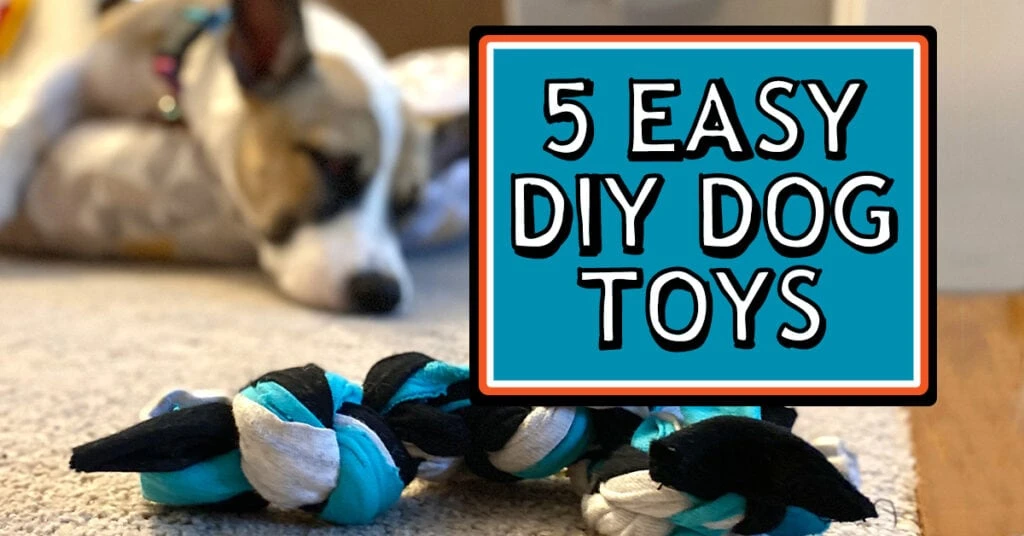
_Materials:_ Strips of durable cotton fabric or old T-shirts; scissors
_Steps:_
1. Cut fabric into 1-inch wide strips, approximately 12-18 inches long.
2. Gather three strips and knot one end tightly.
3. Braid strips together firmly to create a sturdy rope.
4. Tie a knot at the opposite end to secure the braid.
5. Trim excess fabric for a clean finish.
_Time:_ 15-20 minutes
_Materials:_ Clean PVC pipe (3-4 inches diameter), end caps, drill, pet-safe paint (optional)
_Steps:_
1. Drill several holes sized for treats to fall through but not all at once.
2. Cap one end securely, leaving the other open for treats.
3. Paint with non-toxic paint if desired; allow to dry completely.
4. Insert treats and close the pipe.
5. Supervise pet during play.
_Time:_ 30-40 minutes plus drying
_Materials:_ Empty plastic water bottle, old sock
_Steps:_
1. Remove cap and plastic ring from the bottle.
2. Insert bottle into sock, leaving the bottle base near the sock opening.
3. Tie a secure knot at the sock opening.
4. Supervise pet during play to avoid ingestion of plastic pieces.
_Time:_ 5 minutes
_Materials:_ Clean cardboard boxes, scissors, non-toxic markers or paint
_Steps:_
1. Cut holes and flaps in boxes to create tunnels and hiding spots.
2. Decorate with pet-safe colors if desired.
3. Stack or arrange boxes to form a play structure.
_Time:_ 30 minutes
DIY toys provide environmental benefits by reusing materials and avoiding new resource consumption. Always monitor for wear and replace when damaged to prevent hazards.
Caring for and Maintaining Eco-Friendly Pet Toys
Proper cleaning and maintenance extend the life of sustainable toys, reducing waste and ensuring pet safety.
- Wash organic cotton, hemp, or wool toys in cold water with pet-safe detergent to avoid chemical residues.
- Spot clean bamboo and wood toys with mild soap and water; avoid soaking to prevent warping.
- Machine wash recycled polyester toys on gentle cycles, air drying to maintain stuffing integrity.
- Regularly inspect toys for wear, tears, or loose parts to prevent choking hazards.
- Avoid harsh chemical cleaners or bleach that can leave toxic residues.
- Use natural disinfectants like diluted vinegar for odor control without compromising safety.
- Dry toys thoroughly before returning them to pets to prevent mold growth.
- Rotate toys to prevent overuse of a single item.
- Repair minor damage promptly using pet-safe threads or glue.
- Recycle or donate toys that are still usable but no longer suitable for your pet.
Environmental and Health Impacts of Choosing Eco-Friendly Pet Toys
Selecting sustainable pet toys contributes positively to environmental and animal welfare goals.
Eco-friendly materials require less energy and water in production and reduce landfill waste, lowering carbon emissions linked to pet product manufacturing.
Brands implementing take-back or recycling programs keep materials in use longer, minimizing resource extraction and pollution.
Non-toxic, natural materials reduce exposure to harmful chemicals linked to allergies, skin irritations, and ingestion risks.
Demand for sustainable pet products is growing, encouraging industry-wide improvements in material sourcing and ethical manufacturing.
These impacts illustrate the broader benefits of eco-conscious pet toy purchasing decisions beyond individual pet care.
Troubleshooting Common Issues with Eco-Friendly Pet Toys
- Ensure toys are appropriate for your pet’s size and chewing strength.
- Consider tougher natural materials like hemp or rubber for heavy chewers.
- Check for organic certifications to avoid pesticide residues.
- Introduce new toys gradually and monitor for skin irritation or behavioral changes.
- Search for brands with transparent sourcing and manufacturing details.
- Contact customer service to verify certifications and materials.
- Avoid small detachable parts that pets could swallow.
- Use only clean, non-toxic materials and supervise playtime.
Common Mistakes to Avoid When Choosing Eco-Friendly Pet Toys
Always verify material sources and certifications rather than assuming a product is sustainable based on marketing claims.
Eco-friendly toys with excessive plastic packaging negate environmental benefits.
A sustainable toy must also be safe and suitable for your pet’s size, chewing habits, and play style.
Failing to clean and inspect toys regularly reduces lifespan and can pose health risks.
Alternative Methods for Sustainable Pet Play
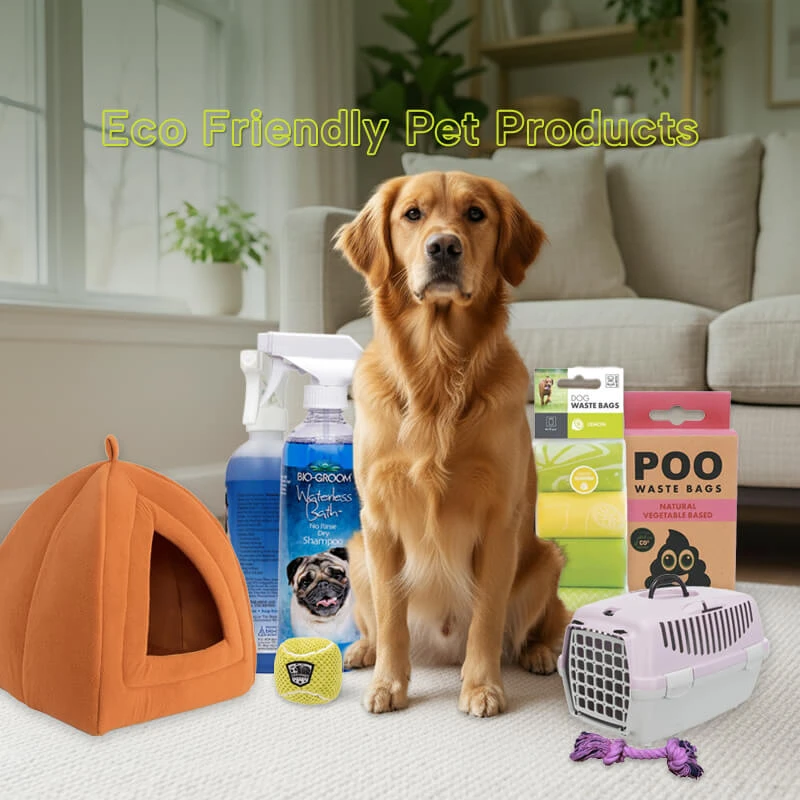
Complement sustainable toys with grooming items made from natural fibers and biodegradable ingredients.
Integrate a holistic eco-conscious pet care approach by selecting organic or sustainably sourced pet foods.
Some brands offer eco-friendly pet toy subscription boxes that rotate toys made from recycled or natural materials.
These alternatives enhance overall pet health and environmental responsibility.
FAQ
What materials should I avoid when buying pet toys?
Avoid PVC, BPA, phthalates, synthetic fibers, and toys with chemical coatings or toxic dyes, as these can harm your pet and the environment.
How do I verify if a pet toy is truly eco-friendly?
Look for certifications like USDA Organic, GOTS, FSC, and transparent brand information on sourcing and manufacturing. Minimal, recyclable packaging is also an indicator.
Can I safely make my own eco-friendly pet toys at home?
Yes, using clean, non-toxic materials such as old cotton fabrics, cardboard, and untreated wood. Always supervise your pet to avoid choking hazards.
How often should I clean and replace eco-friendly pet toys?
Clean toys regularly according to material guidelines, and replace them when signs of damage or wear appear to maintain safety.
Are bamboo and wood toys safe for aggressive chewers?
They can be suitable for moderate chewers, but very aggressive chewers may break pieces off, posing risks. Choose tougher materials like natural rubber for heavy chewers.
—
Adopting eco-friendly pet toys requires attention to materials, certifications, and brand ethics. By applying the steps and knowledge in this tutorial, pet owners can ensure safer playtime for their animals while actively contributing to environmental sustainability. Continuing to support circular economy initiatives and embracing DIY alternatives further enhance responsible pet care in 2026 and beyond.

How to Make Safe Pet Toys from Recycled Materials Easily
PawVerde.com – Creating safe and engaging pet toys from recycled materials allows pet owners to provide enrichment while supporting sustainable living. Using common household waste such as old T-shirts, cardboard, and plastic bottles, you can craft durable, eco-friendly toys tailored to dogs and cats. Prioritizing pet safety and interaction, these DIY projects reduce landfill waste and offer cost-effective alternatives to commercial products.
Safe materials for homemade pet toys include sturdy cardboard boxes, egg cartons, and paper rolls; fabric items like worn T-shirts, denim jeans, and socks; and plastic bottles used with protective coverings. Natural fibers such as hemp and jute also provide durable, non-toxic options. Avoid small parts that can detach or materials treated with chemicals, following FDA guidelines to prevent hazards.
Safe Recycled Materials for Pet Toys
Choosing appropriate materials is critical for pet toy safety and longevity. Cardboard and paper products are versatile; corrugated boxes withstand biting while egg cartons create interactive treat puzzles. Toilet paper rolls offer a lightweight base for stuffing treats, fostering mental stimulation.
Old clothing provides fabric suitable for braided tug toys or chew-resistant playthings. Cotton T-shirts and sweatshirts are easy to cut and braid, while denim jeans supply tougher fibers ideal for heavy chewers. Socks become soft crinkle balls or catnip pouches, engaging cats in batting or sniffing activities.
Plastic bottles can be repurposed into treat dispensers or crinkle toys but require a fabric sleeve to prevent sharp edges and ingestion risks. Natural fibers like hemp and jute offer eco-friendly durability for ropes or shreddable toys, appealing to pets’ instinctual behaviors.
Step-by-Step DIY Pet Toy Projects
Practical crafting steps help pet owners create enriching toys tailored to their pets’ preferences and safety.
1. Egg Carton Treasure Hunt
This project uses recycled egg cartons to encourage foraging behavior in dogs and cats.
Steps:
Time: 10 minutes prep; variable playtime.
2. Braided T-shirt Tug Toy
This durable tug toy engages dogs in interactive play using recycled fabric.
Steps:
Time: 15 minutes.
3. No-Sew Denim Chew Toy
Ideal for heavy chewers, denim fabric offers toughness without sewing.
Steps:
Time: 20 minutes.
4. Treat Tube Puzzle
Encourages cognitive engagement by hiding food in a recyclable tube.
Steps:
Time: 5 minutes.
5. Crinkle Ball
A soft, noisy toy for cats and small dogs made from paper and socks.
Steps:
Time: 10 minutes.
6. Sock Ball with Catnip
A stimulating cat toy combining scent and texture.
Steps:
Time: 5 minutes.
Material Safety and Supervision Tips
Ensuring pet safety requires avoiding small detachable parts, toxic dyes, or sharp edges. Cardboard and fabric should be free from staples or plastic coatings. Plastic bottles must be encased in fabric sleeves to minimize risk of cuts or ingestion.
Supervise pets during play, especially with homemade toys, to prevent swallowing of fibers or choking on small pieces. Regularly inspect toys for wear and discard damaged items.
The FDA advises against toys containing toxic substances like lead paint or treated foam. Always use natural, untreated materials and consult veterinary resources for updated safety guidelines.
Benefits of DIY Recycled Pet Toys
Upcycling household waste into pet toys reduces landfill accumulation and environmental impact. Compared to commercial products, these DIY crafts save money while providing mental and physical stimulation that supports natural pet behaviors.
Crafting toys at home allows customization based on pet size, chewing strength, and play preferences. Interactive puzzles and tug toys promote exercise and cognitive engagement, improving overall pet wellbeing.
Creative Variations and Advanced Ideas
Enhance basic projects with creative twists to increase durability and interest. Combining natural rubber balls inside socks creates multi-textured toys appealing to dogs and cats. Fabric scraps woven into shreddable bird toys satisfy avian chewing instincts.
Incorporate puzzle elements like hidden compartments or adjustable openings to raise cognitive challenges. Use natural fibers braided with recycled fabric strips for colorful, strong ropes. These variations expand enrichment opportunities and prolong toy lifespan.
Troubleshooting Common Issues
If toys quickly fall apart, consider using sturdier fabrics like denim or natural fiber ropes. Replace fragile cardboard items with thicker corrugated boxes. For pets that ingest fabric, limit toy size and supervision time.
Chewing that damages toys rapidly indicates strong chewers may require no-sew denim or rubber-based toys. If pets show no interest, add scent attractants like catnip or food treats. Always prioritize safety over durability.
Common Mistakes to Avoid
Avoid using synthetic fabrics treated with dyes or chemicals, which may be toxic. Do not include small buttons, beads, or glued pieces that can detach. Failing to supervise can result in choking or ingestion hazards.
Improperly secured fabric ends can unravel, increasing risk of ingestion. Always knot firmly or sew edges where appropriate. Do not reuse plastics with sharp edges, and ensure all materials are clean and dry before crafting.
Alternative Methods for Pet Toy Creation
No-sew methods using fabric strips reduce complexity and sewing skill requirements. Macramé knotting techniques using hemp or jute fibers create durable, decorative toys. Recycled rubber tires, cut into safe shapes, provide chew-resistant options.
3D printing with recycled plastics is an emerging method for complex puzzle toys, though requires access to equipment. Combining multiple recycled elements enhances toy functionality and uniqueness.
FAQ
What recycled materials are safest for making pet toys?
Safe materials include untreated cardboard, cotton fabrics like old T-shirts and denim, natural fibers such as hemp and jute, and plastic bottles covered with fabric sleeves to avoid sharp edges. Avoid small parts and toxic substances.
How can I ensure the homemade pet toys are safe?
Always supervise play, inspect toys regularly for damage, avoid small detachable parts, and use non-toxic, untreated materials. Follow FDA guidance on hazardous items and discard toys at the first sign of wear.
Can I make toys that suit heavy chewers from recycled materials?
Yes, denim jeans and natural fiber ropes are durable options for heavy chewers. Incorporating rubber balls wrapped in fabric also increases longevity. Avoid easily torn fabrics like thin cotton for aggressive chewers.
Are there benefits to using recycled pet toys over commercial options?
Recycled toys reduce environmental waste and costs while allowing customized enrichment tailored to your pet’s needs. They promote mental stimulation and physical activity through interactive designs that support natural behaviors.
How do I prevent my pet from swallowing fabric fibers from homemade toys?
Choose tightly braided or woven fabrics, knot ends securely, and supervise play sessions closely. Remove toys if fraying occurs and replace with sturdier alternatives. Avoid loose threads and small fabric pieces.
—
Adopting these DIY techniques empowers pet owners to create sustainable, safe enrichment tools while reducing environmental impact. By selecting suitable recycled materials and crafting thoughtfully, you enhance your pet’s wellbeing through interactive play and mental stimulation. Continuous supervision and adherence to safety guidelines ensure that homemade toys remain a positive addition to your pet’s daily routine.