
Eco-Friendly Dog Chew Toys: How to Choose Safe Materials
PawVerde.com – Eco-friendly dog chew toys prioritize renewable materials like natural rubber, hemp, and cellulose fiber over traditional petroleum-based plastics. Choosing sustainable options reduces microplastic shedding and chemical leaching, offering a safer, biodegradable alternative that supports both your pet’s dental health and the planet’s long-term ecological stability.
Natural rubber is a renewable, plant-based material sourced by tapping Hevea brasiliensis trees to collect milky latex.
How to Spot Greenwashing in Pet Toy Packaging
To detect greenwashing, look beyond vague ‘natural’ labels. Check for specific certifications regarding BPA-free, latex-free, and phthalate-free status. Verify if materials like ‘natural rubber’ are actually 100% latex or if they contain synthetic fillers, and ensure ‘recyclable’ claims are backed by specific programs like West Paw’s Loop®.
Red Flags: Vague Terminology
Many products use “eco-friendly” or “green” as marketing buzzwords without providing technical substantiation. Industry analysts suggest that a lack of specific chemical disclosures often hides the presence of harmful additives. For instance, while some brands claim sustainability, they may fail to mention if their products contain phthalates. A more reliable standard is found in products from Project Hive, which explicitly states they are BPA-free, latex-free, and phthalates-free.
A common failure mode occurs when a toy is labeled as “natural rubber” but contains significant synthetic fillers to reduce costs. Newtop notes that some rubber toys may claim to be natural, but true 100% natural latex content is a specific distinction that separates high-quality sustainable toys from hybrid synthetics. If a package does not specify the exact percentage of natural latex, proceed with caution.
The Truth About ‘Recyclable’ Labels
The term “recyclable” is often used loosely, leading consumers to believe any plastic-like toy can be processed by standard curbside programs. This is a misconception. True circularity requires specific infrastructure. For example, West Paw offers the Loop® program, which allows owners to join a dedicated recycling initiative for their toys rather than relying on general municipal waste streams.
To ensure genuine sustainability, verify that products meet specific standards, such as Project Hive’s certification of being BPA-free and phthalate-free, or the presence of 100% natural latex in rubber items.
- Explicit certification of being BPA-free and phthalate-free (as seen with Project Hive).
- Verification of 100% natural latex content in rubber-based products.
- Participation in closed-loop recycling programs like West Paw’s Loop®.
- Clear documentation regarding the absence of synthetic dyes in fiber-based toys.
The Durability vs. Sustainability Paradox
A significant tension exists between a toy’s ability to withstand aggressive chewing and its ability to break down in the environment. natural rubber is a primary solution to this paradox, as it provides a tough yet flexible chew that can withstand gnawing without splintering, according to Newtop. However, this durability comes with a biological timeline; natural rubber typically has a biodegradability duration of 1 to 5 years.
While natural rubber is incredibly resilient, it introduces different physical properties compared to synthetic alternatives. For example, Soda Pup natural rubber flying discs are heavier than standard plastic versions. This increased density can affect flight distance during play, a trade-off for choosing a plant-based material over lightweight petroleum plastics. While a plastic disc might fly further, it will persist in the environment for centuries, whereas the natural rubber version will eventually degrade.
Material Tier List: Matching Eco-Toys to Chewing Styles
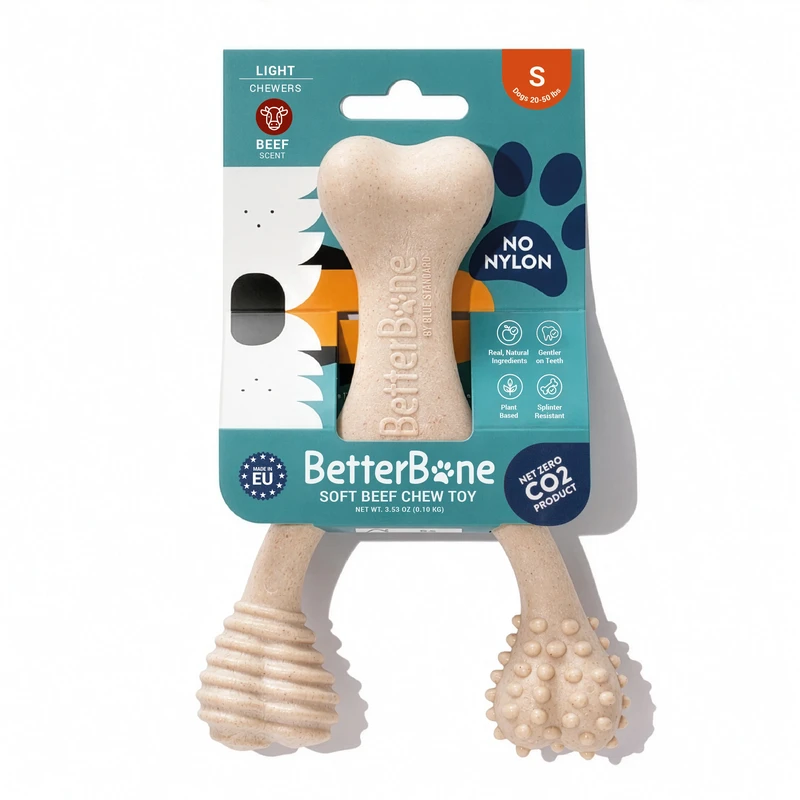
Match your dog’s chewing style to the material: ‘Destroyers’ should opt for natural rubber (like Soda Pup or Newtop) for its toughness without splintering; ‘Nuzzlers’ benefit from hemp or coconut ropes (Freya & Dax) that fray safely; and ‘Gentle Chewers’ can enjoy cellulose fiber (BetterBone) or yak milk (Himalayan) chews.
| Material Type | Best For (Chewing Style) | Sustainability Profile | Primary Safety Benefit |
|---|---|---|---|
| Natural Rubber | Destroyers | Renewable/Biodegradable | Won’t splinter like hard plastic |
| Hemp Rope | Nuzzlers | Low water/pesticide use | Frays instead of breaking |
| Coconut Fiber | Nuzzlers | Highly renewable | Shorter fibers reduce ingestion risk |
| Cellulose Fiber | Gentle Chewers | Plant-based/Biodegradable | Easier on teeth |
| Yak Milk | Gentle/Moderate | Natural/Edible | Non-toxic edible byproduct |
This guide compares materials like Freya & Dax coconut fibers, which are shorter and less likely to cause intestinal issues, against traditional options.
Heavy Duty: The Strength of Natural Rubber
For dogs that treat toys as a job, natural rubber is the superior choice. Newtop distinguishes natural rubber from silicone by noting that rubber is specifically utilized for its strength and toughness. While silicone is often used for design details or safety, natural rubber provides the structural integrity required for heavy gnawing. This makes it a much more viable option for “Destroyer” type dogs than softer, plant-based fibers.
Safe Fraying: Why Hemp and Coconut Beat Cotton
Traditional cotton rope toys can be dangerous if they break into large, swallowable chunks. In contrast, hemp is a highly sustainable crop that requires less water and fewer pesticides than cotton. Sparkly Tails reports that “Hemp rope toy frays instead of breaking, making it a safer choice for your dog.” This fraying mechanism ensures that the toy wears down gradually rather than snapping suddenly. Similarly, Freya & Dax utilizes coconut fibers, which are shorter and significantly less likely to cause intestinal issues than long-strand cotton ropes.
Plant-Based Alternatives: Cellulose and Yak Milk
For dogs that prefer a slower, more methodical chew, cellulose and yak milk offer excellent alternatives. BetterBone produces cellulose fiber chews, which are plant-based materials that are easier on both the dog’s teeth and the environment. For an edible option, Himalayan yak milk chews provide a natural, non-toxic way to satisfy chewing urges. These options avoid the microplastic shedding associated with synthetic chew bones.
Safety Risks: From Intestinal Tangling to Dental Damage
Owners must account for unique physical risks when moving away from plastic, such as the tendency for long rope fibers to tangle in intestines or the potential for hard yak milk chews to damage teeth if used without supervision.
One critical pitfall involves the physical structure of fiber toys. Long rope fibers from traditional or poorly constructed sustainable ropes can tangle in a dog’s intestines. Additionally, while hemp is generally safer because it frays, some dogs may experience allergic reactions to hemp fibers, leading to skin irritation or stomach distress. Owners should monitor for these signs immediately after introducing a new material.
Hardness levels also pose a risk. While natural rubber is flexible, extremely hard products like yak milk chews can potentially damage teeth if a dog chews with excessive force without supervision. Conversely, while avoiding the chemical risks of plastic, owners must remain vigilant that traditional plastic toys do not pose immediate choking hazards if they shatter into sharp pieces.
The Economics of Eco-Friendly Play
While the upfront cost of a $19.99 Project Hive toy is higher than a generic plastic alternative, a durable natural rubber toy may lower the total cost of ownership by replacing multiple cheap versions that break quickly.
Market pricing for these specialized materials includes:
- Soda Pup (Natural Rubber): Starting at $7.50
- Freya & Dax (Coconut Rope): $15.99
- Himalayan (Yak Milk): $16.79
- Project Hive (Recyclable/BPA-free): $19.99
- BetterBone (Cellulose Fiber): $19.99
While the $19.99 price point for a Project Hive toy is higher than a generic plastic toy, the environmental benefits and the reduction in frequent replacements provide a different value proposition for the conscious consumer.
FAQ
Is hemp safer than cotton for dog toys?
Yes, hemp rope is more sustainable as it requires less water and pesticides. Crucially, hemp rope tends to fray instead of breaking, which reduces the risk of a dog swallowing large, dangerous pieces compared to cotton.
Can I compost my dog’s eco-friendly toys?
It depends on the material. While natural fibers like hemp or coconut may be compostable, you must ensure no synthetic dyes or plastic binders are present. Always check if the manufacturer specifies home vs. industrial composting.
Why is natural rubber heavier than plastic toys?
Natural rubber is a dense, plant-based material. This added weight can make flying discs (like those from Soda Pup) fly shorter distances compared to lightweight synthetic alternatives.
Eco-Friendly Pet Supplies: How to Spot Greenwashing
PawVerde.com – Eco-friendly pet supplies prioritize materials like bamboo, hemp, and natural rubber that minimize environmental impact. To shop effectively, look beyond ‘natural’ labels by verifying third-party certifications like Ecogea and distinguishing between ‘biodegradable’—which simply means an item gets smaller—and ‘compostable,’ which ensures the product breaks down into nutrient-rich organic matter.
The shift toward sustainability is no longer a niche preference. According to Faunalytics, 84% of companion animal guardians now hold companies responsible for addressing climate change. This expectation has transformed how brands approach product development and ingredient transparency.
The Greenwashing Red Flag Checklist: Spotting Fake Sustainability
To avoid greenwashing, ignore vague terms like ‘natural’ or ‘organic’ unless they are backed by third-party certifications like Ecogea. Always check the full INCI ingredient list for hidden synthetics and ensure plastic packaging is free of residue, as any contaminated plastic is effectively non-recyclable.
The ‘Natural’ Label Trap
Marketing teams often use “botanical” or “natural” to imply safety, but these terms lack strict legal definitions in many jurisdictions. Doglyway notes that greenwashing is frequently used to attract customers through these misleading terms. A common failure mode occurs when a brand highlights a single plant extract while the majority of the formula consists of synthetic fillers. To verify authenticity, consumers should search for the full INCI (International Nomenclature of Cosmetic Ingredients) list. If a product claims to be organic but lacks a recognized certification such as Ecogea, the “natural” claim should be treated with skepticism.
The Packaging Paradox
A product’s contents may be sustainable, but the container can negate those benefits. Doglyway reports that if a product is packaged in plastic, it is almost certainly not recyclable, regardless of the claims made on the front of the box. This is a critical distinction for eco-conscious shoppers. Even if the product inside is biodegradable, a non-recyclable plastic bottle destined for a landfill creates a net-negative environmental impact. Always look for brands that utilize glass, aluminum, or certified compostable packaging to ensure the entire lifecycle of the purchase aligns with sustainability goals.
- Check for third-party seals like Ecogea rather than relying on text-only “natural” claims.
- Inspect the INCI list for hidden synthetics or unsustainable palm oil.
- Evaluate the packaging material; if it is plastic, confirm its specific recyclability in your local municipality.
- Avoid brands that do not provide transparent sourcing information for their “botanical” ingredients.
Compostability Reality Guide: Home vs. Industrial Breakdown
Understanding the difference between degradation types is essential to prevent accidental pollution. Piggyback Treats explains that seeing the phrase “biodegradable” on a package really doesn’t tell us much other than it will break down over time. This is an ambiguous word that, unless paired with the word compostable, simply means “this item will get smaller.”
When shopping for waste management, the distinction between home and industrial composting is a frequent point of failure. Many “compostable” bags require the high-heat environments found in industrial facilities to actually break down. If these bags end up in a backyard compost bin or a standard landfill, they may persist for years. For high-quality waste management, look for products that meet specific thickness standards; for instance, gogostik.com identifies a 15-20 micron minimum thickness as a benchmark for quality eco-friendly pet waste bags.
Furthermore, Sir Waggingtons highlights that pet waste can introduce harmful bacteria and parasites into ecosystems, pollute waterways, and contribute to the spread of diseases if not managed correctly. Using the wrong type of bag can lead to improper decomposition, which fails to mitigate these biological risks.
Lifecycle Cost Calculator: Upfront Investment vs. Long-Term Value
Sustainable pet ownership requires evaluating the total lifespan of a product. While initial costs vary, durable materials often provide better value over time.
The Pet Sustainability Coalition notes that environmental responsibility has shifted from a niche marketing trend to a structural necessity. This shift is reflected in the move toward durable, long-lasting goods. For example, the Ecofurball.com framework suggests that while a stainless steel bowl might cost more than a plastic one, it can last a lifetime, whereas plastic bowls often require frequent replacement due to cracking or bacterial buildup in scratches.
| Material/Product | Eco-Benefit | Longevity/Durability | Cost Profile |
|---|---|---|---|
| Stainless Steel | Highly recyclable; no microplastics | Extreme; lasts a lifetime | Higher upfront; lowest long-term |
| Bamboo | Rapidly renewable; low water use | Moderate; better than single-use | Mid-range |
| Hemp | Biodegradable; pest-resistant | High; resistant to heavy pulling | Mid-to-high |
| Natural Rubber | Non-toxic; biodegradable | High; tough for heavy chewers | Mid-range |
| Traditional Plastic | High environmental footprint | Low; prone to degradation/cracking | Lowest upfront; high replacement cost |
Choosing materials like hemp or stainless steel minimizes the frequency of replacement. This approach reduces cumulative spending and environmental waste.
Material Deep Dive: Bamboo, Hemp, and Natural Rubber
The Pet Sustainability Coalition defines eco-friendly materials as anything that makes a pet’s life better without making the planet’s future worse. Different materials provide unique functional advantages.
Rapidly Regenerating Bamboo
Bamboo is a highly sustainable resource that can help combat climate change. According to the green pet industry, it reduces deforestation because it regenerates much more rapidly than traditional hardwood trees.
The Strength of Hemp Gear
Hemp is a strong, natural choice for high-stress accessories. It is naturally pest-resistant and biodegradable, making it an ideal material for leashes, collars, and toys that must handle heavy pulling.
Natural Rubber vs. Microplastics
natural rubber serves as a non-toxic and biodegradable alternative to synthetic plastics. It provides a tough, flexible option for heavy chewers that avoids the microplastic problem associated with traditional plastic toys.
Practical Implementation: DIY Composting and Eco-Grooming
Caring Hands Vet provides several strategies for integrating sustainability into daily pet care routines.
One method for managing organic waste is the creation of a DIY poop digester.
Shortcut: To start a DIY poop digester, gather a 20-30 gallon container, a drill, a shovel, gravel, and carbon-rich materials like leaves or sawdust.
Follow these steps for effective decomposition:
- Prepare a 20-30 gallon container by drilling aeration holes.
- Layer gravel at the bottom for drainage.
- Add pet waste separately from carbon-rich materials (leaves, straw, or sawdust).
- Monitor moisture levels and turn the pile regularly to ensure aerobic decomposition.
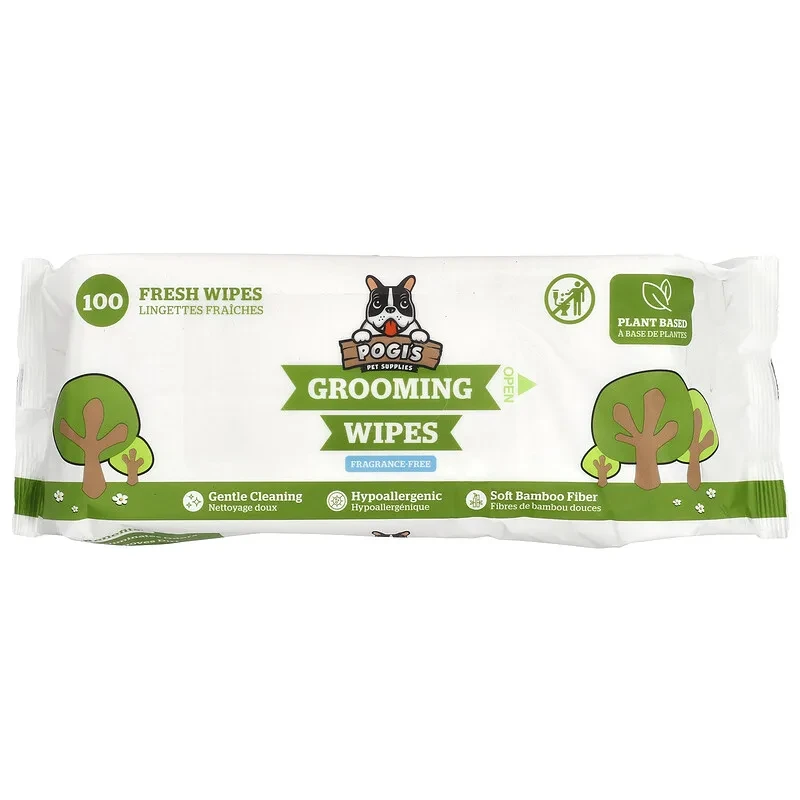
In addition to waste management, grooming routines can be optimized for lower impact. Caring Hands Vet recommends switching to biodegradable, cruelty-free, and non-toxic shampoos. To further reduce your footprint, consider using concentrated formulas; Essencera notes that by prioritizing concentrated paste formulas, you are actively reducing water waste and carbon emissions. You can also implement low-impact habits like using reusable metal combs or bamboo brushes and simply turning off the tap between rinses to conserve water.
FAQ
Is ‘biodegradable’ the same as ‘compostable’ for dog poop bags?
No. Piggyback Treats explains that “biodegradable” is an ambiguous term that simply means an item will get smaller over time. In contrast, compostable items break down into organic matter.
How can I tell if a pet shampoo is actually eco-friendly?
Prioritize concentrated paste formulas to reduce water waste and verify ingredients with Ecogea certifications. This helps avoid products that hide harsh synthetics behind “botanical” claims.
Are eco-friendly pet products more expensive in the long run?
While items like stainless steel bowls may have a higher upfront cost, they are designed to last a lifetime, offering better value than plastic alternatives.
Eco-Friendly Dog Grooming: How to Avoid Greenwashing
PawVerde.com – Eco-friendly dog grooming focuses on using biodegradable, non-toxic products and sustainable tools to minimize environmental impact. This involves swapping plastic-heavy liquid shampoos for concentrated bars, choosing bamboo or stainless steel tools over synthetic ones, and selecting ingredients free from sulfates and parabens to protect both your pet’s skin and local waterways.
The pet industry often uses “natural” and “eco-friendly” as marketing terms that lack legal definitions, a practice known as greenwashing, according to houndtherapy.com.
How to Spot Greenwashing: A Pet Owner’s Detection Checklist
To detect greenwashing, ignore vague labels like “pure” or “green” and instead scrutinize the ingredient list for specific red flags. Look for the absence of sulfates, parabens, and methylisothiazolinone, and verify if the brand provides third-party certifications or specific details about their biodegradable surfactants and sourcing practices.
Red Flag Ingredients to Avoid
Many commercial shampoos and conditioners contain sulfates, parabens, and synthetic fragrances. These chemicals do more than just irritate sensitive skin; they wash down the drain and pollute local waterways. One specific chemical to watch for is methylisothiazolinone, which research shows can cause skin irritation in pets even when appearing in products marketed as “gentle” formulas.
To avoid being misled by packaging, check the fine print for these specific irritants:
- Sulfates (often used as harsh foaming agents)
- Parabens (synthetic preservatives)
- Methylisothiazolinone (a known skin irritant)
- Synthetic fragrances (often masking undisclosed chemicals)
Verifying Brand Claims
According to houndtherapy.com, the pet industry loves slapping “natural” and “eco-friendly” on products, but these terms don’t actually mean anything legally. Instead of trusting a marketing claim, verify if a brand provides specific details about their biodegradable surfactants. For example, professional resources like Waggz suggest that looking for highly concentrated formulas can be a better indicator of quality and sustainability than vague adjectives.
The Grooming Lifecycle: Shampoo Bars vs. Liquid Formulas
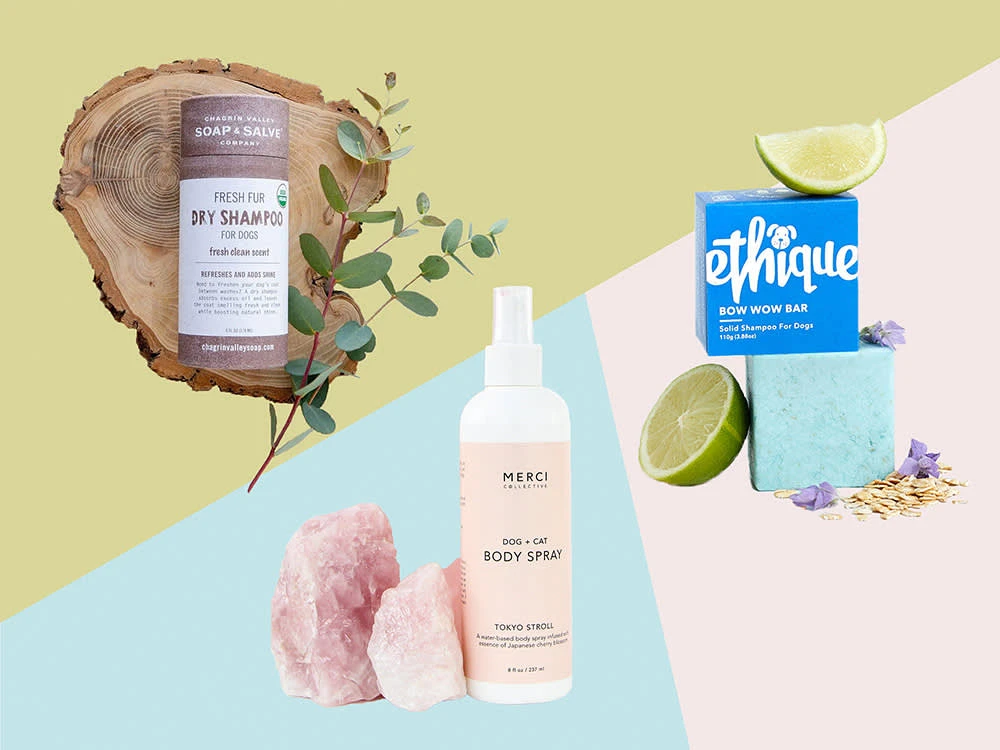
Shampoo bars reduce environmental impact by eliminating plastic bottle waste. Concentrated options, such as Ethique’s Bow Wow Bar ($13), provide a zero-waste alternative compared to standard liquid shampoos.
Plastic Waste Reduction
Liquid shampoos are largely composed of water, which necessitates heavy plastic packaging to prevent leaks. Concentrated formulas, such as the Filthy Beast Shampoo Concentrate which features a 50:1 dilution ratio, drastically reduce the amount of plastic waste generated per wash. By using concentrates or bars, pet owners can restock less frequently and avoid the cycle of single-use plastic bottles.
Carbon Footprint and Shipping Efficiency
Shipping weight affects carbon emissions. Because shampoo bars are lightweight and compact, they require less fuel for transport than heavy liquid bottles.
| Product Type | Eco-Benefit | Example Brand | Estimated Price |
|---|---|---|---|
| Shampoo Bars | Zero plastic waste; low shipping weight | Ethique | $13 |
| Liquid Shampoo | High water content; requires plastic | Essential Dog | $20 |
| Waterless Spray | Conserves water; no rinsing needed | Attitude | $15 |
| Supplements | Supports skin health from within | Finn | $26 – $32 |
While bars like the Ethique Bow Wow Bar ($13) offer the highest waste reduction, liquid concentrates remain a viable option for those who prefer traditional application methods but want to minimize their plastic footprint.
Microplastic-Free Grooming: Selecting Sustainable Tools
Sustainable grooming involves choosing materials like bamboo, stainless steel, natural rubber, or hemp to avoid synthetic plastics that shed microplastics.
To build a microplastic-free kit, prioritize these materials:
- Bamboo: A fast-growing, sustainable, and sturdy material for brush handles.
- Stainless Steel: Preferred for clippers and nail tools due to its durability and long-term use.
- Natural Rubber: A sustainable alternative for certain grooming accessories.
- Hemp: A highly sustainable crop for accessories that requires minimal water and no pesticides.
For long-term utility, prioritize stainless steel tools. These are designed for durability rather than the frequent replacement required by low-quality synthetic brushes.
Top Eco-Friendly Product Recommendations by Category
Select products based on whether you need a full bath or a quick cleanup.
Best Zero-Waste Cleansers
For traditional baths, use biodegradable formulas from brands like Fido’s ($8) or Vermont Soap Organics ($14.98).
| Product Name | Manufacturer | Estimated Price |
|---|---|---|
| Bow Wow Bar | Ethique | $13 |
| Organics Shampoo | Vermont Soap Organics | $14.98 |
| Natural Shampoo | Essential Dog Shampoo | $20 |
| Organic Pet Products | Applehead City Pet | $24 |
| Biodegradable Products | Fido’s | $8 |
Waterless Solutions for Quick Cleanups
Waterless options are ideal for maintaining hygiene without the heavy water usage of a full bath. For dogs over the age of 6 weeks, Chagrin Valley Dry Shampoo ($19) provides an effective way to clean the coat without rinsing. Similarly, the Attitude Waterless Anti-Itching Detangling Spray ($15) is a useful tool for managing skin irritation and tangles on the go.
Holistic Skin and Coat Support
Finn offers skin and coat supplements priced between $26 and $32 to support dermatological health from the inside out.
Common Pitfalls in Sustainable Pet Care
Avoid using human shampoo on dogs. Because dog skin has a different pH level than human skin, inappropriate products can lead to dryness, itching, and irritation.
Ensure you dry your dog thoroughly after a bath. Failing to do so can create a breeding ground for fungus and bacteria within the fur.
Practical Tips for a Low-Impact Bathing Routine
Implement these routine changes to save water and reduce waste:
- Brush regularly: Consistent brushing reduces the amount of dirt trapped in the fur, which reduces the need for frequent bathing and conserves water.
- Trim nails every 2 to 4 weeks: Regular maintenance prevents broken nails and discomfort. Use high-quality stainless steel clippers to ensure longevity.
- Optimize rinsing: Use high-quality, easy-to-rinse shampoos to speed up the bathing process and minimize water waste.
- Manage homemade mixtures: If you choose to make your own natural mixtures, remember they typically only last 1-2 weeks in the refrigerator.
Focus on regular brushing and targeted cleaning to protect both your pet’s skin and the planet.
FAQ
Can I use my own shampoo on my dog?
No, dog skin has a different pH level than human skin. Using human shampoo can lead to dryness, itching, and irritation because it is not formulated for a canine’s specific skin chemistry.
How often should I trim my dog’s nails?
For optimal health and to avoid discomfort or broken nails, nails should be trimmed every 2 to 4 weeks. Untrimmed nails can lead to mobility issues and pain.
How long does it take to see results from natural shampoo?
Many owners notice improvements in skin and coat condition after just 2-3 baths when switching to high-quality natural alternatives that avoid harsh sulfates and parabens.

Eco-Friendly Dog Toys: Why Sustainable Materials Are Safer
PawVerde.com – Eco-friendly dog toys prioritize material safety and environmental impact by using renewable resources like natural rubber, hemp, and organic cotton. Unlike traditional plastic toys that can splinter and cause internal injuries, sustainable options often feature fewer chemical additives and higher durability for various chewing styles.
Current market trends indicate that 29% of eco-conscious pet parents now actively prefer biodegradable options for their dogs. This shift reflects a growing awareness of how pet products impact both the household environment and the long-term health of animals.
The hidden dangers of traditional plastic toys
Plastic toys may appear durable, but they present significant physiological risks to pets. When these items are chewed down, they can splinter into sharp fragments. If a dog ingests these shards, they can cause severe internal injuries or life-threatening blockages within the digestive tract.
The splintering risk
The mechanical failure of hard plastics often results in jagged edges. Unlike flexible materials, rigid plastic does not deform under pressure; it fractures. This failure mode is a primary driver behind the move toward more resilient, sustainable alternatives.
Chemical leaching vs. material purity
Beyond physical injury, the composition of the material itself is a concern. It is noted that many dog owners focus on durability or price when choosing toys. However, material safety often matters far more. Traditional plastics may contain additives that are not present in high-quality, renewable materials used in eco-friendly manufacturing.
How to verify eco-friendly claims and avoid greenwashing
To avoid greenwashing, look for specific third-party certifications such as USDA Organic, OEKO-TEX, or BPI Compostable. Ensure the product is truly made from renewable materials like bamboo or hemp rather than being labeled ‘eco-friendly’ while containing toxic dyes or mixed plastics.
Greenwashing occurs when products are marketed as environmentally friendly but are actually composed of mixed plastics or treated with toxic dyes. To ensure you are purchasing a truly sustainable product, follow these verification steps:
- Check for official certification logos on the packaging or product description.
- Verify if the materials are renewable, such as bamboo or hemp.
- Confirm if the product is biodegradable or made from recycled textiles.
- Inquire about the manufacturing process to ensure it avoids harmful chemical additives.
The best sustainable materials for different chewing styles
Selecting the right toy depends on your dog’s chewing category: Light chewers benefit from soft rubber or organic cotton; Moderate chewers need dense rubber or reinforced fibers; Aggressive chewers require thick, heavy-duty natural rubber that bends rather than breaks.
While many assume all “tough” toys are equal, a material mismatch can lead to rapid product failure. For example, a toy that is too soft for an aggressive chewer will be destroyed in minutes, while a toy that is too hard for a light chewer may cause dental discomfort.
| Material | Best For | Eco-Benefit | Safety Profile |
|---|---|---|---|
| Natural Rubber | Aggressive/Teething | Renewable & Biodegradable | High (Bends instead of breaking) |
| Hemp | Moderate | Pest-resistant & Biodegradable | High (Chemical-free) |
| Organic Cotton | Light | No toxic dyes/pesticides | High (Gentle on skin/teeth) |
| Plastic | N/A | Low (Non-renewable) | Low (Risk of splintering) |
The table above illustrates how material selection should align with both the environmental goal and the specific physical needs of the dog.
Natural Rubber: The heavy-duty champion
Natural rubber is the optimal choice for teething puppies and heavy chewers. According to Ecofurball, “Natural rubber, by contrast, tends to be safer for heavy chewers. It bends rather than breaks.” This elasticity prevents the sharp splintering seen in traditional plastic alternatives.
Hemp and Bamboo: Chemical-free alternatives
Hemp serves as a highly sustainable option because it is naturally pest-resistant and grows without the need for pesticides. Because it is biodegradable, it provides a closed-loop lifecycle that traditional synthetics cannot match. Bamboo is similarly recognized as a renewable, chemical-free alternative to plastic.
Organic Cotton: Best for sensitive skin
For dogs with sensitive skin, organic cotton toys offer a soft, non-irritating option. These toys are manufactured without the heavy chemical loads often found in standard textile products, making them a safer choice for gentle play.
Top manufacturers leading the sustainable pet revolution
Several companies have established themselves as leaders in the transition toward sustainable pet supplies. These brands focus on material integrity and, in some cases, circular economy models.
- KONG
- West Paw
- Beco
- Planet Dog
- Zogoflex
- VEKEN
- Rocket & Rex
- USA-K9
- BetterBone
- Cycle Dog
- Multipet
- The Kind Pet Marketplace
Some manufacturers have gone further by implementing recycling programs. For instance, certain products are 100% recyclable through specific recycling programs, ensuring that once a toy reaches the end of its life, it does not contribute to landfill waste.
Maintenance and long-term value
While sustainable products can have higher upfront costs, they often provide better long-term value through durability and safety. A high-quality natural rubber toy may cost more initially than a cheap plastic one, but its resistance to breaking reduces the frequency of replacement.
Cleaning natural rubber
Maintaining the hygiene of eco-friendly toys is straightforward. Most natural rubber items can be cleaned with hot water and a bit of gentle soap. Some specific models are even dishwasher safe, which helps prevent the bacteria buildup that can occur in more porous materials.
Shortcut: To extend the life of rubber toys, avoid leaving them in direct sunlight for prolonged periods, as UV exposure can accelerate material degradation.
The cost-per-use calculation
When evaluating a purchase, consider the cost-per-use rather than the initial price tag. A $15 natural rubber toy that lasts six months is more economical and safer than a $5 plastic toy that must be replaced every two weeks due to splintering or breakage.
FAQ
Are natural rubber toys better than plastic?
Yes, natural rubber is a renewable resource that bends rather than splintering. Unlike porous plastic, rubber resists bacteria buildup and odor, making it more hygienic for long-term use.
How can I tell if a dog toy is actually eco-friendly?
Look for certifications like USDA Organic, OEKO-TEX, or BPI Compostable. Avoid products that use vague “green” marketing without specifying if materials are renewable, biodegradable, or recycled.
Is hemp safe for dogs to chew?
Hemp is a highly sustainable, chemical-free alternative to plastic. It is naturally pest-resistant and biodegradable, making it a smart, safe choice for toys and accessories.

Eco-Friendly Pet Stain Removers Use Enzymes to Clean Safely
PawVerde.com – Pet owners increasingly demand effective, eco-conscious solutions for managing stains and odors caused by pets. In 2026, the market for eco-friendly pet stain removers reflects substantial growth fueled by advances in enzyme and probiotic cleaning technologies, natural ingredient formulations, and consumer preference for safe, sustainable products. Brands like Hepper Spray, Stain-eez, and Only Natural Pet exemplify this shift, offering biodegradable, pet-safe stain removers that work effectively on multiple surfaces including carpets, upholstery, and hard floors. These products leverage organic enzyme blends and probiotic formulas that break down organic stains at their source, eliminating odors without resorting to harsh chemicals such as bleach or ammonia.
The availability of subscription services further enhances user convenience and environmental sustainability, ensuring timely delivery and reduced packaging waste. Verified user feedback highlights these removers’ efficacy and ease of use, while expert endorsements from pet care and lifestyle authorities reinforce their credibility. This article provides a detailed examination of the science behind eco-friendly pet stain removers, evaluates leading products and brands, explores purchasing options, and assesses environmental and health benefits, offering guidance for consumers seeking safe, effective, and green pet stain solutions online in 2026.
Enzyme and Probiotic Technology: The Science Behind Eco-Friendly Pet Stain Removers
eco-friendly pet stain removers employ organic enzyme blends and probiotic cultures to degrade organic matter responsible for stains and odors. Enzymes such as proteases, amylases, and lipases catalyze the breakdown of proteins, starches, and fats found in pet urine, feces, vomit, and dander residues. Probiotics complement this by introducing beneficial microorganisms that outcompete odor-causing bacteria, ensuring longer-lasting freshness. This bio-enzymatic approach contrasts sharply with traditional chemical stain removers, which often rely on harsh solvents or oxidizers that temporarily mask odors but do not eliminate the source.
Unlike conventional products containing volatile organic compounds (VOCs), chlorine, or synthetic fragrances, enzyme-based removers are biodegradable and non-toxic, significantly reducing environmental impact and health risks. Additionally, these formulas tend to be safe for sensitive individuals and pets, minimizing allergic reactions or respiratory irritation. Multi-surface compatibility is another advantage, allowing use on carpets, upholstery, hardwood, tile, and fabrics without damaging fibers or finishes. This technology’s efficacy is supported by third-party laboratory testing, often cited in product certifications such as EPA Safer Choice and cruelty-free endorsements.
Leading Eco-Friendly Pet Stain Remover Brands and Their Product Profiles
Several brands have emerged as leaders in the eco-friendly pet stain remover space, distinguished by their commitment to natural ingredients, transparency, and proven performance.
Hepper Spray offers a USA-made enzymatic cleaner that boasts a 100% satisfaction guarantee. Its formula is free from synthetic dyes, parabens, and harmful chemicals, utilizing potent enzymes to break down organic stains and odors effectively. Customers praise its mild scent and quick drying time, as well as its versatility on various surfaces. Hepper also emphasizes sustainability by using recyclable packaging and offering subscription options for regular replenishment.
Stain-eez features a bio-enzymatic formula enhanced with probiotic technology, designed for multi-surface application including carpets and upholstery. Stain-eez’s proprietary blend accelerates stain degradation while neutralizing odors, making it suitable for multi-pet households. The product is certified cruelty-free and contains no phosphates or ammonia, aligning with environmentally responsible manufacturing practices.
Only Natural Pet Stain & Odor Remover incorporates organic enzyme blends combined with natural surfactants derived from plant sources. Its biodegradable ingredients ensure pet and child safety while delivering robust stain removal power. This brand highlights ingredient transparency and sources raw materials from sustainable suppliers. User reports indicate effectiveness on older, set-in stains and odor neutralization without overpowering fragrances.
Additional reputable brands include Resolve Pet Expert, featuring enzyme and probiotic formulas tailored for high-traffic areas; Biokleen, known for its plant-based surfactants and eco-certifications; Whip-It Cleaner, which offers concentrated biodegradable solutions; Grove Collaborative, a subscription-based platform that curates green pet cleaning products; and Jeffers Pet, specializing in pet-safe cleaning supplies that comply with veterinary recommendations.
Online Purchasing and Subscription Services: Enhancing Access and Convenience
The shift to online retail platforms has expanded consumer access to eco-friendly pet stain removers, with secure e-commerce sites offering detailed product information, user reviews, and transparent ingredient lists. Most leading brands maintain official websites optimized for mobile and desktop purchasing, ensuring seamless checkout and customer support. Subscription models have become increasingly popular, allowing pet owners to schedule deliveries at regular intervals, reducing the risk of running out and minimizing packaging waste.
Subscription services often provide cost savings compared to one-time purchases, with discounts ranging from 10% to 20% depending on frequency and quantity. For example, Hepper Spray’s subscription includes flexible delivery schedules and free shipping on select plans, while Grove Collaborative bundles multiple pet cleaning products into eco-friendly kits. Consumers can subscribe via brand sites or third-party platforms specializing in green home care products.
Price points for eco-friendly pet stain removers typically range from $12 to $30 per 16-32 ounce bottle, with concentrated formulas offering better value due to dilution options. Comparing cost-effectiveness involves analyzing active ingredient potency, ease of application, and coverage area per bottle. Some products include refill pouches or concentrated refills to enhance sustainability and reduce plastic waste.
Environmental and Health Benefits of Eco-Friendly Pet Stain Removers
Biodegradability is a cornerstone of green pet stain removers, ensuring that ingredients break down rapidly without persisting in waterways or soil. This reduces ecological harm compared to conventional cleaners laden with synthetic chemicals. Many products avoid phosphates, chlorine, and artificial dyes, which can contribute to water pollution and harm aquatic life. Brands also focus on sustainable ingredient sourcing, favoring renewable plant-based materials and organic farming practices.
From a health perspective, these removers minimize exposure to toxic substances for both pets and humans. They are typically free from respiratory irritants and carcinogenic compounds, making them suitable for households with children, elderly members, or allergy sufferers. The absence of synthetic fragrances reduces the risk of chemical sensitivities, while surface-safe formulations prevent damage to flooring and upholstery fibers.
Packaging innovations further reduce environmental footprints. Several brands utilize post-consumer recycled plastics, biodegradable labels, and minimalistic designs to limit waste. Subscription models contribute by optimizing delivery routes and decreasing the frequency of individual shipments. Collectively, these measures represent a comprehensive approach to sustainable pet stain management.
User Experience and Expert Recommendations
Verified consumer reviews consistently emphasize the effectiveness of enzyme-based stain removers in tackling both fresh and aged pet stains. Users report that products like Hepper Spray and Stain-eez outperform traditional chemical cleaners in odor elimination, particularly in multi-pet environments. Ease of use is a common highlight, with many formulations requiring simple spray-and-blot applications and rapid drying times.
Scent profiles are generally mild and naturally derived, avoiding overpowering artificial fragrances. Some users note that while enzyme cleaners excel on organic stains, very stubborn or synthetic dye-based stains may require repeat treatments or complementary cleaning methods. pet safety is strongly affirmed across reviews, with no reports of adverse reactions or toxicity.
Expert endorsements from reputable outlets such as Dogster and Good Housekeeping confirm these products’ efficacy and safety credentials. They recommend selecting cleaners with enzyme and probiotic formulas certified by third parties, and encourage consumers to consider subscription services for both convenience and environmental impact reduction. However, experts advise caution for households with extremely sensitive pets, recommending patch tests before widespread application.
FAQ: Eco-Friendly Pet Stain Removers in 2026
What makes enzyme-based pet stain removers more effective than traditional cleaners?
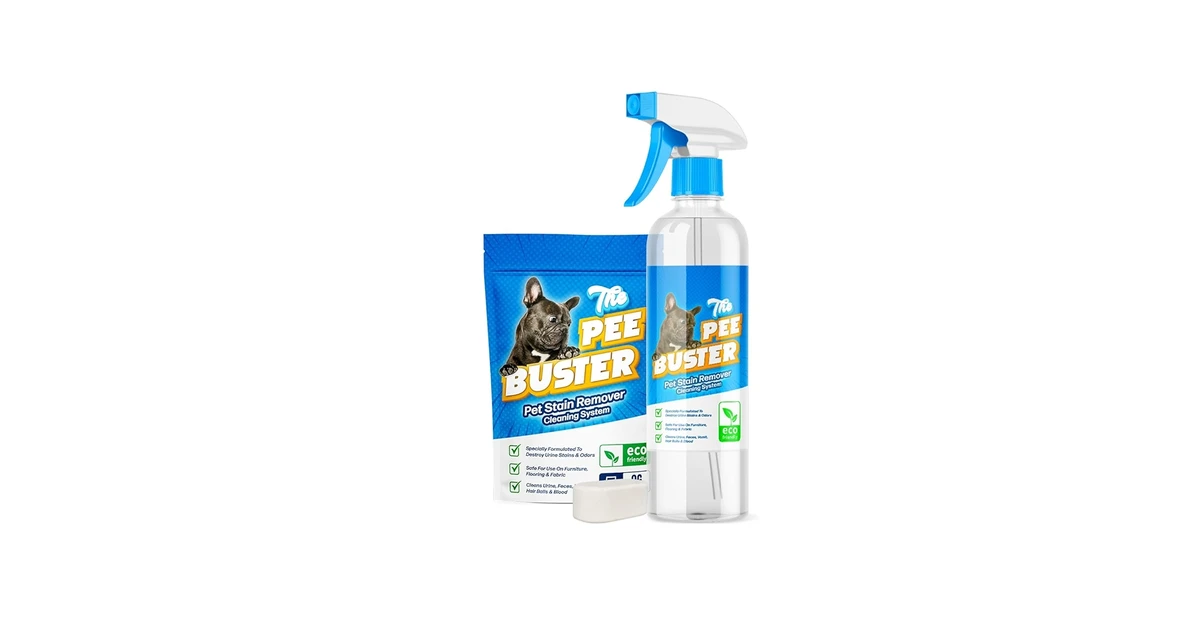
Enzyme-based removers use natural enzymes to break down the organic compounds causing stains and odors at a molecular level, providing permanent removal rather than masking. Probiotics further inhibit odor-causing bacteria, resulting in longer-lasting freshness.
Are eco-friendly pet stain removers safe for all types of pets?
Most eco-friendly removers are formulated to be non-toxic and safe for common household pets including dogs, cats, and small mammals. However, pet sensitivity can vary, so a patch test and monitoring are recommended, especially for exotic or highly sensitive animals.
Can these removers be used on all household surfaces?
Leading eco-friendly products are designed for multi-surface use, including carpets, upholstery, hardwood floors, tiles, and fabrics. It’s essential to follow manufacturer instructions and test in inconspicuous areas to prevent damage.
How do subscription services benefit pet owners environmentally and financially?
Subscriptions ensure regular supply, reducing last-minute purchases and wasted packaging. They often include discounts, free shipping, and eco-friendly packaging options, contributing to both cost savings and reduced environmental impact.
Do eco-friendly pet stain removers have certifications to verify their safety and sustainability?
Yes, many products carry certifications such as EPA Safer Choice, cruelty-free logos, and organic ingredient endorsements, which validate their environmental and health safety standards.
—
As consumer awareness of environmental and health implications grows, 2026’s eco-friendly pet stain removers represent a significant advancement in pet care. Their natural enzyme and probiotic technologies provide superior stain and odor removal while minimizing ecological footprints. Coupled with convenient online purchasing and subscription models, these products offer an optimal balance of efficacy, safety, and sustainability. Pet owners are encouraged to evaluate ingredient transparency, product certifications, and user feedback to select the most suitable eco-friendly stain remover for their household needs, fostering a cleaner, greener environment for pets and families alike.
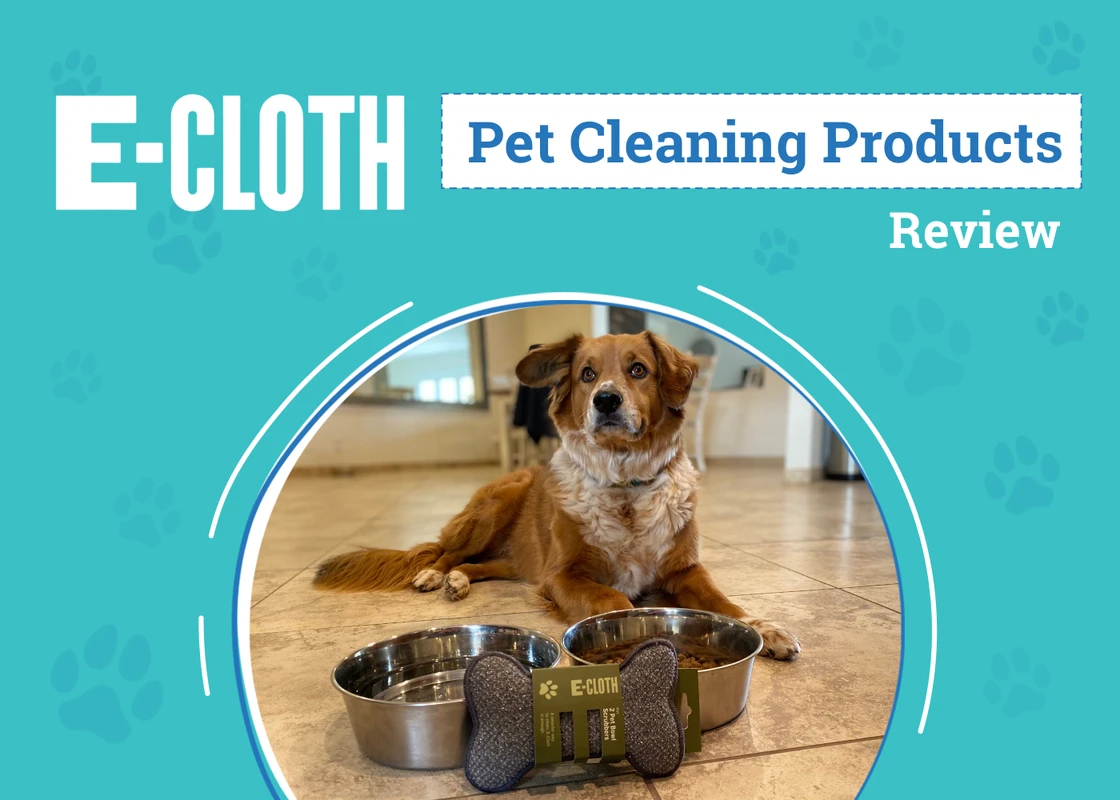
Are Eco-Friendly Pet Cleaning Products Worth It in 2026?
PawVerde.com – Eco-friendly pet cleaning products have become a crucial consideration for pet owners and veterinary professionals amid rising awareness of pet health and environmental sustainability. By avoiding toxic chemicals common in conventional cleaners, these products reduce respiratory and poisoning risks for pets such as cats and dogs, while also supporting biodegradability and reduced ecosystem contamination. As the pet cleaning market is projected to grow at a compound annual growth rate (CAGR) of 7.3% through the next decade, driven by pet humanization and wellness trends, understanding the balance of safety, efficacy, and environmental impact in these products is essential for informed purchasing decisions in 2026.
Despite marketing claims, not all products labeled “natural” guarantee safety for pets. Ingredients like tea tree oil and d-limonene, often found in supposedly green cleaners, have documented toxicity cases requiring veterinary intervention. In contrast, formulations based on Castile soap or vinegar offer proven, safer alternatives. Sustainable packaging innovations and smart cleaning devices further influence market dynamics, yet regulatory oversight and consumer education remain critical to navigating product choices. This article examines the health implications, environmental benefits, market trends, and practical guidance for selecting and using eco-friendly pet cleaning products responsibly.
Health and Safety Considerations for Pets
Conventional pet cleaning agents frequently contain chemical compounds such as ammonia, chlorine, and artificial fragrances that pose significant health risks to pets. Exposure to these substances can trigger respiratory distress, skin irritation, and systemic toxicity, particularly in sensitive species like cats and small dogs. Veterinary reports highlight cases where pets have suffered acute poisoning after contact with cleaning products containing essential oils or solvents deemed “natural” but hazardous in concentrated forms.
Tea tree oil serves as a notable example. While popular in natural cleaning due to its antimicrobial properties, veterinary toxicology data reveal that ingestion or dermal exposure can lead to neurological symptoms, lethargy, and even liver damage in pets. Similarly, d-limonene, a citrus-derived solvent frequently included for its degreasing action, has been linked to dermatitis and respiratory issues. These findings underscore that “natural” does not equate to “non-toxic.” Veterinary experts like Dr. Branson Ritchie emphasize the necessity for pet owners to scrutinize ingredient lists rather than relying on marketing labels.
Additionally, respiratory health concerns extend beyond ingestion or contact. Volatile organic compounds (VOCs) released by certain chemical cleaners can exacerbate asthma-like symptoms in pets, reducing indoor air quality. Eco-friendly products with low VOC emissions improve air environments, reducing chronic respiratory stress for animals and their human families. The American Society for Prevention of Cruelty to Animals (ASPCA) advocates for increased awareness of these risks, encouraging the use of pet-safe alternatives wherever possible.
Environmental Benefits of Eco-Friendly Pet Cleaners
The environmental footprint of pet cleaning products encompasses chemical runoff, plastic waste, and indoor air contamination. Biodegradable ingredients such as plant-based surfactants and Castile soap reduce the persistence of harmful residues in water bodies, mitigating ecological damage. Unlike synthetic detergents, these biodegradable formulas break down rapidly, lowering the risk of bioaccumulation in aquatic ecosystems.
Sustainable packaging advances have responded to growing regulatory pressures targeting microplastic pollution and single-use plastics. Many brands are adopting refillable containers, compostable wraps, and B Corp-certified packaging standards to align with environmental mandates. These innovations not only reduce landfill contributions but also enhance consumer trust by demonstrating corporate responsibility.
Indoor air quality improvements are another key environmental benefit. Products free from harsh VOCs and synthetic fragrances contribute to healthier home atmospheres, which is particularly relevant for multi-pet households where airborne allergens and irritants compound respiratory challenges. Recent market innovations also include smart cleaning devices optimized for low chemical usage, further reducing environmental impact while maintaining efficacy.
Market Dynamics and Growth Trends
The global pet cleaning products market is forecasted to reach approximately $26.8 billion by 2034, expanding at a CAGR of 7.3% from 2026 onward. This growth is propelled by increased pet ownership, especially in urban areas, and a shift towards pet humanization, where owners prioritize wellness and hygiene akin to human care standards. Consumer preferences are evolving towards organic and non-toxic formulations, driving innovation in product development.
Subscription services offering eco-friendly pet cleaning supplies have gained traction, providing convenience and consistent access to vetted products. Smart pet cleaning devices equipped with sensors and app integrations represent another growth vector, combining technology with sustainability. However, challenges persist regarding regulatory harmonization across regions, as environmental regulators worldwide update standards to address ingredient transparency and labeling accuracy.
Competitive pressures stimulate brands to pursue certifications like B Corp and USDA Organic, which serve as trust signals in a crowded marketplace. Yet consumer education remains a bottleneck; many pet owners struggle to differentiate between genuinely safe products and those engaging in greenwashing. Industry stakeholders emphasize the need for clearer regulatory guidelines and enhanced outreach to bridge this knowledge gap.
Choosing the Right Eco-Friendly Pet Cleaning Products
Selecting safe and effective eco-friendly pet cleaning products in 2026 requires informed scrutiny of active ingredients and certification claims. Ingredients such as Castile soap—a vegetable oil-based, biodegradable surfactant—offer effective cleaning with minimal toxicity. Vinegar-based cleaners provide natural antiseptic properties without harmful residues. Conversely, pet owners should avoid products containing tea tree oil, d-limonene, phenols, and synthetic fragrances due to their documented adverse effects.
Transparency in ingredient labeling is paramount. Products that clearly list all active substances and are certified by recognized eco-labels (e.g., B Corp, EPA Safer Choice) provide greater assurance of safety and environmental compliance. While “natural” or “plant-based” descriptions are common marketing terms, they lack regulatory consistency and do not guarantee pet safety.
Recommended cleaning practices include using steam cleaning for floors and pet bedding to minimize chemical exposure. If essential oils are employed, caution is advised as many oils can cause allergic reactions or toxicity. Consulting with veterinary professionals before introducing new cleaning products into pet environments can prevent adverse outcomes.
Practical Advice for Pet Owners
Integrating eco-friendly cleaning into daily pet care routines involves more than product selection. Regular vacuuming with HEPA filters, using reusable microfiber cloths, and maintaining good ventilation reduce allergens and chemical residues indoors. Avoiding overuse of any cleaner, even natural ones, limits pets’ exposure to potentially irritating substances.
Avoiding greenwashing requires pet owners to actively research brands and products. Social media platforms like TikTok and Instagram feature user reviews and expert discussions that can help identify reputable options. Subscription services from trusted brands such as Only Natural Pet offer curated eco-friendly selections, reducing the risk of inadvertently purchasing harmful products.
sustainable pet care practices extend to waste management, including composting biodegradable wipes and minimizing plastic packaging disposal. These habits contribute to broader environmental goals while fostering healthier living spaces for pets and their owners.
Looking Ahead: The Future of Eco-Friendly Pet Cleaning Products
Continued innovation in green chemistry promises safer, more effective formulations for pet cleaning products. Regulatory frameworks are anticipated to strengthen ingredient transparency, enforce stricter safety evaluations, and standardize eco-label certifications globally. Advances in smart cleaning technologies will further reduce chemical usage and environmental impact.
As consumer demand for sustainable pet care grows, brands that prioritize safety, efficacy, and environmental stewardship are likely to lead market expansion. Pet owners equipped with better education and access to reliable information will drive more informed purchasing decisions, enhancing pet wellness and ecosystem protection concurrently.
The trajectory for eco-friendly pet cleaning products in 2026 and beyond is positive, combining health benefits, environmental gains, and technological progress. However, vigilance remains essential to distinguish genuinely safe products from misleading claims, ensuring pets and their environments are safeguarded effectively.
FAQ
Are eco-friendly pet cleaning products safer for my pets than conventional cleaners?
Eco-friendly pet cleaning products generally reduce exposure to toxic chemicals found in conventional cleaners, lowering risks of poisoning and respiratory issues. However, safety depends on the specific ingredients; some natural substances like tea tree oil can still be harmful. Pet owners should carefully review ingredient lists and consult veterinary advice.
What ingredients should I avoid in pet cleaning products?
Avoid ingredients such as tea tree oil, d-limonene, phenols, synthetic fragrances, and ammonia, as these have been linked to toxicity or allergic reactions in pets. Opt for safer alternatives like Castile soap, vinegar-based cleaners, and plant-based surfactants.
How do eco-friendly pet cleaning products benefit the environment?
These products use biodegradable ingredients that break down quickly, minimizing water pollution and ecosystem damage. Sustainable packaging reduces plastic waste, and low-VOC formulations improve indoor air quality, collectively lowering environmental impact compared to conventional cleaners.
Is sustainable packaging common among pet cleaning brands?
An increasing number of brands incorporate sustainable packaging such as refillable containers, compostable materials, and B Corp-certified designs. This trend responds to regulatory pressures and consumer demand for environmental responsibility.
How can I avoid greenwashing when purchasing eco-friendly pet cleaners?
Look for full ingredient disclosure, third-party certifications, and positive veterinary endorsements. Research brand reputations via trusted social media channels and avoid products relying solely on vague marketing terms like “natural” without substantiation. Subscribing to curated services from reputable companies can also reduce risk.
—
The evolving landscape of eco-friendly pet cleaning products in 2026 presents promising opportunities for pet owners to safeguard animal health and contribute to environmental sustainability. By emphasizing ingredient transparency, adhering to best practices, and staying informed on regulatory and market developments, consumers can optimize pet hygiene while supporting greener, safer living environments.
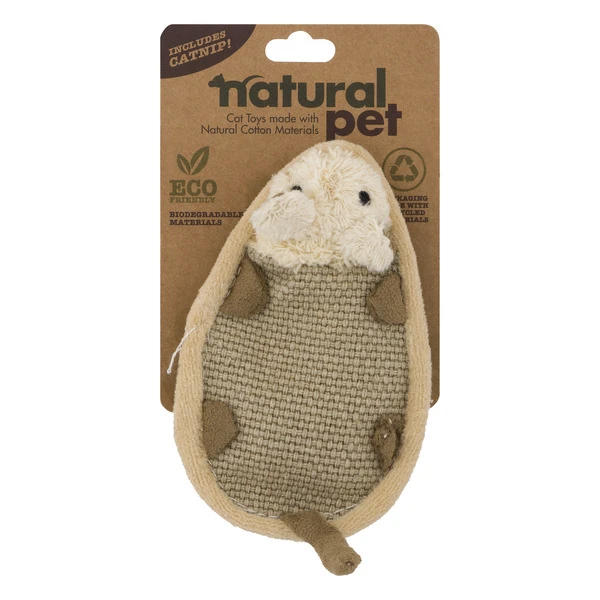
Eco-Friendly Pet Toys Use Natural Materials for Safe Play
PawVerde.com – Eco-friendly pet toys have gained significant traction as consumers increasingly prioritize sustainability, safety, and ethical production in pet care products. Unlike conventional pet toys, which predominantly rely on plastics, nylon, and polyester—materials that contribute substantially to environmental pollution—eco-friendly options utilize natural, biodegradable, and recycled materials. Leading brands such as Only Natural Pet and Awoo Pets have pioneered the market by offering certified, ethically produced toys made from bamboo, organic cotton, recycled fabrics, hemp, wool, and jute fibers. These materials not only reduce the environmental footprint but also ensure non-toxic, safe play experiences for pets. Furthermore, many of these brands implement innovative practices like plastic-free packaging and takeback recycling programs, enhancing their sustainability credentials.
Consumers seeking to purchase eco-friendly pet toys online benefit from the convenience of accessing a broad selection of certified products that meet stringent health and safety standards. Certifications such as the Global Organic Textile Standard (GOTS), Responsible Wool Standard (RWS), and GoodWeave verify ethical sourcing, organic production, and fair labor practices, helping buyers make informed decisions. This article explores the sustainable materials used in pet toys, profiles key brands and retailers, examines the benefits of eco-friendly pet toys, and offers practical insights into DIY options and ethical manufacturing certifications.
Sustainable Materials Used in Eco-Friendly Pet Toys
Bamboo stands out as a highly sustainable raw material in pet toy manufacturing due to its rapid renewability and durability. As a fast-growing grass, bamboo regenerates without the need for pesticides or fertilizers, making it an environmentally superior alternative to conventional timber or synthetic fibers. Bamboo fibers used in pet toys are naturally antimicrobial and resilient, offering chew-resistant properties ideal for dogs. In addition, bamboo’s biodegradability ensures that once discarded, bamboo-based toys decompose without releasing harmful microplastics into ecosystems.
organic cotton and recycled fabrics also play a crucial role in eco-friendly pet toys. Organic cotton is cultivated without synthetic pesticides or genetically modified organisms, reducing soil degradation and water contamination. When combined with recycled fabrics—often sourced from post-consumer plastic bottles or textile waste—these materials diminish landfill accumulation and reduce reliance on virgin resources. Recycled polyester and nylon blends are increasingly used in durable dog toys, especially by brands like Zogoflex, which transform recycled plastics into tough, non-toxic chew toys.
Natural fibers such as hemp, wool, and jute contribute additional sustainability benefits. Hemp requires minimal water and no chemical treatments, and its coarse texture appeals to dogs’ chewing instincts. Wool, particularly certified under the Responsible Wool Standard, ensures animal welfare and environmental stewardship in sheep farming. Jute fibers, derived from plants, offer biodegradability and strength, useful in rope and tug toys. These fibers provide alternatives that balance durability with environmental responsibility.
Leading Brands and Online Retailers Offering Eco-Friendly Pet Toys
Only Natural Pet is a prominent leader in the eco-friendly pet toy market, offering a wide range of products made from organic cotton, recycled fabrics, and natural fibers. Their commitment to sustainability is reflected in their use of GOTS-certified textiles and plastic-free packaging. Only Natural Pet’s product lines include chew toys, fetch toys, and plush options designed to be safe and non-toxic, supporting pet health while minimizing environmental impact.
Awoo Pets further distinguishes itself through its rePAWpose takeback program, which encourages customers to return worn-out toys for recycling and refurbishment. This circular approach aligns with their mission of reducing landfill waste and promoting ethical production. Awoo’s toys are made from natural rubber and recycled materials, certified by various sustainability standards, and packaged using biodegradable materials.
Pata Pal focuses on durable cotton canvas pet toys that avoid synthetic dyes and harmful chemicals. Their products feature reinforced stitching and natural fibers that withstand aggressive play while maintaining biodegradability. Meanwhile, Zogoflex is renowned for producing tough dog toys from 100% recycled plastics, combining durability with sustainability. Other notable brands in this sector include West Paw, RuffWear, Planet Dog, Pets of the Earth, and Jojomodernpets, each integrating recycled or natural materials and ethical manufacturing practices.
Retailers such as Chewy, Amazon, and specialized local boutiques provide broad access to these sustainable pet toys, often featuring filters for certifications and material types. These platforms facilitate consumer choices by offering extensive product information, customer reviews, and transparent sourcing disclosures.
Benefits of Purchasing Eco-Friendly Pet Toys Online
Buying eco-friendly pet toys online offers consumers unparalleled convenience and access to a diverse product range that physical stores may lack. Online platforms curate certified and ethically produced toys, enabling shoppers to verify sustainability credentials such as GOTS, RWS, and GoodWeave certifications directly through brand websites or retailer listings. This transparency supports informed purchasing decisions based on material safety, environmental impact, and social responsibility.
Moreover, many eco-friendly pet toy brands emphasize plastic-free, compostable packaging and partner with logistics providers committed to reducing carbon emissions. These efforts extend the sustainability chain beyond manufacturing to the delivery process, aligning with the values of environmentally conscious consumers. Online retailers often provide educational content on material benefits, cleaning instructions, and product lifecycles, further enhancing user experience and trustworthiness.
DIY Eco-Friendly Pet Toy Materials and Cleaning Tips
For pet owners interested in sustainable alternatives, DIY eco-friendly pet toys present a practical option. Household materials such as untreated cardboard, wool scraps, felt, and natural cotton yarn can be repurposed into safe, biodegradable toys. For example, braided hemp ropes or felted wool balls offer interactive, chewable toys without synthetic additives. These homemade options reduce waste, encourage creativity, and allow for customization based on pet size and preferences.
Maintaining eco-friendly pet toys requires gentle cleaning methods to preserve natural fibers and avoid chemical residues. Hand washing with mild, biodegradable detergents and air drying are recommended to prolong toy lifespan and prevent mold growth. Avoiding bleach or harsh chemicals ensures the non-toxic integrity of materials like organic cotton and bamboo. Regular inspection for wear and tear supports safe play and timely replacement, further contributing to sustainability by preventing ingestion hazards.
Certifications and Ethical Manufacturing in Eco Pet Toys
Certifications play a critical role in validating the sustainability and ethical claims of eco-friendly pet toy brands. The Global Organic Textile Standard (GOTS) certifies that textiles meet rigorous environmental and social criteria throughout the supply chain, including prohibition of toxic chemicals and assurance of fair labor practices. GOTS certification provides consumers with confidence that organic cotton pet toys are genuinely sustainable and ethically produced.
The Responsible Wool Standard (RWS) ensures animal welfare and environmental stewardship in wool production, requiring farms to maintain high standards of sheep care and land management. This certification is essential for wool-based pet toys, guaranteeing that the raw materials do not contribute to animal cruelty or ecological degradation.
GoodWeave certification addresses labor rights, particularly the elimination of child labor in textile supply chains. Brands carrying GoodWeave labels demonstrate commitment to ethical manufacturing and social responsibility. These certifications collectively ensure that eco-friendly pet toys are produced under conditions that respect human and animal welfare while minimizing environmental harm.
Environmental and Health Impact of Choosing Eco-Friendly Pet Toys
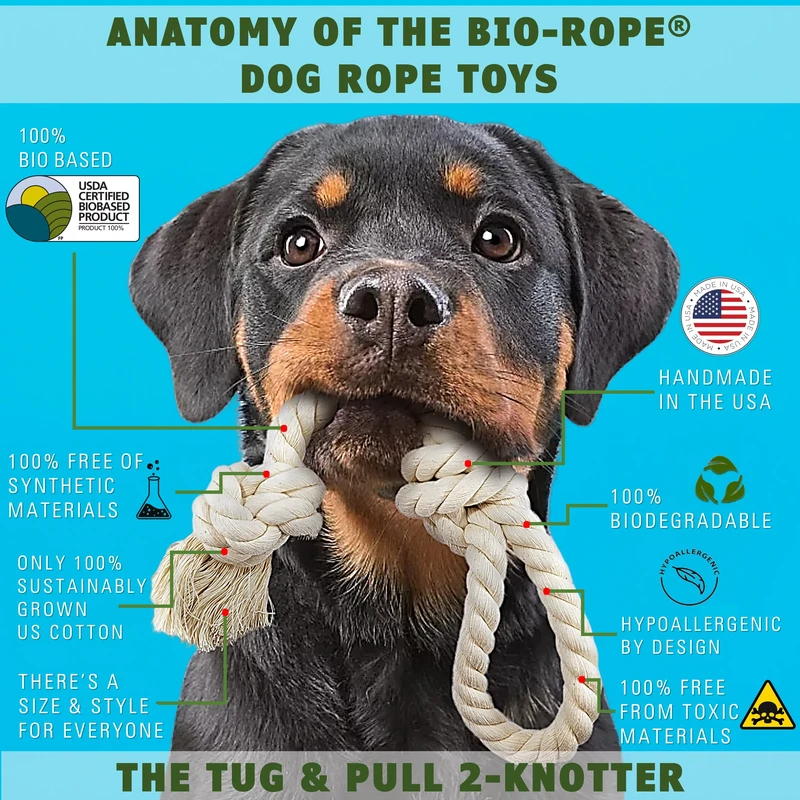
Switching to eco-friendly pet toys significantly reduces landfill waste and environmental pollution associated with conventional plastic toys. Plastics used in typical pet toys often do not biodegrade, fragmenting into microplastics that contaminate soil and waterways. By contrast, biodegradable materials such as bamboo, organic cotton, and natural fibers decompose naturally, closing the loop on product life cycles.
From a health perspective, eco-friendly toys avoid harmful additives like phthalates, lead-based dyes, and synthetic chemicals often present in mass-produced toys. These toxins pose ingestion risks and can trigger allergies or toxicity in pets. Natural and certified materials ensure that toys are safe for chewing, fetching, and interactive play without exposing pets to hazardous substances.
Environmentally conscious consumers also contribute to broader sustainability goals by supporting brands that prioritize renewable resources, ethical labor, and reduced carbon footprints. This alignment fosters a market shift toward responsible pet product manufacturing and encourages innovation in sustainable materials and circular economy initiatives.
FAQ: Eco-Friendly Pet Toys
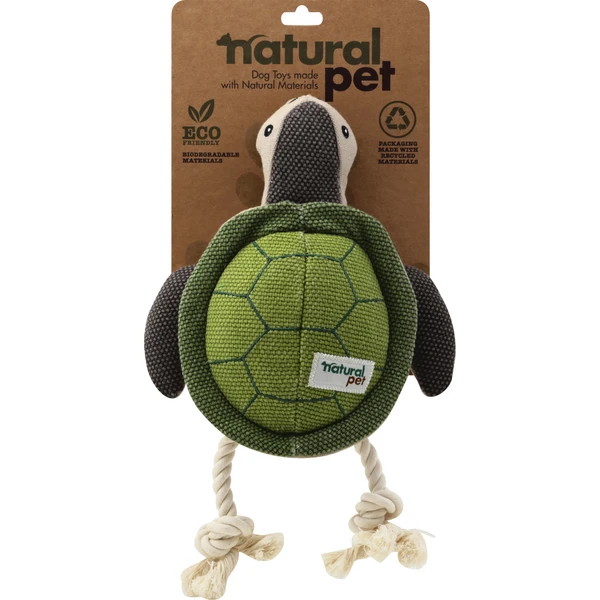
What materials are commonly used in eco-friendly pet toys?
Eco-friendly pet toys typically utilize natural and recycled materials such as bamboo, organic cotton, hemp, wool, jute fibers, and recycled plastics. These materials are biodegradable, non-toxic, and sourced to minimize environmental impact.
Which certifications should I look for when buying sustainable pet toys?
Key certifications include the Global Organic Textile Standard (GOTS) for organic fabrics, the Responsible Wool Standard (RWS) for ethical wool sourcing, and GoodWeave certification for fair labor practices. These validate environmental and social responsibility in production.
Are eco-friendly pet toys safer for my pet compared to conventional toys?
Yes, eco-friendly pet toys avoid harmful chemicals and synthetic additives, reducing risks of toxicity and allergic reactions. Natural materials are generally safer for chewing and prolonged play.
Where can I buy certified eco-friendly pet toys online?
Certified eco-friendly pet toys are available through brand websites such as Only Natural Pet and Awoo Pets, as well as online retailers like Chewy and Amazon that offer detailed product information and sustainability filters.
Can I make my own eco-friendly pet toys at home?
DIY eco-friendly pet toys can be made using household items like untreated cardboard, wool scraps, cotton yarn, and hemp rope. These materials are safe, biodegradable, and customizable to your pet’s needs.
As demand for sustainable pet products grows, consumers can drive positive change by prioritizing eco-friendly pet toys made from renewable, certified materials. Continued innovation in natural fibers and recycled content, paired with ethical manufacturing and transparent certifications, will expand the availability and quality of sustainable pet toys. Pet owners and retailers alike are encouraged to support circular programs and plastic-free initiatives to reduce environmental impact and promote a healthier future for pets and the planet.

Upcycling Old Materials for Pet Toys Drives Sustainable Innovation
PawVerde.com – Upcycling old materials into pet toys has emerged as a pivotal innovation in the pet care industry, combining sustainability with economic sensibility. In 2026, the shift toward eco-friendly pet products is driven by advancements in recycled and upcycled materials, rigorous safety certifications, and circular manufacturing processes that minimize environmental impact. Leading brands such as West Paw and Cycle Dog have pioneered the use of recycled post-consumer plastics and natural fibers, creating durable, non-toxic toys designed for infinite recyclability. This trend aligns with growing consumer demand for sustainable pet ownership, offering cost-effective alternatives to conventional pet toys while reducing landfill waste and plastic pollution.
The integration of DIY upcycling projects and community-driven programs has further expanded consumer engagement, enabling pet owners to contribute directly to environmental conservation. These developments underscore a transformative movement in pet products, where innovation, safety, and circular economy principles converge to redefine sustainable pet care.
Leading Brands and Material Innovations in Upcycled Pet Toys
West Paw’s Zogoflex® line exemplifies innovation in upcycled pet toys, utilizing recycled thermoplastic elastomers (TPE) sourced primarily from post-consumer plastics. This material not only offers remarkable durability but also supports an infinite recycling loop, allowing worn toys to be returned and remanufactured into new products. West Paw’s certification as a B-Corp affirms its commitment to environmental responsibility and social governance, ensuring that its manufacturing processes meet stringent sustainability standards. The brand’s FDA-compliance for non-toxic materials further guarantees pet safety, a critical factor amid concerns about recycled material quality.
Cycle Dog has distinguished itself by transforming discarded bicycle inner tubes and recycled plastic bottles into resilient chew toys and tug ropes. This approach leverages industrial rubber and plastic waste, diverting these materials from landfills. Cycle Dog’s products marry durability with eco-conscious design, addressing both pet entertainment and environmental stewardship. Their collaboration with TerraCycle programs enhances circularity by facilitating mail-back recycling options for worn-out toys.
Beco Pets and Multipet focus on natural and post-consumer materials such as bamboo fiber, natural rubber, and recycled plastics. Beco Pets’ use of biodegradable and sustainable raw materials complements Multipet’s incorporation of recycled plastics in their toy lines. These brands balance material innovation with cost-effectiveness, offering consumers affordable yet environmentally responsible pet toys. Their initiatives also include partnerships with certification agencies to validate the eco-friendliness and safety of their products.
Safety Standards and Certifications for Recycled and Upcycled Pet Toys
Safety remains paramount in the adoption of recycled materials for pet toys. FDA compliance ensures that materials used are free from harmful chemicals and toxins, a necessity given pets’ frequent chewing and mouthing behaviors. Brands like West Paw and Cycle Dog undergo rigorous testing for material safety, durability, and pet suitability, often exceeding regulatory minimums. Durability ratings, such as those developed in collaboration with veterinary experts, help consumers select toys appropriate for their pets’ size and chewing intensity.
Despite these safeguards, risks associated with poorly processed recycled materials persist, including potential chemical leaching and ingestion hazards due to brittle or degraded plastics. To mitigate such risks, manufacturers employ advanced purification and remanufacturing techniques, ensuring recycled plastics meet stringent quality controls. Certifications like the B-Corp and third-party environmental audits provide transparency and reinforce consumer trust by validating the ethical sourcing and production processes.
DIY Upcycling: Cost-Effective and Customizable Pet Toys
DIY upcycling offers pet owners a practical avenue to create sustainable toys, reducing reliance on commercial products while customizing designs to their pets’ preferences. Popular projects include transforming old t-shirts into braided tug toys, repurposing denim scraps into chewable balls, and weaving fabric strips into durable ropes. These methods not only extend the lifecycle of textiles but also minimize landfill contributions.
Community programs such as Pawty Animals’ RePawpose initiative actively encourage consumer participation in upcycling efforts. By sharing DIY instructions and promoting the #RePawpose hashtag on social platforms like TikTok’s ProblemSolved channel, Pawty Animals fosters an engaged eco-conscious community. This grassroots movement supports environmental education and spreads awareness about the tangible benefits of upcycling in pet care.
Circular Manufacturing and Recycling Programs in the Pet Toy Industry
Circular manufacturing has become a cornerstone of sustainable pet product innovation. ecoBirdy’s proprietary recycling process exemplifies this approach by reclaiming plastic from broken toys and transforming it into high-quality raw materials known as ecothylene®. This closed-loop system reduces virgin plastic demand and curtails plastic pollution.
Mail-back programs, often facilitated by brands and partners like TerraCycle, provide consumers with accessible options to recycle worn-out pet toys responsibly. These initiatives collect used toys, which are then processed into recyclable pellets or repurposed into new products. Such programs enhance product lifecycle management and support industry-wide sustainability goals.
Environmental Impact and Consumer Advantages of Upcycled Pet Toys
Upcycled pet toys contribute significantly to plastic waste reduction by diverting post-consumer materials from landfills and oceans. Estimates indicate that pet toy manufacturing accounts for a measurable share of plastic consumption in the pet care sector, with upcycled alternatives potentially reducing this footprint by up to 50% when widely adopted. The use of biodegradable materials further mitigates long-term environmental impacts, as these components break down more readily in natural settings.
Consumers benefit from upcycled toys beyond environmental impact, enjoying cost savings due to the lower raw material costs associated with recycled inputs and DIY projects. Additionally, many upcycled toys exhibit enhanced durability, translating to longer product lifespans and reduced replacement frequency. This durability is corroborated by consumer reviews and durability testing data published by brands like West Paw and Cycle Dog.
Future Directions of Upcycled Pet Toys and Responsible Pet Ownership
The trajectory of upcycled pet toys points toward greater integration of circular economy principles, increased transparency through certifications, and enhanced consumer participation in sustainability programs. Emerging material innovations, such as bio-based polymers and nanocellulose composites, promise to further elevate the ecological profile and performance of pet toys.
Pet owners are encouraged to adopt multi-faceted approaches combining brand-supported recycling initiatives, DIY upcycling, and informed purchasing decisions based on safety certifications and durability ratings. This holistic engagement fosters responsible pet ownership aligned with global environmental goals.
FAQ
What materials are commonly used in upcycled pet toys?
Upcycled pet toys typically incorporate recycled post-consumer plastics such as thermoplastic elastomers (TPE), natural rubber, bamboo fibers, and repurposed textiles like denim and cotton. These materials are selected for durability, safety, and environmental impact, often undergoing FDA-compliant processing.
Are upcycled pet toys safe for aggressive chewers?
Brands like West Paw and Cycle Dog rigorously test their upcycled toys for durability and safety, offering products with specific ratings for aggressive chewers. However, pet owners should always inspect toys regularly and select products suited to their pet’s chewing behavior to prevent ingestion of small parts.
How do circular manufacturing programs work for pet toys?
Circular manufacturing involves reclaiming used or broken toys and recycling them into raw materials for new products. Programs like ecoBirdy’s ecothylene® process and TerraCycle mail-back services facilitate this by collecting worn toys, processing them to remove contaminants, and remanufacturing them into high-quality pet toys, reducing reliance on virgin plastics.
Can I make effective upcycled pet toys at home?
Yes. DIY upcycling projects using materials like old t-shirts, denim scraps, and fabric ropes can produce durable and safe pet toys. Following community-shared instructions, such as those from Pawty Animals’ RePawpose program, ensures toys are made with pet safety and durability in mind.
What certifications should I look for when choosing upcycled pet toys?
Look for FDA compliance, B-Corp certification, and third-party environmental audits that verify material safety, non-toxicity, and sustainable manufacturing practices. These certifications indicate a brand’s commitment to quality, pet safety, and environmental responsibility.
—
As pet product innovation advances, the fusion of recycled materials, safety certifications, and circular manufacturing will increasingly define the upcycled pet toy market. Continued development of eco-conscious consumer programs and DIY initiatives will further embed sustainability into everyday pet care, offering a pragmatic pathway to reduce environmental impact while enhancing pet wellness and owner satisfaction.
Top Eco-Friendly Pet Toy Brands Reviewed for Safety & Sustainability
PawVerde.com – Consumer demand for eco-friendly pet toys has surged significantly in 2026, driven by heightened awareness of environmental sustainability and pet health safety. The market now features an array of products crafted from sustainable materials such as recycled plastics, organic cotton, natural rubber, and hemp fibers. Leading brands emphasize durability, non-toxicity, and comprehensive certifications to assure pet owners that their purchases minimize ecological impact while safeguarding animal wellbeing. This review examines the foremost eco-friendly pet toy brands, their material innovations, and how their products align with evolving standards in sustainability and safety.
Leading Eco-Friendly Pet Toy Brands and Their Sustainable Offerings
West Paw stands at the forefront of sustainable pet toy manufacturing with its proprietary Zogoflex material, an infinitely recyclable plastic that combines resilience with environmental responsibility. Their IntelliLoft® fiber used in pet beds derives from recycled plastic bottles, reducing landfill waste and promoting circular economy principles. West Paw holds B-Corp certification, underscoring its commitment to rigorous social and environmental performance standards. User reviews highlight superior durability, with toys enduring aggressive chewers without breaking down or releasing microplastics.
Nina Woof specializes in organic cotton squeaky toys, designed primarily for small to medium-sized dogs. Their products are manufactured in the USA, ensuring stringent quality control and labor standards. The use of GOTS-certified organic cotton guarantees the absence of harmful pesticides and synthetic fertilizers, contributing to safer play experiences for pets and reduced environmental toxins. Pet owners report high satisfaction with softness and non-toxicity, affirming Nina Woof’s reputation for combining safety with sustainability.
Rocket & Rex offers rope dog toys crafted from natural cotton and fabric blends that support dental hygiene. The intertwined cotton fibers act as floss, reducing plaque buildup during chewing sessions. Their range includes durable cotton ropes and natural fabric toys free from synthetic dyes, appealing to pet owners seeking chemical-free options. The company emphasizes oral health benefits alongside eco-conscious sourcing, a dual advantage in the sustainable pet toy market.
Beco Pets integrates natural rubber and bamboo into their toys and pet bowls, with many products being fully compostable. Natural rubber sourced sustainably provides elasticity and robustness without the environmental burden of synthetic polymers. Bamboo, a fast-growing renewable resource, is incorporated in chew toys and bowls for its biodegradability and antimicrobial properties. Beco Pets also incorporates plant-based dyes, avoiding harmful chemical colorants, and holds certifications for cruelty-free production.
Harry Barker exemplifies luxury sustainability with organic pet beds made from GOTS-certified cotton and hemp fibers. Their hemp materials are pesticide-free and require minimal irrigation, reducing the environmental footprint compared to conventional cotton. These beds combine comfort with rigorous organic standards, appealing to environmentally conscious pet owners who prioritize premium quality. Harry Barker’s products undergo strict certification processes to ensure adherence to organic textile regulations.
Materials and Sustainability Features Driving the Market
The use of recycled plastics, including PET bottles, underpins the circular economy approach embraced by brands like West Paw. Their infinite recycling program enables consumers to return worn-out toys for reprocessing, reducing landfill contributions and resource consumption. This closed-loop system exemplifies innovation in sustainable product lifecycle management.
Organic cotton and hemp fibers present notable advantages in durability and environmental impact. Organic cotton cultivation avoids synthetic pesticides and fertilizers, reducing soil and water contamination. Hemp, valued for its rapid growth and low resource needs, offers a biodegradable alternative to synthetic fibers without compromising strength. Both materials are increasingly favored in plush toys, beds, and rope products.
Natural rubber serves as a non-toxic, plant-based alternative to synthetic elastomers. Sourced from rubber trees cultivated with sustainable forestry practices, this material ensures biodegradability while maintaining chew resistance. It also circumvents the release of harmful microplastics common with petroleum-based rubbers.
Plant-based dyes and biodegradable stuffing materials such as coconut fiber and organic catnip enhance the environmental profile of pet toys. These natural components avoid synthetic chemical residues that can be harmful to pets and ecosystems. Biodegradable stuffing also facilitates composting at the end of the product lifecycle.
Certifications play a critical role in validating sustainability claims. B-Corp certification mandates transparent supply chains and measurable environmental impact reductions. GOTS Organic certification verifies adherence to stringent organic textile processing standards. FDA compliance ensures pet products meet safety criteria, particularly relevant for chew toys and ingestible components.
Durability and Safety Considerations in Eco-Friendly Pet Toys
Durability ratings are essential for assessing the suitability of eco-friendly toys for various pet sizes and chewing intensities. West Paw’s Zogoflex products consistently receive high marks for resistance to tearing and puncturing, making them appropriate for heavy chewers. Conversely, organic cotton toys from Nina Woof, while less durable for aggressive chewers, excel in softness and safety for moderate play.
Non-toxic materials free from BPA, phthalates, and harmful dyes are standard across leading brands. These substances have been linked to health risks in pets, including hormonal disruptions and allergic reactions. Brands like Beco Pets and Rocket & Rex emphasize the exclusion of these chemicals, enhancing pet safety.
Environmental impact reduction extends beyond material choice to production processes and end-of-life considerations. Compostable toys and recyclable materials reduce waste accumulation. Brands offering take-back or recycling programs, such as West Paw, demonstrate leadership in mitigating ecological footprints.
Emerging Trends in 2026 Eco-Friendly Pet Toys
Transparency in material sourcing and manufacturing has become a defining trend. Consumers increasingly demand detailed information on origin, processing methods, and labor conditions. Brands respond by publishing sustainability reports and engaging in third-party audits.
Multi-functional toy designs that provide mental stimulation alongside physical activity are gaining traction. For example, toys incorporating puzzle elements or interactive features crafted from hemp and organic cotton enhance pet engagement while maintaining sustainability.
Customization and adjustability in pet toys address diverse breed sizes and play styles. Adjustable rope lengths or modular toy components extend product usability, reducing the need for frequent replacements.
Industry leaders and emerging manufacturers alike invest in research and development to incorporate innovative materials such as biodegradable polymers derived from plant sources. These developments promise further reductions in environmental impact without sacrificing durability.
Consumer Guidance for Selecting Eco-Friendly Pet Toys
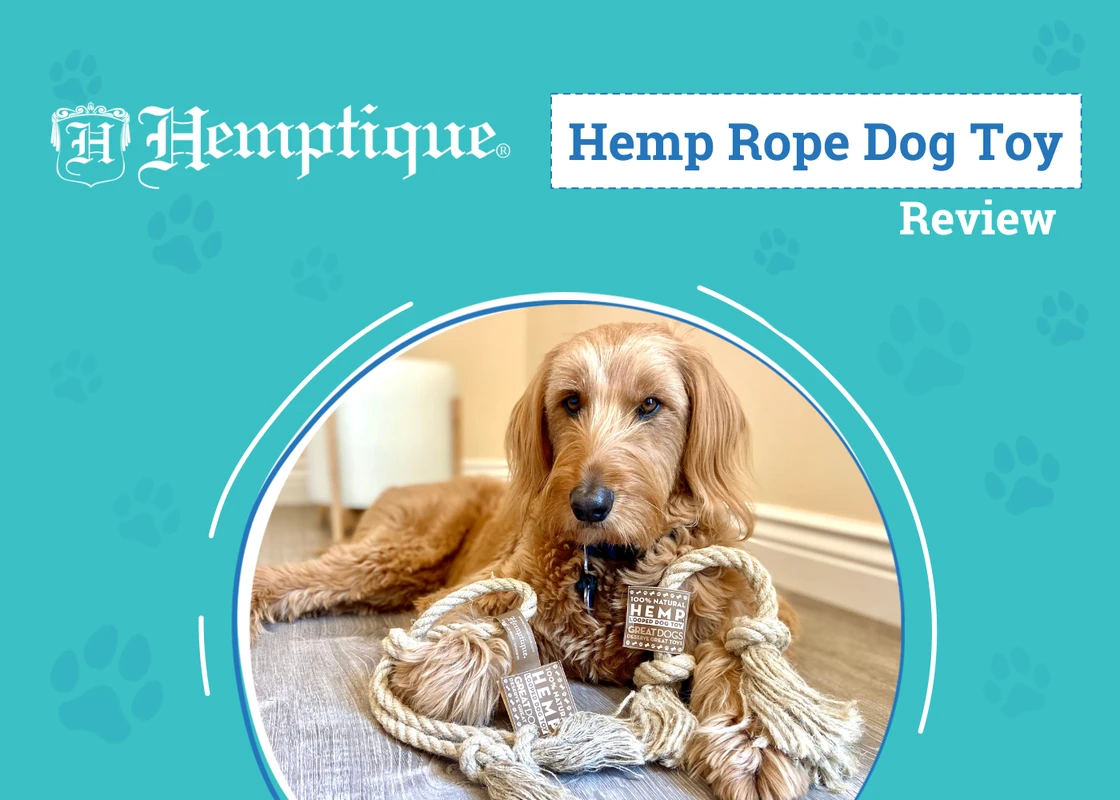
Pet owners should prioritize brands with verified certifications like B-Corp and GOTS Organic to ensure authentic sustainability claims. Transparency in supply chain and material sourcing is a strong indicator of brand reliability.
Durability assessment should consider the pet’s size and chewing habits. Heavy chewers benefit from toys made of Zogoflex or natural rubber, while gentler chewers may prefer organic cotton or hemp-based options.
Evaluating eco-features such as biodegradability and recyclability is crucial. Compostable toys or those accepted in take-back programs offer advantages in responsible disposal.
Price considerations must balance immediate cost against long-term benefits, including reduced replacement frequency and environmental impact. Investing in certified durable toys often results in lower lifetime costs and ecological footprint.
FAQ

What materials are safest and most sustainable for pet toys in 2026?
The safest and most sustainable materials include recycled plastics like Zogoflex, GOTS-certified organic cotton, natural rubber from sustainable sources, and hemp fibers. These materials are non-toxic, durable, and biodegradable or infinitely recyclable, minimizing environmental and health risks.
Are eco-friendly pet toys durable enough for aggressive chewers?
Yes, brands such as West Paw use Zogoflex, a tough, recyclable plastic, that withstands heavy chewing. Natural rubber toys from Beco Pets also provide strong resistance. However, plush toys made from organic cotton or hemp are better suited for light to moderate chewers.
How do certifications like B-Corp and GOTS Organic impact pet toy quality?
B-Corp certification ensures a company meets rigorous social and environmental standards, including transparency and ethical manufacturing. GOTS Organic certification verifies organic textile processing free of harmful chemicals. Both certifications indicate higher quality, safety, and sustainability in pet toys.
Can eco-friendly pet toys help improve pet health?
Yes, toys made from natural fibers like cotton and hemp can reduce exposure to harmful chemicals. Rope toys promoting dental hygiene help maintain oral health. Additionally, mentally stimulating designs support cognitive well-being, contributing to overall pet health.
What are the environmental benefits of choosing biodegradable or recyclable pet toys?
Biodegradable toys break down naturally, reducing landfill waste and pollution. Recyclable toys can be reprocessed into new products, conserving resources and lowering carbon emissions. Both approaches reduce the environmental footprint of pet ownership.
—
The pet toy industry in 2026 demonstrates a robust commitment to sustainability through innovative materials, transparent practices, and durable, safe designs. Brands like West Paw, Nina Woof, and Rocket & Rex lead the market by integrating certifications such as B-Corp and GOTS Organic with cutting-edge recycling and composting initiatives. As consumers increasingly prioritize environmental and pet health considerations, selecting eco-friendly toys becomes both a responsible and practical choice. Looking forward, advancements in biodegradable polymers and customizable designs promise to further enhance the intersection of sustainability and pet wellbeing.
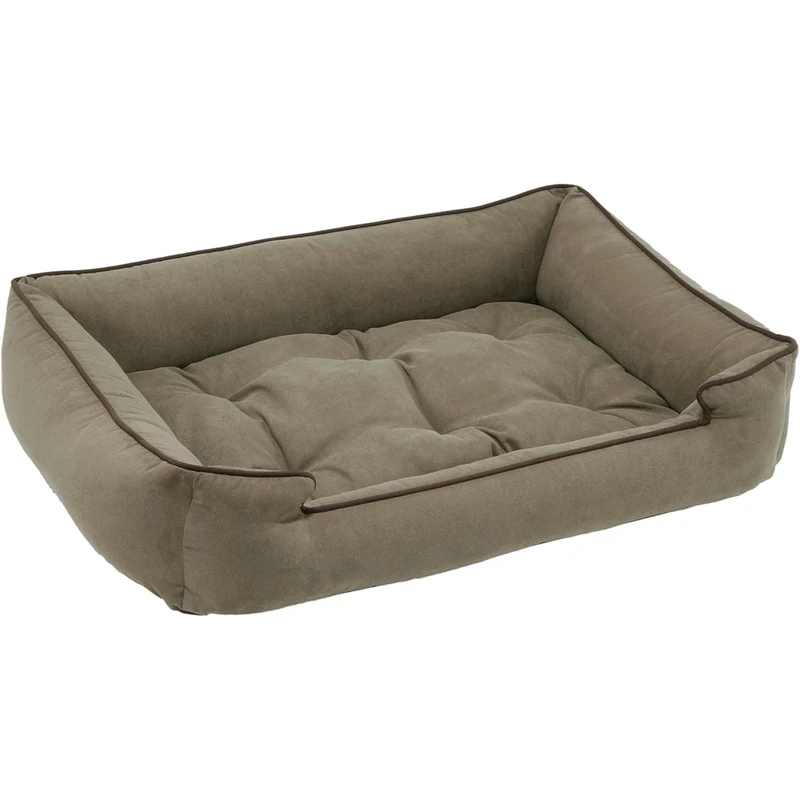
Best Eco-Friendly Materials for Dog Beds 2026 Explained
PawVerde.com – eco-friendly dog beds in 2026 leverage a sophisticated blend of sustainable materials such as organic cotton, hemp, natural latex, and recycled components, addressing the growing demand for non-toxic, durable pet products. These materials not only reduce environmental impact but also prioritize pet health through certifications like GOTS, GOLS, and CertiPUR-US that guarantee organic farming practices, chemical-free processing, and safe manufacturing. Leading brands including Dazzling Doggie Duvet, Avocado, Molly Mutt, and Buffy AmericanMade have integrated these materials with modular designs and washable covers to extend product lifespan and minimize waste, reflecting an industry shift towards comprehensive sustainability.
Organic cotton remains a cornerstone of eco-friendly dog beds due to its verified organic farming methods, absence of harmful pesticides, and softness that enhances pet comfort. Certified by the Global Organic Textile Standard (GOTS), organic cotton beds ensure strict adherence to environmental and social criteria, encompassing fair labor practices and chemical restrictions. Hemp, another highly durable and biodegradable fiber, offers superior resistance to wear and microbial growth, making it a preferred choice for active dogs. Its cultivation requires significantly less water and no synthetic fertilizers, reducing the ecological footprint compared to conventional cotton.
Natural latex, predominantly certified under the Global Organic Latex Standard (GOLS), provides orthopedic support through its resilient and breathable structure. Derived from rubber trees, natural latex beds resist compression and biodegrade without releasing toxic residues, offering an alternative to synthetic foams often laden with volatile organic compounds. Supplementing these core materials, recycled elements such as PET bottles are repurposed into mattress fillings and fabric blends, contributing to circular economy principles by diverting plastic waste from landfills. Brands like Harry Barker incorporate these recycled plastics in mattress inserts, while others combine upcycled fabrics to enhance durability and reduce resource consumption.
Leading Eco-Friendly Dog Bed Brands and Products
Several prominent brands have distinguished themselves by integrating sustainable materials with certifications that elevate consumer confidence. Dazzling Doggie Duvet utilizes organic cotton denim sourced and handcrafted in the USA, emphasizing modularity that allows components like covers and cushions to be replaced independently. This design reduces the frequency of full replacements, curtailing landfill contributions by as much as 75%. Avocado’s dog beds combine GOTS-certified organic cotton covers with certified organic natural latex cores, carrying additional MADE SAFE and FSC certifications that underscore non-toxicity and responsible forestry in packaging materials.
Molly Mutt features GOTS-certified organic cotton covers paired with OEKO-TEX certified wool fillings, balancing comfort and sustainability. Their use of OEKO-TEX standards ensures the absence of harmful substances, aligning with non-toxic pet bedding requirements. Harry Barker emphasizes hemp covers combined with recycled plastic mattress inserts, demonstrating a hybrid approach that maximizes durability while minimizing environmental impact. Buffy AmericanMade and LAY LO focus on orthopedic foam blends certified by CertiPUR-US, ensuring low emissions and safe chemical profiles, alongside recycled material components to support eco-friendly production practices.
Certifications and Standards Defining Eco-Friendly Dog Beds
Certifications serve as pivotal indicators for consumers seeking reliable eco-friendly dog beds, offering transparency and third-party validation of sustainable practices. The Global Organic Textile Standard (GOTS) regulates organic fibers from harvesting to manufacturing, ensuring chemical-free processing and social compliance. The Global Organic Latex Standard (GOLS) applies similar rigor to natural latex, validating organic cultivation and processing without harmful additives.
CertiPUR-US certification targets foam materials, confirming low emissions of volatile organic compounds (VOCs), absence of ozone depleters, heavy metals, and formaldehyde, critical for indoor air quality and pet health. MADE SAFE and OEKO-TEX certifications extend safety assurances to fabrics and fillings by limiting toxic chemical residues and allergens. Forest Stewardship Council (FSC) certification governs the sustainability of wood-based packaging or components, promoting responsible forestry. These certifications collectively assure consumers of chemical safety, environmental stewardship, and ethical labor practices within pet bedding supply chains.
Features Enhancing Sustainability Beyond Materials
Sustainability in dog beds transcends raw materials, with modular and replaceable components playing a central role in reducing environmental impact. Modular designs enable consumers to replace worn or soiled parts such as covers or inserts separately, significantly extending the overall product lifespan and reducing landfill waste. Washable covers constructed from durable organic cotton or hemp facilitate easy maintenance, promoting hygiene without necessitating frequent replacements.
ethical manufacturing practices often accompany certified materials, with many brands committing to fair labor standards and local production to reduce carbon footprints associated with transportation. End-of-life considerations include biodegradability of organic fibers and natural latex, alongside manufacturer-led recycling or take-back programs for synthetic components. Brands like Avocado and Molly Mutt actively participate in such initiatives, encouraging responsible disposal and circularity in pet bed products.
Additional Considerations in Choosing Eco-Friendly Dog Beds
Orthopedic support remains a critical factor, especially for older pets or breeds prone to joint issues. Natural latex and CertiPUR-US certified orthopedic foams offer pressure relief and contouring without compromising sustainability. Durability is essential for dogs with vigorous chewing or scratching habits; hemp’s toughness and recycled plastic inserts provide resilience while maintaining eco-friendly credentials.
Price ranges for sustainable dog beds vary widely, with modular and certified products typically commanding premium market segments. However, extended lifespans and reduced replacement frequency often result in superior value over time. Vegan dog bed options exclude animal-derived materials such as wool or natural latex, substituting with plant-based or recycled fibers without sacrificing comfort or safety. Non-toxic certifications like MADE SAFE and OEKO-TEX assure suitability for sensitive pets prone to allergies or chemical sensitivities.
Forward-Looking Analysis: Innovations and Market Trends
The eco-friendly dog bed market is poised for continued innovation, with emerging materials such as mycelium-based foams and bio-based TPU waterproofing gaining traction. Advances in modular design are expected to integrate smart sensors monitoring pet health and bed condition, further extending usability and sustainability. Increasing B-Corp certifications among pet product companies reflect a growing commitment to holistic environmental and social responsibility.
Consumer education on certification significance and product lifecycle impact will drive demand for transparency and accountability. Brands expanding recycling and take-back programs will set new industry standards for circularity. Overall, the fusion of organic, recycled, and biodegradable materials with cutting-edge design and verified certifications will define the next generation of sustainable dog beds.
FAQ

What are the most sustainable materials used in dog beds?
The most sustainable materials are organic cotton, hemp, natural latex, and recycled plastics. These materials offer biodegradability, organic farming credentials, and reduced environmental impact through recycling and chemical-free processing.
Why are certifications like GOTS and GOLS important for eco-friendly dog beds?
Certifications like GOTS and GOLS provide third-party validation of organic farming practices, chemical-free processing, and ethical manufacturing. They ensure the products meet strict environmental and health standards, increasing consumer trust and safety for pets.
How do modular designs contribute to sustainability in dog beds?
Modular designs allow individual components like covers and cushions to be replaced or washed separately, extending the product’s lifespan and reducing waste by preventing full bed disposal.
Are recycled materials safe and durable for dog beds?
recycled materials such as PET bottle fibers and plastic mattress inserts certified by programs like CertiPUR-US have been tested for safety and durability. They provide structural support and reduce plastic waste without compromising pet health.
Can eco-friendly dog beds provide orthopedic support?
Yes, natural latex and CertiPUR-US certified orthopedic foams offer durable, non-toxic support that contours to pets’ bodies, aiding joint health while maintaining sustainability standards. Brands like Buffy AmericanMade and LAY LO specialize in such products.
—
This detailed overview clarifies the best eco-friendly materials and brands for dog beds in 2026, emphasizing certified, non-toxic, and durable options that align with evolving consumer expectations for sustainable pet products. Buyers prioritizing transparency and verified environmental credentials can confidently select products that balance comfort, longevity, and ecological responsibility.